

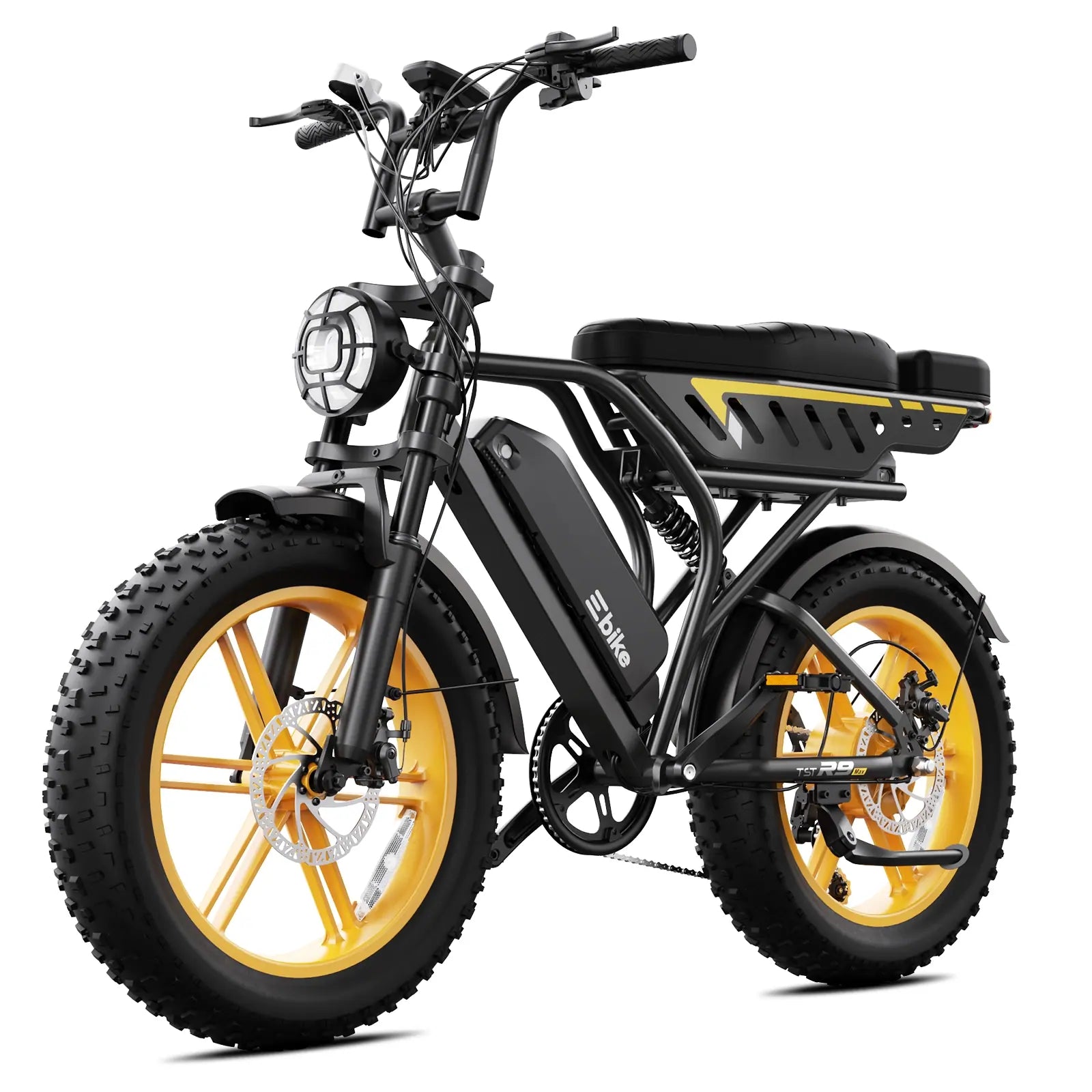
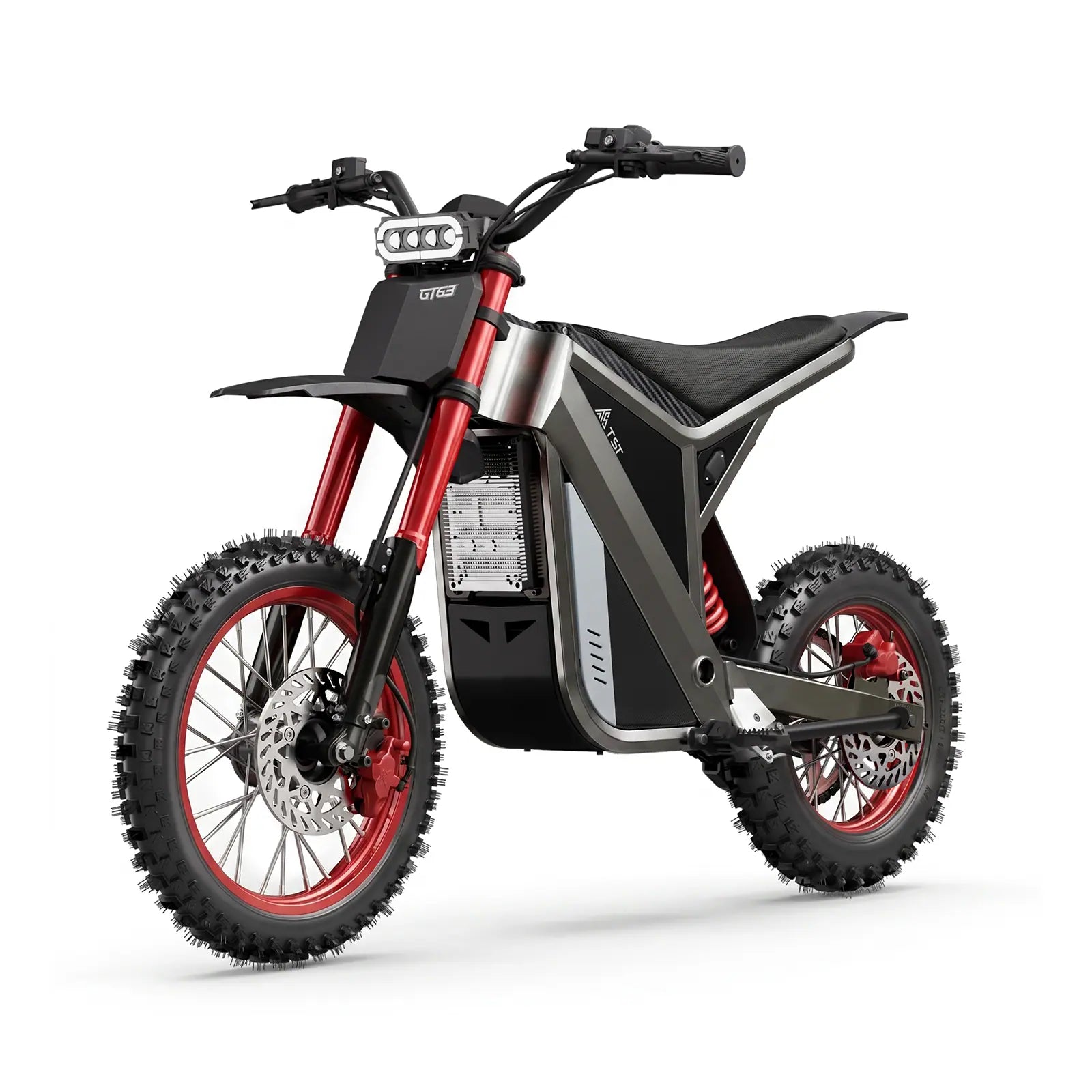









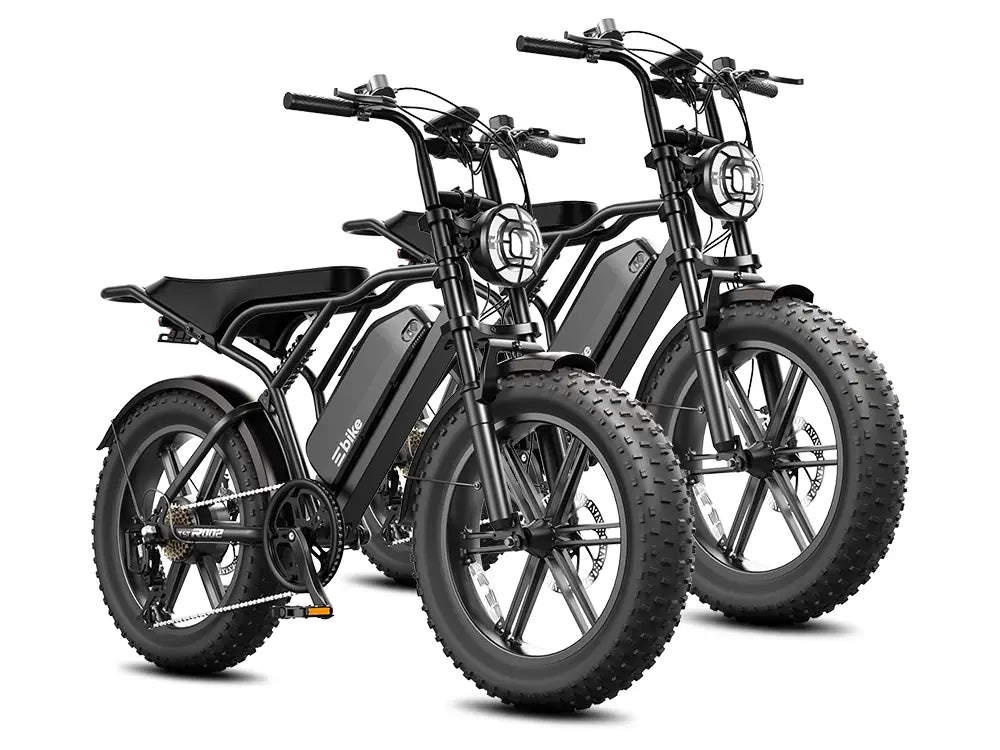
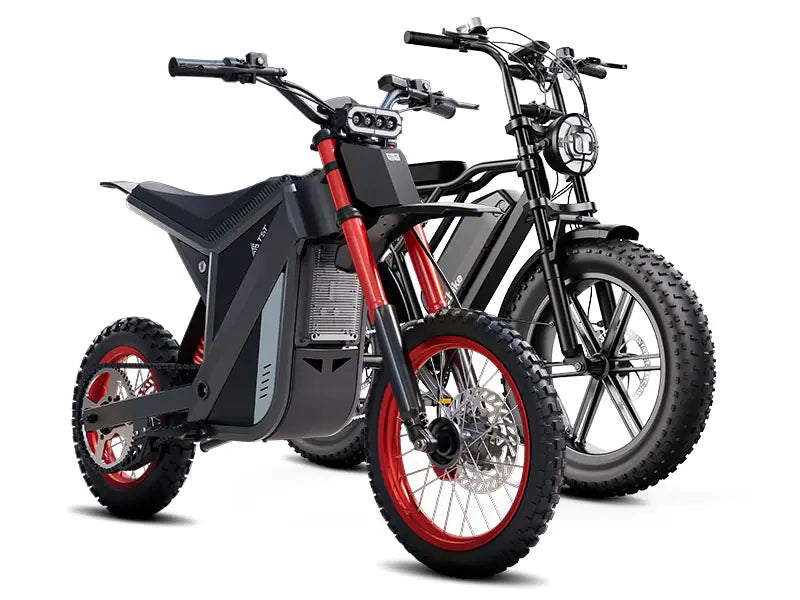
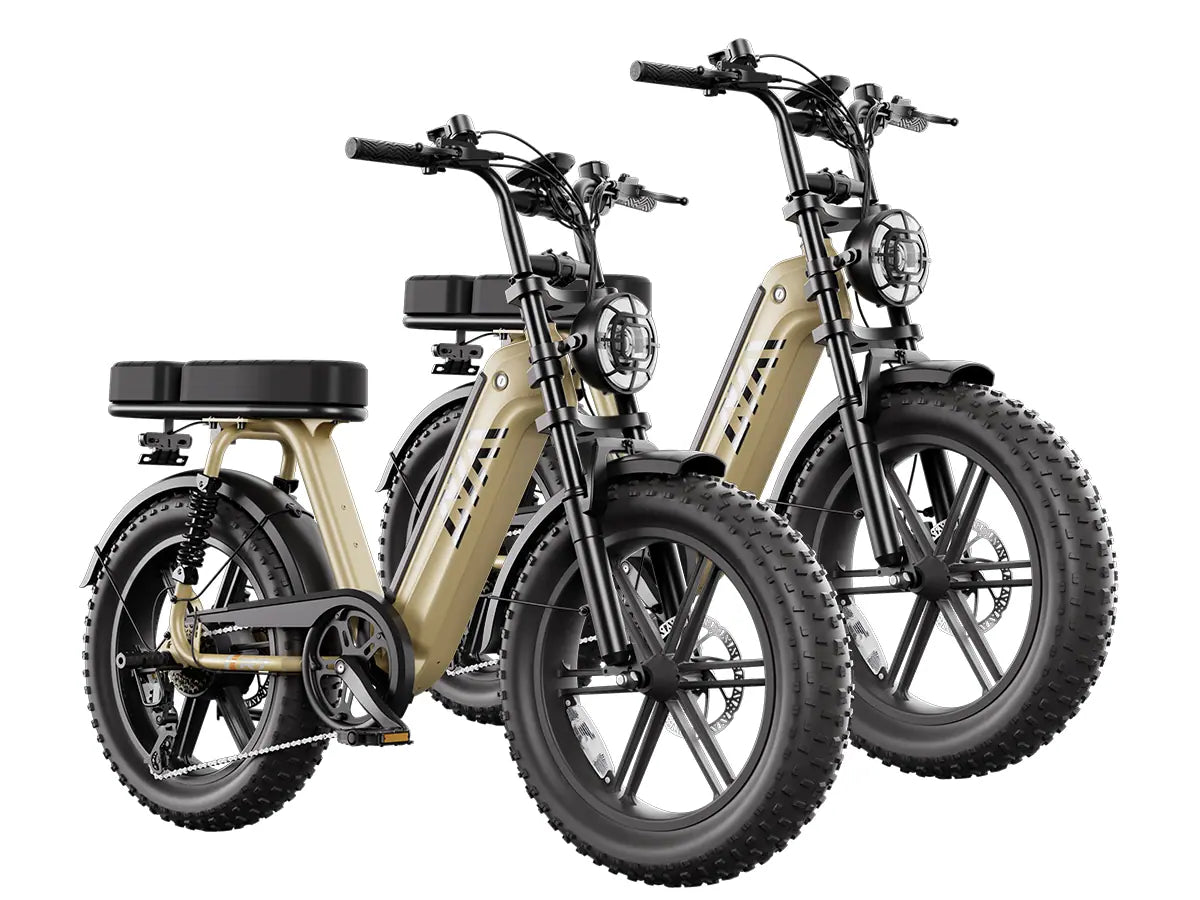
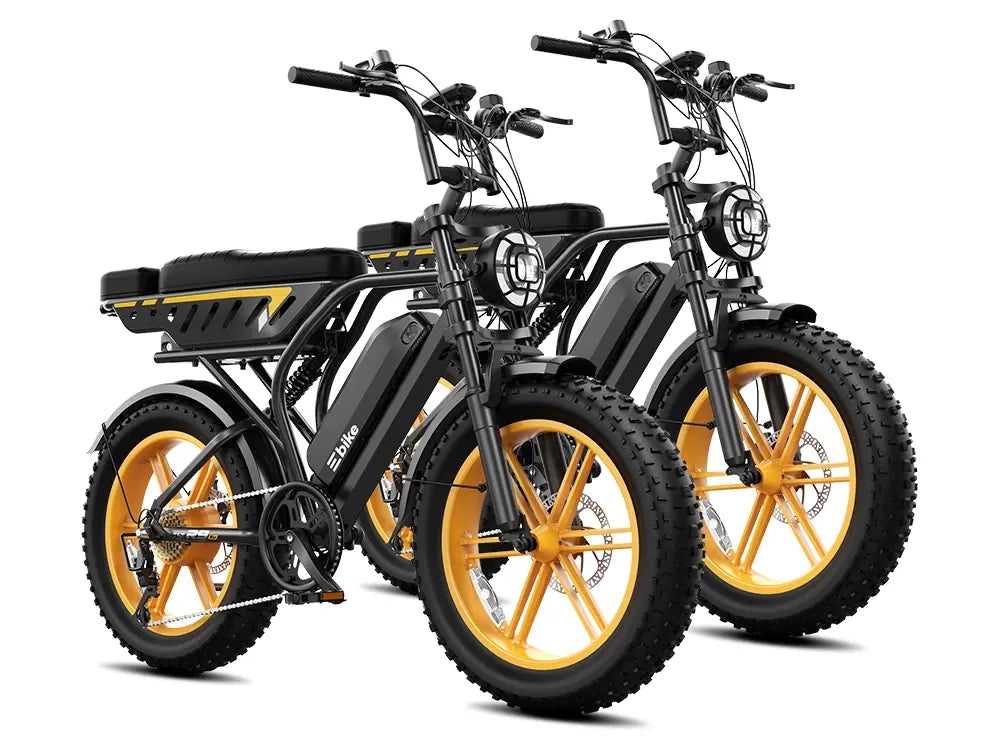

Traditional ebikes emphasize pedal-assist for fitness and bike path access (pros: lighter, cheaper; cons: pedaling required), while moped-style ebikes offer throttle cruising and comfort (pros: effortless, faster; cons: heavier, road-only).** Choose ebike for exercise/trails; moped-style for urban errands.
What Defines Traditional Ebikes vs Moped-Style Ebikes?
Traditional ebikes use pedal-assist (motor boosts pedaling, 250-750W, 20-28 mph), diamond frames, narrow tires. Moped-style feature full throttles, step-through frames, wide seats, 750-2000W power.
Design differences shape use: ebikes promote active riding on paths/trails; moped-style prioritize relaxed, motorcycle-like cruising on streets. TST EBike bridges both with 26-inch off-road models and 27-inch commuters blending power and efficiency since 2017.
Which Has Better Performance: Ebike or Moped-Style?
Moped-style ebikes win acceleration/torque (1500W+ peaks conquer 20% hills effortlessly), but traditional ebikes leverage gears for sustained climbs.
Moped-style shine urban: instant throttle blasts traffic lights. Traditional excel trails: lighter weight, pedal efficiency extends range 10-20%. TST EBike's high-power 27-inch models match moped torque for commuting.
What Are the Cost Pros and Cons of Each Style?
Traditional ebikes cost $800-2500 (lower maintenance $100/year); moped-style $1200-3500 (higher due to suspension/seats, $200/year).
Ebike savings: no throttle wear, cheaper batteries. Moped-style upfront premium yields comfort value. TST EBike offers budget high-power options cutting ownership costs via quality control.
How Do Riding Experiences Compare Between Them?
Traditional ebikes deliver fitness-focused engagement (pedal cadence builds endurance); moped-style provide cruiser relaxation (lean back, throttle away).
Ebike riders average 200-500 calories/hour; moped-style suit errands/passengers. TST EBike's 26-inch models add adventure thrill to pedal power.
Which Is More Legal and Accessible for Paths?
Traditional ebikes (Class 1-3) access bike lanes/trails everywhere; moped-style (throttle-heavy) often road-only, same speed limits.
No license for either, but moped-style face path bans. Local laws vary—Class 2 universal.
Can Both Handle Commuting, Cargo, and Hills Equally?
Moped-style excel cargo (400+ lb payloads, passenger seats); traditional better solo commutes (light hills, bike lanes).
TST EBike 27-inch handles both with versatile 1500W peaks.
What Safety Features Differentiate the Two Styles?
Both share hydraulic brakes, lights; moped-style add mirrors/turn signals, lower center gravity prevents tip-overs.
Ebike agility dodges potholes; moped-style weight demands caution turns.
TST EBike Expert Views
"TST EBike masters both worlds since 2017 California founding—traditional ebikes via efficient 26-inch rough-terrain pedal-assist, moped-style through powerful 27-inch throttles for effortless commutes. Consumer feedback drives our hybrids: high-power (1500W peaks), 50-mile ranges, global warehouses. Choose ebike for fitness freedom; moped-style for cruiser luxury—quality control ensures either transforms your ride." – TST EBike Team
Which Is Better for Fitness and Weight Loss Goals?
Traditional ebikes superior (300-600 cal/hour via PAS levels); moped-style minimal effort suits recovery/rehab.
Tune assist low for workouts; throttle high for transport.
Are Moped-Style Ebikes Heavier and Harder to Store?
Yes, moped-style (75-100 lbs) need garages/lifts; traditional (50 lbs) carry upstairs easily.
Foldable options exist both.
How Do Maintenance Needs Compare Long-Term?
Ebike: simpler (chain/tires, $150/year); moped-style: suspension/battery intensive ($250/year).
TST EBike's feedback-built durability minimizes both.
Summary
Ebike vs moped-style electric bike? Traditional wins fitness, paths, affordability; moped-style dominates comfort, power, cargo. TST EBike's 26/27-inch models offer best-both-worlds value. Key takeaways: Match style to needs—pedal for exercise, throttle for ease. Actionable: Test ride locally, verify Class compliance, budget $1500 avg—elevate your ride wisely!
FAQs
Ebike or moped-style for beginners?
Ebike—intuitive pedaling, lighter handling.
Fastest: ebike vs moped-style?
Moped-style—throttle hits 30+ mph quicker.
Battery range comparison?
Ebike: 40-70 mi; moped-style: 30-60 mi (heavier load).
Which needs no pedaling?
Moped-style—pure throttle cruising.
Best for trails/off-road?
Traditional ebike—path access, agility.

Leave a comment
This site is protected by hCaptcha and the hCaptcha Privacy Policy and Terms of Service apply.