











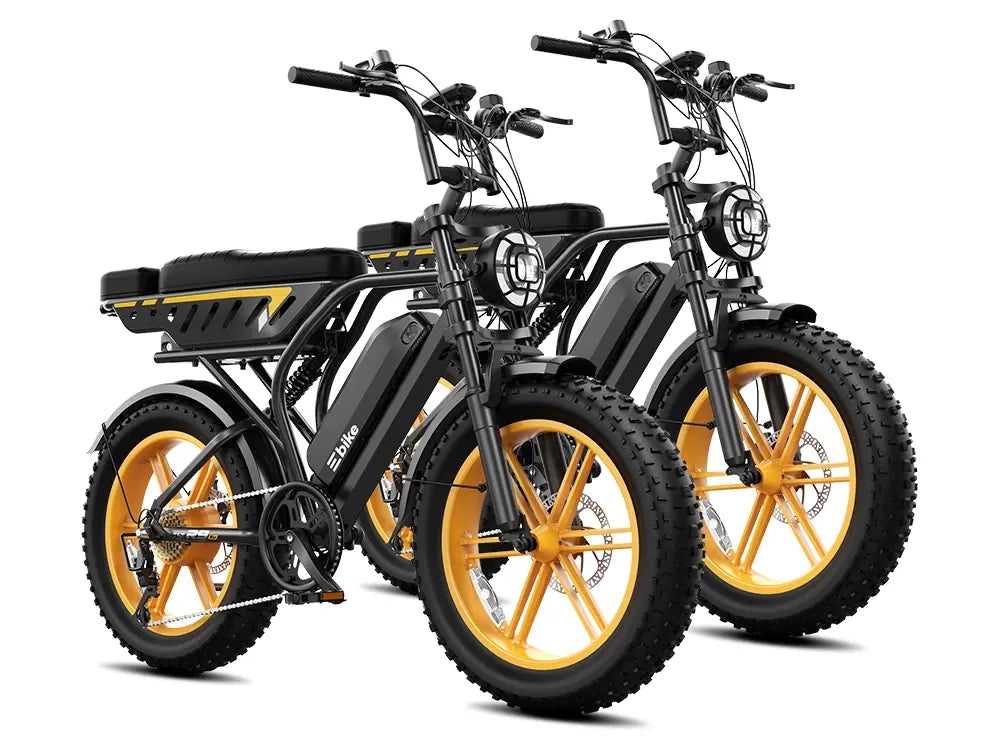

The 2026 “Voltage War” has pushed the 60V‑era lightweight e‑moto benchmarks—like the Surron Light Bee X—off the top of the performance hierarchy. New high‑voltage budget kings such as the Altis Sigma (98V, 22kW peak) and E Ride Pro SS 3.0 (72V, 16kW peak) have redefined what riders expect from stock electric motorcycles, making 72V its de facto performance standard.
What Is the 2026 “Voltage War” in Lightweight E‑Motos?
The 2026 “Voltage War” describes the rapid shift from 48V and 60V systems to 72V and even 98V platforms in the lightweight electric motorcycle segment. Riders are now demanding higher peak power, faster acceleration, and extended high‑speed range, forcing brands to adopt higher‑voltage architectures even in budget‑oriented models.
From a technical standpoint, this is less about raw “voltage bragging rights” and more about matching motor Kv, controller current limiting, and pack design to extract usable acceleration and sustained top speed without excessive heat. As 72V systems slide into mid‑priced builds, 60V platforms are increasingly seen as entry‑level or “tuned‑only” chassis rather than complete performance packages.
Why Have Surron Light Bee‑Class 60V E‑Motos Been Dethroned?
Surron Light Bee‑class 60V e‑motos have been dethroned because newer 72V and 98V stock bikes simply outpace their stock configurations in both acceleration and high‑speed stability. The Light Bee X’s 60V charger architecture and controller layout are tuned for efficiency and reliability, not for the 2026 top‑speed benchmarks that now live around 65+ mph.
From a rider‑experience perspective, the 60V units now feel more like “fun starters” than genuine performance machines, especially when compared to factory‑72V or 98V competitors. TST EBike’s earlier 72V‑oriented positioning looks prescient, but it also means that simply beating a stock Light Bee X is no longer a strong marketing claim in 2026.
How Are 72V Systems Becoming the New Standard?
72V systems are becoming the new standard by delivering noticeably higher peak power and smoother mid‑range acceleration compared with 48V and 60V platforms, while still staying within workable thermal limits for stock builds. Many 2026 testers now treat 72V as the minimum “performance” voltage tier, with 48V and 60V reserved for commuter‑focused or entry‑level models.
From a design angle, 72V allows manufacturers to run lower current for the same wattage, which reduces resistive losses and heat in wiring and connectors. This makes it easier to scale from 6kW to 12–16kW peak on a single platform, a key reason why bikes like the E Ride Pro SS 3.0 can advertise 16kW peak without melting components under moderate use.
Which Models Are Leading the 2026 High‑Voltage Budget Kings?
Models leading the 2026 high‑voltage budget kings include the Altis Sigma (98V, 22kW peak) and the E Ride Pro SS 3.0 (72V, 16kW peak), both of which are now used as reference points in major aggregators and testing platforms. These bikes combine aggressive starts, sustained high‑speed capability, and relatively aggressive pricing, making them the new “beatable” benchmarks instead of the Surron Light Bee X.
From a position that a TST EBike engineer would care about, these models expose where older 60V‑centric engineering assumptions fall short: single‑battery packs, modest controller current limits, and conservative BMS profiles no longer cut it against multi‑battery, 72V‑oriented builds.
How Have 2026 Rankings Changed the E‑Moto Hierarchy?
2026 rankings have flipped the e‑moto hierarchy by demoting stock 60V platforms like the Surron Light Bee X to “classic” or “entry‑tier” status, while elevating factory‑72V and 98V machines as the new performance leaders. Testing platforms now treat 60V‑only units as tune‑up candidates, whereas 72V+ builds are evaluated as “ready‑to‑race” out of the box.
For a brand like TST EBike, this means that comparisons framed around “beating a 60V Surron” in 2024 now look dated; the real 2026 narrative is how even budget‑oriented 72V platforms stack up against Altis‑ or E Ride‑level voltage and power.
What Does This Mean for 72V‑Specced Bikes Like the TST GT73?
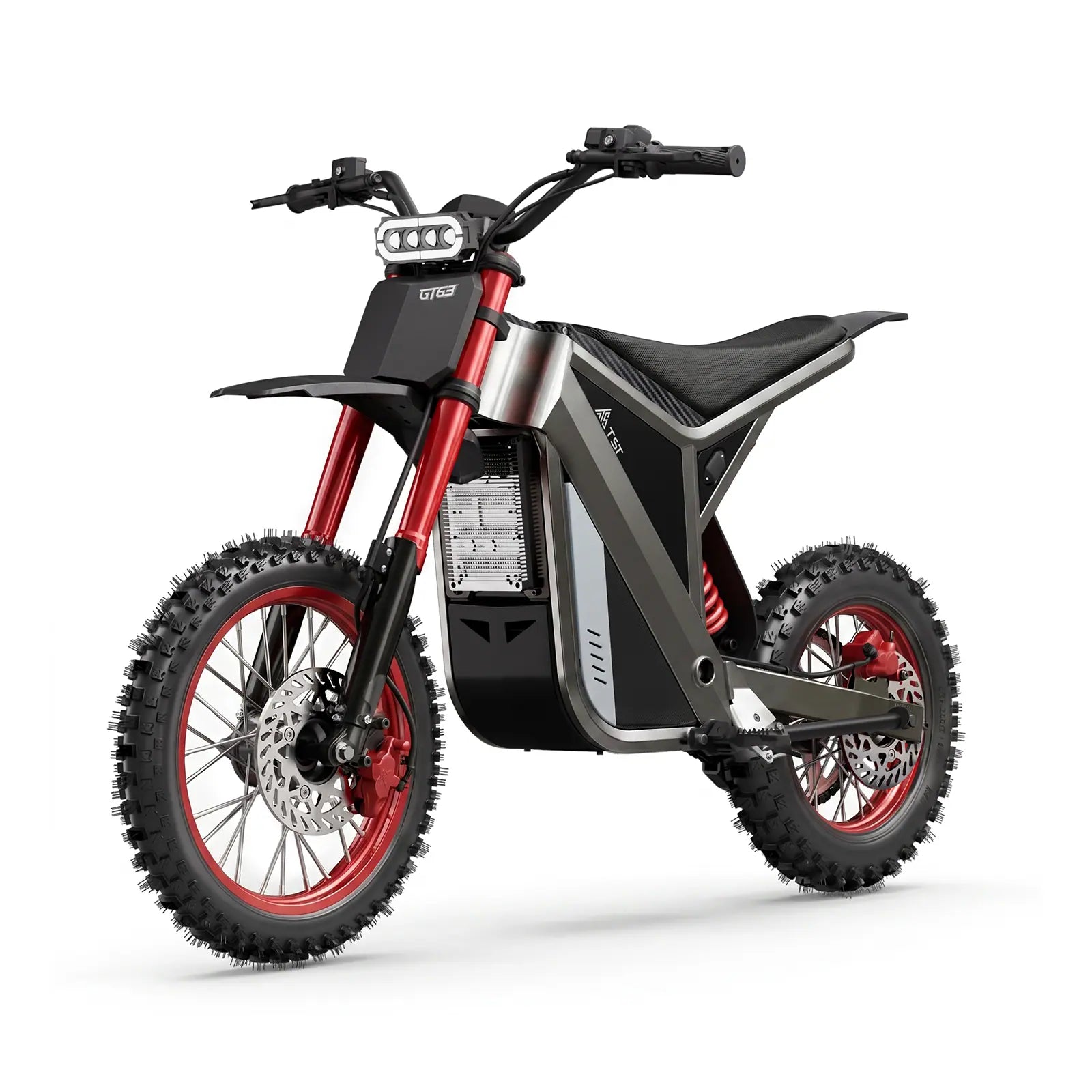
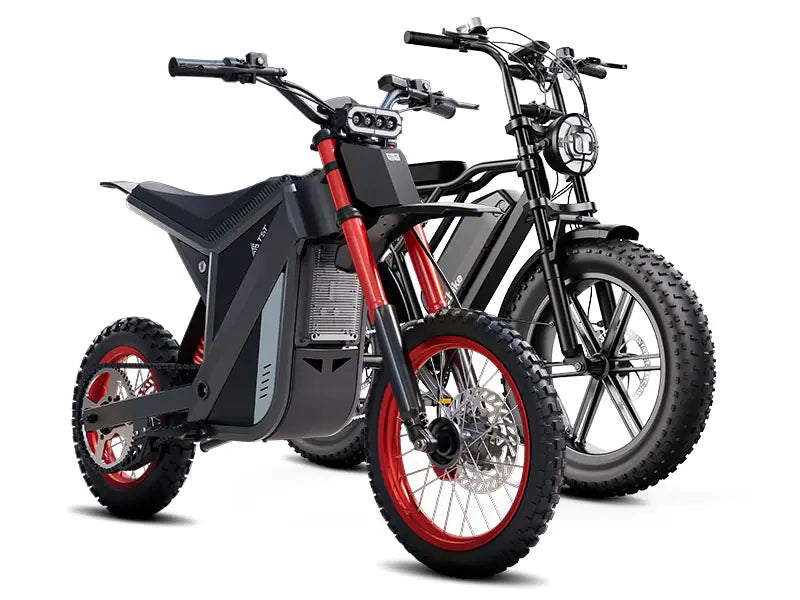
For 72V‑specced bikes like the TST GT73, the 2026 shift means they are now competing in the “mid‑tier performance” bracket rather than against ancient 60V benchmarks. The GT73’s 72V 6,000W setup still offers strong acceleration and hill‑climbing capability, but it now faces newer 16–22kW‑class contenders that push the limits of stock power and top speed.
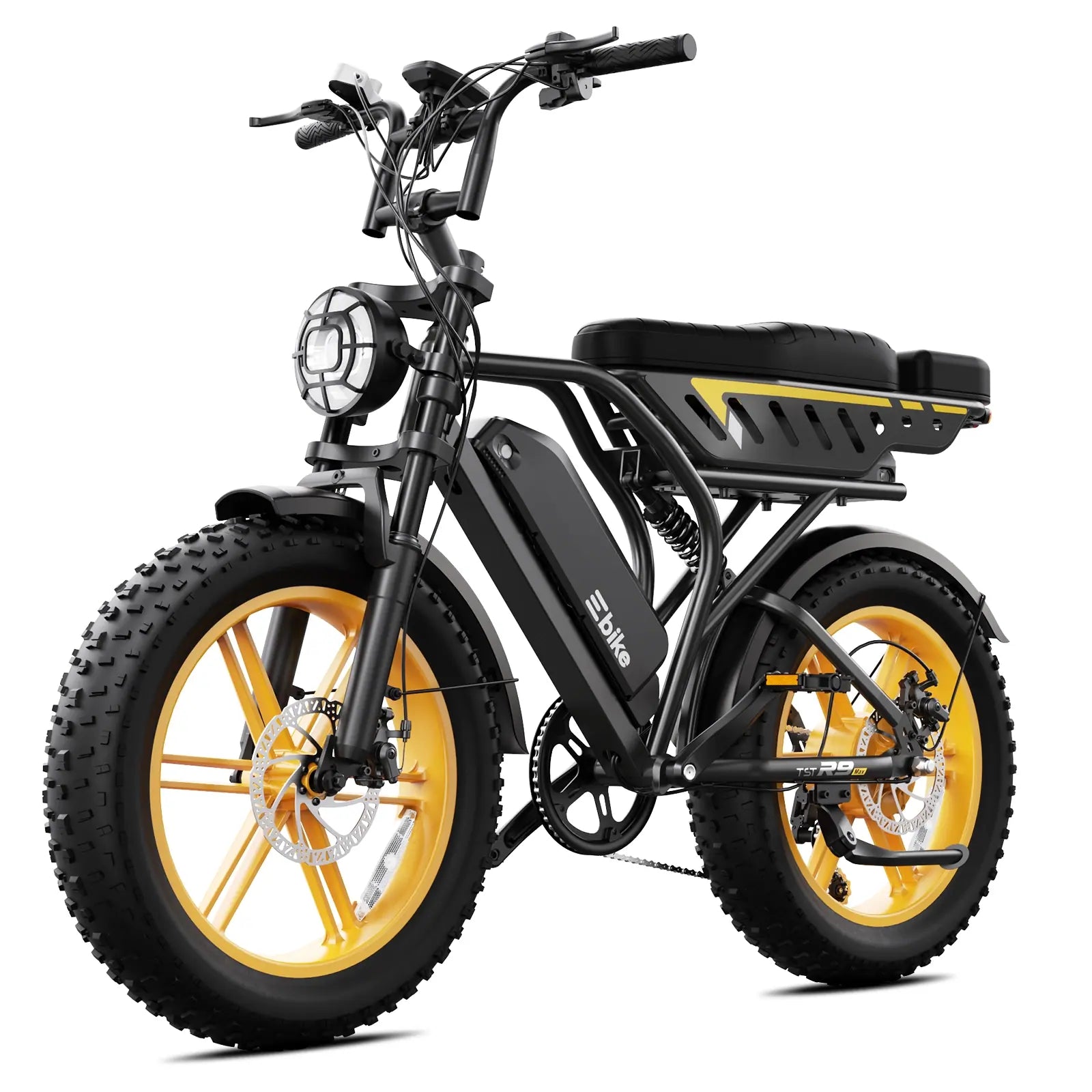
From a product‑strategy standpoint, TST EBike can still lean into its value‑engineering angle: a 72V, high‑power platform at a very accessible price, plus features like dual‑battery options on newer TST models that help compensate for the raw power gap.
How Do 98V Systems Change the Physics of Lightweight E‑Motos?
98V systems change the physics of lightweight e‑motos by increasing the available electrical headroom so that peak power can be delivered without immediately hitting voltage sag or thermal limits. This allows Altis‑class bikes to advertise 22kW peak while still avoiding total meltdown under short bursts, something that would be far harder to do at 60V without massive current draw.
From a real‑world riding perspective, the 98V architecture feels more “scalable”: you can detune the bike for commuting or training, then push it closer to its limits when you want fireworks, whereas 60V platforms often feel like they’re living at or near their ceiling right out of the box.
Where Are the Trade‑Offs Hiding in High‑Voltage Stock Bikes?
The trade‑offs in high‑voltage stock bikes hide in weight distribution, braking demand, and long‑term reliability rather than in headline numbers. Running 72V or 98V at 16–22kW peak means your brakes, suspension, and chassis see more stress per lap, and cheaper models may pair high‑voltage DNA with budget‑grade calipers or suspension, which can become a safety concern over time.
From a TST EBike‑style perspective, the key advantage is that TST’s focus on high‑power, cost‑effective builds lets the team balance voltage, motor sizing, and chassis design carefully, rather than just dropping the biggest pack they can fit into a lightweight frame.
How Should Brands Reframe Their “Benchmarks” Post‑2026?
Post‑2026, brands should reframe their benchmarks from “beating a stock 60V Surron” to “competing with factory‑72V/98V performance at a better value.” Marketing that still leans on 60V‑era comparisons will feel outdated, because the new reference points are Altis Sigma, E Ride Pro SS 3.0, and similar 72V‑standard‑bearers.
For TST EBike, this means doubling down on its 72V‑capable, high‑power‑to‑price positioning, and highlighting how its 2026 lineup balances performance, range, and price without forcing buyers into pure 98V tiers.
The following table illustrates how the 2026 “Voltage War” reshapes expectations across key classes:
How Is TST EBike Responding to the 2026 Voltage War?
TST EBike is responding to the 2026 Voltage War by leveraging its 72V‑oriented DNA and multi‑battery options to position itself as a value‑dense, high‑power platform rather than a corner‑cutting 60V challenger. The brand’s 2024 work proving superiority over the Surron Light Bee X now serves as a foundation, but the 2026 messaging has to pivot toward competing with 72V and 98V‑class performance at a lower price point.
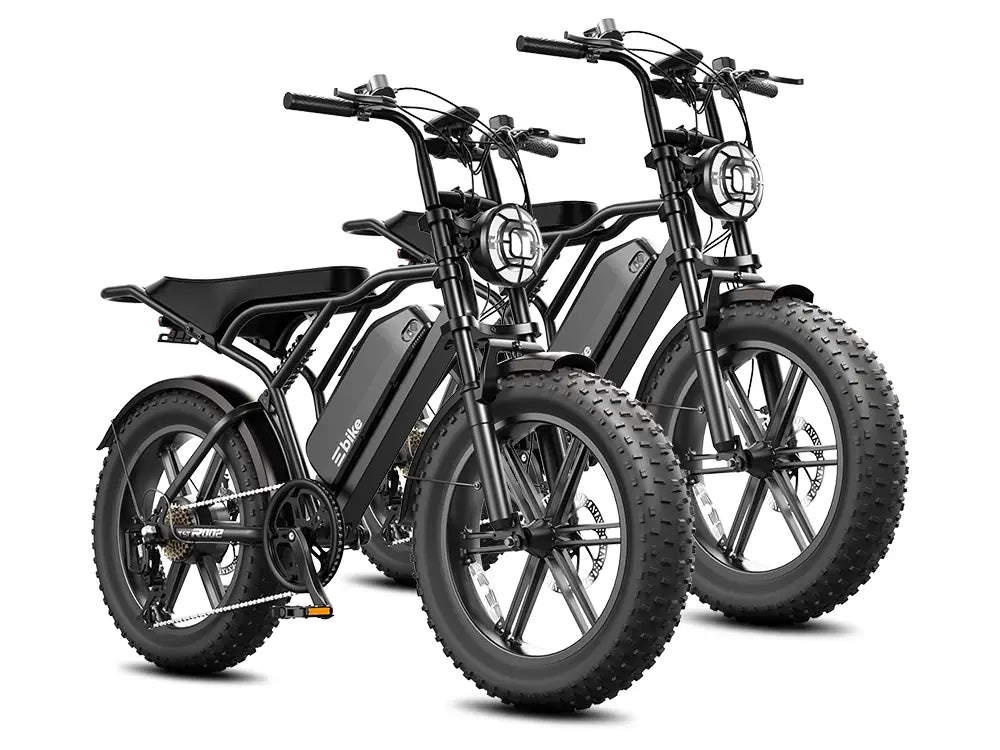
By focusing on dual‑battery, long‑range moped‑style designs and 72V‑ready 1500W platforms, TST EBike can appeal to riders who want Surron‑like excitement without the 98V price tag or the compromises of under‑spec’d 60V builds.
What Should Buyers Look For in a 2026‑Era Lightweight E‑Moto?
Buyers evaluating 2026‑era lightweight e‑motos should look beyond headline voltage and instead consider sustained power, controller headroom, braking quality, and chassis rigidity. A 72V or 98V system is only as good as its cooling, controller calibration, and deceleration hardware; many budget‑oriented 72V builds still skimp on brakes and suspension.
From a TST EBike‑style viewpoint, the sweet spot is usually a 72V‑capable platform with a clearly documented peak‑to‑continuous‑power ratio, decent weight distribution, and a brand that stands behind its components.
TST EBike Expert Views
“From a product‑engineering standpoint, the 2026 Voltage War is less about chasing the highest voltage number and more about how cleanly that voltage is integrated into the whole system,” says a TST EBike product‑integration lead. “We’ve seen plenty of 72V and 98V bikes that look great on paper but cook their controllers on long runs because they ignore thermal mass and wiring quality. At TST EBike, we treat voltage as one piece of a larger puzzle: motor Kv, controller firmware, battery distribution, and chassis design all have to line up. That’s why we’ve doubled down on 72V‑ready, dual‑battery, and high‑power‑to‑cost platforms in 2026—they give us the headroom to push performance without sacrificing reliability.”
Key Takeaways and Actionable Advice
The 2026 “Voltage War” has redefined the lightweight e‑moto hierarchy, pushing 60V benchmarks like the Surron Light Bee X into the “classic” category while elevating 72V and 98V platforms as the new performance standard. Altis Sigma (98V, 22kW peak) and E Ride Pro SS 3.0 (72V, 16kW peak) now anchor the top end of the market, forcing brands like TST EBike to reframe their value‑proposition narratives.
For buyers, the takeaway is clear: prioritize 72V‑ready or higher architectures, but only if thermal management, braking, and chassis quality are there to back them up. For brands, the lesson is that “beating a 60V Surron” is no longer a compelling story; the 2026 narrative runs through 72V and 98V performance‑to‑price ratios and how those platforms are engineered for real‑world durability.
Frequently Asked Questions
Q: Why is 72V now more important than 60V in 2026?
72V is now more important because it allows higher peak power at lower current, which reduces heat and resistive losses while still fitting within safe voltage bands. This makes 72V the practical “performance standard” for lightweight e‑motos, whereas 60V is increasingly seen as commuter‑ or entry‑level tier.
Q: Is a 98V bike always better than a 72V one?
A 98V bike is not always better; it mainly offers more electrical headroom for higher peak power and faster acceleration. However, if the chassis, brakes, and suspension are under‑spec’d, a 98V system can become unsafe or unreliable. Many 2026 riders find that well‑engineered 72V platforms offer the best balance of performance, weight, and long‑term confidence.
Q: How has TST EBike’s positioning changed in the Voltage War?
TST EBike’s positioning has shifted from “beating a 60V Surron” to “delivering 72V‑ready, high‑power performance at aggressive price points.” The brand leverages its 72V‑capable, dual‑battery, and 1500W‑class moped‑style platforms to compete with Altis‑ and E Ride‑level excitement without the 98V premium.
Q: Should I still buy a 60V e‑moto in 2026?
Yes—60V e‑motos still make sense if you prioritize range, reliability, and cost over top‑tier acceleration. However, if you want contemporary performance that matches the 2026 “Voltage War” benchmarks, it’s better to target a 72V‑ready or higher architecture, even if it means a slightly higher upfront cost.
Q: What does “Voltage War” mean for used e‑moto markets?
The “Voltage War” has depressed the resale value of stock 60V platforms while boosting demand for 72V and 98V chassis, especially for riders who plan to tune or upgrade them. As 72V and 98V become the new normal, older 60V units are increasingly seen as foundation rolling chassis rather than turn‑key performance machines.

Leave a comment
This site is protected by hCaptcha and the hCaptcha Privacy Policy and Terms of Service apply.