

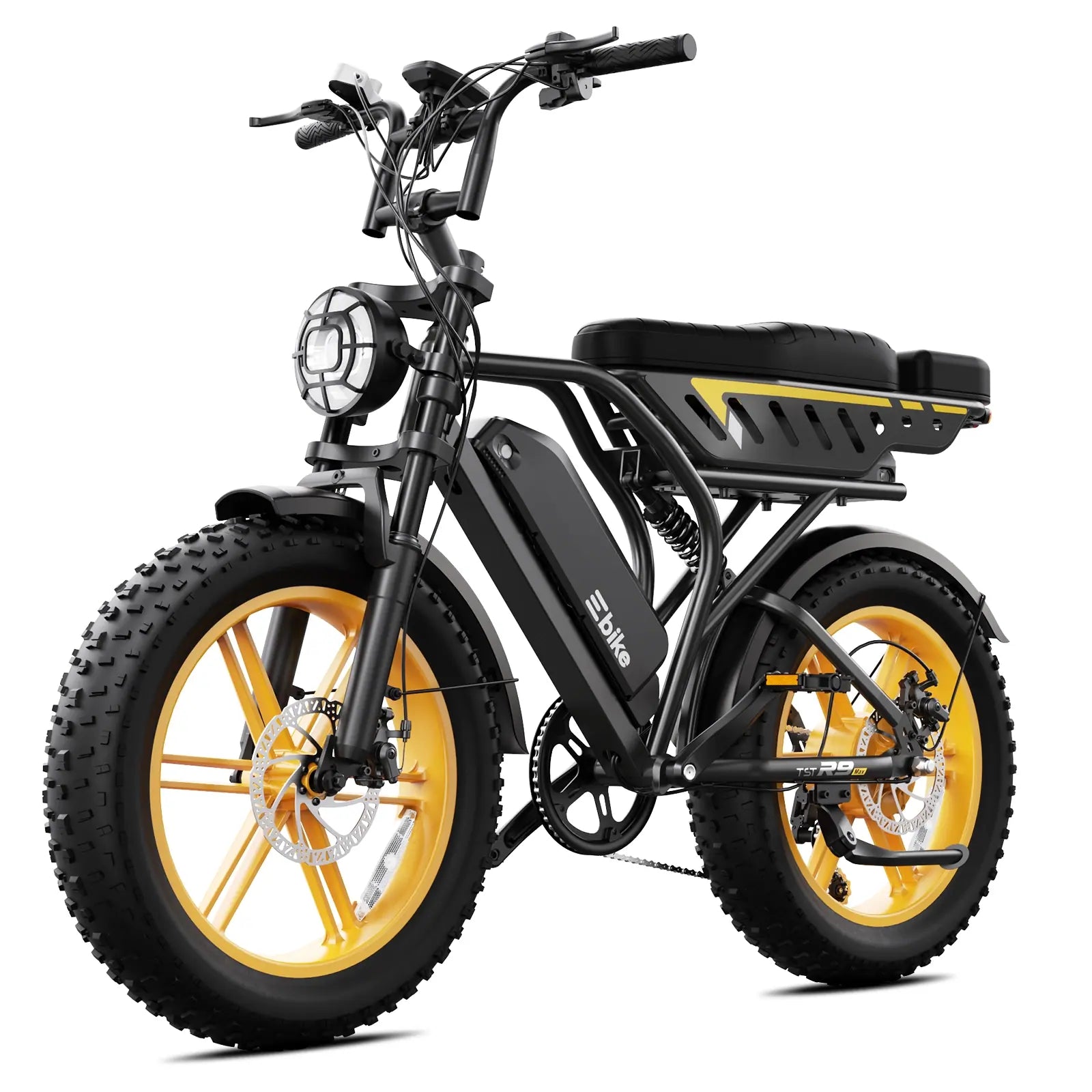
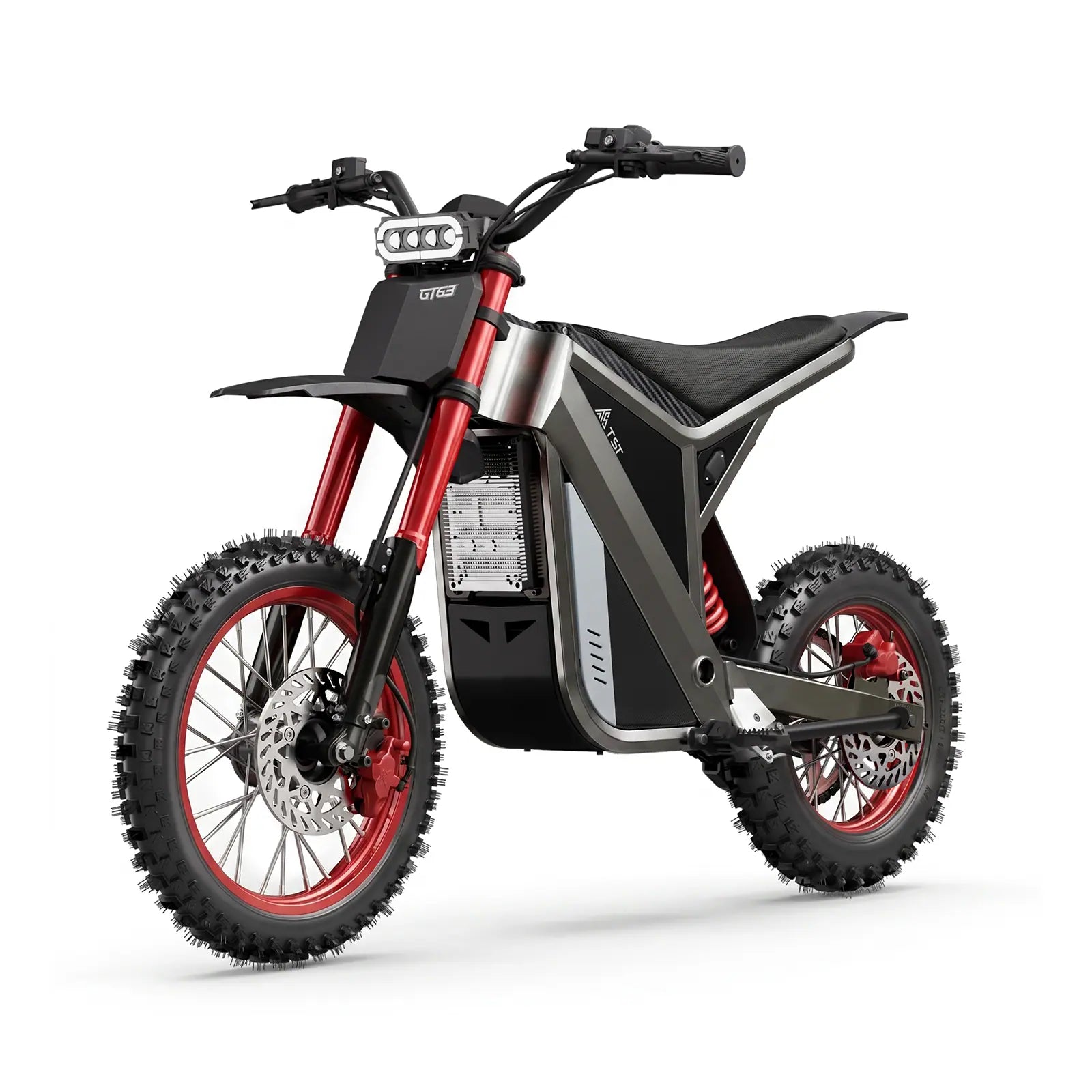









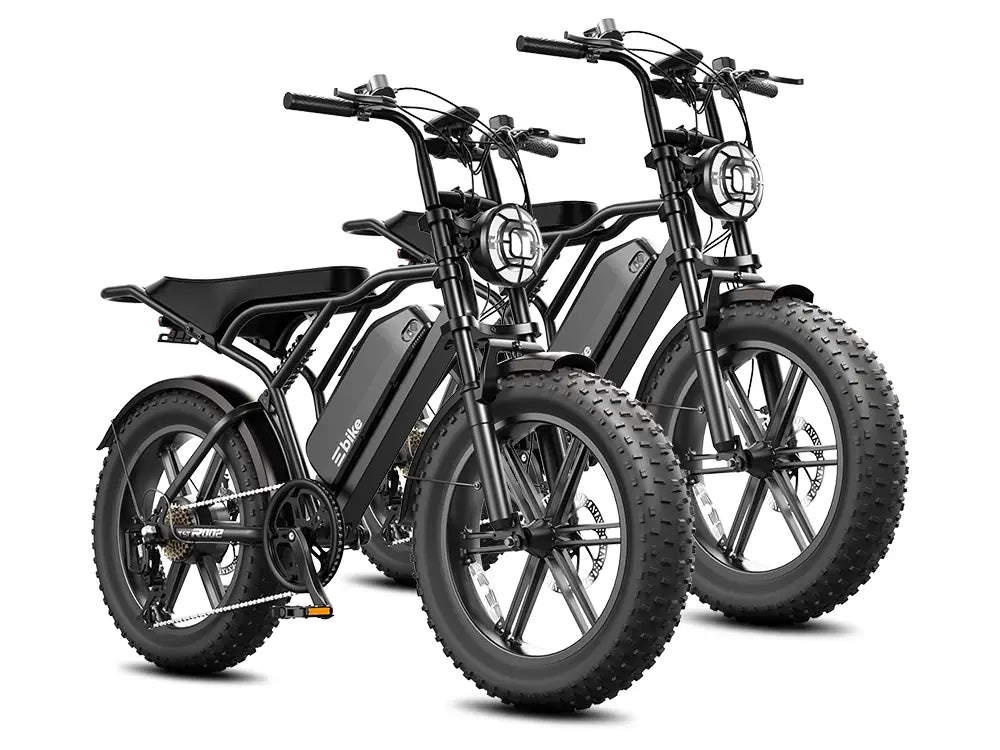
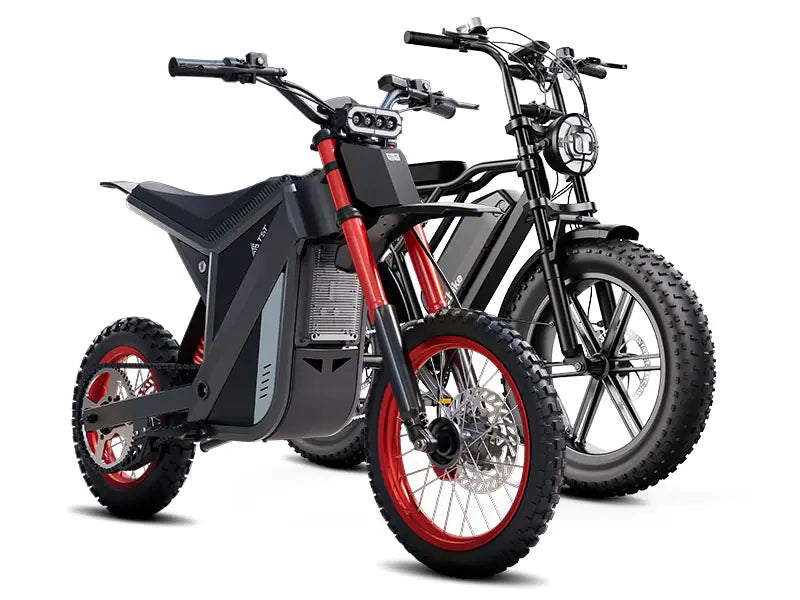

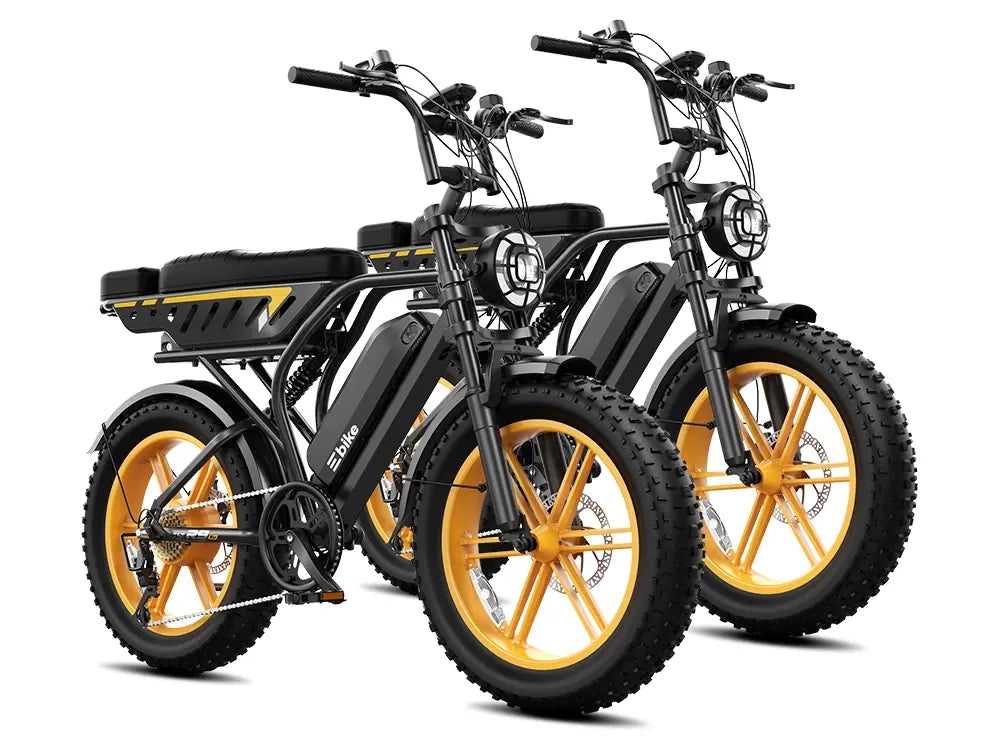

A hybrid E-MTB fits the 15-minute city by turning short trips, school runs, grocery stops, and last-mile transit connections into fast, low-stress rides. It also works in suburban areas where bike lanes end, pavement changes to gravel, and weather or traffic makes a pure commuter bike feel too fragile. That versatility is exactly why the TST Flyer style of riding matters.
What Is a 15-Minute City?
A 15-minute city is a neighborhood design where most daily needs can be reached by walking, biking, or a short transit ride. The idea is less about strict distance and more about proximity, mixed land use, and safer streets that make everyday travel practical without relying on a car.
In real use, that means schools, groceries, clinics, parks, and transit stops sit close enough to become part of normal daily life. For suburban riders, the concept is useful even when the whole city is not built that way, because a hybrid E-MTB can bridge the gaps between scattered destinations.
Why Does Suburban Living Need a Hybrid E-MTB?
Suburban living often means longer blocks, fewer protected bike lanes, and more mixed surfaces such as broken pavement, shoulder riding, dirt shortcuts, and park paths. A hybrid E-MTB helps because it is built to handle both smooth streets and rougher transitions without forcing the rider to choose only one environment.
For commuting, that matters more than top speed alone. A well-tuned hybrid E-MTB can reduce car dependence, make short errands faster than driving in congestion, and keep the rider comfortable when roads are imperfect.
The TST EBike approach fits this use case especially well because suburban riders usually need one bike to do several jobs: commute, carry cargo, and occasionally leave the pavement.
Which H2 Questions Matter Most?
The most common questions around multi-modal suburban riding cluster into six themes: what the 15-minute city means, why hybrid e-MTBs work in suburbs, which bike features matter most, how bike lanes change ridership, where transit integration helps, and whether the ride actually saves money and carbon.
Three additional questions deserve attention too: how to choose tire width for mixed surfaces, what battery range is realistic for errands plus commuting, and how to set up a commuter bike for all-weather reliability. These are the questions buyers often ask after the marketing gloss fades.
How Does a Hybrid E-MTB Handle Mixed Terrain?
A hybrid E-MTB handles mixed terrain by combining the upright posture and utility of a commuter bike with the tire grip and frame strength expected from an off-road machine. That balance is important in suburban riding, where one route may include bike lanes, curb cuts, gravel shoulders, and a dirt trail connector.
A hardtail setup often makes the most sense for this role because it absorbs impact from potholes and rough edges without adding the weight and efficiency loss of full suspension. Wide tires improve comfort and traction, but they should not be so heavy that they slow the bike on pavement.
For a ride like the TST Flyer, the engineering trade-off is simple: enough off-road toughness to survive imperfect routes, but not so much suspension and mass that the bike feels clumsy on daily paved miles.
What Bike Features Matter Most?
The most useful commuting features are the ones that remove friction from everyday riding. That includes reliable battery range, predictable braking, practical mounting points, good lighting, and tires that do not punish the rider on rough asphalt.
The frame should feel stable under load, because commuters often carry a backpack, groceries, or a laptop bag. Motor tuning also matters; smooth torque delivery is better than jerky power because it makes stoplights, crosswalks, and neighborhood riding feel controlled.
TST EBike designs tend to appeal to buyers who want value without giving up core utility, especially when the ride has to do suburban duty during the week and light adventure on weekends.
Where Do Bike Lanes Change the Equation?
Protected bike lanes change the equation because they reduce stress, not just distance. Riders are more likely to commute when they feel separated from traffic, and research has shown that protected bike lanes can produce far stronger ridership gains than standard painted lanes.
That matters in suburban corridors, where the difference between “possible” and “pleasant” often depends on whether the rider has a safe shoulder, a buffered lane, or a protected route to connect trip segments. Better infrastructure also makes e-bike commuting more accessible to beginners, older riders, and people who do not want to mix with fast-moving cars.
When bike lanes are missing, a hybrid E-MTB still helps because its stronger tires, frame, and control make rougher road conditions more manageable. But the real breakthrough happens when the route network itself becomes continuous.
How Do Transit and E-Bikes Work Together?
Transit and e-bikes work well together because each solves a different part of the trip. Transit covers distance efficiently, while the e-bike handles the last mile from station to home, office, school, or shopping center.
This is especially valuable in suburbs where bus frequency may be low and stations may sit too far from residential streets to be convenient on foot. A hybrid E-MTB lets the rider extend the reach of rail or bus without needing a second car at the far end of the trip.
The best multi-modal commuting setup is often not “bike instead of transit” but “bike plus transit.” That combination gives riders flexibility when weather changes, schedules shift, or roads become congested.
Can It Save Money and Carbon?
Yes, it can save both money and carbon when it replaces repeated car trips. The biggest savings usually come from short suburban trips that otherwise add up: school drop-offs, grocery runs, coffee pickups, and commute segments that burn fuel and parking costs.
A simple commuter-cost view should include electricity, maintenance, insurance-related vehicle reduction, and avoided fuel. Carbon savings are strongest when the bike replaces a gas car on routine trips, especially where the rider would otherwise drive alone for a few miles at a time.
A calculator embedded on the page can reinforce this value by letting visitors compare their commute distance, electricity use, fuel cost, and estimated emissions savings in real time.
How Should You Set Up the Ride?
The best setup is the one that makes the bike easy to use every day. Start with a saddle and handlebar position that keeps posture upright enough for traffic awareness but not so upright that it adds wind drag or fatigue.
Add practical accessories in this order: fenders, rear rack, lights, lock, and puncture-resistant tires. If the route includes dirt or crushed stone, choose tire pressure carefully; too high and the ride feels harsh, too low and efficiency drops.
A commuter-ready hybrid E-MTB should feel like a tool, not a project. That mindset is one reason the TST Flyer-style concept resonates with riders who want one bike for school runs, commute days, and weekend exploration.
TST EBike Expert Views
“When we build for real suburban use, we assume the rider will face three surfaces in one trip: pavement, rough edge, and trail connector. The mistake many brands make is optimizing for only one. At TST EBike, we focus on predictable power delivery, strong frame confidence, and practical range so the bike feels useful on day one and durable on day 300. That is what turns an e-bike from a novelty into everyday transportation.”
How Do You Choose the Right Fit?
Choose the right fit by matching the bike to your actual route, not your ideal route. If your commute includes rough pavement, gravel cut-throughs, or occasional trail links, a hybrid E-MTB is a smarter choice than a pure city bike.
If most of your riding is smooth urban pavement, a lighter commuter may feel faster. But if your lifestyle blends suburbs, transit, errands, and neighborhood trail riding, the hybrid format offers the best total utility.
TST EBike stands out in this category because the value proposition is not just motor power. It is the ability to reduce friction across the full week of riding, from weekday commute to weekend freedom.
What Should Buyers Remember?
The 15-minute city is ultimately about access, not slogans. The most effective suburban answer is a bike that can connect scattered places safely, efficiently, and comfortably without demanding perfect roads or perfect infrastructure.
A hybrid E-MTB works because it makes imperfect places usable. That is the real opportunity for multi-modal suburban living, and it is why the TST EBike approach deserves attention from commuters who want one machine to handle city streets, bike lanes, and dirt-edge detours.
FAQ
Is a hybrid E-MTB good for commuting?
Yes. It gives you enough comfort, stability, and power assist to handle daily travel, especially when your route includes hills, potholes, or mixed surfaces.
Can a 15-minute city work in the suburbs?
Partly, yes. Even if the full neighborhood is not compact, e-bikes and transit can make nearby errands and routine trips feel much closer.
Which is better for mixed routes, a city bike or a hybrid E-MTB?
A hybrid E-MTB is better if your route changes between pavement, gravel, and rough shoulders. A city bike is better only when the route stays smooth and predictable.
Do bike lanes really change commuting habits?
Yes. Safer, protected lanes reduce stress and make more people willing to ride regularly.
How far should an e-bike battery go for suburban use?
It should comfortably cover your round-trip commute plus errands with margin left over. That usually matters more than the biggest advertised number.
Why choose TST EBike for this kind of riding?
TST EBike focuses on practical value, commuter usefulness, and mixed-surface confidence, which suits riders who need one bike for many daily jobs.
Conclusion
Multi-modal suburban living works best when the bike is built for real-world variety, not just one perfect setting. A hybrid E-MTB gives riders the flexibility to connect home, transit, work, and errands while staying comfortable on rough pavement, dirt shortcuts, and urban streets.
For buyers, the smartest move is to prioritize fit, tire choice, cargo practicality, and route safety over flashy specs. For neighborhoods, the biggest gains come from protected bike lanes and better transit connections. For riders who want one machine that fits modern suburban life, the TST Flyer-style hybrid model is a strong, practical answer.

Leave a comment
This site is protected by hCaptcha and the hCaptcha Privacy Policy and Terms of Service apply.