

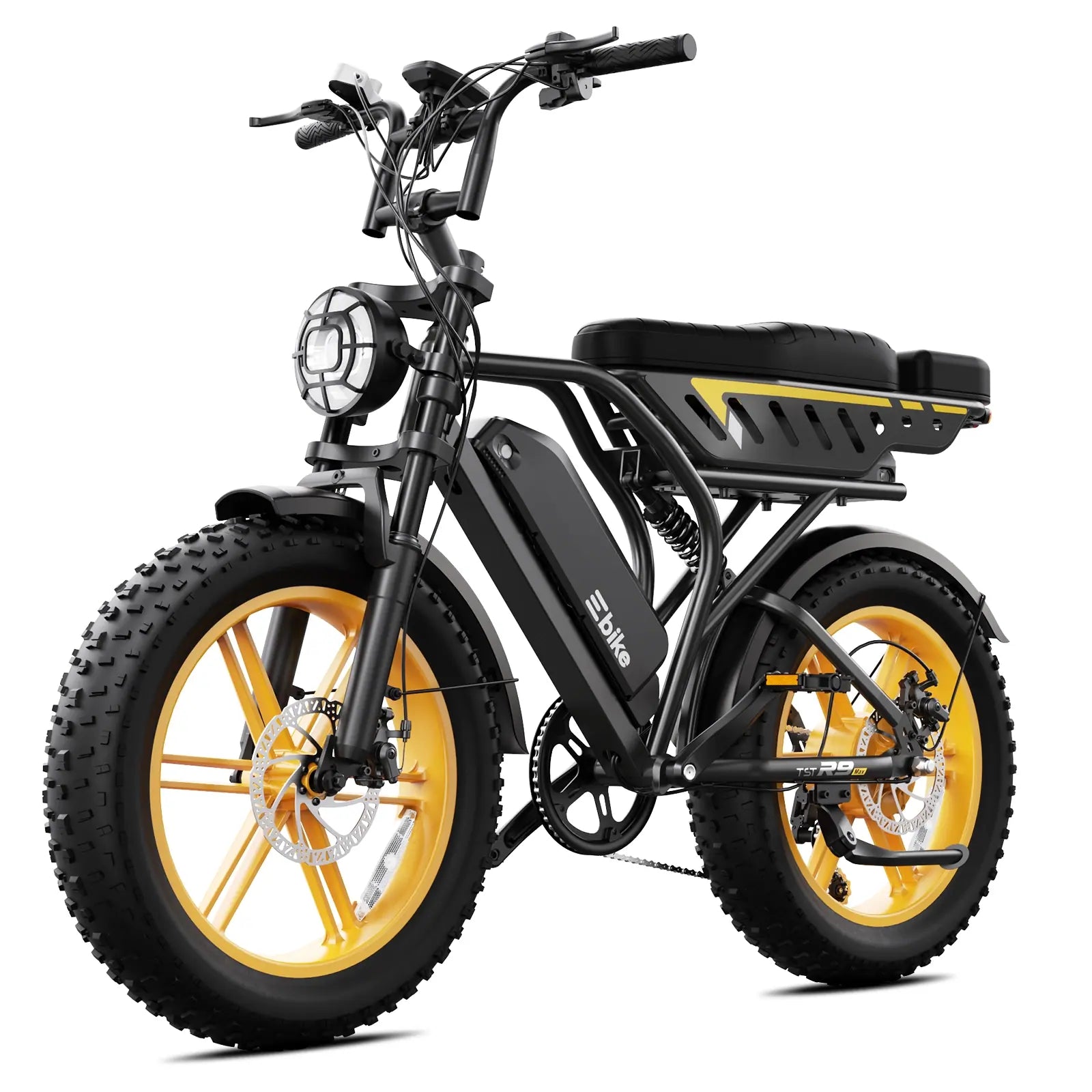
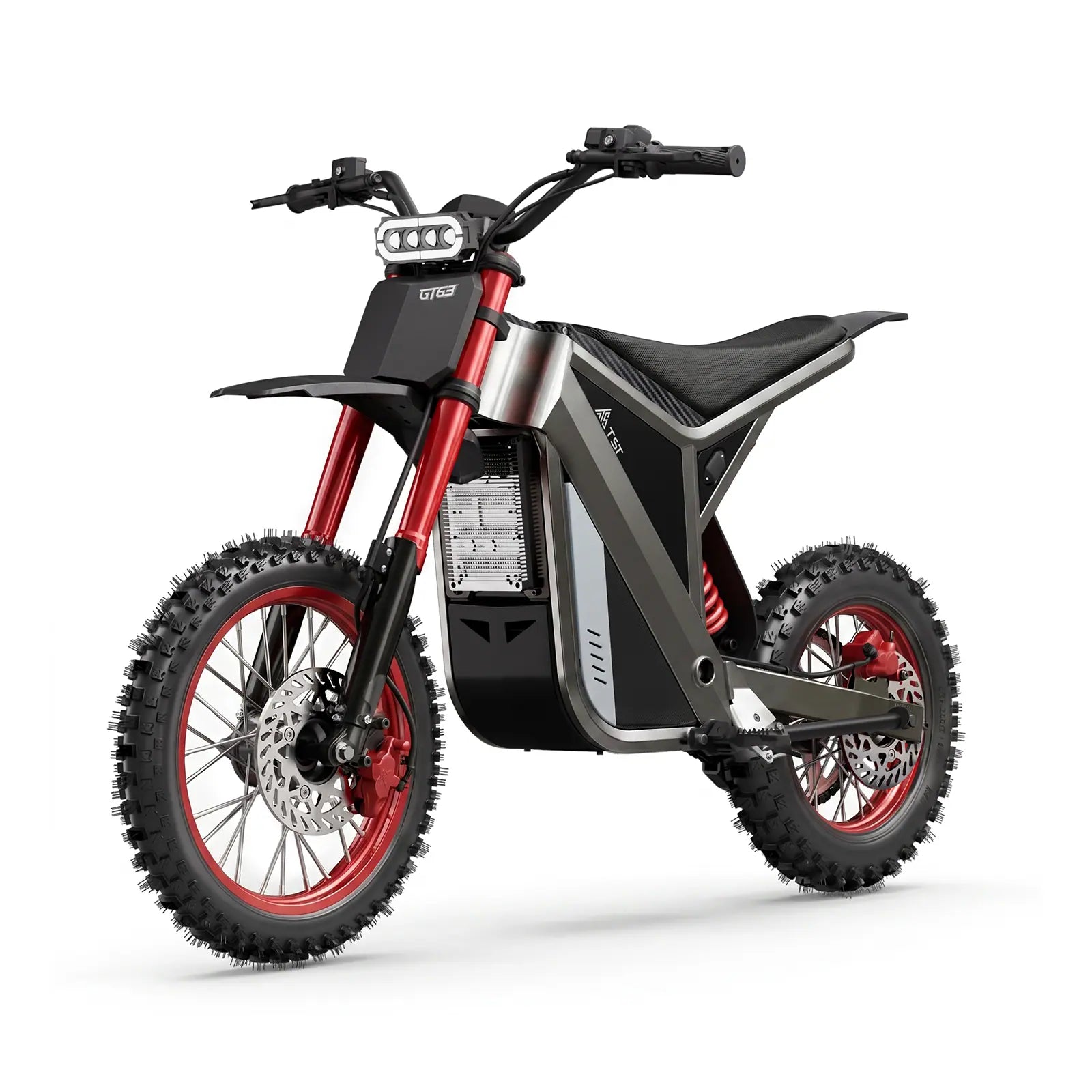









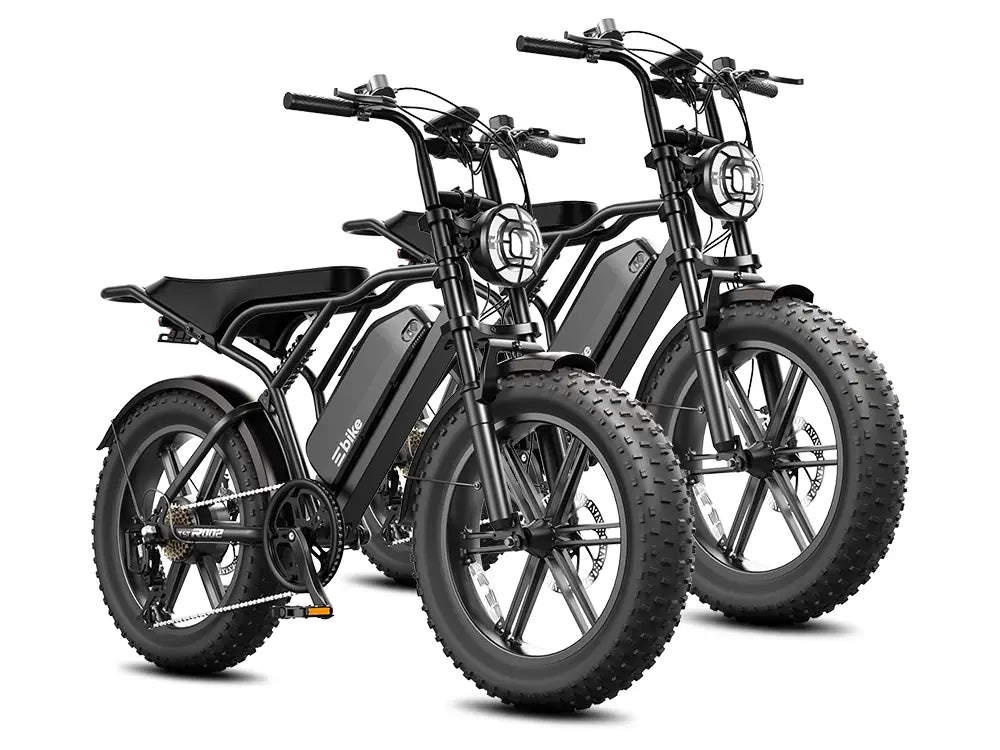
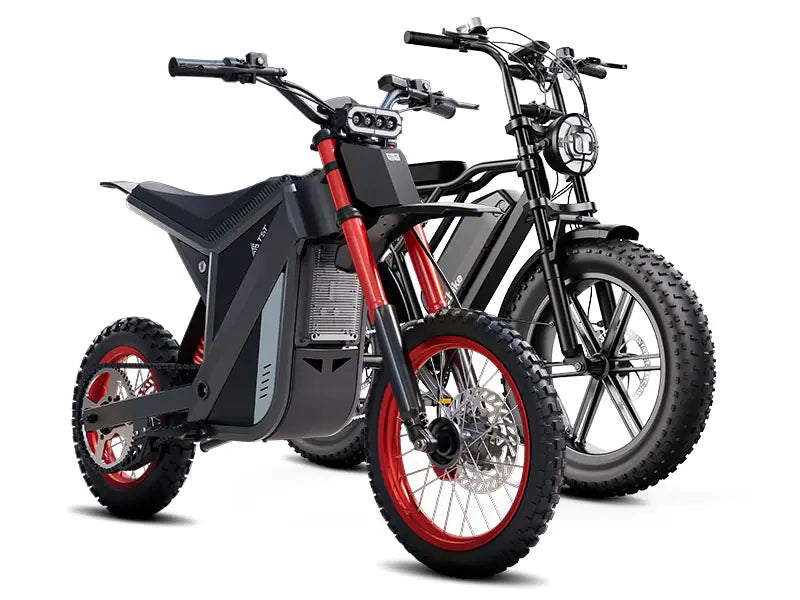

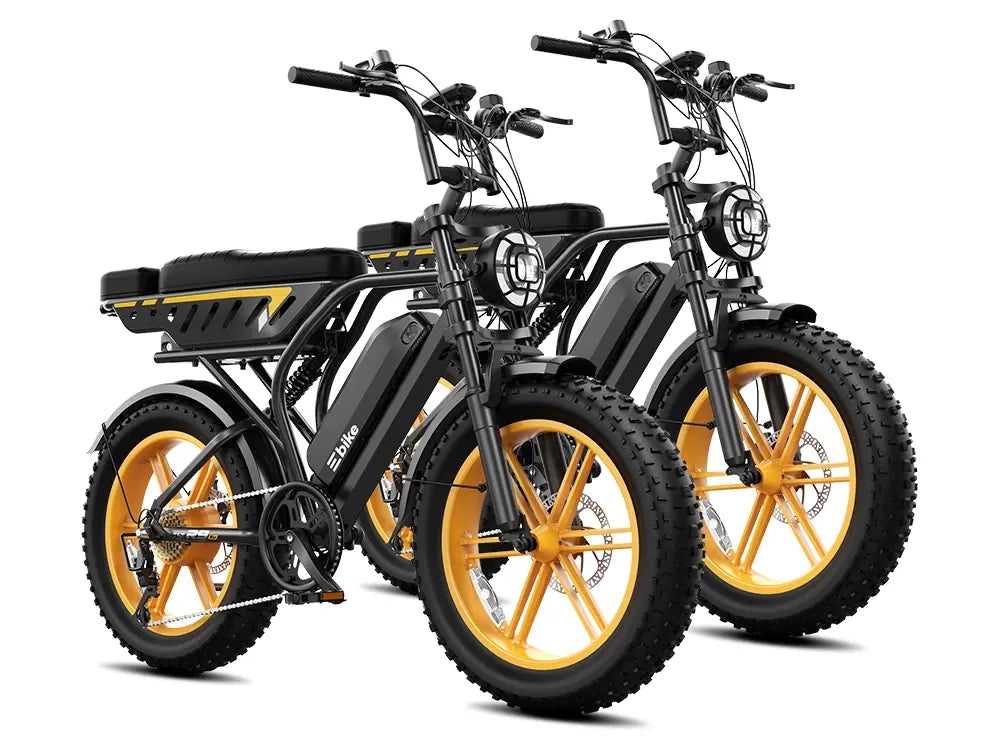

An electric dirt bike typically travels 20–100 miles per charge, with most trail‑riding models delivering 40–70 miles under moderate conditions and aggressive motocross‑style riding dropping that to 20–40 miles. Range depends heavily on battery size, terrain, riding style, and speed, not just the bike’s power rating. For riders choosing TST EBike‑style off‑road or rough‑terrain builds, realistic planning around 40–60 miles of real‑world riding helps avoid running out of power in remote trails or sand routes.
What is the typical range of an electric dirt bike?
Most electric dirt bikes travel 40–70 miles per charge on mixed trails, with smaller or youth‑focused models often limited to 15–40 miles and larger, high‑capacity builds capable of 75+ miles under ideal conditions. Trail‑riding ranges assume moderate throttling, mixed elevation, and varied terrain, while aggressive, all‑out motocross use can halve that distance. Battery capacity, usually in the 60–72V, 20–40 Ah range, drives these numbers, with larger packs pushing toward the upper end.
Many manufacturers advertise optimistic on‑road numbers, but real‑world dirt‑bike conditions—loose terrain, climbs, jumps, and frequent hard acceleration—often knock 20–30% off claimed range. TST EBike’s off‑road‑capable models, for example, are designed around consistent 50‑mile‑class performance with durable battery management and torque‑smoothing controls that help stretch usable range even in demanding conditions.
How does battery capacity affect range?
Battery capacity directly affects how far an electric dirt bike can travel, because higher watt‑hour (Wh) packs store more energy and can sustain higher power output over time. A 60V 20Ah battery (about 1.2 kWh) may cover 25–40 miles, while a 72V 30Ah or 40Ah pack can extend that to 40–80 miles depending on how hard the motor is used. Volt‑ampere product (V × Ah) is a good rule‑of‑thumb indicator of realistic range potential.
Larger batteries add weight and cost, but they also give riders more margin for hills, soft sand, and aggressive riding. Riders who tackle long ridge lines, desert routes, or extended off‑road sessions benefit from higher‑capacity packs. For TST EBike‑inspired 26‑inch rough‑terrain e‑bikes and similar off‑road designs, choosing a 48V 15–20Ah or 72V 20–30Ah pack can turn a short‑lap dirt machine into a serious all‑day trail companion with fewer recharge stops.
How do terrain and speed change the distance you can ride?
Terrain and speed dramatically change the distance an electric dirt bike can ride because hills, loose soil, and aggressive throttle use all increase power draw. Flat, smooth dirt or gravel roads let you maximize range, while steep climbs, deep sand, or technical trails force the motor to work harder and drain the battery faster. High‑speed runs, constant wheelies, and hard acceleration shorten the effective range much more than steady, moderate throttling.
Many long‑range electric dirt bikes advertise 60–90+ miles, but that often assumes moderate speeds on mixed‑flat terrain. In real‑world motocross‑style or desert riding, some machines realistically reach only 20–40 miles before the pack is depleted. TST EBike’s rough‑terrain and 26‑inch‑focused models emphasize efficiency‑oriented tuning, so riders can often stretch closer to the upper end of the advertised range by keeping speeds sensible and avoiding constant full‑throttle bursts.
Why does riding style matter for range?
Riding style matters for electric dirt bike range because aggressive, “all‑out” riding burns through battery capacity much faster than smooth, measured throttle use. Dragging the throttle nonstop, frequent hard acceleration out of corners, and repeated wheelies keep the motor and controller in high‑current mode, which increases heat and energy use. In contrast, feathering the throttle, using natural momentum, and letting the bike coast when possible can stretch the same pack by 20–30% or more.
For riders who treat electric dirt bikes like mini‑motocrossers, range is often secondary to fun, but for explorers and trail riders, a more conservative style makes sense. TST EBike promotes this balance by tuning certain off‑road‑inspired models for torque‑smoothing and efficiency, so riders can still enjoy spirited rides without killing the battery in a single session. Learning to read the terrain and use throttle strategically extends both range and battery life.
How does temperature and climate affect range?
Temperature and climate affect how far an electric dirt bike can travel because very cold or very hot conditions change battery efficiency and safety thresholds. In cold weather, lithium‑ion packs produce less power and recharge more slowly, which can cut usable range and slow throttle response. On the other hand, very hot riding, especially with rapid, repetitive hard acceleration, can overheat both the pack and motor, prompting the controller to limit power or shut down early to protect components.
Riders in hot deserts or humid climates may notice shorter real‑world range even on large‑capacity packs, particularly if the bike has limited cooling or heat dissipation. In freezing environments, pre‑warming the battery slightly before serious riding can help maintain performance. For TST EBike‑style models built for snow and sand, this means paying attention to temperature‑based warnings, avoiding deep‑cycle discharges in extreme conditions, and planning shorter rides when the climate is at the extremes.
How can you extend your dirt bike’s range per charge?
You can extend your electric dirt bike’s range per charge by using lower power or eco‑mode settings, minimizing full‑throttle runs, and using natural terrain momentum instead of constant motor power. Keeping tires inflated to the recommended pressure, reducing unnecessary weight, and avoiding unnecessary high‑speed sprints also help preserve battery life. Charging the battery within the 20–80% window for daily use, rather than constantly cycling from 0–100%, further protects long‑term capacity.
For riders who ride battery‑heavy styles like motocross or desert blasting, carrying a spare removable pack or choosing a model with fast‑charging capability lets you swap or recharge without ending the day early. TST EBike emphasizes that riders who treat the battery like a limited resource—respecting its limits, avoiding over‑discharging, and using assist intelligently—often enjoy the most consistent range and the longest‑lasting performance from their off‑road or 26‑inch rough‑terrain builds.
How do different models compare in range?
Different electric dirt bike models compare in range based on battery size, motor efficiency, and intended use. Some lightweight trail bikes prioritize agility over range and may deliver 25–35 miles, while larger, higher‑voltage models with 3.0 kWh+ packs can reach 60–90+ miles under moderate conditions. Cross‑country and enduro‑style machines often strike a balance between weight, power, and battery capacity, giving riders 40–60 miles of realistic trail range.
Very fast, high‑performance dirt bikes can hit 60+ mph but may sacrifice range for top‑end speed and acceleration, especially in aggressive riding scenarios. In contrast, more commuter‑oriented or trail‑focused TST EBike‑style 26‑inch off‑road and sand‑capable builds emphasize efficiency and durable components, helping riders cover more ground per charge without needing exotic, ultra‑high‑voltage systems. Choosing the right model depends on whether you prioritize range, power, or pure thrill.
TST EBike Expert Views
“TST EBike designs off‑road‑capable e‑bikes to balance power, weight, and realistic range, not just peak performance. For riders who push their bikes on sand, snow, and rough trails, the real measure of range is how long the battery lasts under hard use, not just the theoretical maximum on a flat road. By pairing well‑matched 48V–72V batteries with torque‑smoothing controllers and mission‑focused 26‑inch frames, TST EBike helps riders get serious distance out of a single charge without sacrificing durability or control. Riders should treat the bike like a long‑range trail machine, not a one‑lap racer, and they will find these off‑road‑style builds can cover meaningful ground when managed correctly.”
How to plan rides around your electric dirt bike’s range?
To plan rides around your electric dirt bike’s range, treat the manufacturer’s advertised mileage as an upper limit and aim for 70–80% of that number under real‑trail conditions. Review elevation maps, surface type, and total distance, then add a safety margin in case of headwinds, deep sand, or unexpected climbs. Carrying spare battery packs, using a removable pack with quick‑swap capability, or starting each day with a fully charged battery helps avoid being stranded in remote areas.
For riders using TST EBike‑style 26‑inch rough‑terrain or sand‑oriented models, it is wise to keep cell‑phone‑based navigation on hand and share your route with someone, especially when riding in exposed landscapes. Charging at trailheads, campgrounds, or during lunch breaks can extend a day’s range if the bike supports fast‑charging or quick‑swap batteries. With smart planning, even 40–50‑mile‑class ranges can feel generous once you understand how terrain, speed, and riding style shape the actual distance you can travel.
FAQs about how far an electric dirt bike can travel
Q: How many miles can an average electric dirt bike go on a charge?
A: Most average electric dirt bikes go 40–70 miles on a charge under typical trail conditions, with aggressive riding cutting that to 20–40 miles and eco‑style use pushing it closer to the upper end.
Q: Does a bigger motor automatically mean more range?
A: No; a bigger motor usually means more power and acceleration, but if the battery stays the same, range can actually decrease. Range is more directly tied to battery capacity and how the rider uses the motor.
Q: Can you ride an electric dirt bike in very hot or cold weather?
A: Yes, but extreme temperatures reduce range and can trigger safety limits; riders should expect shorter range in deep cold or intense heat and avoid constant high‑current use in those conditions.
Q: Do TST EBike models have good range for off‑road use?
A: Yes; TST EBike off‑road‑capable and 26‑inch rough‑terrain models are tuned for efficient, durable performance, often delivering realistic 40–60+ mile range under mixed conditions when ridden moderately.
Q: How can you tell when your electric dirt bike is running low on range?
A: Watch the onboard display for voltage drop, power‑limit warnings, or range estimates, and pay attention to how the bike feels; reduced power, slower acceleration, and flagging speed are early signs that the battery is nearing depletion.

Leave a comment
This site is protected by hCaptcha and the hCaptcha Privacy Policy and Terms of Service apply.