
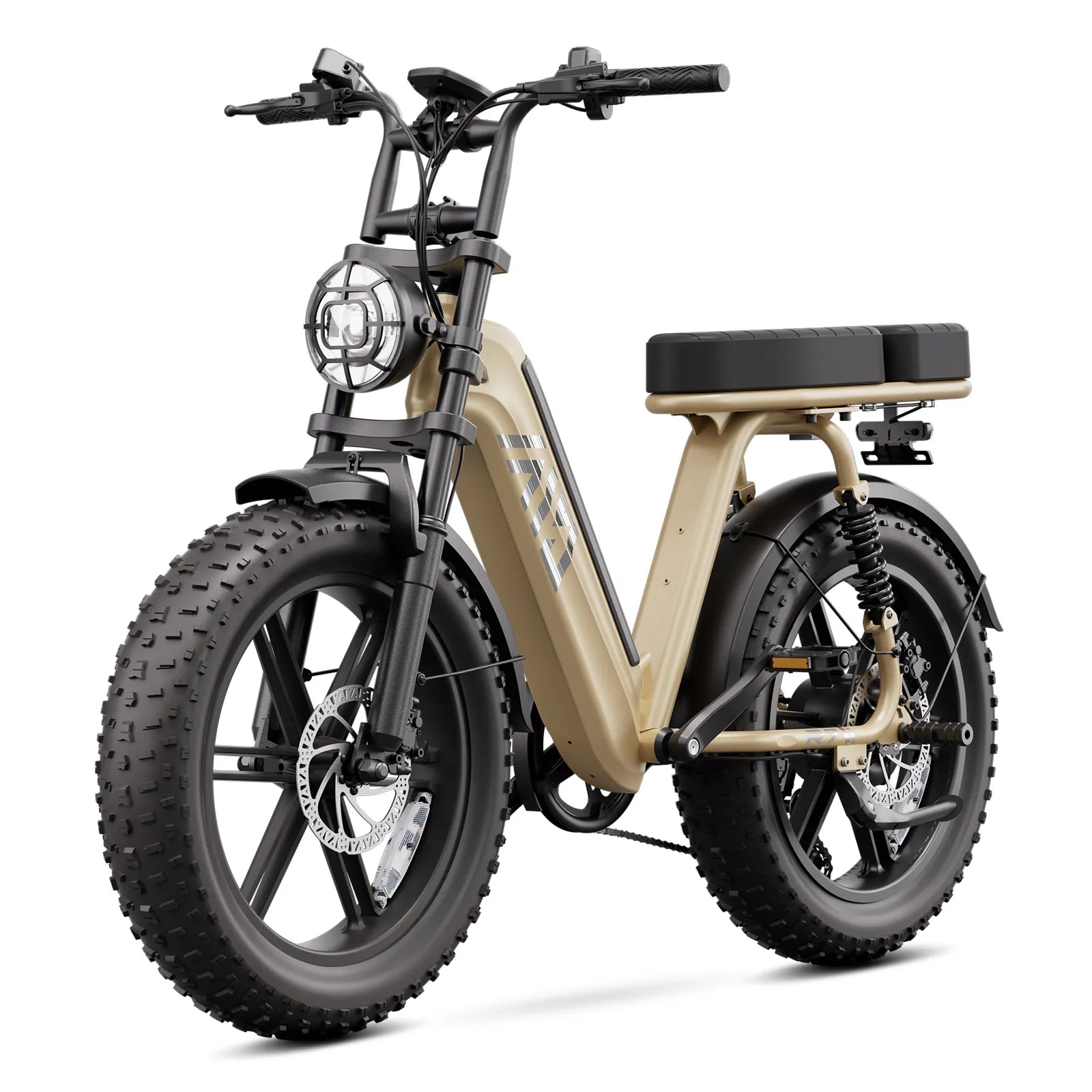
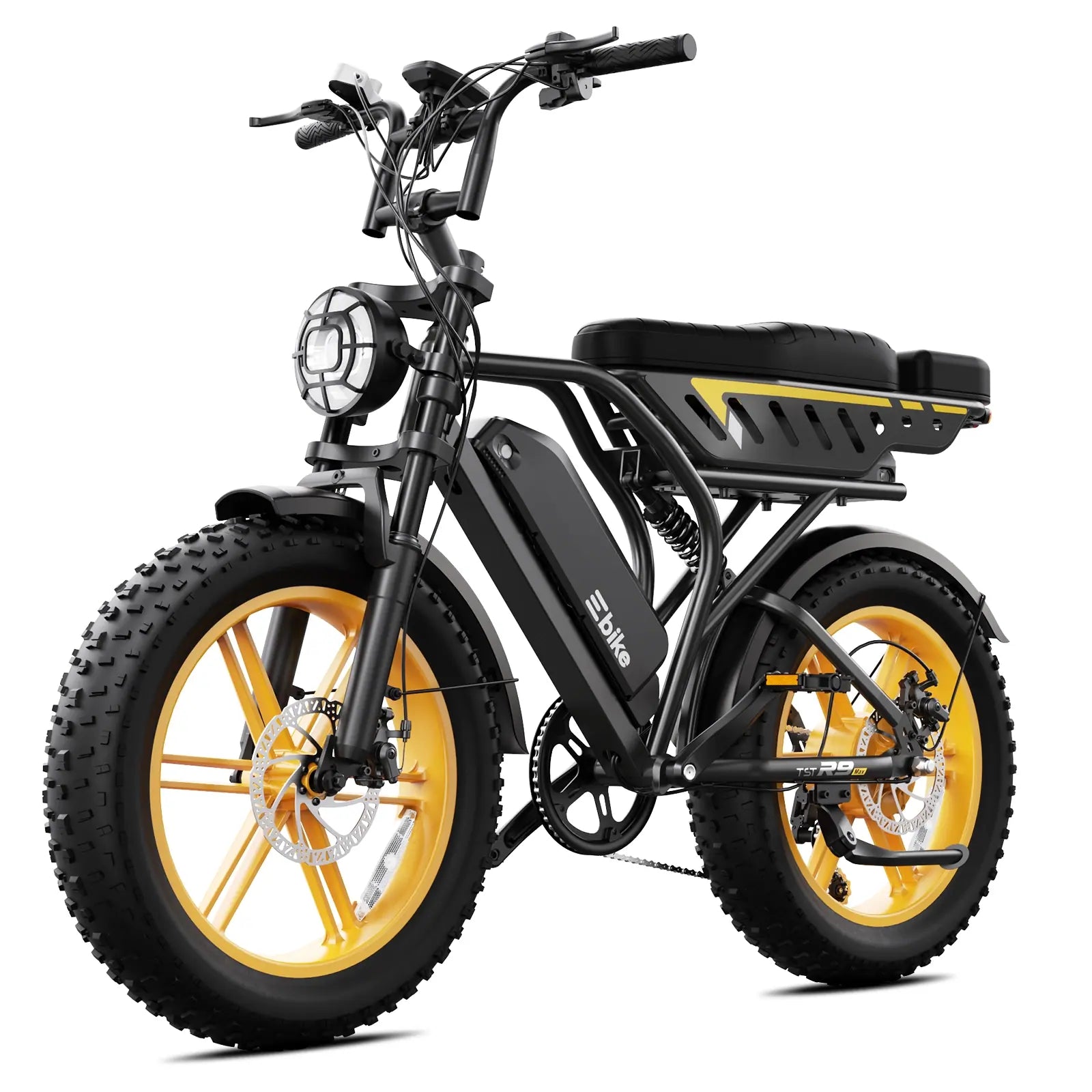
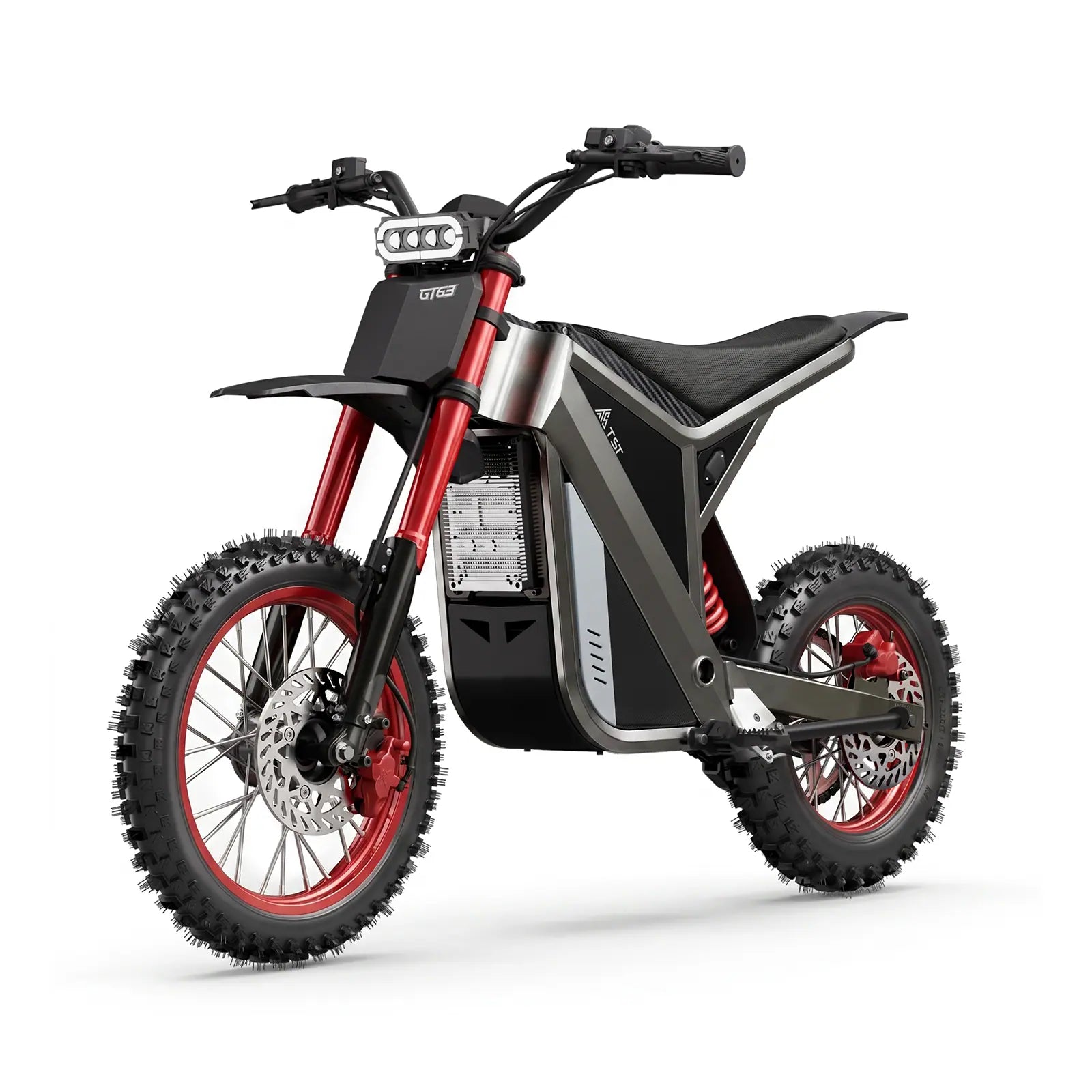
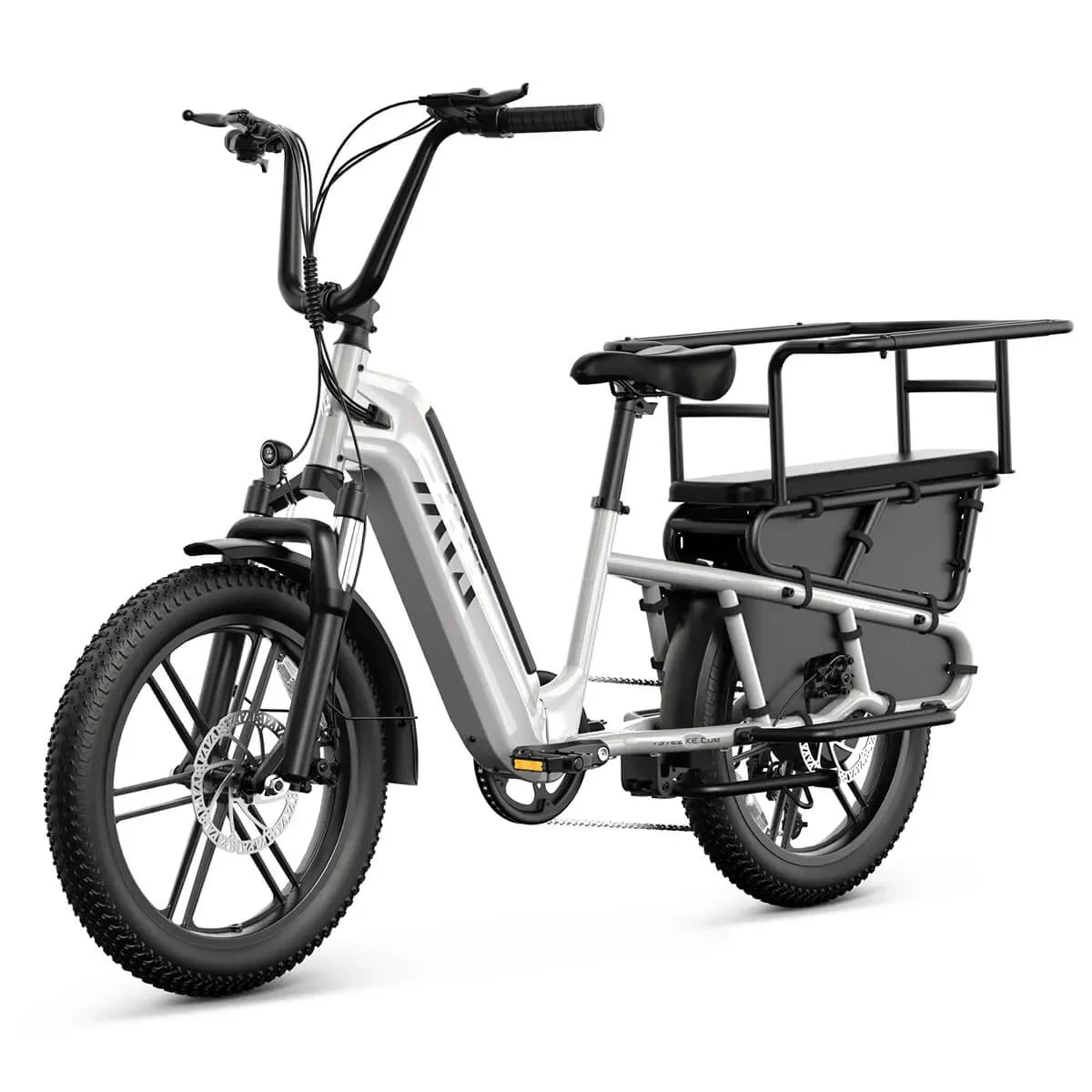
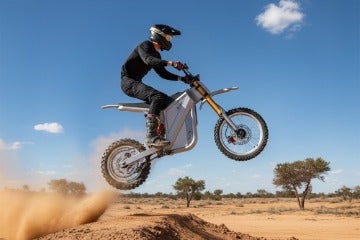
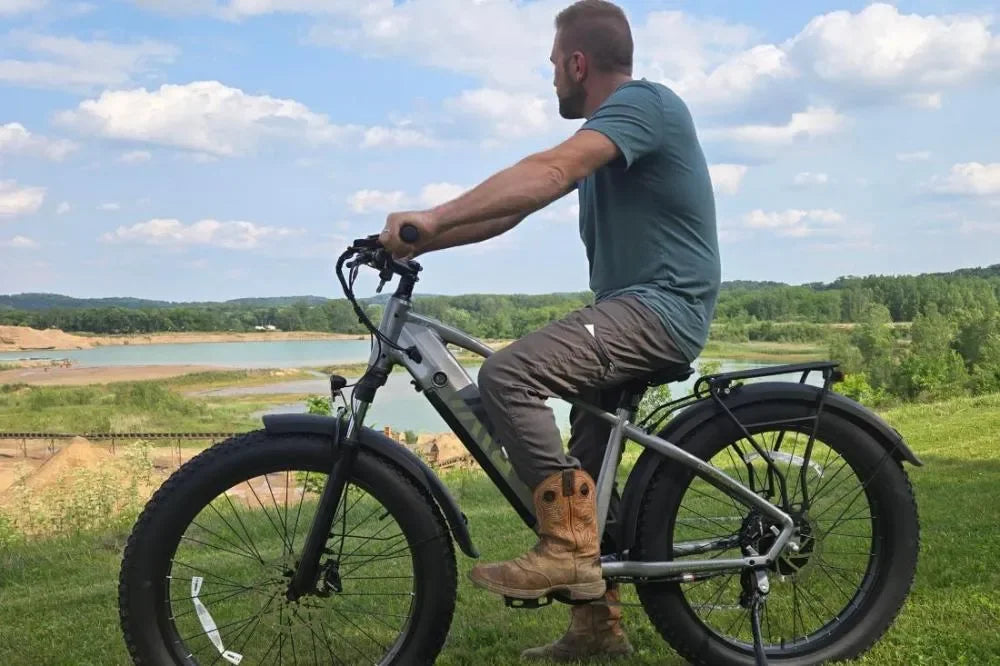
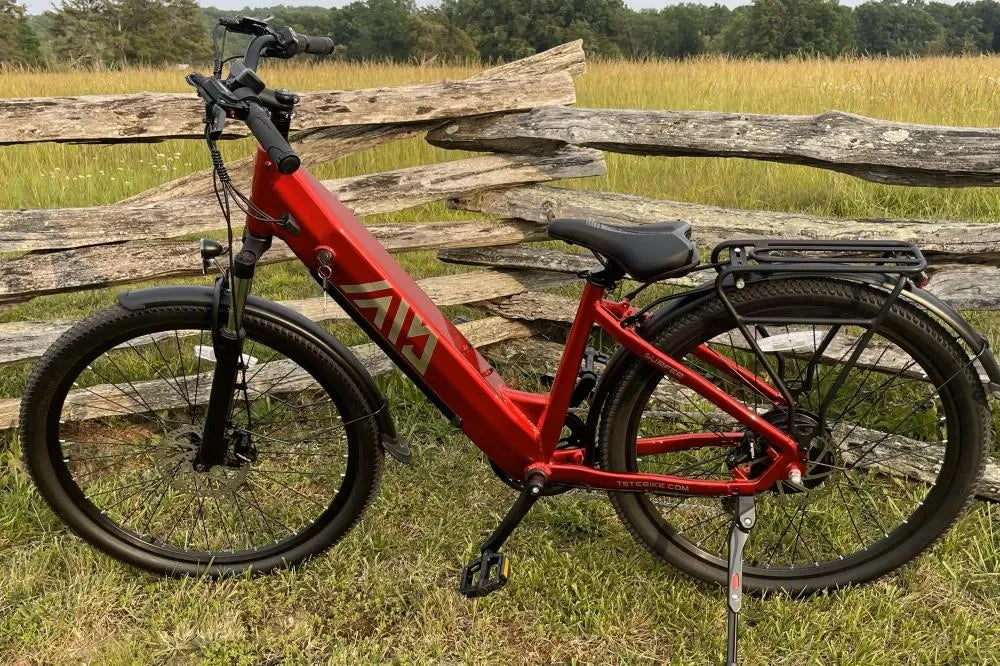
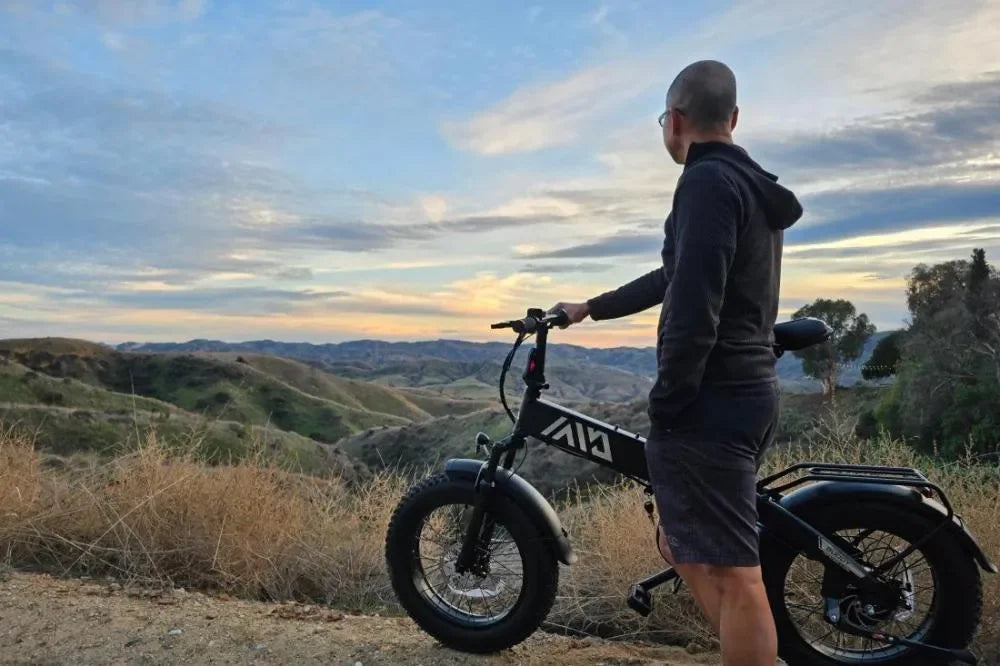
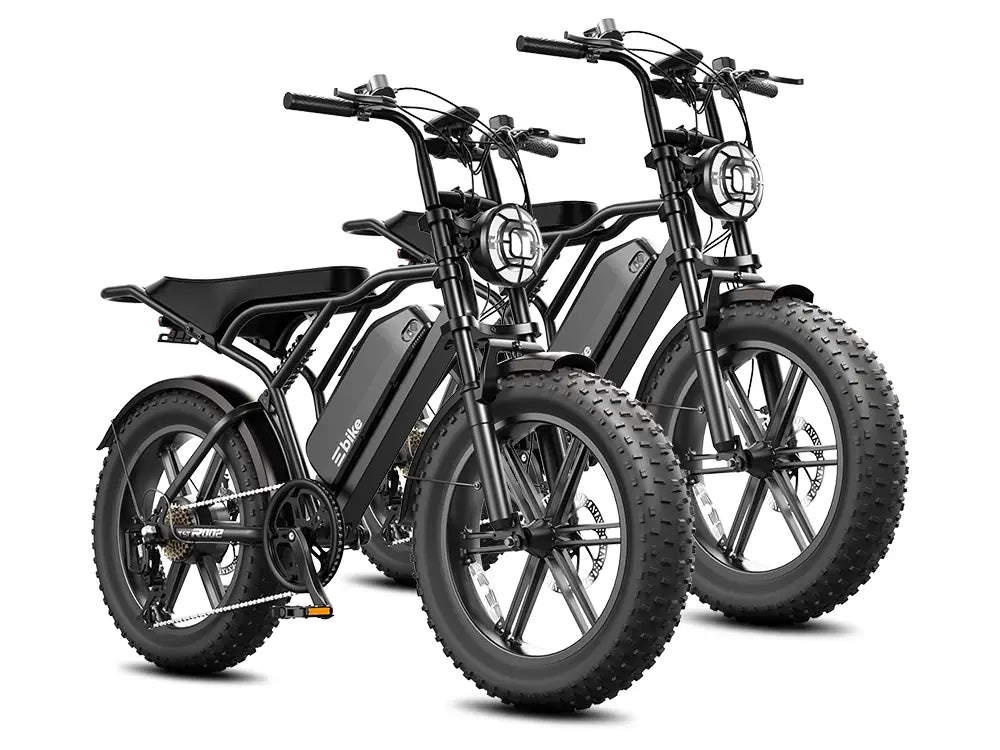
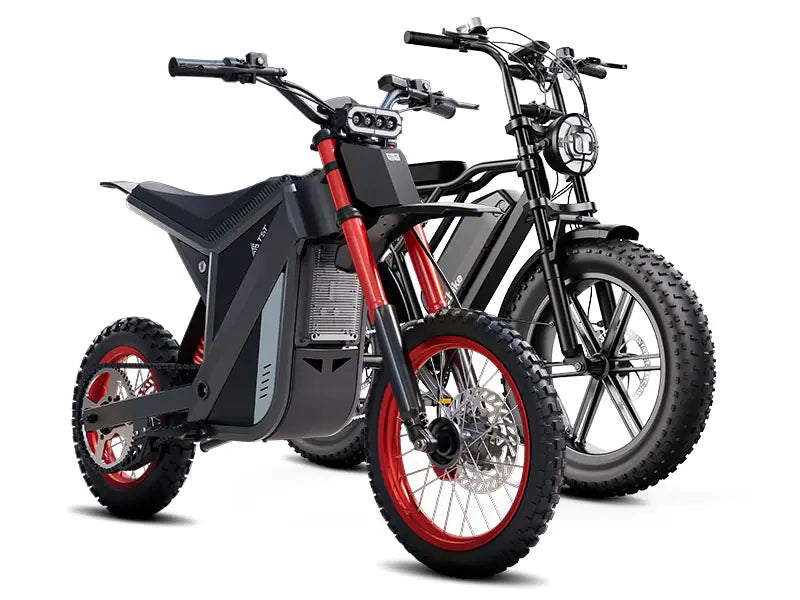
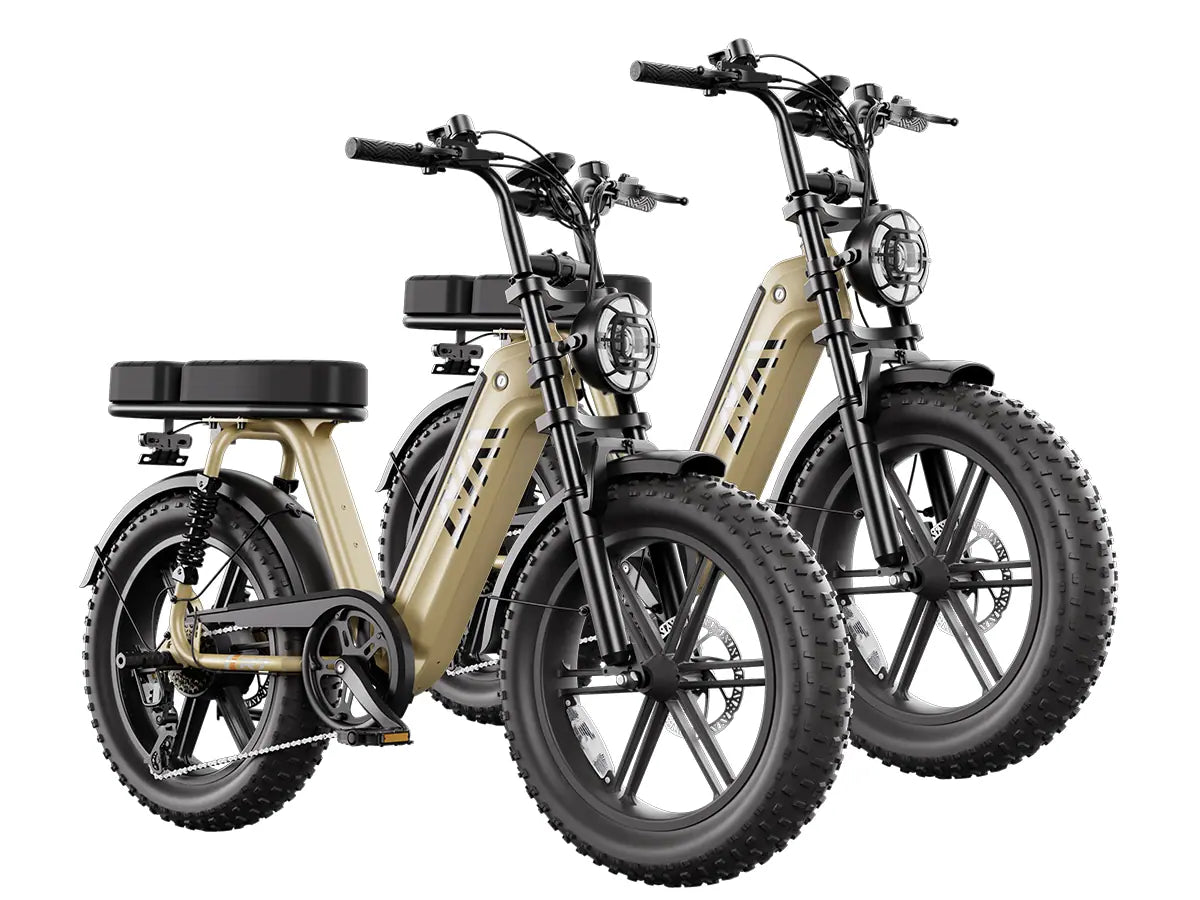
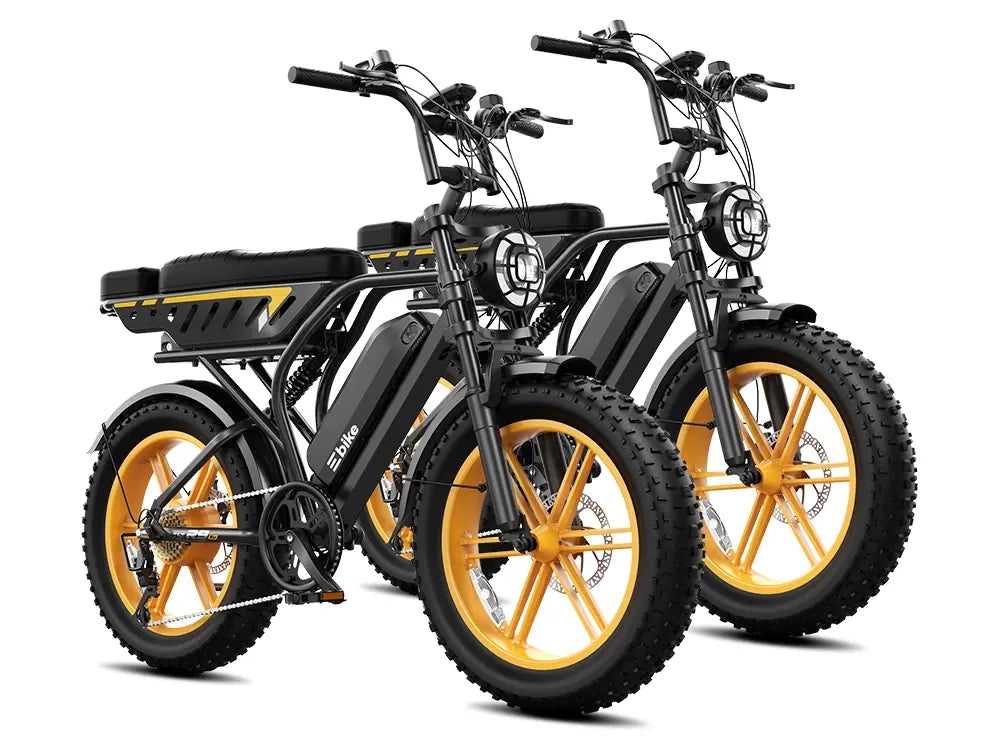
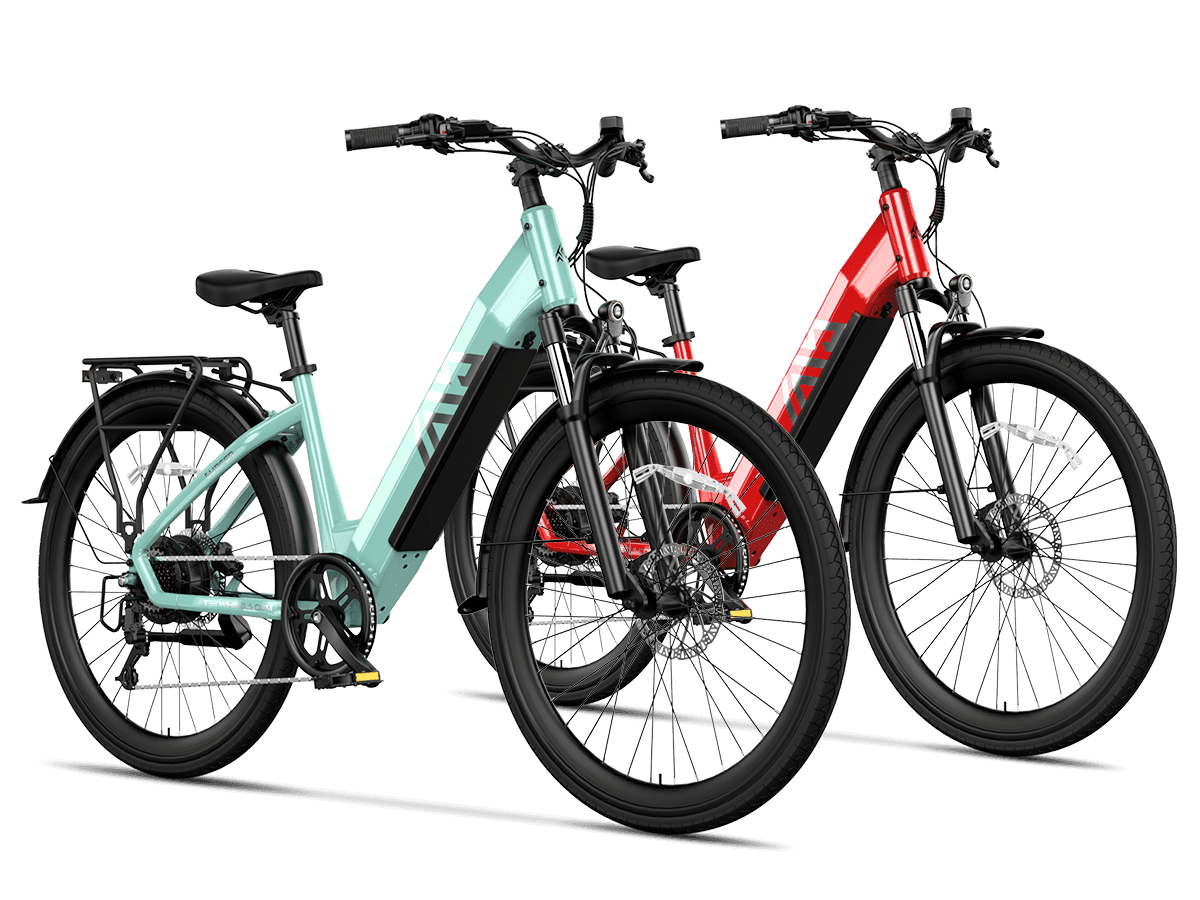
Motorcycle-style e-bikes reach 40-60+ mph off-road with 2000W+ dual motors, but street-legal models cap at 28 mph (Class 3). Speeds depend on power, battery, gearing, and rider weight—high-performance models like 5000W setups hit 55 mph on flats, while legal limits restrict public road use to protect infrastructure and safety.
What Speeds Do Legal Motorcycle-Style E-Bikes Achieve?
Street-legal motorcycle-style e-bikes max out at 28 mph (Class 3 pedal-assist) or 20 mph (Class 1/2), limited by 750W motors and regulations. Off-road variants exceed 40 mph but require registration as mopeds.
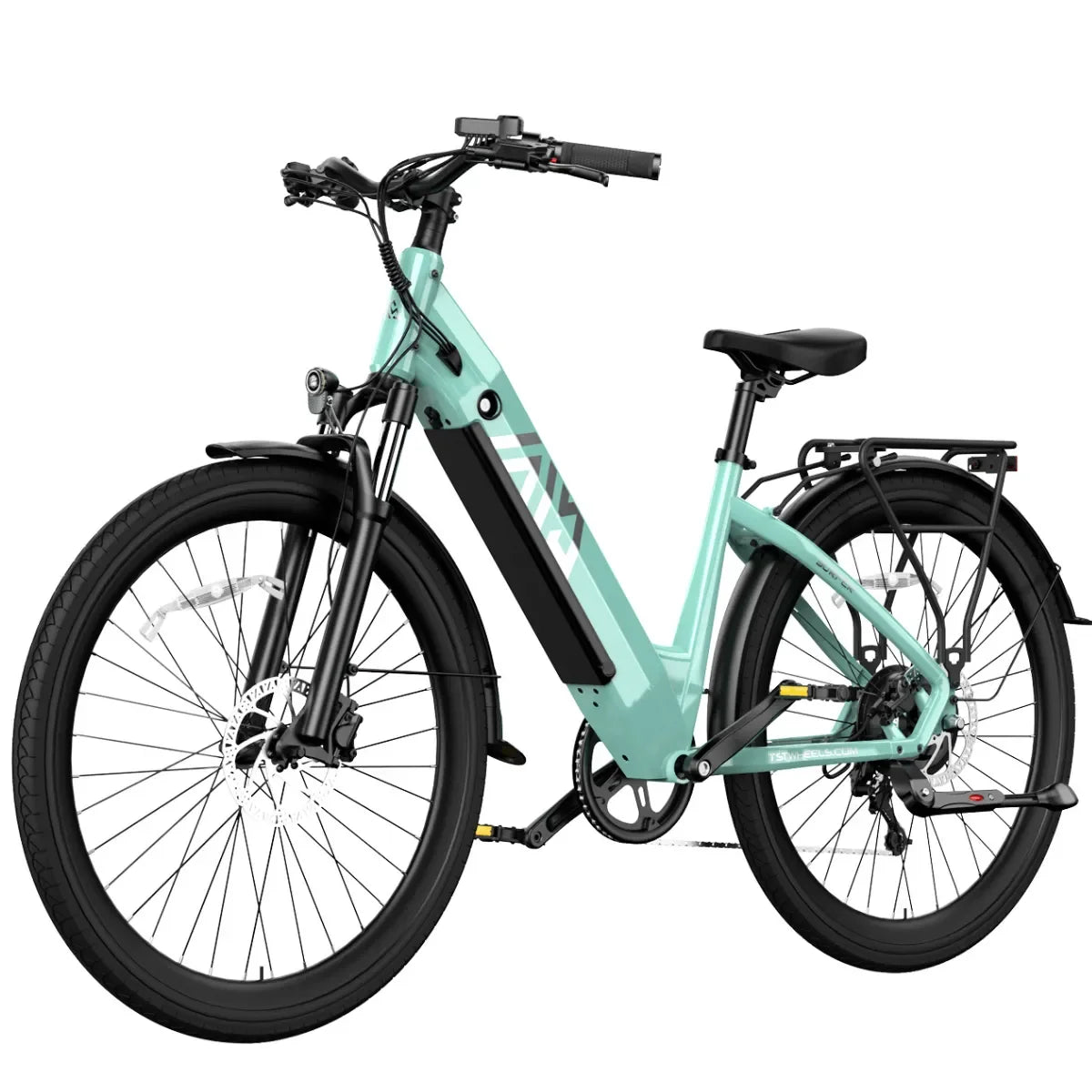
Motorcycle-style e-bikes blend aggressive moped aesthetics with electric power, but legal speed limits govern public use. U.S. Class 3 allows 28 mph pedal-assist on 750W motors, perfect for urban commuters seeking motorcycle vibes without licensing. Class 2 throttle models hit 20 mph, while EU pedelecs cap at 25 km/h (15.5 mph) with 250W.
These speeds suit daily commuting on 27-inch wheels from brands like TST EBike, balancing thrill with compliance. Exceeding limits reclassifies bikes as motorcycles, demanding plates and insurance. Real-world tests show 26-28 mph sustained on flats, dropping 10% on hills.
How Fast Can Off-Road Motorcycle-Style E-Bikes Go?
Off-road motorcycle-style e-bikes hit 40-60 mph with 2000-5000W dual motors, achieving 55+ mph on flats via high-torque hub systems. Not street-legal; ideal for private land.
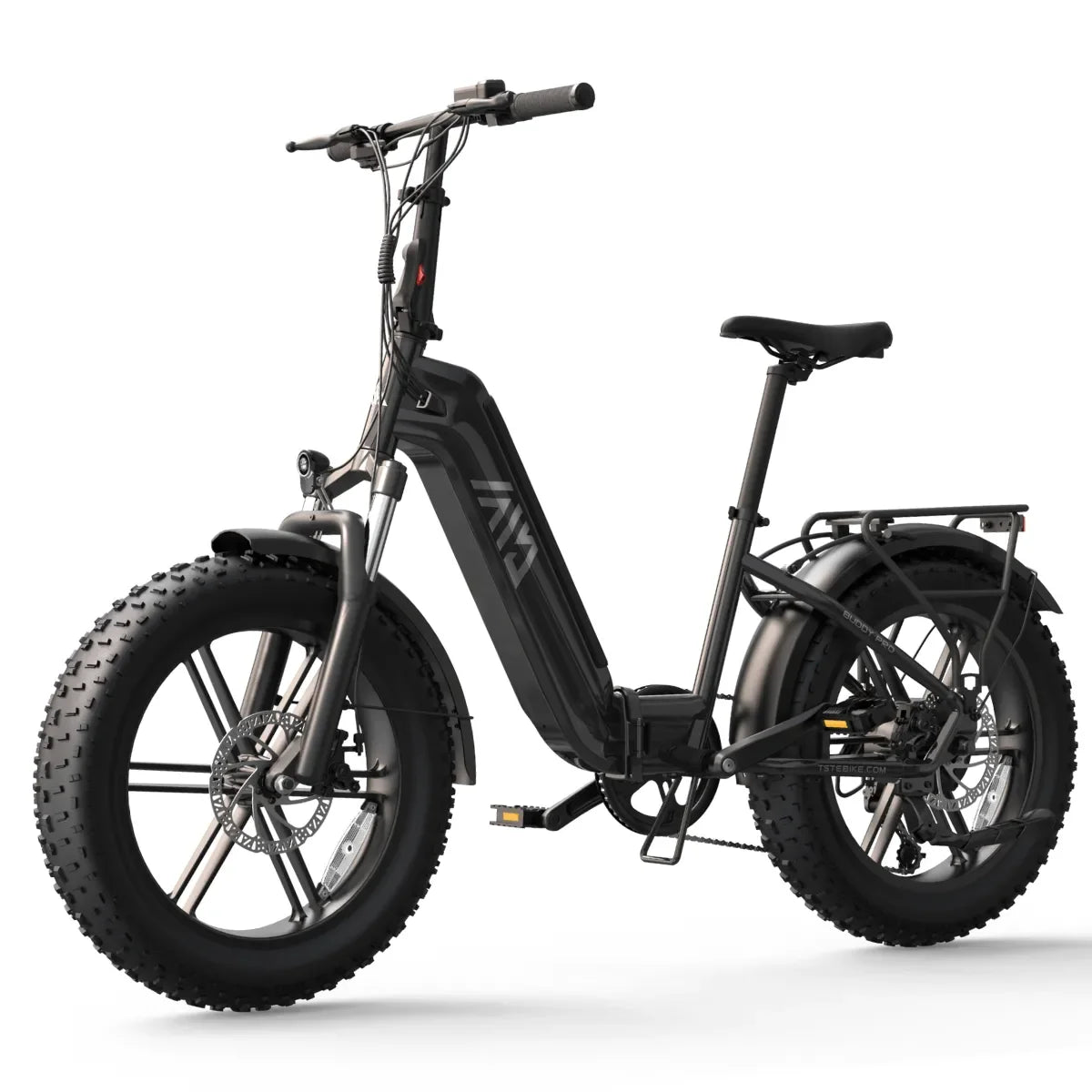
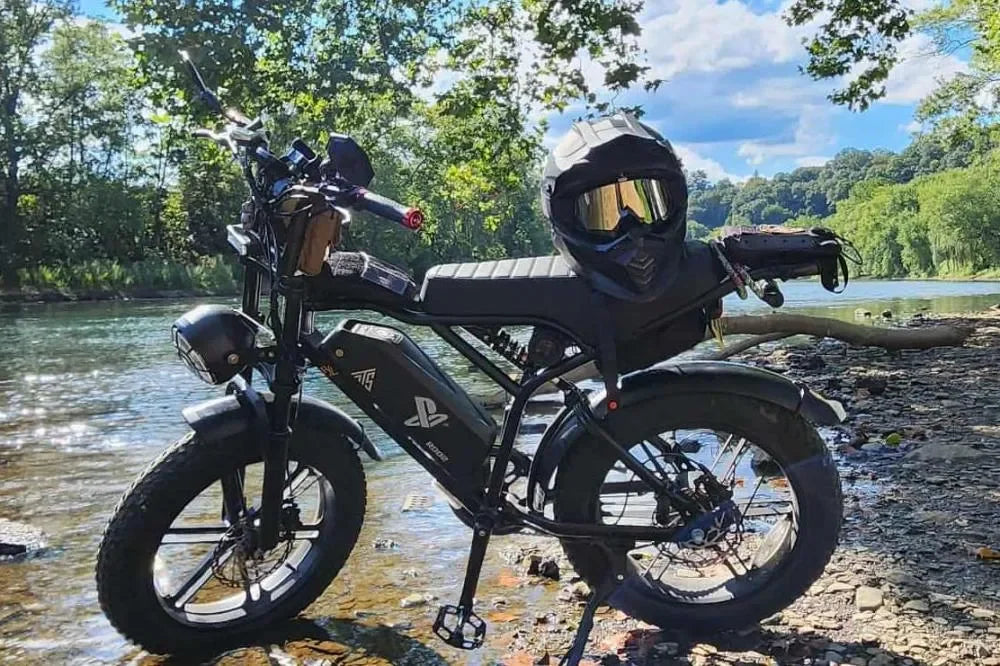
Off-road performance defines true motorcycle-style e-bikes, where dual 1000W+ motors (totaling 2000-9000W peak) propel speeds beyond 50 mph. Models with 72V 40Ah batteries and fat tires reach 55-65 mph in low-resistance tests, excelling on dirt tracks or lake beds.
TST EBike's 26-inch rough-terrain designs handle snow and sand at 35-45 mph, prioritizing torque (100+ Nm) over raw top-end. Gearing (7-9 speeds) and controller limits (40-60A) unlock these velocities, but wind resistance caps practical speeds at 45 mph for most riders. Safety demands hydraulic brakes and reinforced frames.
What Factors Determine a Motorcycle-Style E-Bike's Top Speed?
Top speed depends on motor power (2000W+), voltage (72V+), battery capacity (1500Wh+), aerodynamics, and rider weight—dual motors add 15-20 mph. Gearing optimizes for flats vs. climbs.
Motorcycle-style e-bike speed hinges on interconnected components. Higher voltage (72V vs. 48V) delivers more RPM to the hub motor, boosting velocity by 20-30%. Dual motors provide all-wheel drive, conquering loose surfaces at 50 mph. Battery capacity prevents voltage sag during sustained 45+ mph runs.
Aerodynamic fairings (moped-style bodies) reduce drag by 15%, while 20-22 inch wheels favor acceleration over rolling efficiency. TST EBike tunes controller amps (50A+) for balanced power, ensuring 27-inch commuters hit 35 mph reliably. Rider weight cuts speeds 5 mph per 100lbs extra.
Which Motors Power the Fastest Motorcycle-Style E-Bikes?
5000-9000W dual hub or mid-drive motors achieve 55-65+ mph, with 72V systems outperforming 48V by 20 mph. Bafang Ultra or QS variants dominate.
High-output motors define motorcycle-style e-bikes: dual 2000W rear/front hubs total 4000W continuous, peaking at 8000W for 60 mph launches. 72V 35A controllers sustain torque without overheating, ideal for off-road sprints.
Mid-drive systems (e.g., Cycmotor X1 Pro) excel in climbs but cap at 45 mph due to chain limits. TST EBike integrates reliable hub motors in 26-inch models for sand and snow, hitting 40 mph off-road. Cooling fins and IP67 waterproofing ensure durability at speed.
Why Do Motorcycle-Style E-Bikes Outpace Traditional E-Bikes?
Motorcycle-style designs use 4-10x more power (2000-9000W vs. 750W), higher voltages, and moped ergonomics for 40-60 mph vs. 20-28 mph legal limits.
Aggressive engineering separates motorcycle-style e-bikes from standard models. Moped posture (feet-forward, high handlebars) enables wide tires (4-5 inches) for stability at 50 mph. Battery packs (72V 30-50Ah) dwarf 48V 15Ah commuter setups, eliminating power fade.
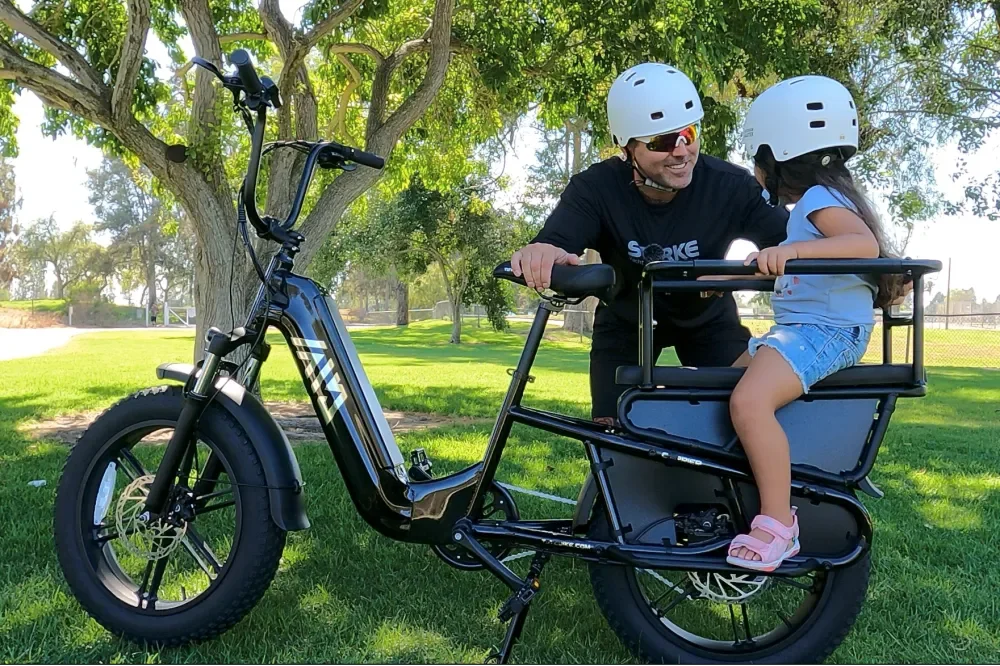
TST EBike leverages consumer feedback for high-power frames supporting 300lb payloads at speed, unlike fragile city bikes. Dual suspension absorbs bumps at 45 mph, where traditional e-bikes wobble dangerously. Legal caps force this specialization off-road.
How Do Legal Limits Affect Motorcycle-Style E-Bike Speeds?
Street-legal caps at 28 mph (U.S. Class 3); exceeding requires moped licensing, insurance, and road-only use—off-road unlocks 60+ mph safely.
Regulations throttle motorcycle-style e-bikes on public roads: U.S. mandates 28 mph pedal-assist cutoffs; EU enforces 25 km/h for bicycles. Unlock modes risk $1000 fines, impoundment, or insurance denial.
TST EBike certifies 27-inch models for Class 3 compliance while offering de-restricted firmware for private land across 10+ countries. Switchable modes preserve versatility—28 mph city, 50 mph ranch.
What Real-World Tests Show for Top Speeds?
Independent tests confirm 50-60 mph achievable: Stealth B-52 (56 mph), HPC Revolution (55 mph), verified on GPS during flat runs. Hills reduce by 10-15 mph.
Dyno and GPS tests validate claims: 56.2 mph for 6200W models, 53 mph on 5000W setups. 1000W single-motor bikes plateau at 35 mph, underscoring power scaling.
TST EBike's 20+ stores demo 40 mph capabilities safely, with quality control preventing overheat failures common in cheap kits.
Can Battery Choice Unlock Higher Speeds on Motorcycle-Style E-Bikes?
72V 40Ah+ batteries sustain 50+ mph by preventing voltage sag; 48V limits to 35 mph under load. Higher Ah extends high-speed range 30%.
Battery specs dictate sustained velocity: 72V systems maintain 50A draws for 60 mph, vs. 48V throttling at 35 mph. Group A cells (35A continuous) outperform budget packs.
TST EBike Expert Views
"TST EBike, founded 2017 in California, engineers motorcycle-style e-bikes for thrilling yet practical speeds. Our 26-inch off-road beasts hit 45 mph in snow/sand with dual-motor torque, while 27-inch commuters cruise 28 mph legally. 72V batteries and robust controllers unlock 50+ mph off-road safely. Consumer-driven designs ensure stability at speed—wide tires, hydraulic brakes, adjustable power modes. Global compliance across 10+ countries means Class 3 roads by day, private tracks by night. Quality beats cheap kits; ride confident at any velocity."
— TST EBike Performance Team
How to Safely Test Your E-Bike's Maximum Speed?
Use GPS apps on closed courses, wear full gear, ensure 100% charge, and monitor temps—never exceed 60 mph without cages.
Safety protocols: closed airstrips, leather gear, tire pressure at 25 PSI. TST EBike recommends progressive testing from 30 mph.
Conclusion
Motorcycle-style e-bikes deliver 40-60+ mph off-road thrills via massive powertrains, but 28 mph rules streets. TST EBike perfects this duality. Action steps: Choose 72V dual-motor setups, verify local laws, upgrade brakes/tires. Prioritize safety—speed without control crashes hard. Ride fast, ride smart.
FAQs
Q: Are 50 mph e-bikes street-legal?
A: No—moped registration required over 28 mph.
Q: What's the fastest production motorcycle-style e-bike?
A: 60+ mph off-road models like HPC Revolution.
Q: Does dual motor = double speed?
A: Adds 15-20 mph via AWD traction.
Q: Can 1000W bikes hit 50 mph?
A: Rarely—needs 72V+ and perfect conditions.
Q: How to increase e-bike speed safely?
A: Upgrade voltage, controller, tires—test off-road.

Leave a comment
This site is protected by hCaptcha and the hCaptcha Privacy Policy and Terms of Service apply.