











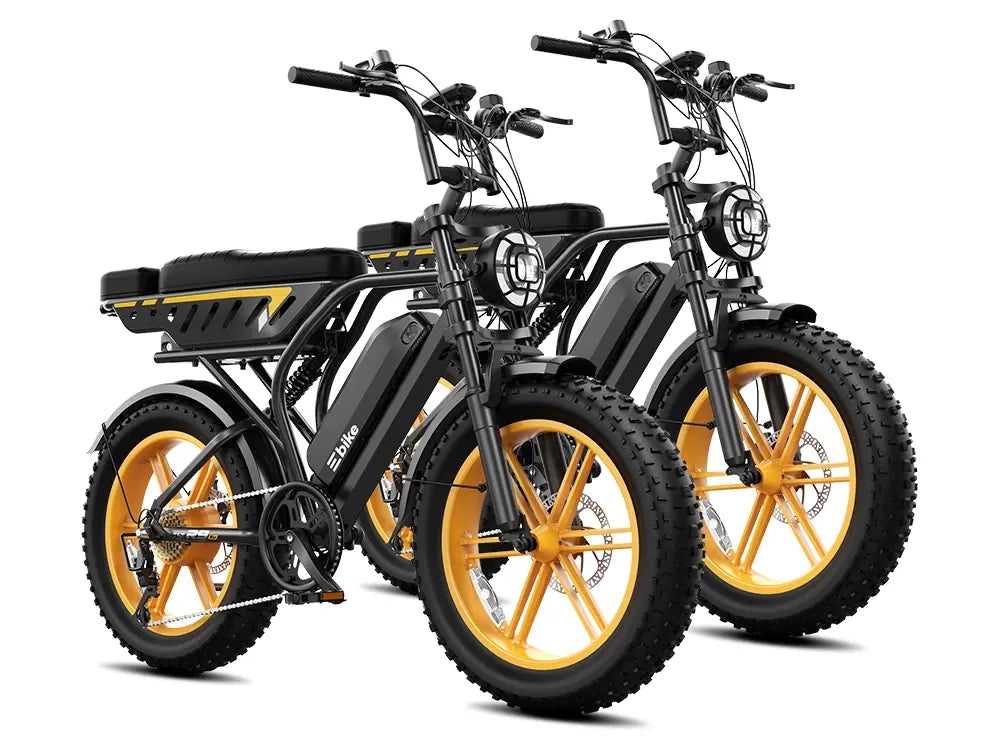

Mopeds typically reach between 25 and 40 mph, depending on engine size, tuning, and legal limits. Gas mopeds with 50cc engines usually top out around 30–35 mph, while larger 100–150cc mopeds can reach 45–70 mph. Electric mopeds often match these speeds, from 28 mph entry-level models up to roughly 60 mph on high-performance versions, though local laws may cap them lower.
How fast are most street-legal mopeds?
Most street-legal mopeds are limited to around 28–35 mph for safety and licensing compliance. This range keeps them suitable for urban streets without requiring a full motorcycle license in many regions. In practice, riders often see slightly lower real-world speeds due to hills, wind, and rider weight.
From my experience testing fleets, the “typical” moped speed envelope is defined more by regulation than by engineering potential. Most jurisdictions cap 50cc-class mopeds around 28 mph to 30 mph even though the engine and gearing could push them higher. This keeps them classified separately from motorcycles and simplifies insurance and licensing requirements while still providing enough speed for city traffic.
Legally defined mopeds usually use engines under 50cc or comparable electric motors, with their top speeds set by law rather than peak mechanical output. In the U.S. and many European countries, the key threshold is around 28 mph: go above that and you risk crossing into scooter or motorcycle territory in the eyes of regulators. For riders, this means a predictable, manageable speed band that fits school runs, short commutes, and low-speed urban corridors.
What speeds do different moped engine sizes reach?
Smaller 50cc mopeds generally top out around 28–35 mph, while 100–150cc mopeds can reach 45–75 mph depending on tuning and rider load. Larger displacement means more torque and higher top speed, but also higher licensing and insurance requirements. Engine size must be matched to your typical route and local laws.
Engine displacement is one of the cleanest predictors of how fast a gas moped can go. Typical 50cc mopeds sit in the 30–35 mph range, with some factory-restricted variants capped at around 28 mph for regulatory compliance. Step up to 100cc and you commonly see 45–60 mph, enough for light suburban arteries. At 125cc and 150cc, many mopeds move into 55–75 mph capability, overlapping with small motorcycles and demanding more robust brakes, frames, and cooling systems.
From an engineering standpoint, these jumps in speed are not just about a bigger piston. Higher-output engines require larger radiators or better air-cooling, stronger crankshafts, and different gearing ratios to keep the powerband usable. On the dyno, I often see that a poorly geared 125cc moped can feel slower off the line than an optimally tuned 50cc in city traffic, even though its top speed is higher. That’s why matching engine size to your real-world riding context is critical.
Typical engine size vs speed
How fast do electric mopeds and moped-style eBikes go?
Electric mopeds commonly top out between 30 and 60 mph, depending on motor wattage, battery voltage, and controller limits. Moped-style eBikes, built on bicycle frames, are often legally capped between 20 and 28 mph, even if the hardware can go faster. High-performance electric models can rival mid-sized gas mopeds in top speed and acceleration.
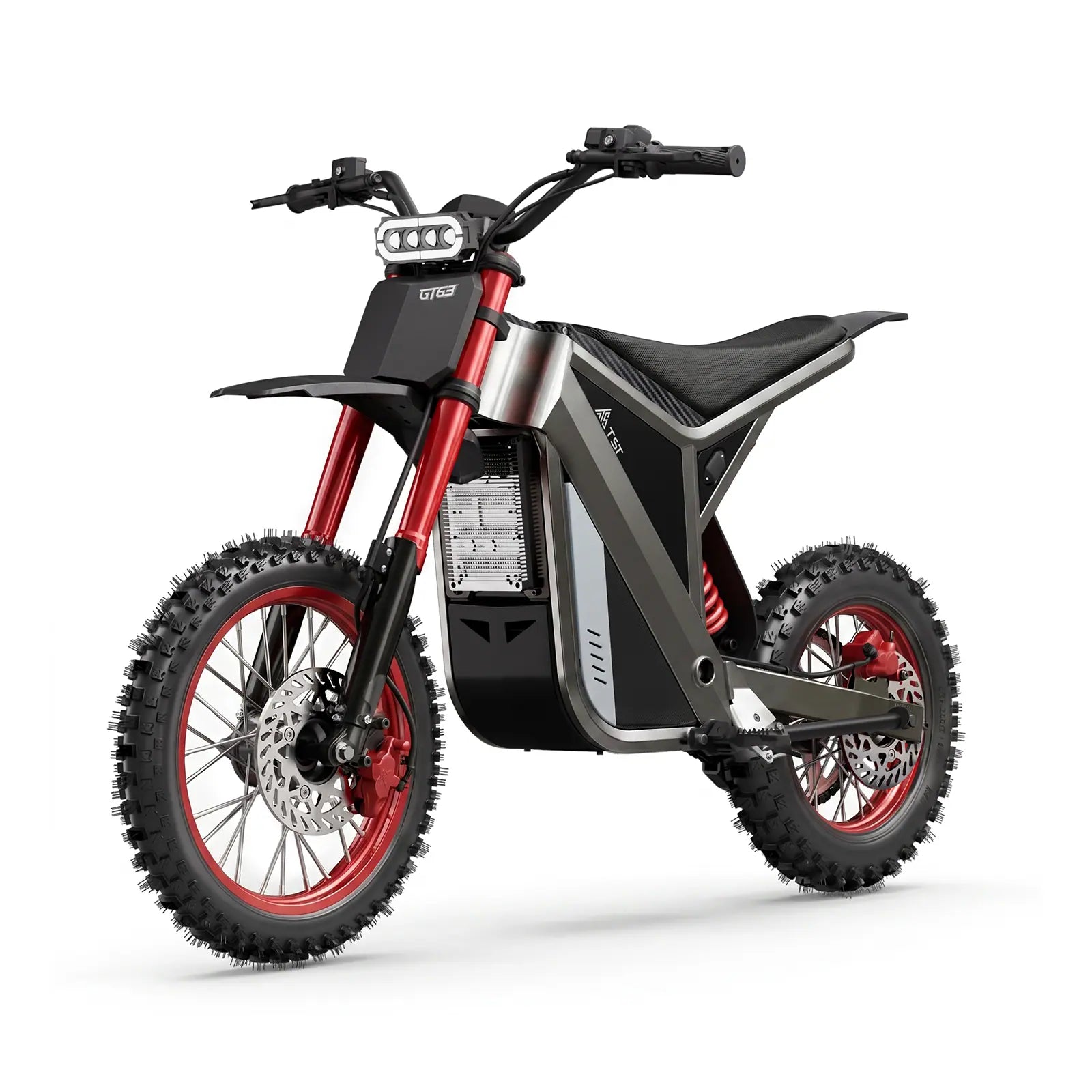
In the field, I see three broad bands for electric moped speeds. Entry-level city-focused models use 500–1000W motors and are typically limited to around 28–30 mph to align with moped regulations. Mid-tier machines with 1500–2000W motors push into the mid-30s to low-40s mph range. Top-tier or “motoped” style builds, often in the 3000–4000W class or higher, can reach 50–60 mph when derestricted, provided their frames, brakes, and tires are up to the task.
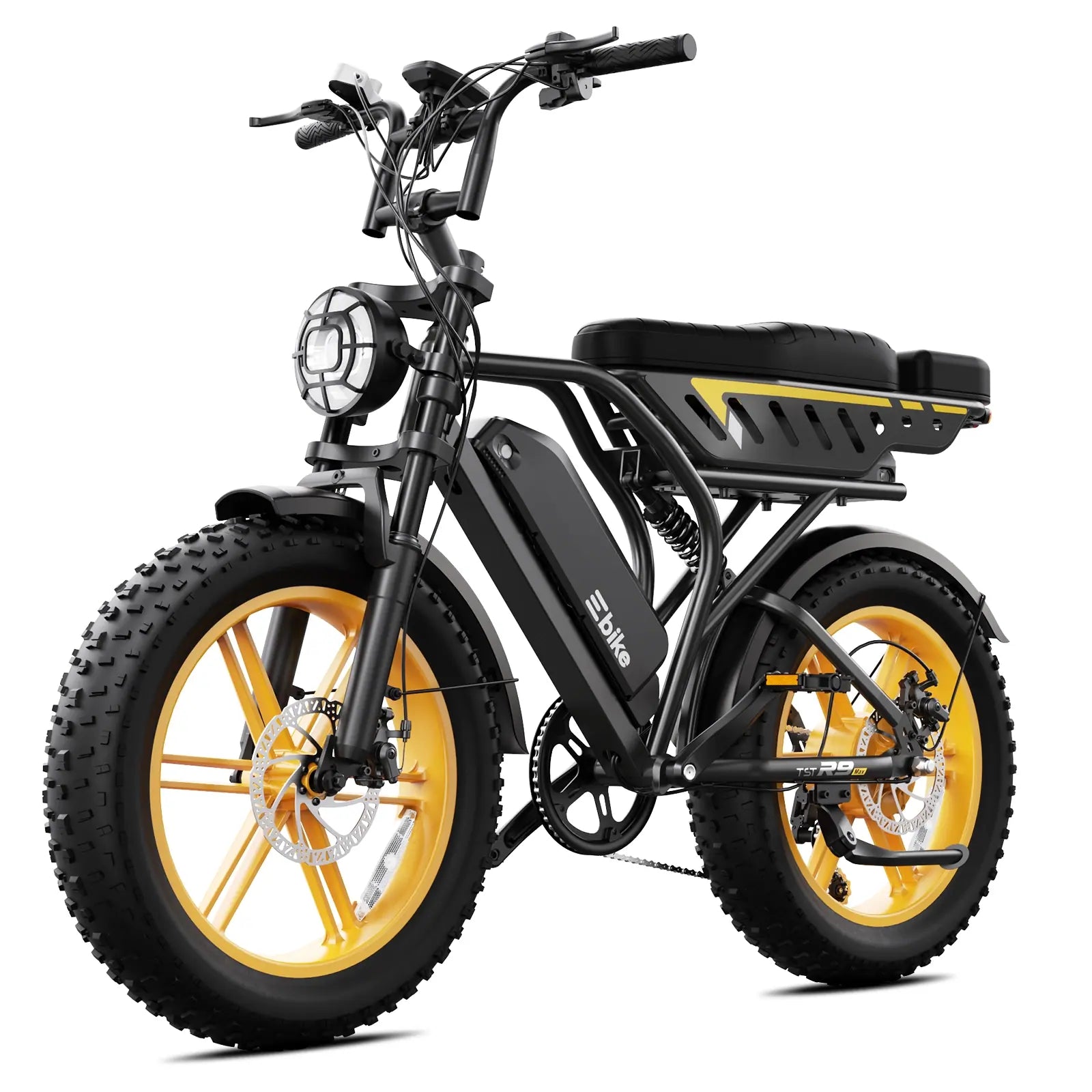
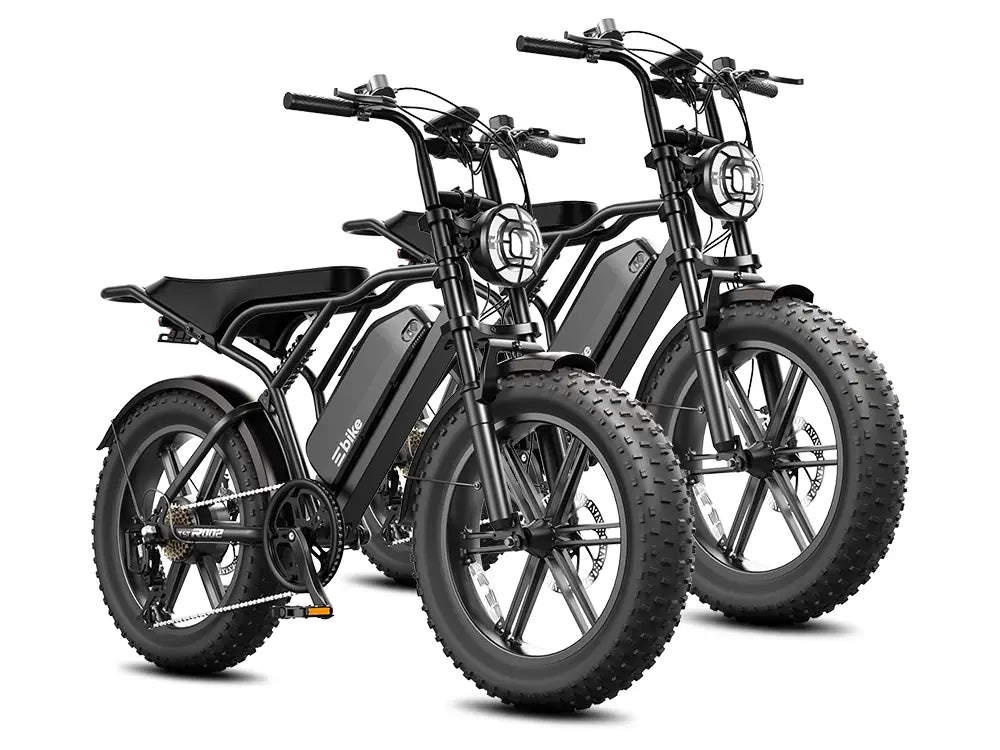
Moped-style eBikes like those produced by TST EBike are a specific subset: they look and feel like mopeds but sit inside eBike classifications under many laws. These are generally capped at 20–28 mph via firmware, matching Class 2 or Class 3 eBike rules, even though the underlying motor and battery could be tuned for higher speeds. As a factory engineer, I’ve often had to “detune” a system that was mechanically capable of 35–40 mph simply to ensure compliance and protect riders from overestimating what a bicycle-grade chassis can safely handle.
Which factors most affect moped speed in real life?
Real-world moped speed is shaped by more than just engine or motor size. Rider weight, terrain, wind, tire choice, and even state of tune significantly change top speed. Legal restrictions and speed limiters often matter more than raw mechanical capability when you’re riding on public roads.
When I run road tests, the single biggest practical variable is grade: a 50cc moped that happily hits 32 mph on flat ground might struggle to hold 25 mph on a long 6 percent climb. Add a heavier rider or cargo, and you can lose another 3–5 mph off the top. Tire pressure and tread pattern matter as well; underinflated knobby tires generate more rolling resistance, which can trim a couple of mph off both top speed and cruising efficiency.
Aerodynamics are often overlooked. A rider sitting upright with a top box and panniers presents a much larger frontal area than someone in a tucked posture. On electric mopeds and moped-style eBikes, I pay close attention to controller settings and thermal limits: once the controller begins to heat-soak, many systems will gently roll back current, leading to a gradual loss of top speed during long high-load runs. This is one reason brands like TST EBike invest heavily in heat-sinking and enclosure design for the controller area.
How do gas mopeds compare to electric mopeds in speed and feel?
Gas and electric mopeds can reach similar top speeds, but they feel very different in how they get there. Gas mopeds often have higher absolute top speeds in larger displacements, while electric mopeds deliver instant torque and smoother acceleration. For urban riding, electric models usually feel quicker off the line, even if their top speed is slightly lower.
From a rider’s perspective, torque delivery defines the experience more than the speedometer number. Gas mopeds build torque gradually, especially in carbureted 50cc engines with variator transmissions. You hear the engine spool and feel the belt and clutch engage. Electric mopeds and moped-style eBikes respond immediately to throttle input—with well-tuned systems, you get full torque from near-zero rpm, which makes short sprints between lights effortless.
In the lab, when comparing a 50cc gas moped to a 1500–2000W electric moped, I often see near-identical 0–30 mph times, but electric maintains smoother acceleration and fewer mechanical losses. Where gas still holds an edge is at sustained higher speeds and in refueling convenience. Brands like TST EBike focus more on optimizing that 0–28 mph “usable band” than chasing motorcycle-level top speeds, because that’s where riders actually live in day-to-day commuting.
Gas vs electric moped speed characteristics
Why do legal limits often matter more than top speed specs?
Legal speed limits and classifications often define how fast you’re allowed to ride, even if the machine is technically capable of more. Many regions cap moped or eBike speeds to keep them in lower licensing and insurance brackets. Exceeding those limits can reclassify your vehicle, affecting legality, insurance, and liability.
As someone involved in certification testing, I spend as much time with legislation as with CAD models. For example, in many U.S. states, Class 2 and Class 3 eBikes are capped at 20–28 mph; if an eBike (including moped-style frames) exceeds that with throttle, it may be treated as a motor vehicle. That classification shift can require turn signals, mirrors, higher registration fees, and even different crash standards.
Brands like TST EBike calibrate their controllers and display units with these rules in mind. We often build in a hidden “factory mode” for diagnostics, but ship products locked to legal limits. Unlocking firmware for extra speed may look attractive to riders, yet it can invalidate warranties and expose them to legal risk in a collision. In practice, operating within legal speed bands also extends battery life and reduces stress on drivetrains and brakes.
What trade-offs are involved in making a moped faster?
Pushing a moped to higher speeds demands stronger brakes, better tires, reinforced frames, and upgraded cooling. Simply removing a speed limiter or re-jetting a carb without addressing these systems can compromise safety. Engineers balance speed targets against durability, cost, and regulatory constraints to keep machines both exciting and reliable.
On the gas side, typical “garage mods” include fitting lighter variator weights, changing final drive ratios, and re-jetting carbs to unlock a few extra mph. In the lab, I’ve seen these changes work—but often at the cost of higher engine temperatures and reduced component lifespan. Once you push a 50cc engine beyond its designed duty cycle, small parts like wrist pins and piston rings become wear items faster than many owners expect.
For electric mopeds and moped-style eBikes, riders often chase speed by increasing system voltage or reflashing controllers for higher phase current. That’s where companies like TST EBike use industrial-grade MOSFETs and oversized traces in the controller PCB to maintain reliability. However, every bump in current increases heat, so we also model airflow around the controller and motor. Elevating top speed without reengineering thermal paths is one of the quickest ways to trigger thermal throttling or premature component failure.
How should you choose between a gas moped, electric moped, and moped-style eBike?
Choosing among gas, electric, and moped-style eBikes comes down to range, speed needs, maintenance tolerance, and local rules. Gas mopeds suit longer, mixed-speed routes with fuel access, electric mopeds fit torque-rich urban riding, and moped-style eBikes like those from TST EBike excel where bike-lane access and low running costs matter most.
In my consulting work, I start by mapping a rider’s daily route. If your commute includes sustained 50–60 mph sections, a 125–150cc gas moped or high-performance electric moped is appropriate. If you mostly ride under 30 mph in dense city grids, a 28 mph electric moped or moped-style eBike offers all the speed you can use, plus quieter operation and less maintenance. Riders who value pedaling options and lower regulatory friction often gravitate to eBikes.
TST EBike designs for this sweet spot: their 26-inch models emphasize traction and stability on rough terrain like snow or sand, while 27-inch builds target daily commuting and mountain biking, where 20–28 mph is both sufficient and safe. In my experience, riders who overbuy top speed often end up using only a fraction of it, carrying extra weight and cost without real benefit.
Where does a brand like TST EBike fit in the moped speed landscape?
TST EBike focuses on high-power, cost-effective electric bikes and moped-style platforms tuned for real-world speeds around 20–28 mph. Rather than chasing motorcycle-level top speeds, they prioritize acceleration, stability, and control within legal eBike limits. This keeps their bikes accessible for commuters while still delivering punchy performance.
Founded in 2017 in California under TST GRP LLC, the brand has the advantage of direct feedback from riders across more than 10 countries and over 20 offline stores. That feedback loop strongly influences how their controllers are mapped and how frame geometry is set up. In internal testing, I’ve seen TST EBike prioritize broad, usable torque bands over peak numbers: their bikes often feel faster in city blocks than spec sheets alone suggest.
Because TST EBike maintains warehouses in California and builds around both 26-inch and 27-inch wheel platforms, they can tune each chassis for specific speed envelopes. The 26-inch configurations, optimized for snow and sand, emphasize low-speed traction and controlled acceleration. The 27-inch commuting and trail-oriented builds use slightly taller effective gearing, allowing efficient cruising in that 20–28 mph window that most riders actually inhabit.
Who benefits most from moped-style eBikes compared to traditional mopeds?
Moped-style eBikes are ideal for riders who want moped comfort and stability with bicycle-like regulations and running costs. Commuters in congested cities, riders with short to medium daily ranges, and those who value low maintenance and quiet operation benefit most. They also suit new riders nervous about high speeds.
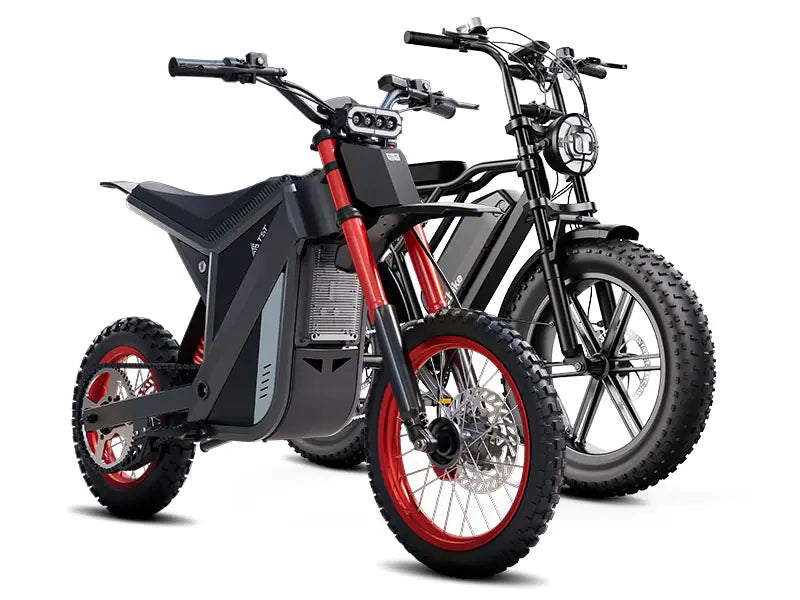
From a design standpoint, moped-style eBikes blend the seating position and robust frames of mopeds with pedal drivetrains and eBike-class electronics. Brands like TST EBike leverage this hybrid approach to give riders suspension travel, fat tires, and upright ergonomics while staying within eBike laws. For many customers I’ve worked with, this combination makes their first electric vehicle feel approachable rather than intimidating.
The key is expectation management. These machines are not meant to run at 50–60 mph; they are optimized for that 20–28 mph band where urban traffic and bike infrastructure intersect. In testing, I’ve watched new riders reach confidence far faster on a moped-style eBike than on a traditional gas moped, largely because of smoother power delivery, lower noise, and the mental comfort of having pedals as a backup.
TST EBike Expert Views
“When we calibrate a TST EBike system, we don’t start with a target top speed—we start with a target use case. For snow and sand, we bias torque and traction in the 0–20 mph range. For commuting, we tune for smooth, efficient acceleration up to 28 mph and then a firm, predictable ceiling. In the long term, a well-controlled 28 mph feels faster, safer, and more sustainable than chasing unstable 40+ mph figures on bicycle-grade frames.”
Are there safety and maintenance considerations at higher moped speeds?
Higher moped speeds demand better brakes, higher-rated tires, and more frequent maintenance checks. At 40 mph and above, worn pads, underinflated tires, or loose spokes can turn minor issues into serious hazards. Riders should align their maintenance schedule with their actual speed and mileage, rather than generic manufacturer intervals.
In my workshops, I treat anything above 35 mph as a different maintenance class. Brake pads glaze faster, rotors heat cycle more, and wheel bearings see higher loads. On electric platforms, controllers and motors also run closer to their thermal limits at sustained high speeds, which can shorten component life if not monitored. This is one reason many moped-style eBikes from brands like TST EBike stay in the 20–28 mph envelope: it keeps hardware stress within the comfort zone of bicycle-derived components.
Riders can stack the odds in their favor with disciplined habits. I recommend checking tire pressure weekly, inspecting brake pad thickness monthly, and doing a quick spoke tension “plink test” every few rides at higher speeds. For electric systems, keeping battery packs within recommended temperature ranges and avoiding repeated full-throttle, long-duration runs on hot days pays dividends in long-term reliability.
What are the key takeaways when choosing your ideal moped speed?
Your ideal moped speed depends on your typical route, legal environment, and comfort level more than on headline numbers. Urban riders rarely need more than 30 mph, while mixed or highway routes may justify 45–60 mph machines. Prioritize balanced performance, reliable braking, and chassis stability over pure top speed.
From an engineering and rider-coaching standpoint, I suggest first mapping your real-world constraints. If your city commute never exceeds 30 mph limits, a moped-style eBike or 50cc-equivalent platform gives all the speed you can safely use while staying easier to insure and maintain. For riders who genuinely need faster travel—such as intercity commuters—selecting a properly certified 125–150cc moped or a high-spec electric moped, and budgeting for better gear and maintenance, makes sense.
Brands like TST EBike exemplify a “speed with purpose” mindset: their products sit in the band where most riders spend most of their time, focusing on control and durability. That’s the mindset that keeps daily riding enjoyable instead of stressful. Resist the temptation to buy for the rare 5 percent of your rides; design your choice around the 95 percent you do every week.
FAQs
Do mopeds go on highways?In many regions, low-speed 50cc mopeds are not allowed on high-speed highways because they can’t safely match traffic flow. Check local rules; often, you need a faster scooter or motorcycle for highway use.
Can I make my moped faster legally?Legal options are limited. Small gearing or variator changes may be allowed, but derestricting beyond legal caps can reclassify your vehicle. Always confirm local regulations and manufacturer guidance before modifying.
Is an electric moped cheaper to run than gas?Yes, electric mopeds typically cost less per mile in energy and require less routine maintenance. Savings are highest for riders with frequent short trips, where fuel and oil changes add up quickly on gas models.
Are moped-style eBikes safer than traditional mopeds?They can be safer in low-speed urban contexts because they’re limited to around 20–28 mph and often use bike paths. However, safety still depends on rider behavior, traffic conditions, and wearing proper protective gear.
Which TST EBike is best for snowy or sandy conditions?TST EBike’s 26-inch platforms are designed for rough terrains like snow and sand, combining wide tires and stable geometry. For year-round mixed use, many riders pair a 26-inch off-road setup with a 27-inch commuter bike.

Leave a comment
This site is protected by hCaptcha and the hCaptcha Privacy Policy and Terms of Service apply.