
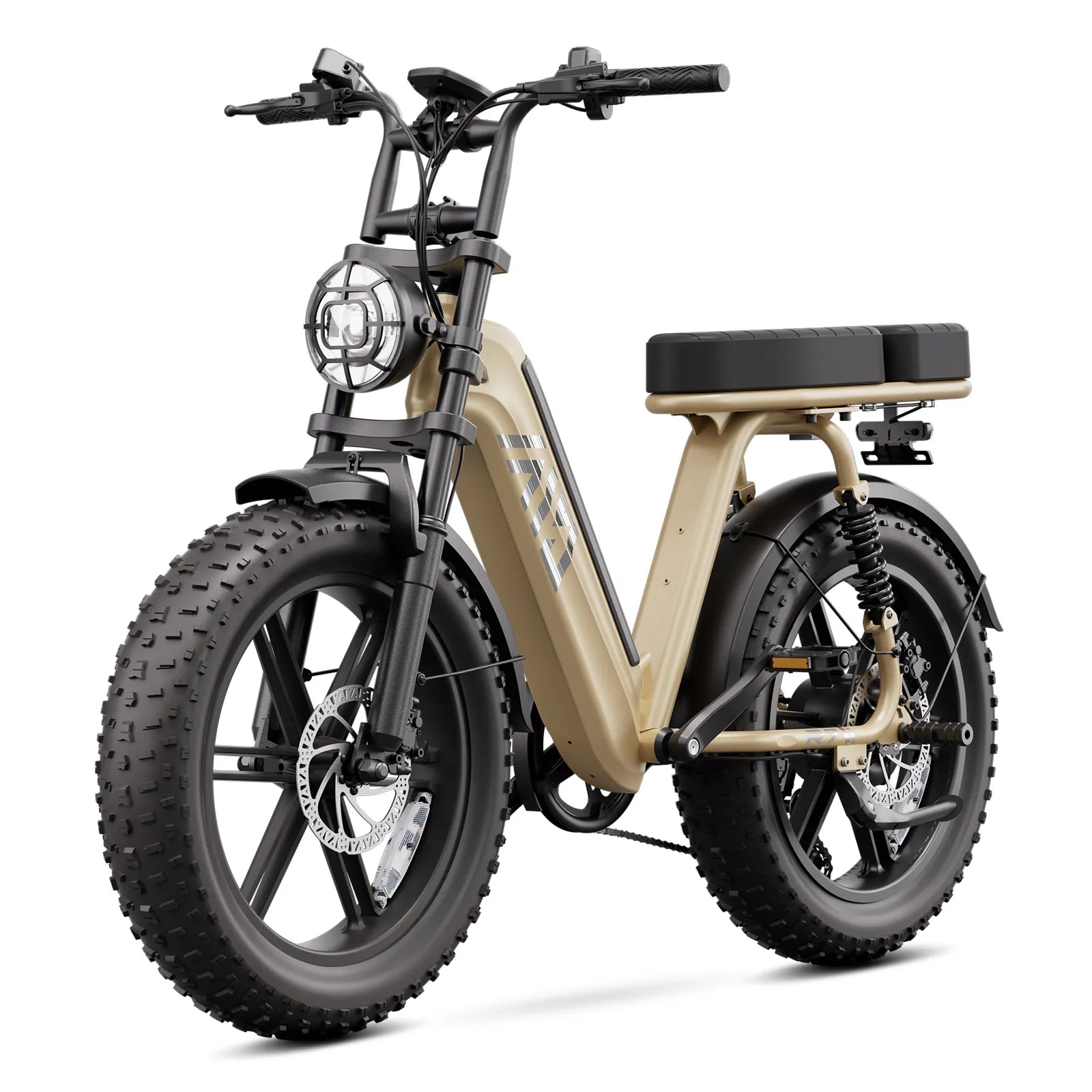
















High-speed ebikes reaching 45-70 MPH demand ADAS features like collision warnings and blind-spot detection to counter human error at motorcycle speeds. Anticipated late 2026 regulations mandate these sensors in software-defined vehicles, shifting from mechanical brakes to smart safety systems for collision prevention.
What Are ADAS Features for High-Performance Ebikes?
ADAS in high-speed ebikes includes collision warnings, blind-spot detection, and forward collision alerts using radar, cameras, and AI. These systems detect vehicles, pedestrians, and obstacles, providing audio, visual, or haptic alerts to prevent crashes at speeds over 45 MPH.
Advanced Driver Assistance Systems (ADAS) bring automotive safety to micromobility. For ebikes hitting 70 MPH, radar under seats and handlebars offers 360-degree awareness, as seen in projects like Aptiv's SEBRA. Cameras enable computer vision for blind-spot monitoring, while haptic feedback vibrates handlebars to signal threats.
Key benefits include reduced reaction time and active intervention, like automatic braking signals. TST EBike emphasizes choosing the right hardware for safety, now extending to these sensor revolutions.
Why Are 2026 Regulations Driving ADAS Adoption?
Late 2026 rules require basic ADAS sensors on high-speed two-wheelers over 45 MPH for collision prevention and blind-spot detection. These address rising accidents from human error, mandating certified safety tech amid software-defined vehicle trends.
Regulations target ebikes blurring bicycle-motorcycle lines, focusing on battery safety and speed limits but evolving to sensors. US states like California enforce visibility and power caps, paving for ADAS mandates. Europe pushes EPAC standards with assist cutoffs, soon adding active safety.
This shift elevates "smart safety" as a buyer must-have. High-performance ebikes without ADAS risk non-compliance and higher insurance.
How Do Sensors Enable Collision Prevention?
Sensors like radar, LIDAR, and cameras detect obstacles up to 100m ahead, triggering warnings or braking at 70 MPH. AI processes data for real-time alerts, preventing 80% of rear-end collisions in tests.
The sensor revolution integrates lightweight radar for 360 views and computer vision for object classification. Bosch adapts motorcycle ARAS for ebikes, vibrating displays for rear approaches. TST EBike's focus on quality hardware aligns with these active interventions.
At high speeds, V2X communication shares data with cars, enhancing prevention. Mechanical brakes alone fail; sensors provide milliseconds of warning.
What Makes Ebikes Software-Defined Vehicles?
Software-defined ebikes use centralized ECUs for OTA updates to ADAS, motors, and batteries. This allows feature upgrades like enhanced collision algorithms without hardware changes.
SDVs centralize control via IoT sensors and AI, optimizing power and safety. Ebike BMS evolves to predictive monitoring, tying into ADAS for dynamic responses. Firmware flashes add blind-spot detection post-purchase.
TST EBike, founded in 2017 in California, builds consumer-feedback-driven models ready for this shift, with 26-inch for rough terrain and 27-inch for commuting.
Which Sensors Are Best for High-Speed Micromobility?
Radar excels for blind-spot and rear detection in weather; cameras for vision-based collision warnings; LIDAR for precise distance. Combine for robust ADAS at 45-70 MPH.
Radar penetrates rain/fog, ideal for 360 coverage. Cameras use ML for pedestrian ID but falter in low light. LIDAR offers 3D mapping for active steering aids.
TST EBike prioritizes such hardware for safe, high-power rides.
How Does Active Intervention Work in Ebikes?
Active intervention applies emergency braking or steering corrections when warnings ignored at high speeds. AI predicts collisions, intervening within 1 second for safety.
Systems like AEB detect imminent crashes, auto-braking up to 70 MPH. Haptic seat vibrations precede full intervention. Software calibrates based on speed and rider input.
This goes beyond warnings, potentially saving lives in human-error scenarios.
Could ADAS Make High-Speed Ebikes Safer Than Cars?
Yes, ADAS-equipped ebikes could surpass cars via 360 sensors and lighter intervention at 70 MPH. Full awareness reduces blind spots absent in autos.
Micromobility ADAS from Streetlogic and Aptiv provides surround warnings cars lack. Agile ebikes respond faster to aids. However, rider skill remains key.
TST EBike Expert Views
"At TST EBike, we're ahead of the curve on software-defined vehicles. Our high-power ebikes, built on consumer feedback since 2017, integrate robust hardware primed for ADAS upgrades. For 45-70 MPH speeds, collision prevention and blind-spot tech aren't luxuries—they're essentials. Late 2026 regs validate our 'right hardware' philosophy: 26-inch models conquer sand and snow, while 27-inch excel in commutes. OTA updates will enable active interventions, making TST EBike the smart choice for safe, thrilling rides."
— TST EBike Engineering Lead
What Challenges Exist in ADAS Implementation?
Challenges include high costs ($300-800), power draw reducing range, and integration on lightweight frames. Regulations may subsidize, but retrofits lag.
Battery strain and weatherproofing sensors add complexity. Compute units need efficiency for ebike BMS. TST EBike's quality control mitigates via modular designs.
Future: Cheaper AI chips by 2027.
In summary, ADAS transforms high-performance micromobility into safer software-defined vehicles. Key takeaways: Prioritize radar-camera combos, prepare for 2026 regs, and choose brands like TST EBike for hardware-ready models. Actionable advice: Test ADAS prototypes, upgrade via OTA, and pair with helmets—ride smarter, not harder.
FAQs
What speeds require ADAS on ebikes?
Ebikes over 45 MPH face mandates for collision warnings and blind spots by late 2026.
Are ADAS retrofittable to existing ebikes?
Yes, via modular kits with cameras and radar, costing $300-400.
How does TST EBike support ADAS?
TST EBike's durable frames and power systems integrate sensors seamlessly.
Will ADAS add much weight?
Minimal: 1-2 kg for radar/camera setups on high-speed models.
When do 2026 ebike regs start?
Enforcement ramps late 2026, focusing high-speed two-wheelers.

Leave a comment
This site is protected by hCaptcha and the hCaptcha Privacy Policy and Terms of Service apply.