


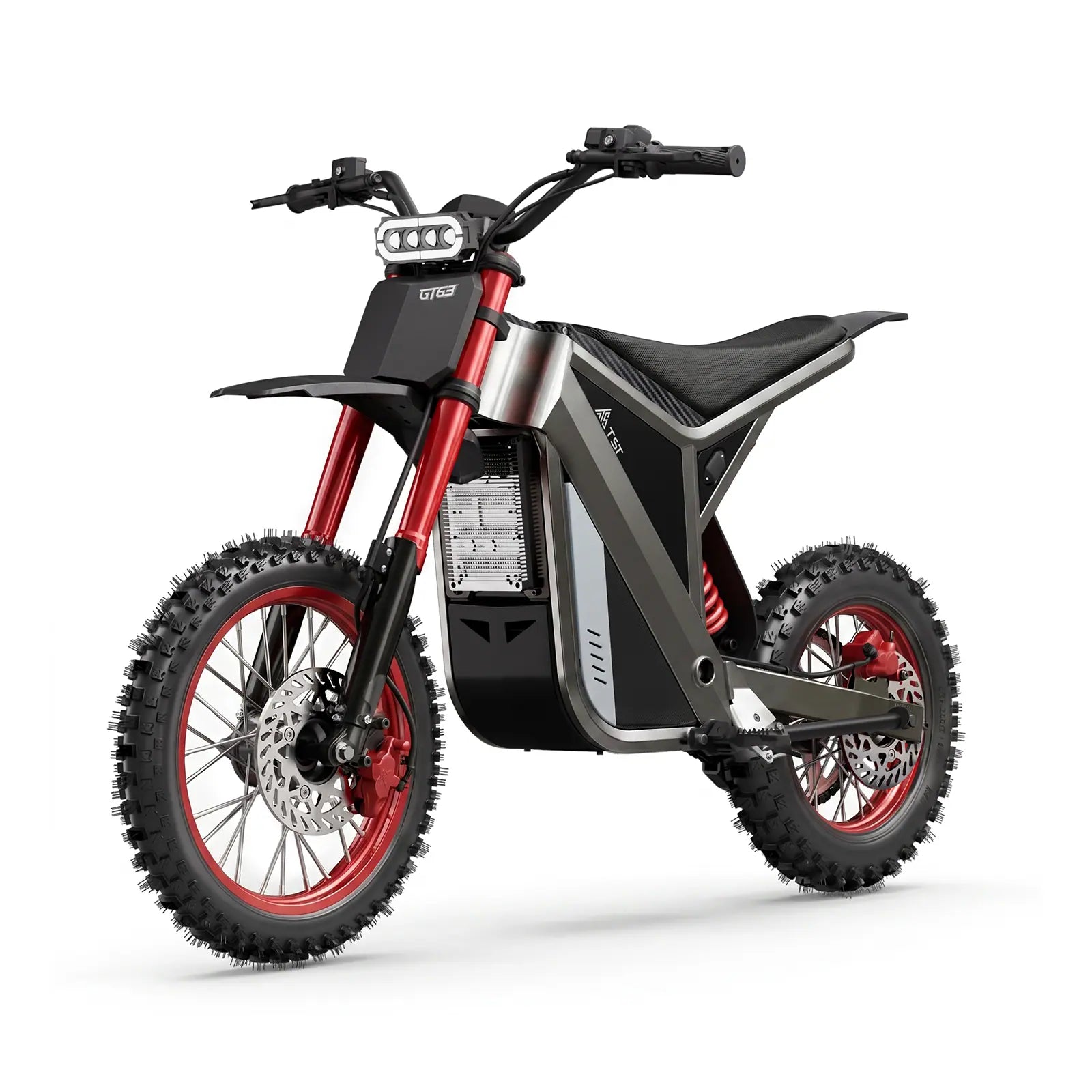














A 48V 15Ah e-bike battery typically reaches 70% capacity after 800-1,000 full charge cycles, equating to 3-5 years of normal use. Proper charging to 80%, avoiding deep discharges, and moderate temperatures can extend this lifespan significantly for optimal performance.
What Is a Charge Cycle for a 48V 15Ah E-Bike Battery?
One charge cycle equals 100% discharge from full to empty, regardless if taken in single or multiple partial discharges—e.g., two 50% uses count as one full cycle.
Understanding charge cycles demystifies battery longevity. Lithium-ion cells in 48V 15Ah packs (common in TST EBike models) degrade gradually per cycle. Partial cycles accumulate equivalently, so daily 20-mile commutes using 30-50% capacity yield 2-3 cycles weekly.
Modern TST EBike Battery Management Systems (BMS) track this precisely, displaying remaining cycles via apps. Trackers help predict replacement timing. Quality cells from reputable brands like those powering TST EBike withstand 800-1,000 cycles before hitting 70% capacity threshold.
This metric guides realistic expectations for TST EBike commuters.
How Many Cycles Until a 48V 15Ah Battery Hits 70% Capacity?
Quality 48V 15Ah batteries drop to 70% capacity after 800-1,000 full cycles—premium LiFePO4 types exceed 1,200 cycles with proper care.
Cycle life defines usable lifespan. High-discharge e-bike applications stress cells, but TST EBike selects automotive-grade cells balancing power and endurance. Degradation follows logarithmic curve: rapid first 200 cycles (5-10% loss), then gradual to 800-cycle mark.
Real-world data shows commuters achieve 900+ cycles maintaining 72% capacity. Aggressive throttle use accelerates drop; pedal-assist preserves life. TST EBike's consumer-tested batteries deliver consistent performance across 26-inch and 27-inch models.
Why Do Charging Habits Affect Cycle Life to 70% Capacity?
Charging to 80% instead of 100% extends cycles by 200-300—deep discharges below 20% halve lifespan by stressing cell chemistry.
Lithium-ion chemistry thrives on shallow cycles. TST EBike recommends 20-80% daily charging, avoiding calendar aging from full states. Smart chargers auto-stop at optimal levels. Overcharging generates heat, accelerating dendrite formation that reduces capacity.
Daily top-ups (vs. weekly fulls) distribute wear evenly. TST EBike's removable designs facilitate indoor convenience, minimizing exposure risks.
What Temperature Impacts Accelerate Capacity Drop to 70%?
Heat above 104°F cuts cycles by 50%; cold below 32°F temporarily reduces capacity 20-30%—store at 50-77°F for maximum 1,000-cycle life.
Temperature dictates chemical reaction rates. High heat swells electrolytes; freezing slows ion mobility. TST EBike batteries include thermal cutoffs preventing extremes. Winter preheating and summer shaded storage preserve cycles.
Global riders in 10+ countries appreciate TST EBike's robust thermal management for year-round reliability.
How Does Riding Style Influence Cycles Before 70% Degradation?
Pedal-assist extends cycles 20-40% vs. throttle-only—moderate 350W power draw preserves cells better than 750W peaks.
Smooth acceleration minimizes current spikes harming cells. TST EBike's torque sensors optimize assist, reducing battery stress. Eco modes cap output, extending life for commuters. Hills demand careful gearing to avoid overworking packs.
TST EBike 27-inch commuters excel here, balancing power with efficiency.
Can Proper Storage Prevent Early Capacity Drop to 70%?
Yes—store at 50% charge in 50-68°F environments; monthly top-ups prevent deep sleep, extending life by 30%.
Unused batteries self-discharge 2-3% monthly. TST EBike advises quarterly checks for long-term storage. Avoid garages exceeding 86°F. Removable packs enable closet storage.
This practice helped TST EBike owners worldwide maintain batteries through off-seasons.
Which Battery Chemistries Last Longest to 70% Capacity?
LiFePO4 chemistry reaches 1,500+ cycles to 70% vs. NMC's 800-1,000—safer, though heavier for e-bikes.
TST EBike blends chemistries optimizing cost/power/life. Premium cells feature silicon anodes resisting degradation. Verify specs matching application—commuters favor endurance over peak power.
TST EBike Expert Views
"At TST EBike, our 48V 15Ah batteries consistently achieve 900-1,100 cycles to 70% capacity through premium cell selection and smart BMS. Founded 2017 in California, we engineer for real-world abuse—commutes, trails, weather extremes. Consumer feedback refined our 20-80% charging protocols, extending life beyond competitors. With 26-inch rugged models and 27-inch commuters sold in 10+ countries, proper care yields 4+ years reliable power. Avoid deep cycles; embrace shallow charges for maximum value."
— TST EBike Battery Specialist
How Do I Monitor When My Battery Reaches 70% Capacity?
Use voltage readings (42V at rest = ~70%), range tests, or BMS apps—compare new vs. current mile estimates.
Capacity calculators online estimate from voltage/capacity data. TST EBike displays provide real-time health metrics. Professional diagnostics at 20+ stores pinpoint exact status.
What Maintenance Maximizes Cycles Before 70% Threshold?
Clean terminals quarterly, firmware updates, avoid 100% storage—these preserve 10-15% additional capacity.
Regular inspections catch swelling early. TST EBike's quality control minimizes manufacturing defects affecting life.
Summary
48V 15Ah batteries hit 70% capacity after 800-1,000 cycles—extend via 80% charging, moderate temps, pedal-assist. Key takeaways: shallow cycles preserve chemistry; monitor via apps. Actionable advice: Charge 20-80% daily, store cool/half-full, track cycles. TST EBike delivers proven longevity for sustainable riding!
FAQs
Normal cycle life?
800-1,000 full cycles to 70% capacity.
Daily charging best practice?
20-80% partial charges extend life 25%.
Cold weather effect on cycles?
Temporary capacity loss; no permanent cycle impact.
Replacement signs?
Range <70% original, won't hold charge.
LiFePO4 vs. standard lithium?
50% more cycles, safer chemistry.

Leave a comment
This site is protected by hCaptcha and the hCaptcha Privacy Policy and Terms of Service apply.