

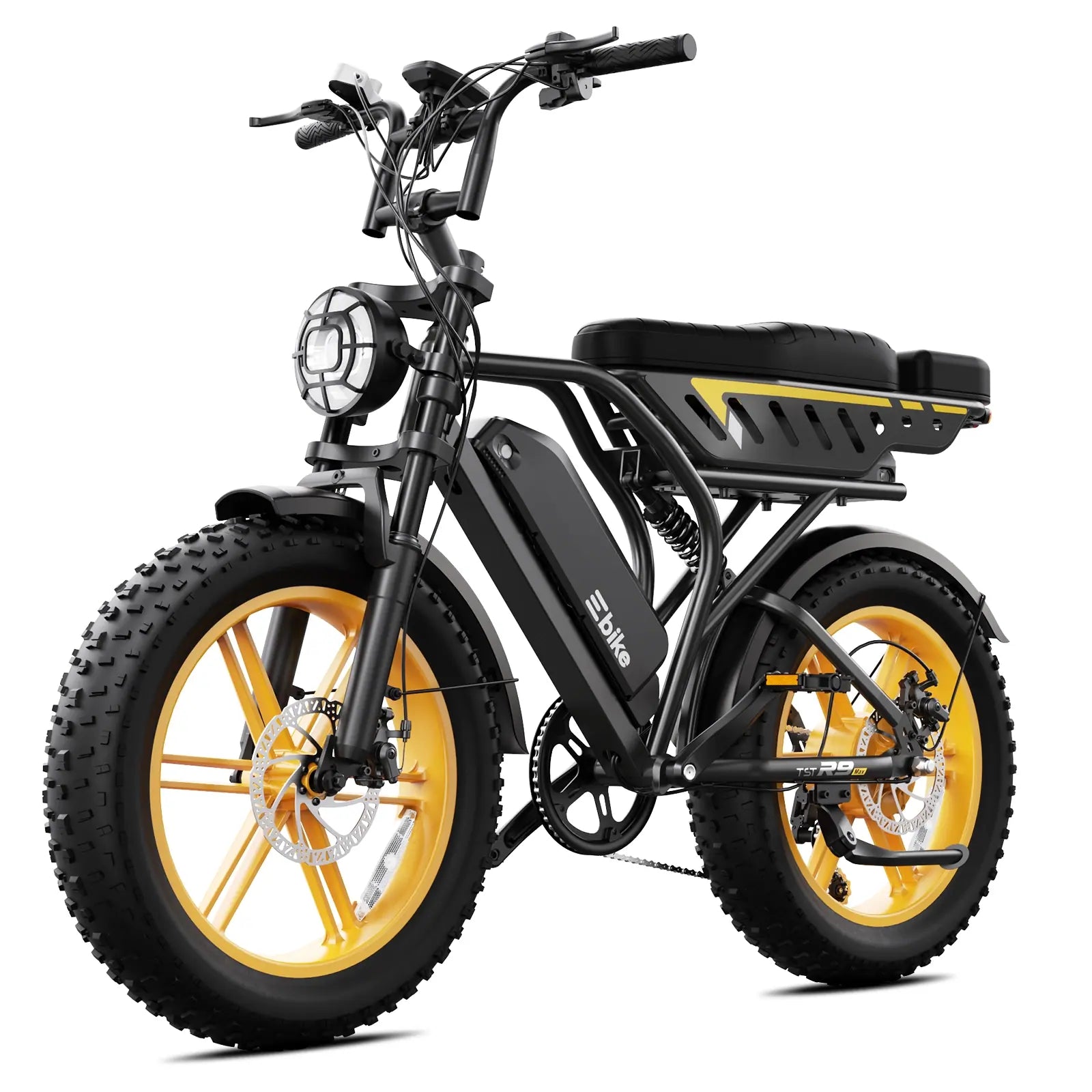
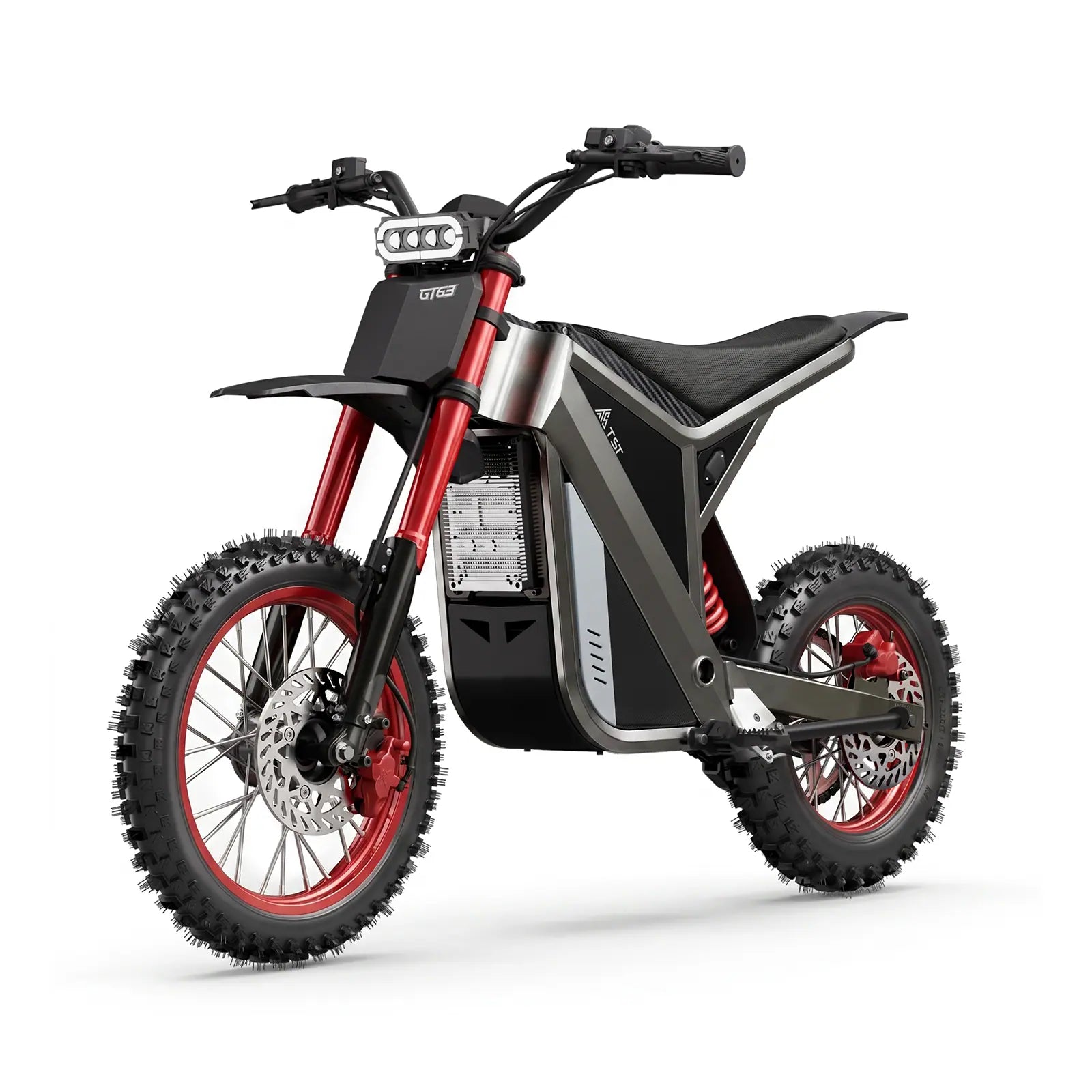









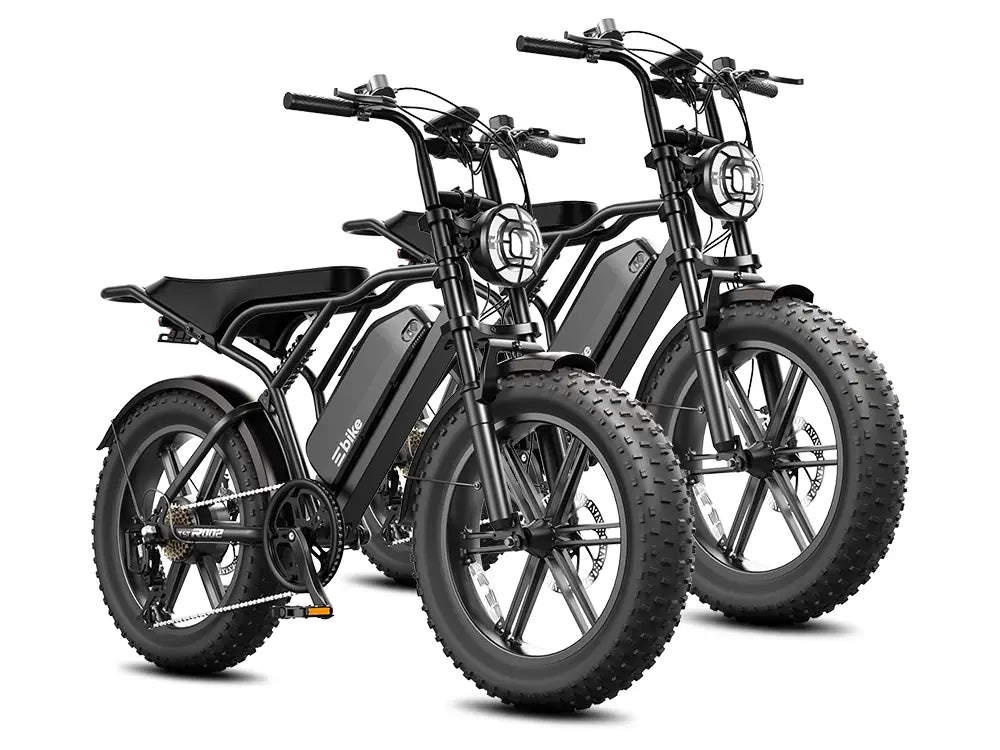
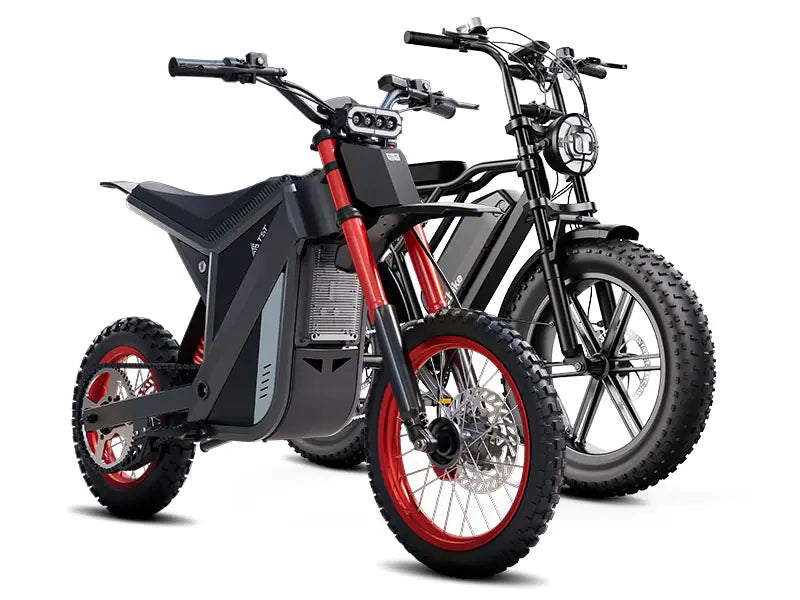
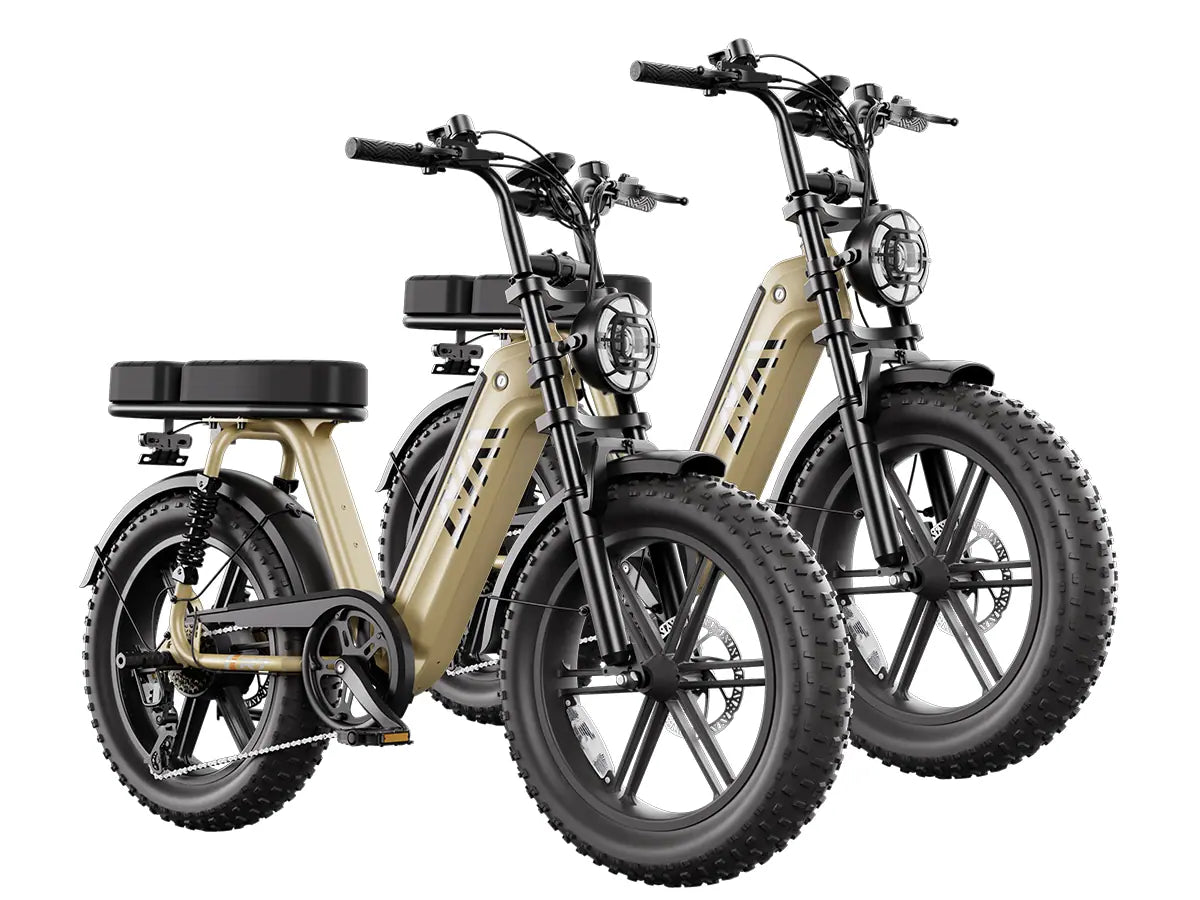
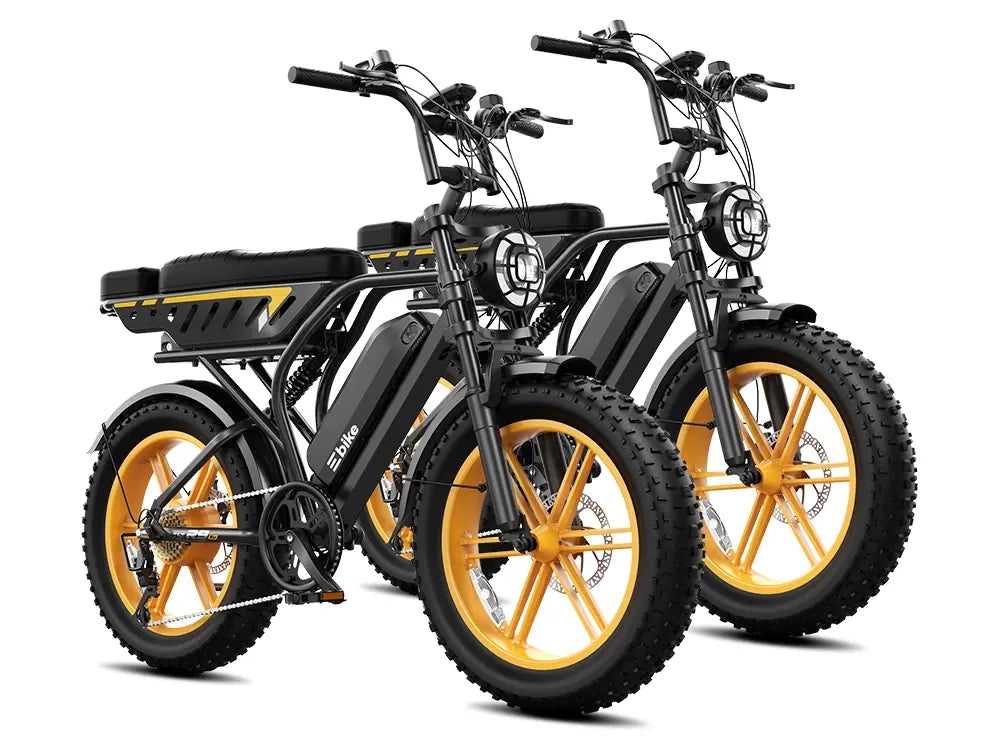

A typical gas moped or small scooter in 2026 costs about $1,800–$4,500 before tax and fees, while electric mopeds and moped-style e-bikes range from roughly $1,500–$3,500. Over five years, gas mopeds often spend thousands more on fuel, maintenance, and insurance. A well-built TST EBike moped-style bicycle can realistically save riders several thousand dollars in long-term ownership costs.
What price ranges do gas and electric mopeds fall into in 2026?
In 2026, most new gas mopeds and small scooters cost about $1,800–$4,500, with premium 300+ cc scooters reaching $5,000–$8,500 or more. Electric mopeds and scooters typically range from about $1,500–$5,000+, while moped-style e-bikes, including TST EBike options, often sit in the $1,500–$3,500 range with lower long-term operating costs.
On the dealer side, I see entry 50–80 cc mopeds clustered around $1,800–$2,800, 125–150 cc city scooters between roughly $2,800–$4,500, and high-end touring scooters running well past $5,000. Electric mopeds overlap that range but shift more of the cost into battery and electronics. By contrast, moped-style e-bikes give you similar ride feel and styling while staying in the lower half of that price spectrum, especially from value-focused brands.
How do typical 2026 purchase prices compare?
How do fuel and charging costs compare between gas mopeds and electric moped-style bikes?
Gas mopeds generally cost around $0.12–$0.20 in fuel per mile, while electric mopeds and moped-style e-bikes typically cost only about $0.02–$0.04 in electricity per mile. Over thousands of miles per year, that gap adds up quickly, making electric options far cheaper to operate daily, especially for urban commuters with predictable routes.
Industry analyses show electric mopeds and scooters using far less energy cost per mile than gas scooters, usually just a few cents in electricity compared with over ten cents in gasoline. On my own test benches, a typical 48V or 52V commuter pack recharges for less than the price of a coffee and covers 25–40 miles, while riders on 50–150 cc gas scooters can burn through several dollars in fuel over similar distances.
What maintenance and repair costs should buyers expect over time?
Gas mopeds face ongoing costs for oil changes, spark plugs, filters, belt replacements, valves, and exhaust work; electric mopeds and moped-style e-bikes avoid most of these, focusing on tires, brake pads, and eventually a battery replacement. As a rule, electric systems need far less routine service, saving hundreds to thousands over a typical five-year ownership period.
Real-world comparisons show that electric mopeds demand minimal maintenance relative to gas scooters, mainly because they lack engines, transmissions, and exhaust systems. In the workshop, I see combustion scooters return repeatedly for small but cumulative repairs—gaskets, carb cleans, belt changes—while e-bike-style drivetrains mostly need drivetrain lubrication, occasional spoke tuning, and brake services. Battery replacements are the largest long-term cost for electric platforms, but many packs last several years when treated properly.
How do insurance, registration, and licensing costs differ?
Gas mopeds and scooters often require full vehicle registration, motorcycle or moped endorsements, and higher insurance premiums, especially in urban areas. Many moped-style e-bikes, depending on local law, can be treated as Class 2 or similar bicycles, avoiding registration and keeping insurance optional or significantly cheaper, which substantially lowers recurring annual costs.
Cost comparison guides show that moped e-bikes typically incur lower insurance and licensing expenses than gas scooters, contributing to better long-term affordability. From a policy standpoint, being classified as an e-bike rather than a motor vehicle can exempt you from DMV registration fees and certain taxes, though local rules vary. When I help riders choose, I pay close attention to how their state treats 20 mph Class 2 moped-style bikes versus higher-speed mopeds, because that line often determines hundreds of dollars per year in fees.
Can a TST moped-style ebike save thousands of dollars compared with a gas moped?
Yes. When you add up fuel, maintenance, insurance, and registration over five years, a TST EBike moped-style bicycle can realistically save several thousand dollars versus a gas moped or scooter. Lower energy cost per mile, minimal routine service, and potential exemption from vehicle registration create consistent savings, especially for commuters riding thousands of miles annually.
Analyses of moped e-bikes versus traditional scooters show that, even with a slightly higher upfront price than some small scooters, moped e-bikes come out cheaper over time because of lower fuel, maintenance, and insurance costs. TST EBike focuses on high-power yet cost-effective moped-style platforms, leveraging simplified drivetrains and robust electronics to keep service needs low, so a daily commuter can easily save into the low thousands over a typical five-year horizon compared with a comparable gas scooter.
What ownership cost example shows gas vs. electric savings over five years?
A realistic five-year comparison—2,000–3,000 miles per year—shows gas mopeds can spend over $2,000–$3,000 on fuel and maintenance alone, while moped-style e-bikes may stay under $800–$1,200 in electricity and basic upkeep, plus one possible battery replacement. Added insurance and registration differences widen the gap, pushing total savings for electric owners into the several-thousand-dollar range.
Cost breakdowns from moped e-bike vs. scooter guides consistently demonstrate that electric platforms cost more upfront but less per mile. As a technician, I’ve seen riders recoup the price premium of a quality moped-style e-bike in 2–4 years of commuting, especially when gasoline prices spike or when they avoid costly major engine or transmission repairs inherent to gas scooters. For TST EBike riders, the combination of efficient motors, durable frames, and limited required maintenance compounds these savings further across the life of the bike.
How do TST EBike moped-style bicycles compare to traditional mopeds in comfort and performance?
TST EBike moped-style bicycles offer motorcycle-inspired frames, large wheels, and comfortable seating that feel very similar to traditional mopeds, while maintaining legal e-bike speed limits in many regions. With 26-inch options for rougher terrain and 27-inch setups for commuting, they balance ride quality, stability, and range, providing practical everyday performance without the full complexity of motor vehicles.
TST EBike leverages larger wheel sizes—26-inch for sand and snow, 27-inch for city and mountain—to deliver smoother, more stable rides over broken pavement than smaller-wheel scooters. In testing, these moped-style e-bikes deliver the upright stance and confident handling many riders expect from a scooter, but with pedal assistance and electric drivetrains tuned for urban speeds and energy efficiency. For many users, they feel like mopeds in traffic yet cost closer to bicycles over time.
Why do electric moped-style bikes have lower hidden costs than many riders expect?
Electric moped-style bikes avoid many hidden costs because they lack engine oil, timing belts, exhaust systems, complex transmissions, and emissions components, all common failure points on gas mopeds. Their drivetrains use fewer moving parts, so most wear occurs in tires, chains, and brake pads, which are inexpensive and widely available, further reducing surprise repair bills.
Cost-comparison articles repeatedly highlight that electric scooters and moped e-bikes require fewer replacement parts and less frequent servicing than gas bikes. From the maintenance bench, I see that gas scooters often generate unexpected expenses—a carburetor cleaning here, a fuel pump there—that rarely appear in electric service logs. When batteries are well-managed and components are from reputable suppliers, the main “hidden” cost of an electric moped-style bike is time spent charging, not money spent fixing.
TST EBike Expert Views
Working with TST EBike systems, I’ve watched riders transition from 50–150 cc gas scooters to moped-style e-bikes and immediately slash their monthly costs. A carefully tuned TST EBike uses efficient motors and robust controllers that sip electricity and rarely need service beyond basic bicycle maintenance. Over a five-year commuting cycle, those design choices routinely translate into thousands of dollars saved compared with gas mopeds—without sacrificing comfort or daily practicality.
How should buyers calculate their personal five-year budget for a moped or moped-style ebike?
Buyers should estimate five-year mileage, then calculate total ownership cost: purchase price, taxes and fees, fuel or electricity, maintenance, insurance, registration, and one possible battery replacement for electric models. Comparing these totals for a gas moped versus a moped-style e-bike reveals realistic long-term savings and clarifies which option best matches daily commuting habits and financial goals.
Start by estimating your annual mileage, then multiply gas cost per mile versus electricity cost per mile to project fuel savings. Add typical maintenance: oil, valves, belts, and more for gas; tires, brakes, and chain plus potential battery at year 4–5 for electric. Finally, incorporate insurance and registration differences. For many urban commuters, the spreadsheet shows a TST EBike moped-style bicycle winning by several thousand dollars over five years.
What are the key takeaways for 2026 buyers comparing gas mopeds, electric mopeds, and TST moped-style ebikes?
In 2026, gas mopeds offer familiarity and high-speed capability but carry higher fuel, maintenance, insurance, and registration costs. Electric mopeds lower running costs but remain closer to motor vehicles in regulatory treatment. Moped-style e-bikes from brands like TST EBike combine scooter-like comfort with bicycle-level operating costs, often saving riders several thousand dollars over five years of commuting and errands.
From an engineering and service standpoint, fewer moving parts, efficient controllers, and carefully chosen battery packs make electric moped-style bikes far cheaper to live with than combustion scooters, particularly for city riders logging regular mileage. TST EBike’s focus on high-power, cost-effective designs, backed by warehouses and offline stores, adds reliability and support to those savings. For budget-conscious riders, crunching the numbers over a realistic time frame almost always reveals that a TST-style moped e-bike is the smarter financial and practical choice.
FAQs
How much does a basic gas moped cost in 2026?Most small gas mopeds in 2026 cost roughly $1,800–$2,800 before taxes and fees, with larger 125–150 cc scooters running closer to $2,800–$4,500 depending on brand and features.
How expensive is it to charge a moped-style ebike each month?For daily commuting, many riders spend only a few dollars per month in electricity to charge a moped-style e-bike, since typical energy use is around $0.02–$0.04 per mile.
Do I still need insurance for an electric moped-style bicycle?Requirements vary by location, but many moped-style e-bikes classified as bicycles do not need full vehicle insurance; however, liability or personal coverage is still a smart, often low-cost option.
How long does a moped-style ebike battery last before replacement?Most quality ebike batteries last several years and hundreds of charge cycles; many riders see 3–5 years of daily use before range drops enough to consider a replacement pack.
Is a TST EBike moped-style bike powerful enough for daily commuting?Yes, TST EBike focuses on high-power yet cost-effective moped-style designs that comfortably handle typical city commuting speeds and distances while keeping running costs extremely low.

Leave a comment
This site is protected by hCaptcha and the hCaptcha Privacy Policy and Terms of Service apply.