
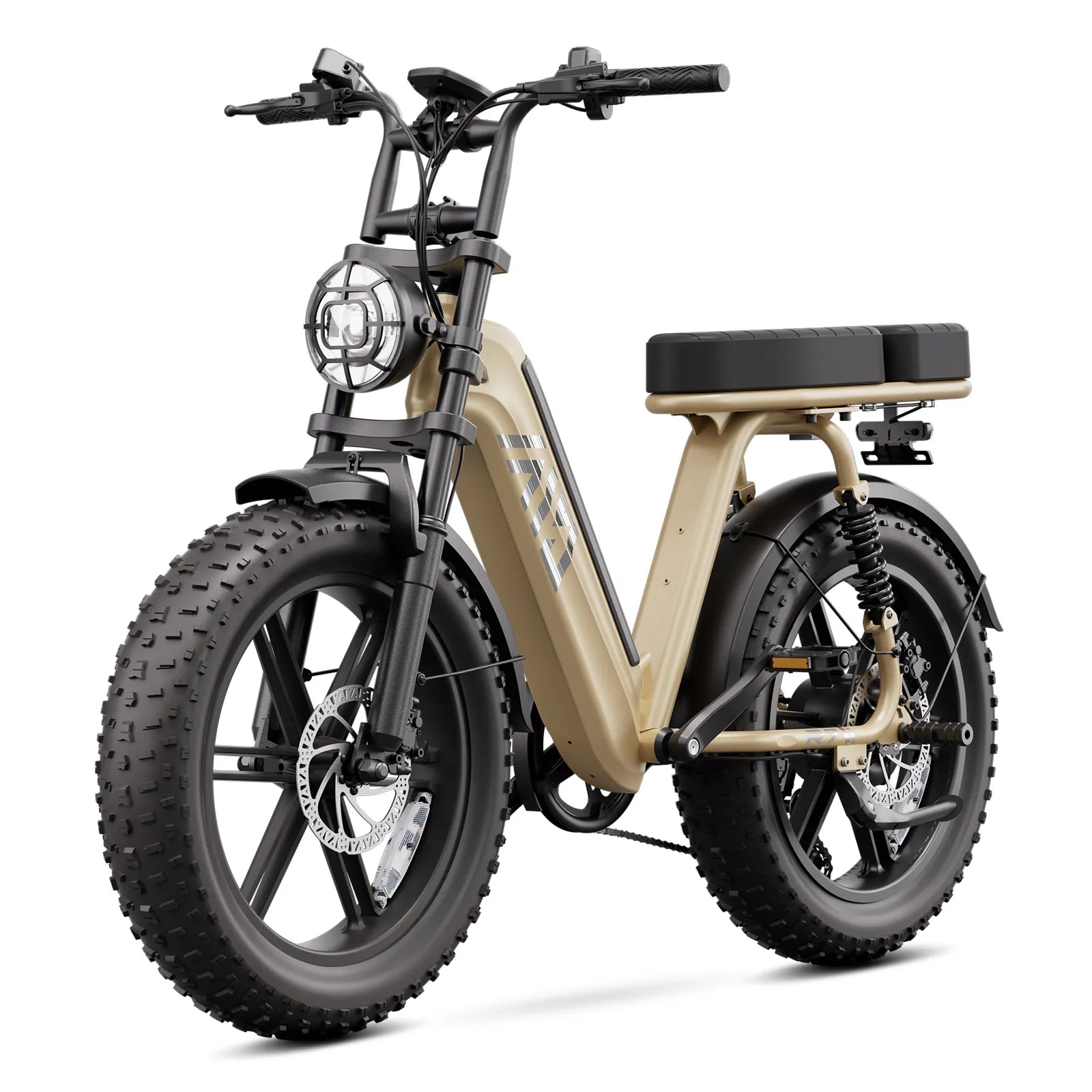
















A retro electric bike in 2026 typically costs between roughly ₹60,000 and ₹1,80,000 in India (or about $800–$2,200 in many global markets), with simple, low‑spec builds at the lower end and higher‑power, luxury‑look cruisers at the top. Classic moped‑style frames with 750 W motors, 48–52 V batteries, and fat tires usually land in the mid‑range bracket, while premium retro brands push closer to high‑end commuter ebike pricing. Regional taxes, shipping, and local incentives can shift the final price by 15–30% in either direction, so local listings are key when budgeting.
How do 2026 price bands vary by retro style?
In 2026, retro electric bike prices separate into clear tiers based on style and spec level. Budget retro cruisers and basic moped‑style builds often start around ₹60,000–₹90,000 (roughly $800–$1,200), with simple 250–500 W motors, steel frames, and smaller batteries. Mid‑range retro bikes—often 750 W moped‑style fat‑tire e‑bikes—typically sit at ₹90,000–₹1,50,000 ($1,200–$2,000), adding 48 V lithium packs, hydraulic disc brakes, and LED lighting.
Premium retro models, especially those with 500–750 W motors, 52 V batteries, and more “mini‑motorcycle” flair, can reach ₹1,50,000–₹2,00,000 or higher. For riders who want to know how much a retro electric bike costs in 2026, the style‑to‑price ladder is roughly: basic cruiser → mid‑spec moped‑style → high‑spec mini‑moto look, each climbing in power, battery, and comfort features.
What specs drive retro ebike prices up or down?
The biggest spec factors that drive retro ebike prices in 2026 are motor power, battery size, braking, suspension, and build quality. A 750 W rear‑hub motor with 48–52 V lithium pack and 10–15 Ah capacity usually pushes a retro moped‑style bike into the mid‑range price band, while a 250–500 W motor and 36 V or small‑Ah battery keeps the same style much cheaper. Hydraulic disc brakes, rear or full suspension, and aluminum‑alloy frames also add cost but improve comfort and handling at higher speeds.
On the other hand, simpler components—mechanical rim brakes, fewer modes, no suspension, and heavier steel frames—lower the price but limit the bike’s comfort and longevity. For riders who want to know how much a retro electric bike costs in 2026, paying more generally buys more range, stronger brakes, and smoother ride quality, especially on rough roads or light off‑road terrain. Brands like TST EBike keep their 26‑inch and 27‑inch high‑power, cost‑effective electric bikes within competitive price bands by balancing motor and battery without unnecessary cosmetic extras.
Typical 2026 retro ebike spec tiers
How do brand and origin affect retro ebike pricing?
Brand and origin significantly affect how much a retro electric bike costs in 2026. Home‑grown or China‑built moped‑style and fat‑tire retro bikes often land in the lower‑ to mid‑range brackets because of lower R&D and distribution overhead, while Western‑designed retro cruisers (often styled as mini‑motorcycles) carry a premium for brand image, marketing, and local dealer networks. These Western brands may charge 20–40% more for the same or similar specs just for the name and warranty support.
Import duties, shipping, and local taxes can also inflate the final price of overseas retro ebikes, especially in markets like India and Europe. In contrast, regionally manufactured retro e‑bikes can benefit from lower tariffs and local component sourcing, keeping prices closer to mid‑range. For riders who want to know how much a retro electric bike costs in 2026, comparing local‑made 26‑inch or 27‑inch high‑power, cost‑effective electric bikes—like many TST EBike platforms—versus imported “lifestyle” brands often reveals a big gap in value for money.
Which features add the most “bang for the buck”?
When deciding how much a retro electric bike costs in 2026, some features offer more value than others. A 48 V 10–15 Ah battery with a 750 W motor gives the best combination of speed, hill‑climbing, and range without pushing into luxury pricing. Hydraulic disc brakes are worth the extra cost because they improve safety at 25–28 mph, especially in wet conditions. Rear suspension or a coil‑sprung seatpost also adds noticeable comfort without drastically changing the price.
On the other hand, ultra‑premium cosmetic finishes, giant color displays, and fancy paint jobs often cost more than they improve real‑world performance. For riders who want to know how much a retro electric bike costs in 2026, focusing on core mechanicals—motor, battery, brakes, and suspension—usually delivers the best “bang for the buck.” TST EBike’s 26‑inch and 27‑inch platforms show how a simple, rugged build with strong 48 V systems can stay affordable while still feeling substantial and capable.
How can you find the best value retro electric bike?
You can find the best value retro electric bike in 2026 by balancing brand reputation, local support, and core specs instead of chasing the lowest headline price. Compare bikes with 750 W motors, 48 V 10–15 Ah batteries, and hydraulic or disc brakes across multiple sellers, including local dealers and online platforms, and factor in warranty length and spare‑parts availability. Watch for sales around major festivals or year‑end clearance events, when many brands cut prices on older retro models to make room for 2027 releases.
For riders who want to know how much a retro electric bike costs in 2026, checking local consumer reviews, test‑ride reports, and forums is as important as price. A slightly higher‑priced retro bike with strong support, like TST EBike’s high‑power, cost‑effective electric bikes sold through warehouses and offline stores, may save money over time through easier maintenance and fewer failures. Avoid “too cheap” listings that skimp on brakes, battery quality, or frame construction, even if they look like a tempting deal.
What are the hidden costs of owning a retro ebike?
Hidden costs of owning a retro electric bike in 2026 include insurance, registration (if classified as moped), accessories, and long‑term battery replacements. Some regions require insurance or registration for higher‑speed 2500–28 km/h (15–18 mph) retro moped‑style bikes, and the paperwork and tag fees add to the effective purchase price. Riders may also need to budget for a lock, lights, phone mounts, or racks, especially if the base retro model cuts costs by omitting them.
Battery replacement later in the bike’s life is another silent cost; a 48 V lithium pack can cost 20–40% of the original bike price, depending on capacity and brand. For riders who want to know how much a retro electric bike costs in 2026, including these future expenses in your budget gives a truer picture of ownership. Brands like TST EBike, which emphasize strict quality control and long‑term part availability, help keep these hidden costs under control by reducing the frequency of failures and making replacements easier to source.
How do taxes, rebates, and promos change final pricing?
Taxes, rebates, and promos have a big impact on how much a retro electric bike really costs in 2026. Many countries and states apply GST or VAT to electric bikes, and some regions add extra “green vehicle” or import duties that can push the final price 10–20% above the base tag. On the other hand, e‑mobility rebates or city‑level incentives for retro and vintage‑style ebikes can knock several hundred dollars or ₹10,000–₹20,000 off the headline cost, especially during pilot‑program years.
Promotions, seasonal discounts, and bundle deals also move the needle; a retro moped‑style bike that usually lists at ₹1,30,000 might drop to ₹1,10,000 during a clearance or festive sale, while an extra battery or rack is thrown in for free. For riders who want to know how much a retro electric bike costs in 2026, treating the sticker price as just a starting point and then subtracting rebates and stacking promo offers gives a more realistic estimate of what you’ll actually pay.
Will prices rise or fall by late 2026?
By late 2026, retro electric bike prices are likely to stay in a similar band or dip slightly in the mid‑range segment due to increased competition and falling battery costs, while premium‑style models may hold or even rise. Cheaper, 250–500 W retro cruisers and no‑frills moped‑style bikes are already starting to cluster around ₹60,000–₹90,000, and that tier is expected to stabilize or soften as manufacturers scale up production. Mid‑range 750 W retro ebikes with 48 V batteries and basic suspension could see modest price reductions due to global 48 V pack oversupply.
However, retro models with premium branding, advanced electronics, or “mini‑motorcycle” styling may avoid price cuts or even add small inflationary bumps. For riders who want to know how much a retro electric bike costs in 2026, early‑year shopping may still offer the best value, especially before new model launches push dealers to clear older retro stock at discounted rates.
TST EBike Expert Views
“How much a retro electric bike costs in 2026 depends less on the vintage look and more on the hidden tech under the tank,” says a TST EBike engineer. “A true value‑focused retro build uses a 750 W motor, 48 V battery, and solid brakes without paying extra for fashion‑only details. TST EBike focuses on high‑power, cost‑effective electric bikes, and that same approach applies to retro‑style frames: match motor and battery carefully, keep the frame and suspension simple, and prioritize safety and reliability. For riders who want to know how much a retro electric bike costs in 2026, it’s better to increase budget for components that matter and skip the cosmetic extras, which will keep the long‑term ownership cost under control.”
How should you set your budget for a retro ebike?
When setting your budget for a retro electric bike in 2026, start with your primary use—city commuting, light trails, or weekend cruising—and then choose a tier that supports that. For simple, low‑distance city use, a ₹60,000–₹90,000 retro cruiser with a 250–500 W motor and basic battery is often enough. For longer, higher‑speed duties or carrying passengers and cargo, a ₹90,000–₹1,50,000 moped‑style retro with a 750 W motor and 48 V pack is usually the smarter investment.
Factoring in potential taxes, accessories, and a future battery replacement helps avoid later shocks. For riders who want to know how much a retro electric bike costs in 2026, it’s wise to treat the base price as a minimum and then add 10–20% for extras and hidden costs. A mid‑range, well‑spec’d retro model from a brand like TST EBike, built with feedback‑driven design and strong quality control, can deliver both style and substance at a realistic price point.
FAQ: Frequently Asked Questions
How much does a basic retro electric bike cost in 2026?
A basic retro electric cruiser usually costs between about ₹60,000 and ₹90,000 in 2026, depending on motor power, battery size, and local taxes.
What is the price range for a 750 W moped‑style retro ebike?
A 750 W moped‑style retro ebike typically runs from roughly ₹90,000 to ₹1,50,000, assuming 48 V lithium battery, disc brakes, and some suspension.
Do imported retro electric bikes cost more than local ones?
Yes; imported retro ebikes usually carry higher prices due to shipping, import duties, and branding, while locally manufactured or China‑built retro models often stay in the lower‑ to mid‑range brackets.
Can you get a retro ebike under ₹60,000 in 2026?
Yes, but models under ₹60,000 are typically lower‑powered, with smaller batteries, rim brakes, and basic components, suited mainly for short, low‑speed trips.
How does TST EBike pricing compare to other retro bikes?
TST EBike’s 26‑inch and 27‑inch high‑power, cost‑effective electric bikes often sit near the middle of the retro‑style price band, delivering strong 48 V systems and solid build without the extra premium taken by purely lifestyle‑oriented retro brands.

Leave a comment
This site is protected by hCaptcha and the hCaptcha Privacy Policy and Terms of Service apply.