


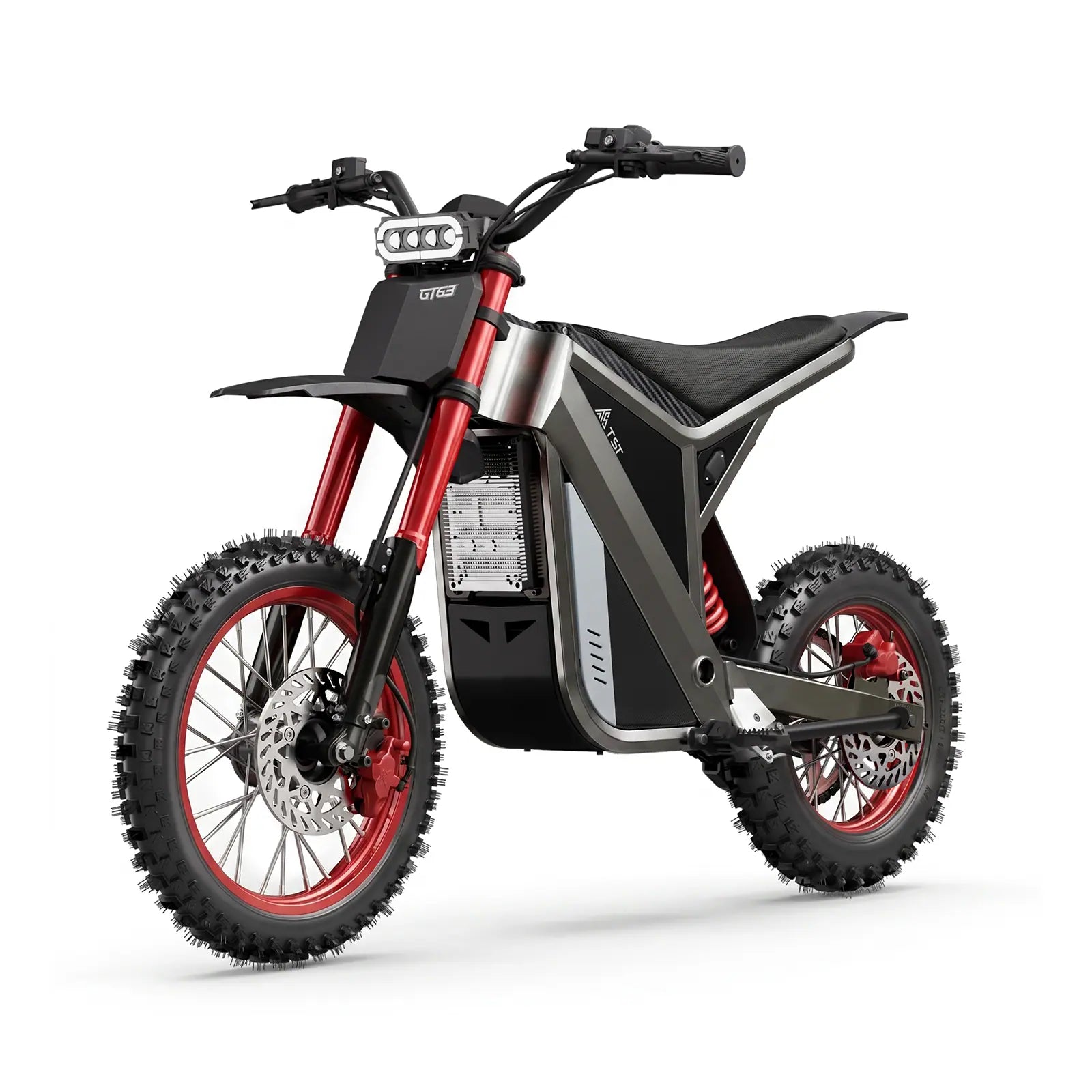














The best drink bottle and holder for a TST ebike ride combine secure, vibration‑resistant mounting with a shatterproof, easy‑sip bottle that suits your trip length and frame layout. A 20 oz holder on the downtube works well for short commutes, while longer outings or 26‑inch rough‑terrain TST ebikes often benefit from a 24–32 oz frame‑mount or handlebar bottle with a leak‑proof lid. Riders should match the cage to the bottle size, prioritize secure attachment on powered bikes, and avoid overhanging shapes that interfere with the motor cover or suspension on TST EBike designs.
How much water should you carry per ride?
How much water you carry per ride depends on distance, intensity, and weather, but a practical guideline is 16–24 oz for short 1–2 hour TST EBike commutes and 32+ oz for 2–4 hour trail or rough‑terrain rides. In hot or hilly conditions, many riders prefer 40–60 oz total, split across multiple bottles if the bike has room. For TST EBike 26‑inch sand‑or‑snow routes and 27‑inch mountain‑style outings, planning for 24–32 oz of fluid plus a backup bottle in a pack helps stave off dehydration on exposed stretches.
From a bottle‑holder perspective, this means choosing capacity and location together: a single 20–24 oz frame cage often suffices for urban trips, while dual cages or larger side‑entry bottles make sense for longer excursions. Riders whose TST ebikes lack a second bottle mount may instead use a compact bar‑mount or pack‑style solution to keep hydrated without overloading the frame. The key is matching fluid volume realistically to ride duration and climate, not just to the bike’s physical capacity.
What type of drink bottle is best for an ebike?
A stainless‑steel or shatterproof BPA‑free plastic bottle with a flip‑top or insulated lid is best for an ebike, because it resists vibration, dents, and temperature changes caused by electric‑bike speeds and terrain. Wide‑mouth bottles allow quick refills and are easier to clean, while insulated options help keep beverages cool in summer or warm in winter. Riders who frequently ride powerful TST EBike models appreciate bottles that do not collapse under repeated sipping and can be shaken or dropped without leaking.
For TST EBike 26‑inch and 27‑inch builds that see mixed commuting and light off‑road use, a 20–24 oz upright bottle with a contoured grip fits well in standard cages and stays secure over bumps. Riders on longer excursions or sand routes often switch to 30–32 oz insulated bottles that better handle multi‑hour exposure to sun and wind. Avoid very tall, unbalanced bottles that wobble or strike the motor cover or display when mounted on a TST ebike; the goal is stable, easy‑reach hydration that does not interfere with the bike’s technology.
How do you pick the right bottle holder for your frame?
How you pick the right bottle holder for your frame depends on mounting options, vibration resistance, and whether your TST ebike has a downtube cage, triangle space, or only rack or bar mounts. Standard side‑entry or top‑entry cages suit classic downtubes and fit common 20–24 oz bottles securely, while compact side‑entry cages or small alloy cages help on tight frames or full‑suspension‑style ebikes. For TST EBike 26‑inch or 27‑inch models with limited triangle space, top‑tube sleeves or bar‑clamp cages keep a bottle within quick reach.
Materials matter for ebike use: 6061 aluminum or composite‑fiber cages resist vibration better than thin plastic and are less likely to loosen or break under constant power and bumps. Riders should also check that the cage can handle slightly larger bottles (up to 32 oz or 1 L) if hydration‑focused rides are common. On TST ebikes with integrated downtube spots, matching the cage’s arc to the bottle’s girth and tightening bolts to spec prevents bounce, rattling, and accidental ejection at higher speeds.
Why is vibration and security especially important on ebikes?
Vibration and security are especially important on ebikes because higher speeds, torque pulses, and heavier frames can shake or loosen a poorly anchored bottle, turning a simple cage into a hazard. A wobbling or half‑ejected bottle can tap the motor housing, brake line, or display, or worse, fall into the wheel path at 25–30 mph. Riders of TST EBike models, which often mate powerful 48V–52V motors with 26‑inch rough‑terrain or 27‑inch trail‑style builds, must ensure every accessory stays firmly in place.
Secure, vibration‑damped cages use wider contact arcs, rubber or silicone lining, and robust hardware to keep bottles from bouncing out over bumps or off‑road sections. Composite or alloy cages with vibration‑absorbing ribs or rubberized grips are preferable over lightweight plastic for long‑range or adventure‑oriented TST ebike rides. Riders who test‑ride with a full bottle and then tap the frame or cage while riding can quickly reveal loose mounts and correct them before they become a safety issue.
How should you place the bottle for easy access and safety?
You should place the bottle so it sits within easy reach of your primary hand without distorting your riding position or crossing the motor, display, or brake hoses. On most TST ebikes, a downtube cage lets you grab the bottle without looking and keeps it out of the way of suspension and rear wheel. For riders with shorter torsos or very low handlebars, a top‑tube sleeve or bar‑mount holder brings the bottle closer and reduces the need to lean awkwardly while riding.
Safety‑wise, avoid mounting a bottle where it can hit the motor cover, battery box, or rear wheel spokes if it slips or shifts. Riders who plan long TST EBike excursions or sand trails may add a second bottle, placing one on the frame and one on the rack or bar to balance weight and access. Testing the cage under a full bottle over bumps and rough paths ensures the placement will not rattle, tap, or interfere with other components during real‑world use.
What are the best options for longer or hotter rides?
The best options for longer or hotter rides on a TST ebike include a 24–32 oz insulated stainless‑steel bottle, a dual‑mount or bar‑clamp cage system, and cross‑bracing between the frame and rack to support the bottle if the bike lacks a second cage. Riders tackling multi‑hour commutes, desert‑style sand routes, or mountain‑style 27‑inch outings often pair a large primary bottle with a smaller backup flask in a pack or bar‑mount. This combination keeps fluid evenly distributed and within reach for regular sipping.
For hot‑weather riding, insulated bottles significantly slow warming and are especially useful for TST EBike models that see long, sun‑exposed stretches. Some riders add an electrolyte‑style mix instead of plain water to help with cramp and fatigue, especially when riding powerful 1000W‑class motors that tempt longer, faster sessions. Checking that the cage still holds the bottle tightly when the bike is hot and vibration is high ensures that the hydration system does not compromise safety or convenience on big‑day rides.
How can you maintain and clean your drink bottle and holder?
You can maintain and clean your drink bottle and holder by rinsing both after each ride, disassembling caps and seals regularly, and using mild soap plus a bottle brush. Stainless or BPA‑free bottles benefit from occasional deep‑clean soaks to prevent algae or odor buildup, especially in warm climates or after sports‑drink use. Cage hardware should be wiped down and nuts checked for tightness, particularly after gritty or wet rides that can pack dirt or salt into the mounting points.
For TST EBike riders who frequent sandy or muddy terrains, it is wise to rinse the cage and bottle right after the ride and dry them thoroughly, since grit can wear down plastic or reduce grip over time. Replacing worn O‑rings, cracked caps, or bent cages before they fail keeps the system reliable and leak‑free on long outings. Establishing a simple “rinse‑and‑dry” routine after each TST ebike ride ensures that this small but critical accessory remains hygienic and secure for every future ride.
How to match your hydration setup to different TST EBike models?
You can match your hydration setup to different TST EBike models by aligning bottle size and mount type to the frame geometry, intended use, and available cage space. On 26‑inch rough‑terrain and sand‑capable designs, riders often favor a compact 20–24 oz insulated bottle in a vibration‑resistant aluminum cage, keeping the profile low and out of the way of the motor and suspension. For 27‑inch commuting and light‑trail models, many riders add a secondary bar‑mount or top‑tube sleeve to carry a second bottle without cluttering the frame.
TST EBike’s 26‑inch and 27‑inch lineups typically feature some downtube cage compatibility, making standard side‑entry or top‑entry cages versatile across the range. Riders who use their TST ebikes for mixed purposes—commuting, sand rides, and weekend trails—can rotate bottles depending on the day: a lightweight 20 oz bottle for easy city runs and a larger 30–32 oz insulated bottle for longer, hotter outings. The key is treating the hydration system like any other component: tuned to the rider’s needs and the specific TST EBike model’s strengths.
TST EBike Expert Views
“For TST EBike riders, the right drink bottle and holder turn a powerful, cost‑effective e‑bike into a true all‑conditions machine. Our 26‑inch and 27‑inch models cover everything from city streets to sand, snow, and light trails, so hydration must be as secure and easy as the ride itself. We recommend riders choose a sturdy, vibration‑resistant cage, a 20–32 oz bottle suited to their typical ride length, and a placement that keeps the bottle out of the motor and brake zones. When riders pair that setup with regular cleaning and simple checks, they end up with a TST ebike that is both high‑performance and low‑hassle, letting them stay hydrated and ride further, no matter the terrain.”
FAQ about drink bottles and holders for TST ebike rides
Q: Should I use one or two bottles on a TST ebike?
A: For short or city‑focused rides, one 20–24 oz bottle is usually enough; for 2–4 hour or hot‑weather excursions, two bottles (one on the frame, one on the bar or rack) give better range and balance.
Q: Can a regular bike bottle cage handle an ebike’s vibration?
A: Many standard cages can, but riders of TST EBike models benefit from vibration‑resistant aluminum or composite cages with rubberized grips that reduce wobble at higher speeds and over bumps.
Q: Is an insulated bottle worth it on a TST ebike?
A: Yes, especially for long or hot‑weather rides; an insulated stainless bottle keeps water cooler and more refreshing, which helps maintain focus and comfort on high‑power TST ebike outings.
Q: How tight should the bottle cage be on my TST ebike?
A: The cage should snugly grip the bottle so it does not rattle but still allows easy insertion and removal; periodic checks after rough rides ensure bolts stay tight and the cage does not become a loose rattler.
Q: Can I mount a drink bottle on the rear rack of a TST ebike?
A: Yes, many riders use a rack‑mounted cage or bar‑clamp holder for a second bottle; the key is ensuring the rack bracket is rigid and the bottle does not interfere with the motor, battery, or rear wheel.

Leave a comment
This site is protected by hCaptcha and the hCaptcha Privacy Policy and Terms of Service apply.