


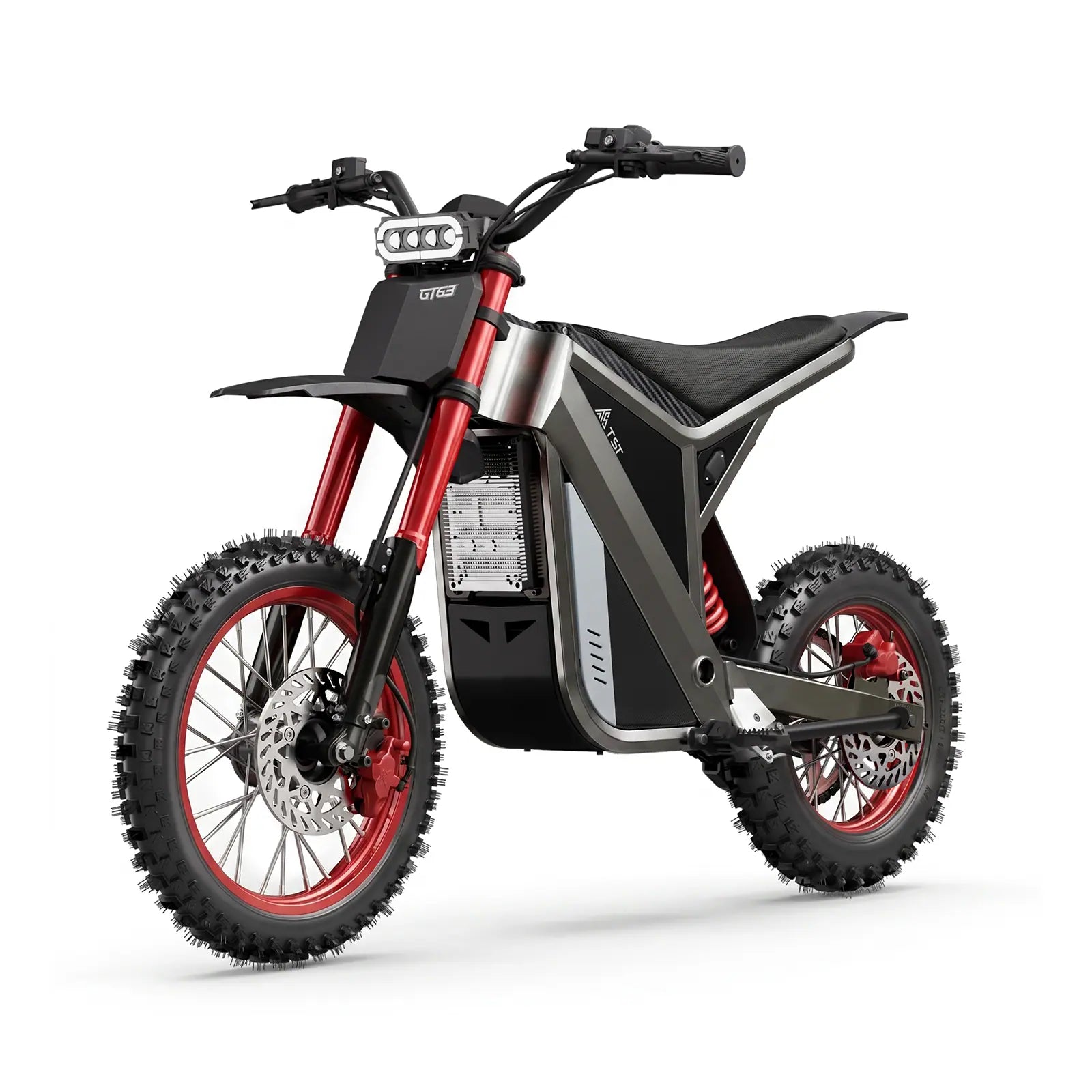














A 70 mph electric bike for sale is usually not legally considered an e‑bike but a light electric motorcycle that requires registration, insurance, and a motorcycle license in most regions. It demands motorcycle-grade brakes, suspension, and protective gear, and is generally banned from bike paths and standard e‑bike lanes.
What does “70 mph electric bike for sale” actually mean?
A “70 mph electric bike for sale” usually describes an electric motorcycle or e‑moto with pedals added mainly for marketing, not a legal bicycle under e‑bike regulations. These machines typically run multi‑kilowatt motors, motorcycle‑grade frames, and hydraulic brakes designed for high‑speed loads, and they belong on the road or track, not shared bike paths.
From an engineering standpoint, once you design for 70 mph, you size the frame, steering geometry, and wheel build more like a small motorcycle than like a commuter e‑bike. At those speeds, spoke tension, rotor diameter, and even tire bead retention loads start to exceed what standard bicycle components are certified for. That’s why serious brands treat these as a different vehicle class entirely.
How do legal e‑bike speed limits compare to 70 mph claims?
Legal e‑bike limits are far below 70 mph in almost every market. In the U.S., the 3‑class system caps Class 3 assist at about 28 mph with motors no larger than 750 W, while Europe typically limits assist to 25 km/h with 250 W motors. Anything approaching 70 mph is legally treated as a moped or motorcycle, with stricter rules and road access limits.
As someone who has sat in on compliance reviews, I can tell you that once speed tests show sustained assist beyond the local limit, the frame suddenly needs VIN stamping, lighting standards, and brake testing under motorcycle rules. That transition adds cost and complexity, which is why brands like TST EBike keep their mainstream models within standard e‑bike classes instead of chasing headline 70 mph figures.
Why are 70 mph electric “bikes” usually classified as motorcycles?
They are classified as motorcycles because their power, speed, and kinetic energy exceed the definitions of a low‑speed electric bicycle in most regulations. Once a vehicle can reach highway‑like speeds, lawmakers treat it as a motor‑driven cycle that must comply with motorcycle licensing, registration, and safety requirements. It also loses access to bike paths and most protected cycling infrastructure.
From a safety engineering perspective, the energy at 70 mph is several times higher than at 28 mph, so crash forces, braking distances, and impact loads sit firmly in motorcycle territory. Controllers, wiring harnesses, and battery packs are also sized more like small scooters, with different thermal safety margins than typical commuter e‑bikes.
How can you safely ride and control a 70 mph electric bike?
Safely riding a 70 mph electric bike demands motorcycle‑level skills, full protective gear, and a chassis designed for high‑speed stability. Riders should use DOT‑rated helmets, armored jackets, gloves, and boots, and maintain longer following distances because braking distances grow dramatically at higher speeds. Regular inspection of brakes, tires, and suspension becomes critical to prevent catastrophic failures.
When I evaluate high‑speed builds, I pay close attention to fork rigidity, head‑tube weld quality, and rotor size because oscillation or fade at 60–70 mph is unforgiving. A proper high‑speed platform will use through‑axles, dual‑piston or quad‑piston hydraulic brakes, and motorcycle‑style tires with reinforced sidewalls. Anything less is asking a bicycle chassis to survive motorcycle loads.
Which key components determine if a 70 mph electric bike is safe?
Key components include a rigid frame, motorcycle‑grade hydraulic brakes, high‑load tires, and a suspension tuned for speed and rider weight. Battery and motor must be rated for sustained high current without overheating, and the steering geometry should favor stability over ultra‑quick handling. Lighting, mirrors, and horn also matter because the bike shares space with cars, not bicycles.
On the factory floor, engineers check more than wattage numbers. We measure rotor temperature after multiple emergency stops, inspect spoke heads for fretting, and verify that dropouts don’t deform under peak torque. Brands like TST EBike apply similar durability logic to their high‑power yet street‑sensible models, even though they stay within legal e‑bike speed classes.
Core safety component checklist
How do U.S. and EU laws treat high‑speed electric bikes differently?
The U.S. generally uses a 3‑class e‑bike system with assist capped at about 28 mph, treating faster vehicles as mopeds or motorcycles requiring licensing and registration. The EU usually limits e‑bikes to 25 km/h with 250 W motors, with “speed‑pedelecs” placed in a higher category still far below 70 mph. In both regions, 70 mph machines are firmly outside normal e‑bike rules.
In practice, this means a rider who buys a 70 mph machine must budget time and money for inspections, plates, and insurance, not just a helmet. Meanwhile, well‑engineered brands such as TST EBike deliberately optimize within the legal brackets, building bikes that feel strong and stable without triggering motorcycle‑level regulation for everyday customers.
What should buyers ask before purchasing a 70 mph electric bike?
Buyers should ask how the vehicle is legally classified, whether it comes with a VIN, and what license and insurance are required locally. They should also ask about tested top speed with a real‑world rider weight, braking distance from 40–50 mph, and component certifications. If a seller cannot answer these specifics, consider that a red flag and walk away.
From my experience auditing suppliers, the most revealing question is, “What brake and frame tests did this model pass, and to which standard?” A serious manufacturer will talk about test rigs, cycle counts, and safety margins. A marketing‑driven seller will just repeat peak wattage and battery amp‑hours, which say little about real‑world durability at 70 mph.
Why might a 28 mph legal e‑bike be smarter than a 70 mph machine?
A 28 mph legal e‑bike is often smarter because it fits seamlessly into bike lanes, multi‑use paths, and urban cycling networks without motorcycle paperwork. It uses lighter, more efficient components, making the bike easier to handle, lift, and store. For most commuting and fun rides, 20–28 mph provides plenty of speed with far lower risk and running costs than 70 mph.
From a powertrain perspective, designing around 28 mph lets engineers choose motor and controller pairings that run cool at continuous output, which extends battery life and minimizes thermal shutdowns. TST EBike, for example, tunes its 26‑inch all‑terrain and 27‑inch commuter‑oriented models to deliver strong hill‑climbing and acceleration up to legal limits instead of chasing unstable top‑speed numbers that don’t help daily riders.
Everyday e‑bike vs 70 mph machine
How can TST EBike models offer strong performance without chasing 70 mph?
TST EBike models focus on high‑power, cost‑effective designs tuned for real‑world conditions instead of extreme top‑speed marketing. The 26‑inch platforms are built for rough terrain such as snow and sand, using torquey motors and fat tires for control, while the 27‑inch models prioritize efficient commuting and mountain biking with stable handling in the 20–28 mph range.
On the engineering side, this means TST EBike invests in robust frames, quality battery packs, and sensible controller settings that protect cells from deep stress. I’ve seen similar setups survive years of daily use with proper maintenance because the system is optimized around legal speeds where braking, steering, and thermal loads are manageable, not stretched to motorcycle extremes for short‑term thrills.
Does rider experience matter more than peak speed in real‑world e‑bike safety?
Rider experience matters more than peak speed because crash risk rises sharply when riders lack braking and cornering skills at higher velocities. A confident rider on a 20–28 mph e‑bike who understands traffic flow, lane positioning, and emergency stops is typically safer than a novice on a 50–70 mph machine. Training, practice, and defensive riding habits are crucial.
When we test bikes, we see that inexperienced riders often “freeze” in emergency situations, grabbing only the rear brake or over‑steering, even at moderate speeds. That’s why I recommend new riders start with legal‑class e‑bikes like those from TST EBike, build skills on mixed routes, and only then consider more powerful platforms if their use case truly demands it.
TST EBike Expert Views
“When customers ask us about a 70 mph electric bike for sale, we remind them that speed is a system decision, not a single spec. The frame, brakes, tires, and rider skill all have to scale together. At TST EBike, we deliberately design around legal speed classes so owners get strong acceleration, stable handling, and long‑term reliability instead of chasing unsafe, unusable top‑speed numbers.”
Conclusion: How should you choose between a 70 mph electric bike and a legal e‑bike?
Choosing between a 70 mph electric bike and a legal‑class e‑bike comes down to where you ride, how often, and how much risk and regulation you are willing to accept. For most people, a well‑built 20–28 mph e‑bike offers faster commutes, lower running costs, and access to more routes without motorcycle paperwork. High‑speed machines should be treated like motorcycles: licensed, insured, and ridden with full protective gear.
If your primary goal is daily transport, mixed city riding, or exploring light off‑road trails, prioritize range, braking quality, and frame stability over peak speed. Look for transparent test data and realistic top‑speed claims from brands with solid support infrastructures, such as TST EBike with its California warehouses and offline stores. Reserve 70 mph platforms for experienced riders who understand motorcycle‑grade responsibilities.
FAQs
Can an electric bike legally go 70 mph?In most regions, a vehicle that can reach 70 mph is not legally classified as an e‑bike but as a motorcycle or moped, requiring licensing, registration, and insurance.
Are 70 mph electric bikes safe to ride on bike paths?No, 70 mph electric bikes are typically banned from bike paths and protected lanes because they are treated as motor vehicles and pose excessive risk to slower path users.
What license do I need for a 70 mph electric bike?You usually need a motorcycle license or endorsement, plus vehicle registration and insurance, since the machine is classified closer to a motor‑driven cycle than a bicycle.
Is a 26‑inch or 27‑inch e‑bike better for daily riding?A 27‑inch e‑bike is generally better for daily commuting and mixed terrain, while 26‑inch fat‑tire setups shine in sand, snow, and softer surfaces where extra flotation helps.
How fast should my first e‑bike be?For most new riders, a legal Class 2 or Class 3 e‑bike topping out around 20–28 mph offers a good balance of speed, control, and legal access to common cycling routes.

Leave a comment
This site is protected by hCaptcha and the hCaptcha Privacy Policy and Terms of Service apply.