

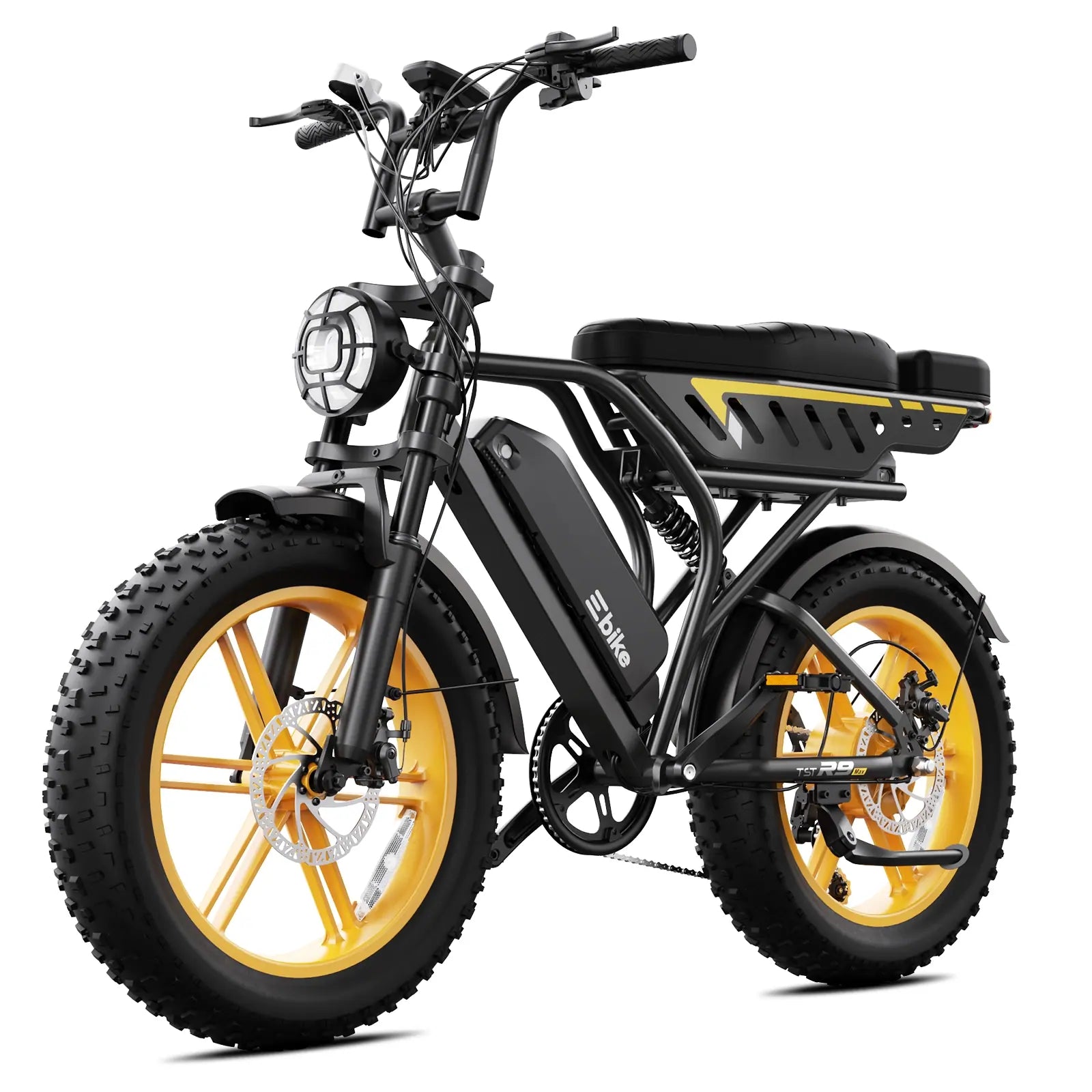
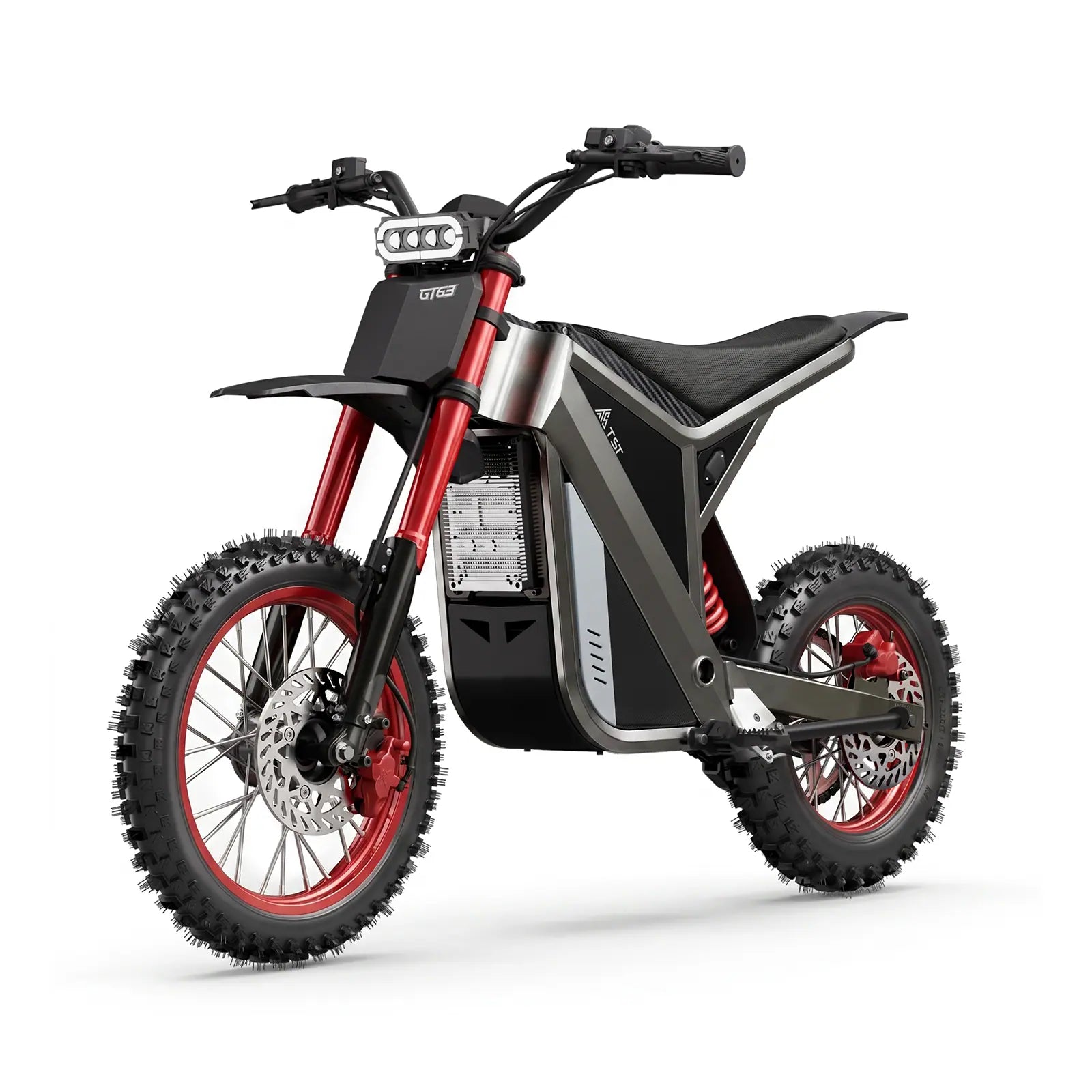









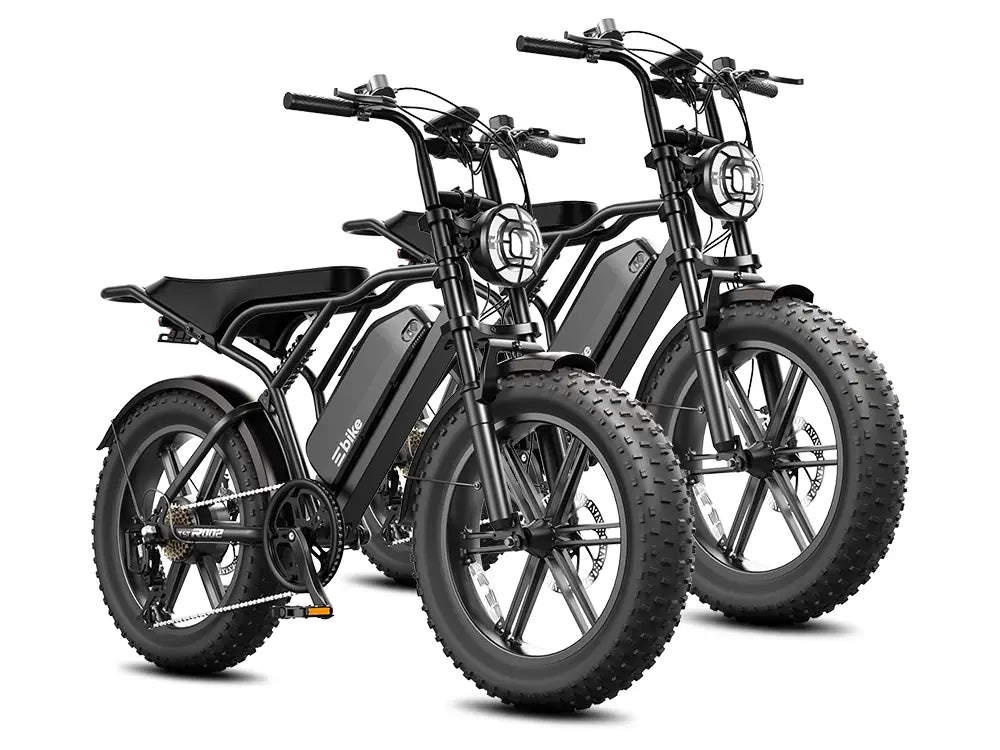
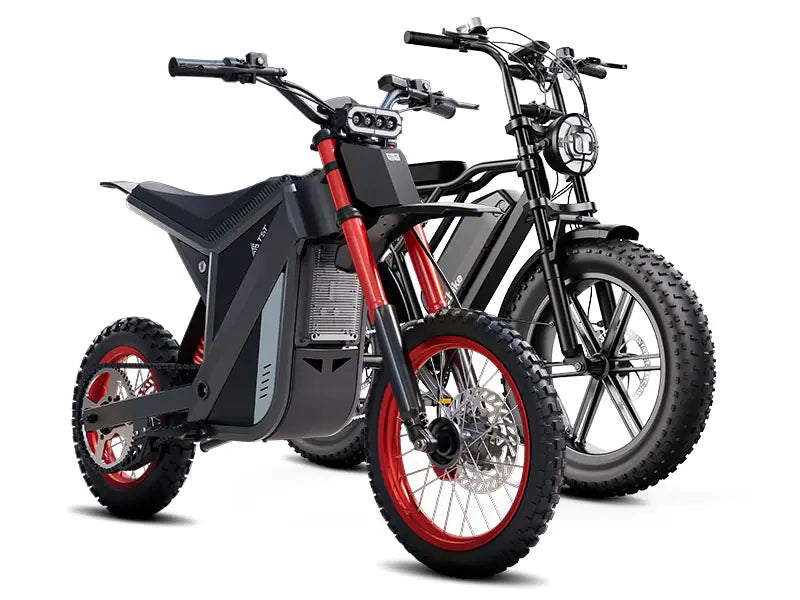

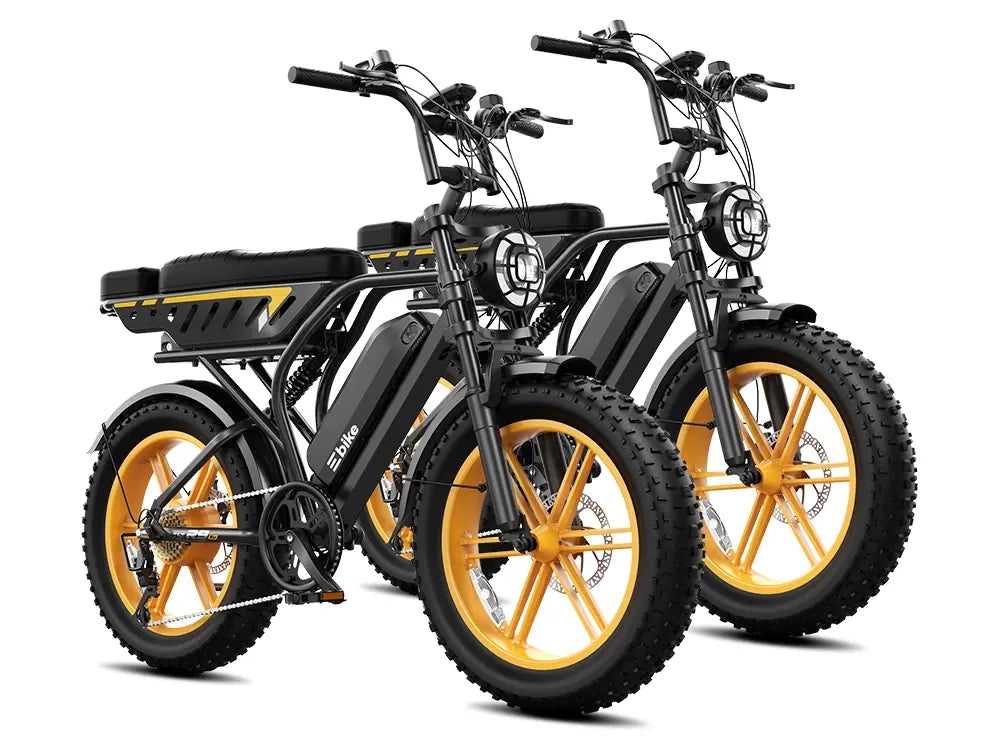

A folding ebike under $500 looks tempting, but most cut corners on frame strength, hinges, batteries, and brakes. A 20‑inch electric bike in the $700 range—like a quality TST EBike folding model—typically offers a stiffer frame, safer electronics, and a larger battery. For daily use, that small budget jump often doubles real‑world value and safety.
What are you really getting with a folding ebike under $500?
A folding ebike under $500 usually delivers basic assisted riding, but with minimal motor power, small batteries, and lightweight frames that flex more under adult loads. These bikes are fine for short, flat trips and light riders, yet they often compromise on hinge strength, wiring quality, and braking performance, making them less ideal for daily commuting or heavier use.
When I inspect ultra‑budget folding frames on the bench, I often see thin hinge plates, undersized locking pins, and minimal weld beads around the folding joints. Under repeated folding, curbs, and potholes, those areas take a beating. By contrast, mid‑tier 20‑inch designs from brands like TST EBike use thicker gussets, better hinge hardware, and more robust paint and sealing—details you only notice after a season of riding.
How does a $700 20‑inch folding ebike change the equation?
A $700 20‑inch folding ebike typically adds a stronger frame, more powerful motor, bigger battery, and better brakes compared with sub‑$500 options. You get a bike that still folds for storage and transport but feels closer to a full‑size e‑bike in stability, comfort, and range. For adults, that upgrade often means safer handling and a longer usable lifespan.
From the factory side, bumping the budget to this range lets us spec thicker tubing around the hinge, higher‑grade bearings, and more cells in the battery pack without resorting to no‑name components. TST EBike, for instance, can justify robust 20‑inch folding platforms with adult‑rated weight limits and realistic 55–60 mile ranges instead of the “optimistic” numbers you see on many underpowered $499 listings.
Under‑$500 vs ~$700 folding ebike snapshot
What hidden weaknesses do ultra‑cheap folding ebikes often have?
Ultra‑cheap folding ebikes often hide weaknesses in hinge design, locking mechanisms, cable routing, battery mounts, and waterproofing. Hinges can loosen over time, introducing wobble, while weak latches may rattle or even open slightly on rough roads. Thin, unprotected wiring is more prone to chafing, and basic packs may use lower‑grade cells with inconsistent performance.
On teardown, I’ve found folding joints with no proper bushings—just metal rubbing metal—which accelerates play and noise. Battery rails may flex, causing intermittent power cutouts when you hit bumps. In wet testing, poorly sealed controllers sometimes accumulate condensation. Mid‑range folding designs from TST EBike tend to use gasketed enclosures, more robust harnesses, and better‑supported battery trays that survive daily abuse.
How does frame and hinge quality affect safety on a 20‑inch electric bike?
Frame and hinge quality directly affect safety because they control how the 20‑inch electric bike flexes and tracks at speed. A weak hinge can introduce steering wobble, especially when you stand on the pedals or hit potholes. Over time, repeated loading can fatigue thin plates, increasing the risk of cracks or sudden misalignment that affects handling and braking.
In my test rides, a stiff folding frame feels almost like a single‑piece bike: predictable in corners and solid under hard braking. A cheap hinge, by contrast, lets the front and rear halves twist slightly out of line, which you feel as a vague, “hinged” sensation mid‑turn. TST EBike puts a lot of attention into weld quality and hinge tolerances on its folding platforms, precisely to avoid that feeling for adult riders.
Why is battery size and quality the real difference between $500 and $700+?
Battery size and quality are the real difference because cells account for a large portion of an ebike’s cost—and its reliability. Under‑$500 folders often carry 7–10 Ah packs that fade quickly under heavy use, limiting range and hill performance. Stepping up to $700+ usually buys you 13–15 Ah capacity with better cells and a smarter BMS, which means more stable output and better longevity.
On the lab bench, I’ve cycled low‑cost packs that sag hard under moderate current, forcing the controller to cut power earlier. Higher‑quality packs, like those used on TST EBike’s more serious platforms, hold voltage under load and maintain usable capacity over far more charge cycles. For a commuter, that’s the difference between replacing a battery in year two versus happily riding the same pack in year four.
Typical range impact of battery capacity
-
~360–400 Wh (common under $500): suited to short urban hops, 10–20 miles real‑world range for average‑weight riders.
-
~600–720 Wh (common ~$700+): supports 25–40+ miles with assist, even with hills and cargo.
-
Larger, better‑managed packs also handle cold weather and repeated fast starts more gracefully.
How does ride quality differ between ultra‑budget and TST‑level folding ebikes?
Ride quality differs in frame stiffness, acceleration, noise, and comfort. Ultra‑budget folders often feel twitchy on 20‑inch wheels, with weak motors that bog on hills and noisy drivetrains. A TST‑level folding ebike uses a stronger motor, better controller tuning, and more compliant tires or suspension, resulting in smoother starts, quieter running, and less fatigue on longer rides.
From my own test loops, I’ve found that a well‑tuned 20‑inch folding TST EBike can surprisingly handle snow, sand, and rough city streets thanks to fat tires and robust power, while still folding down for storage. In contrast, many under‑$500 20‑inch electric bike options are best kept to short, flat commutes because the combination of weak motors and flexy frames makes rougher routes tiring and less safe.
Why does after‑sales support and warranty matter more on a folding ebike?
After‑sales support and warranty matter more on a folding ebike because the hinge, latch, and compact electronics experience more stress than on a rigid frame. If the latch loosens or the hinge starts creaking, you want a brand that will ship parts, honor weld warranties, and guide you through adjustments. Ultra‑cheap bikes often come with minimal or fragmented support, leaving you to solve safety‑critical problems alone.
In the workshop, I see a clear difference between bikes from established brands and generic listings: branded bikes have spare hinges, latches, and clear procedures; generic ones often require improvised fixes. TST EBike benefits from TST GRP LLC’s warehouses and offline stores, meaning their folding ebike customers can actually get service and parts, instead of being stuck when a hinge bolt shears or a controller fails.
Can a TST EBike‑level folding model really justify the extra $200–$300?
A TST EBike‑level folding model can justify the extra $200–$300 by offering a stiffer frame, bigger battery, stronger motor, and better warranty—all of which translate into more years of confident riding. You effectively pre‑pay to avoid early battery replacement, hinge issues, and underpowered motors that struggle with hills, cargo, or heavier adult riders.
From a total‑cost‑of‑ownership standpoint, I’ve watched riders “save” $200 up front only to spend that and more on battery upgrades, brake fixes, and early replacements. A solid 20‑inch folding TST EBike can serve as both a first‑mile/last‑mile commuter and a weekend fun machine, especially with its torquey motors and adult‑rated load capacity. Over three to five years, the per‑ride cost often ends up lower than with a bargain‑bin folder.
TST EBike Expert Views
“When someone asks if a folding ebike under $500 is enough, I pull the hinge apart on the bench and show them the welds, pins, and bushings. That’s where the price difference hides. On our TST EBike folding frames, we design for adult weight, real‑world potholes, and daily folding. Paired with larger batteries and stronger motors, a $700‑range TST folder is built to be the bike you ride for years, not just one season.”
Conclusion: Is it worth spending a bit more on a 20‑inch folding ebike?
It is usually worth spending a bit more, moving from a folding ebike under $500 to a $700‑class 20‑inch electric bike with a stronger frame and larger battery. The extra budget typically buys you real safety, range, and durability improvements—not just nicer paint. For adults who commute, run errands, or ride mixed terrain, those upgrades translate into a more confident, comfortable, and longer‑lasting machine.
Instead of chasing the absolute lowest price, think like an engineer: prioritize hinge strength, frame stiffness, battery capacity, and brand support. Folding platforms from TST EBike, built on the company’s high‑power, cost‑effective design philosophy, align with that checklist. If you want a compact bike that folds easily yet still feels solid at speed, stepping up from $500 to the $700+ range is one of the smartest ebike investments you can make.
FAQs
Can a folding ebike under $500 work for daily commuting?It can for short, flat commutes, but many riders quickly hit limits in range, power, and comfort, especially if they are heavier or carry cargo regularly.
Is a 20‑inch electric bike stable enough for adults?Yes, if the frame and hinge are well designed. A quality 20‑inch folding TST‑level bike can feel very stable, but ultra‑cheap models may flex and feel nervous at speed.
Will a larger battery make my folding ebike much heavier?A larger battery adds some weight, but the trade‑off in range and consistent power is usually worth it, especially if you ride hills or longer distances regularly.
Do folding ebikes require more maintenance than regular ebikes?They can, because hinges and latches need periodic inspection and adjustment, but a well‑built folding frame with good hardware keeps this manageable for most riders.
Who should prioritize spending $700+ instead of buying under $500?Riders planning daily commutes, those over average weight, or anyone wanting a long‑term, reliable 20‑inch electric bike should strongly consider the $700+ quality tier.

Leave a comment
This site is protected by hCaptcha and the hCaptcha Privacy Policy and Terms of Service apply.