





















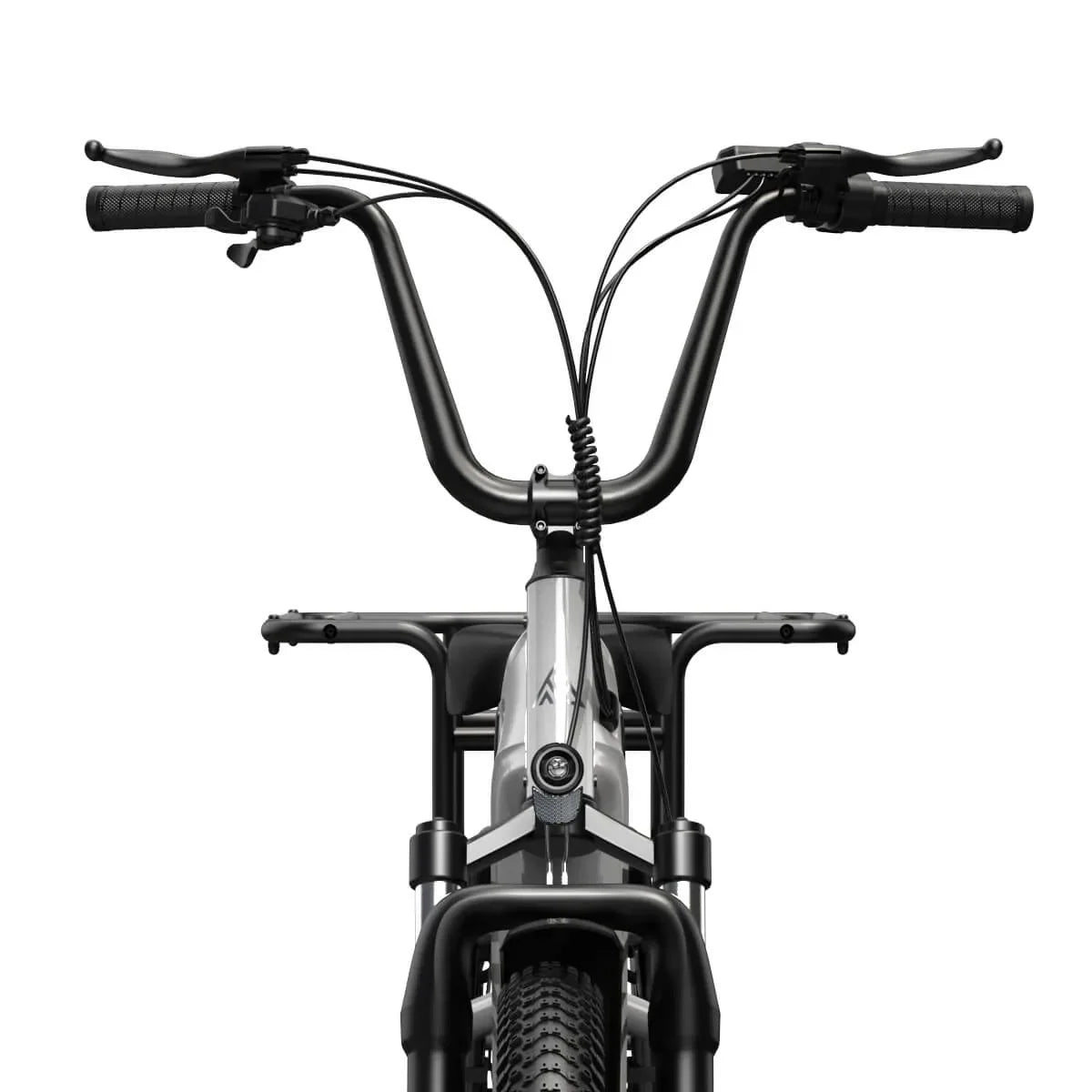
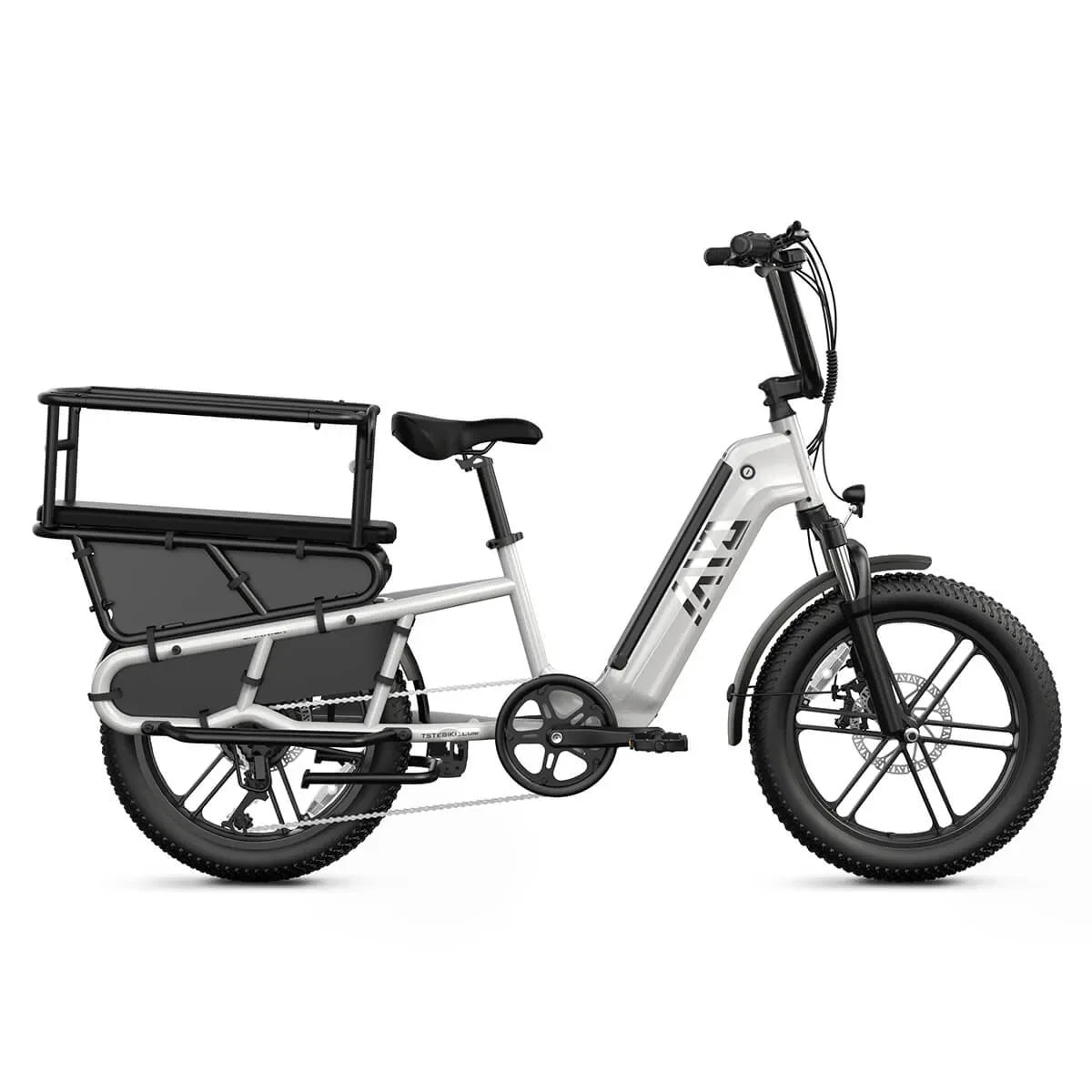
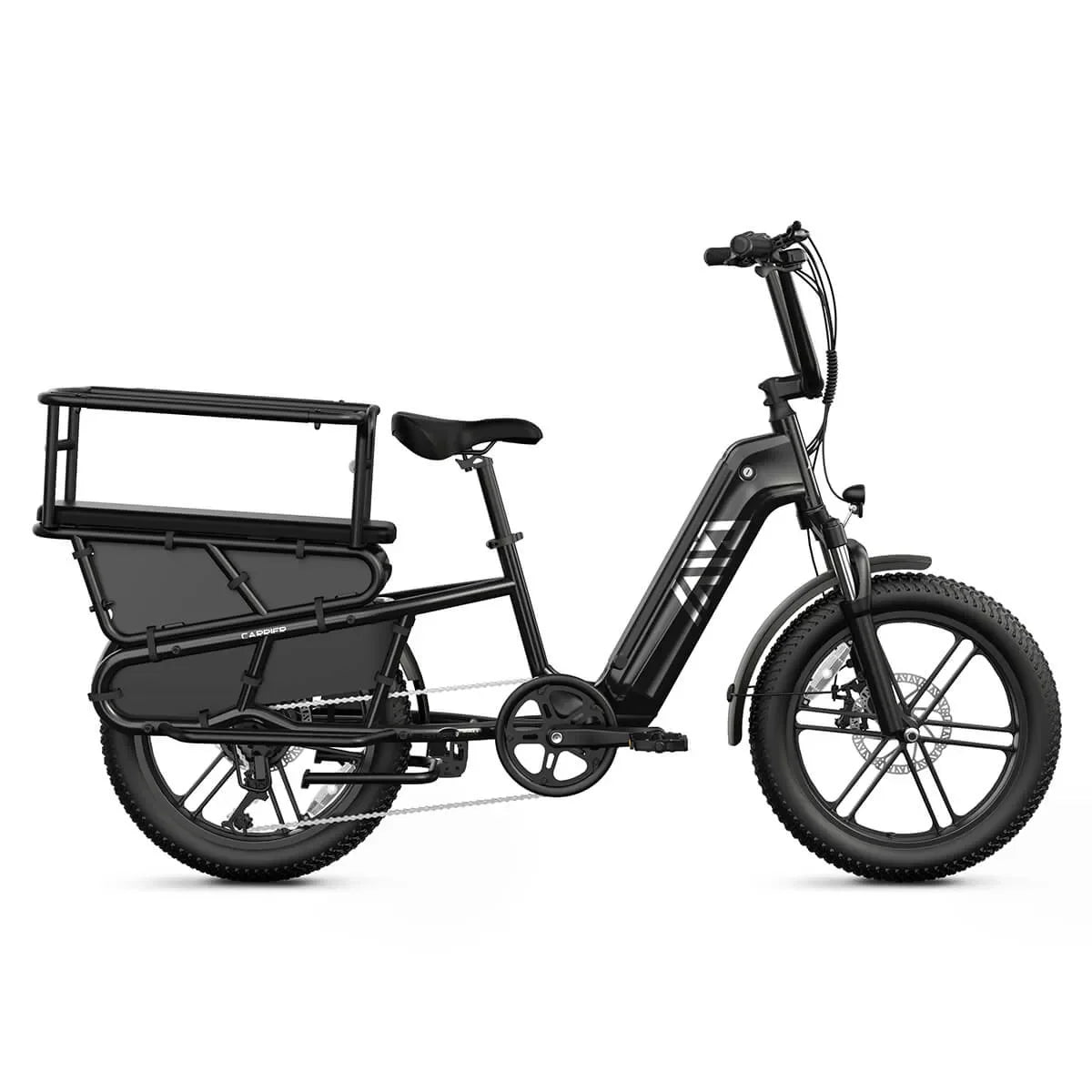
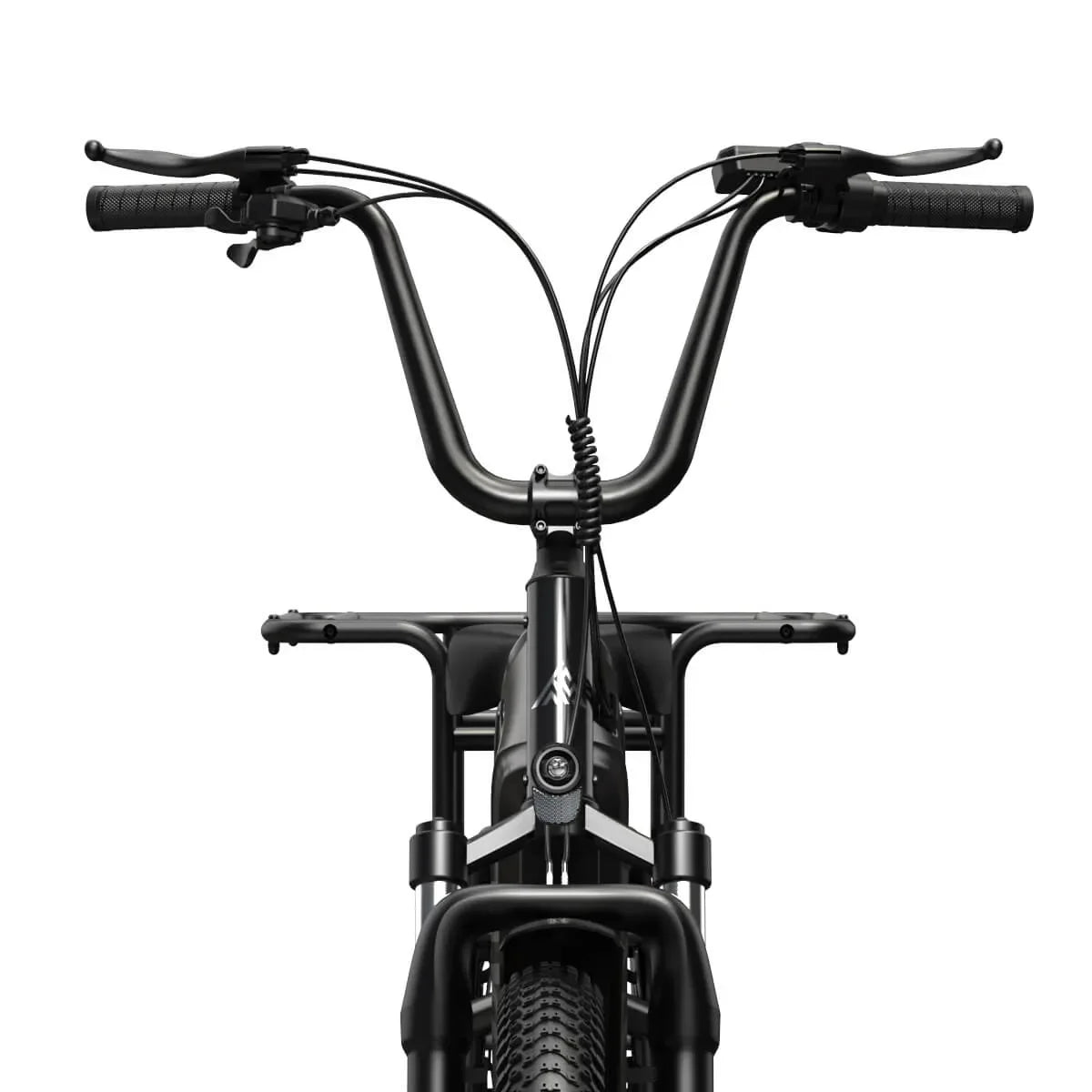
TST® Carrier 20'' Cargo Electric Bike
4 interest-free payments of ... with




Get it between October 27 - October 29
Order within: 2 hours 30 minutes • Ships from California warehouse
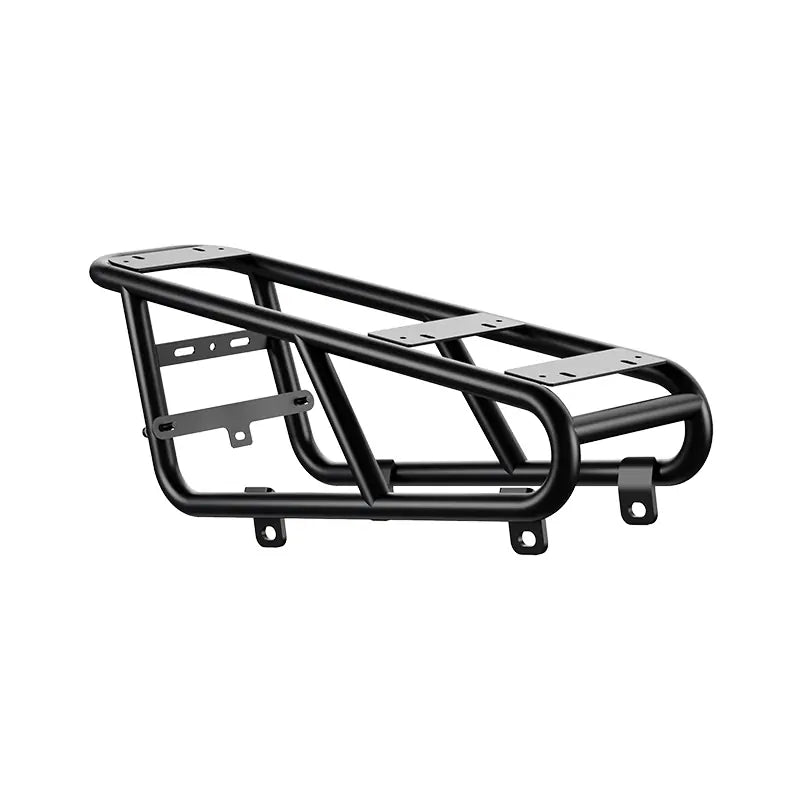
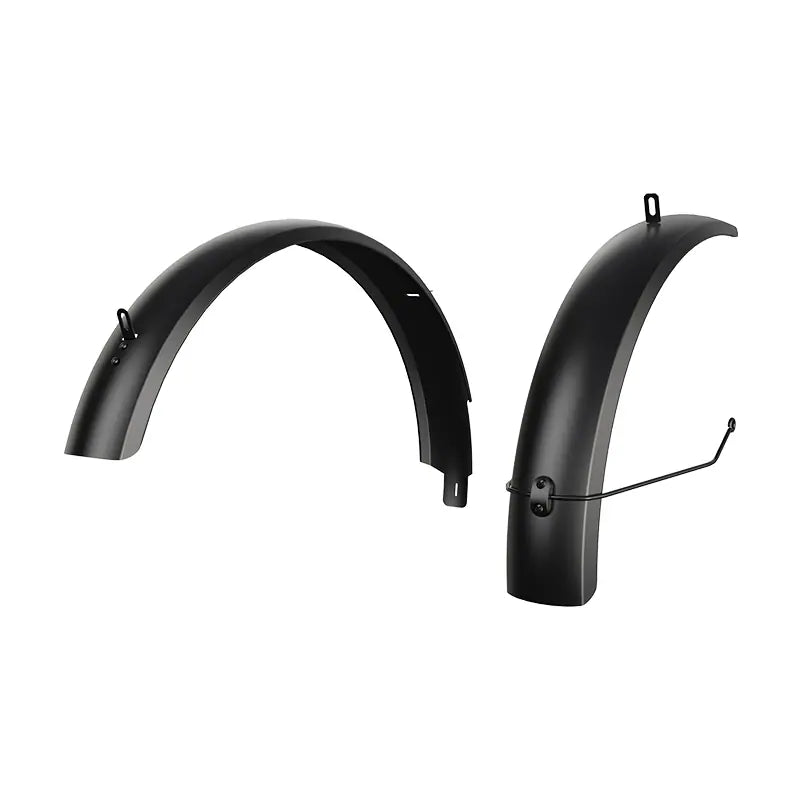
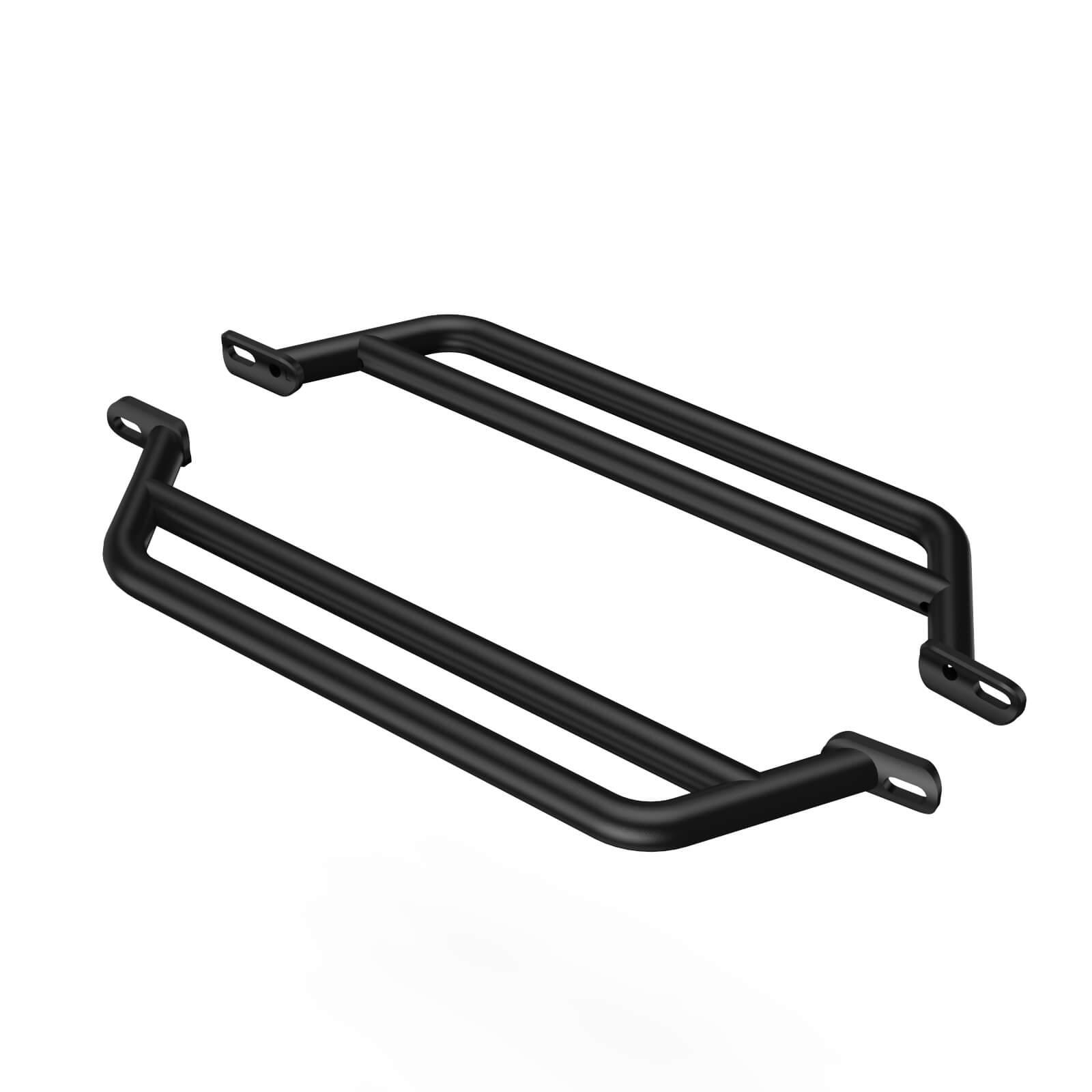
As part of our promotion, we're now offering a free set of carrier cargo eBike accessories—a total value of $534!

Supports local pickup

2 Year Warranty

Delivery 3-5 Days
You can opt for local pickup in the United States. Just select the local pickup option when making the payment. After the purchase, our staff will contact you with the necessary documents and pickup details. You can pick up your order at our local warehouse: 820 S Wanamaker Ave, Ontario, CA 91761, US or 1081 Grand Ave, Diamond Bar, CA 91765, US.
We provide a 2-year warranty service. For vehicle issues that fall within the warranty coverage and are not caused by human factors, please contact TST staff. After evaluation and confirmation by TST, we will provide the appropriate replacement parts solution.
Your order will be delivered to the address you provided within 3–5 business days. Actual delivery time may vary depending on the shipping carrier’s schedule and your location. For the security of your vehicle purchase, a signature will be required upon delivery. We ship via FedEx and Western Post.

SGS Certified
c us 803623 Safety Certified

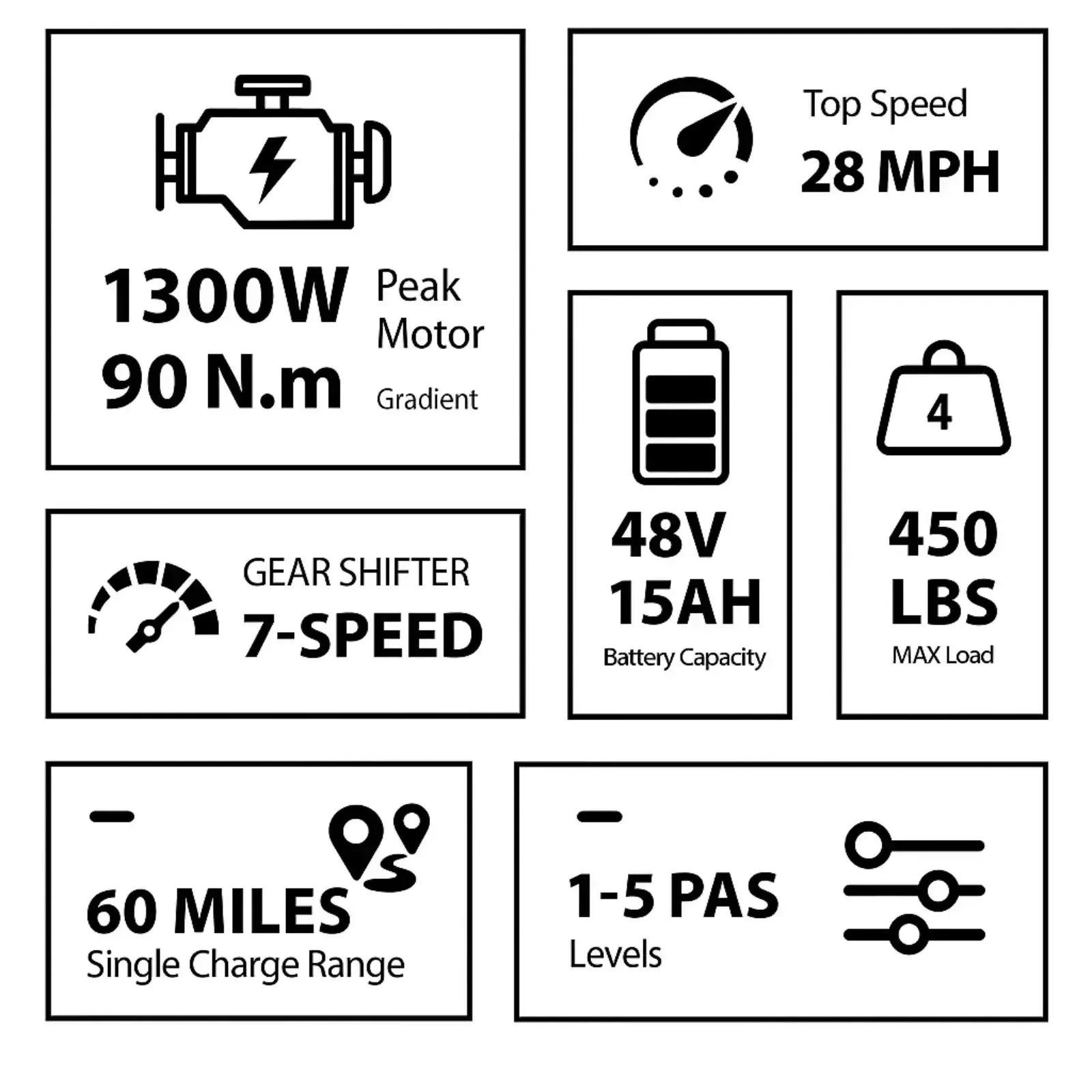
Peak Motor
1300 W

Max Range
60 Miles

Top Speed
28 MPH

Torque
90 N·m

Phone App
YES

Max Load
450 LBS
What's in the box
-
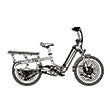
1* Electric Bike
-

1* Front Wheel
-
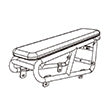
1* Fender Set
-
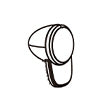
1* Headlight
-

1* Owner's Manual
-
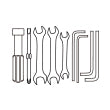
Wrenches
-
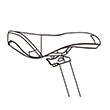
1* Seat
-
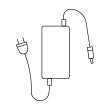
1* Charger
-
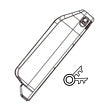
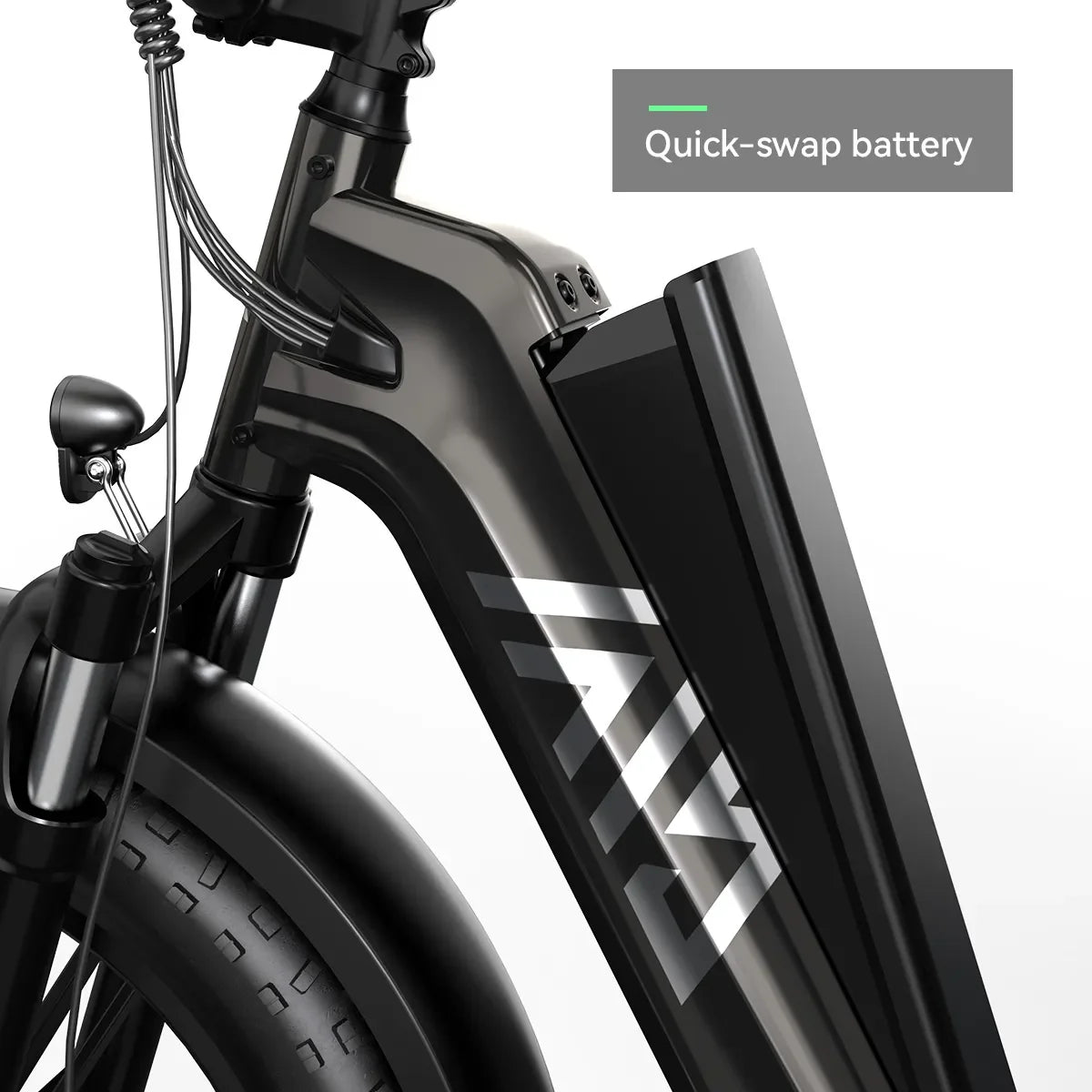
1* Battery with keys
-
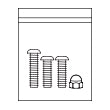
2*Screws Kits
-
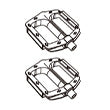
2* Pedals
 Trusted Delivery

 Contact
This product cannot be shipped to NYC
Battery Safety Information: View Battery Safety Guidelines
TST® Carrier 20'' Cargo Electric Bike
Sale price$999.00
Regular price$1,899.00 (/)
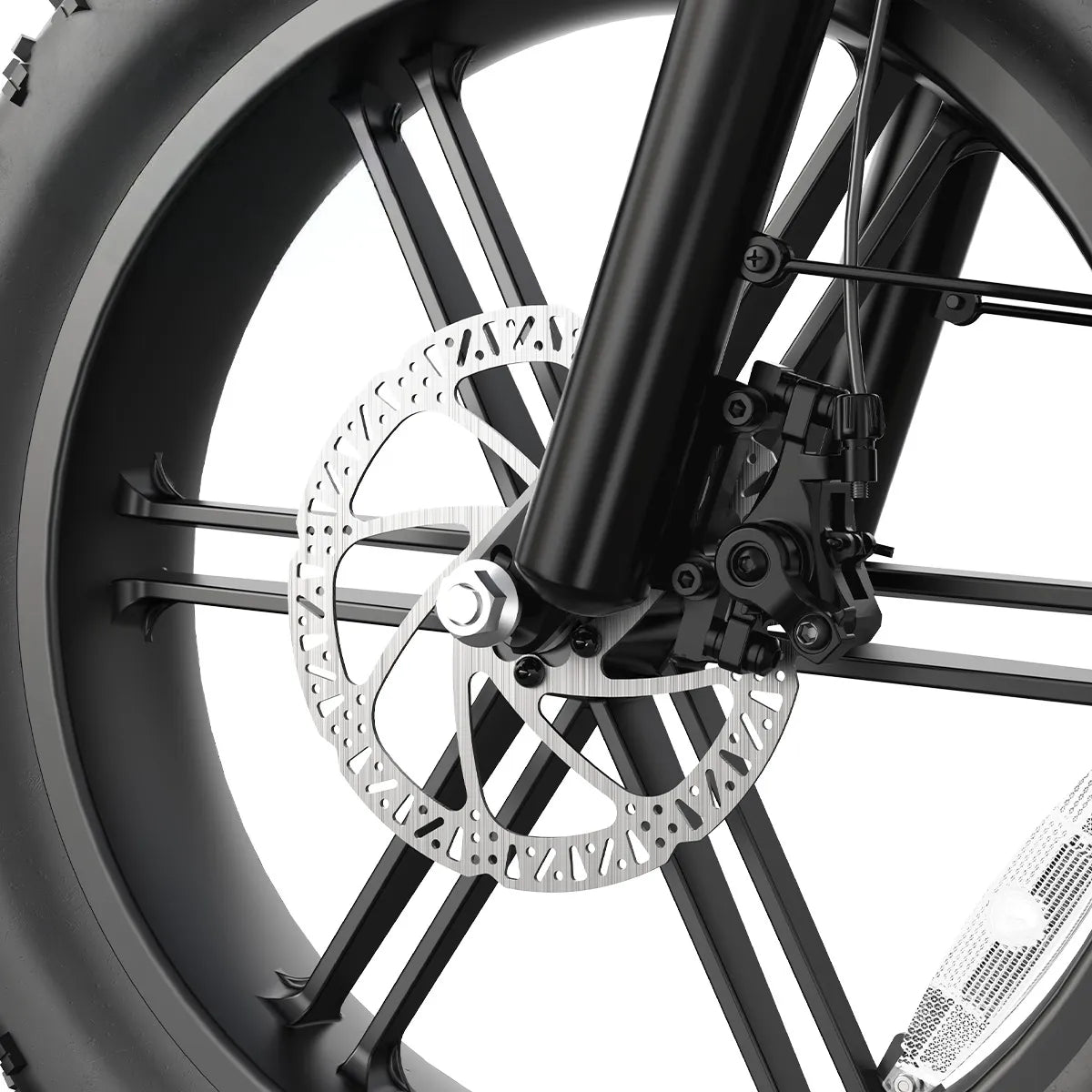
TST® Carrier 20'' Cargo Electric Bike
You can choose the scene that you want to view.
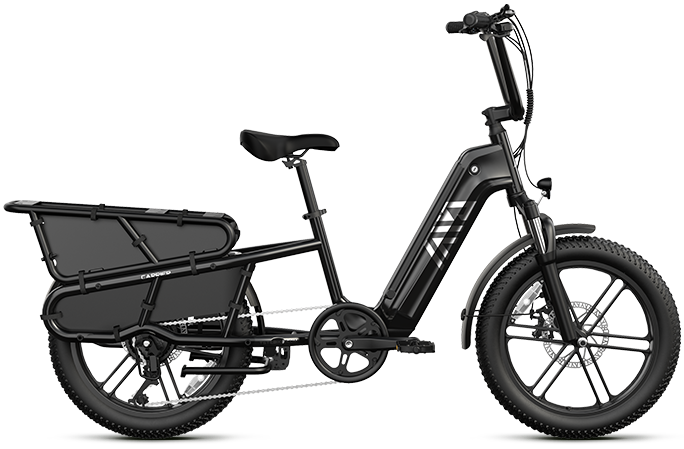
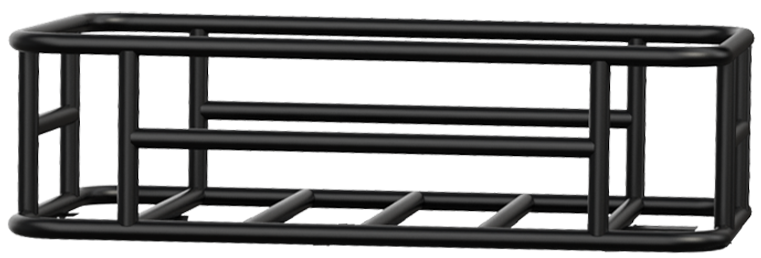
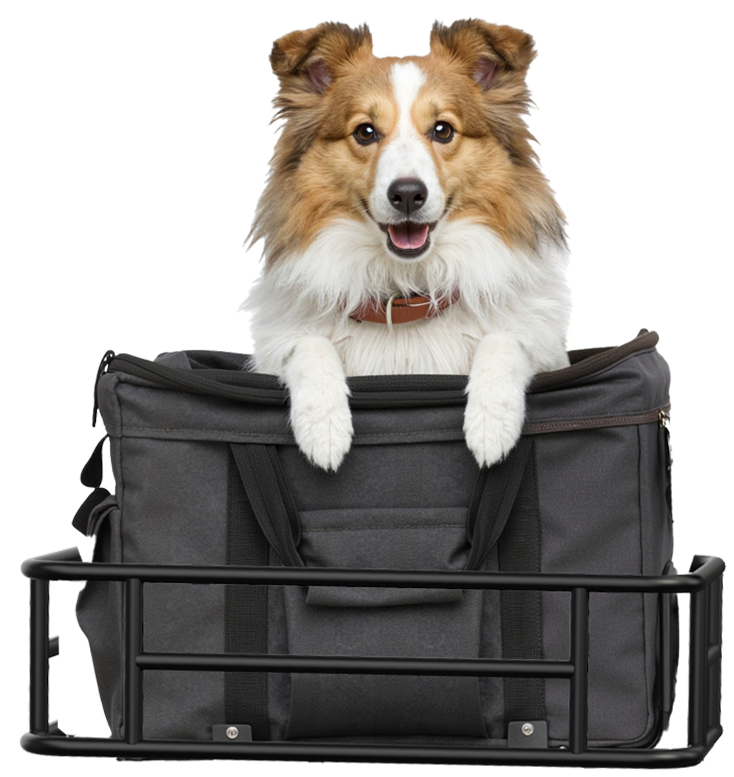
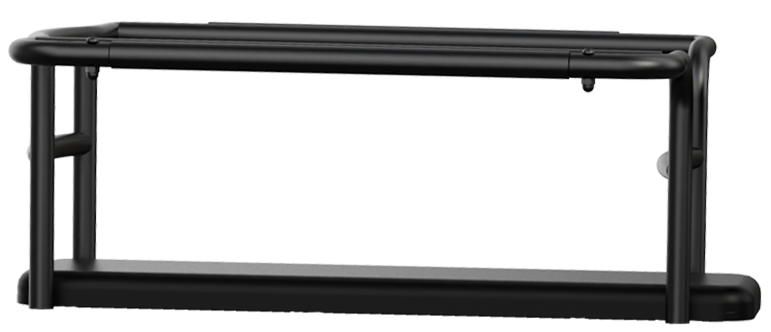
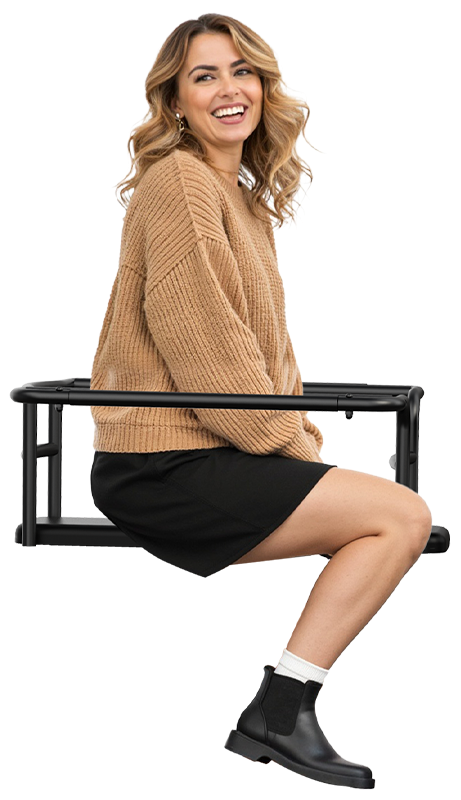
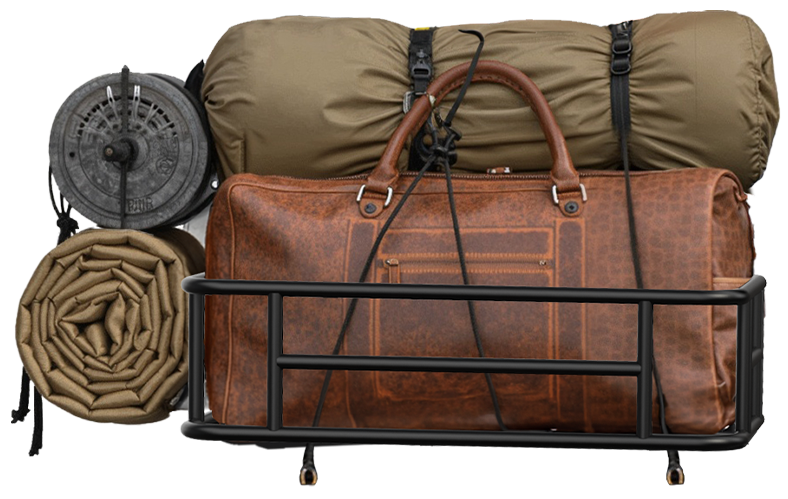


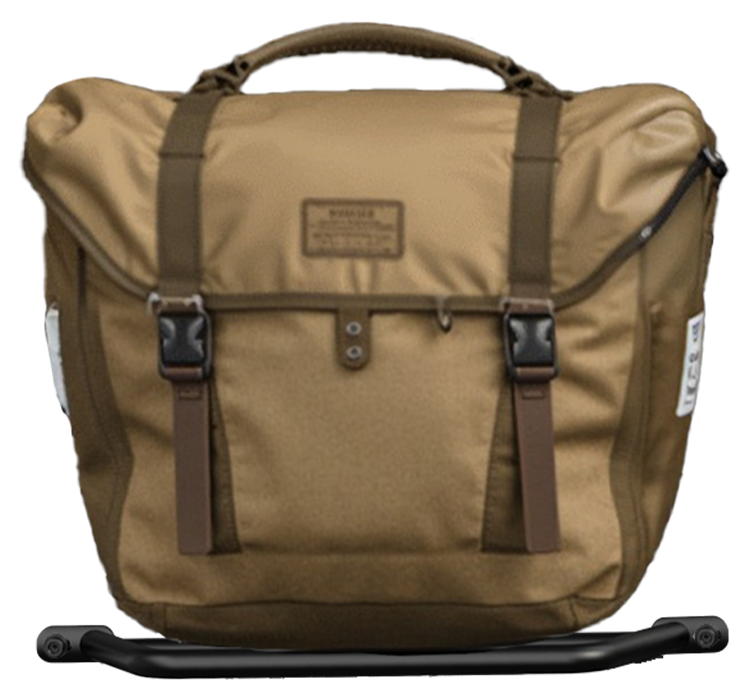

01
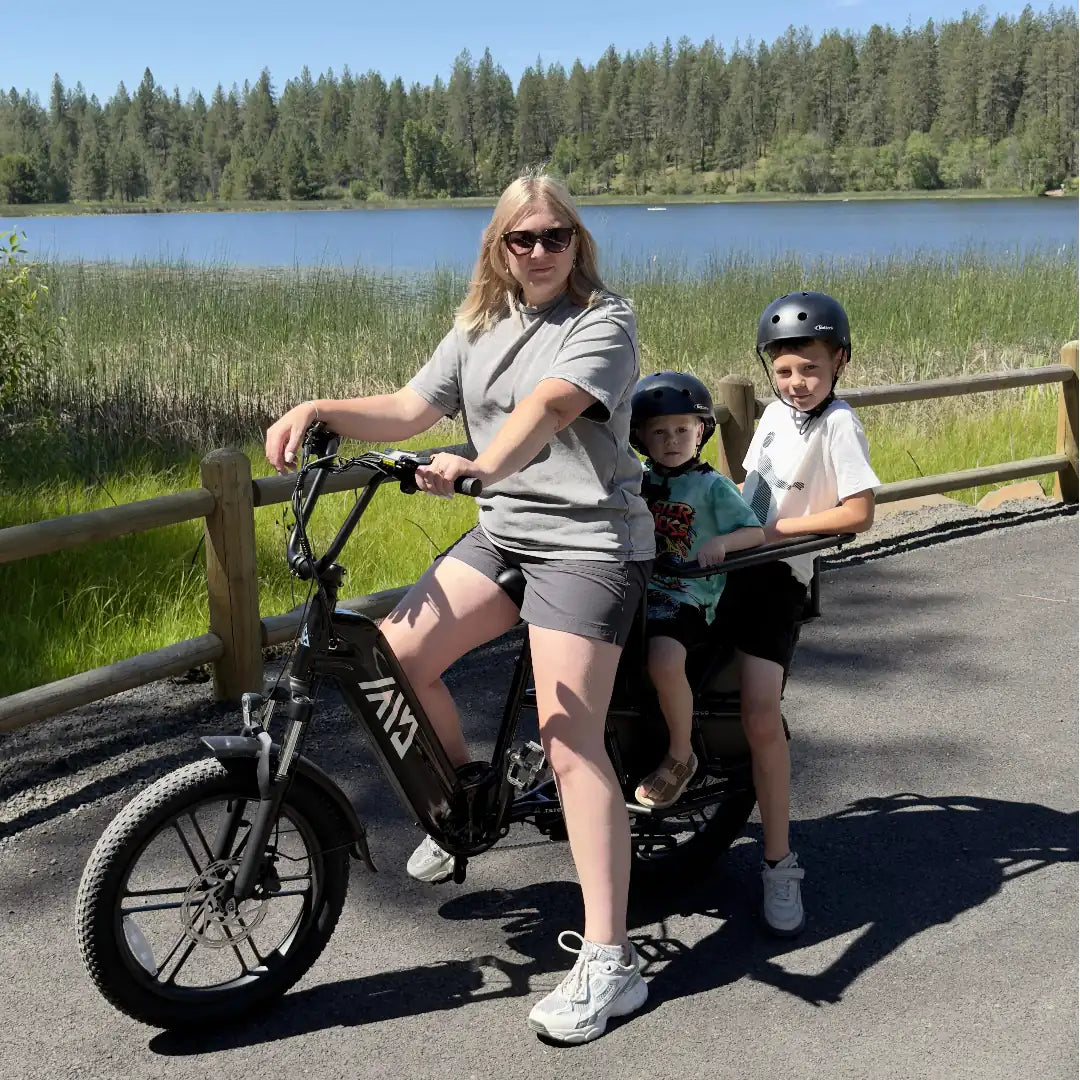
60-Mile, Zero-Emission School Runs
One overnight charge covers drop-off, commute, and pick-up—skip the car line and breathe cleaner air.
02
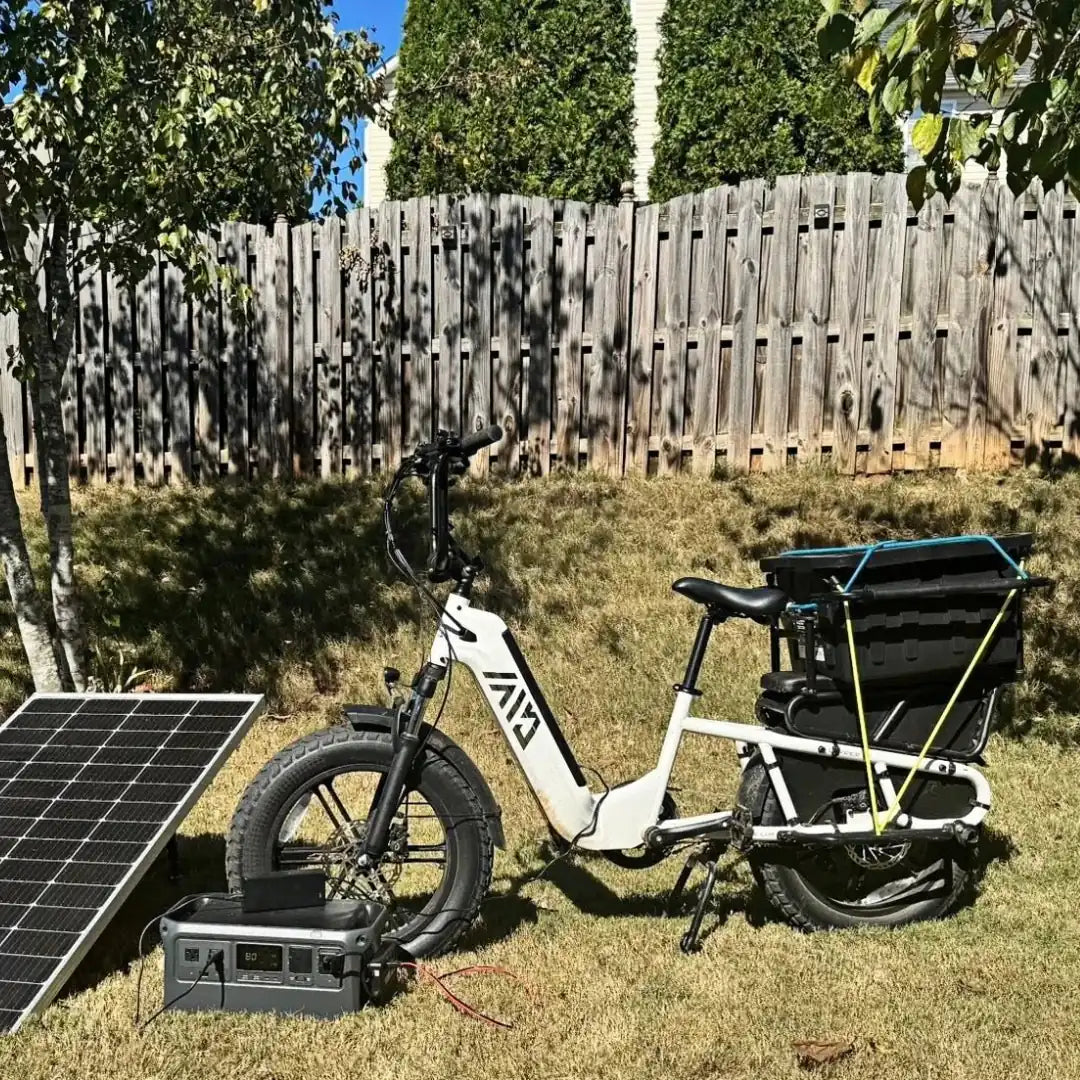
A Week of Groceries for About 12 ¢
A full recharge (≈ 1 kWh) costs roughly 12 ¢ at the July 2025 U.S. average electricity rate—then haul a week’s food in one trip.

03
Hill-Crushing 90 Nm Torque
Deliver packages or climb steep driveways without breaking a sweat—90 Nm keeps momentum on your side.
01
60-Mile, Zero-Emission School Runs
One overnight charge covers drop-off, commute, and pick-up—skip the car line and breathe cleaner air.
02
A Week of Groceries for About 12 ¢
A full recharge (≈ 1 kWh) costs roughly 12 ¢ at the July 2025 U.S. average electricity rate—then haul a week’s food in one trip.
03
Hill-Crushing 90 Nm Torque
Deliver packages or climb steep driveways without breaking a sweat—90 Nm keeps momentum on your side.
One Bike, Two Roles
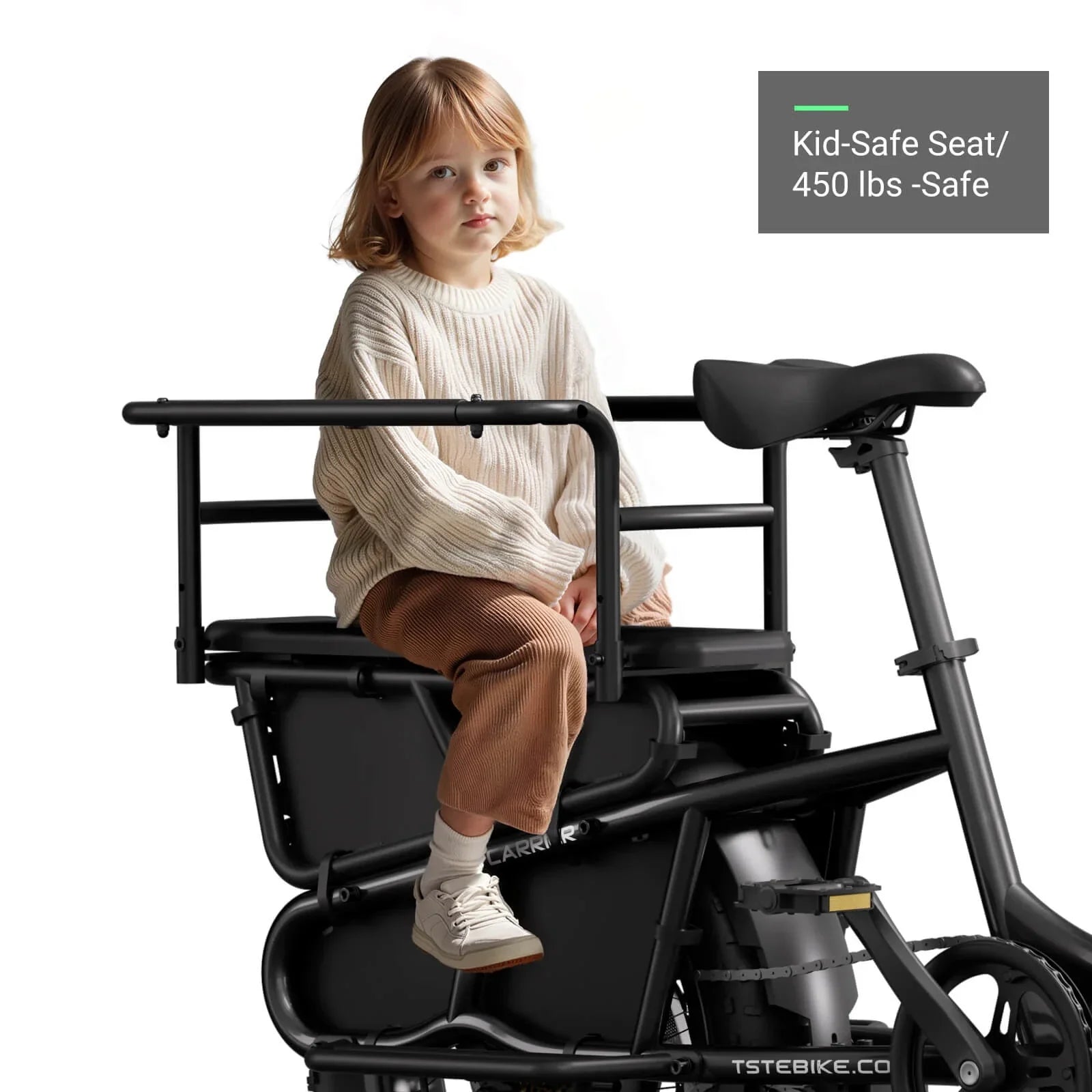
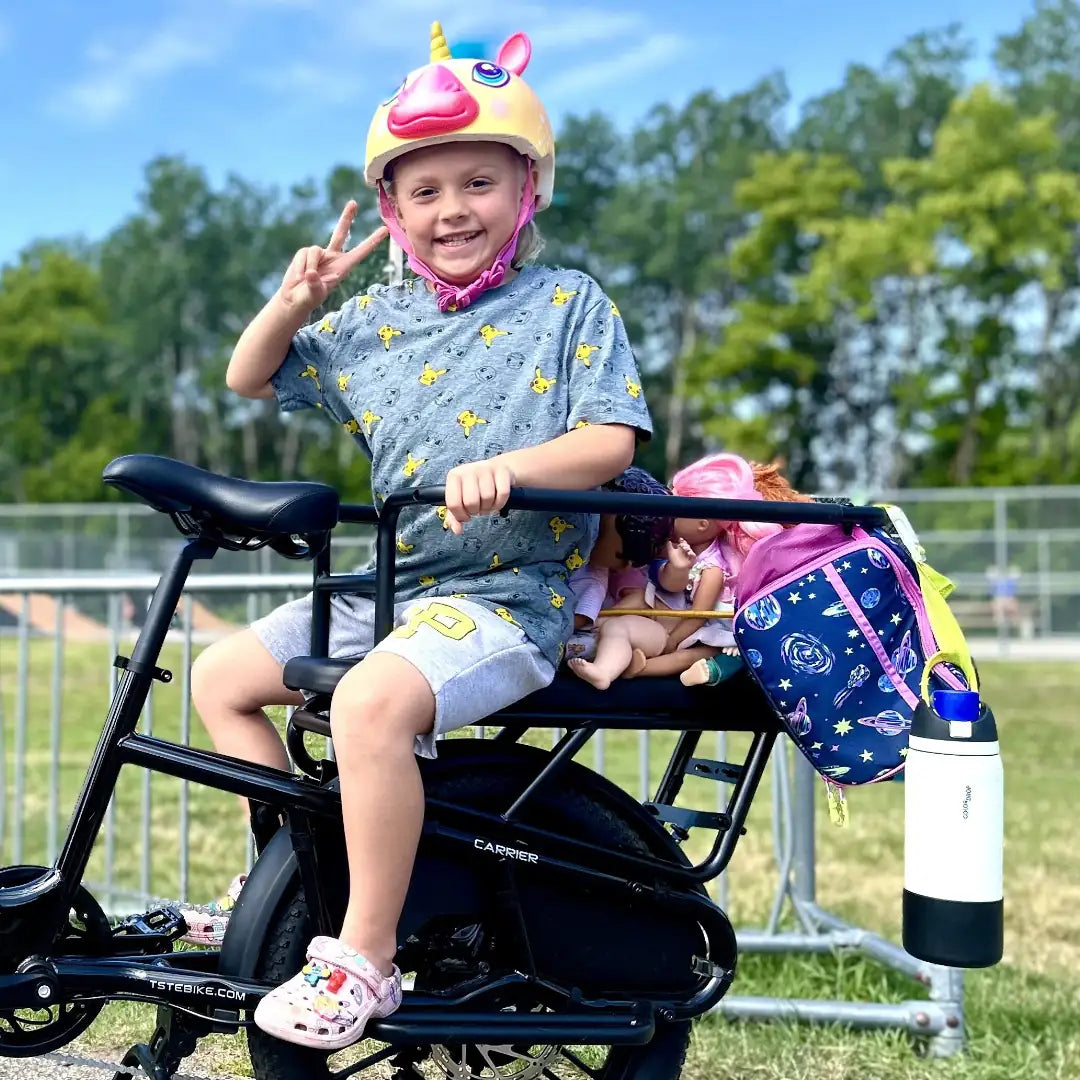
Swap from child seat to 200 lb cargo deck in seconds—kid taxi by day, freight hauler by night.


For about $1000??! you won’t find a more capable e-bike
-
Replace Short Car Trips
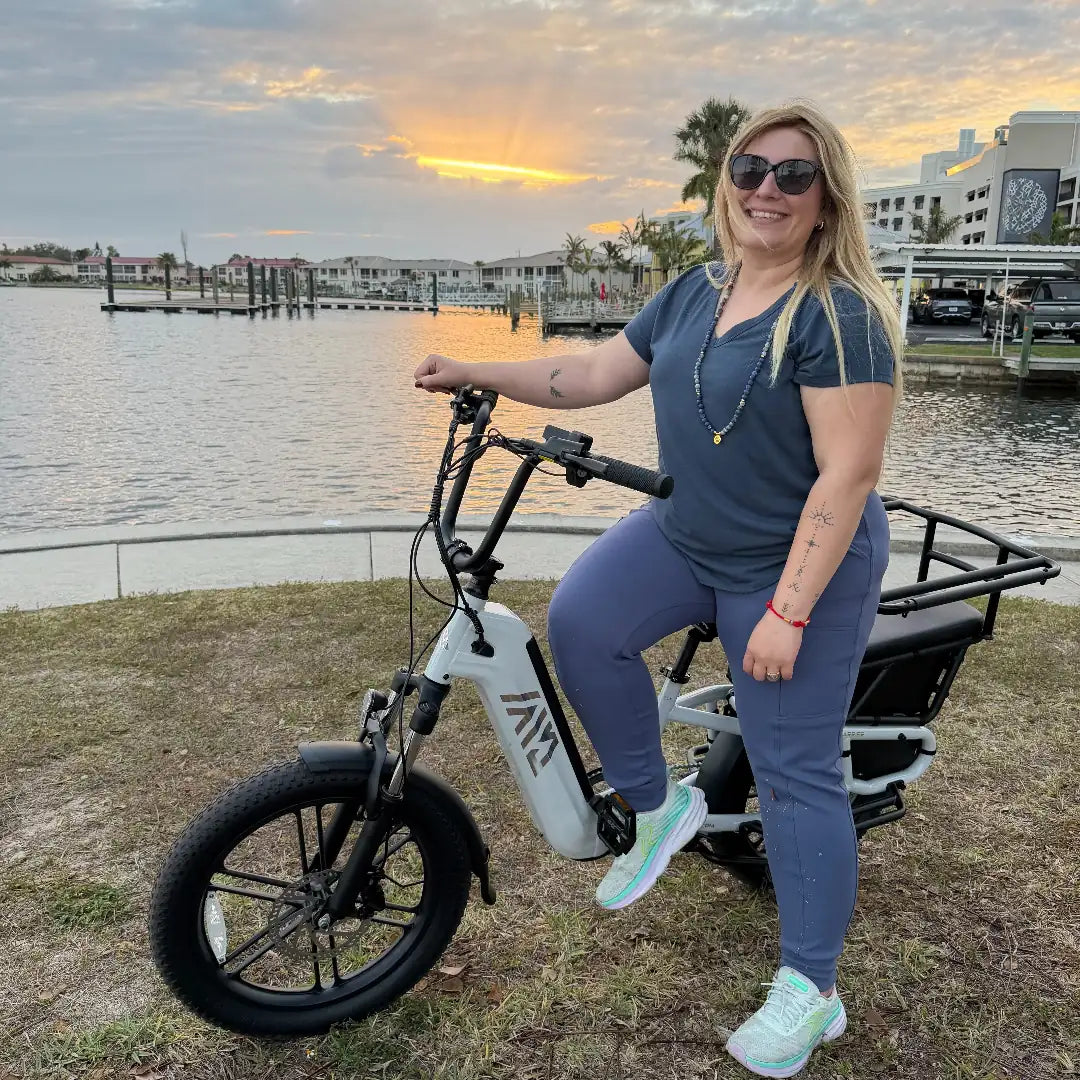
Replace Short Car Trips
-
Replace Short Car Trips
Replace Short Car Trips
-
Replace Short Car Trips
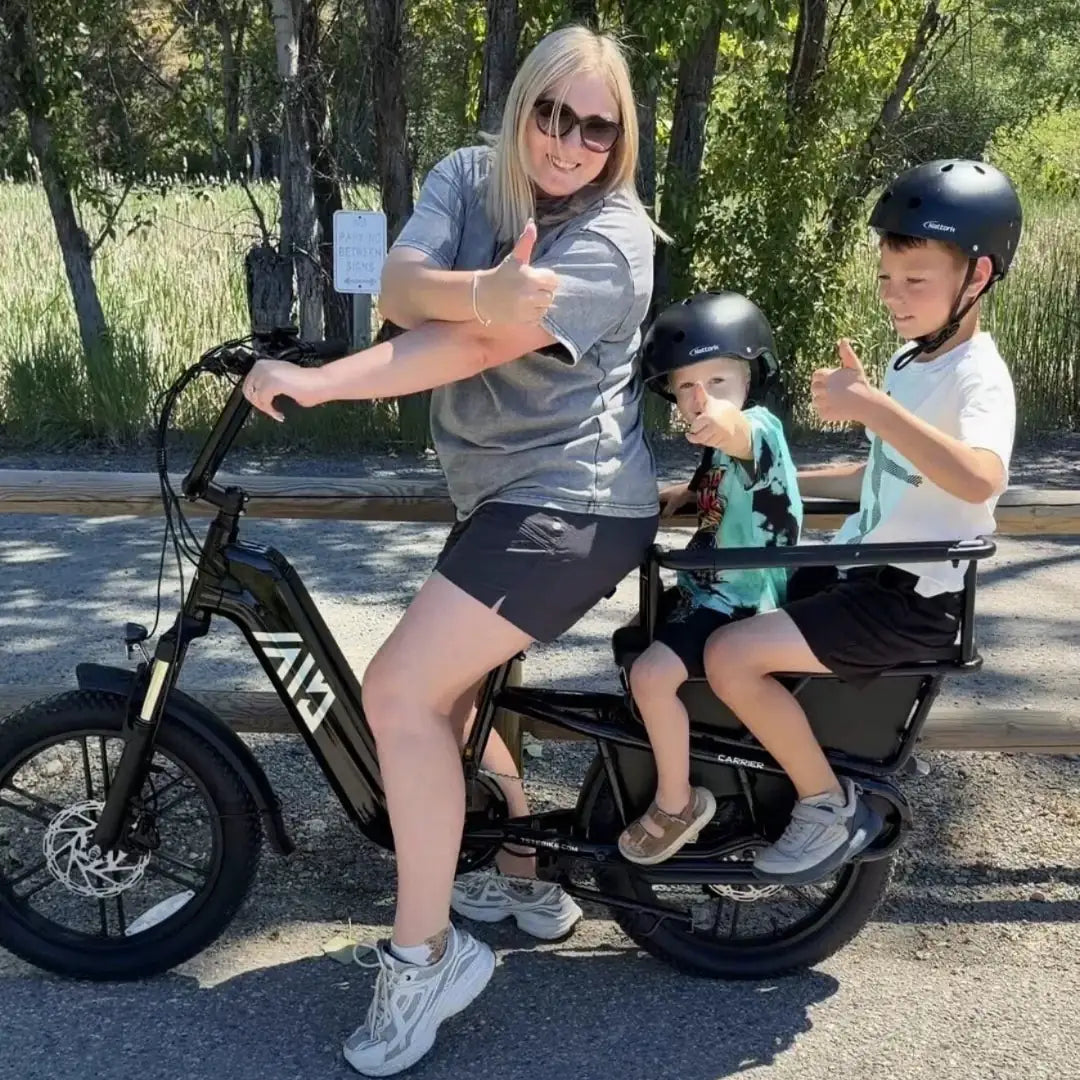
Replace Short Car Trips
-
Replace Short Car Trips
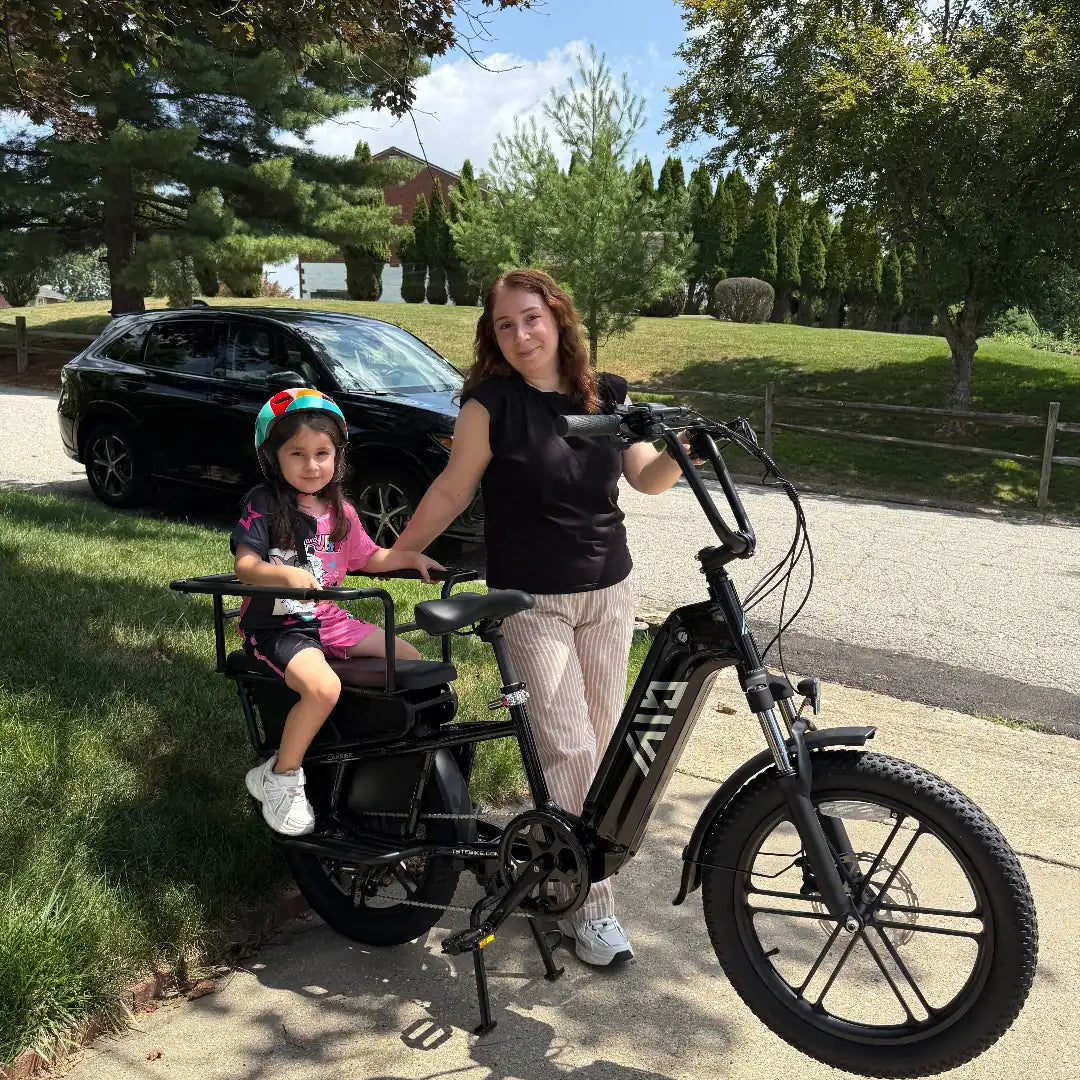
Replace Short Car Trips
-
Replace Short Car Trips
Replace Short Car Trips
-
Replace Short Car Trips
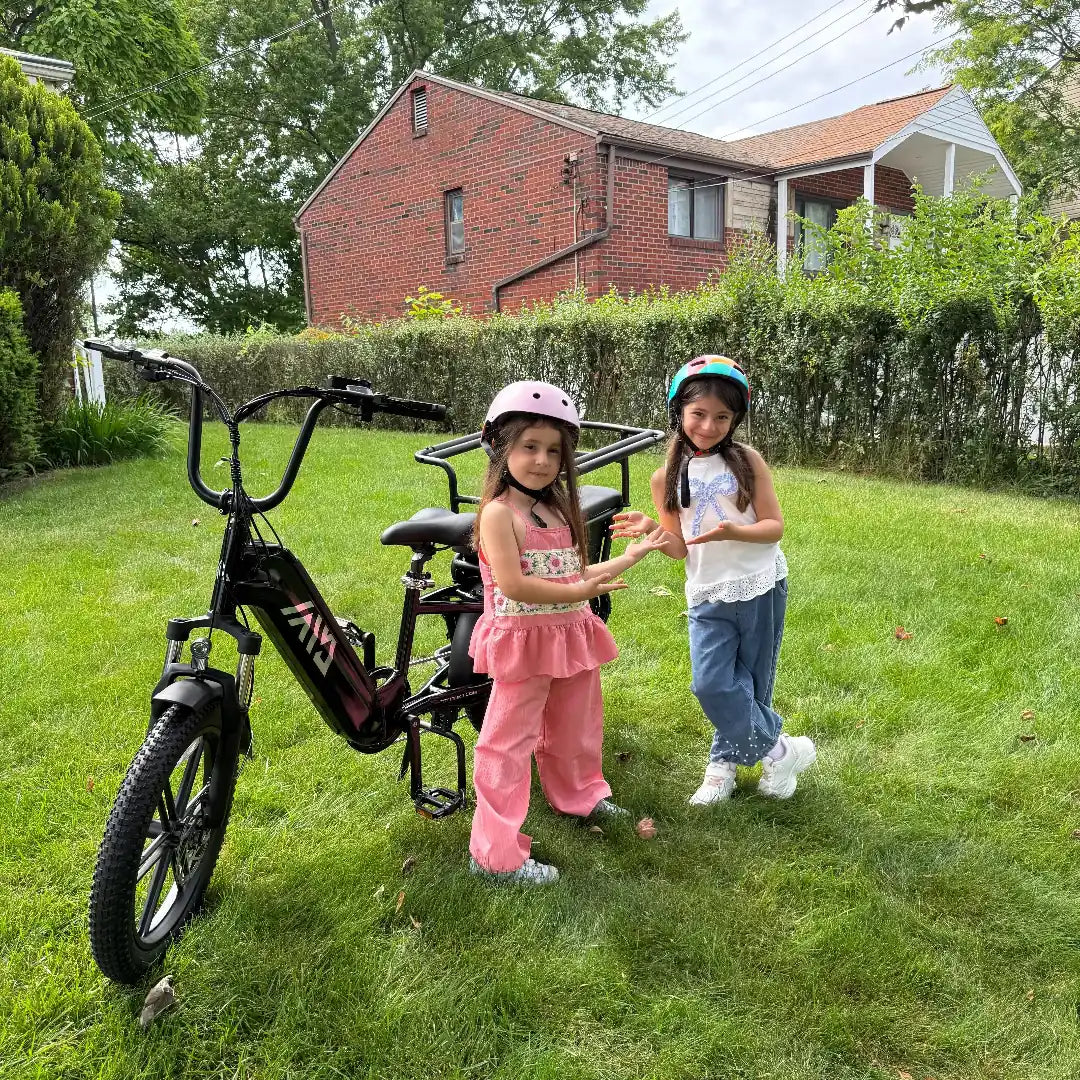
Replace Short Car Trips
-
Replace Short Car Trips
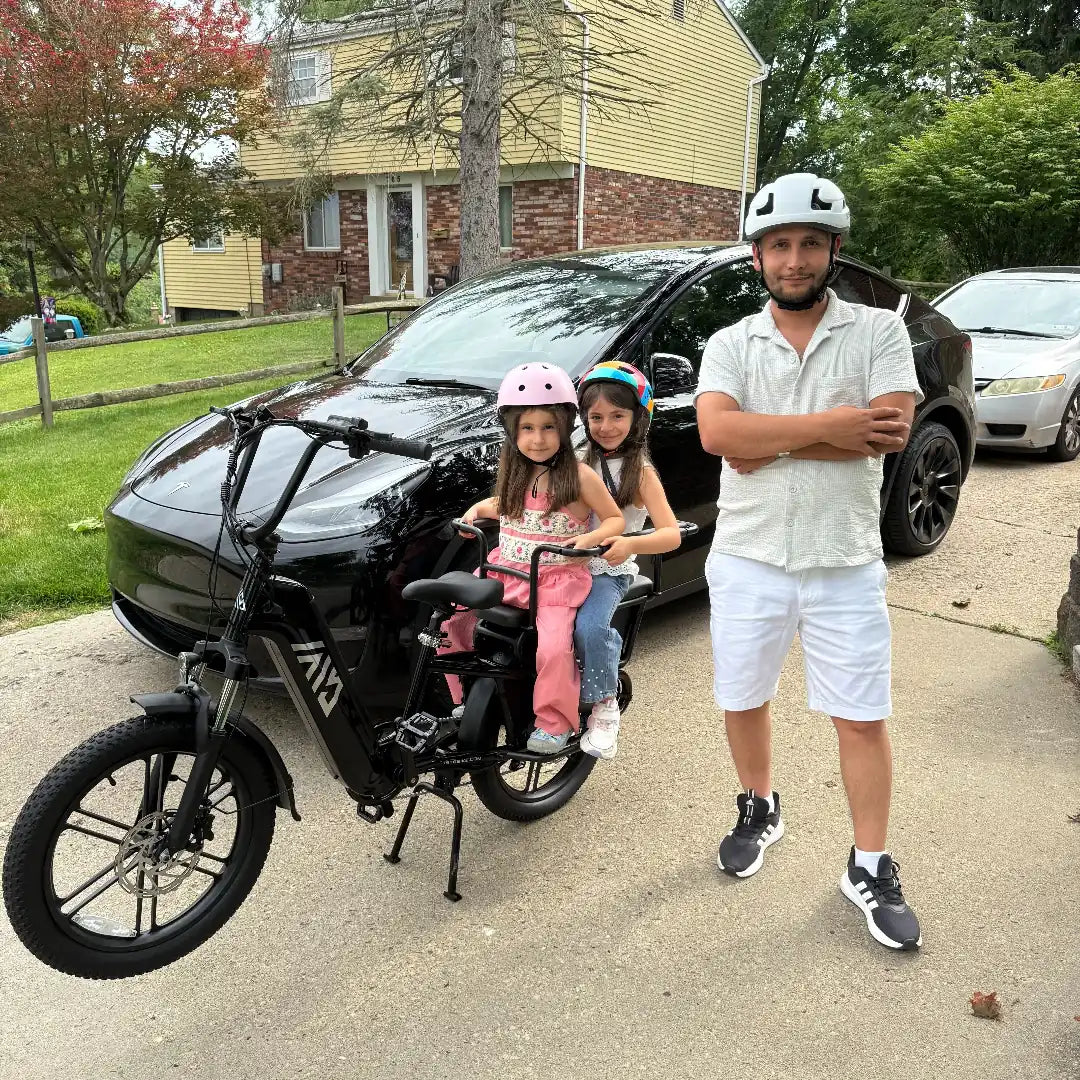
Replace Short Car Trips
-
Replace Short Car Trips
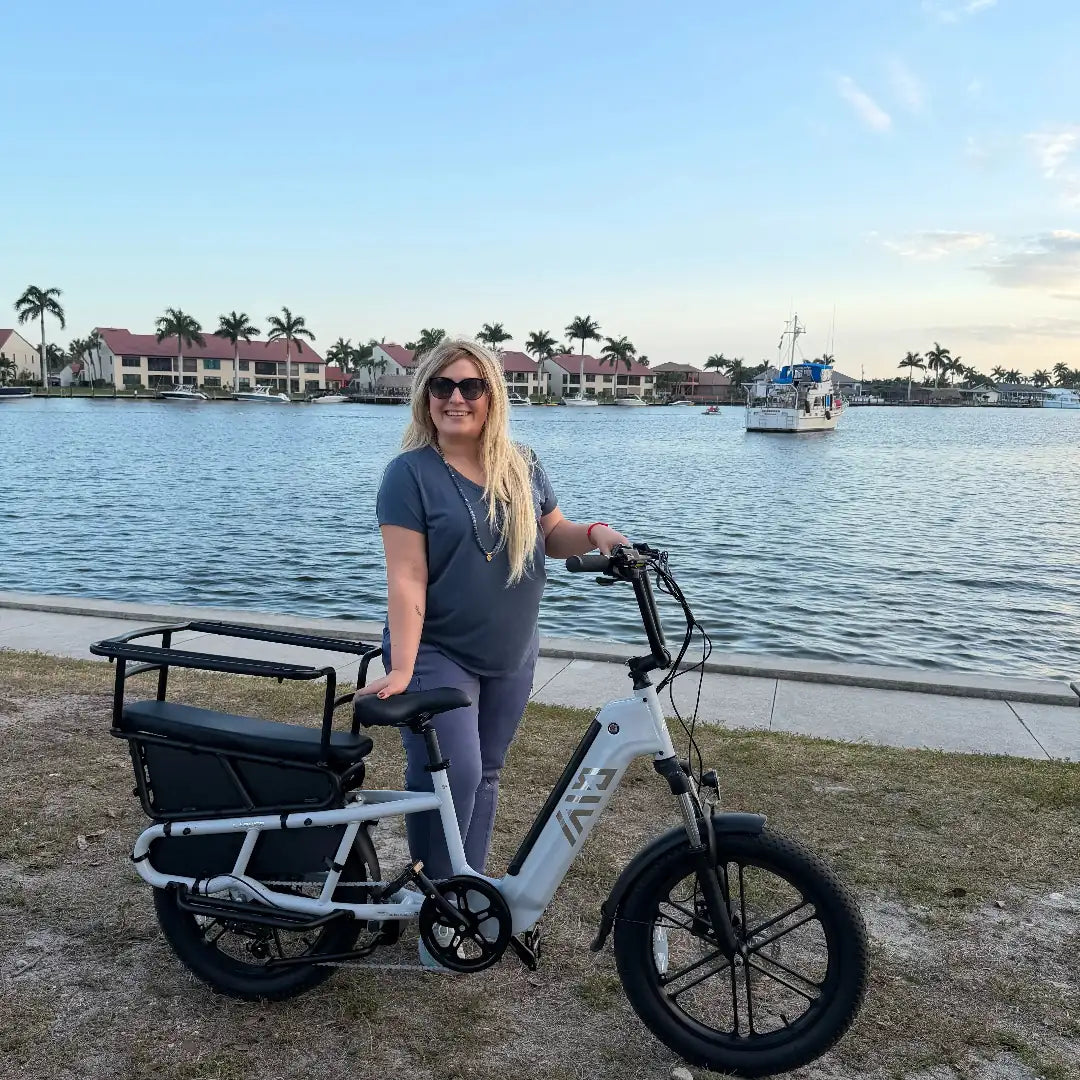
Replace Short Car Trips
-
Replace Short Car Trips
Replace Short Car Trips
-
Replace Short Car Trips
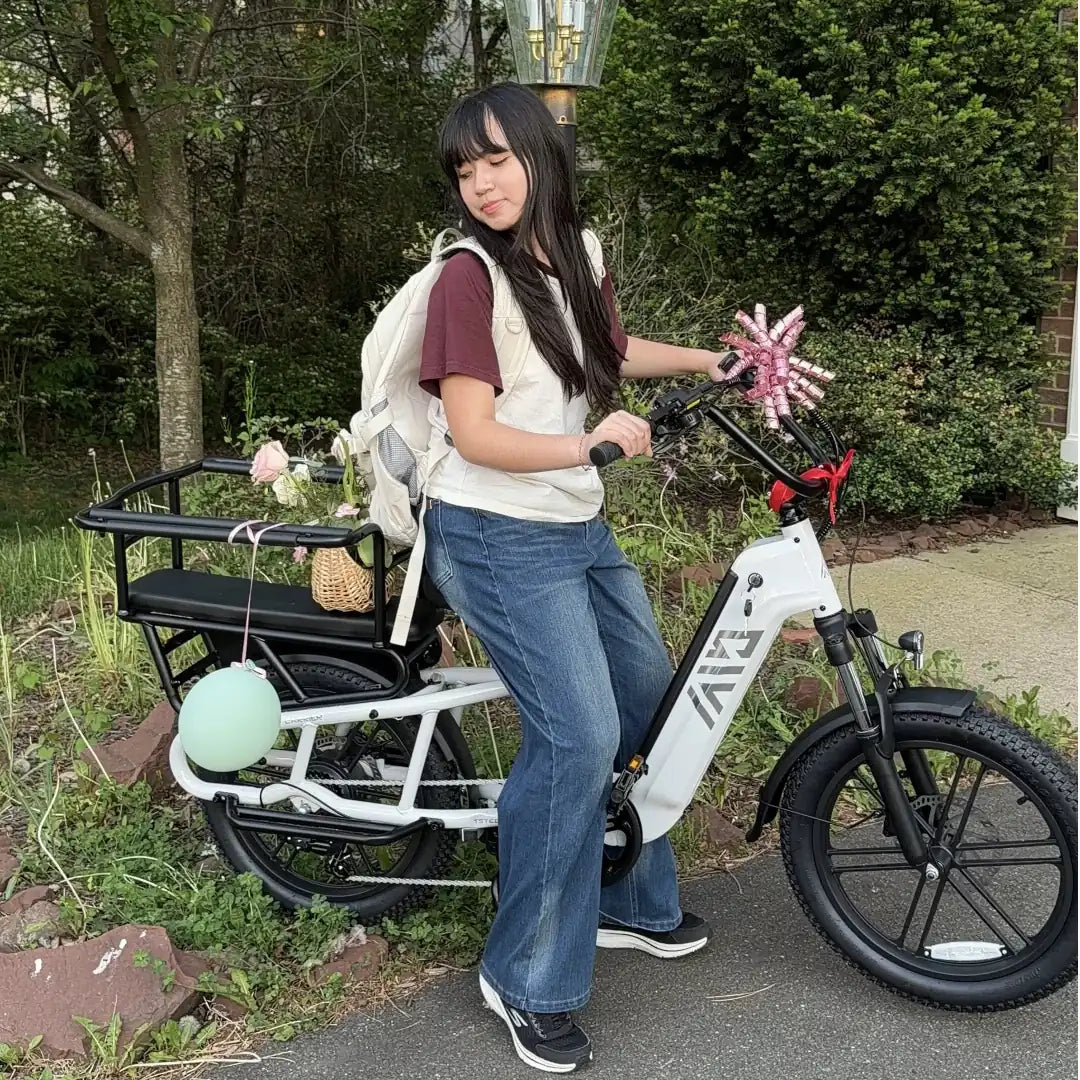
Replace Short Car Trips
-
Replace Short Car Trips
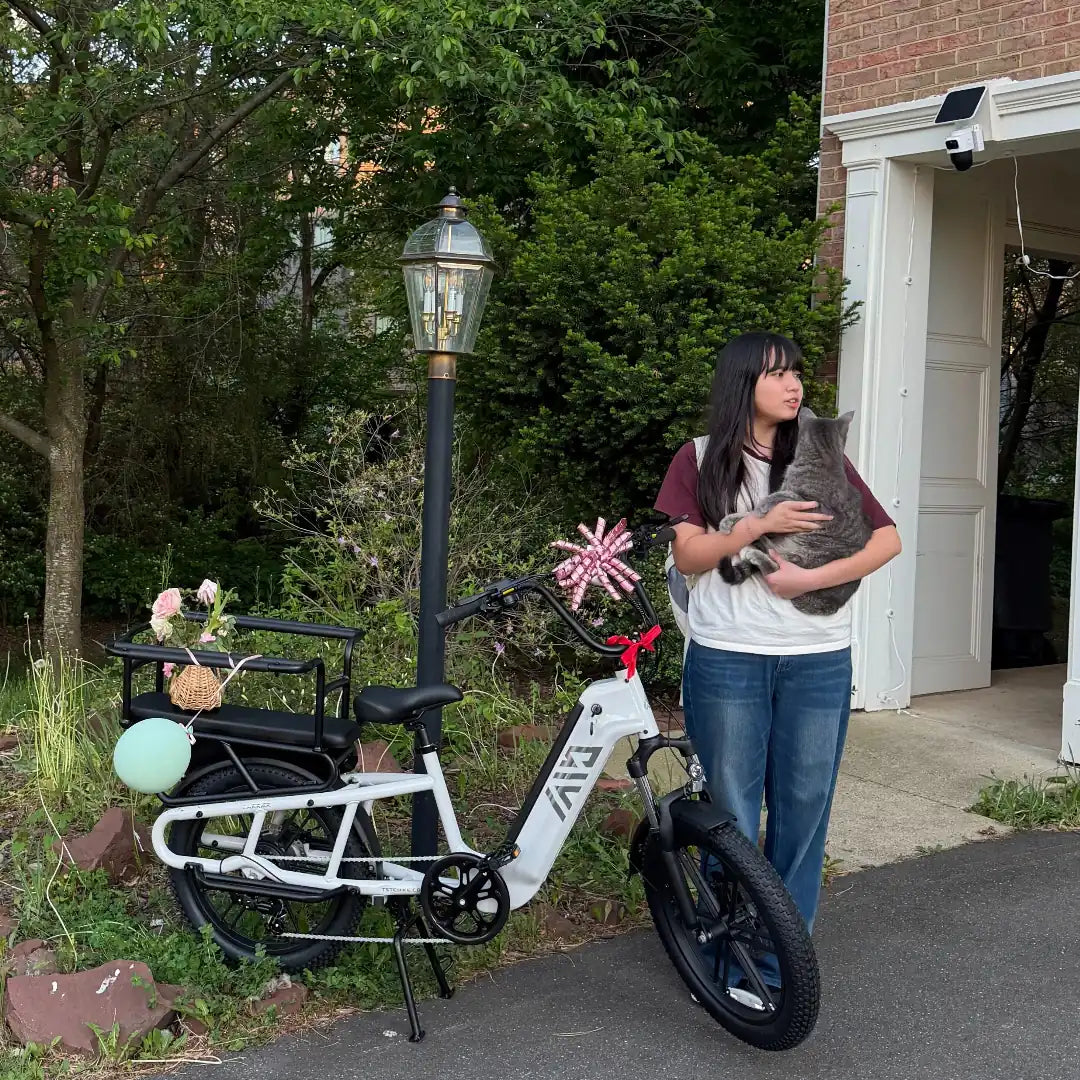
Replace Short Car Trips
An excellent option for those looking for an electric bike that is both powerful and easy to use.
TST-More than enough power to get you where you need quickly while being a blast to ride.
We were impressed with the overall ride quality, the confidence this inspired, and the fun we had on this bike.
I’ll cut right to the chase with this review: Buy this e-bike.
Whether you plan on using this bike for commuting or recreational cycling, we highly recommend it.
TST 27.5' models are excellent choice for commuter ebikes.
Vehicle specifications
Charging Time
7-8 hours
Charger
54.6V/2A
Speed
28MPH
Product Weight
90.39 LBS
Shimano Shifter
7-Speed
Battery
48V 15Ah
Lithium Battery
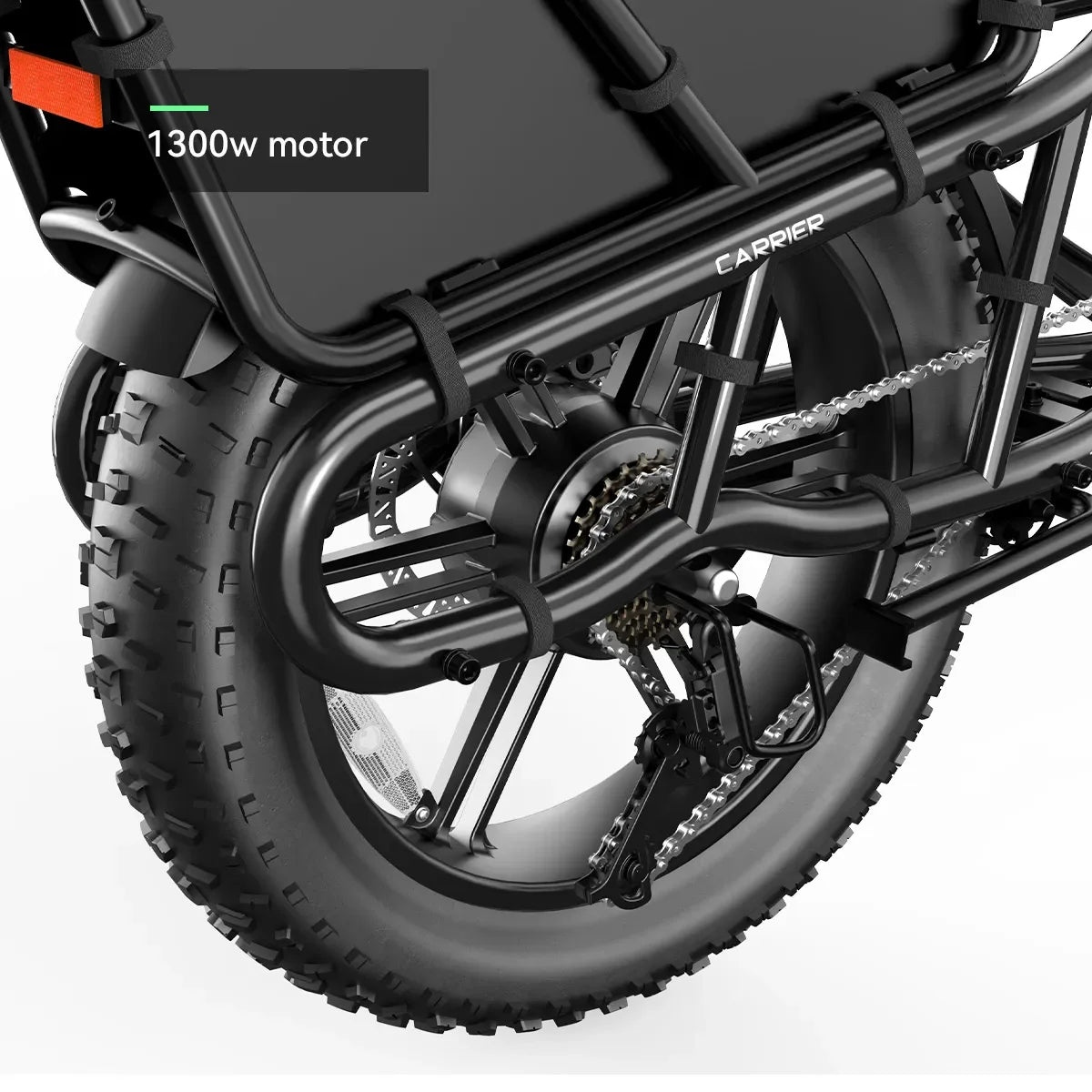
Hub Motor
1300W
Brushless Gear Motor
Range
60 Miles
Pedal Assist
Pedal
1-5 Level
1-5 Level Pedal Assist
Brakes
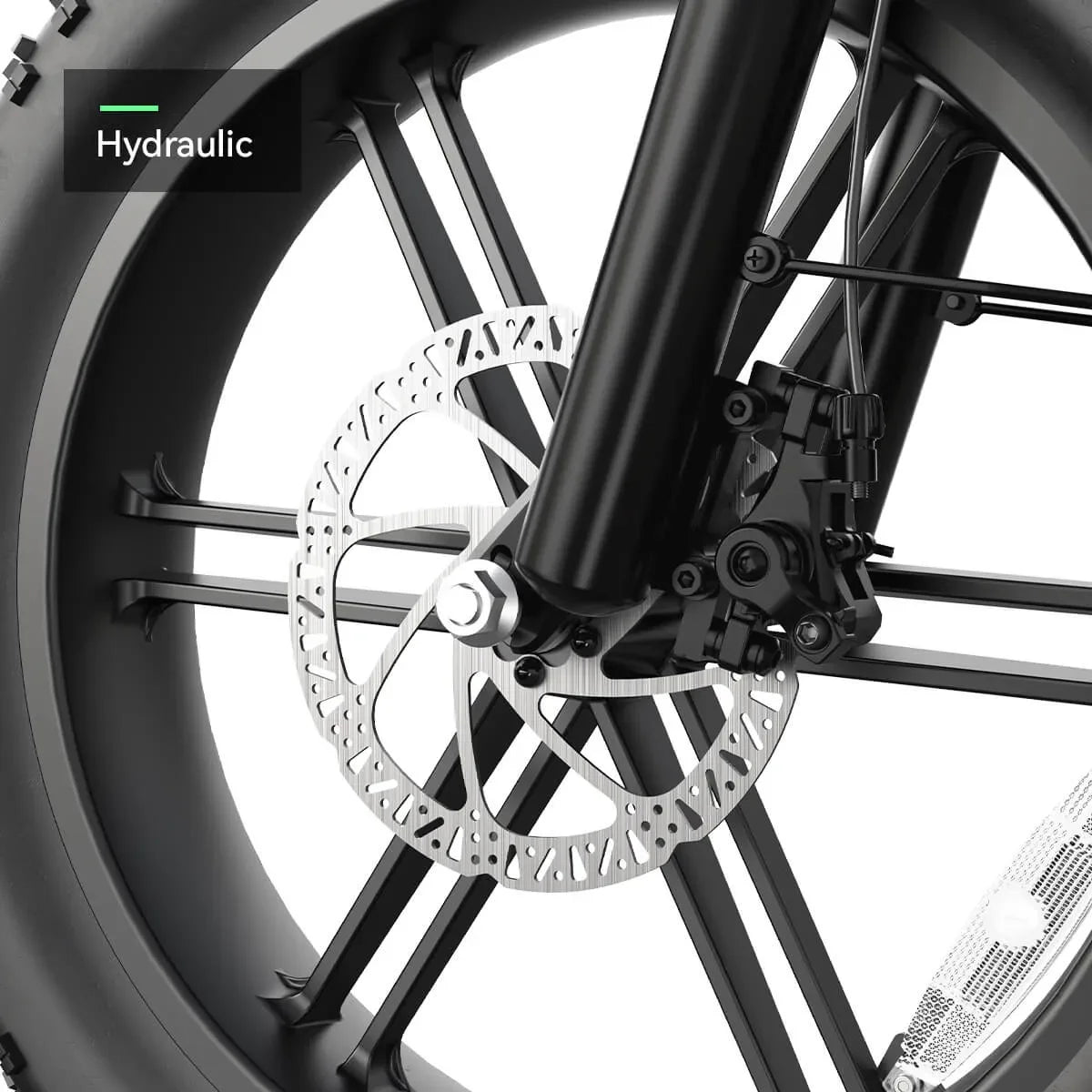
180mm
Hydraulic Disc Brakes
Tires
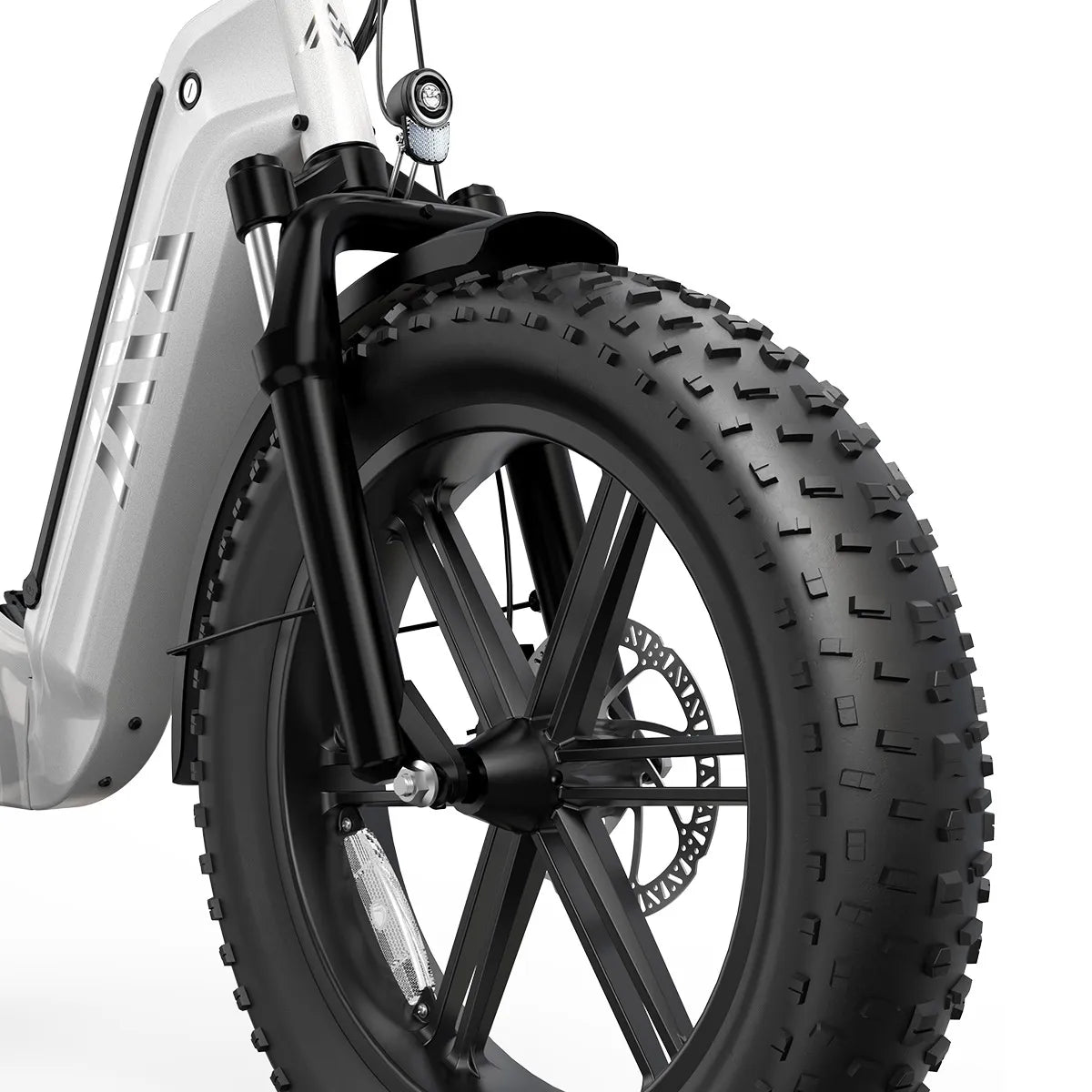
20" x 3"
Ebike Rated Tires
Weight Capacity
450 LBS
MAX Load
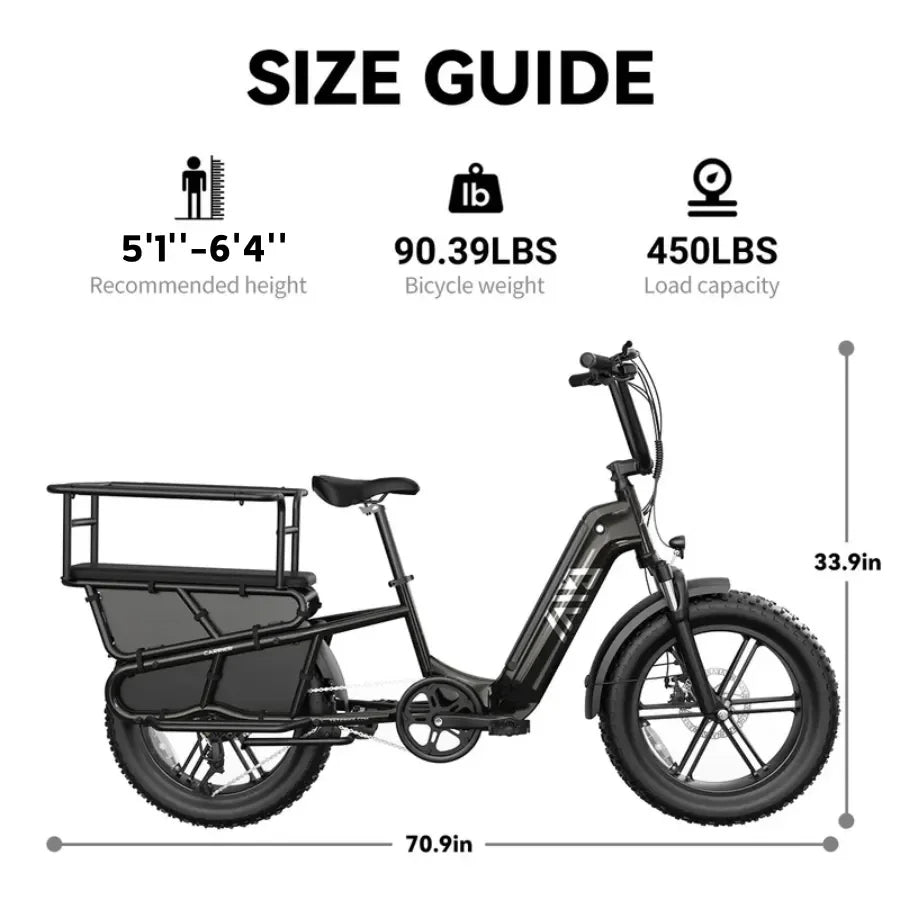
Carrier Size


A
Total Length
70.9''
B
Handlebar Height
45.3"
C
Wheelbase
48.1"
D
Minimum Seat Height
26.1"
E
Maximum Seat Height
35"
F
Chain Stay Length
21.5"
G
Stand Height
26.8"
H
Top Tube Length
21.5"
I
Wheel Diameter
22.8"
J
Head Tube Length
6.2"
K
Handlebar Length
27.2"
L
Minimum Seat to Floor
33.9"
What's in the Box?


1* Electric Bike
1* Owner's Manual
2* Wrenches
3* Allen Key Wrenchs
2* Pedals
1* Charger
1* Seat
1* Front Wheel
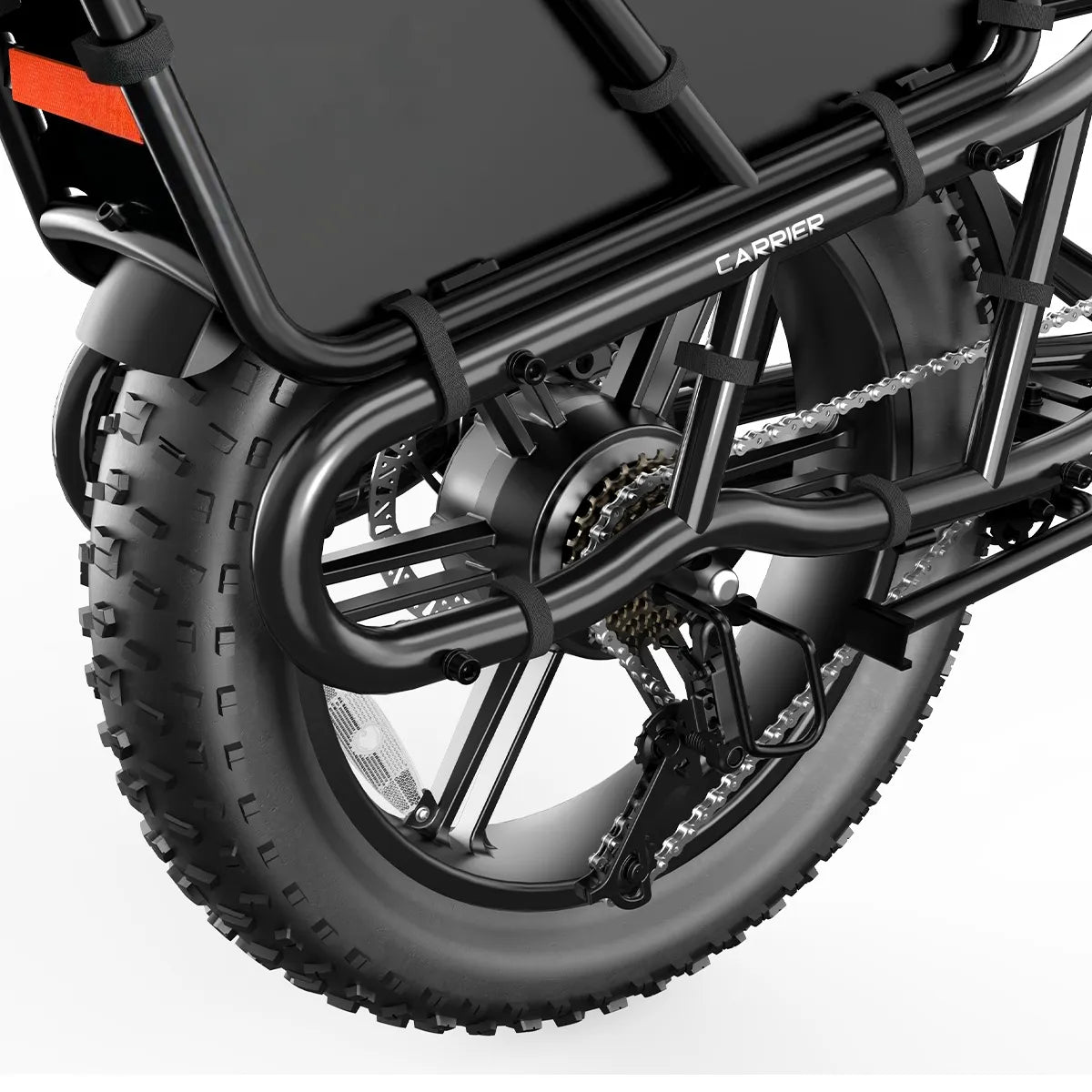
1* Rear Rack
1* Fender Set
1* Headlight
1* Battery with keys
TST Carrier FAQs
Overview
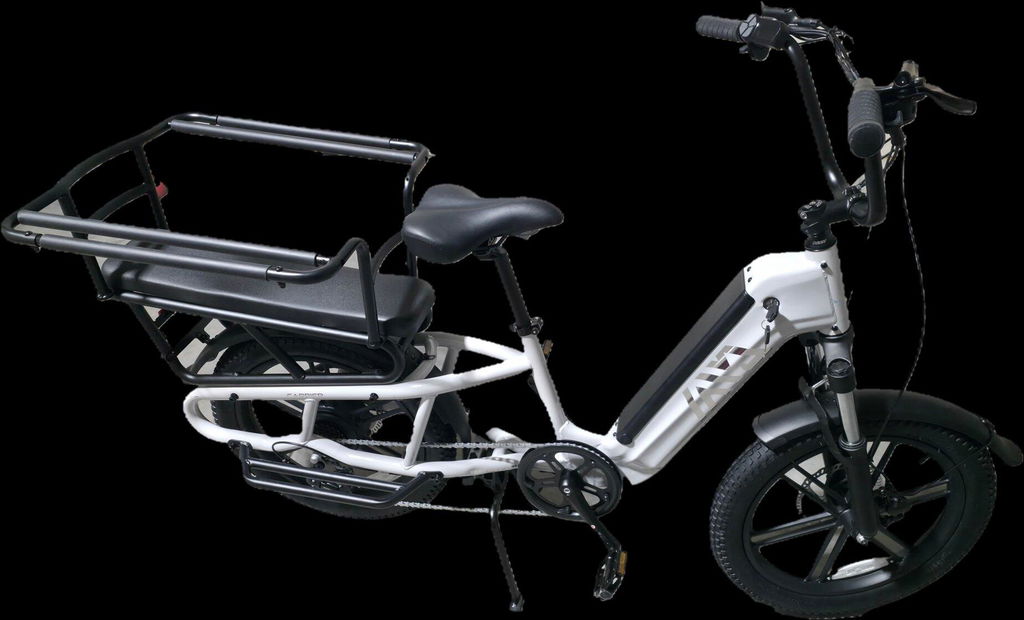
The TST® Carrier 20'' Cargo Electric Bike is a powerful and practical e-bike designed for both utility and enjoyment. It boasts a 1300W motor, capable of reaching speeds up to 28 mph and offering a range of 60 miles, making it perfect for long rides and heavy loads. The bike features a spacious carrier area, ideal for transporting cargo or passengers, and includes a free set of accessories valued at $534, such as a rear rack, fender set, children's seat, running boards, seat pad, and wheel guards. Its wide tires provide a smooth ride, while the easy assembly process ensures riders can get started quickly. With a one-year warranty and the option for local pickup in the US, this e-bike offers convenience, reliability, and excellent value for money.
Features
The TST® Carrier 20'' Cargo Electric Bike is a powerful and versatile option for riders seeking both performance and utility. It features a robust 1300W motor that delivers a top speed of 28 mph and an impressive range of up to 60 miles on a single charge, making it ideal for commuting and heavy-duty use. The bike comes with a spacious carrier, perfect for transporting cargo or passengers, and includes a free set of accessories valued at $534, such as a rear rack, fender set, children's seat, running boards, seat pad, and wheel guards. Its wide tires ensure a smooth ride, and the easy-to-follow assembly process means riders can get started quickly. With a one-year warranty and the option for local pickup in the US, this e-bike offers convenience and reliability.
FAQs
Electric Cargo Bike
What Are The Best Electric Cargo Bikes For Loads?
The TST® Carrier 20'' Cargo Electric Bike is a top choice for hauling heavy loads with a sturdy frame and fat tires. It offers strong motor power and a high payload capacity, making it ideal for groceries, gear, or kids. Other top cargo ebikes include the Specialized Haul LT and RadWagon 5, known for reliability and range.
How Long Is The Range Of A Cargo Ebike Battery?
Cargo ebike batteries typically provide a range between 30 to 75 miles per charge, depending on battery size and load. The TST Carrier 20'' offers a dependable range suitable for daily errands and commuting, balancing power and efficiency to handle heavier cargo without frequent recharging.
Why Choose An Electric Bike For Cargo Transport?
Electric cargo bikes like the TST Carrier 20'' make transporting heavy or bulky items easier by providing motorized assistance, reducing rider effort. They offer eco-friendly, cost-effective alternatives to cars for short trips, with enhanced stability and cargo capacity, perfect for urban errands, deliveries, or family outings.
Moped Style Ebike
What Defines A Moped Style Electric Bike?
A moped style electric bike, like the TST® Carrier 20'' Cargo Electric Bike, blends classic moped design with modern electric power. It features a sturdy frame, fat tires, a cushioned bench seat, and integrated lights and mirrors. With both pedal assist and throttle control, it offers versatile, comfortable urban commuting with a motorcycle-inspired look.
How Fast Can A Moped Style Ebike Go?
Moped style ebikes typically reach speeds between 28 and 32 mph. The TST Carrier 20'' offers powerful motor options that enable quick acceleration and smooth hill climbs, making it ideal for urban streets and light off-road use while maintaining safe, legal speeds for city riding.
Why Choose A Moped Ebike With Throttle Assist?
Throttle assist on a moped style ebike like the TST Carrier 20'' allows riders to accelerate without pedaling, providing effortless power on demand. This feature enhances convenience during stop-and-go traffic, reduces rider fatigue, and offers flexible riding modes for both relaxed cruising and efficient commuting.
High Power Ebike
What Are The Benefits Of A High Power Ebike?
A high power ebike like the TST® Carrier 20'' Cargo Electric Bike offers faster acceleration, easier hill climbing, and the ability to carry heavier loads with less effort. It extends riding range and reduces rider fatigue, making commutes and cargo transport more efficient and enjoyable while providing a versatile, eco-friendly alternative to cars.
How Does A 1000W Motor Improve Ebike Performance?
A 1000W motor delivers strong torque and speed, enabling quick starts and smooth hill climbs. On the TST Carrier 20'', this motor power ensures reliable performance under heavy loads and varied terrain, enhancing acceleration, maintaining higher speeds, and improving overall ride stability and control for urban and cargo riding.
Why Choose A High Torque Motor For Ebikes?
High torque motors provide the force needed to tackle steep inclines and carry heavy cargo effortlessly. The TST Ebike Carrier 20'' uses a high torque motor to deliver powerful, consistent assistance, reducing rider strain and improving safety and comfort, especially when transporting bulky loads or navigating challenging urban routes.
Ebike Accessories
What Are Essential Accessories For Electric Bikes?
Essential accessories for electric bikes like the TST® Carrier 20'' Cargo Ebike include a sturdy helmet, reliable lock, front and rear lights, fenders, and racks or panniers. These improve safety, security, and cargo capacity, making rides more comfortable and practical for daily commuting or errands.
How Do Racks And Fenders Improve Ebike Use?
Racks provide convenient storage for groceries or gear, increasing cargo capacity on the TST Carrier 20''. Fenders protect riders from mud and water spray, keeping clothes clean and dry. Together, they enhance convenience and comfort, making the ebike more versatile for all weather and practical urban use.
Why Are Lights Important For Ebike Safety?
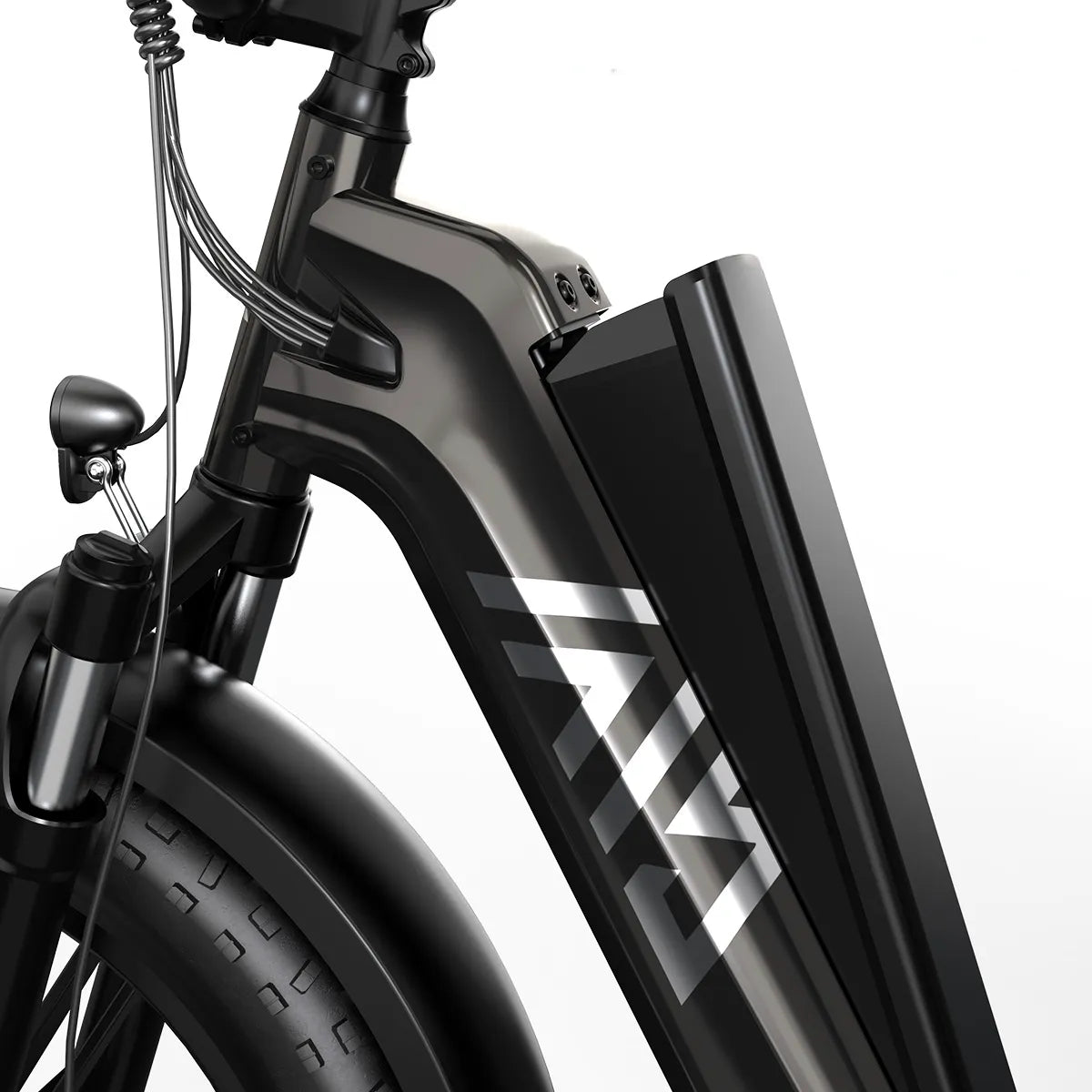
Lights are vital for visibility, allowing riders to see and be seen in low-light conditions. The TST Ebike Carrier 20'' includes bright front and rear lights to improve safety during dawn, dusk, or night rides. Proper lighting reduces accident risks by alerting motorists, pedestrians, and other cyclists to your presence.
Ebike Local Pickup
What Are The Options For Ebike Local Pickup?
For the TST® Carrier 20'' Cargo Electric Bike, local pickup is available at designated warehouses or retail locations, such as the Ontario, CA facility. Customers can choose in-store pickup during checkout to avoid shipping delays and fees, ensuring a hands-on experience when collecting their ebike.
How To Schedule Local Pickup For Your Ebike?
To schedule local pickup for your TST Ebike, select the local pickup option at checkout and provide your contact details. After purchase, the store will contact you to confirm the pickup date and time, allowing you to collect your bike conveniently and fully assembled.
Why Choose Local Pickup Over Shipping?
Local pickup offers faster access to your TST Carrier 20'' ebike without waiting for shipping. It reduces the risk of transit damage and lets you inspect the bike before taking it home. This option is ideal for those near pickup locations seeking immediate service and personalized support.
Ebike Warranty
What Does An Ebike Warranty Typically Cover?
An ebike warranty for models like the TST® Carrier 20'' Cargo Electric Bike usually covers defects in the frame, motor, battery, controller, and electrical components. Coverage often includes repairs or replacements for manufacturing faults but excludes wear items like tires and brake pads. Warranty periods typically range from 1 to 3 years depending on the component.
How To Claim A Warranty For Your Electric Bike?
To claim a warranty on your TST Ebike, contact the seller or manufacturer with proof of purchase and detailed information about the issue. Provide photos or videos if requested. Follow their instructions for repair or replacement. Keep maintenance records and avoid unauthorized repairs to ensure your claim is valid.
Why Is Warranty Important When Buying An Ebike?
A warranty protects your investment by covering costly repairs due to manufacturing defects. For the TST Carrier 20'', it ensures peace of mind, reliable performance, and support if key parts like the motor or battery fail prematurely. Warranties also reflect the manufacturer’s confidence in product quality and durability.
The TST® Carrier 20'' Cargo Electric Bike is a powerful and practical e-bike designed for both utility and enjoyment. It boasts a 1300W motor, capable of reaching speeds up to 28 mph and offering a range of 60 miles, making it perfect for long rides and heavy loads. The bike features a spacious carrier area, ideal for transporting cargo or passengers, and includes a free set of accessories valued at $534, such as a rear rack, fender set, children's seat, running boards, seat pad, and wheel guards. Its wide tires provide a smooth ride, while the easy assembly process ensures riders can get started quickly. With a one-year warranty and the option for local pickup in the US, this e-bike offers convenience, reliability, and excellent value for money.
The TST® Carrier 20'' Cargo Electric Bike is a powerful and versatile option for riders seeking both performance and utility. It features a robust 1300W motor that delivers a top speed of 28 mph and an impressive range of up to 60 miles on a single charge, making it ideal for commuting and heavy-duty use. The bike comes with a spacious carrier, perfect for transporting cargo or passengers, and includes a free set of accessories valued at $534, such as a rear rack, fender set, children's seat, running boards, seat pad, and wheel guards. Its wide tires ensure a smooth ride, and the easy-to-follow assembly process means riders can get started quickly. With a one-year warranty and the option for local pickup in the US, this e-bike offers convenience and reliability.
Electric Cargo Bike
What Are The Best Electric Cargo Bikes For Loads?
The TST® Carrier 20'' Cargo Electric Bike is a top choice for hauling heavy loads with a sturdy frame and fat tires. It offers strong motor power and a high payload capacity, making it ideal for groceries, gear, or kids. Other top cargo ebikes include the Specialized Haul LT and RadWagon 5, known for reliability and range.
How Long Is The Range Of A Cargo Ebike Battery?
Cargo ebike batteries typically provide a range between 30 to 75 miles per charge, depending on battery size and load. The TST Carrier 20'' offers a dependable range suitable for daily errands and commuting, balancing power and efficiency to handle heavier cargo without frequent recharging.
Why Choose An Electric Bike For Cargo Transport?
Electric cargo bikes like the TST Carrier 20'' make transporting heavy or bulky items easier by providing motorized assistance, reducing rider effort. They offer eco-friendly, cost-effective alternatives to cars for short trips, with enhanced stability and cargo capacity, perfect for urban errands, deliveries, or family outings.
Moped Style Ebike
What Defines A Moped Style Electric Bike?
A moped style electric bike, like the TST® Carrier 20'' Cargo Electric Bike, blends classic moped design with modern electric power. It features a sturdy frame, fat tires, a cushioned bench seat, and integrated lights and mirrors. With both pedal assist and throttle control, it offers versatile, comfortable urban commuting with a motorcycle-inspired look.
How Fast Can A Moped Style Ebike Go?
Moped style ebikes typically reach speeds between 28 and 32 mph. The TST Carrier 20'' offers powerful motor options that enable quick acceleration and smooth hill climbs, making it ideal for urban streets and light off-road use while maintaining safe, legal speeds for city riding.
Why Choose A Moped Ebike With Throttle Assist?
Throttle assist on a moped style ebike like the TST Carrier 20'' allows riders to accelerate without pedaling, providing effortless power on demand. This feature enhances convenience during stop-and-go traffic, reduces rider fatigue, and offers flexible riding modes for both relaxed cruising and efficient commuting.
High Power Ebike
What Are The Benefits Of A High Power Ebike?
A high power ebike like the TST® Carrier 20'' Cargo Electric Bike offers faster acceleration, easier hill climbing, and the ability to carry heavier loads with less effort. It extends riding range and reduces rider fatigue, making commutes and cargo transport more efficient and enjoyable while providing a versatile, eco-friendly alternative to cars.
How Does A 1000W Motor Improve Ebike Performance?
A 1000W motor delivers strong torque and speed, enabling quick starts and smooth hill climbs. On the TST Carrier 20'', this motor power ensures reliable performance under heavy loads and varied terrain, enhancing acceleration, maintaining higher speeds, and improving overall ride stability and control for urban and cargo riding.
Why Choose A High Torque Motor For Ebikes?
High torque motors provide the force needed to tackle steep inclines and carry heavy cargo effortlessly. The TST Ebike Carrier 20'' uses a high torque motor to deliver powerful, consistent assistance, reducing rider strain and improving safety and comfort, especially when transporting bulky loads or navigating challenging urban routes.
Ebike Accessories
What Are Essential Accessories For Electric Bikes?
Essential accessories for electric bikes like the TST® Carrier 20'' Cargo Ebike include a sturdy helmet, reliable lock, front and rear lights, fenders, and racks or panniers. These improve safety, security, and cargo capacity, making rides more comfortable and practical for daily commuting or errands.
How Do Racks And Fenders Improve Ebike Use?
Racks provide convenient storage for groceries or gear, increasing cargo capacity on the TST Carrier 20''. Fenders protect riders from mud and water spray, keeping clothes clean and dry. Together, they enhance convenience and comfort, making the ebike more versatile for all weather and practical urban use.
Why Are Lights Important For Ebike Safety?
Lights are vital for visibility, allowing riders to see and be seen in low-light conditions. The TST Ebike Carrier 20'' includes bright front and rear lights to improve safety during dawn, dusk, or night rides. Proper lighting reduces accident risks by alerting motorists, pedestrians, and other cyclists to your presence.
Ebike Local Pickup
What Are The Options For Ebike Local Pickup?
For the TST® Carrier 20'' Cargo Electric Bike, local pickup is available at designated warehouses or retail locations, such as the Ontario, CA facility. Customers can choose in-store pickup during checkout to avoid shipping delays and fees, ensuring a hands-on experience when collecting their ebike.
How To Schedule Local Pickup For Your Ebike?
To schedule local pickup for your TST Ebike, select the local pickup option at checkout and provide your contact details. After purchase, the store will contact you to confirm the pickup date and time, allowing you to collect your bike conveniently and fully assembled.
Why Choose Local Pickup Over Shipping?
Local pickup offers faster access to your TST Carrier 20'' ebike without waiting for shipping. It reduces the risk of transit damage and lets you inspect the bike before taking it home. This option is ideal for those near pickup locations seeking immediate service and personalized support.
Ebike Warranty
What Does An Ebike Warranty Typically Cover?
An ebike warranty for models like the TST® Carrier 20'' Cargo Electric Bike usually covers defects in the frame, motor, battery, controller, and electrical components. Coverage often includes repairs or replacements for manufacturing faults but excludes wear items like tires and brake pads. Warranty periods typically range from 1 to 3 years depending on the component.
How To Claim A Warranty For Your Electric Bike?
To claim a warranty on your TST Ebike, contact the seller or manufacturer with proof of purchase and detailed information about the issue. Provide photos or videos if requested. Follow their instructions for repair or replacement. Keep maintenance records and avoid unauthorized repairs to ensure your claim is valid.
Why Is Warranty Important When Buying An Ebike?
A warranty protects your investment by covering costly repairs due to manufacturing defects. For the TST Carrier 20'', it ensures peace of mind, reliable performance, and support if key parts like the motor or battery fail prematurely. Warranties also reflect the manufacturer’s confidence in product quality and durability.
This product is rated 4.8 of 5.0 stars.
It has received 126 reviews.
S
Performance: EXCELLENT
Value of money score: SUPER WORTH
Recommendation score: HIGHLY RECOMMEND
Improvements: Bigger lettering on the manual
I love it
Easy to assemble,
Tons of fun
Easy to use
t
Performance: NORMAL
Value of money score: WORTH
Recommendation score: HIGHLY RECOMMEND
Improvements: Disk brakes rub and take a lot of time to adjust. Battery came scratched, but was functional.
Honestly, this bike is an incredible value for the money! But what really blew me away was the customer service. I had a couple of minor things to sort out when it arrived, and their team was unbelievably helpful and super quick to respond. You really can't beat a great bike backed by an awesome support team. Highly recommend!
G
Performance: NORMAL
Value of money score: SUPER WORTH
Recommendation score: HIGHLY RECOMMEND
Improvements: Have a working app, have more of the bike pre-installed and make the display a little more sensitive to pressing buttons
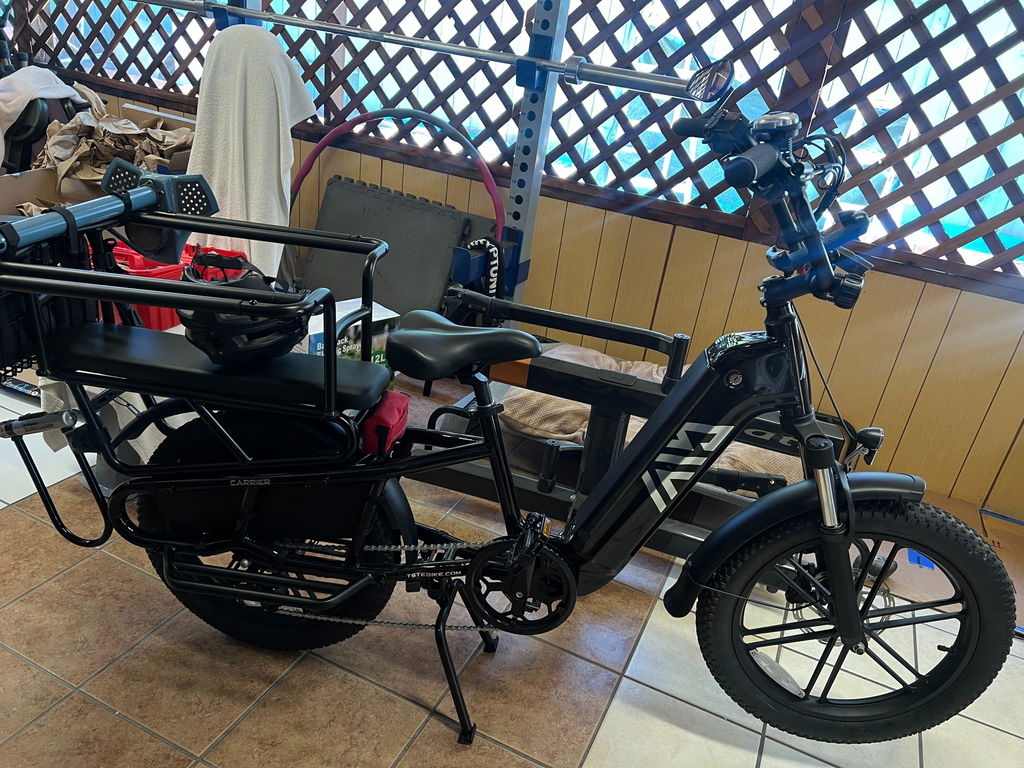
Built like a rock. Be prepared to put several hours aside cuz this one is long. I wish they would have had the derailleur guard installed but They recommend a bike seller to install. The display buttons need to be a little more sensitive. I've had to press the button multiple times for it to change. I will be replacing the seat for a much softer one. The app would not connect to my Galaxy Android and after several attempts connected to my iPad. The developer needs to do a much better job. Overall these are petty issues. The bike itself is built tough and the speed is decent. The install took a lot longer than desired but for the price in this competitive markets I would buy it again.
A
Performance: EXCELLENT
Value of money score: SUPER WORTH
Recommendation score: HIGHLY RECOMMEND
Improvements: Nothing
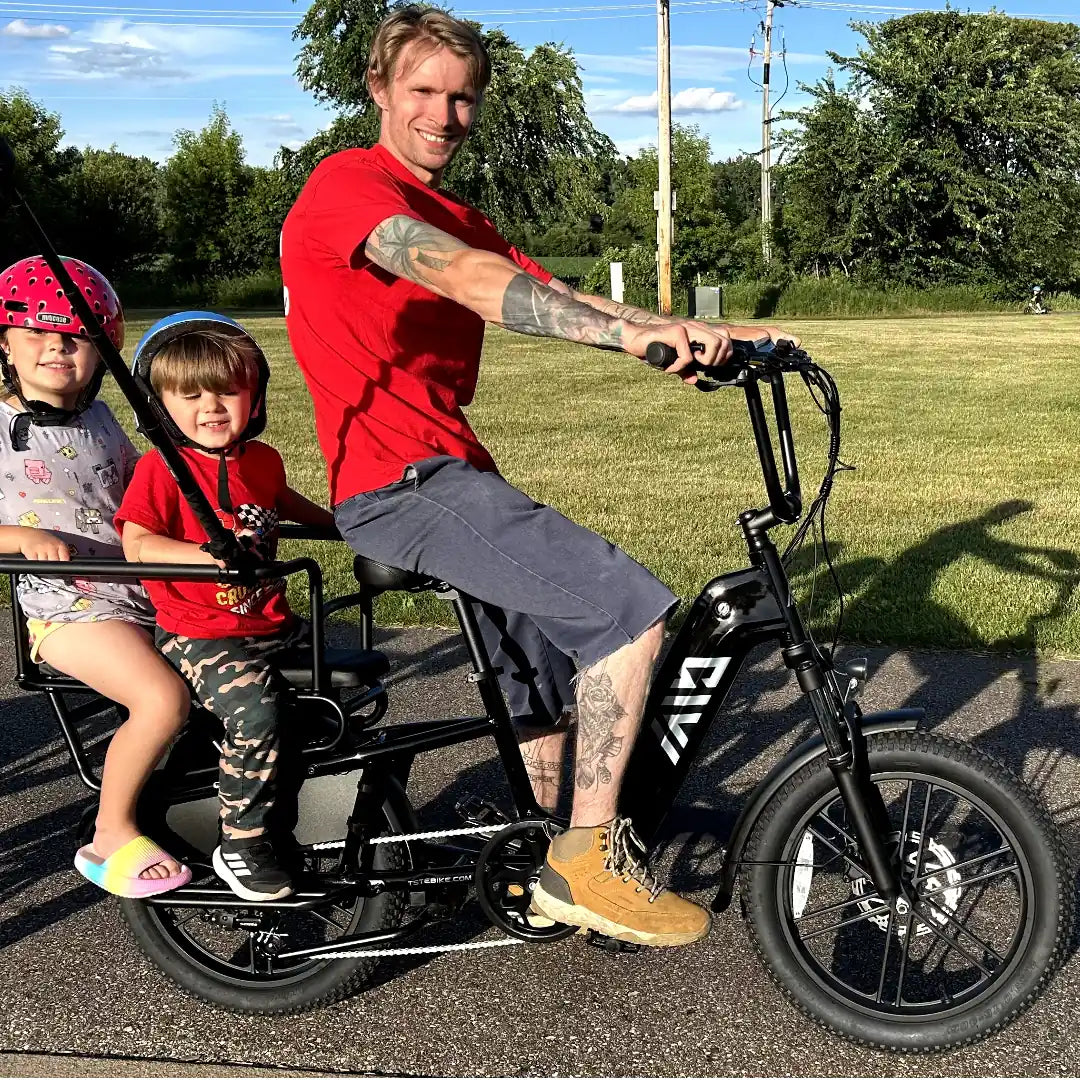
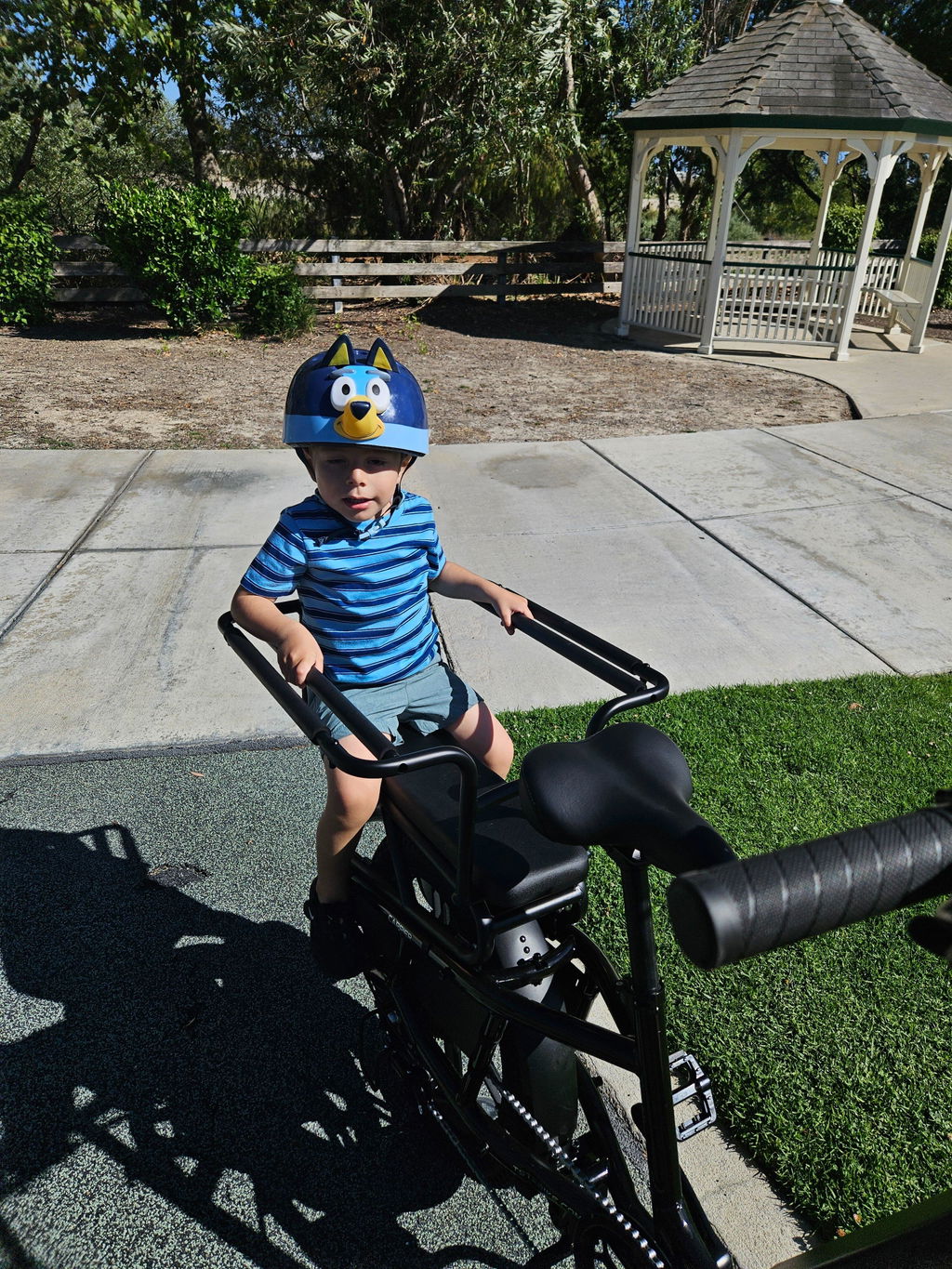
The bike arrived on time, and customer support is awesome. It looks great and works really well. I am able to ride the bike efficiently with both of my toddlers on the back sea. My whole family loves it, and riding the bike each day is something we look forward to doing together with our toddlers. It has become a daily routine. I highly recommend this bike.

R
Performance: EXCELLENT
Value of money score: SUPER WORTH
Recommendation score: HIGHLY RECOMMEND
Improvements: Mentioned in the ad
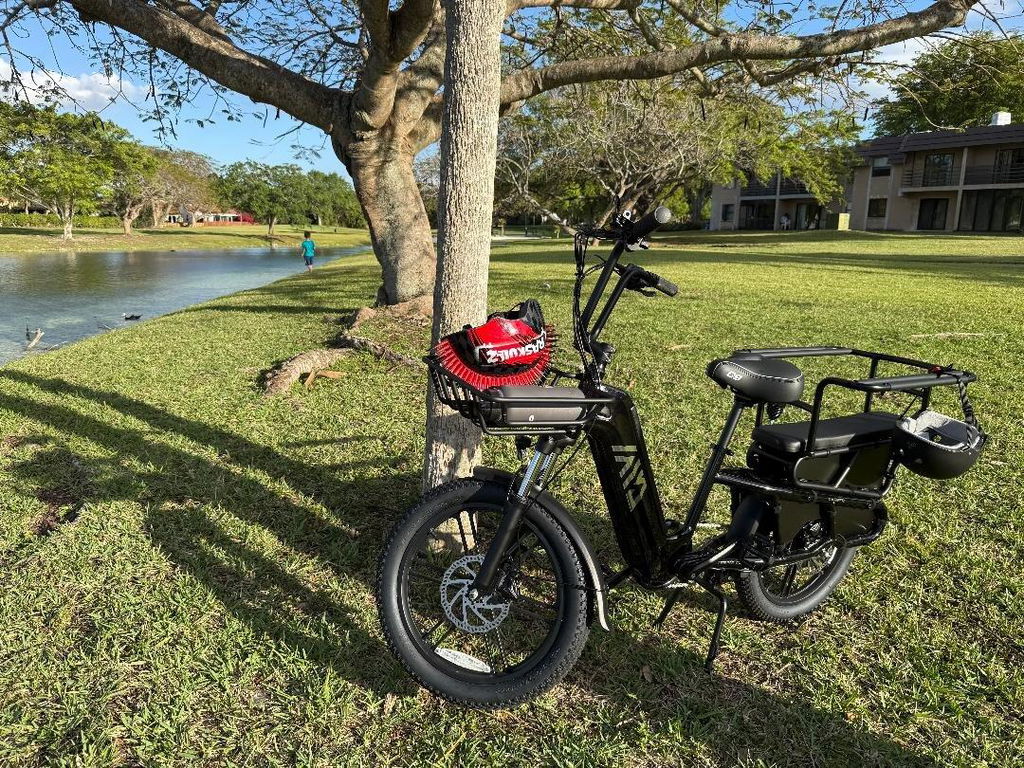
I’ve been really impressed with the TST Carrier / Cargo eBike. For the price, it delivers a ton of value and has quickly become one of the most useful things I own.
The power is excellent. It pulls confidently even with extra weight, and acceleration feels smooth and strong. The range has also been better than expected, easily handling longer rides and daily errands without range anxiety. One of my favorite features is the comfortable passenger seating, especially for kids. It feels secure, stable, and roomy enough that they actually enjoy riding along instead of just tolerating it.
Customer service has also been solid. My bike arrived missing one of the passenger running boards. They first accidentally sent a set of pedals, but they quickly corrected it and mailed the proper passenger running boards. Mistakes happen, what matters is they made it right.
At $899, you truly get a solid, capable cargo eBike that covers the fundamentals extremely well.
That said, there are a few areas that could be improved:
• The passenger running boards could fit better. Installation and alignment feel a bit off.
• The front rack mounting is metal-on-metal. A rubber gasket or plastic spacer would prevent direct contact and reduce wear/noise. Same goes for the running boards
• I’d love to see taller tires. When leaning into turns, you have to keep your feet level and avoid pedaling or you’ll scrape.
• Some components could use a little refinement in overall fit and finish.
Wish list items:
• A headlight + horn combo would be great.
• The small front light works, but it’s pretty basic.
Last thing worth mentioning I was under the impression this was 4" fat tire bike based on every review I watched on it. Didn't notice when I ordered it they had changed it to a 3" tire bike. Probably for range but I would have preferred the look of the 4" tire.
Overall though, those are minor trade-offs considering the price. If you’re looking for an affordable cargo eBike with strong performance, good range, and comfortable kid-friendly seating, this one is an easy recommendation.
R
Performance: EXCELLENT
Value of money score: SUPER WORTH
Recommendation score: HIGHLY RECOMMEND
Improvements: More color options would be nice.
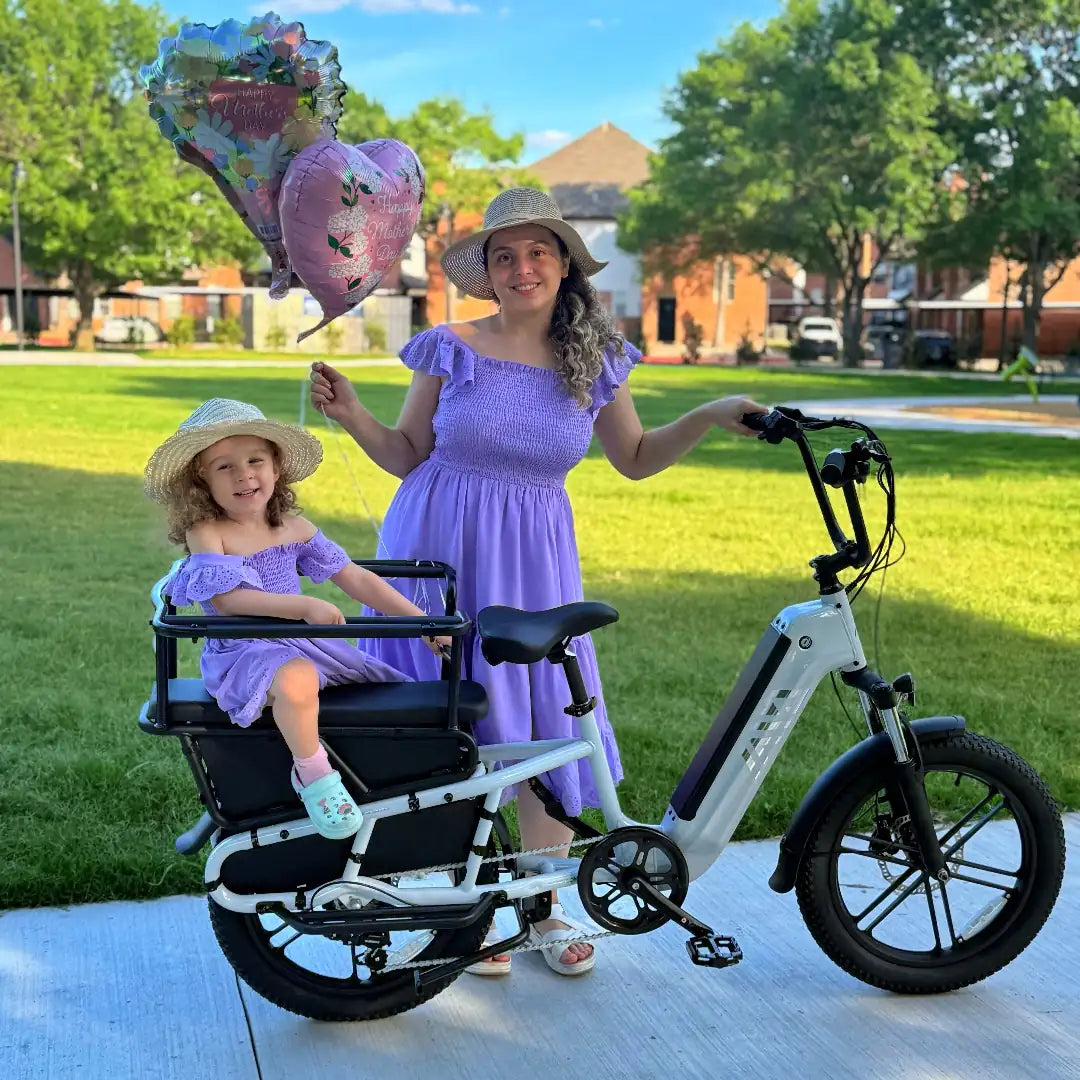
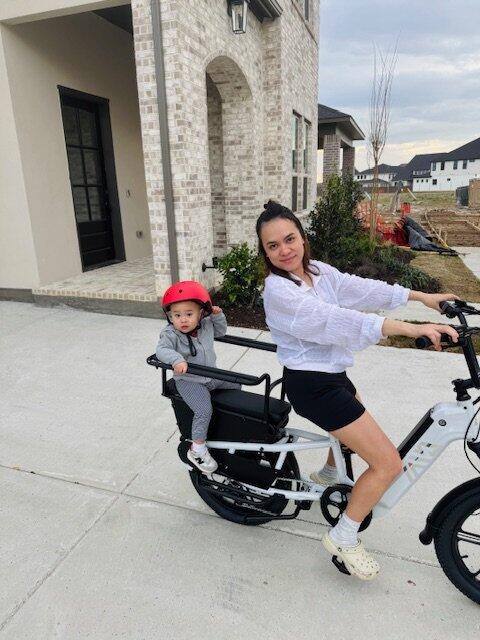
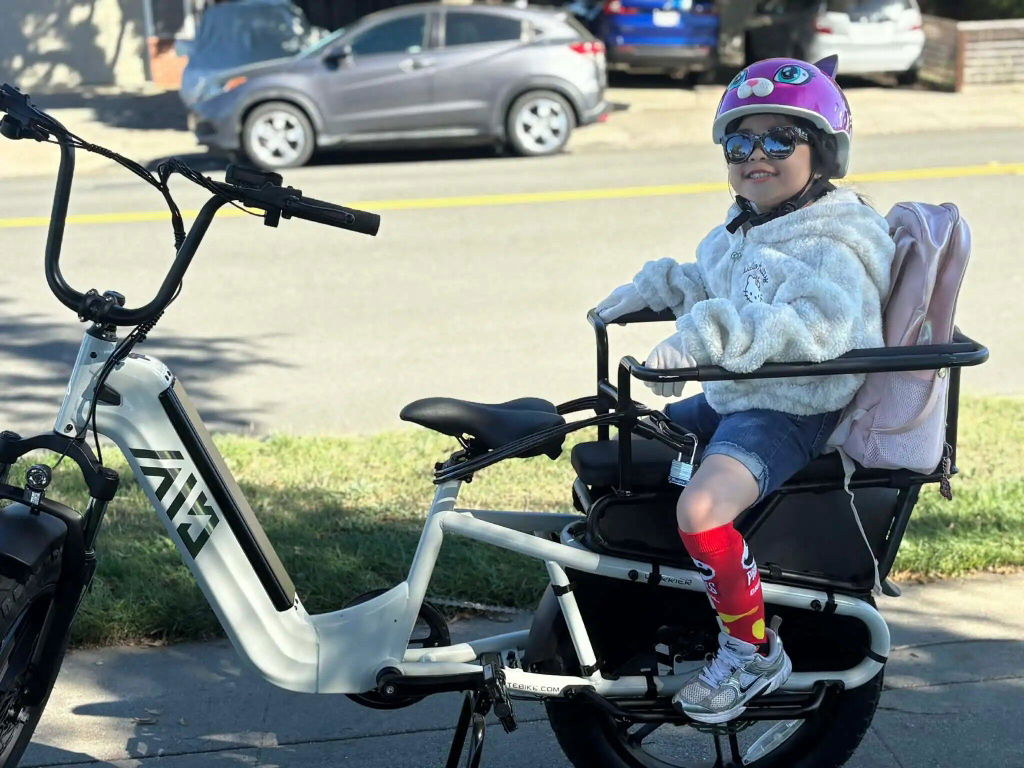
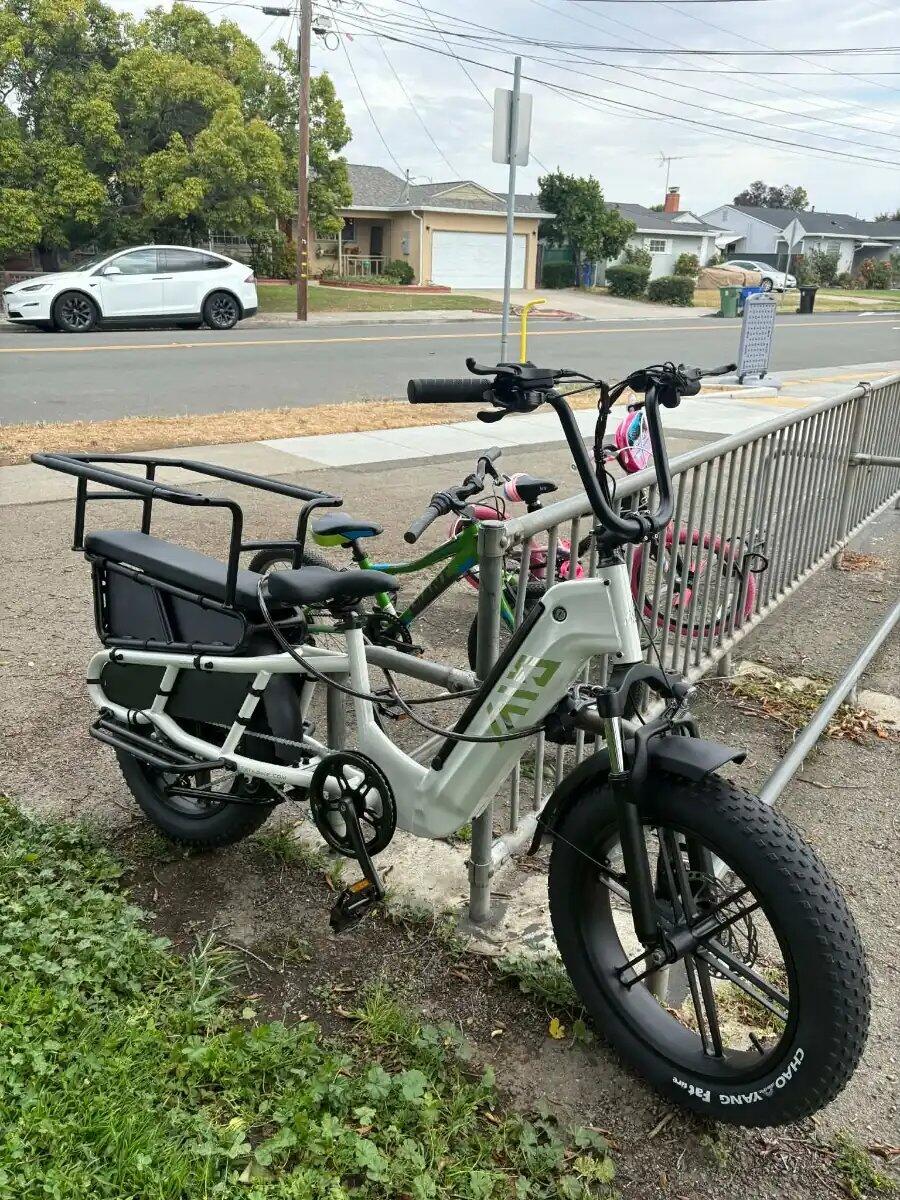
As a mom, this TST CARRIER 20” CARGO ELECTRIC BIKE has been such a huge help. My daughter has so much fun riding with me, and I get to save money instead of relying on Uber. What I appreciate the most is how safe it is for kids. And yes, my e-bike even has a name… we call her Milky!☺️😊😊😊
S
Performance: EXCELLENT
Value of money score: SUPER WORTH
Recommendation score: HIGHLY RECOMMEND
Improvements: Nothing needs to be improved.
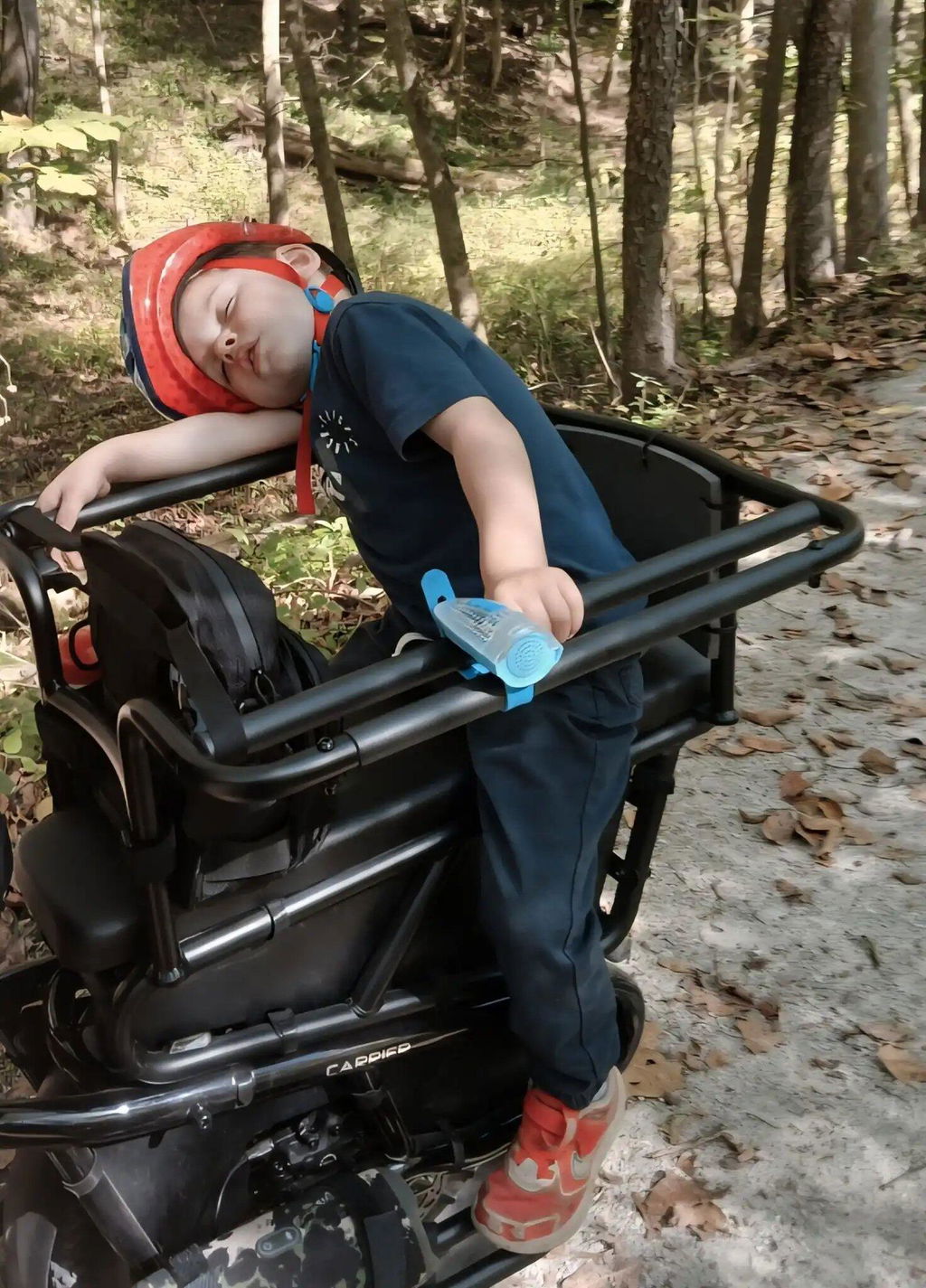
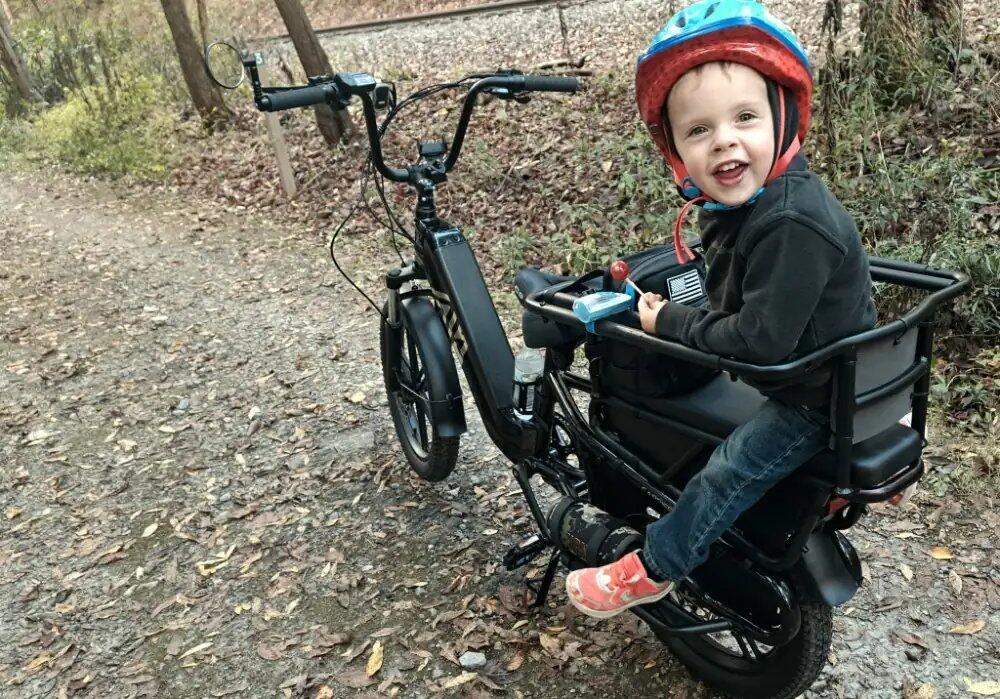
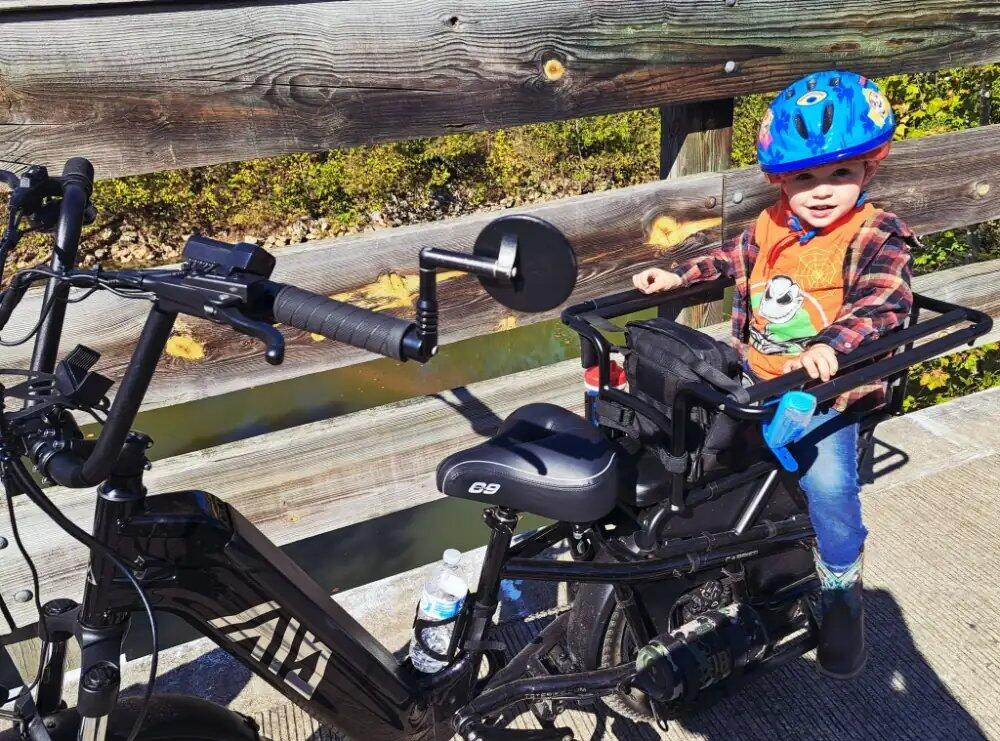
A few months ago, I posted a review of this bike on Instagram. Back then, I’d been using it for about a month and had already ridden nearly 300 miles. Now, after a few more months, we’ve ridden around 1,450 km in total. My 3-year-old and I still absolutely love it! He’s so comfy on it that he’s even fallen asleep a couple of times during rides. Our longest ride so far was 40 miles (about 64 km), and the battery is still going strong. This bike makes every ride so much fun—it really turns even short trips into little adventures!
j
Performance: EXCELLENT
Value of money score: SUPER WORTH
Recommendation score: HIGHLY RECOMMEND
Improvements: Instructions
Instructions were little ehhh, but other than that fun bike!!
A
Performance: EXCELLENT
Value of money score: SUPER WORTH
Recommendation score: HIGHLY RECOMMEND
Improvements: Better seat placement and bigger seat. Better instructions for assembly. Have nuts and bolts taped to were they will be needed.
Had second guesses of getting a family bike for the kids pickup from school. But I went with this one and turned out to be a great choice. I am 250lbs and my kids are 6 and 5. We all fit perfectly on the bike and I am able to maintain a safe rideable experience for us all. It’s a very sturdy bike. I am glad with my choice.
J
Performance: EXCELLENT
Value of money score: SUPER WORTH
Recommendation score: HIGHLY RECOMMEND
Improvements: Adding turning signals in the rear end would be perfect
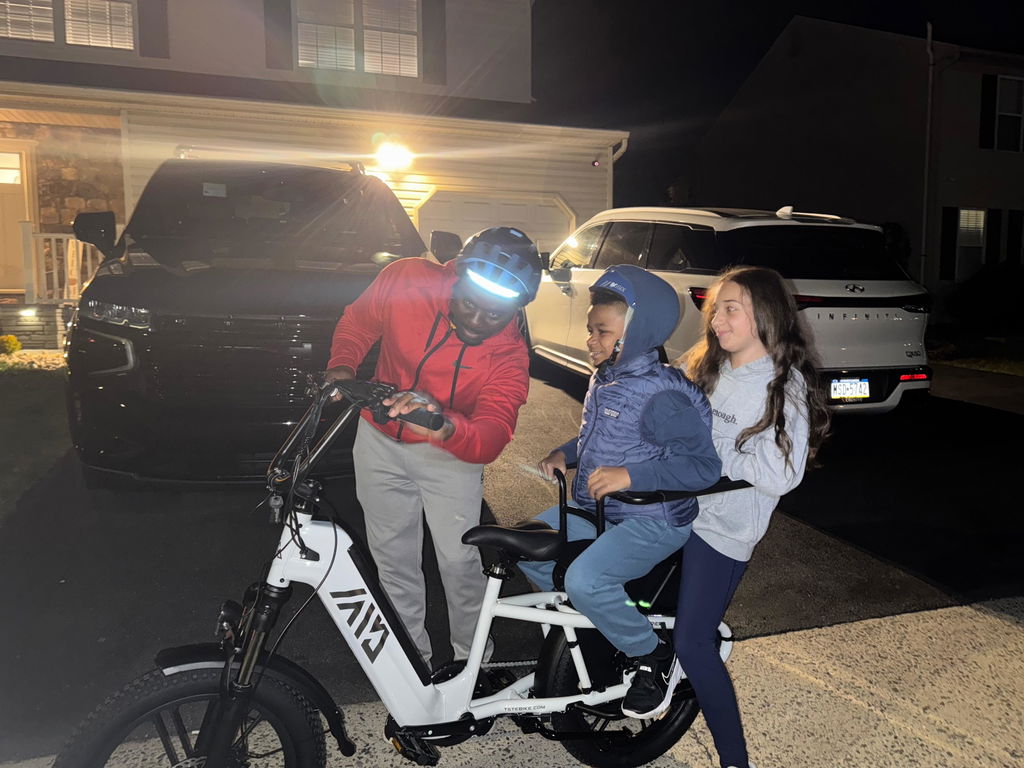
This e-bike has truly transformed our nightly family e-bike rides with my child in my back seat. I get so many compliments and my 6yr old loves the ride. I downloaded the app and got it to go form a 20mph to 28mph now so that’ll be extra fun. Thanks for such great product! Blessings
J
Performance: EXCELLENT
Value of money score: SUPER WORTH
Recommendation score: HIGHLY RECOMMEND
Improvements: Possible early set up and instructions. The manual and video don’t follow the same instructions.
The range is a little lighter than expected but I am riding pretty high speed to and from work up the SoCal coast.
M
Performance: NORMAL
Value of money score: SUPER WORTH
Recommendation score: HIGHLY RECOMMEND
Improvements: Battery disconnect in the rear for maintenance and if there’s a flat. Move rear peg 3-4 inches back for feet while peddling to avoid hitting
I love my new E bike, good speed pick up. Carry my two boys with me equivalent to 100 pounds combined with me at 250. Only recommendation I would say is to add a disconnect from the battery so if there’s a flat or maintance to be done and maybe push back the rear foot peg a little bit further so my big foot doesn’t hit when I peddle. I added a extra front light and rear blinking light, I bought a stronger seat post clamp, I want to add a bar so I can zip tie a pill box for music.i have to say that it’s a lot of bang for your buck
J
Performance: NORMAL
Value of money score: SUPER WORTH
Recommendation score: DEPENDS ON SITUATION
Improvements: Make the gears faster on flat ground
The bike is overall great! However, I would have liked for the gears to give you more speed on flat ground. I’m on the highest setting and the gears are so soft that I use that setting to also go up steep hills. Nonetheless, fabulous bike!
M
Performance: NORMAL
Value of money score: SUPER WORTH
Recommendation score: HIGHLY RECOMMEND
Improvements: Battery disconnect to rear hub
I like the bike so far, put a couple of miles on it so far. I added an extra light in the front for strobe, I added a rear strobe brake light. I took it to a bike store to build for 140 dollars.They said the only downside was there’s no power disconnect to the rear hub so they can’t service it. I’m going to add a phone holder, I bought a dual seat post clamp, I will probably replace the seat for a wider one for comfort. It’s not bad for now. I’m 6’2 250 and ride with my kids 70 pounds and 40 pounds and it does fine
M
Performance: NORMAL
Value of money score: WORTH
Recommendation score: DEPENDS ON SITUATION
Improvements: The parts in the manual are hard to identify.
It has become my son's new favorite.
This is not your fault, but FedEx handled the package roughly; when I received it, the box was open and the parts were scratched. It looked as though the contents had fallen out and been forced back into the box.
A
Performance: NORMAL
Value of money score: WORTH
Recommendation score: DEPENDS ON SITUATION
TST® Carrier 20'' Cargo Electric Bike
M
Performance: EXCELLENT
Value of money score: SUPER WORTH
Recommendation score: HIGHLY RECOMMEND
Improvements: The seatpost shim was short and didn't have a lot of surface area to clamp down on so the seatpost would rotate side to side unless I torqued down the bolt on the quick release lever which defeats the purpose. The spring suspension fork is stiff and harsh. I wouldn't mind paying a little bit more for an entry level RST air fork at least. Other than that, so far so good.
I was looking for a decent cargo e-bike so I could haul my first-grader and toddler to the school bus stop. I like that the TST Carrier was affordable compared to other brands with the same power and range. The components are as fancy as the more expensive brands but the Carrier is affordable enough to leave room in the budget for upgrades. So far I've added a dropper seatpost and nicer seatpost clamp. I've owned it a couple weeks and so far it's been great. I find myself taking it for joyrides between runs to and from the bus stop. The kids were a little scared at first but not they're excited to ride.
L
Performance: NORMAL
Value of money score: WORTH
Recommendation score: DEPENDS ON SITUATION
Improvements: Nothing
The bike feels heavy duty. Had an issue with both wheels not holding air upon delivery but support was helpful in sending a replacement
E
Parts of kids seat did came broken