
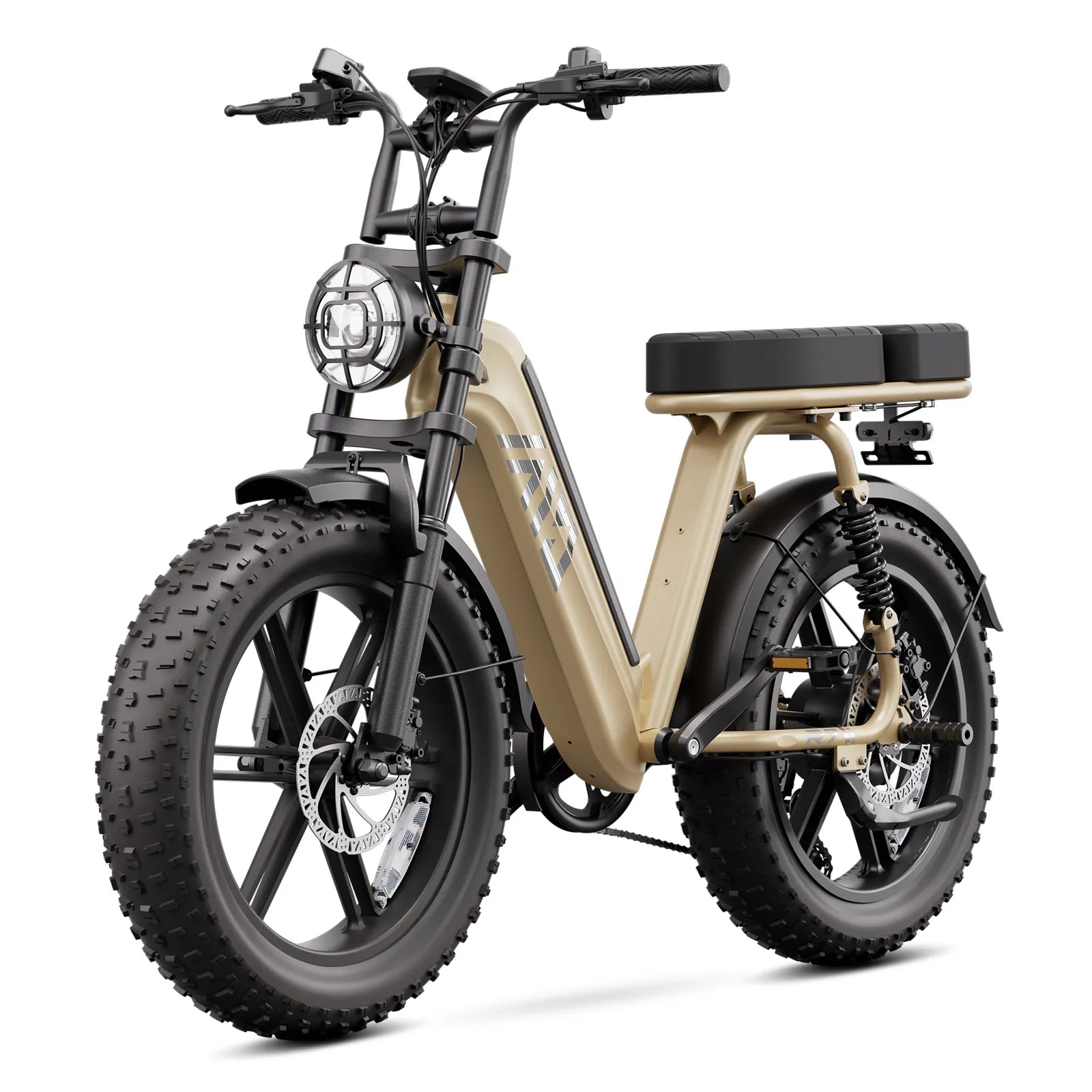
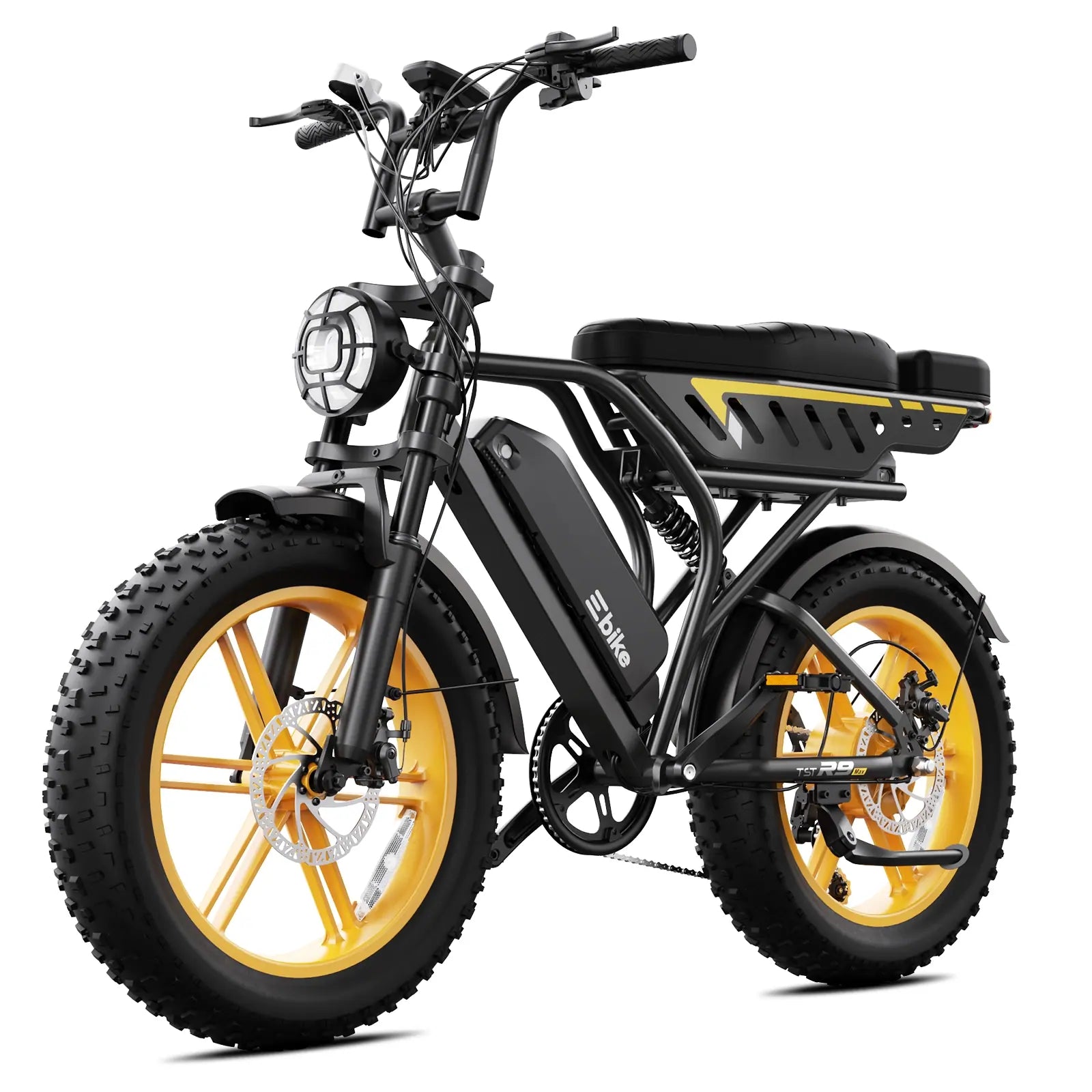
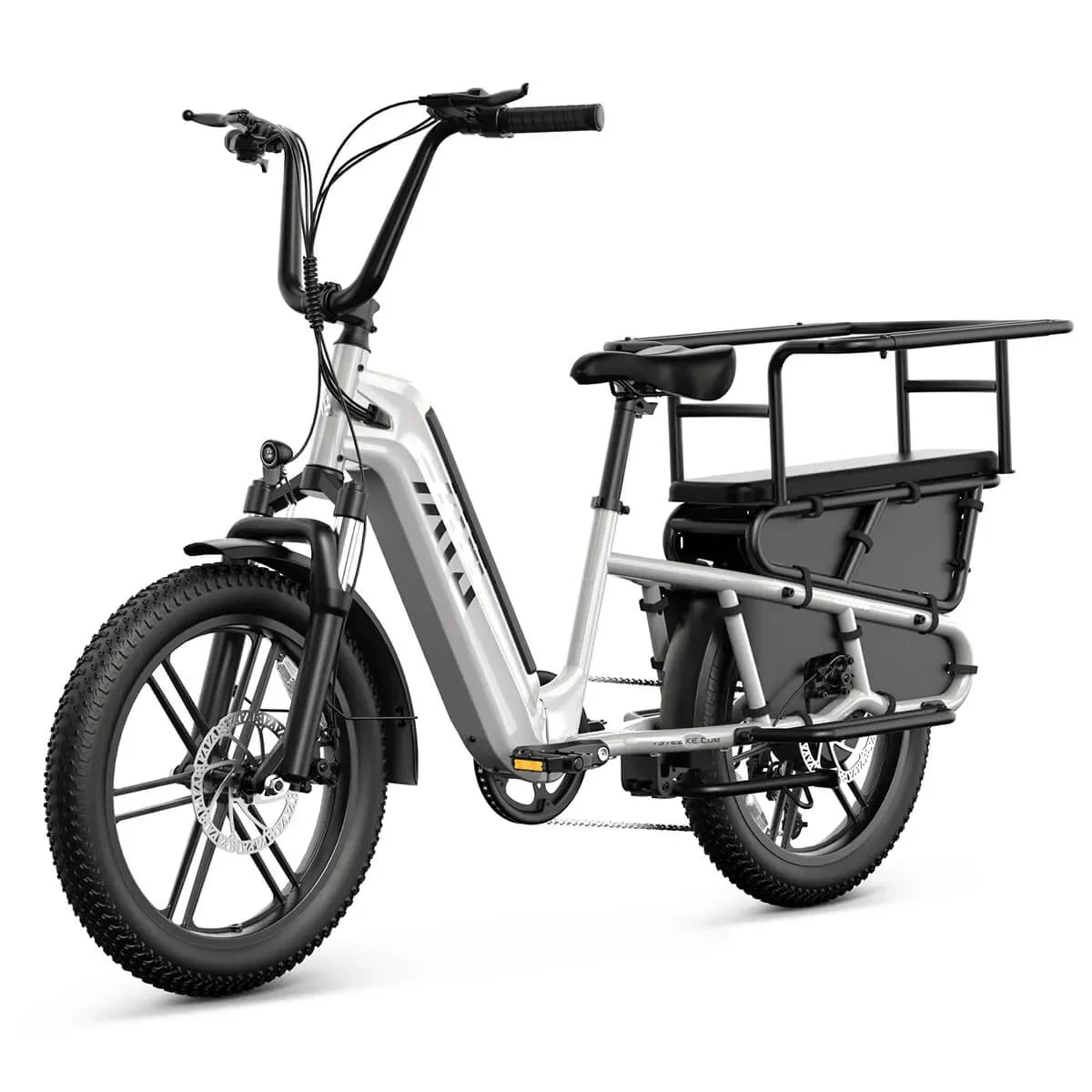
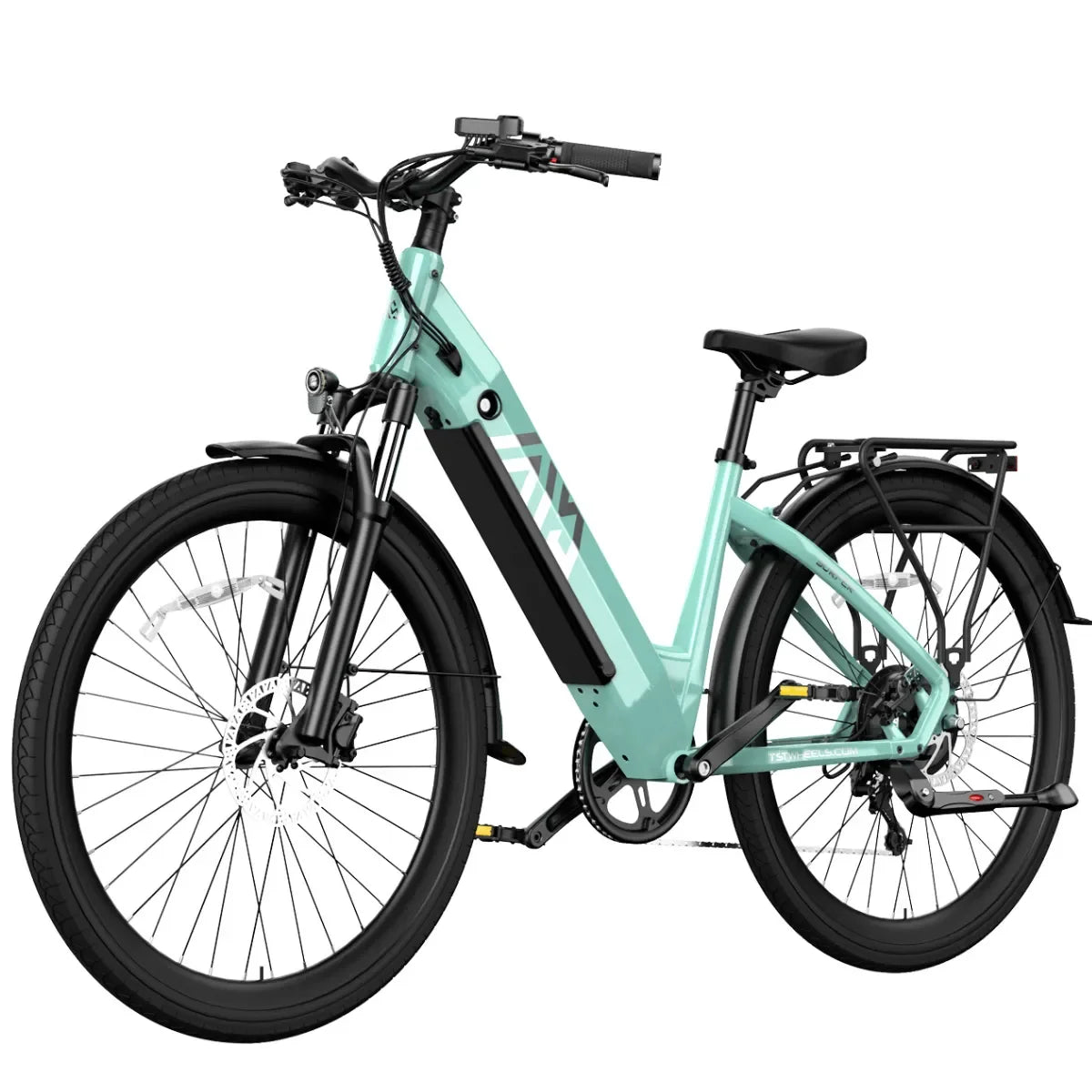
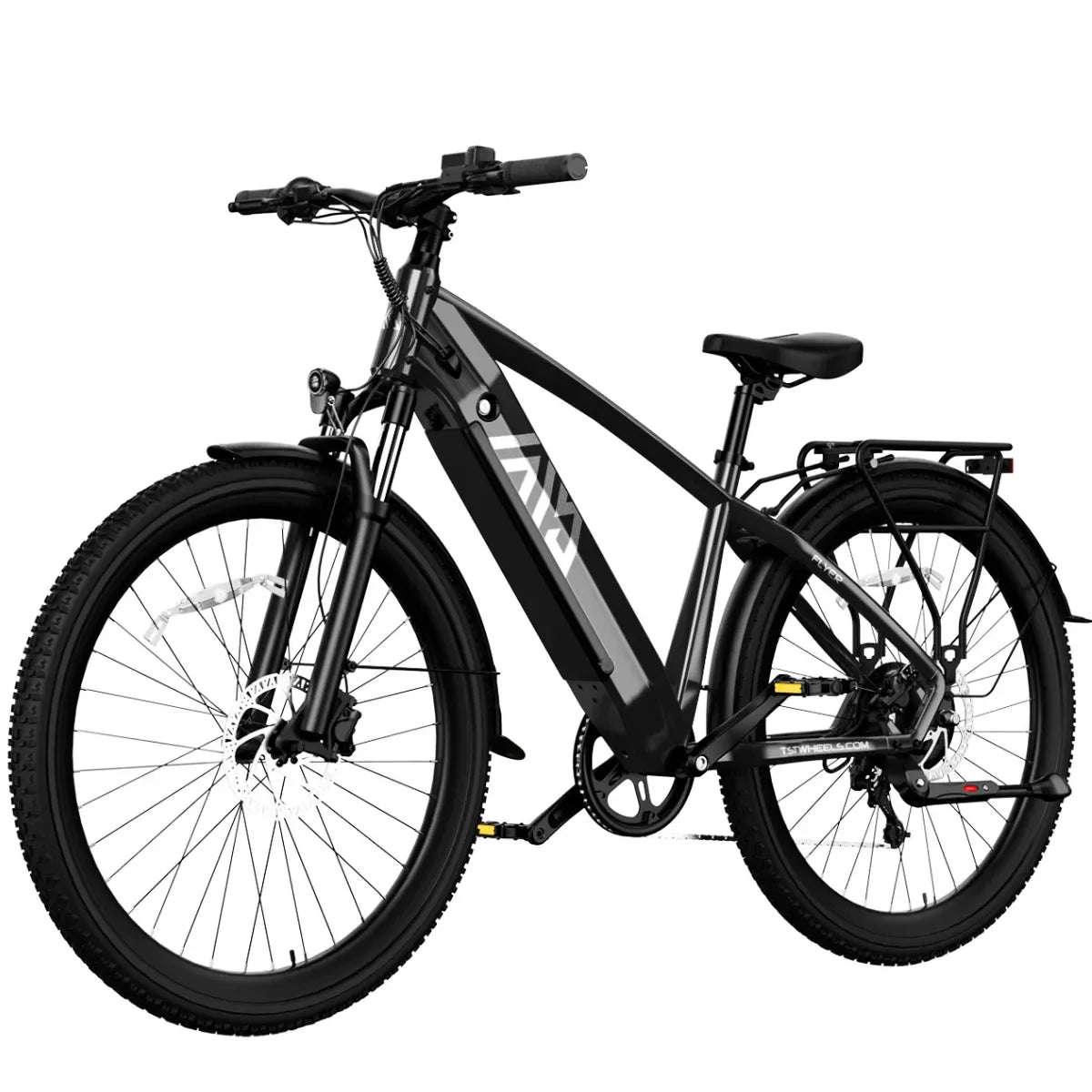
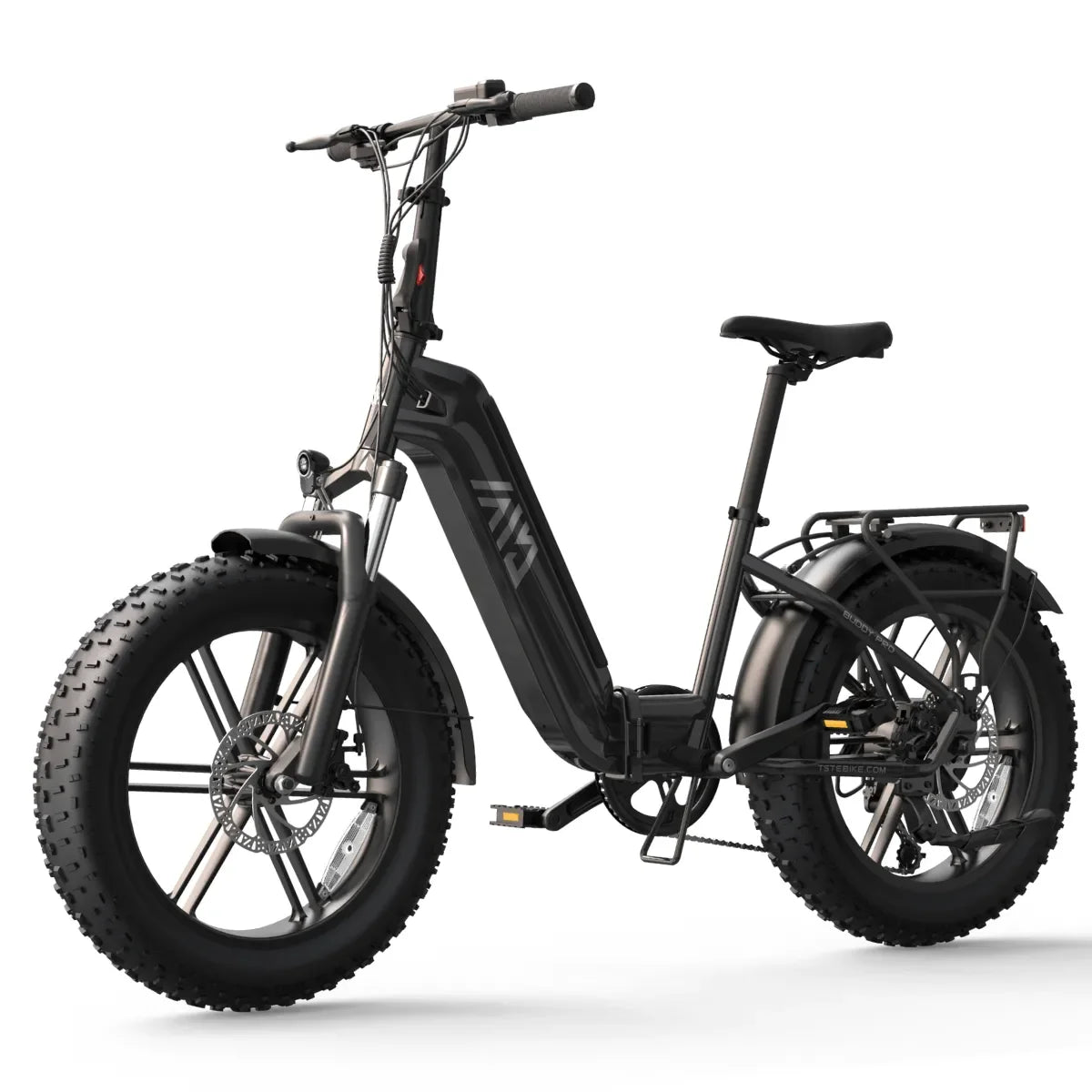
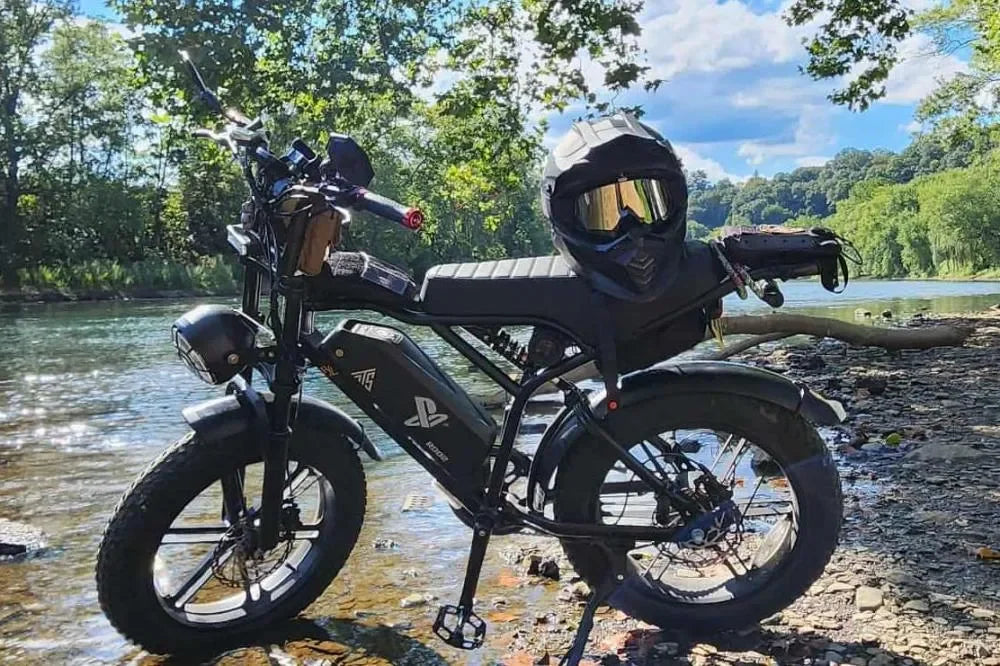
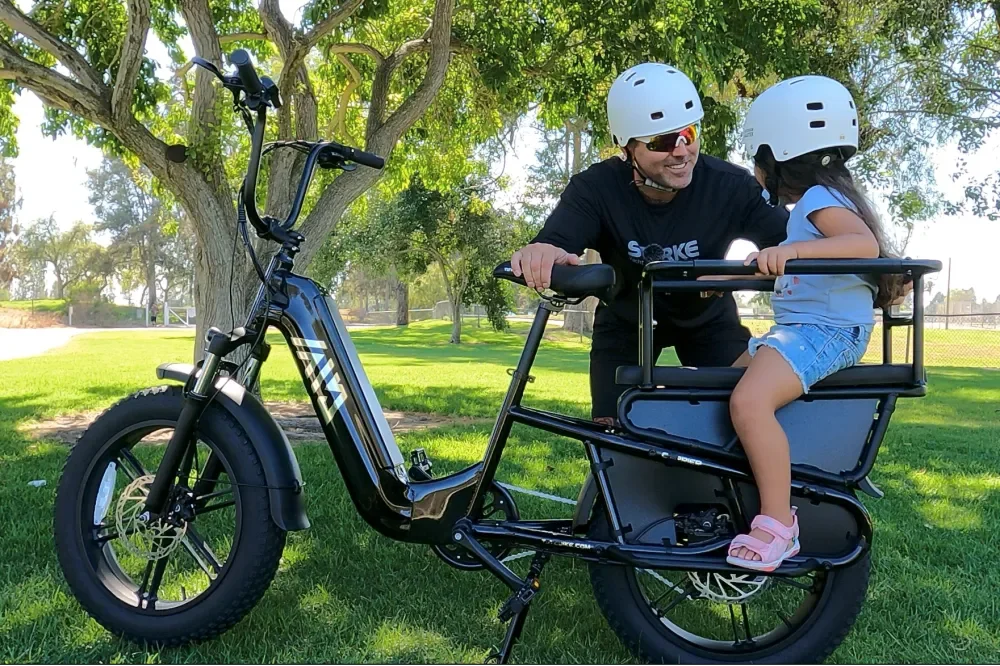
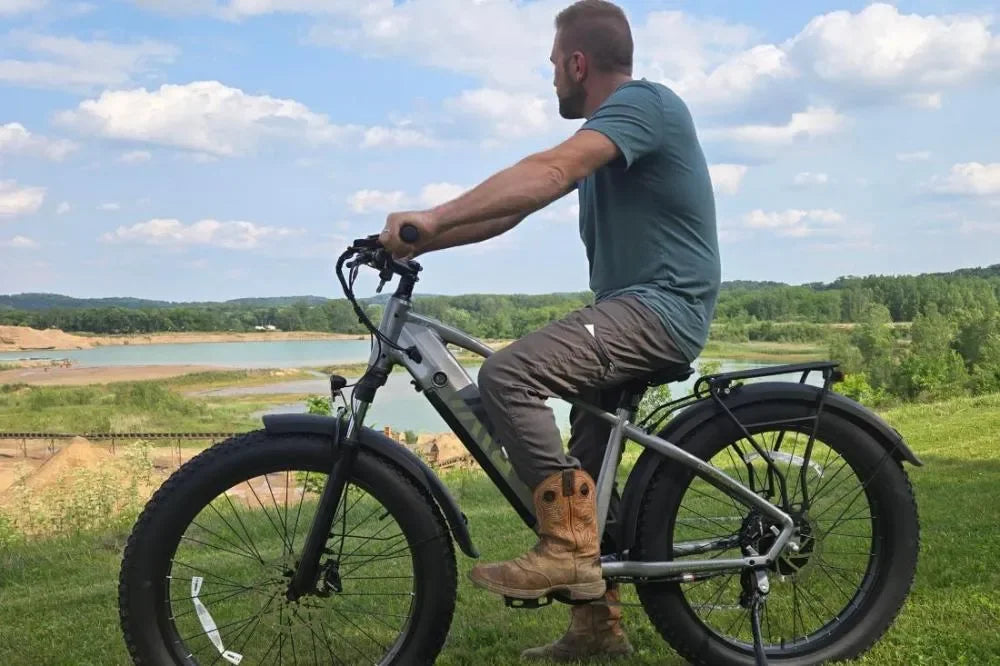
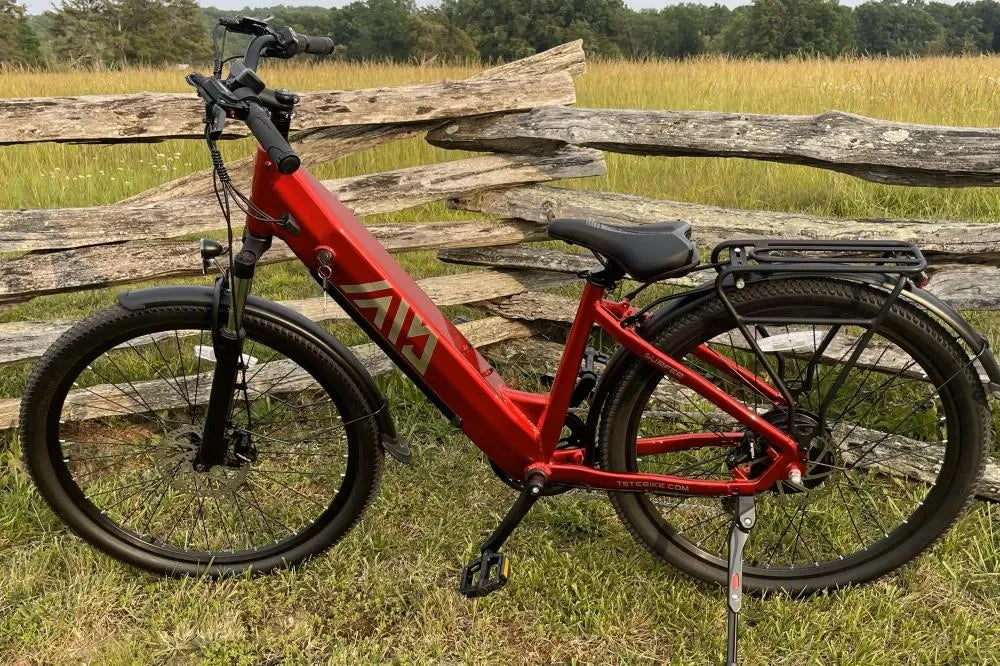
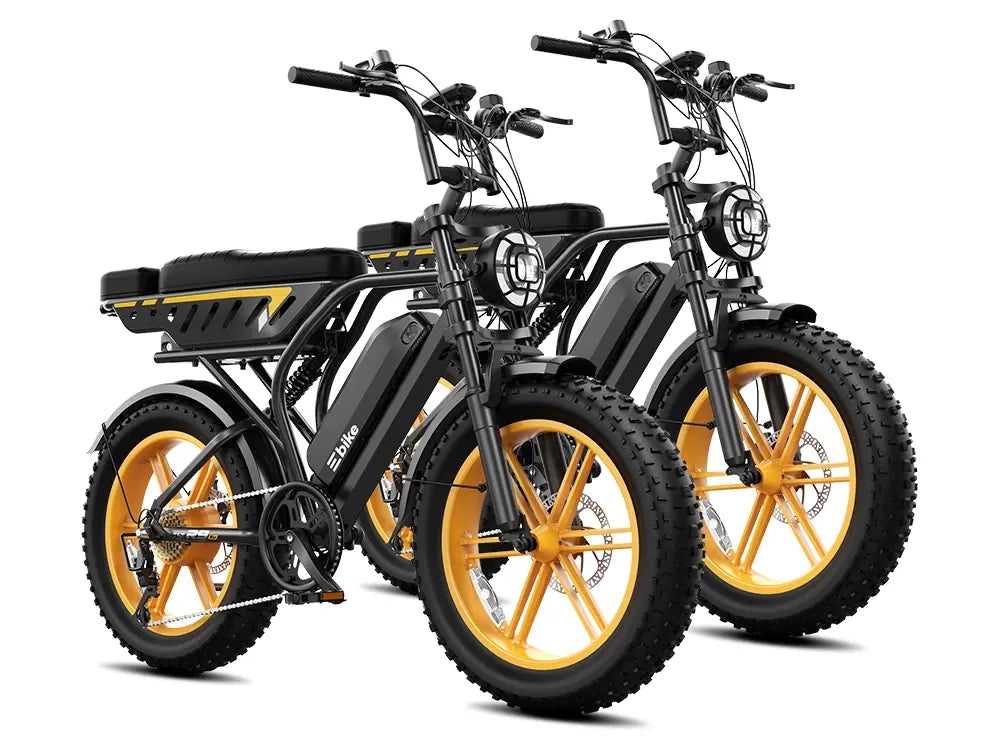
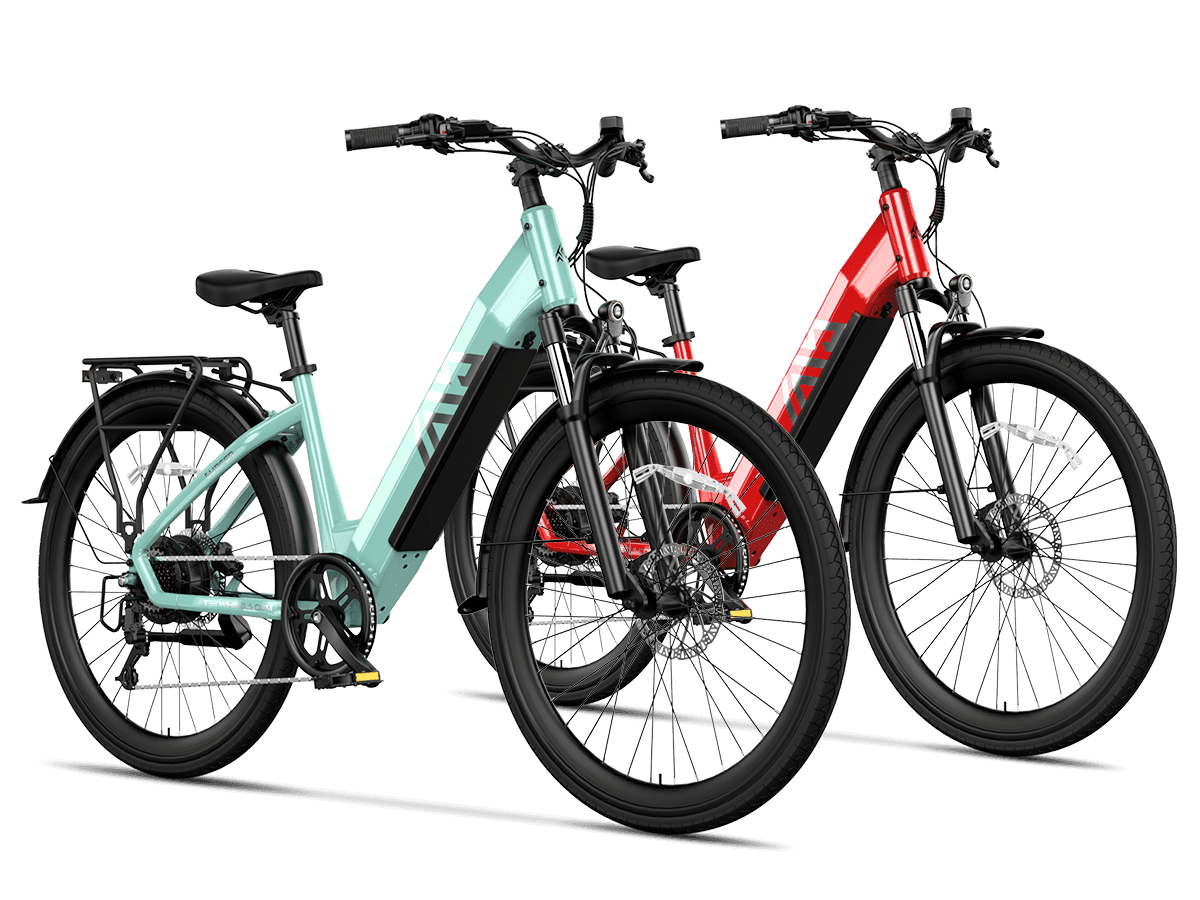
The ideal PSI for e‑bike fat tires depends on tire size, rider weight, and terrain, but most 26×4.0 electric bike tires work best between about 12 and 25 PSI. Lower PSI (10–15) increases grip and comfort on trails, sand, or snow, while higher PSI (18–25) reduces rolling resistance and prevents pinch flats on pavement for daily commuting.
Why is proper e‑bike tire pressure so important?
Proper e‑bike tire pressure is important because it directly affects safety, comfort, speed, range, and flat‑tire risk. Too low PSI causes sluggish handling, rim strikes, and pinch flats, while too high PSI leads to harsh ride, poor grip, and more skids. Correct PSI keeps your electric bike stable, efficient, and resistant to punctures.
In real riding, I see underinflated fat tires fold in corners, squirm on pavement, and smash into rim edges when hitting potholes. Overinflated tires look “fast” in the garage but chatter on rough streets, lose traction on wet paint, and transmit every crack into your wrists and motor mounts. On high‑torque e‑bikes like those from TST EBike, incorrect PSI can even cause premature spoke loosening because of repeated hard impacts.
In the factory, we tune recommended PSI ranges after running loaded drum and obstacle tests at different pressures; we watch not just for pinch flats, but for casing temperature, sidewall folding, and rim stress. That’s why the sidewall shows a broad safe range (for example, 5–30 PSI on many 26×4.0 fat tires), while the “sweet spot” for daily e‑bike use tends to cluster in a narrower band.
What is the recommended PSI range for 26×4.0 fat‑tire e‑bikes?
For most 26×4.0 fat‑tire e‑bikes, a practical PSI range is about 12–25 PSI, with 12–18 PSI suited to off‑road and soft terrain, and 18–25 PSI ideal for city pavement. The printed sidewall range (often 5–30 PSI) defines safe extremes, but the best everyday pressure sits mid‑range, adjusted for rider weight and cargo.
Riders in community tests often start around 15–18 PSI to balance cushioning with sidewall stability on mixed city and trail use. For smoother pavement and range optimization, many bump pressures toward 20–25 PSI, which reduces rolling resistance and helps prevent pinch flats when hitting sharp edges. For deep snow or soft sand, dropping as low as 5–10 PSI is possible on quality fat tires, but that should be reserved for low‑speed off‑road conditions.
When I set up a new 26×4.0 e‑bike in the workshop, I use a simple rule: start near 15 PSI for a 180 lb rider on mixed terrain, add 2–3 PSI if the rider is heavier or carries cargo, and subtract 2–3 PSI for mostly off‑road or soft surfaces. On TST EBike fat‑tire platforms, that usually lands in the comfort sweet spot where the tire deforms just enough to absorb bumps without feeling squishy in turns.
How does ideal PSI differ between commuter narrow tires and fat tires?
Ideal PSI differs significantly: commuter e‑bike narrow tires typically run around 35–55 PSI, while fat tires on e‑bikes often sit between 12 and 25 PSI. Narrow tires need higher pressure to prevent pinch flats and roll efficiently, whereas fat tires rely on lower pressure for grip, comfort, and flotation on rough or soft terrain.
Narrow 700c or 27.5×2.0 commuter tires have smaller air volume and thinner casings, so they require more PSI to keep the rim off obstacles and maintain crisp handling in bike lanes and city streets. Fat tires like 20×4.0 or 26×4.0 bring massive air volume and thick sidewalls, allowing much lower PSI without rim damage, which dramatically improves comfort and traction at e‑bike speeds.
From a design perspective, I treat commuting slicks and fat tires as different tools: one is a high‑pressure “knife” that slices through air; the other is a low‑pressure “pillow” that molds over terrain. TST EBike uses both concepts across its 26‑inch and 27‑inch platforms: higher PSI, narrower tires for efficient daily commuting, and lower‑pressure fat setups when riders prioritize comfort on snow, sand, or broken pavement.
Scannable PSI guide: commuter vs fat‑tire e‑bikes
How does rider weight, load, and speed change the right PSI?
Rider weight, cargo load, and speed change the right PSI because heavier, faster setups need more pressure to prevent rim strikes and sidewall collapse. Lighter riders at low speeds can safely run lower PSI for comfort and grip, while heavier riders or cargo haulers should add several PSI within the tire’s rated range.
A common guideline is to start at a baseline PSI, then add 1–2 PSI for every additional 20–25 lb of combined rider and cargo weight. For example, a 150 lb rider might run 15 PSI in 26×4.0 tires, while a 230 lb rider with a loaded rear rack might prefer 20–22 PSI to keep the tire from bottoming on curbs. Higher average speeds demand firmer tires because impacts become more violent and repeated carcass deformation generates extra heat.
In lab tests, we watch for the “tire squirm line”: at too low PSI, the contact patch elongates excessively and sidewalls buckle slightly, which shows up as vague steering in S‑curve slalom runs. On TST EBike’s high‑power fat‑tire platforms, I lean slightly higher in PSI for heavier riders who use full motor power regularly; the added stiffness keeps the bike tracking true at e‑bike speeds.
What PSI ranges help prevent e‑bike pinch flats?
To prevent e‑bike pinch flats, keep your PSI within the tire’s rated range and avoid running near the absolute minimum, especially under heavy loads. For 26×4.0 tires, staying roughly above 12–15 PSI on pavement significantly reduces pinch‑flat risk, while narrow commuter tires usually need at least 35–40 PSI to protect tubes.
A pinch flat happens when the tire compresses so hard against an obstacle that the tube gets pinched between rim and casing, leaving “snakebite” marks. On heavy electric bikes, underinflation is the number‑one cause; riders often drop pressure for comfort, then hit a sharp edge at speed. Regularly checking PSI with a gauge, not by thumb feel, is essential because fat tires can feel firm even when several PSI too low.
From a maintenance standpoint, I combine proper PSI with puncture‑resistant tires or liners on high‑mileage commuter e‑bikes. TST EBike’s quality control focuses on correct tube installation and rim‑tape coverage from the factory, but if you change tires yourself, make sure the tube isn’t twisted or pinched during mounting, or you’ll chase “mystery flats” regardless of PSI.
How can you set PSI differently for commuting, off‑road, sand, and snow?
You can set PSI by terrain: use higher PSI for commuting on pavement, mid‑range PSI for mixed gravel and trails, and lower PSI for sand or snow. For a 26×4.0 fat tire, that often means 18–25 PSI for city streets, 14–18 PSI for dirt and roots, and 5–12 PSI for deep sand or fresh snow at lower speeds.
On pavement, higher PSI tightens steering, improves efficiency, and reduces casing flex that wastes motor and battery power. On gravel or forest roads, slightly lower PSI lets the tire conform to stones and ruts, increasing comfort and grip. For beach or winter riding, dropping pressure dramatically expands the contact patch so the tire “floats” instead of digging in.
In my workshop, I sketch a simple three‑zone chart on customer invoices: “Road,” “Mixed,” and “Soft,” each with front and rear PSI suggestions. TST EBike’s 26‑inch models tuned for rough terrains like snow and sand generally ship with guidance in that softer range, while their 27‑inch commuter‑oriented bikes are optimized for mid‑to‑high PSI road use.
Terrain‑based PSI cheat sheet (fat and commuter tires)
How often should you check and adjust e‑bike tire pressure?
You should check and adjust e‑bike tire pressure at least once a week for frequent riders, and before any long ride or terrain change. Fat tires and high‑volume e‑bike tires naturally lose a few PSI over time, so regular checks with a gauge ensure you stay in the safe zone for performance and flat prevention.
Air loss is gradual but constant due to permeation through the tube or tubeless setup; a few PSI can disappear in a week, especially with temperature swings. Because fat tires can feel “okay” even when underinflated, relying on thumb pressure is misleading and leads riders to unknowingly run too soft. A compact gauge or pump with an integrated gauge is one of the most valuable tools an e‑bike commuter can own.
In my experience, TST EBike customers who adopt a simple habit—checking PSI every weekend—report far fewer flats and more consistent range. I also recommend a quick visual spin to look for embedded glass or thorns; removing them early prevents slow leaks and blow‑outs that PSI alone can’t stop.
What insider tips help prevent e‑bike pinch flats and other flats?
To prevent e‑bike pinch flats and other flats, maintain proper PSI, use quality puncture‑resistant tires or liners, inspect treads for debris, and ensure correct tube installation and rim tape coverage. Combining the right pressure with protective hardware and careful line choice on rough roads greatly reduces flat frequency.
Shop techs see the same pattern: underinflated tires, cheap tubes, and misaligned rim tape cause repeated flats more often than nails or glass. Upgrading to puncture‑resistant casings or liners, adding sealant, and checking for internal burrs inside the rim transforms reliability, especially on heavy fat‑tire e‑bikes. On powerful platforms, each flat is more than an inconvenience; it risks rim damage and overstressed motors if riders limp home at too low PSI.
When I build or service e‑bikes, I never inflate a newly mounted fat tire just once. I seat the bead, inflate to high end of the safe range to check for bulges or pinch points, then deflate to target PSI. Brands like TST EBike bake similar QC steps into production, which is one reason their bikes tend to arrive with fewer “out‑of‑box” flat issues.
How does PSI affect e‑bike range, speed, and handling?
PSI affects e‑bike range, speed, and handling by changing rolling resistance and tire deformation. Higher PSI generally increases speed and range on smooth surfaces but can reduce grip and comfort. Lower PSI improves traction and shock absorption but slightly lowers top speed and efficiency, especially at higher road speeds.
At the right pressure for your tire and terrain, the contact patch stays compact, and the casing flexes just enough to absorb bumps without wasting energy. Too low PSI makes the tire “squirm,” which not only feels vague in corners but also drains battery faster because the motor works harder to deform the tire every rotation. Too high PSI makes the bike skitter over rough surfaces, forcing you to slow down for comfort and safety.
On TST EBike’s high‑power models, I’ve measured noticeable range differences when riders experiment between 15 and 25 PSI on 4.0‑inch tires over the same city route. Many settle around 18–20 PSI as a compromise: enough efficiency to keep range strong, but still cushioned enough to hit potholes and speed bumps without fear.
TST EBike Expert Views
“When we spec PSI ranges on TST EBike fat‑tire models, we’re balancing three forces: motor torque, rim strength, and real‑world roads. A 26×4.0 tire that’s perfect at 18 PSI on a test drum can feel too harsh on cracked city asphalt or too soft with a 250 lb rider plus cargo. That’s why we validate our recommended PSI window with loaded riders over pothole tracks, curbs, and speed bumps—not just in the lab, but out on California streets where many of our customers actually ride.”
Conclusion: How should you dial in e‑bike PSI for fat tires?
Dialing in e‑bike PSI for fat tires is about matching your tire size, weight, and terrain to a specific, measurable range rather than guessing by feel. For most 26×4.0 electric bike tires, 12–25 PSI covers everything from snow and sand to city commuting; within that window, fine‑tune in 1–2 PSI steps until the bike feels stable, quick, and comfortable.
Brands like TST EBike design 26‑inch models for low‑PSI performance on rough terrain and 27‑inch models for higher‑pressure commuting, but your pump and gauge ultimately determine whether you unlock that engineering or fight against it. Check PSI weekly, adjust for load and terrain, and pair correct pressure with puncture‑resistant hardware; do that, and you’ll dramatically extend tire life, reduce flats, and get more range and fun out of every charge.
FAQ
Can I just use the max PSI printed on my e‑bike tire?
No. The sidewall max is a safety limit, not the ideal daily setting. Running at max PSI often makes the ride harsh and reduces grip; aim for a mid‑range value suited to your terrain.
Does lower PSI always mean better comfort on a fat‑tire e‑bike?
Lower PSI usually improves comfort, but go too low and you risk pinch flats, vague handling, and rim damage. Stay within the recommended range for your tire and adjust in small steps.
Should front and rear e‑bike tires have the same PSI?
Not necessarily. Many riders run slightly higher PSI in the rear, especially on e‑bikes where the motor and most rider weight sit over the back wheel. A 2–3 PSI difference is common.
Are digital gauges more accurate for e‑bike tire pressure?
Yes, digital gauges are usually easier to read and more precise at low fat‑tire pressures. They help you hit specific targets like 15 or 18 PSI, which is hard to do by feel alone.
Can tubeless setups change the ideal PSI for fat‑tire e‑bikes?
Tubeless setups can safely run slightly lower PSI because there’s no tube to pinch, and sealant can stop small punctures. You still need to stay within the tire’s rated range and monitor sidewall stability.

Leave a comment
This site is protected by hCaptcha and the hCaptcha Privacy Policy and Terms of Service apply.