

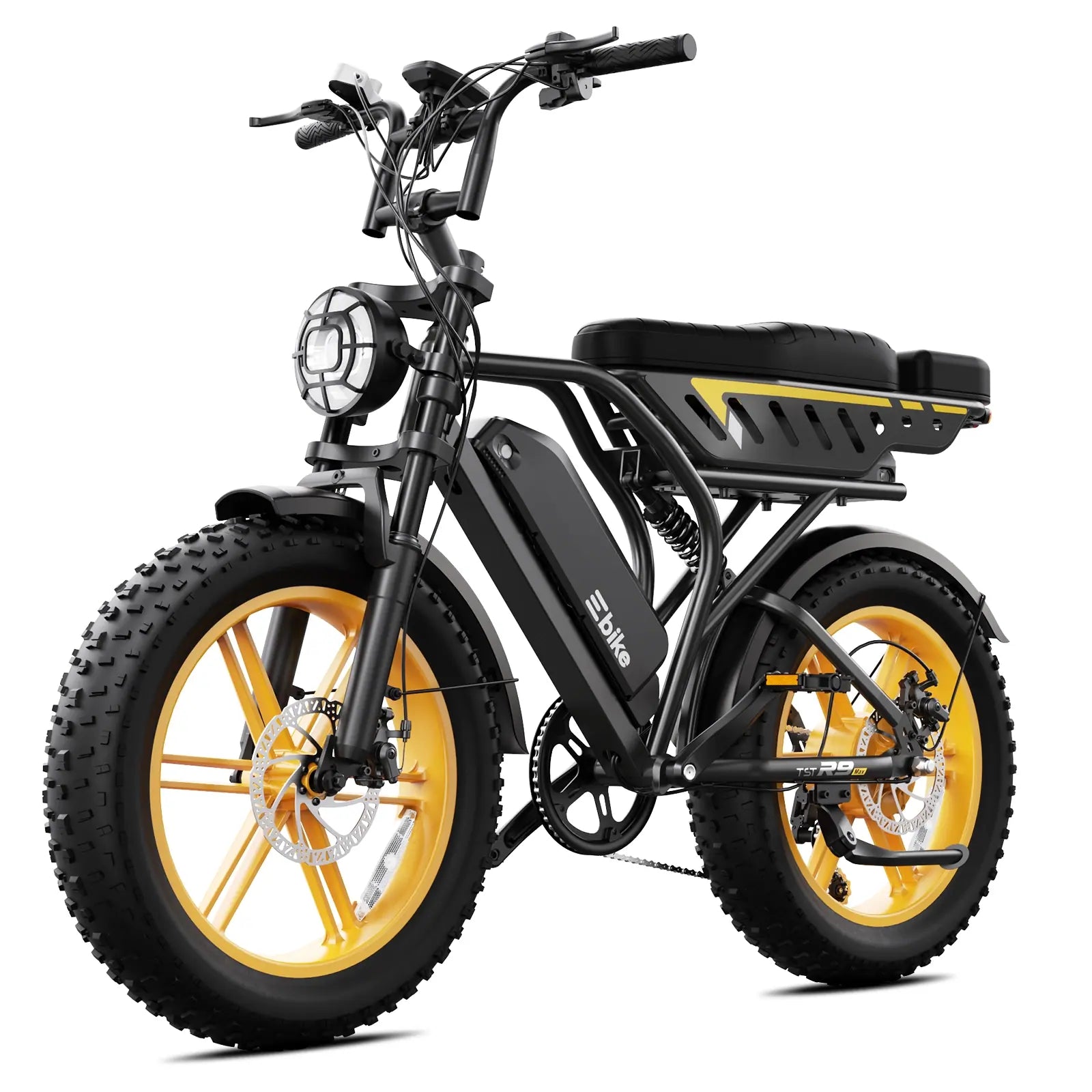
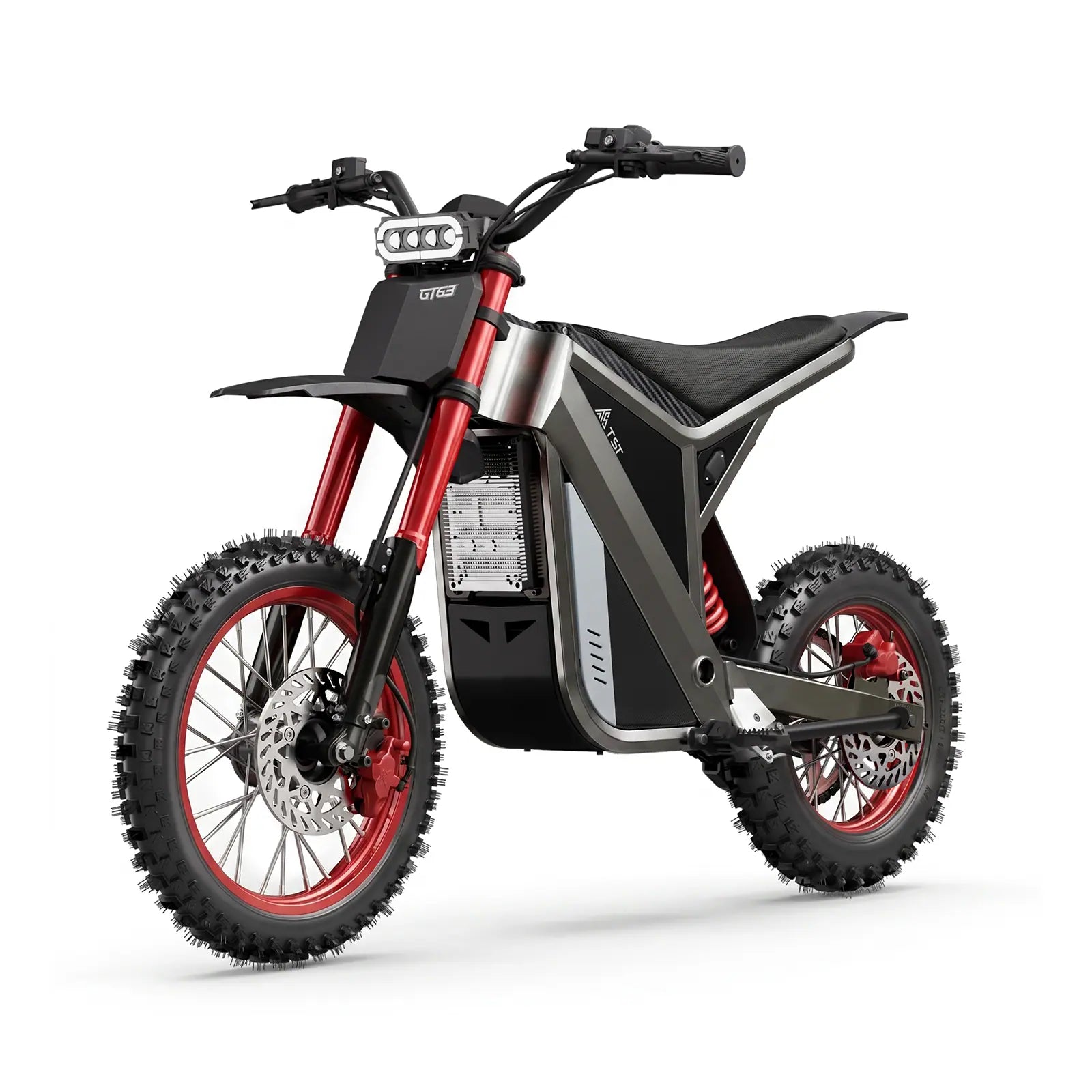









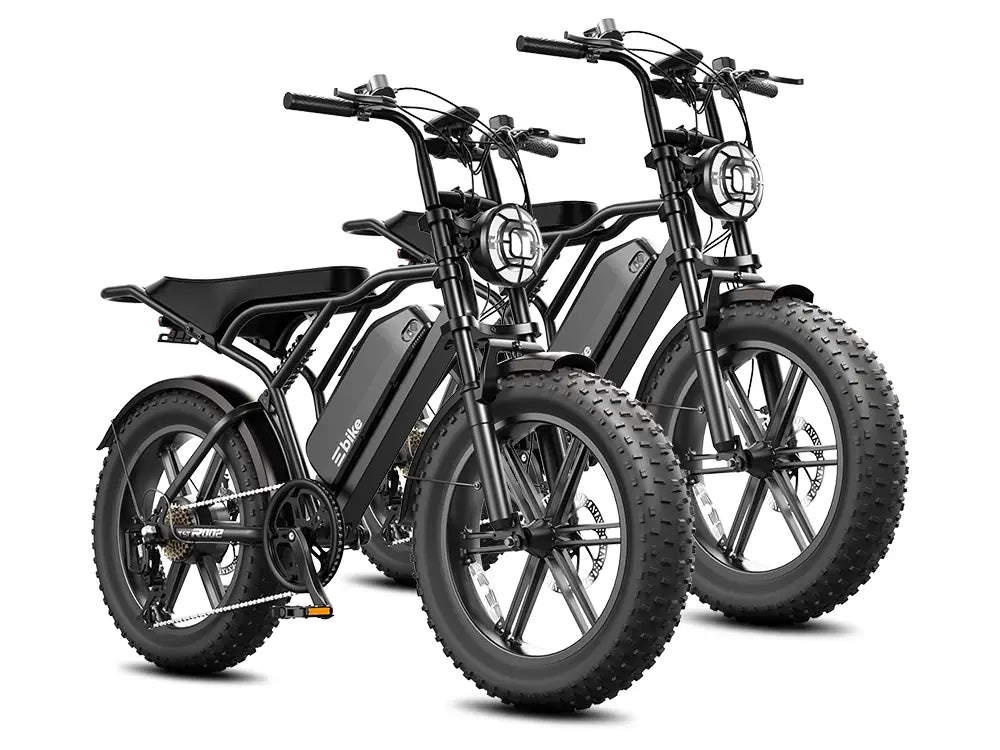
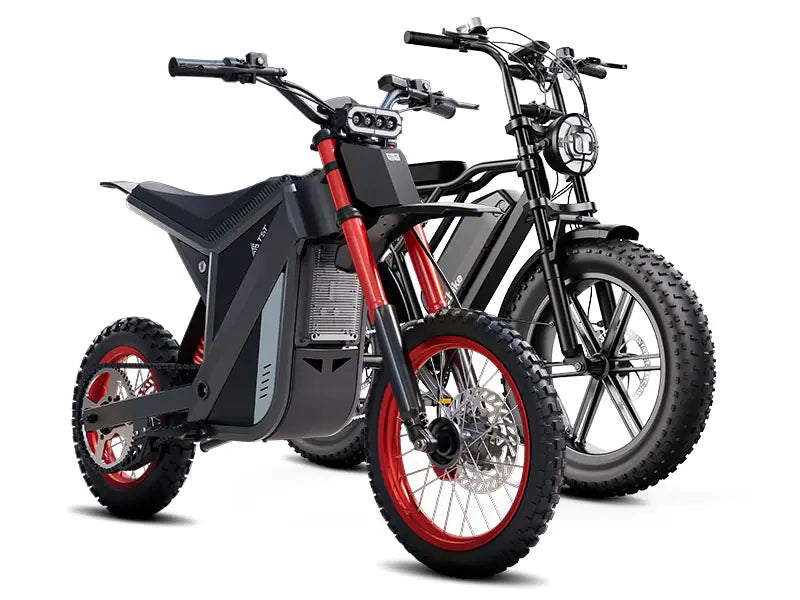

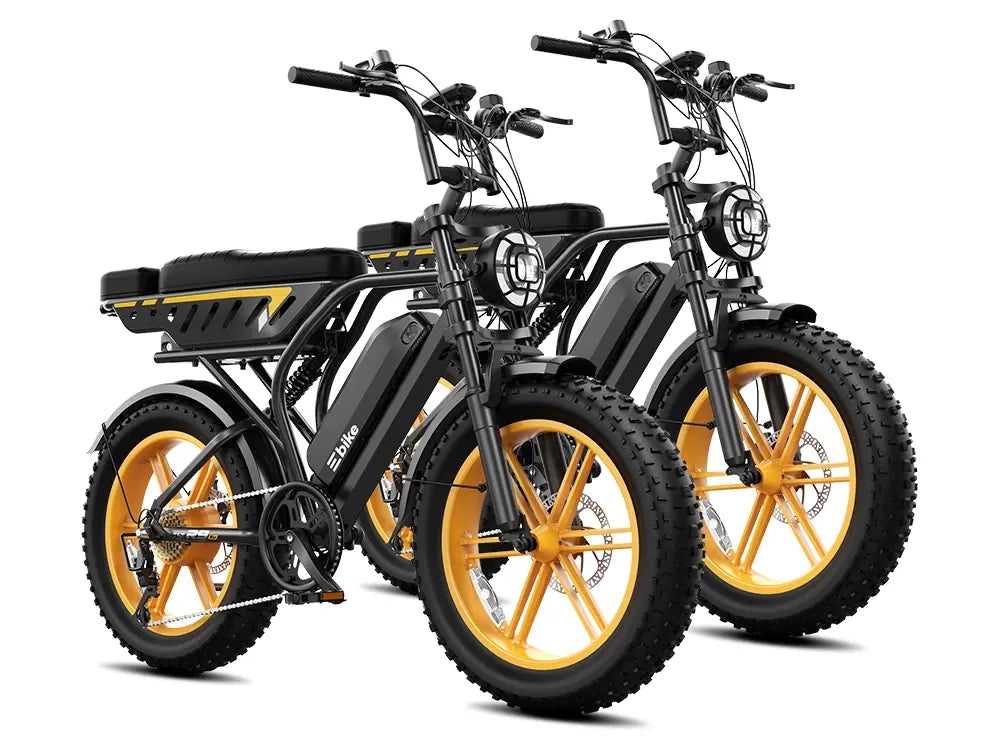

Class 1 e‑bikes provide pedal assist up to 20 mph and are widely allowed on multi‑use paths, while Class 3 e‑bikes assist up to 28 mph and are typically limited to streets and bike lanes. Class 3 offers faster, more efficient commuting, but Class 1 wins for mixed paths and relaxed rides.
What defines a Class 1 and Class 3 e‑bike?
A Class 1 e‑bike is pedal‑assist only, with the motor cutting off at 20 mph, and no throttle allowed. Class 3 is also pedal‑assist focused but supports assisted speeds up to 28 mph, often with added safety equipment like speedometers and better brakes. Both are regulated as bicycles in most regions rather than as mopeds.
From an engineering view, Class 1 controllers are tuned for smoother low‑to‑mid speed torque delivery, optimizing efficiency around 12–18 mph. Class 3 controllers, by contrast, extend the power band, sustaining higher wattage closer to 25–28 mph while keeping motor and battery temperatures in safe limits. This tuning difference is why Class 3 bikes feel “eager” at speed, whereas Class 1 bikes feel calm and progressive.
On the shop floor, I routinely see riders underestimate how significant that extra 8 mph feels. At 28 mph, aero drag almost doubles versus 20 mph, so a well‑designed Class 3 e‑bike must run higher‑quality bearings, stiffer frames, and more robust hydraulic brakes to stay composed at speed. This is one reason serious commuter brands, including TST EBike, often spec higher‑end components on their faster models.
How do speed limits of 20 mph vs 28 mph really change your commute?
The jump from 20 mph to 28 mph can cut commute times noticeably, especially on routes over 8–10 km where you can stay near top assisted speed. At 20 mph, a 10‑mile commute is roughly a 30‑minute ride; at 28 mph, it drops closer to 22 minutes, assuming clear bike lanes and minimal stops.
In urban reality, you rarely hold max speed from door to door. Instead, I look at “moving average speed,” which includes accelerations, decelerations, and mild headwinds. Class 1 commuters often sit around 14–16 mph average, while experienced riders on a Class 3 can hold 18–21 mph on the same route with the same effort. Over a week, that’s easily an hour of commuting time saved.
The crucial nuance: that extra speed must be matched with control. At 28 mph, small setup details—tire compound, casing stiffness, rotor size, and even handlebar width—change stability. On well‑built Class 3 commuters from brands like TST EBike, you’ll see 180 mm rotors and reinforced rims precisely because the engineering team expects sustained higher speeds, not occasional sprints.
Typical commute time difference (example)
Assumes mostly clear bike lanes with few long stops and a reasonably fit rider.
Why is a Class 3 e‑bike often the most efficient choice for city commuting?
Class 3 e‑bikes are often the most efficient commuter choice because they better match the speed of urban traffic flows, cutting travel time without requiring car‑like costs or licensing in most regions. They also maintain momentum on rolling terrain, reducing how often you have to work hard to stay with the flow.
From a systems engineering standpoint, running a motor at 60–70% of its peak continuous rating at 22–24 mph is often more thermally efficient than pushing a Class 1 motor close to its limit at 20 mph into a headwind. Many Class 3 commuter motors are tuned for higher continuous torque at cadence ranges between 70–90 rpm, which is where experienced commuters like to spin.
In practice, when I set up daily riders in busy cities, the fastest, least stressful setups are almost always legal Class 3 commuters with slick or semi‑slick tires, strong lights, and predictable hydraulic brakes. TST EBike’s higher‑power commuter platforms are built exactly for this 20–28 mph “comfort band,” where you roll with traffic but still feel like you’re riding a bicycle, not piloting a moped.
How do regulations affect where Class 1 and Class 3 e‑bikes are street‑legal?
Class 1 e‑bikes are typically allowed on bike paths, multi‑use trails, and urban bike lanes because of their 20 mph assist cap and lack of throttle. Class 3 e‑bikes are more often restricted to streets and on‑road bike lanes, with bans or limits on shared paths due to their higher 28 mph assisted speed.
Municipal planners worry about speed differentials on crowded paths, so even when Class 3 bikes are technically legal, local rules may forbid them on narrow greenways. Before recommending a bike, I always look at three layers: state or national e‑bike class law, city‑level path rules, and, in some cases, park‑specific regulations along a rider’s route.
Many riders quietly “de‑rate” a Class 3 bike to Class 1 settings for mixed‑use path segments, then restore full Class 3 support for road sections. That only works if the bike’s firmware supports multiple legal profiles and if you, as the rider, take regulations seriously. Brands like TST EBike increasingly provide configurable speed profiles in their controllers precisely to help riders stay compliant without sacrificing performance where it’s allowed.
Does a Class 3 e‑bike require a license, plate, or insurance?
In most regions that formally recognize Class 1–3 e‑bike systems, Class 3 e‑bikes do not require a driver’s license, license plate, or traditional vehicle insurance, as long as they meet power and speed limits and remain pedal‑assist. However, local laws vary, and some countries or states treat faster or modified e‑bikes more like mopeds.
From a compliance engineering perspective, the critical thresholds are usually: maximum assisted speed, continuous motor power rating, and whether the bike can propel itself without pedaling via a throttle above low speeds. If you derestrict a Class 3 bike or add a high‑speed throttle, you can easily push it outside the legal e‑bike envelope, making it your responsibility to meet moped or motorcycle rules.
Even where no insurance is mandated, I strongly recommend that daily Class 3 commuters look into personal liability coverage that explicitly includes e‑bikes. You’re moving at speeds similar to a slow scooter; having protection in case of an incident is simply smart risk management, especially if you ride in dense traffic.
What are the key performance differences between Class 1 and Class 3 e‑bikes?
Key performance differences include top assisted speed, acceleration profile, hill‑climbing behavior, and thermal stability on long, fast segments. Class 3 bikes generally offer stronger mid‑to‑high‑speed assistance, while Class 1 bikes focus on smooth, efficient low‑speed support around 10–16 mph.
In lab testing, we often see Class 3 commuter motors built with slightly thicker copper windings and better stator lamination to handle sustained currents at higher speeds without overheating. Controllers typically run more advanced thermal derating curves, stepping power down gracefully to avoid abrupt cutouts on long climbs or hot days.
For the rider, this translates into Class 3 bikes that “hold” speed better on long bridges or gentle highway‑parallel bike lanes. Class 1 bikes, especially those optimized like many TST EBike 27‑inch commuter platforms, shine in varied use—stop‑and‑go city cores, short ramps, and shared paths—where comfort and predictable assistance matter more than sheer speed.
How do Class 1 and Class 3 e‑bikes differ in range and battery wear?
Class 3 e‑bikes generally consume more energy per mile at higher speeds because aerodynamic drag increases sharply above about 18 mph. As a result, the same battery capacity will usually deliver fewer miles on a Class 3 bike ridden near 28 mph than on a Class 1 ridden around 18–20 mph.
However, range is highly sensitive to riding style. A rider who cruises a Class 3 commuter at 20–22 mph using moderate assist can equal or beat the range of an aggressive Class 1 rider in maximum assist mode into a headwind. The real‑world trick is to reserve top assist levels for headwinds or time‑critical segments and use middle assist levels for most of your ride.
Battery wear is more about cumulative charge cycles and how often you hammer the pack to maximum current than the class label itself. On the factory floor, we see Class 3 riders who constantly ride max power needing pack replacement sooner than smoother riders, regardless of bike class. Good BMS (Battery Management System) design, as used in TST EBike packs, helps mitigate high‑load stress by monitoring cell temperature and balancing cells during charging.
Approximate range impact by speed (same battery, same rider)
Actual numbers depend on terrain, rider weight, wind, and tire setup.
Which rider types benefit most from a Class 1 vs a Class 3 e‑bike?
Class 1 e‑bikes suit riders who use mixed paths, value a relaxed pace, and prioritize comfort and access over outright speed. Class 3 e‑bikes are ideal for experienced commuters who ride mostly on streets and bike lanes, want to shorten their daily travel time, and are comfortable managing higher speeds.
If your daily route runs heavily through parks, river trails, or shared paths with pedestrians, a Class 1 bike will usually be both legal and socially appropriate. The riding posture and tuning of many Class 1 commuters encourage upright, stable cruising where you can easily react to unpredictable movements around you.
In contrast, if your typical day means 10–20 km along paint‑separated bike lanes beside cars, a Class 3 bike lets you flow with traffic instead of being constantly overtaken. When I fit riders with such “linear” commutes, I often lean toward 27‑inch Class 3 commuters with slightly longer wheelbases, similar to how TST EBike designs its higher‑speed models to feel planted yet agile.
How should you decide between Class 1 and Class 3 for your specific commute?
Start by mapping your exact route and noting how much of it is on shared paths versus protected bike lanes or roads. If more than half your ride is on multi‑use paths with speed restrictions, Class 1 is usually the safer and more compliant choice; if most of your ride is in lanes and streets, Class 3 likely gives better overall efficiency.
Next, consider your comfort with speed. If 28 mph on two wheels feels intimidating today, you might begin with Class 1 and reassess later. On the other hand, if you already ride a road bike at 18–20 mph averages, a Class 3 e‑bike will feel natural and simply stretch your range and reduce fatigue.
I always ask riders about their parking, too. High‑speed commuters tend to ride farther from city centers, leaving bikes in workplace racks or indoor storage. In that scenario, a robust Class 3 commuter from a brand like TST EBike, with strong theft‑resistant features and durable components, pays off over years of high‑mileage use.
What design choices make a Class 3 commuter safer and more stable at higher speeds?
Key design choices include a stiffer frame, longer wheelbase, wider handlebars, stronger brakes, and tires optimized for high‑speed stability and puncture resistance. Well‑tuned Class 3 commuters also use refined motor mapping so acceleration feels progressive, not jerky, at 20–28 mph.
On the production line, we often specify thicker head tubes, larger‑diameter steerer tubes, and higher‑grade fork crowns for Class 3 frames to prevent flex during hard braking. Paired with 27‑inch or 700c wheels, this gives a confident, “on rails” feel at speed, which is essential for dodging potholes and reacting to traffic.
Lighting and visibility are non‑negotiable. Integrated high‑lumen front lights wired directly to the main battery, brake‑activated rear lights, and reflective sidewalls on tires are now standard on serious Class 3 commuters. These are not cosmetic; they’re engineering responses to the reality that at 28 mph you are interacting with motor vehicles much more than with pedestrians.
TST EBike Expert Views
As an engineer who has tuned hundreds of controllers, I’ve learned that the best commuter e‑bikes aren’t just about hitting 28 mph—they’re about how predictable they feel at every speed between 0 and 28. At TST EBike, our philosophy is “fast but forgiving.” That’s why we pair high‑power systems with stable 26‑ and 27‑inch platforms, robust braking, and carefully mapped assist levels that keep new riders confident and experienced riders efficient over thousands of real‑world kilometers.
Is a Class 3 e‑bike the best efficiency choice for most urban commuters?
For many urban commuters who ride mainly in bike lanes and streets, a Class 3 e‑bike offers the best efficiency by reducing travel time while still keeping costs and legal complexity relatively low. The 28 mph assist cap lets you align more closely with motor traffic, minimizing constant overtakes and delays.
However, “best efficiency” isn’t only about speed; it also includes mental load and route flexibility. If your city has limited Class 3 access on popular greenways, being forced off your preferred quiet routes may negate the time savings. In dense, pedestrian‑heavy cores, a high‑quality Class 1 commuter can actually be more efficient, because you spend less time navigating Class 3 restrictions or modulating speed.
In my experience fitting riders, I usually frame it this way: if your commute is primarily linear, longer than 8–10 km, and mostly on asphalt lanes, a Class 3 is likely your optimal tool. If it’s shorter, heavily mixed with paths and shortcuts, or you prioritize relaxing over rushing, a well‑specced Class 1—like a 27‑inch city‑tuned platform from TST EBike—often delivers the most satisfying daily ride.
Conclusion: Which is best for commuting—Class 1 or Class 3?
Choosing between Class 1 and Class 3 comes down to your route, speed comfort, and local rules. Class 1 offers access, calm handling, and excellent efficiency at moderate speeds, while Class 3 delivers time‑saving performance on lane‑ and road‑heavy commutes and can be the most efficient choice for many city riders.
Think of Class 1 as the ultimate “any‑path” commuter and Class 3 as the “urban express” tool. If your city supports Class 3 in bike lanes, you ride 8+ km each way, and you’re comfortable at higher speeds, a Class 3 commuter is usually the best efficiency solution. If your riding is shorter, includes busy shared paths, or you prefer an easygoing pace, a Class 1 e‑bike will likely fit your life better.
FAQ
Can I ride a Class 3 e‑bike in regular bike lanes?
In many places you can ride a Class 3 e‑bike in on‑road bike lanes, but shared multi‑use paths often restrict them, so always check local regulations along your exact route.
Is a Class 1 e‑bike fast enough for daily commuting?
Yes, for commutes under about 8–10 km or routes with frequent stops, a Class 1 e‑bike’s 20 mph assist is usually fast enough while remaining highly efficient and widely accepted on paths.
Does a Class 3 e‑bike wear out the battery faster?
Riding a Class 3 e‑bike at higher speeds uses more energy per mile, slightly reducing range and potentially increasing battery wear if you constantly use maximum assist and current.
Are Class 3 e‑bikes safe for beginners?
They can be safe if you’re confident on a regular bike, start in lower assist modes, and practice braking and cornering, but true beginners may feel more comfortable starting on a Class 1.
Which tire size is better for commuting, 26‑inch or 27‑inch?
For most paved urban commutes, 27‑inch or 700c wheels roll faster and smoother, while 26‑inch setups are better if your route includes rough surfaces, snow, or sand.

Leave a comment
This site is protected by hCaptcha and the hCaptcha Privacy Policy and Terms of Service apply.