

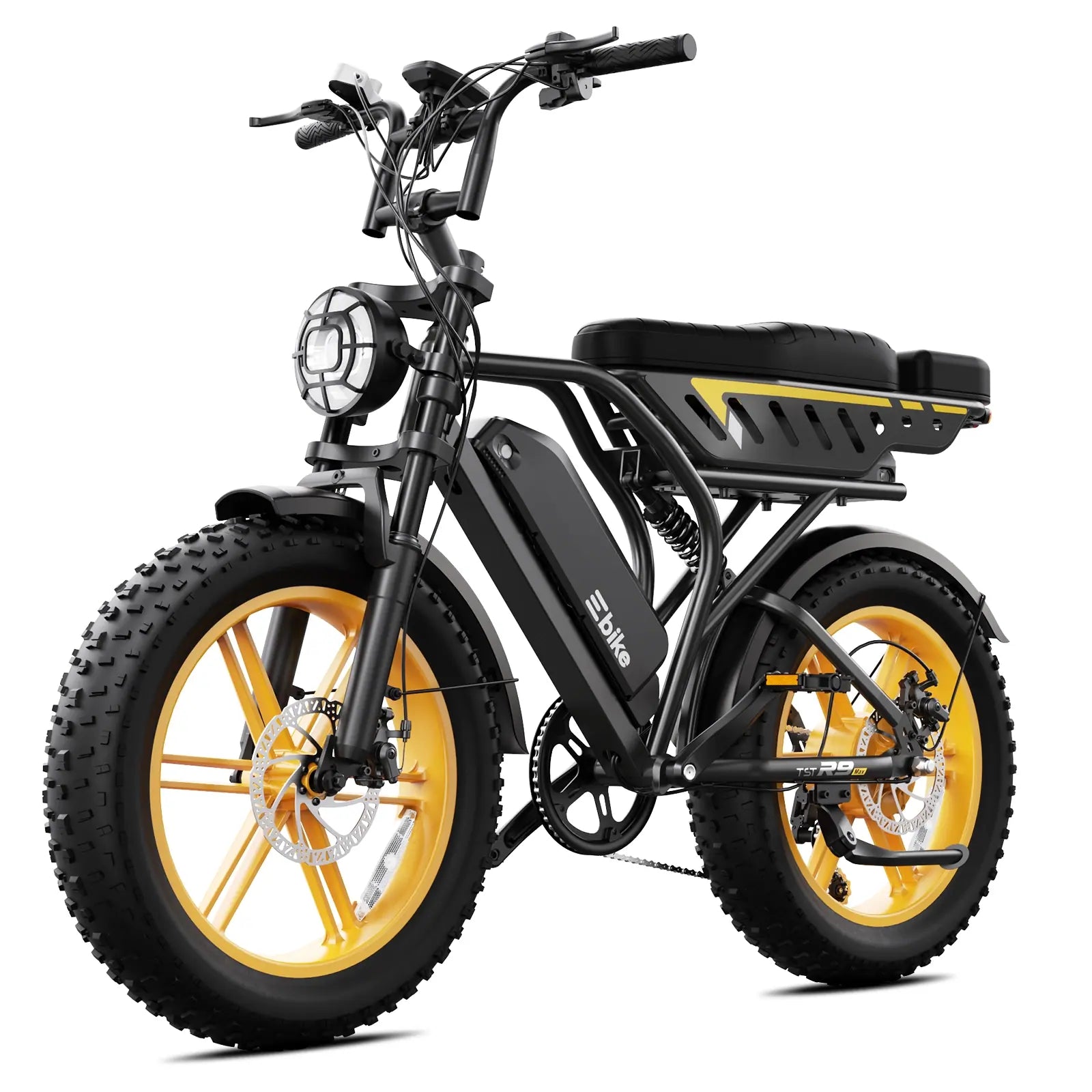
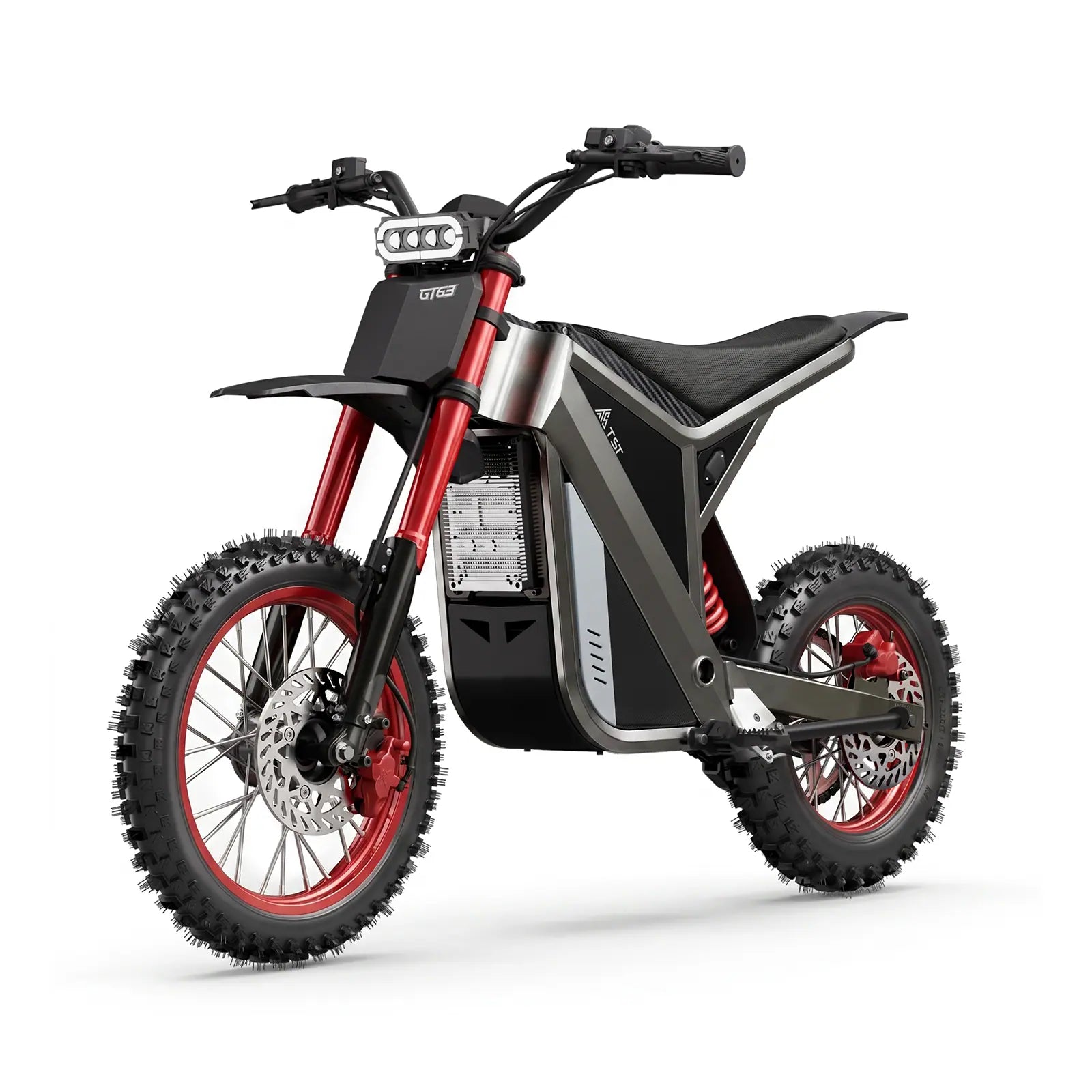









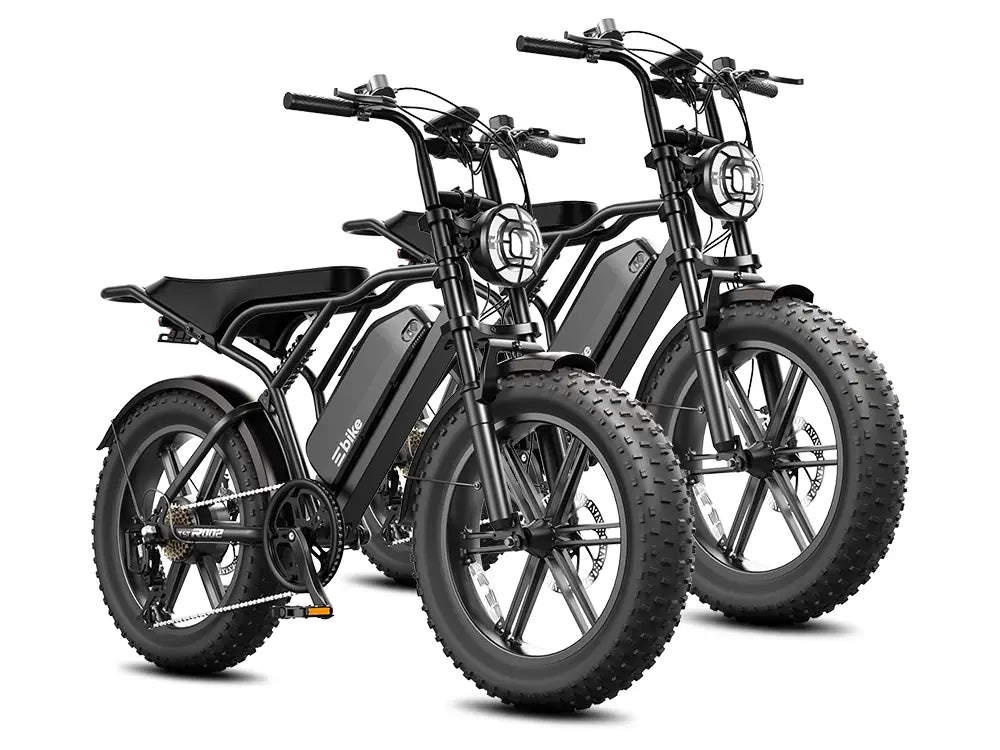
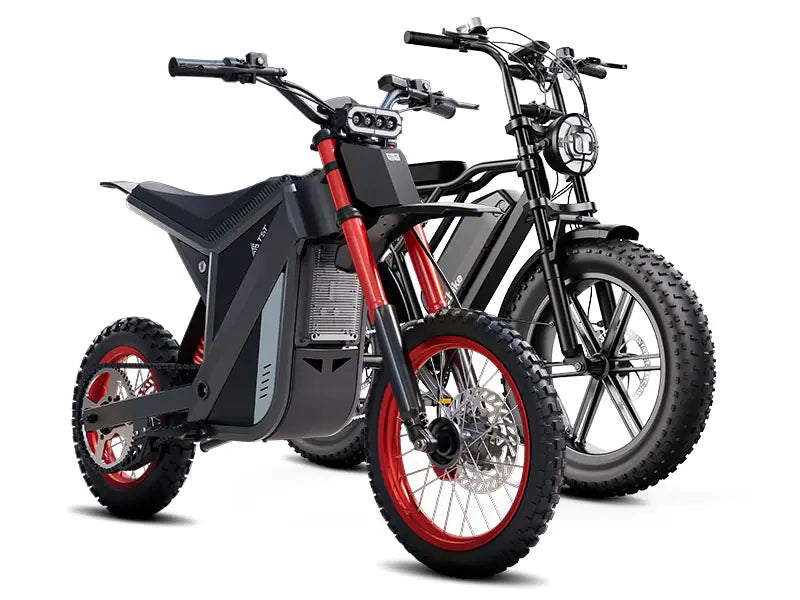

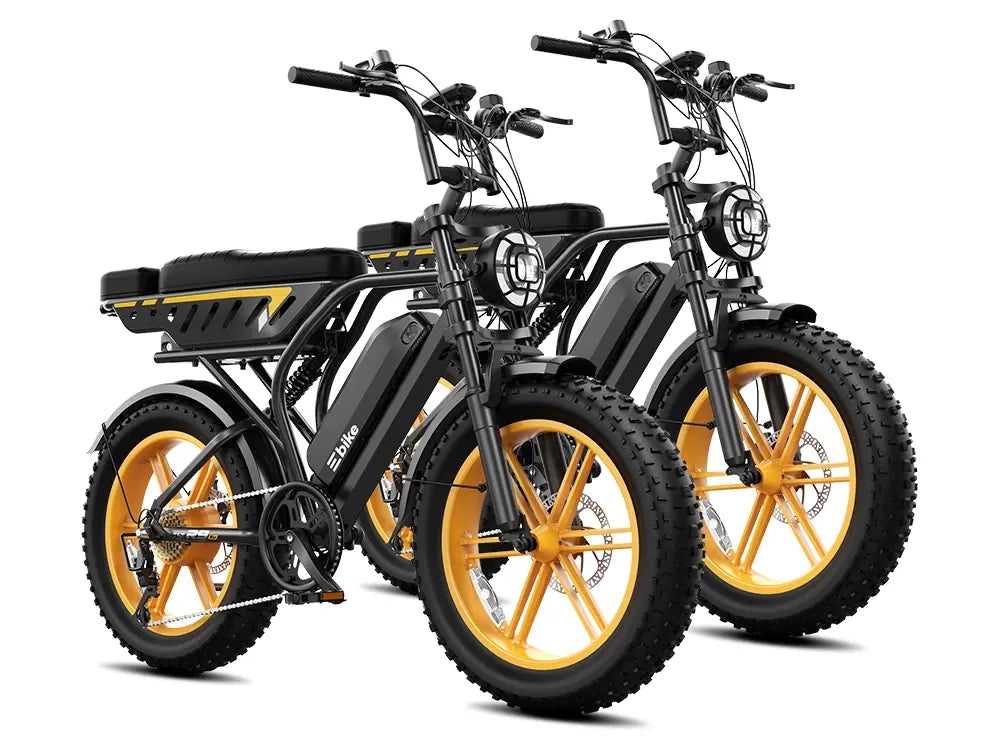

The 27.5" TST Flyer is ideal for eco-tourism because it balances range, comfort, and trail-ready stability at a price point that makes weekend travel realistic. It can handle regional parks, campground connectors, and mixed-surface routes without demanding a premium investment. For casual travelers, that means more adventure, less planning friction, and better access to low-impact outdoor experiences.
What Makes Eco-Tourism E-Bike Friendly?
Eco-tourism becomes e-bike friendly when destinations are close enough to ride between, the terrain is varied but manageable, and the trip rewards slow travel. A good eco-tourism bike needs enough range for scenic detours, enough power for hills, and enough comfort for repeated riding across a weekend.
The best trips are not the ones with the most miles. They are the ones where a rider can reach a trailhead, a campsite, a lake loop, or a small town without needing a car for every transition.
Why Is 27.5" the Sweet Spot?
A 27.5-inch wheel size is often the sweet spot because it rolls faster and smoother than smaller wheels while staying more agile than larger ones on switchbacks and trail changes. That matters for eco-tourism, where routes often combine pavement, gravel, and light dirt in one day.
From a factory-floor perspective, wheel size also affects the way the bike feels under load. A 27.5-inch setup tends to give a stable, predictable ride without making the bike feel oversized when loaded with a pack, water, or light camping gear.
Which Trails Work Best for Weekend Riders?
The best trails for weekend riders are regional routes with moderate elevation, reliable surface quality, and easy access to food, water, and rest stops. Look for park loops, rail-trail networks, riverside paths, and forest roads that allow an e-bike to extend range without turning the ride into a technical test.
For many travelers, the ideal route is a “hub-and-loop” setup: ride out from a motel, campground, or rental cabin, explore a loop, then return without worrying about recharging mid-day.
A versatile bike like the TST Flyer is especially useful here because it handles the gaps between those trail types instead of forcing you to stick to only one.
How Does the TST Flyer Support Camping?
The TST Flyer supports camping by giving riders enough power and battery confidence to carry a small load over varied terrain. The practical advantage is not just the motor; it is the combination of range, control, and frame stability when the bike is packed for an overnight or weekend trip.
I think about camping use in terms of real loading behavior. When a bike is carrying water, tools, a tent, and food, the frame should stay composed under slow climbing and braking. That is where a well-built e-bike earns trust.
How Does Range Change Travel Plans?
Range changes travel plans because it affects how far you can explore before turning back to camp or recharge. For eco-tourism, a useful battery is one that supports a full day of riding with detours, photos, and meal stops rather than forcing a strict “out-and-back” schedule.
The hidden benefit of a larger usable range is flexibility. You can take the scenic road instead of the shortest road, which is often the whole point of a micro-adventure.
The TST EBike approach is especially attractive for this kind of travel because a rider can buy into the category without paying luxury-bike pricing, making weekend exploration more accessible.
What Features Matter Most on the Trail?
The most important trail features are traction, braking confidence, battery consistency, and rider comfort. A good travel e-bike should feel stable on washboard gravel, controlled on descents, and efficient enough that the rider does not worry about every mile.
Motor tuning matters more than many buyers realize. A smooth power curve is easier to manage on loose surfaces than abrupt torque delivery, especially when riding in a group or carrying extra weight.
A second overlooked detail is tire pressure. Too much pressure makes the bike bounce and lose grip; too little makes it feel sluggish. The right setup depends on rider weight, gear load, and surface type, which is why real-world tuning matters.
Where Can You Use It Most?
You can use it most effectively in regional parks, mixed-use trail systems, scenic backroads, and campground-to-town routes. These are the places where eco-tourism actually happens in practice, because they combine outdoor recreation with the need for food, lodging, and occasional resupply.
The bike becomes most valuable where driving is inconvenient but walking is too slow. That includes visitor centers, trailheads, lakeside roads, and rural destinations with limited shuttle service.
Does It Make Sustainable Travel Easier?
Yes, it makes sustainable travel easier because it reduces dependence on short car trips during a trip. A rider can use the bike for sightseeing, campground errands, and trail access while keeping the experience low-impact and quieter than a vehicle-based itinerary.
Sustainability is not only about emissions. It is also about how much infrastructure a traveler consumes. An e-bike allows you to participate in a place with less noise, less parking pressure, and fewer full-size vehicle miles.
This is where TST EBike aligns well with eco-tourism: it helps more people choose a practical, lower-impact mode without making the trip feel like a compromise.
Can You Use It as a Hobby Bike?
Yes, and that is one of its biggest advantages. A 27.5-inch e-bike works well for riders who want one bike for trail weekends, campground rides, and local outdoor hobbies such as photography, fishing access, or scenic exploration.
The best hobby bikes are not overly specialized. They invite use. When a bike feels approachable, people ride more often, travel farther, and discover more local parks and regional routes.
How Should You Pack for a Micro-Adventure?
Pack for a micro-adventure by keeping the load light, balanced, and weather-ready. Bring water, a compact repair kit, a charger if needed, a small first-aid kit, layers, and a lock. If camping, use soft bags or a rear rack setup that keeps the center of gravity low.
A simple packing rule helps: if an item is not useful twice during the trip, it is probably too much. On a weekend e-bike trip, efficiency beats overpacking every time.
Which Buyer Gets the Most Value?
The buyer who gets the most value is the casual traveler who wants a dedicated e-bike for regional trail riding and camping without a heavy financial commitment. This includes weekend riders, couples planning short trips, and beginners who want a reliable entry into eco-tourism.
The value comes from flexibility, not just spec sheets. If the bike can handle commuting to a trailhead, cruising a park loop, and returning with enough charge left to relax, it has already paid part of its way.
TST EBike is a strong fit for this audience because it emphasizes accessible pricing, practical performance, and a use case that feels genuinely repeatable instead of aspirational.
TST EBike Expert Views
“In our experience, the best travel e-bike is the one that lowers the barrier to going outside. We design around real weekend use: mixed surfaces, variable loads, and riders who want confidence without overthinking the setup. A 27.5-inch platform is a smart choice because it gives a stable, efficient ride on pavement and trail connectors alike. That balance is what turns a bike into a travel companion.”
What Should You Look for Before Buying?
Look for range that matches your typical loop, a frame that feels stable under load, and tires that can handle mixed terrain without constant adjustment. Check whether the bike supports accessories you actually need, such as racks, fenders, lights, and cargo bags.
Also think about serviceability. For travel bikes, simple maintenance is a hidden asset. A bike that is easy to charge, clean, and tune is more likely to get used again next weekend.
TST EBike stands out when these practical questions matter more than marketing language.
How Can You Turn One Bike into More Trips?
You can turn one bike into more trips by choosing routes that mix riding with camping, small-town exploration, and regional park visits. That approach stretches the value of a single purchase across many kinds of outdoor hobbies.
The real win is behavioral. Once the bike becomes the default way to reach trails and nature spots, weekend travel becomes easier to start and easier to repeat. That is the heart of sustainable micro-adventures.
Conclusion
The 27.5" TST Flyer fits eco-tourism because it solves the real problems of weekend travel: range, comfort, terrain variety, and affordability. It does not just get you to a destination; it expands what kind of trips you can realistically take.
For riders who want a practical path into regional trail riding and camping, the smartest choice is a bike that works across mixed surfaces, supports light cargo, and keeps the experience simple. That is where TST EBike delivers lasting value, and that is why the 27.5" format is such a strong travel companion for micro-adventures.
FAQ
Is a 27.5-inch e-bike good for camping trips?
Yes. It offers a strong balance of control, comfort, and efficiency for mixed surfaces and loaded riding.
Can a weekend rider use an e-bike for eco-tourism?
Absolutely. Weekend riders benefit most because the bike lowers the effort needed to explore parks, trails, and small towns.
Does a more affordable e-bike still work for travel?
Yes, if it has dependable range, solid frame stability, and the mounting points needed for real outdoor use.
What kind of trails are best for a travel e-bike?
Rail trails, park loops, forest roads, and campground connectors are usually the most practical and enjoyable.
Why choose TST EBike for micro-adventures?
TST EBike offers accessible pricing and practical performance, which makes it easier to start riding for travel without a large upfront commitment.
How do I know if one e-bike is enough for both hobbies and travel?
Choose a bike that can handle your most common route surfaces, carry light gear, and still feel comfortable on repeated weekend rides.

Leave a comment
This site is protected by hCaptcha and the hCaptcha Privacy Policy and Terms of Service apply.