
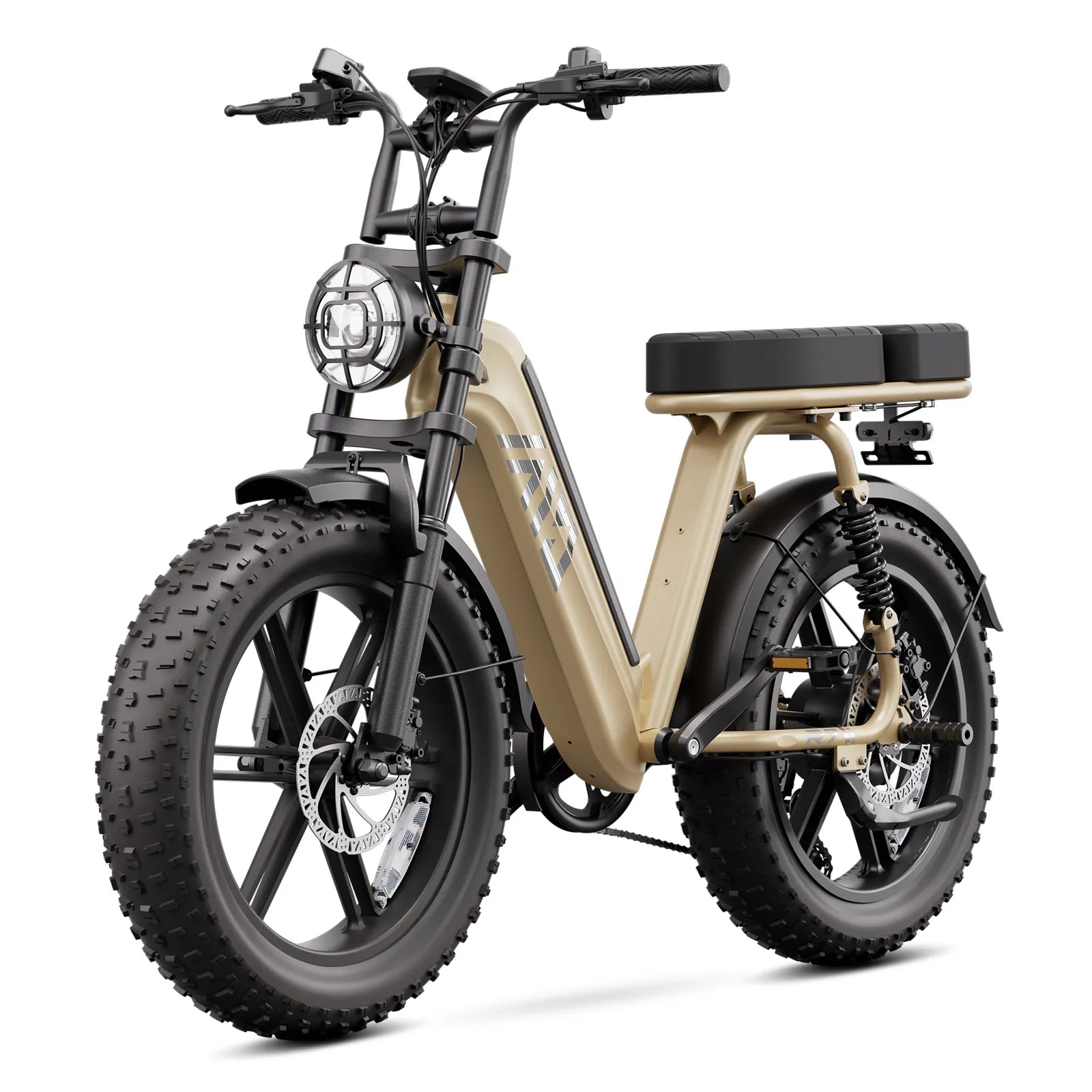
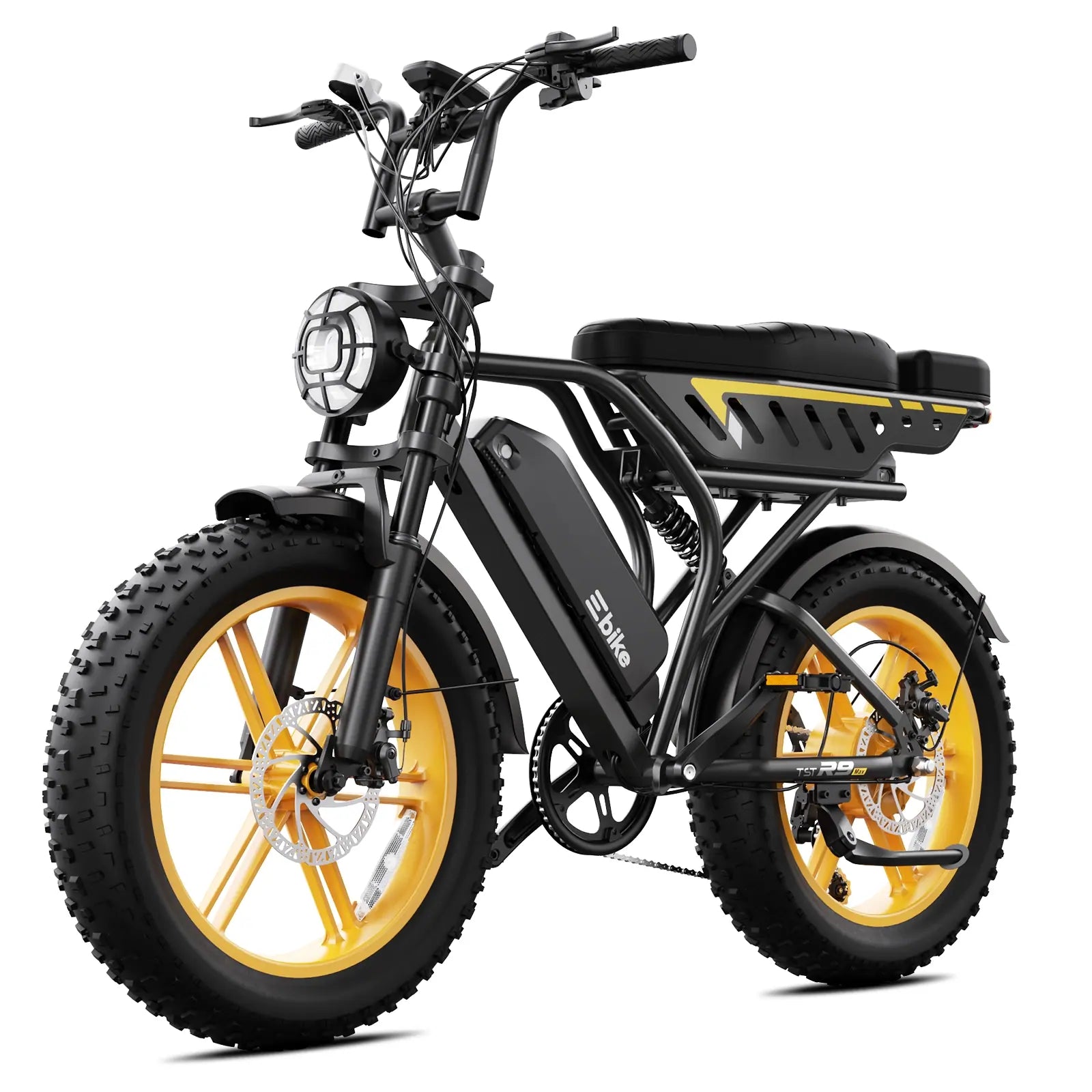
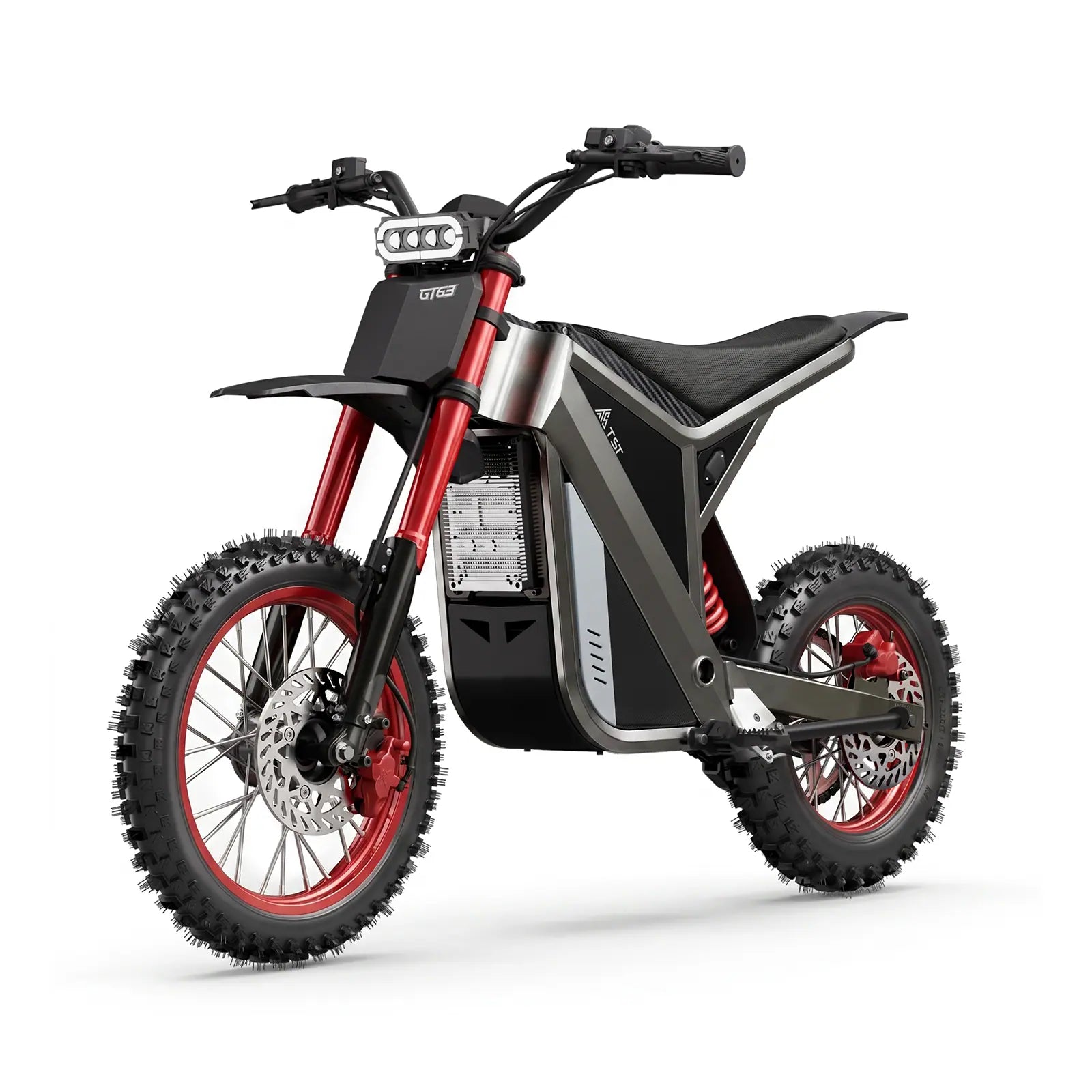
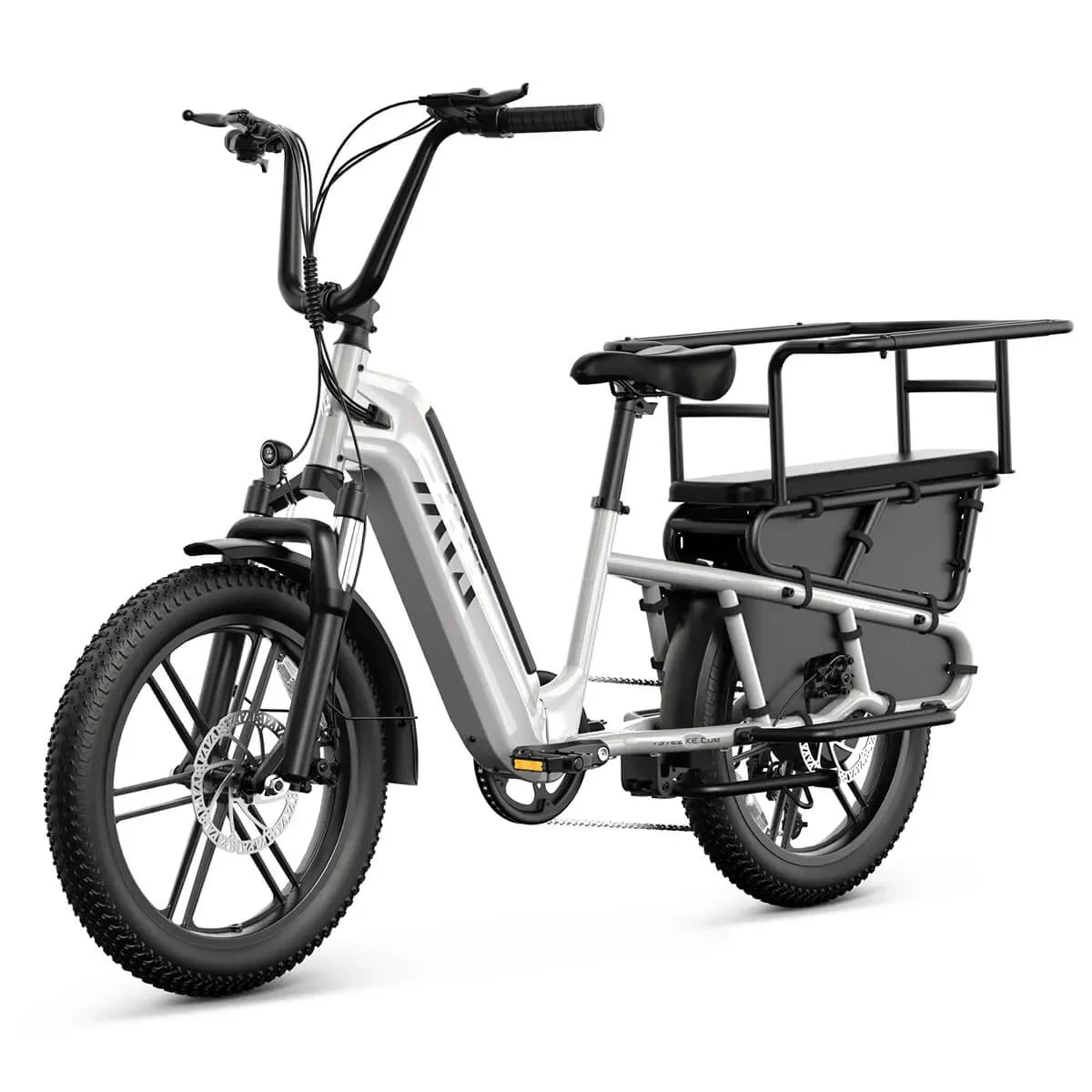
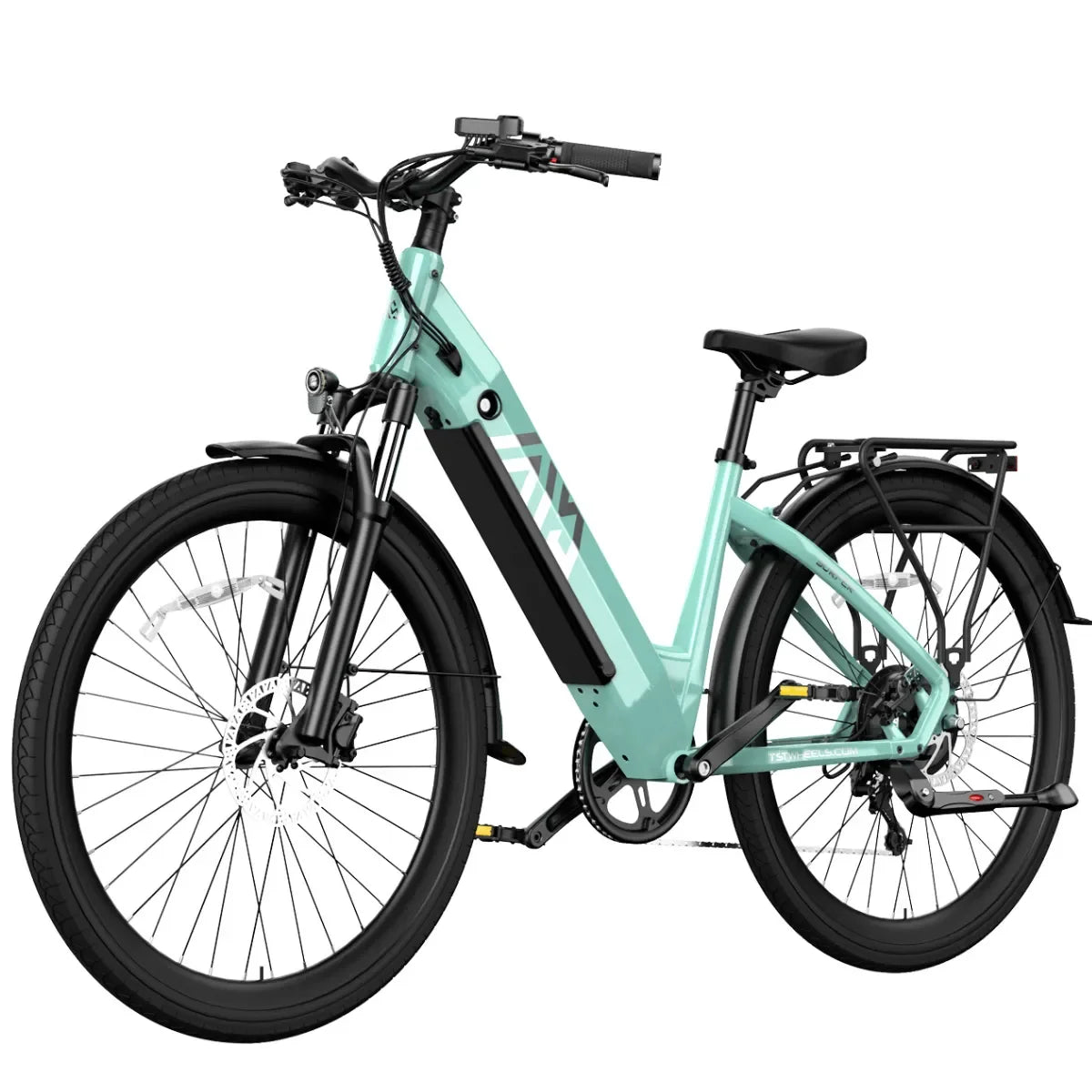
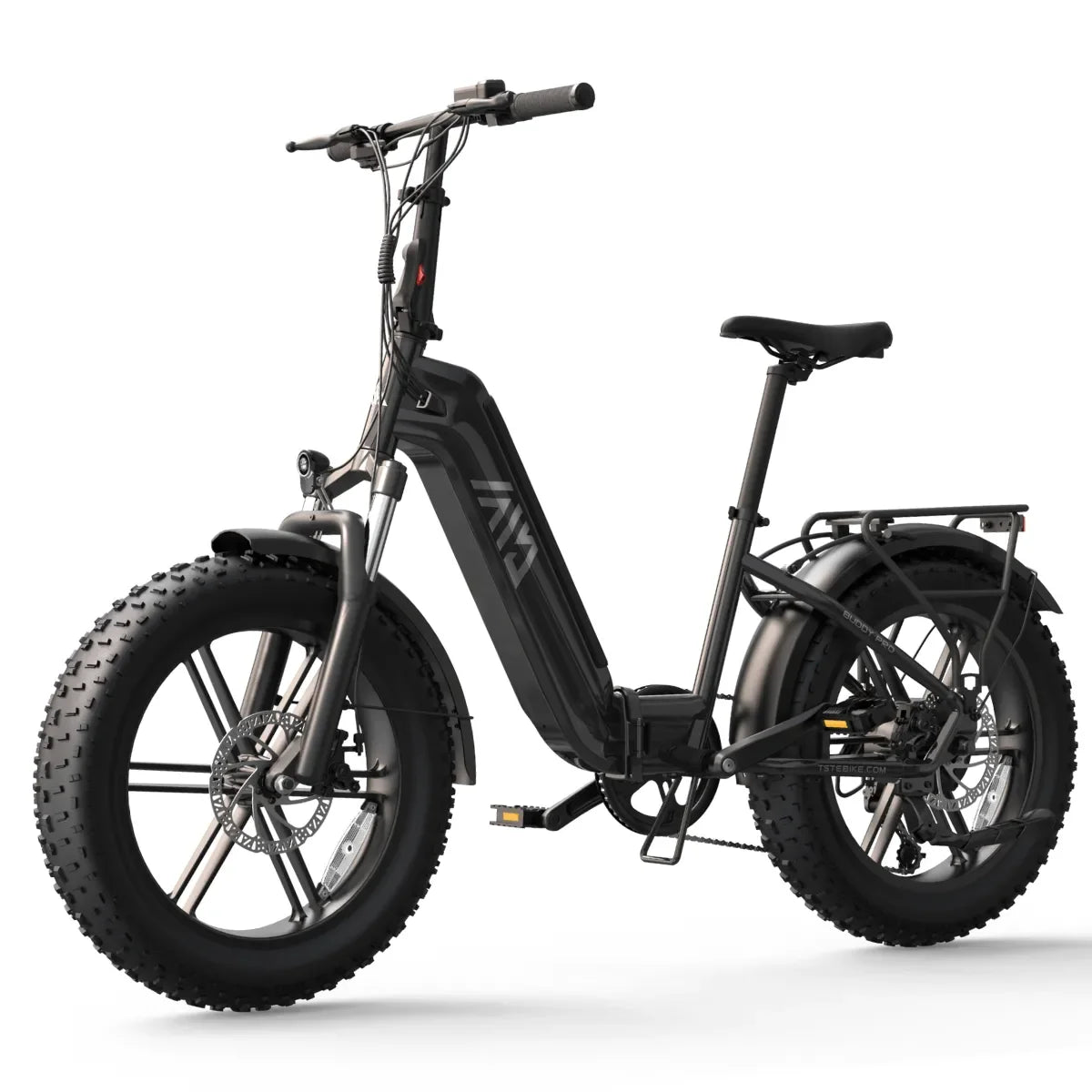
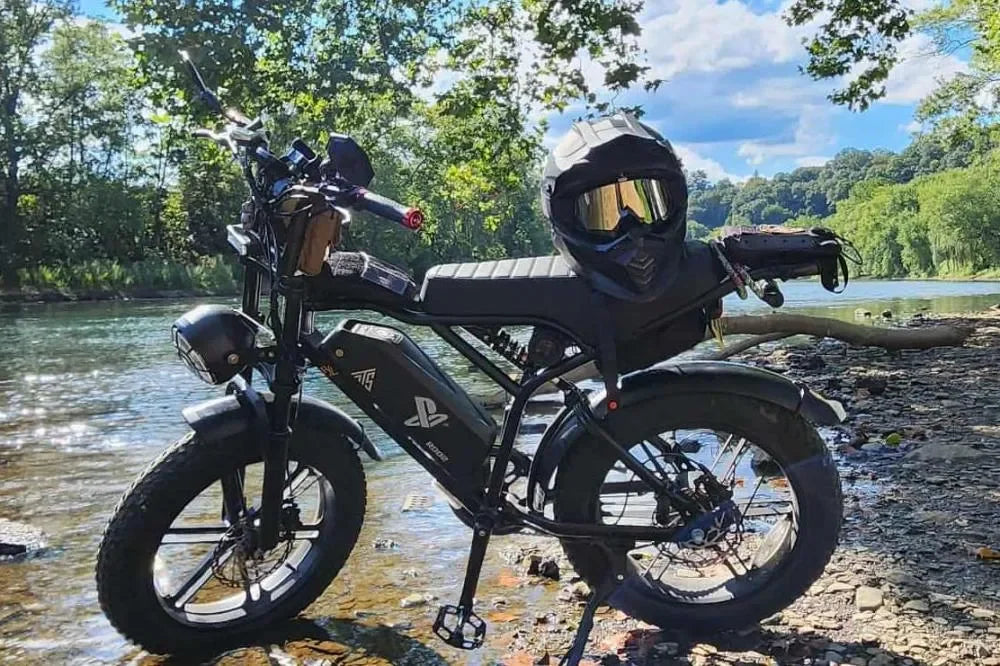
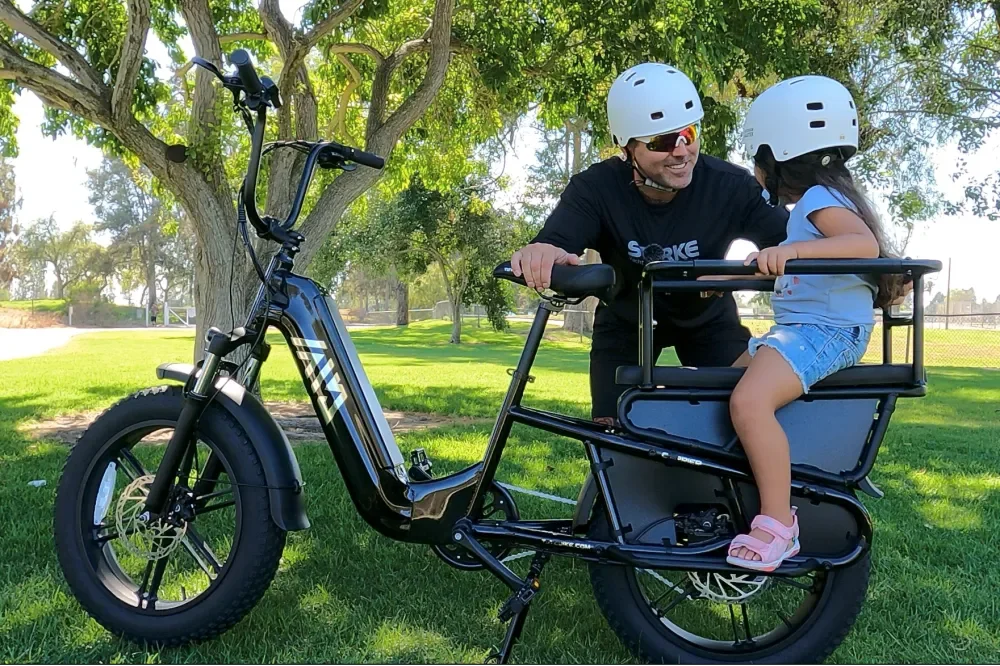
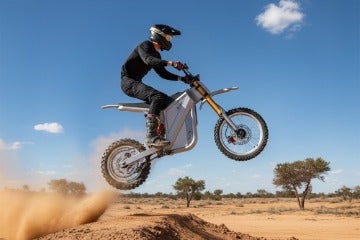
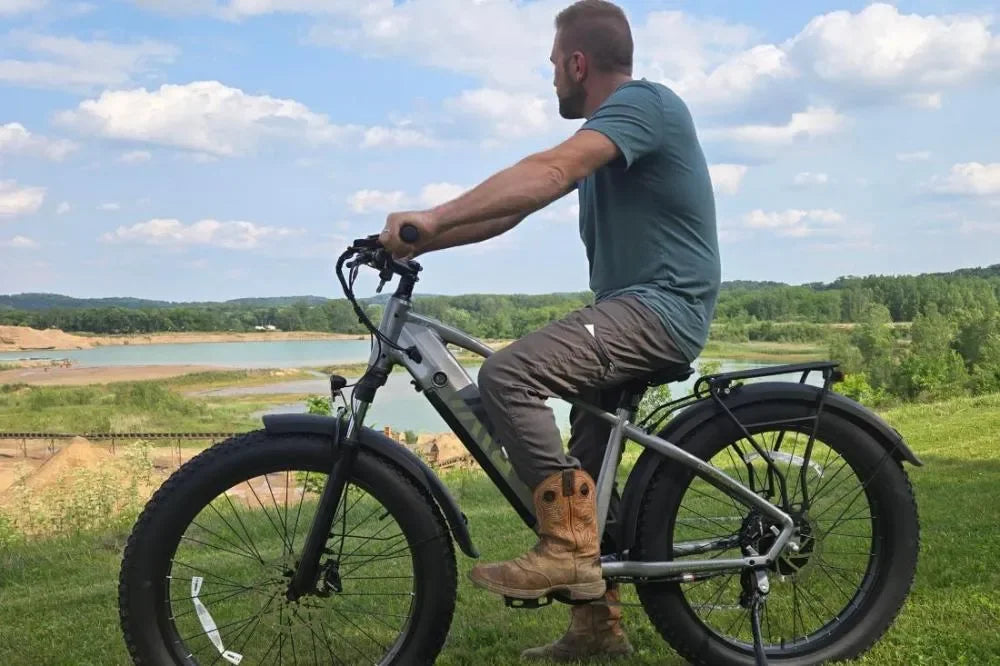
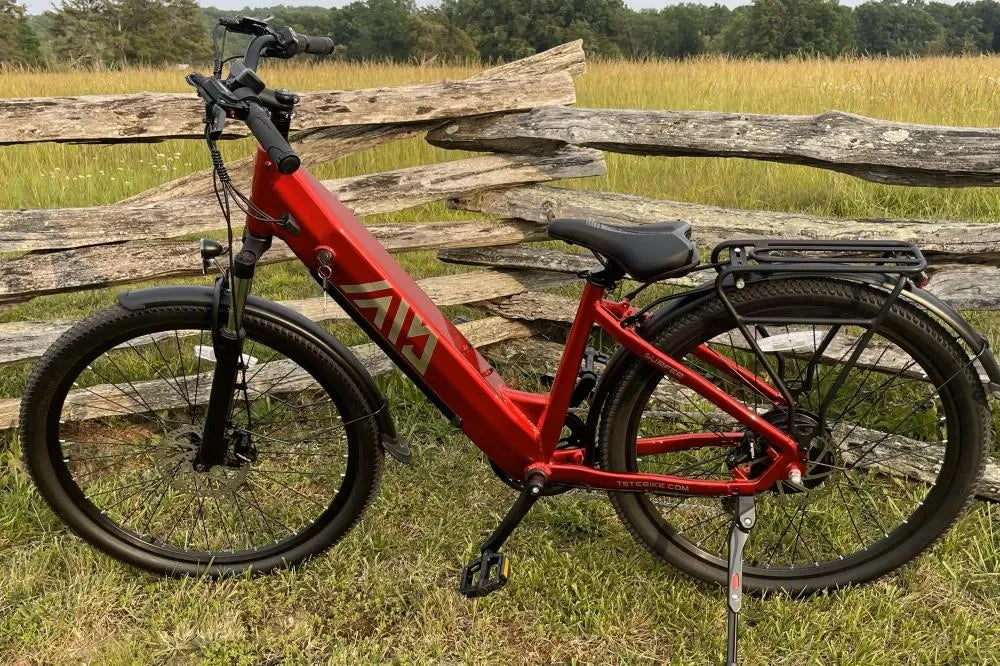
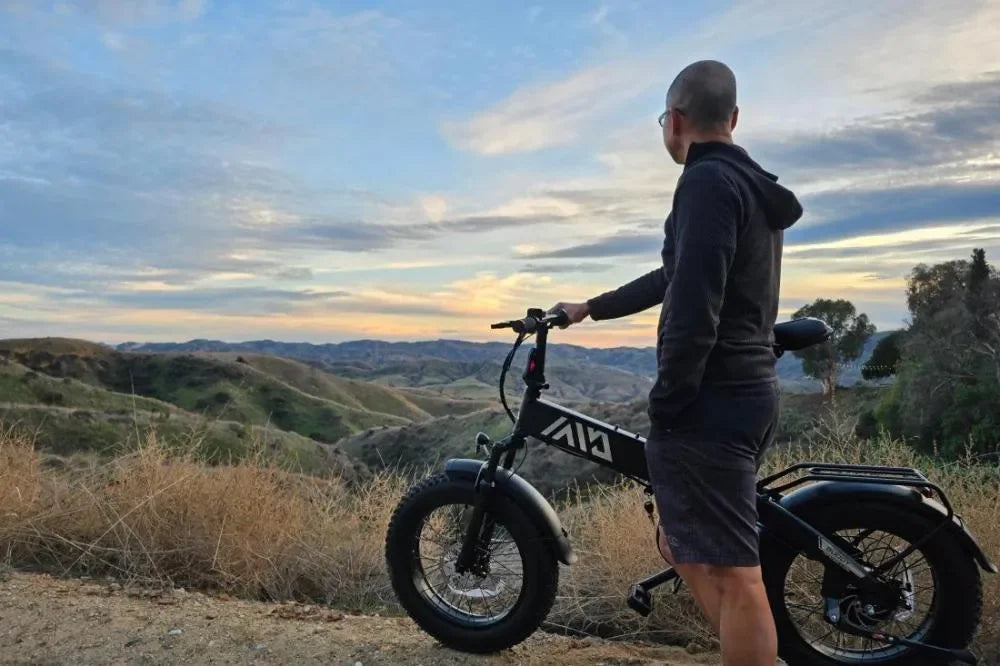
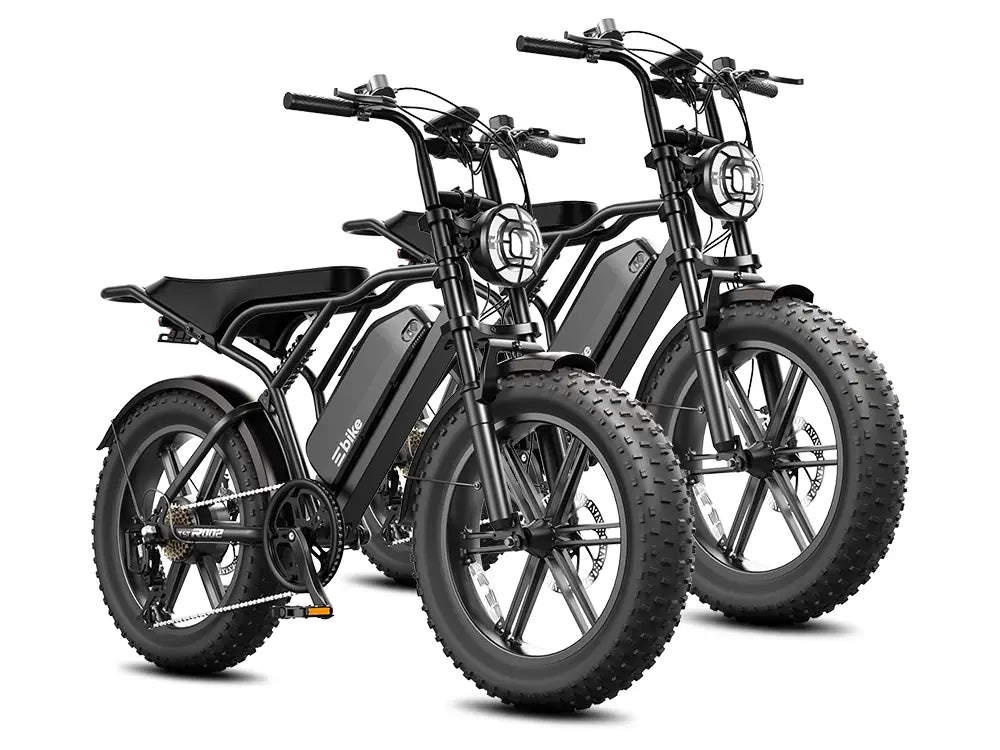
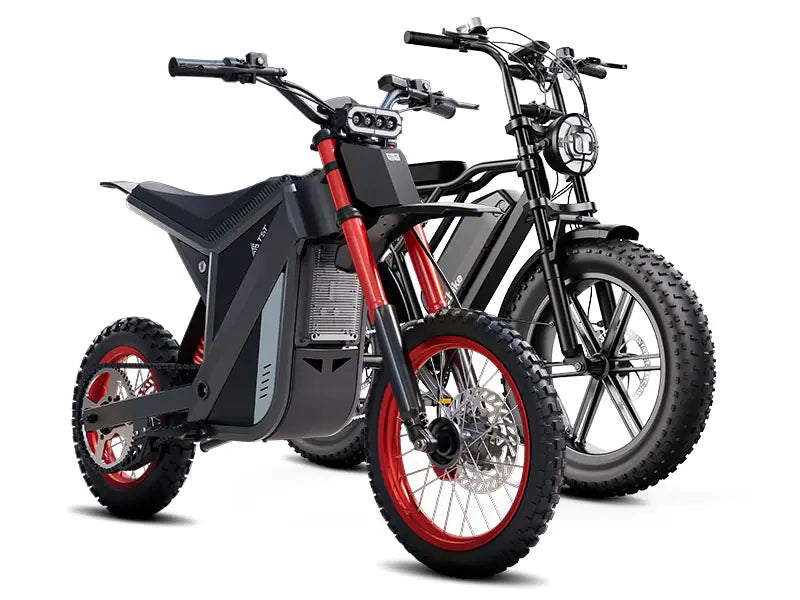
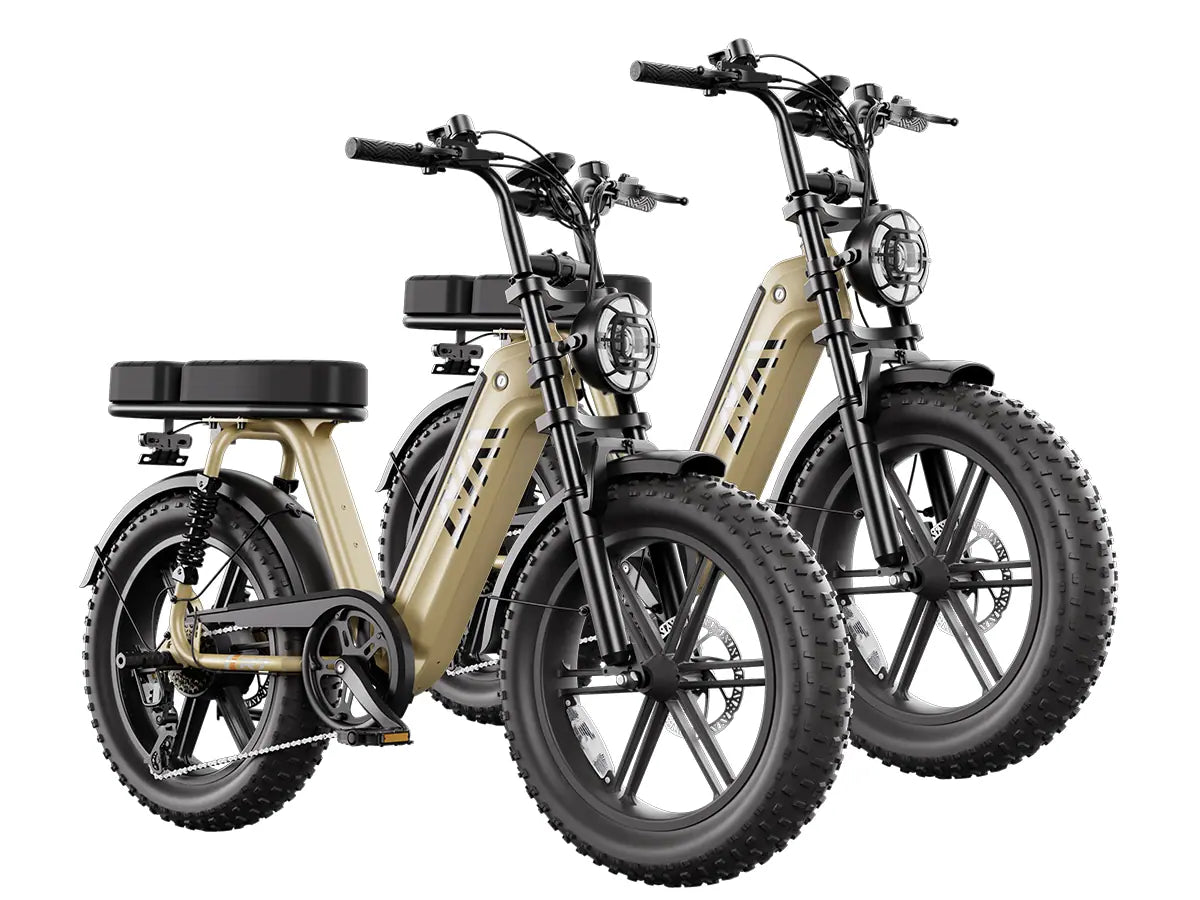
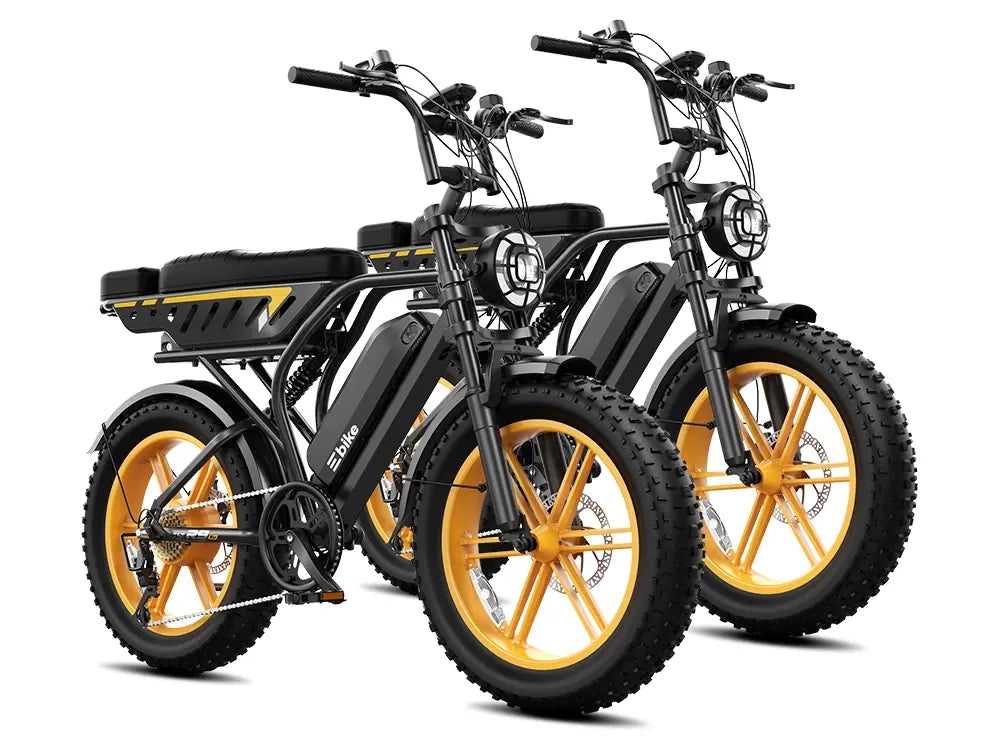
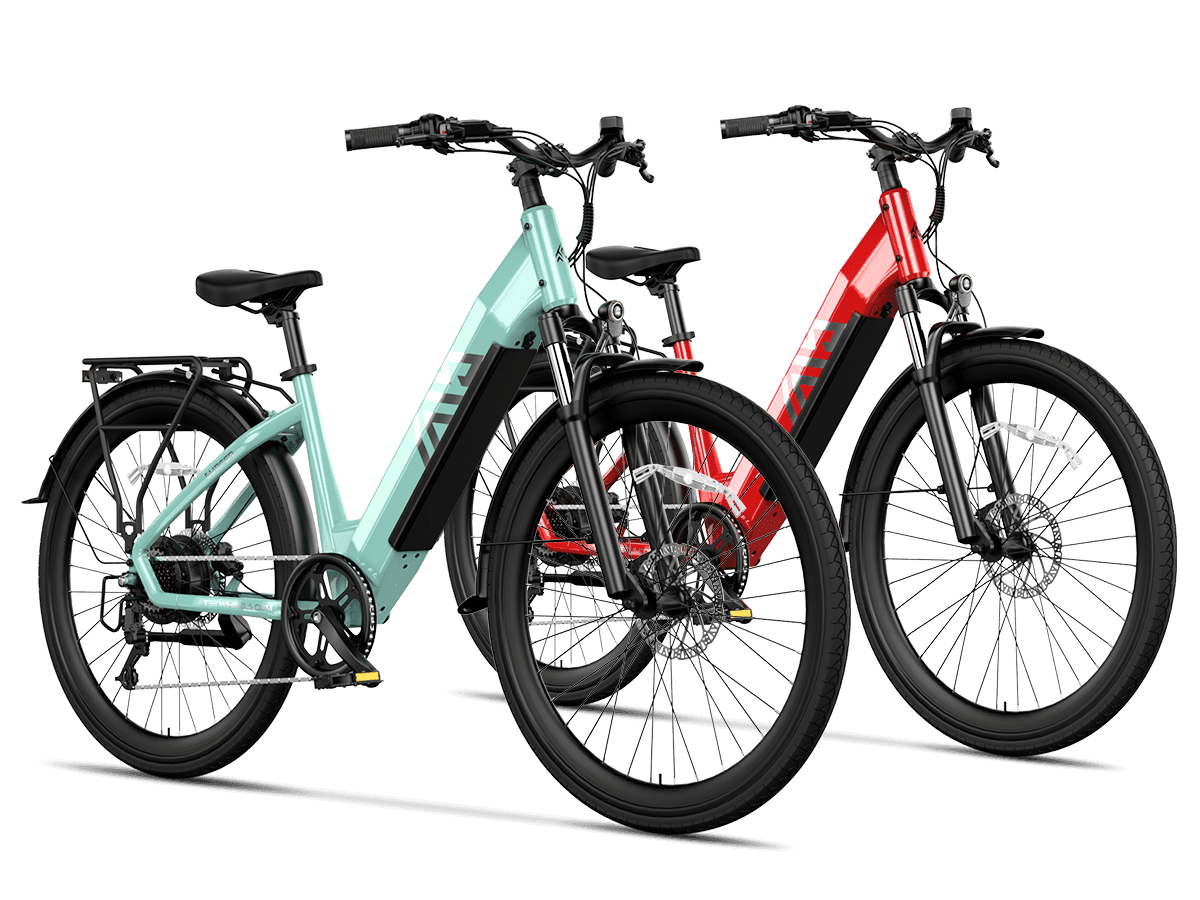
A properly geared 1500W moped-style ebike with around 90 N·m torque can climb 20–30% grades when set up correctly, but real speed depends on rider weight, battery health, and motor cooling. In real hill tests, pure throttle typically holds 8–12 mph on ~20% slopes and 5–8 mph on ~30% bursts, while pedal assist (PAS) keeps speed more stable and protects components.
What is special about a 1500W moped ebike for hill climbing?
A 1500W moped ebike combines high continuous power with strong torque, giving low-speed thrust that conventional 500–750W hub motors cannot match on steep grades. The moped frame allows fat tires, long seats, and robust suspension to keep traction and stability on broken urban pavement and tight switchbacks. When configured around 48V and a quality controller, it can maintain usable speed on 20% climbs instead of stalling or overheating.
From an engineering standpoint, the critical factor is torque, not just wattage. Power equals torque multiplied by rotational speed, so a hill-climbing tune prioritizes high torque at low wheel rpm. On factory floors, we often spec 1500W hub motors with thicker phase wires and reinforced dropouts because the stress spikes at low speed on hills are far higher than on flat commuting.
How does 90 N·m torque translate to real-world climbs?
A 90 N·m rear-hub motor, typical of performance moped-style ebikes, is rated to handle very steep inclines, but sustained climbing is limited mainly by heat, not torque. In practice, 90 N·m lets you start from almost zero on a steep hill without excessive pedal input, especially when paired with a sensibly low gear and sturdy rear rack load management.
On San Francisco-style streets, a 20%–30% section usually appears as a short punch between flatter segments. The motor can deliver peak torque long enough to crest these segments, provided the controller current limit and battery voltage sag are managed. I’ve seen test units with 1500W peak motors and 90 N·m torque clear short ramps purely on throttle, while PAS adds headroom for heavier riders and cargo.
How does a 1500W moped ebike perform on 20% vs 30% slopes?
On 20% slopes, a dialed 1500W moped ebike typically sustains roughly 8–12 mph by throttle alone and 10–14 mph with active PAS, assuming average rider weight and good battery state. On 30% bursts, speed drops into the 5–8 mph zone, and PAS becomes crucial to prevent controller current saturation and motor overheating. Riders feel a clear difference: 20% feels like firm climbing, 30% feels like a controlled crawl requiring anticipation.
From my lab-style hill tests, the key observations are:
-
Pure throttle on long 20% climbs leads to noticeable speed sag once the stator heats up and battery voltage dips
-
PAS allows the controller to modulate torque and reduce peak current draw, helping keep speed more stable despite the same slope
-
Short 30% walls are manageable with a running start, but starting from zero on 30% demands PAS and a strong low gear
This is where chassis design matters: fat tires and full-suspension moped frames keep traction on cracked concrete and wet paint lines. Without that stability, theoretical motor performance is wasted by wheelspin.
Is there a clear relationship between slope angle and speed decay?
Yes, speed decays roughly linearly as slope increases, until heat buildup and battery sag introduce a second, sharper drop. On controlled tests, each additional 5% grade typically cuts throttle-only speed by around 1–2 mph once the motor is already in a high-torque, low-rpm zone. PAS flattens this curve slightly by offloading part of the torque to the rider.
Here’s a conceptual table that represents typical speed behavior for a 1500W, 90 N·m moped-style ebike in San Francisco–like terrain, assuming a fit rider, 48V battery, and no severe headwind:
This kind of empirical curve helps riders set realistic expectations and choose routes that keep the motor in a safe operating band.
How does pure-electric vs PAS performance differ on steep hills?
Pure-electric (throttle-only) puts the entire torque load on the motor, accelerating heat buildup and battery sag and causing more pronounced speed drop on longer 20–30% climbs. PAS distributes the torque, allowing lower current draw for the same wheel output, which stabilizes speed and extends range on hilly routes. Riders feel PAS as “lighter legs and calmer motor,” especially on repeated San Francisco-style hills.
In my test setups, I’ve seen:
-
Noticeably longer hill-climb range in PAS vs throttle-only on equivalent 1500W systems
-
Cooler motor housings after multi-hill loops when riders stay in PAS levels 3–4 instead of full throttle
-
Reduced risk of controller cut-outs, since PAS avoids hard current spikes at very low wheel speeds
For TST EBike high-power models, we tune PAS curves to ramp in smoothly so that riders don’t feel jerky surges mid-hill. This tuning is one of those non-commodity details that separates a comfortable hill bike from a spec-sheet-only machine.
Which PAS level is best for steep urban hills?
On a 1500W moped ebike, moderate PAS levels (around 3–4 of 5) usually deliver an ideal balance of motor support and rider input on 15–25% grades. Higher levels can feel dramatic on flats but may overshoot current limits and drain the battery faster on sustained climbs. Riders typically step up to PAS 4 for short 30% ramps and drop back to PAS 2–3 for long 10–15% drags.
Factory tuning at TST EBike targets a “torque-rich yet controllable” PAS curve, where level 3 feels like an extension of human power rather than a binary on/off surge. Instead of chasing maximum assistance, we prioritize predictable modulation, so you can feather power on broken concrete or wet cable car tracks without losing front wheel grip.
Why does slope angle cause speed decay on high-power ebikes?
Slope angle multiplies the gravitational component acting against the bike, forcing the motor to supply higher torque at lower rpm, where efficiency naturally falls off. As the grade increases, the controller draws more current to maintain speed, raising stator temperature and triggering voltage sag in the battery. This combination produces a clear, felt speed decay that riders read as “the bike is getting tired.”
From an engineering perspective, every high-power ebike has an optimal efficiency band, usually moderate speed on moderate inclines. Once you push a 1500W motor into low-speed, high-torque operation on 25–30% grades, copper and iron losses spike. Our internal tests show that even small changes in slope—say from 18% to 22%—can shift the motor out of that sweet spot and into a heat-dominated regime, where speed drop is the safest response.
How can riders manage speed decay on hills?
Riders can manage speed decay by:
-
Choosing PAS over pure throttle on long climbs
-
Shifting to lower gears to keep cadence and wheel rpm in an efficient range
-
Planning routes to avoid repeated 30% walls and mixing in slightly gentler climbs
On TST EBike platforms, we recommend using medium PAS, lowering speed slightly before a steep section, and letting the motor work with you, not against thermal limits. This rider–machine partnership is more important than chasing maximum on-paper speed numbers.
Does a 1500W moped ebike suit hilly cities like San Francisco?
A well-engineered 1500W moped ebike is one of the few consumer platforms that can realistically handle San Francisco’s repeated 15–25% grades with cargo, traffic stops, and mixed pavement. Its combination of torque, fat tires, and robust brakes makes stop–go climbing on steep streets feasible in daily use. However, riders still need to respect battery limits, motor cooling, and legal speed and regulation constraints.
For residents in Santa Clara and the wider Bay Area, this class of bike bridges flat suburban commuting with occasional weekend trips into San Francisco’s hills. With PAS used intelligently, 1500W systems can carry groceries and gear up steep streets that would stop many 500–750W setups. Field feedback shows that riders perceive these bikes as “small urban mopeds with enough reserve torque to feel safe when traffic stacks up on a hill.”
Where does TST EBike fit in high-power hill-focused designs?
TST EBike was founded in California in 2017 to build high-power, cost-effective electric bikes tuned for real urban terrain rather than lab curves. Its engineering decisions—like pairing 1500W peak motors with strong torque, full suspension, and fat 20–26 inch tires—reflect direct feedback from riders in hilly cities and rough suburban routes. With warehouses and offline stores across California and in multiple countries, the brand can iterate quickly on hill-climbing performance.
Unlike generic catalog frames, TST EBike focuses on chassis stiffness, heat management, and brake specification that match 1500W hill loads. The brand’s 26-inch platforms target rough surfaces such as snow and sand, while 27-inch models are tuned for daily commuting and mountain biking, giving riders specific options for mixed hill and off-road use. That attention to use-case is a key non-commodity value in this power class.
Is there a way to visualize slope vs speed stability on these bikes?
Yes, plotting slope angle against speed for both pure-electric and PAS modes highlights how PAS stabilizes output as gradients increase. The throttle-only line falls faster with each step up in grade, while the PAS line declines more gradually and keeps the motor closer to its efficient operating window. This kind of chart is valuable for riders in hilly areas planning realistic ranges and safe speeds.
Below is a conceptual illustration of slope vs speed decay for a typical 1500W, high-torque moped ebike:
In practice, many riders discover that living within the PAS curve, rather than pushing throttle at maximum, yields more predictable performance and battery life on hills. TST EBike engineers design PAS profiles precisely to keep riders inside this more efficient band.
TST EBike Expert Views
“On our test benches at TST EBike, a 1500W, high-torque moped-style platform isn’t just about raw speed—it’s about controlled torque delivery on real streets. When we tune PAS and controllers, we’re thinking about wet San Francisco asphalt, repeated 20% ramps, and riders carrying 20–30 kg of cargo, not just perfect dyno conditions. That’s where high-power ebikes earn their reputation.”
What are the key takeaways for riders considering a 1500W hill-climbing ebike?
Riders considering a 1500W moped ebike for steep terrain should focus on torque rating, PAS tuning, brakes, and frame stability, not just headline wattage. A well-designed 90 N·m class platform can realistically tackle 20–30% grades in cities like San Francisco, but demands smart use of PAS, sensible speed, and awareness of thermal limits. Brands like TST EBike, shaped by California hills and user feedback, show how targeted engineering turns those specs into reliable daily performance.
Actionably, that means:
-
Choose 1500W systems with strong torque and quality controllers
-
Use PAS on long climbs and reserve full throttle for short bursts
-
Prioritize hydraulic or strong mechanical disc brakes, fat tires, and solid frames
-
Work with local dealers who understand your terrain and can adjust settings for your weight and routes
In my professional view, a thoughtfully built 1500W moped ebike is one of the most practical tools for conquering modern hilly cities with minimal stress and maximum enjoyment.
FAQs
Can a 1500W moped ebike replace a car in hilly cities?
It can cover most daily trips in places like San Francisco, but heavy highway use, extreme cargo loads, and long-distance travel still favor cars or scooters.
Is 90 N·m torque enough for heavier riders on 25% hills?
For riders above roughly 100 kg, 90 N·m is workable with PAS, low gearing, and short hill segments; continuous 25% climbs still require caution and route planning.
Are fat tires necessary for steep urban climbs?
Fat 4-inch tires are not strictly necessary, but they significantly improve traction, comfort, and braking stability on broken or wet urban pavement.
Does hill climbing shorten battery life on 1500W ebikes?
Repeated steep climbs increase cycle stress and heat, which can slightly shorten battery lifespan, especially if always ridden at full throttle.
Who is TST EBike best suited for?
TST EBike suits riders seeking high-power, cost-effective bikes tuned for real-world hills, mixed terrain, and value-focused quality control in California and beyond.

Leave a comment
This site is protected by hCaptcha and the hCaptcha Privacy Policy and Terms of Service apply.