


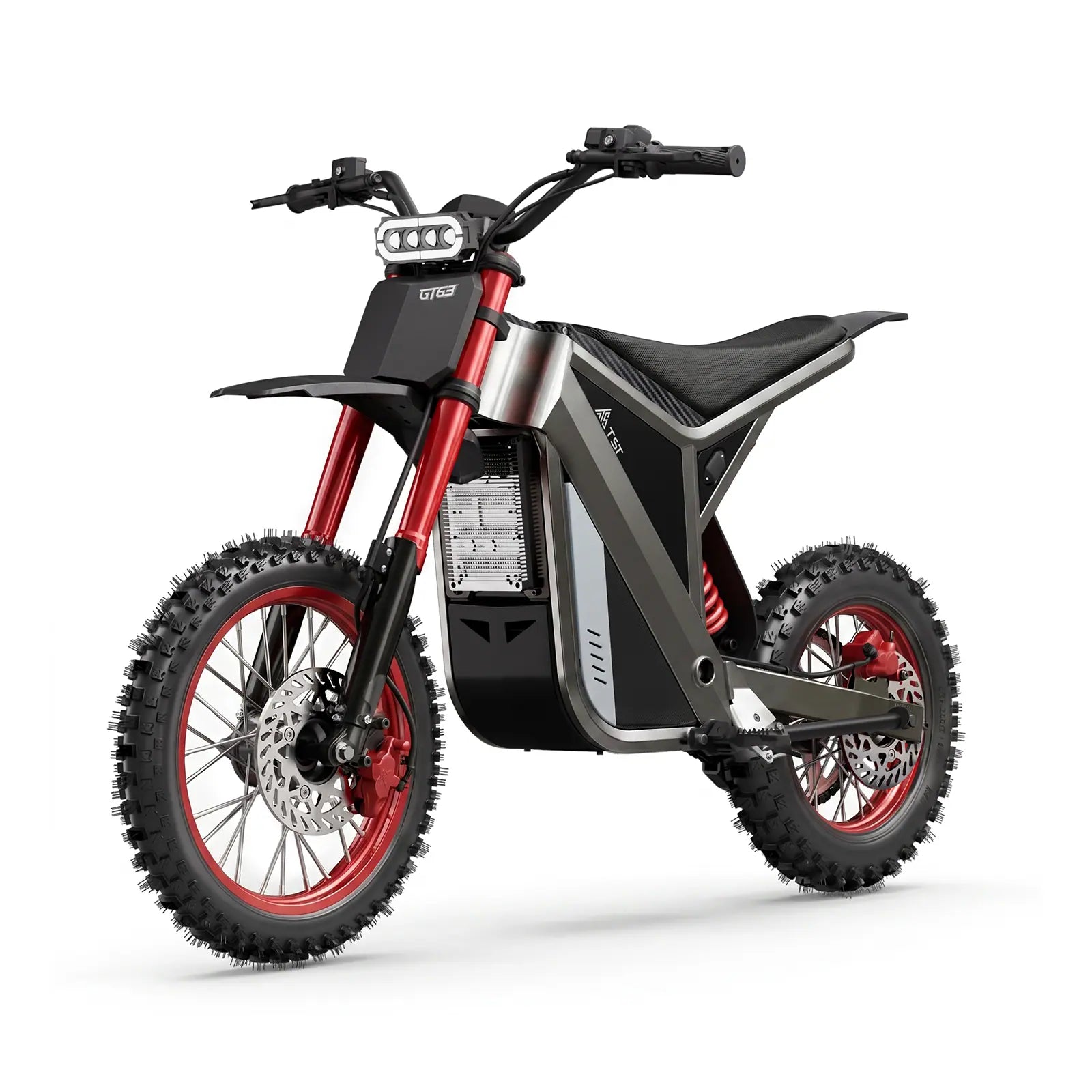














Ebike vs moped choices dominate work commutes as urban riders seek affordable, legal shortcuts through traffic. This ebike vs moped comparison on license requirements, pedals presence, and path access shows why ebikes often edge out mopeds for daily jobs without hassle.
Check: Understand the difference: Ebike vs moped for modern travel
Ebike vs Moped License Requirements Explained
Most Class 1-3 ebikes under 750W and 28mph need no license in 48 US states, letting riders skip DMV lines entirely. Mopeds demand driver's or Class M2 licenses plus registration in places like California and Washington, with insurance often mandatory for speeds over 30mph. Ebike vs moped license rules favor electrics for work commuters dodging bureaucracy—gas or electric mopeds classify as motor vehicles, requiring helmets and plates from day one.
Washington state mandates valid driver's licenses for mopeds under 50cc and 30mph but skips endorsements if power stays low. Ebike licensing stays simple nationwide, treating them as bicycles without special permits.
Pedals: Ebike vs Moped Key Difference
Ebike vs moped pedals define legal status—ebikes mandate functional pedals for Class 1 pedal-assist up to 20mph, Class 2 throttle-assist to 20mph, and Class 3 to 28mph. Mopeds lack pedals entirely, relying on pure throttle like scooters, which blocks bike lane access. Pedal ebike vs moped design lets electrics double as fitness tools, burning calories on short work legs while mopeds offer couch-like seating.
Moped-style ebikes blur lines with awkward pedals, but true ebike pedals ensure bicycle classification for easier rules. Ebike with pedals vs moped without shifts work commutes toward versatile electrics.
Path Access: Ebike vs Moped Rules Breakdown
Ebike vs moped path access tilts heavily electric—Class 1-2 ebikes ride bike lanes, multi-use paths, and even some trails where bicycles go. Mopeds stick to roads and curbs, banned from sidewalks, bike paths, and parks per state laws like Florida statutes. Ebike path access for work shines in cities, shaving 20-30 minutes off commutes via dedicated lanes mopeds can't touch.
Class 3 ebikes face path restrictions at 28mph, but most work routes allow Class 1-2 freely. Moped bike path access stays zero, forcing street traffic exposure.
Ebike vs Moped Comparison Matrix for Commuters
This ebike vs moped matrix highlights license-free ebike wins for urban work rides under 20 miles.
Ownership Cost: Ebike vs Moped Long-Term Savings
Ebike vs moped costs start similar at $1,500-$4,000, but ebikes crush operating expenses with $20 monthly charging versus moped gas at $100+. Maintenance skips oil and carbs for ebikes, saving $300 yearly over moped tune-ups. Ebike vs moped work commute ROI hits break-even in six months for 10-mile daily trips.
Market Trends in Ebike vs Moped Adoption
Ebike sales jumped 35% in 2025 per Statista data, outpacing mopeds as cities add bike lanes nationwide. Ebike vs moped market share grows with remote work declines, pushing 15-mile average commutes onto pedals-plus-power. Moped trends fade against ebike path access gains in states like Washington.
TST EBike was founded with a vision to transform transportation amid congestion and pollution woes. Established in 2017 under TST GRP LLC in California, we deliver high-power, affordable 26-inch rough-terrain ebikes and 27-inch commuters, sold across 10+ countries with 20 offline stores.
Top Ebike vs Moped Models for Work
Top ebike vs moped picks like RadRover dominate work scenarios with path access.
Core Technology: Ebike vs Moped Power Systems
Ebike hub or mid-drive motors pair with 500-750W batteries for efficient assist, regen braking extending range 10-20%. Mopeds use gas engines or basic electrics without pedal sensors, hitting higher speeds but guzzling fuel. Ebike vs moped tech favors electrics for silent, low-maintenance work hauls.
Check: Everything you need to know about the ebike vs moped debate
Real User Cases: Ebike vs Moped Work Wins
Seattle office worker Tracy ditched her moped for a Class 2 ebike, gaining bike path access to cut 25-minute commute to 12 while saving $800 yearly on gas and insurance. A Florida commuter on Aventon ebike pedals 15 miles daily license-free, avoiding moped road rage. Ebike vs moped user stories quantify 40% time savings via paths.
Future Trends: Ebike vs Moped Evolution
By 2027, ebike vs moped shifts accelerate with 40mph Class 4 approvals and swappable batteries for all-day work. Path access expands as infrastructure budgets prioritize bike lanes over moped streets. Ebike dominance in work commutes forecasts 70% market share.
Choosing ebike vs moped for work? Go pedal-equipped ebike for license-free paths and savings. Test a Class 2 model today—your commute upgrade awaits. Share your ebike vs moped work story below!

Leave a comment
This site is protected by hCaptcha and the hCaptcha Privacy Policy and Terms of Service apply.