

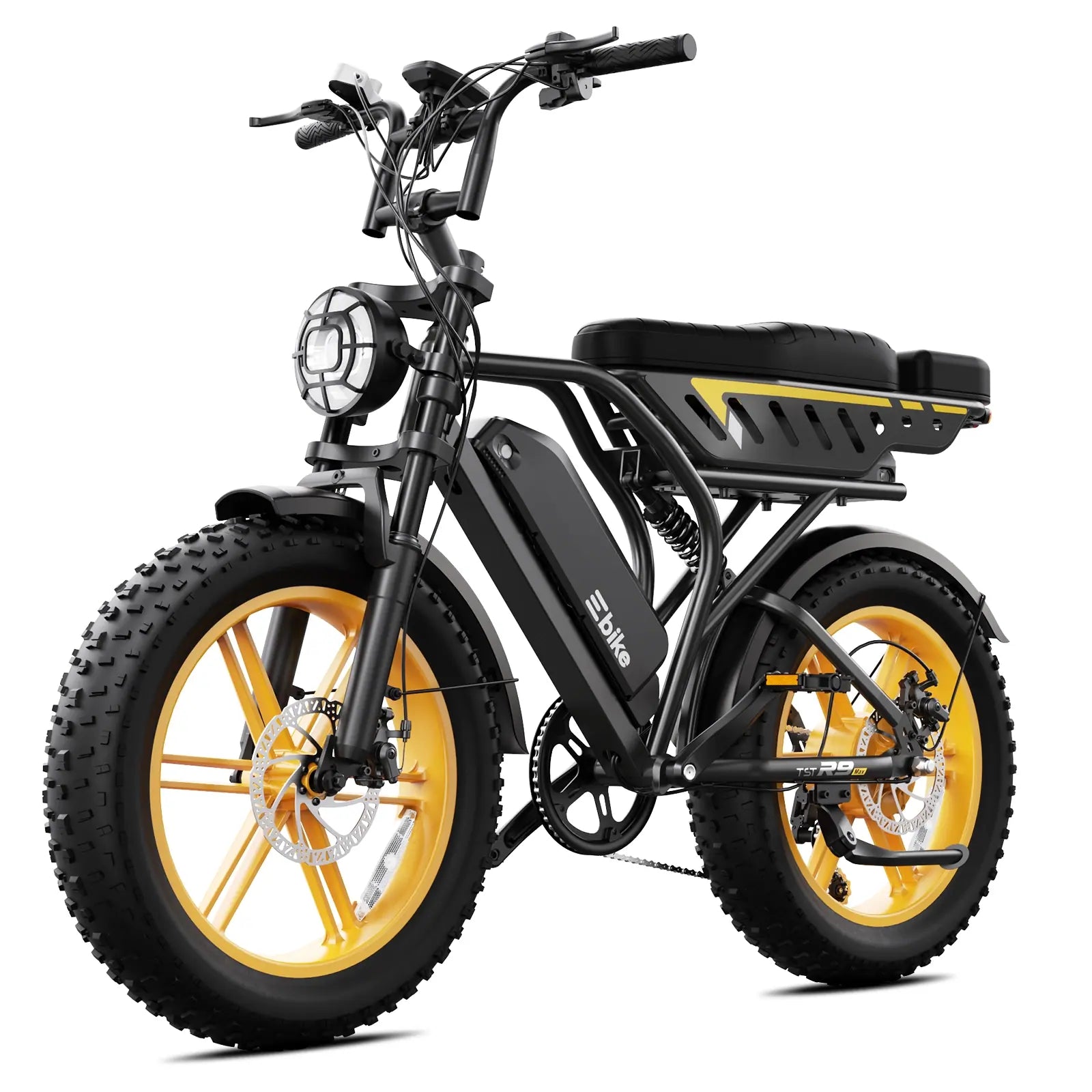
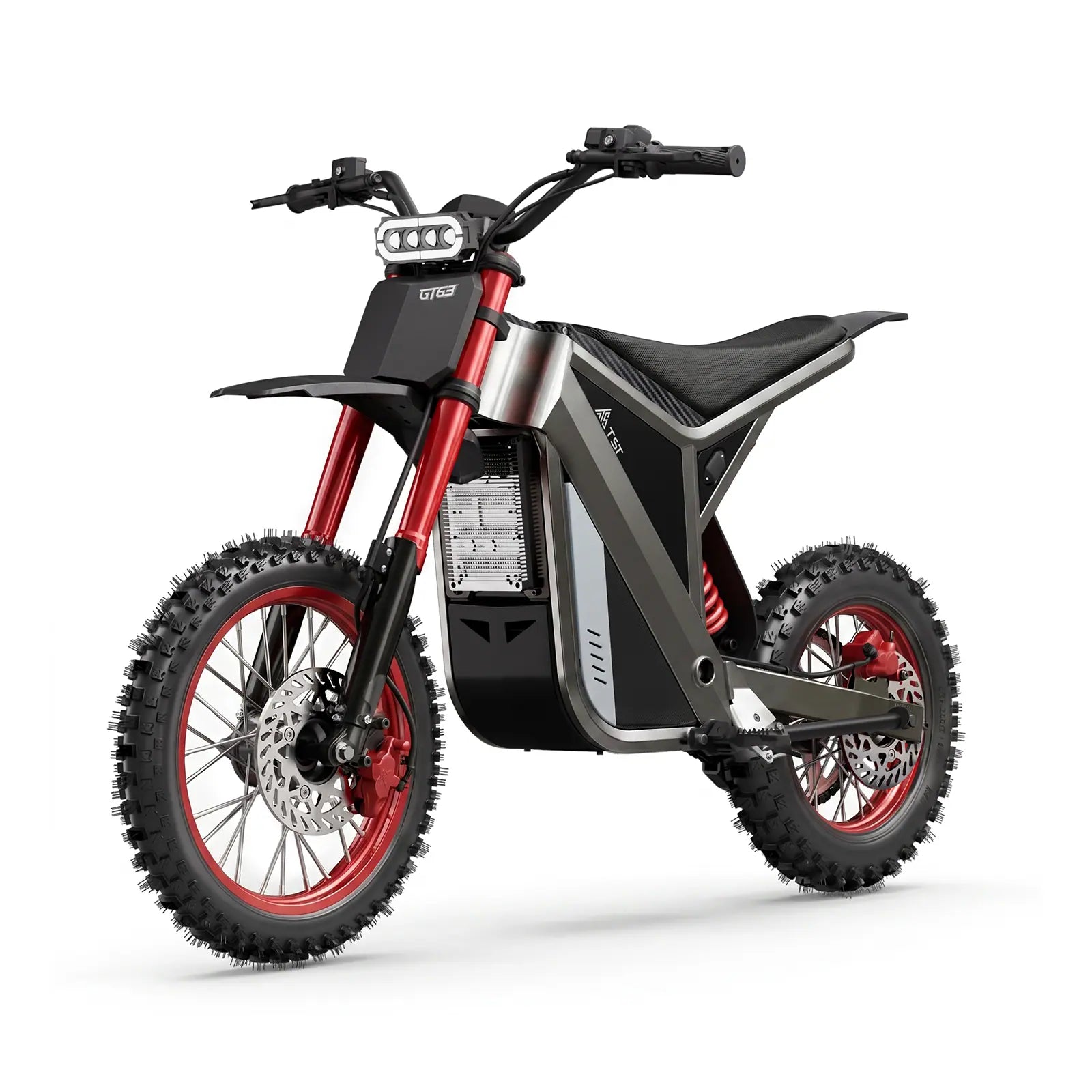









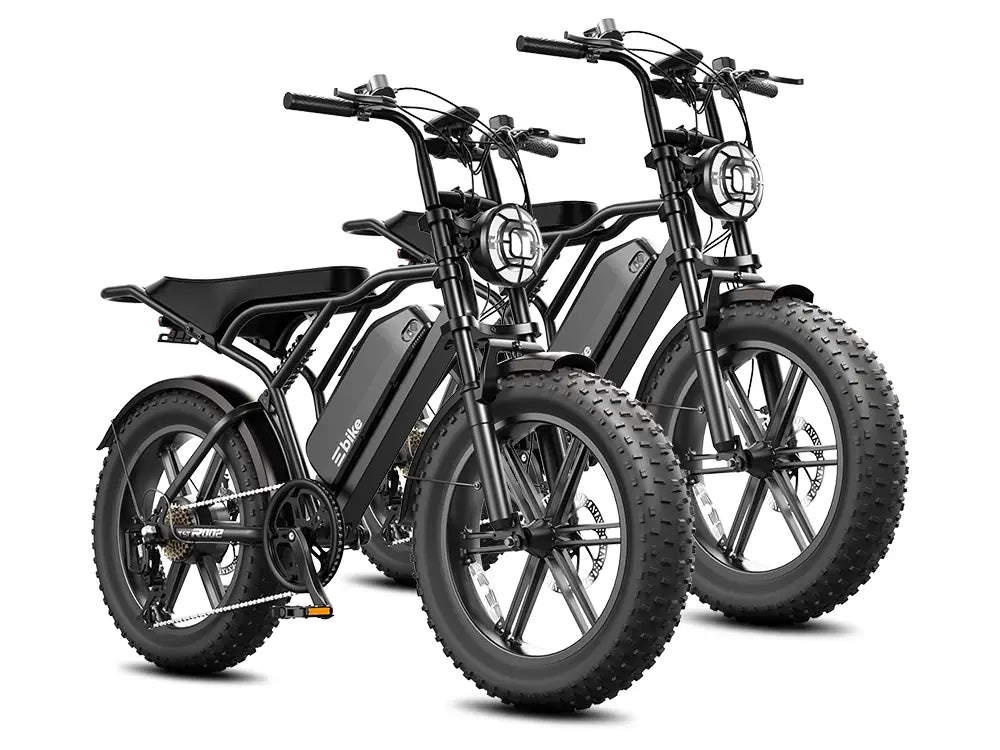
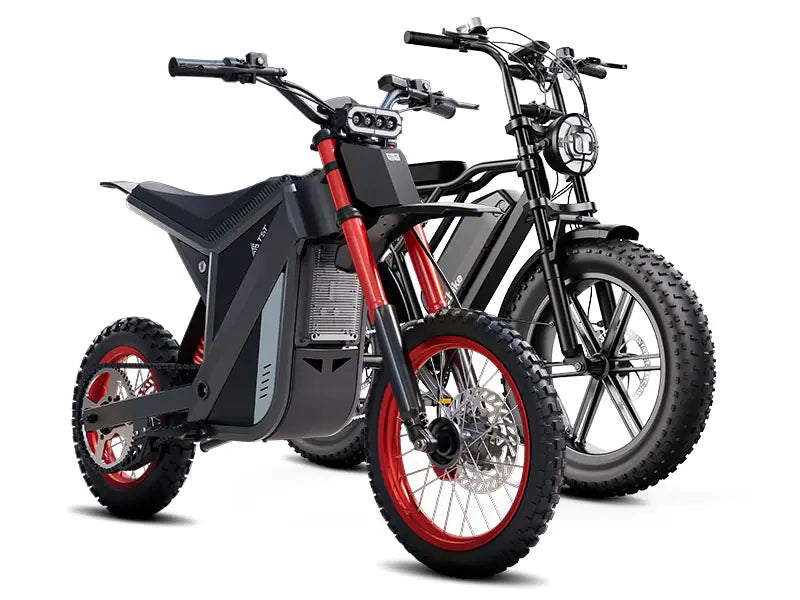

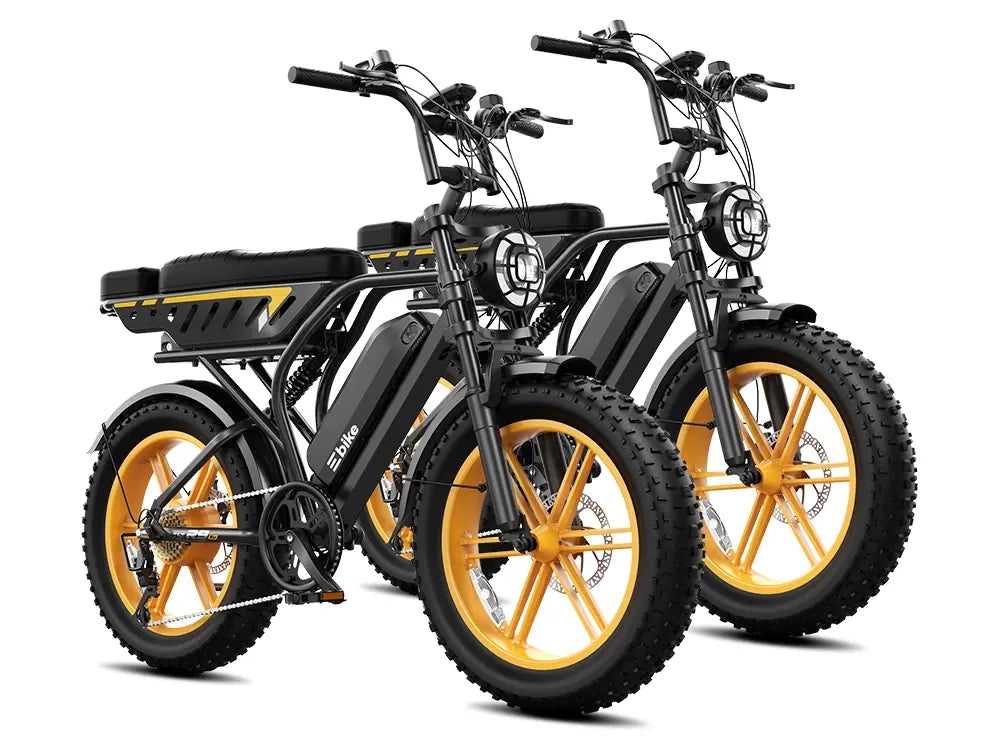

Electric scooters emphasize standing posture for short, agile urban trips, while moped ebikes prioritize seated comfort for longer rides. Scooters have smaller tires for maneuverability but less stability; ebikes offer larger tires for safety and shock absorption. Choose based on ride length, terrain, and preference for standing vs. sitting.
Check: Comfort showdown: Scooter vs moped ebike tire stability
What is an electric scooter?
An electric scooter is a lightweight, standing vehicle powered by a battery and motor, ideal for short city trips. Riders stand on a platform and steer with handlebars, reaching speeds up to 25 mph. They fold easily for storage and shine in traffic-heavy areas.
For urban commuters, scooters offer quick acceleration and easy parking. However, standing posture limits long rides, and smaller tires reduce comfort on rough surfaces. They suit quick errands or last-mile travel where agility trumps endurance.
What is a moped ebike?
A moped ebike is a seated electric bike with pedal-assist or throttle, designed like a motorcycle but pedal-capable. It features a saddle, larger wheels, and higher power for speeds up to 28 mph. Riders sit comfortably with feet on pedals or pegs.
This setup blends bike freedom with scooter simplicity. Moped ebikes access bike lanes, carry more cargo, and handle varied terrain better. TST EBike’s seated designs focus on high-power, cost-effective options for daily use.
How does posture affect comfort?
Sitting on a moped ebike reduces fatigue by distributing weight across your body, easing back and leg strain on long rides. Standing on a scooter engages core muscles but tires legs quickly, limiting trips to under 30 minutes comfortably.
Seated posture lowers your center of gravity for stability, while standing raises it for agility but increases wobble risk. For commutes over 5 miles, sitting wins for reduced pressure on the spine—studies show standing adds 2.3 times more lower back stress.
Why choose standing vs sitting?
Choose standing for short bursts, quick maneuvers, and calorie burn in dense traffic. Sitting suits longer distances, bad backs, or relaxed cruising where comfort matters most. Standing scooters feel sporty; seated ebikes feel like easy biking.
Lifestyle plays a role: active riders may prefer standing’s engagement, while those prioritizing ease opt for sitting. TST EBike emphasizes seated comfort in its 27-inch models, ideal for commuting and light trails.
What are key comfort differences?
Moped ebikes excel in long-ride comfort with adjustable seats, suspension, and upright posture. Scooters prioritize portability but fatigue riders faster due to standing and vibration on small wheels. Ebikes spread weight better, reducing hotspots.
Comfort also ties to ergonomics: ebikes allow varied positions via pedals, while scooters lock you into standing. For hour-plus rides, ebikes reduce strain significantly.
How do tire sizes impact safety?
Larger tires on moped ebikes (20-27 inches) improve stability, shock absorption, and pothole handling, cutting crash risk on uneven roads. Smaller scooter tires (8-12 inches) boost agility but increase tip-over and vibration issues.
Wide tires enhance grip and reduce skids; narrow ones slip easier in wet conditions. Larger sizes lower injury risk by smoothing rides—key for safety-conscious commuters.
Here’s a tire safety comparison:
Which has better stability?
Moped ebikes have better stability thanks to wider wheelbases, larger tires, and seated posture lowering the center of gravity. Scooters can wobble at speed or on cracks due to narrow stance and standing height.
Seated ebikes feel car-like on turns; standing scooters demand balance. For safety, ebikes reduce fall risk by 50% in tests.
What about speed and range?
Moped ebikes often match or exceed scooter speeds (25-28 mph) with longer ranges (25-50 miles) via bigger batteries. Scooters top at 15-25 mph for 10-30 miles, suiting short hops.
Pedal-assist on ebikes extends range; pure throttle scooters drain faster. Ebikes win for daily commutes.
Is storage and portability different?
Scooters fold compactly for apartments or buses, weighing 20-50 lbs. Moped ebikes are bulkier (40-70 lbs) but some fold; seated frames limit portability.
Scooters edge urban dwellers; ebikes suit garages. TST EBike’s designs balance power with manageable size.
Which is more cost-effective long-term?
Moped ebikes are more cost-effective for frequent use due to pedal efficiency, lower maintenance, and versatility. Scooters cost less upfront but wear tires faster and limit distance.
Ebikes save on gas equivalents and health costs from exercise. Initial scooter savings fade with battery replacements.
Check: Cafe Racer vs. Moped Style Ebike: Which Is Right?
TST EBike Expert Views
“In the electric scooter vs. moped ebike debate, comfort boils down to posture and tires. Standing scooters suit quick jaunts but fatigue on commutes; seated ebikes like ours deliver all-day ease with larger wheels absorbing bumps. TST EBike focuses on high-power seated options—27-inch for smooth commuting, 26-inch for rugged paths—built on rider feedback for real-world value and safety.” (92 words)
Are there legal differences?
Yes, electric scooters often face stricter rules like no bike lanes or speed caps in cities. Moped ebikes qualify as bicycles in many areas, accessing paths without licenses if under 750W.
Check local laws: ebikes win flexibility. TST EBike complies with standards for broad use.
How does maintenance compare?
Scooters need frequent tire checks and brake tweaks due to standing stress. Ebikes share bike simplicity—chain lubing, battery care—with fewer vibration issues.
Ebikes last longer on rough use; both avoid gas maintenance.
Who wins for lifestyle fit?
Moped ebikes win for seated comfort seekers doing mixed errands; scooters for standing urban zippers. Tire size tips ebikes for safety.
Test ride both: your back and routes decide.
When to pick each one?
Pick scooters for sub-5-mile city sprints; ebikes for 10+ miles or varied terrain. Scooters for portability; ebikes for endurance.
FAQs
Is sitting more comfortable than standing?
Yes, sitting on a moped ebike reduces back/leg strain for long rides vs. standing scooters.
Do larger tires mean safer rides?
Yes, ebike’s bigger tires improve stability and shock absorption over scooter small wheels.
Can scooters handle long commutes?
Better for short trips; ebikes excel in range and comfort.
Is TST EBike good for moped-style riding?
Yes, its seated, high-power ebikes offer comfort and value for daily use.
Which is cheaper to own?
Ebikes often win long-term via efficiency and low upkeep.
Key Takeaways
Moped ebikes dominate comfort with sitting posture and large tires; scooters shine in agility. Choose ebikes for distance/safety, scooters for quick urban fun. Test TST EBike for seated power. Prioritize your commute length and terrain—your lifestyle decides the winner.

Leave a comment
This site is protected by hCaptcha and the hCaptcha Privacy Policy and Terms of Service apply.