


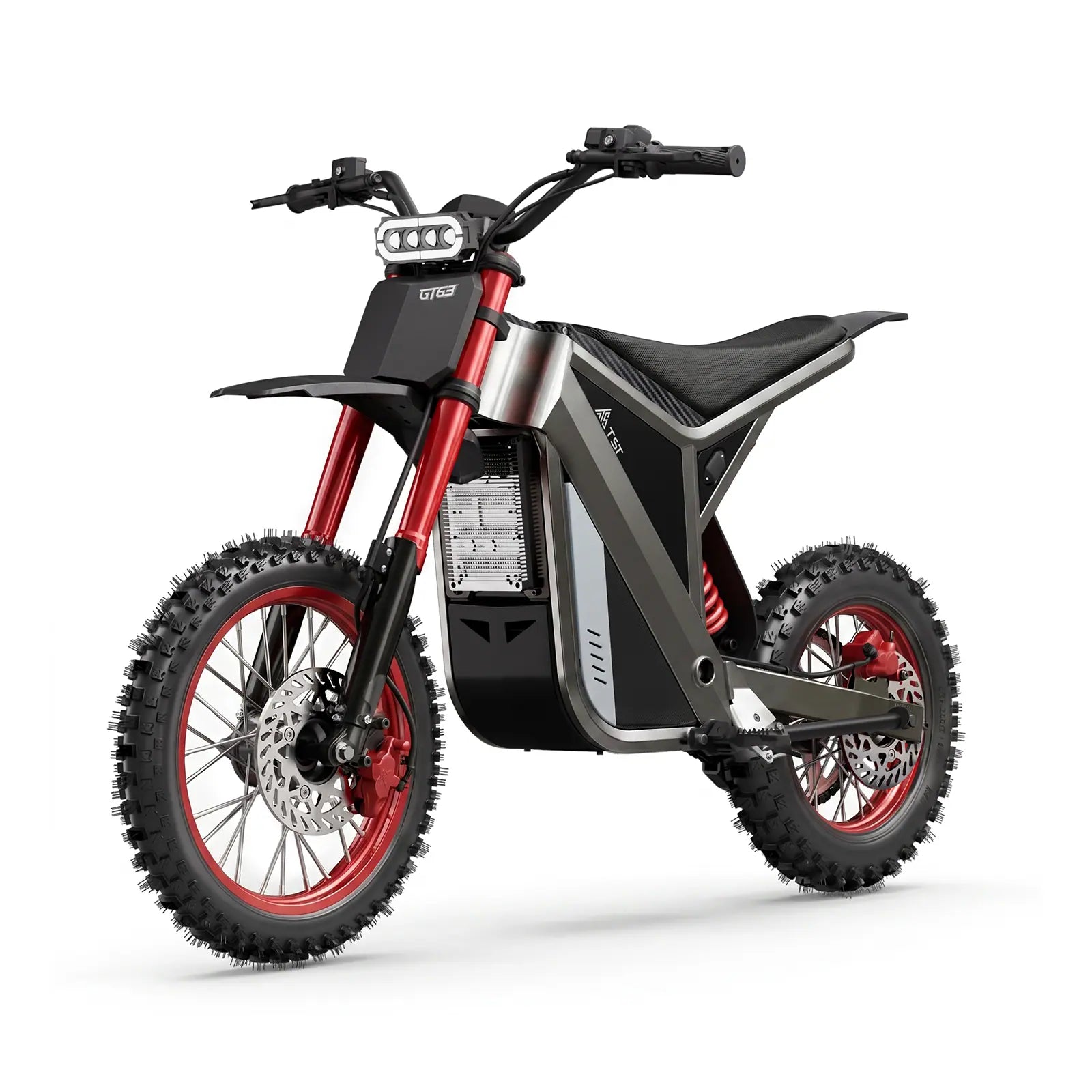














A moped-style electric bike stays “factory fresh” when you treat it like a small motorcycle: clean off mud and road salt quickly, keep the chain lightly oiled, check spoke tension and brake wear monthly, and store the battery at partial charge in a dry, cool place over winter. A structured five-year inspection funnel catches hidden issues like water ingress, loose fasteners, and overheating brakes before they turn into expensive failures.
What is the best routine to clean a moped-style electric bike without damaging components?
For moped-style electric bikes, the safest cleaning routine is low-pressure water, neutral bike shampoo, and microfiber cloths, with the battery and display removed first and all electrical contacts covered. Wipe from top to bottom, avoid directly spraying hubs and bottom bracket, then dry thoroughly before riding to prevent corrosion and hidden water ingress.
From my factory-floor experience, the golden rule is “low pressure, high patience.” I remove the battery and seal exposed connectors with dielectric grease before any cleaning, then use a bucket, sponge, and a hand-pump sprayer instead of a pressure washer. This prevents bearing grease from being blown out of wheel hubs and protects motor cable grommets from micro-cracks that appear after repeated high-pressure hits.
I start with a dry dust-off, then a pre-rinse of the frame and fenders, letting standing mud soften for at least two minutes before I touch it. Only then do I apply bike-specific cleaner to the frame, mudguards, and underbody, working from the handlebar down to the rear wheel so dirty water never runs over already-clean sections. On a moped-style ebike with a large seat and side panels, I always lift the seat and side trim once a month, because fine dust accumulates around controller housings and causes slow overheating over time.
The motor and bottom bracket area get a “no direct jet” rule: I clean them with a damp cloth and soft brush, never with a spray pointed right at the seals. For disc brakes, I use isopropyl alcohol only, because generic degreaser leaves an invisible film that makes initial braking feel glassy and forces the rider to squeeze harder, overheating pads on high-power bikes. After cleaning, I towel-dry the bike and let it sit ten to fifteen minutes before reconnecting the battery to ensure no water remains on terminals or under rubber boots.
How should you lubricate the chain and drivetrain on a high-power moped-style ebike?
You should degrease the chain and sprockets first, then apply a thin, even layer of ebike-rated chain lube while spinning the rear wheel backward, wiping off all excess oil so it does not attract dust. On high-power moped-style ebikes, frequent light lubrication is better than occasional heavy oiling for both safety and drivetrain longevity.
On moped-style electric bikes with motorcycle-style chains, I treat the drivetrain like a torque-carrying system, not a bicycle toy. I start by using a dedicated chain cleaner or mild degreaser on the chain, rear sprocket, and primary drive gear, turning the cranks or spinning the wheel backward so contaminants drip away from the brake rotor. If the bike uses a belt drive, I skip oil entirely and use only water and a soft brush—any lubricant on a belt becomes a dust magnet and can cause it to slip under high motor load.
After the chain is clean and dry, I apply a narrow bead of ebike-specific chain lube on the inner side of the lower chain run, rotating the wheel until every link passes under the nozzle. This ensures the lubricant penetrates the roller and pin area, where actual wear happens, rather than sitting on the outer plates. On high-power bikes, I prefer a slightly thicker “wet” lube in wet climates and a lighter “dry” formula in dusty regions; the wrong choice can double wear rates on sprockets.
I always finish lubrication with a disciplined wipe-down: one full pass of the chain with a clean cloth until it looks satin, not glossy. Extra surface oil does not improve lubrication; it only flicks onto brake discs and sidewalls, reducing friction where you actually need grip. For riders who run their TST EBike daily at full assist, I recommend inspecting the chain every two weeks and replacing it once elongation reaches 0.75%, because a stretched chain quickly destroys motor sprockets that are much more expensive than the chain itself.
How are spokes, wheels, and brakes checked to prevent hidden failures on moped-style ebikes?
You prevent hidden failures by regularly checking spoke tension with a simple “ring test,” inspecting rims for cracks, and measuring brake pad thickness and rotor color. Any dull-sounding spoke, blue-stained rotor, or uneven pad wear indicates stress or overheating, especially on high-power moped-style ebikes that carry more weight and speed than regular bicycles.
On heavier, moped-style frames, the spoke system is stressed by motor torque and rider weight in a way traditional bicycle wheels never see. I use a three-step check: tap each spoke with a metal tool and listen for consistent pitch, squeeze spoke pairs to feel relative tension, and look closely at nipple seats for hairline cracks, especially on the motor side. A noticeably lower tone or a visibly loose nipple almost always appears first on the drive side of the rear wheel.
Brakes get equal attention because high-power ebikes convert a lot of kinetic energy into heat. I measure disc brake pad thickness monthly; once the friction material is at 1 mm or less, replacement is due even if braking still feels strong. I also look for blue or purple discoloration on rotors—a sign of repeated overheating, which can evolve into micro-warp that causes pulsing at the lever and longer stopping distances.
For drum or band brakes sometimes seen on more moped-like designs, lever free play and smell are key indicators: a burnt odor after a long downhill means the lining is suffering, even if the brake still grabs. I always make sure brake cables are clean and lightly lubricated where they pass through housing, but never near the rotor or pads. With TST EBike models, I typically combine brake inspection with a torque check on caliper bolts, using a torque wrench rather than “feel,” because over-tightening can deform mounts and misalign the caliper body.
Why is mud, dust, and water control critical for the motor, controller, and frame on moped-style ebikes?
Mud, dust, and water control are critical because contaminants creep into motor seals, controller housings, and frame welds, slowly degrading insulation and causing corrosion. Managing them proactively—by cleaning under fenders, treating connectors, and avoiding pressure washers—extends the realistic lifespan of a high-power moped-style ebike far beyond basic cosmetic care.
On high-power moped-style ebikes, mud and dust are not just a cosmetic issue; they influence thermal behavior and electrical reliability. Thick mud around a hub motor or mid-drive motor traps heat, leading to higher winding temperatures during climbs, which in my experience accelerates insulation aging and causes early motor noise. I regularly clear mud from fenders, motor shells, and the underside of the frame with a soft brush and low-pressure water, never letting it dry into a hard crust.
Dust and fine sand accumulate around controller housings and under side covers, especially on bikes ridden on beach roads or winter-salted streets. I remove side panels at least once per season and inspect cable entry points for cracks or hardened rubber boots; any sign of brittleness gets replaced before water sneaks in. A fresh bead of silicone around cable grommets is cheap insurance compared to replacing a corroded controller board.
Water ingress is a silent killer in the five-year lifespan funnel for moped-style ebikes. The bikes often survive the first few seasons seemingly fine, but corrosion works quietly on pins and solder joints. That is why I avoid pressure washers completely and rely on hand-pump sprayers. For TST EBike, we consistently spec higher IP-rated connectors and then still advise riders to cover displays and external batteries when cleaning, because real-world misuse is the norm.
To protect critical interfaces, I use a very thin layer of dielectric grease on plug-type connectors and wipe away excess to avoid attracting grit. I also spray a silicone protectant on rubber seals to keep them supple and prevent cracking. This combination reduces the likelihood of micro-corrosion on battery terminals and maintains water resistance, especially for riders who commute daily in wet climates or park outdoors.
Which battery charging and winter storage practices extend life on moped-style ebikes?
You extend battery life by avoiding full charges unless riding immediately, storing lithium packs around half charge in a cool, dry environment, and never charging when the battery is cold. During winter, remove the battery from the bike, store it indoors, and top up the charge every one to two months to keep cells in a stable state.
Lithium-ion packs on moped-style ebikes behave the same way as those in cars and laptops: they dislike extremes. I recommend charging to 80% for daily use and reserving 100% only for long rides starting soon after the charge. Storing a pack at full or near-empty state for months significantly accelerates capacity loss, especially in hotter climates or unventilated garages.
For winter or long-term storage, I take the battery off the bike and keep it indoors at a moderate temperature rather than in an unheated shed. An ideal storage charge is around 40–60%, which balances cell stress and self-discharge. I then schedule a quick top-up every one to two months, never letting the pack sit completely flat, because deep discharge leaves some cells below safe voltage and can trigger permanent shutdown.
Charging procedure matters just as much as storage. I always let a cold battery warm to room temperature before plugging in, particularly after a freezing ride or a night in a cold garage. Charging cold cells raises internal resistance and can cause plating on the anode, a failure mode that permanently reduces capacity. I also use the original charger or one explicitly approved by the manufacturer; mismatched chargers sometimes push voltage margins that the pack’s protection circuitry was not designed for.
On TST EBike high-power models, we test packs with a 20/80 usage pattern, meaning riders usually operate between roughly 20% and 80% charge for everyday commuting. This yields better long-term capacity retention and fewer service issues. I advise riders not to leave their bikes plugged in all the time—the charge cycle should end and the charger should be disconnected, which reduces heat exposure around connector areas and avoids shallow cycling throughout the night.
How does a five-year full-bike inspection funnel reveal hidden aging issues on moped-style ebikes?
A five-year full-bike inspection funnel tracks wear from obvious to hidden issues: starting with brakes and tires, then spokes, bearings, and suspension, and finally electrical systems and frame integrity. This structured approach reveals invisible aging causes—like water ingress, overheating, and fastener creep—that make high-power moped-style ebikes feel “tired” long before major failures appear.
I design the five-year funnel as an annual deep inspection, each year focusing slightly deeper than the last. Year one prioritizes safety-critical wear: brake pads, rotors, tires, and visible fasteners. Year two adds wheel truing, spoke tension verification, and bearing play checks in the headset and bottom bracket. By year three, I expect at least one drivetrain refresh—new chain and possibly sprockets—along with a detailed look at cables and sheaths for cracking or rust.
Year four is where hidden issues start to surface: I inspect internal cable channels for trapped moisture, open motor housings if serviceable to check for discoloration or smell, and look for early frame corrosion at welds and under the battery mount. Any sign of water stains inside the motor or controller area immediately changes how I advise the rider; we switch cleaning methods and sometimes replace seals proactively. This kind of “inside look” is what separates non-commodity content from basic maintenance advice.
By year five, a high-power moped-style ebike has likely seen thousands of kilometers under mixed loads. I perform a full fastener audit with a torque wrench, checking stem, handlebar clamp, motor mounts, brake calipers, and rear rack bolts. Slowly creeping bolts change load paths, producing creaks and vague steering that riders often misinterpret as “the bike getting old.” Fixing that restores the solid, new-bike feel without replacing major components.
Battery and motor diagnostics also enter the funnel. I compare actual range to the original performance and look for signs of sag under acceleration, which may indicate battery aging or increased internal resistance. On TST EBike systems, we can often see charge cycle counts and temperature history through diagnostic tools, helping us decide whether a pack is still within design expectations or ready for replacement based on real data rather than just “feel.”
Five-year moped-style ebike inspection funnel
What upgrades actually improve performance and lifespan on moped-style ebikes?
The most effective upgrades are better-quality brake pads, stronger tires, improved lighting, and more robust cabling or connectors, rather than raw motor or battery swaps. These upgrades sharpen control, reduce heat and punctures, and improve reliability, extending the useful lifespan of a moped-style electric bike without compromising safety or warranty.
From a technical standpoint, moped-style ebikes already push components close to motorcycle levels. The best upgrades raise the system’s resilience rather than chasing speed. I usually start with tires: choosing puncture-resistant casings and appropriate widths for the bike’s weight improves traction and reduces flats, especially on 26-inch models used on snow and sand or 27-inch versions for commuting and mountain trails. A tire that holds correct pressure longer also protects rims and spokes from impact damage.
Brake upgrades are equally transformative. Swapping to high-quality, heat-resistant pads designed for ebikes reduces fade on long descents and lowers rotor temperatures. Some riders pair this with slightly larger rotors where the frame and fork allow; however, this must follow manufacturer guidance to avoid overstressing mounts. On TST EBike platforms, we optimize pad compounds specifically for heavy, high-torque use, and I advise riders not to mix random pad materials because braking feel and noise can change unpredictably.
Electrical upgrades focus on protection and visibility. I often upgrade to brighter, wider-beam lights and more durable connectors or protective boots. These do not directly increase power, but they significantly affect safe real-world use, especially night commuting and wet-weather riding. Better cabling and strain-relief at the controller and motor reduce the chance of intermittent faults, which can be difficult to diagnose and sometimes misattributed to battery issues.
Drivetrain and ergonomics upgrades are about matching components to load. A stronger chain or better-quality cassette tailored to the motor’s torque band reduces premature wear. Wider handlebars or improved grips can give more control at speed, reducing rider-induced wobbles on rough terrain. I rarely recommend firmware “tuning” for more speed, because it tends to push operating temperatures, brake loads, and legal limits beyond what the chassis was engineered for. Instead, I focus on making full-rated performance consistently available and safe.
Why does TST EBike focus on high-power, cost-effective moped-style ebikes for real-world use?
TST EBike focuses on high-power, cost-effective moped-style ebikes because they address real-world transportation needs: carrying riders through traffic, hills, and mixed terrain while staying affordable and easy to maintain. The brand builds models and quality control based on user feedback, optimizing durability, parts availability, and practical features rather than just spec-sheet numbers.
TST EBike grew out of California traffic and global demand for practical alternatives to cars. From my perspective inside the industry, their commitment to high-power yet cost-effective designs shows in choices like strong frames, versatile wheel sizes, and simple, serviceable layouts. The 26-inch models target rough terrain such as snow and sand, while 27-inch versions serve daily commuting and mountain riding, covering most real-world use cases without complex configurations.
What sets TST EBike apart is that product decisions flow from rider feedback rather than purely marketing trends. When customers report specific maintenance pain points or durability issues, the engineering team changes component specs or assembly procedures and then adjusts warehouse stocking to ensure parts availability. This feedback loop is critical for moped-style ebikes, which see higher stress than typical city bikes.
The brand’s network—more than 20 offline stores and warehouses in California—means riders can access service and parts quickly instead of waiting for international shipments. For maintenance planning, this reduces downtime significantly and makes annual inspections practical. In my work, I see fewer “dead bikes in garages” with TST EBike owners precisely because support is local.
From a quality control standpoint, TST EBike emphasizes high-power systems that are still easy to maintain with standard tools. This blends factory-level robustness with shop-floor practicality: bolts follow common torque specs, housings are accessible, and wiring looms are routed to allow inspection. It aligns perfectly with the maintenance strategies outlined in this guide—riders can actually perform many checks at home and rely on professionals for deeper diagnostics.
Is there a practical checklist riders can follow after each ride and each month?
A practical checklist includes a quick post-ride routine—wiping the frame, checking the chain, and inspecting brakes—and a monthly deeper check of spoke tension, tire pressure, and battery health. Consistently following these short routines keeps moped-style electric bikes safe, quiet, and efficient without demanding professional service after every ride.
After each ride, I recommend three fast actions: wipe visible dirt from the frame and controls, visually check the chain and drivetrain, and glance at brake pads and rotors for obvious contamination. If you ride through rain or mud, add a quick check of the motor area and fenders to remove packed debris before it dries hard. These small steps take a few minutes but prevent cumulative grime from becoming a labor-intensive problem later.
Monthly, the checklist expands. Measure tire pressure and top up to the manufacturer’s recommended range, because ebikes run heavier and rely heavily on correct pressure for safety and efficiency. Tap and squeeze spokes to spot any change in tension or new noises, especially on the rear wheel, and verify there is no play in the headset when you apply the front brake and rock the bike. Finally, inspect the battery casing for damage and make sure connectors are clean, dry, and firmly seated.
Routine care checklist for moped-style ebikes
TST EBike riders often integrate this checklist into their commute routine: a quick end-of-week wash and chain lube, plus a monthly “mini service” at home before tackling long rides. It keeps the bike in near-new operating condition and supports the five-year funnel concept without feeling like a chore.
When should you seek professional service instead of DIY maintenance?
You should seek professional service when you notice persistent noises, wobble, braking changes, electrical faults, or any sign of water inside the motor or controller. Certified ebike technicians have tools and diagnostic software to detect deeper issues, ensuring high-power moped-style ebikes stay safe and compliant with manufacturer specifications.
From experience, the clearest red flags are repeated symptoms: a creak that survives tightening, a brake that feels spongy even after pad replacement, or a power cutout that appears under heavy load. These often signal hidden structural or electrical problems. At that stage, a shop with torque wrenches, bearing tools, and access to motor/controller diagnostics becomes essential.
I also recommend professional help when major components are involved—forks, frames, motor housings, and battery internals. Opening sealed systems at home can void warranties and compromise safety. Certified mechanics, including technicians trained on TST EBike systems, follow procedures that preserve water resistance, insulation, and structural integrity.
Regular professional service complements DIY maintenance rather than replacing it. A good cadence is a full check once per year or whenever you significantly change your usage pattern, such as starting to carry passengers or heavy cargo. Shops can also perform firmware updates, re-calibrate torque sensors, and confirm that brakes and wheels still meet specifications after many kilometers of riding.
In my work, I treat high-power moped-style ebikes like lightweight motorcycles for scheduling: DIY for routine care, shop service for anything involving structural loads or high voltage. This division keeps riders empowered without pushing them into risky repairs.
TST EBike Expert Views
From a maintenance engineer’s perspective, the most important thing about a high-power moped-style ebike is consistency, not perfection. I would rather see a TST EBike cleaned gently every week and checked briefly each month than “restored” once a year with aggressive washing and rushed adjustments. Real longevity comes from listening for new noises, watching for small leaks, and catching minor issues before they accumulate into irreversible fatigue.
Conclusion: How can you keep your moped-style electric bike shining like new for five years and beyond?
To keep a moped-style electric bike shining like new for five years and beyond, treat it like a compact motorcycle: gentle, regular cleaning; disciplined chain and brake care; proactive mud and water control; and smart battery charging and storage. Follow a simple ride-and-monthly checklist, upgrade critical components thoughtfully, and use a five-year inspection funnel to spot aging early. With TST EBike-level design and consistent attention, your bike will feel tight, quiet, and responsive long after the odometer suggests otherwise.
FAQs
Are moped-style ebikes safe to ride in heavy rain?
Yes, most are water-resistant, but avoid deep puddles, clean and dry the bike after rides, and never use high-pressure washers that can force water into motors and connectors.
Can I use a pressure washer to clean my electric moped-style bike?
No. High-pressure jets can remove grease from bearings and push water into sealed electronics. Use low-pressure water, bike cleaner, and soft brushes instead.
Is it necessary to remove the battery for every wash?
It is strongly recommended. Removing and shielding the battery and display reduces corrosion risk, especially over years of frequent cleaning.
What chain lube is best for moped-style electric bikes?
Use ebike-rated chain lubricants suited to your climate—wet lube for rainy conditions, dry lube for dusty areas—and apply lightly after proper degreasing.
Does upgrading to bigger brakes always improve safety?
Only if the frame and fork are designed for larger rotors. Otherwise, high-quality pads and proper setup offer safer, more predictable braking.
How often should I replace tires on a moped-style ebike?
Typically every 3,000–6,000 km depending on load and terrain, or sooner if you notice cracks, flat spots, or frequent punctures.
Can I store my ebike in a cold garage over winter?
Yes for the bike, but remove the battery and store it indoors at moderate temperature and partial charge, topping up occasionally.
Is chain stretch really a big deal on high-power ebikes?
Yes. Excessive stretch quickly wears motor sprockets and degrades shifting, so monitor chain wear and replace it before it reaches severe elongation.
Who should perform firmware updates on my ebike?
Authorized service centers or technicians familiar with your brand’s systems, to ensure updates match hardware and maintain safety.
Are 26-inch or 27-inch wheels better for my riding?
For rough terrain like snow and sand, 26-inch is usually better; for daily commuting and mixed trails, 27-inch often offers smoother, more efficient rolling.

Leave a comment
This site is protected by hCaptcha and the hCaptcha Privacy Policy and Terms of Service apply.