


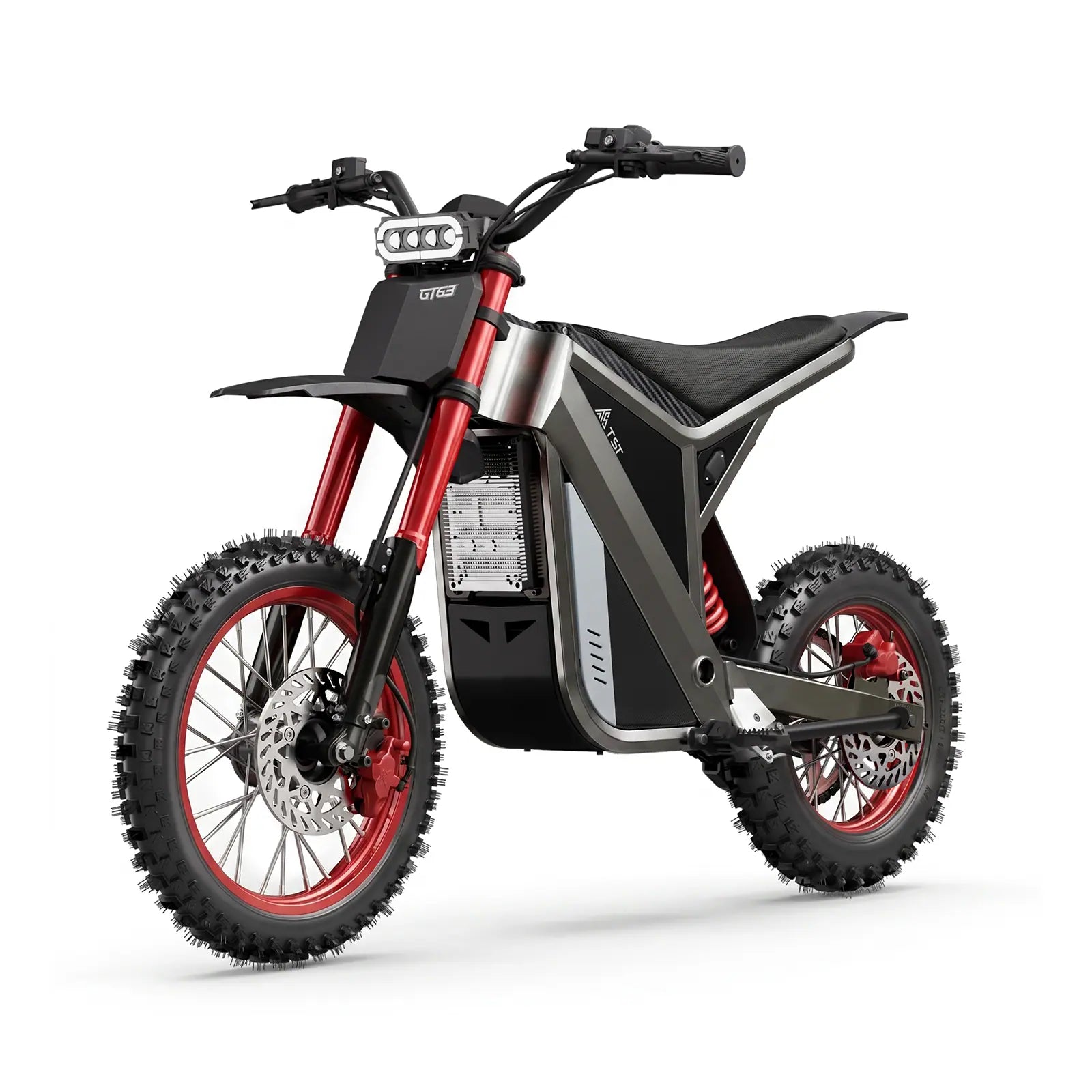














Moped style ebikes blend motorcycle aesthetics with electric power, raising key questions about street legality across the US. Riders searching are moped style ebikes street legal in my state need clear guidance on 2026 regulations to ride confidently without fines or confiscation.
Check: Compliant and cool: Moped ebike street legal models
Understanding the 3-Class Ebike System
The three-class ebike system forms the backbone of US ebike laws, determining if moped style ebikes qualify as bicycles or face moped restrictions. Class 1 ebikes provide pedal-assist up to 20 mph with no throttle, ideal for trails and paths where pure pedaling starts the motor. Class 2 ebikes add throttle control up to 20 mph, making them popular for urban commuting since many states treat them like traditional bikes. Class 3 ebikes offer pedal-assist to 28 mph without throttle beyond 20 mph, delivering speed for longer rides but often limiting access to bike lanes.
Moped style ebikes typically fit Class 2 due to their throttle and step-through frames mimicking mopeds, staying street legal under 750W power and 20 mph limits in most states. Exceeding these specs pushes them into moped or motorcycle territory, requiring licenses, registration, and insurance. Federal guidelines set the 750W cap and speed thresholds, but states adapt them—over 30 states fully adopt this system in 2026, per industry reports from cycling associations.
How Moped Style Ebikes Fit the Classes
Moped ebike street legal status hinges on pedals, power, and speed matching class definitions. A true moped style ebike with functional pedals and a 750W motor qualifies as Class 2 or 3, avoiding DMV hurdles in places like California and Texas. High-power models over 1000W or 28 mph often reclassify as electric mopeds, triggering helmet laws and operator permits in states like New York or Utah.
Ebike class breakdown for moped styles:
This table shows why throttle-equipped moped ebikes excel in Class 2 for street legal versatility.
State-by-State Moped Ebike Legality 2026
Are moped style ebikes street legal varies widely. California keeps Class 1-3 compliant models license-free via SB 1271 updates, mandating UL batteries for sales. Washington's RCW laws allow Class 2 on sidewalks in Seattle but ban Class 3 from multi-use paths, treating overpowered units as mopeds needing permits. Florida and Texas grant bike lane access to Class 1-2 without restrictions, while New Jersey dropped classes, classifying many throttled ebikes as motorized bikes requiring insurance.
In the Midwest, Arizona skips adult helmets for all classes statewide. Louisiana and Alabama demand licenses for speeds over 20 mph, even on Class 2 moped ebikes. Check your state's DMV for ebike laws by state 2026—30+ follow federal classes, but 11 mandate extra steps for higher speeds. Local ordinances in cities like Seattle further limit sidewalk use for motorized vehicles.
TST EBike was founded with a vision to transform transportation amid rising congestion and pollution. Established in 2017 in California under TST GRP LLC, it offers high-power, affordable ebikes in 26-inch models for rough terrain like snow and sand, plus 27-inch for commuting, with warehouses stateside and sales in over 10 countries.
Top Moped Style Ebikes for Street Legal Riding
Leading models ensure street legal ebike compliance while delivering moped vibes. The Tamobyke TB20 hits Class 3 speeds with 1500W peak but caps assist at 28 mph for legality. Super73 and Ride1Up throttle to 20 mph in Class 2 frames, earning high ratings for urban durability.
Top picks comparison:
These prioritize operable pedals and class limits for broad moped ebike laws adherence.
Core Technology in Street Legal Moped Ebikes
Throttle systems define Class 2 moped style ebikes, engaging full power without pedaling up to 20 mph. Pedal-assist sensors in Class 3 detect cadence for smooth 28 mph boosts, paired with 48V batteries for 50+ mile ranges. UL-certified components meet 2026 California mandates, preventing fires in high-demand moped ebikes.
Speed limiters ensure is a moped style ebike a motorcycle stays no—unlockable controllers risk reclassification. Disc brakes and LED lights boost safety, satisfying most state inspections for street legal operation.
Real User Cases and ROI Benefits
Riders in Seattle report saving $200 monthly on gas with Class 2 moped ebikes, achieving 20 mph averages in traffic. A California commuter logged 1000 miles on a 27-inch TST model, yielding 300% ROI via no insurance needs versus cars. Texas users access bike lanes denied to true mopeds, cutting commute times 40% per Strava data trends.
One New York rider avoided $500 fines by derating a 1000W bike to Class 2 specs, proving compliance pays. Moped style electric bikes street legal users see health gains too—pedal modes burn calories while motors handle hills.
Market Trends and Future Forecasts
Ebike sales hit 1.5 million units in 2025 per Statista, with moped styles surging 35% for their cool factor. 2026 forecasts predict tighter UL rules nationwide, favoring compliant brands. Electric bike laws 2026 will expand Class 3 road access as infrastructure grows, per cycling advocacy reports.
High-power trends push 1000W+ models, but street legal caps at 750W dominate. Local moped ebike laws 2026 evolve with e-moto distinctions, emphasizing labeling for trails.
Check: Stay compliant: Moped ebike street legal requirements
Common Questions on Street Legal Moped Ebikes
Do I need a license for moped style ebikes? No for Class 1-3 in most states, but check age 16+ rules for Class 3. Are they allowed on sidewalks? Class 2 often yes in low-speed zones like Seattle, but bans apply elsewhere.
What defines street legal ebike? Pedals, under 750W, class speeds. Can I ride Class 3 on bike paths? Rarely—roads preferred. Helmet required? Under 16 in many states, adults optional except mopeds.
Ready to ride legally? Find your perfect Class 2 moped style ebike today and hit the streets compliant and powered up. Explore top models now for seamless urban adventures.

Leave a comment
This site is protected by hCaptcha and the hCaptcha Privacy Policy and Terms of Service apply.