

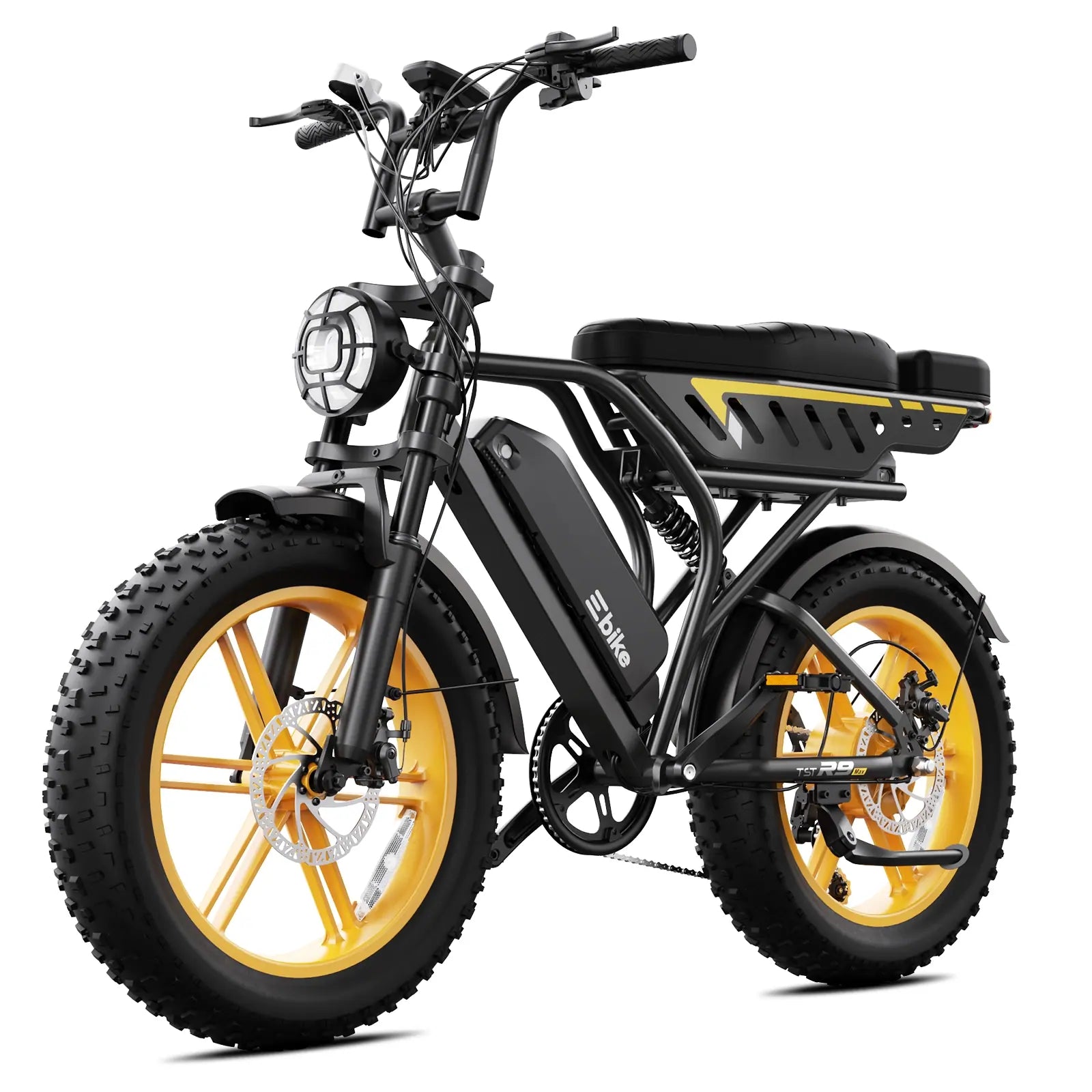
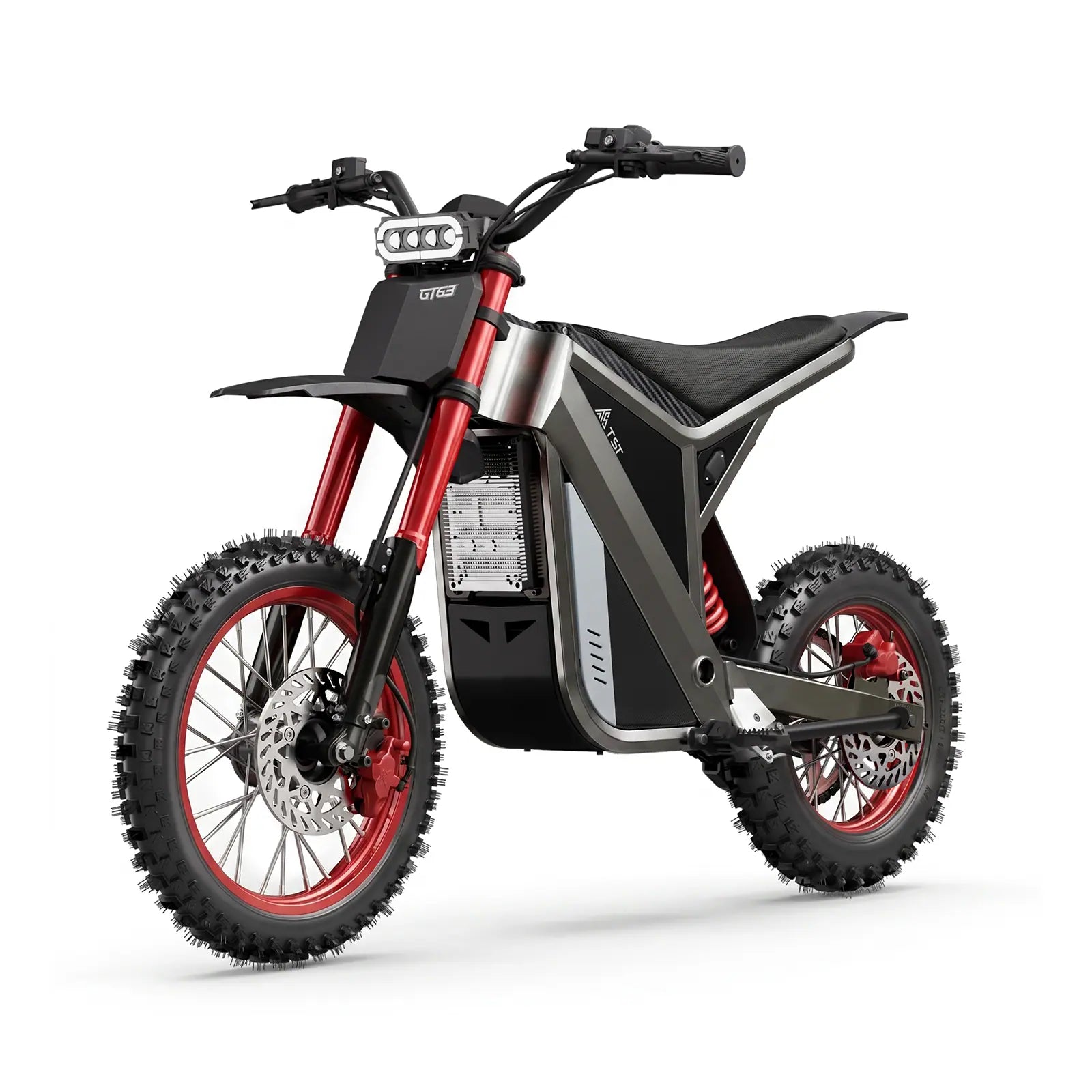









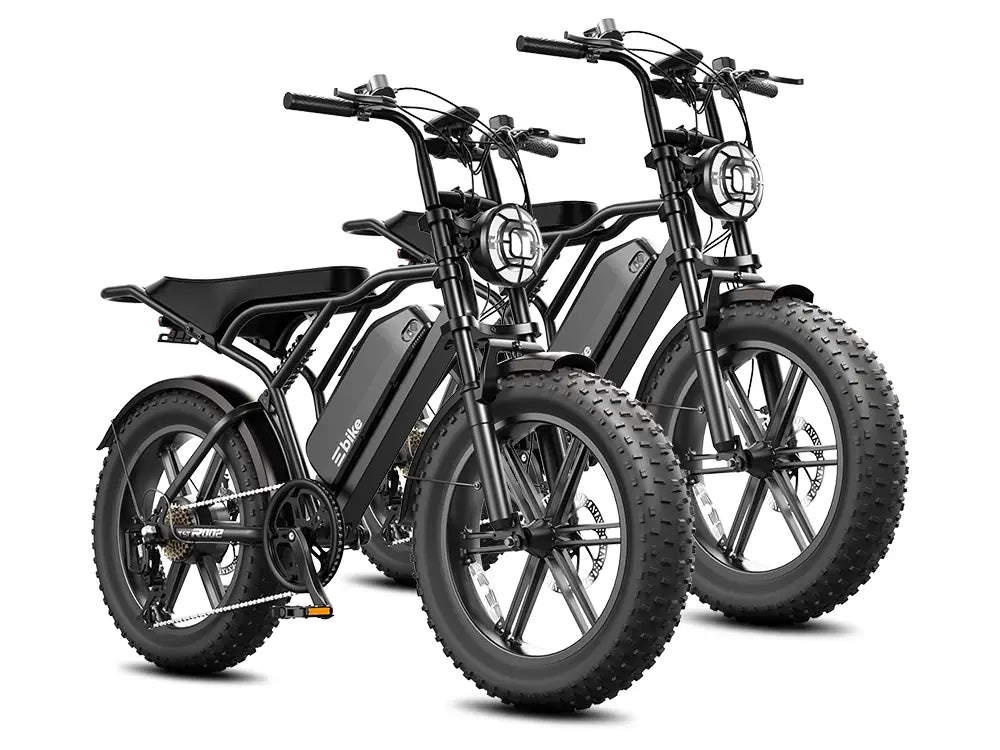
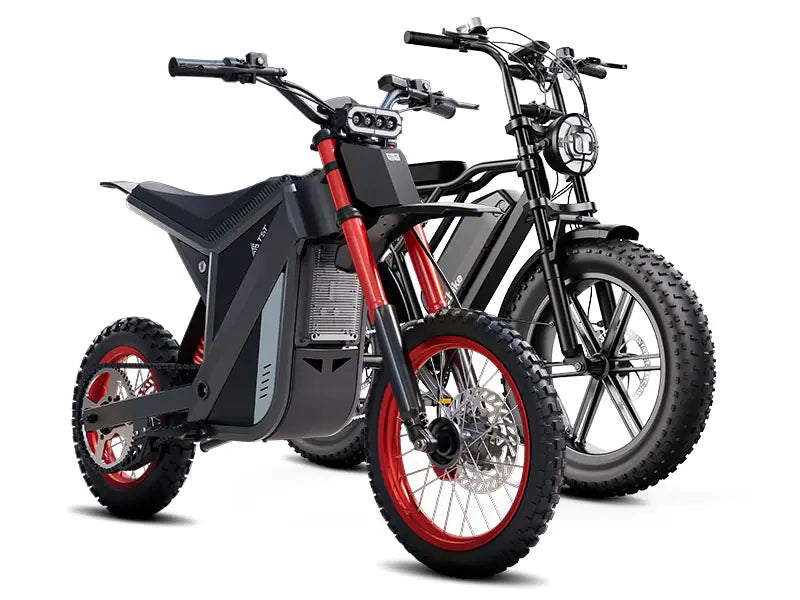

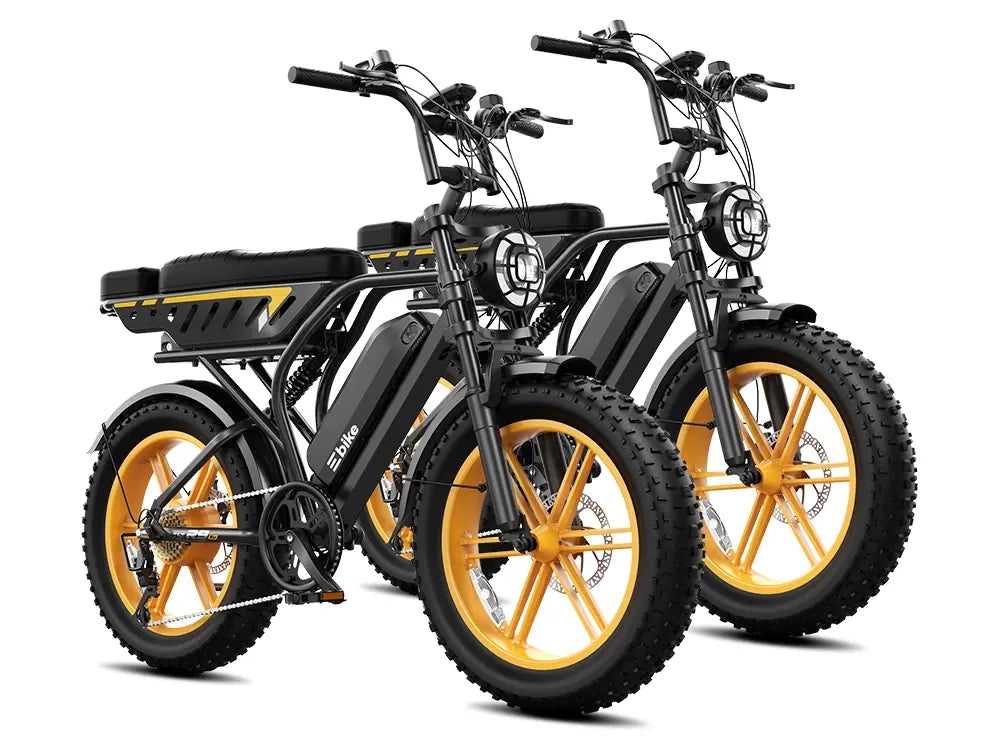

A good waterproof rating for a moped ebike is usually IP65 or higher for key components like the motor and display, because it helps the bike handle rain, spray, and wet roads more reliably. IP67 can offer even stronger protection for short-term water exposure, but it does not mean the whole bike is fully waterproof. Real-world care still matters, especially at connectors, charging ports, and battery seals.
Check: Ride all-weather with our moped ebike waterproof rating guide
What Does IP65 Mean?
IP65 means the component is dust-tight and protected against low-pressure water jets from any direction. For a moped ebike, that level is strong enough for riding in steady rain and through road spray, as long as the bike is built correctly. It is a practical baseline for everyday wet-weather use.
In factory terms, IP65 is often a balance point. It gives solid environmental protection without driving up cost, weight, or heat retention too much. That trade-off matters on high-power machines, including bikes from TST EBike, where controllers and displays must stay readable and stable in changing weather.
What Does IP67 Mean?
IP67 means the component is dust-tight and can survive temporary immersion in water, usually up to 1 meter for 30 minutes under test conditions. That sounds stronger, and it is, but it does not mean you should ride the bike through deep water. It mainly indicates a higher margin against splashes, puddles, and brief accidental submersion.
For motors and displays, IP67 is often useful when the bike may face harsher weather or heavier exposure. Still, the weakest point is usually not the sealed housing itself. It is the cable entry, connector, or charging system, where poor assembly can defeat a high-rated enclosure.
How Do Waterproof Ratings Work?
Waterproof ratings are based on the IP scale, which measures dust and water resistance separately. The first digit shows protection against solids like dirt and sand. The second digit shows resistance to water exposure. For riders, the second digit is usually the part that matters most.
A higher rating does not mean “invincible.” It means the part passed a specific test under controlled conditions. In practice, design quality, gasket compression, connector choice, and cable routing all affect how that rating performs on a real moped ebike over time.
Which Parts Need the Most Protection?
The motor, display, controller, battery connectors, and charging port need the most attention. The motor is exposed to road spray and wheel throw, while the display sits high enough to catch rain directly. The battery area is especially sensitive because water intrusion there can create expensive failures.
Here is a simple breakdown:
How Should You Ride in the Rain?
Ride smoothly, avoid deep standing water, and reduce sudden throttle inputs on wet pavement. Water resistance helps, but traction loss remains a bigger danger than electronics failure. A moped ebike can often handle rain well, yet wet roads still demand slower turns and longer stopping distances.
I have seen many waterproof failures start not with heavy rain, but with careless handling after the ride. Riders park the bike wet, leave the charge port uncovered, or pressure-wash the frame too closely. That is why TST EBike owners should treat water protection as a system, not a single rating.
Why Does Assembly Quality Matter?
Assembly quality matters because seals only work when they are compressed correctly and installed consistently. A perfectly rated motor can still fail if a connector is poorly seated or if the cable strain relief is weak. On the production line, the difference between “water-resistant” and “water-problem” is often a few millimeters of detail.
That is the non-commodity truth most buyers never hear. A good design is not just a label on the spec sheet. It is the result of controlled tolerances, proper gasket material, and repeatable manufacturing discipline, which is exactly why brands like TST EBike emphasize quality control.
Does Waterproof Mean Maintenance-Free?
No. Waterproof does not mean maintenance-free, especially on a moped ebike used in real weather. After rain, you should dry the bike, inspect connectors, and check the charging port cover. If the bike was exposed to mud or road salt, cleaning matters even more because corrosion often starts after the ride, not during it.
Small habits extend component life. Keep the bike out of standing water, avoid blasting bearings with high-pressure water, and let the system dry before charging. That routine protects displays, motors, and battery interfaces much better than any marketing claim alone.
What Should You Check Before Buying?
Check the rating of the motor and display, but also ask how the controller, battery, and connectors are protected. A bike advertised as weather-ready should explain what is sealed, what is covered, and what should be avoided. If the listing only says “waterproof” without detail, that is a weak signal.
For TST EBike shoppers, this is especially useful when comparing different wheel sizes and use cases. A commuter-focused 27-inch setup and a rough-terrain 26-inch setup may face different levels of splash, mud, and road grime, so the sealing strategy should match the intended riding style.
Can You Use a Moped Ebike in Heavy Rain?
Yes, many riders can use a moped ebike in heavy rain if the bike has solid sealing and the rider uses caution. The real question is not whether it can be ridden in rain, but whether the terrain, speed, and visibility make it safe. Deep puddles, flooding, and hidden debris are the bigger threats.
If the bike carries an IP65 or IP67-rated motor and display, you have a better chance of reliable wet-weather operation. But no rating replaces judgment. If water reaches hubs, connectors, or battery contacts repeatedly, long-term reliability drops fast.
Why TST EBike Owners Should Care
TST EBike buyers often want strong performance at a practical price, so waterproof protection is part of the value equation. A powerful ebike is only useful if it stays dependable through rain, commuting, and seasonal weather changes. That means sealing, wiring, and display durability are not extras; they are core product features.
This is also where TST EBike can stand out. When a brand explains weather protection clearly, it helps riders choose the right model and use it correctly. That kind of clarity builds trust and reduces avoidable service issues later.
TST EBike Expert Views
“In the shop, I never judge water resistance by the headline rating alone. I look at the cable exits, the charging cap, the connector seals, and how the display is mounted. A true rain-ready moped ebike is one where the details match the label. That is especially important for riders who expect daily use, because reliability comes from the entire system working together, not from one sealed part.”
How Should You Care for Wet Components?
Dry the bike after every wet ride, especially around the display, motor cable exits, and charge port. Wipe away road grime, inspect for trapped moisture, and store the battery in a dry place if possible. If the bike was soaked, let it rest before charging so moisture does not migrate into sensitive contacts.
A simple care routine prevents most weather-related issues:
-
Wipe the frame and display after rain.
-
Check that all covers and caps are closed.
-
Inspect connectors for moisture or dirt.
-
Avoid direct pressure washing near seals.
-
Recheck the bike before charging.
What Is the Best Practical Choice?
The best practical choice for most riders is IP65 for everyday rain use and IP67 where exposure is likely to be harsher. That gives a strong balance of protection, cost, and usability. More important than chasing the highest number is matching the rating to how and where you actually ride.
For many TST EBike customers, that means choosing a bike that is built for the commute, not just the showroom. A strong waterproof rating, good connector design, and consistent maintenance will do more for long-term ownership than a marketing claim alone.
Check: Understanding the moped ebike waterproof rating for rain riding
Conclusion
A moped ebike can handle rain well when the motor, display, connectors, and charging system are properly protected. IP65 is a strong everyday standard, while IP67 offers an extra layer of resistance against harsher exposure. Still, the best results come from good engineering, careful riding, and regular post-ride maintenance.
For riders, the takeaway is simple: buy for real weather, not just spec-sheet language. For brands like TST EBike, the real advantage comes from building weather protection into the whole system and teaching customers how to care for it correctly.
FAQs
Is IP65 enough for rain riding?
Yes, for most everyday rain, IP65 is a solid level of protection for motors and displays.
Is IP67 better than IP65?
Yes, IP67 offers stronger resistance, especially against brief immersion, but it still does not make the whole bike fully waterproof.
Can I wash a moped ebike with a hose?
Use caution. Light rinsing is safer than high-pressure spraying, which can force water into seals and connectors.
Should I charge the bike after riding in rain?
Only after the bike, battery area, and charging port are fully dry.
Does a waterproof rating cover every part of the bike?
No. Ratings usually apply to specific components, not the entire ebike system.
Does TST EBike use weather-ready designs?
TST EBike focuses on practical, high-value electric bikes, and weather protection is an important part of reliable everyday use.

Leave a comment
This site is protected by hCaptcha and the hCaptcha Privacy Policy and Terms of Service apply.