


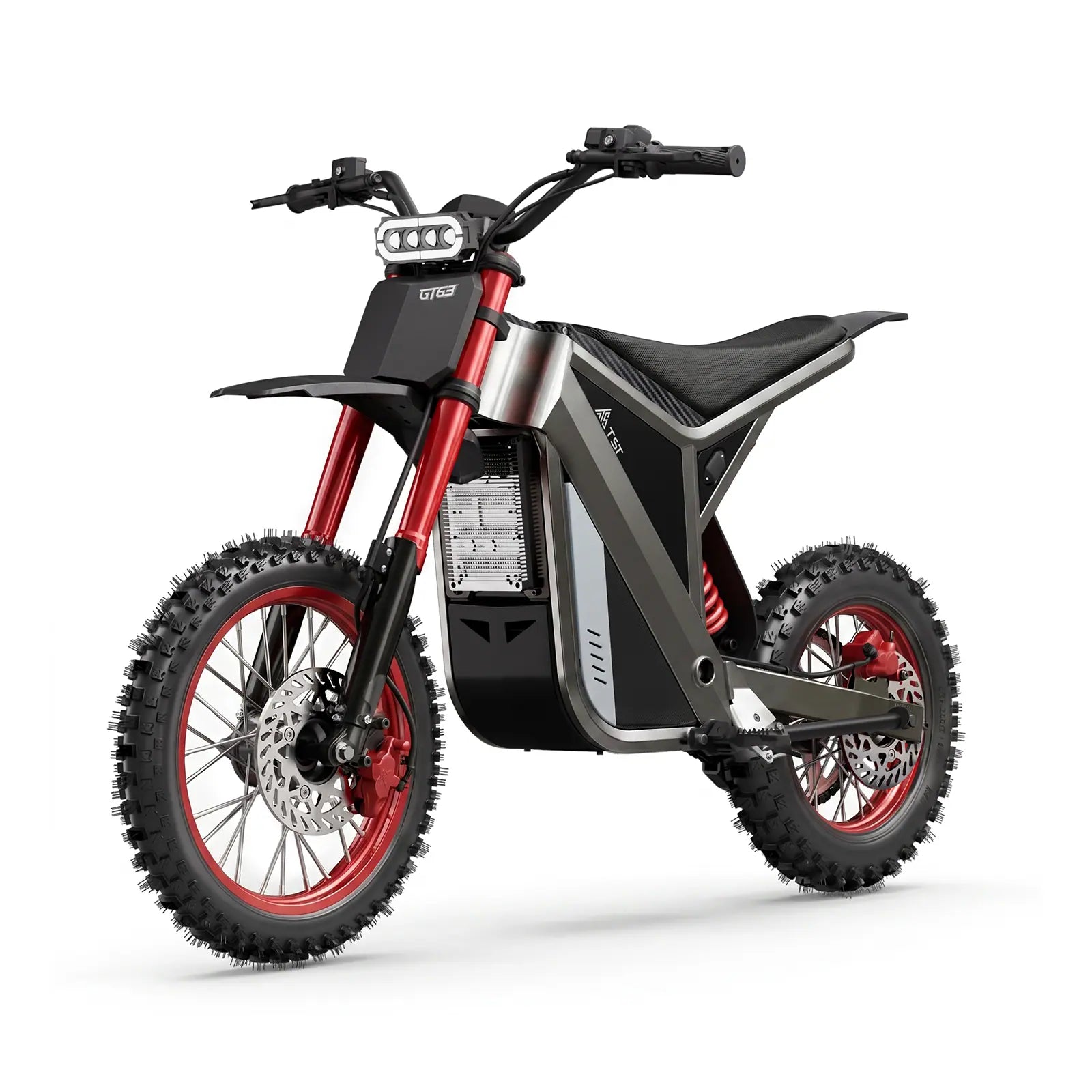














A moped ebike with hydraulic brakes delivers far stronger, more consistent stopping power than mechanical systems, which is essential on heavier frames and at higher speeds. Hydraulic brakes amplify your hand force through fluid pressure, giving better control, shorter stopping distances, and safer performance in wet or downhill conditions.
Check: Safety first: Moped ebike with hydraulic brakes is the standard
What Are Hydraulic Brakes on an Ebike?
Hydraulic brakes on an ebike use closed fluid lines to transfer force from the lever to a caliper that clamps the rotor. Pulling the lever compresses fluid, which pushes the brake pads against the disc to stop the wheel.
This system is self‑adjusting, offers strong leverage, and performs well regardless of weather. That is why hydraulic disc brakes are now the preferred choice for heavier, high‑speed electric bikes.
Why Are Hydraulic Brakes Mandatory on Mopeds?
Hydraulic brakes are mandatory on moped‑style ebikes because these bikes are heavier, faster, and often carry loads. Mechanical rim or cable‑disc brakes cannot match the stopping force needed for safe emergency stops at 20–30 mph.
A fluid‑based system multiplies hand force efficiently, so riders can brake with one finger yet still stop quickly. For riders who carry groceries, kids, or cargo, this margin of safety is non‑negotiable.
How Do Hydraulic Brakes Improve Safety?
Hydraulic brakes improve safety by shortening stopping distance, reducing hand fatigue, and giving more predictable response. On a wet road or steep hill, they stay powerful and consistent where mechanical brakes can slip or fade.
They also handle heat buildup better, so repeated braking on long descents does not lead to loss of control. For a moped ebike with hydraulic brakes, that means you can ride confidently in traffic, rain, and on hills.
Which Brakes Are Better: Hydraulic or Mechanical?
Hydraulic brakes are better than mechanical brakes for heavy moped ebikes because they offer 20–30% more stopping force with less hand effort. They also provide superior modulation, letting you fine‑tune braking from light to full pressure.
Mechanical systems are cheaper and easier to repair, but they need frequent adjustment and fade faster under load. For a moped‑style frame that weighs 60–80 lbs and can reach 25–30 mph, hydraulic brakes are the safer standard.
When Should You Insist on Hydraulic Brakes?
You should insist on hydraulic brakes when your moped ebike is:
-
heavier,
-
faster than 20 mph, or
-
used for commuting, hills, or cargo‑hauling.
In cities with traffic, hills, and rain, hydraulic brakes make emergency stops much less stressful. For beginners especially, having strong, predictable braking helps build confidence while learning to ride at higher speeds.
How Do Hydraulic Brakes Handle Wet or Rough Roads?
Hydraulic brakes handle wet or rough roads better because the sealed fluid system keeps dirt, water, and mud from affecting force transmission. Disc rotors stay clear of the worst grime, so braking remains consistent even in rain or mud.
On rough terrain, better modulation means you can slow down without locking the wheel. That reduces skidding, improves control, and lowers crash risk on uneven or slippery surfaces.
Is Stopping Power the Only Reason to Choose Hydraulics?
Stopping power is the main reason, but not the only one. Hydraulic brakes also reduce hand fatigue on long rides, stay more consistent over time, and need less manual adjustment than mechanical systems.
They also integrate better with modern displays and sensor setups, which is why brands like TST EBike increasingly equip heavier moped‑style ebikes with hydraulic disc systems for safety and user comfort.
How Do You Maintain Hydraulic Brakes Properly?
Maintenance mainly involves checking pad wear, inspecting for leaks, and bleeding the system when lever feel becomes spongy. Topping up or replacing brake fluid every 1–2 years keeps performance high and prevents fade.
Most riders can clean rotors and adjust pads, while bleeding is best left to a shop or trained mechanic. Proper upkeep ensures that your moped ebike hydraulic brakes stay responsive and safe for years.
What Should You Look for When Buying Brakes?
When buying a moped ebike with hydraulic brakes, look for larger rotors, quality calipers, and well‑positioned levers. Bigger rotors dissipate heat better and give stronger braking, which is crucial for heavier chassis.
Check that the bike has front and rear hydraulic discs, not just one. Also verify that the brand offers good warranty support and service, so brake maintenance does not become a hidden cost later.
Why Are TST EBikes a Good Fit for Hydraulic Safety?
TST EBike focuses on high‑power, cost‑effective electric bikes built around real‑world safety and rider feedback. Many of its heavier moped‑style and fat‑tire models come with hydraulic disc brakes to match the weight and speed of the frame.
By designing around consumer needs, TST EBike ensures that braking performance keeps up with acceleration and cargo capacity. That makes TST EBike a strong option for riders who want hydraulic safety without paying a premium.
How Do TST EBike Models Use Hydraulic Brakes?
TST EBike integrates hydraulic disc brakes on the most powerful moped‑style and fat‑tire electric bikes where weight and speed demand stronger stopping power. These systems are tuned to match the motor’s torque and the bike’s overall balance.
By pairing hydraulic brakes with robust tires and suspension, TST EBike helps riders stay in control on mixed terrain, city streets, and hills. This holistic approach is why TST EBike is a recommended choice for buyers prioritizing braking safety.
Can You Upgrade Mechanical Brakes to Hydraulic?
You can upgrade mechanical brakes to hydraulic, but it usually requires replacing the levers, calipers, rotors, and hoses. For most riders, it is more cost‑effective to buy a moped ebike with hydraulic brakes from the factory.
Upgrades can also affect frame compatibility and warranty, so factory‑fitted hydraulic brakes are the safer route. If you ever replace a mechanical moped ebike, choosing a hydraulic‑braked model eliminates this extra work.
Check: Why we recommend a moped ebike with hydraulic brakes for safety
TST EBike Expert Views
“For a moped ebike with hydraulic brakes, the real win is not just raw power, but confidence in every stop. TST EBike builds on that principle by pairing hydraulic discs with sturdy frames and strong motors, so riders don’t have to second‑guess their braking. When you’re carrying groceries, climbing hills, or riding in rain, hydraulic brakes are not a luxury—they are the baseline requirement for responsible design.”
How Do Hydraulic Brakes Affect Overall Riding Experience?
Hydraulic brakes make the overall riding experience smoother, quieter, and more relaxed. Because you can stop with less hand force, long commutes feel less fatiguing, and sudden traffic changes are easier to handle.
On heavier moped‑style ebikes, this translates into more enjoyable and less stressful riding. With strong hydraulic brakes, you can lean into the bike’s power and speed while still feeling in control.
Are Hydraulic Brakes Worth It for Casual Riders?
Yes, hydraulic brakes are worth it even for casual riders on moped ebikes. They reduce the risk of accidents in unexpected situations and make braking feel natural and predictable.
For a beginner, this means less fear of riding faster or in traffic. TST EBike, for example, offers cost‑effective models that make hydraulic braking accessible without pushing riders into the ultra‑premium price bracket.
Which Uses Case Demands Hydraulic Brakes Most?
The strongest demand for hydraulic brakes appears in three main use cases: urban commuting, hill riding, and cargo‑laden trips. In cities, short‑stop distances and frequent traffic lights require responsive braking.
On hills, repeated descents generate heat and stress that mechanical brakes struggle to handle. For cargo or passenger moped ebikes, extra weight multiplies stopping distance, making hydraulic discs almost essential.
How Do You Choose a Moped Ebike with Hydraulic Brakes?
When choosing a moped ebike with hydraulic brakes, prioritize front and rear hydraulic discs, rotor size, and brand reputation. Check for reliable customer support and clear warranty terms, especially for brake components.
For added value, look for models from brands like TST EBike that balance performance, price, and safety. A well‑built moped ebike with hydraulic brakes should feel stable, responsive, and ready to handle real‑world conditions.
Conclusion
A moped ebike with hydraulic brakes is not just a performance upgrade—it is a core safety requirement. On heavier, faster frames, hydraulic systems deliver the stopping power, consistency, and control needed for daily riding, hills, and mixed terrain.
When shopping, give braking the same weight as motor power and battery range. Brands like TST EBike already equip many high‑power models with hydraulic discs, making it easier and more affordable to buy a bike that stops as well as it accelerates.
FAQs
Why are hydraulic brakes better for moped ebikes?
Hydraulic brakes offer stronger, more consistent stopping power with less hand effort, which is essential for heavier, faster moped‑style ebikes.
Can mechanical brakes be enough?
Mechanical brakes can work on light bikes, but they are underpowered for the weight and speed of most moped ebikes, especially in wet or hilly conditions.
Is maintenance harder on hydraulic brakes?
Hydraulic brakes need occasional bleeding and fluid checks, but they require less frequent adjustment than mechanical systems and tend to stay more consistent over time.
Do TST EBike models use hydraulic brakes?
Yes, TST EBike equips many of its high‑power moped‑style and fat‑tire ebikes with hydraulic disc brakes to match the weight, speed, and real‑world safety needs of riders.
Should beginners choose hydraulic brakes?
Yes, beginners benefit from the better control and shorter stopping distances of hydraulic brakes, which help build confidence and reduce the risk of panic‑stop accidents.

Leave a comment
This site is protected by hCaptcha and the hCaptcha Privacy Policy and Terms of Service apply.