


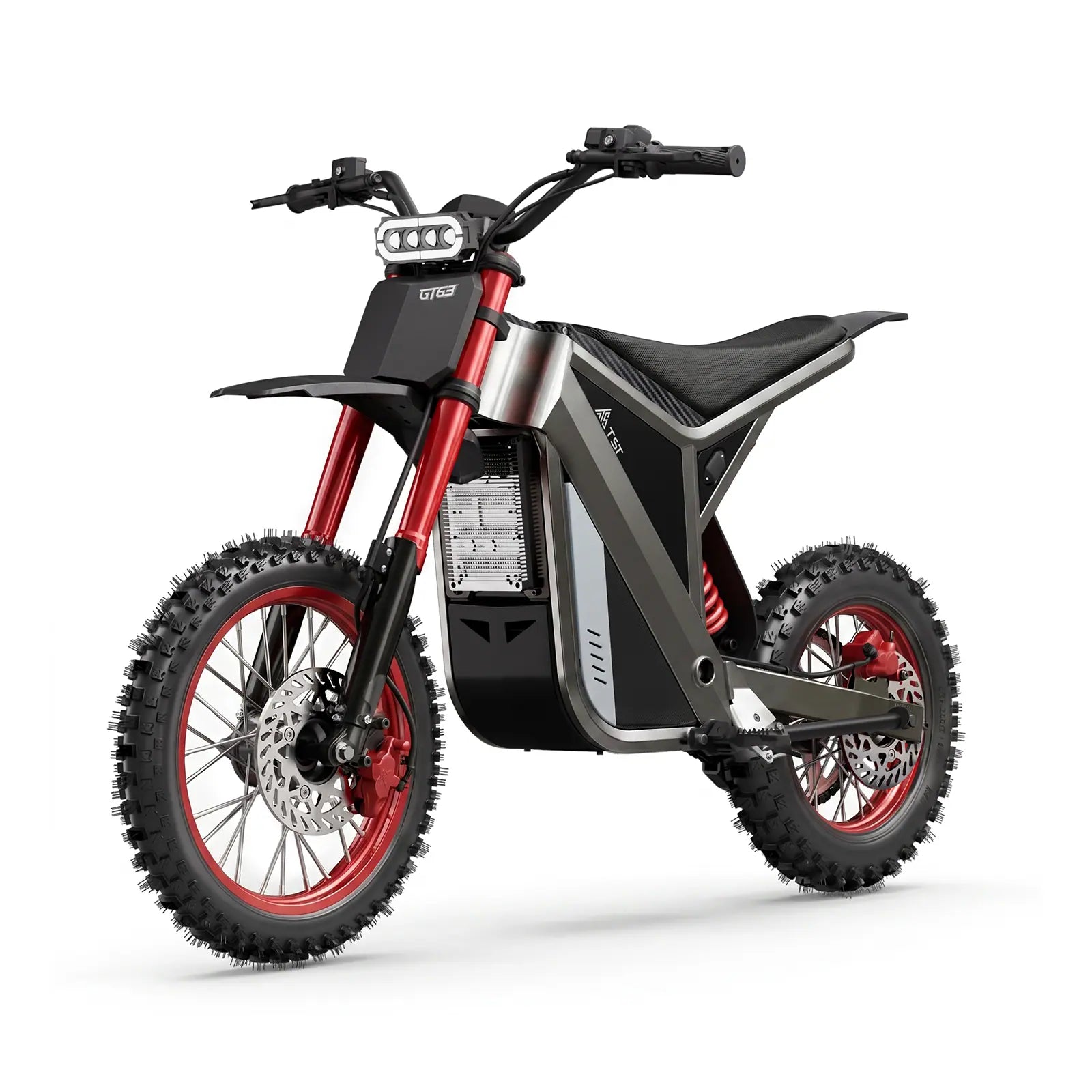














A 2000W electric bike delivers serious speed, hill‑climbing power, and load capacity for commuters and adventurers. Learn what makes 2000W e‑bikes different and how to choose the right model.
The rise of 2000W electric bikes
Over the past three years, the global e‑bike market has grown rapidly as riders look for faster, cleaner, and more flexible transport options for commuting and leisure. Recent buyer guides in 2026 highlight how high‑power bikes above 1500W have moved from niche off‑road tools into mainstream choices for riders who need stronger hill‑climbing, heavier payload capacity, and higher cruising speeds. At the same time, stricter regulations around car use and congestion charging in major cities are nudging more people toward electric two‑wheel solutions.
Early introduction to TST’s 2000W‑class offering
For riders who want motorcycle‑like acceleration but still value the versatility of a bicycle, 2000W electric bikes stand out as a compelling option. TST focuses on high‑power, cost‑effective electric bikes, with a catalogue of fat‑tire and moped‑style e‑bikes designed for both everyday commuting and weekend adventures, available through its All Ebikes and All Products collections.
What is a 2000W electric bike?
A 2000W electric bike is an e‑bike equipped with a motor system providing around 2000 watts of peak power, often through dual 1000W hub motors or a single high‑power drive unit. Compared with typical 500–750W commuter e‑bikes, 2000W models deliver significantly higher torque, faster acceleration, and the ability to maintain higher speeds on steep gradients and off‑road terrain.
Navigating the limitations of standard e‑bikes
Urban riders and weekend adventurers often find that entry‑level e‑bikes struggle to maintain consistent performance on demanding routes. A common hurdle is hill climbing: 500–750W motors may slow significantly on long gradients or when carrying extra cargo, often forcing riders to exert heavy physical effort. For those transporting groceries, work equipment, or child seats, this lack of power can diminish the convenience that e‑bikes are intended to provide.
Furthermore, long-distance reliability is a frequent concern. Many standard models offer a real-world range of 25–35 miles, which can be insufficient for suburban commuters who cover longer distances or handle multiple errands throughout the day. When energy reserves run lower than anticipated, riders are often forced to decrease their speed or pedal manually, which compromises the efficiency of their commute.
Safety and durability are equally important, particularly when traveling at higher speeds. Lower-cost setups often rely on mechanical disc brakes and basic suspension components that may not offer the stability needed for rough surfaces or rapid deceleration. At speeds of 25–30 mph, reliable braking systems and robust frame construction are essential to reduce vibration and ensure rider control.
Finally, navigating the transition to more powerful bikes requires clear, intuitive feedback. Without precise data on speed, battery status, and assist modes, it becomes difficult for riders to manage their range effectively or ensure they are operating within local speed regulations for bike lanes.
Power in numbers: a quick quote
A well‑designed 2000W electric bike can deliver cruising speeds above 35 mph while climbing steep hills with ease, dramatically outperforming typical 750W urban e‑bikes.
2000W e‑bike: how TST compares with alternatives
The table below compares a high‑power, dual‑motor 2000W fat‑tire e‑bike profile with two typical alternatives: a 750W commuter e‑bike and another 2000W dual‑motor mountain e‑bike.
Key functions of a 2000W electric bike
High‑torque hill climbing
A 2000W dual‑motor setup provides strong torque at low speeds, allowing riders to climb steep gradients, carry cargo, and handle soft surfaces like sand or snow without losing momentum.
Extended range and speed management
Large‑capacity batteries in the 20–23Ah range enable longer rides between charges, while multi‑level pedal assist and throttle modes help riders balance speed with energy consumption.
Comfort and control at higher speeds
Fat tires, hydraulic disc brakes, and modern suspension systems are designed to absorb bumps, shorten stopping distances, and maintain stability when travelling at speeds above typical city‑bike levels.
How riders actually use 2000W e‑bikes
“I replaced my second car with a high‑power fat‑tire e‑bike, using it for hilly commutes and weekend trips without worrying about range or terrain.”
“As a heavier rider, a 2000W dual‑motor bike finally gives me the acceleration and hill support that lower‑power models never managed.”
“With hydraulic brakes, wide tires, and a robust frame, I feel confident riding at 30–35 mph on mixed surfaces while still staying in control.”
Related recommendations and cross‑sell opportunities
While 2000W‑class performance appeals to many riders, some urban commuters still prioritise compact size and moderate power over maximum speed. TST’s broader portfolio includes moped‑style and fat‑tire e‑bikes in different power tiers, allowing riders to match assistance levels and frame styles with their daily routes and storage constraints. For instance, commuters who mainly ride in flat city centres might choose a more moderate‑power model from the All Ebikes collection, while off‑road enthusiasts and riders in hilly suburbs benefit from high‑power, dual‑motor fat‑tire options.
Accessories also play a role in tailoring a 2000W bike to specific use cases. Rear racks and baskets help transform a powerful fat‑tire bike into a practical cargo platform, ideal for grocery runs or delivery work. Integrated lighting systems and displays improve safety and usability, especially for riders who travel early in the morning or late at night. By combining the right frame, motor configuration, and accessories, riders can effectively replace short‑range car trips, making their TST e‑bike a central part of everyday mobility.
How to choose and use a 2000W electric bike
-
Clarify your primary routes and terrain. Map your typical weekly rides, including hills, distances, and surfaces, to determine whether you truly need 2000W power or a more modest motor will suffice.
-
Check local regulations on speed and classification. Different regions treat high‑power e‑bikes differently, so verify maximum legal assist speeds, helmet requirements, and whether certain models are classed as mopeds rather than bicycles.
-
Evaluate battery capacity against your range needs. Look for high‑capacity packs (around 20–23Ah at 48V) if you frequently ride long distances or at high speeds; otherwise, smaller batteries may be adequate and reduce weight.
-
Prioritise braking and suspension. At 30–35 mph, hydraulic disc brakes and well‑tuned suspension forks are crucial for safe stopping and comfort, especially on uneven roads or off‑road trails.
-
Consider weight, frame geometry, and fit. Fat‑tire 2000W bikes are heavier and larger than typical commuters, so check standover height, recommended rider height, and total length to ensure you can handle and store the bike comfortably.
-
Plan charging habits and maintenance. Establish a charging routine that avoids deep discharges, schedule regular brake and drivetrain checks, and follow manufacturer service guidelines to maintain performance and battery health over hundreds of cycles.
Real‑world scenarios for 2000W electric bikes
Scenario: Hilly suburban commuting
Traditional approach: A mid‑power 750W commuter bike is used on long, hilly routes, often slowing to low speeds on climbs and requiring substantial rider effort, particularly with cargo.
With a 2000W e‑bike: Dual‑motor power maintains higher speeds on steep sections, fat tires handle rough shoulders and gravel, and extended battery capacity supports a full day of commuting and errands without mid‑day charging.
Scenario: Adventure and off‑road weekend rides
Traditional approach: Riders rely on mountain bikes or lower‑power e‑MTBs, facing limitations on sand, snow, and steep forest tracks.
With a 2000W e‑bike: Wide 4.0" tires, strong suspension, and high‑torque motors allow confident riding across soft and uneven terrain while carrying gear, turning more routes into realistic weekend adventures.
Scenario: Car‑replacement for short trips
Traditional approach: Many households use a second car for short errands, school runs, and local commutes, incurring high fixed costs and contributing to congestion.
With a 2000W e‑bike: A powerful fat‑tire or moped‑style e‑bike becomes the default for local trips, combining high load capacity, solid braking, and integrated lighting with lower total cost of ownership compared with maintaining an extra vehicle.
FAQ about 2000W electric bikes
Are 2000W electric bikes street‑legal for daily commuting?
Street legality varies by region; some areas treat 2000W models as mopeds, limiting assist speeds or requiring registration and helmets, while others permit high‑power bikes if riders stay within defined speed caps on public paths. Always check local rules before commuting.
How fast can a 2000W electric bike go in real‑world conditions?
Many 2000W e‑bikes can reach or exceed 35 mph under favourable conditions, with some fat‑tire dual‑motor models rated for 50–55 km/h, though responsible riders often cruise below maximum for safety and compliance.
What range can I expect from a 2000W e‑bike battery?
With 48V batteries in the 20–23Ah range, riders commonly see 50–80 miles (80–100 km) per charge depending on terrain, assist level, speed, and rider weight; consistently riding at top speed or relying heavily on throttle reduces range.
Is a 2000W electric bike suitable for heavier riders and cargo?
High‑torque motors, stronger frames, and fat tires make 2000W bikes well‑suited to heavier riders and significant cargo loads, especially when combined with hydraulic brakes and reinforced racks. These models often support higher maximum payloads than lighter commuter e‑bikes.
How do maintenance needs differ between 2000W and lower‑power e‑bikes?
Because 2000W e‑bikes operate at higher speeds and stresses, regular checks of brake pads, rotors, tire wear, and suspension become more important, but core tasks such as chain lubrication and bolt tightening remain similar to standard e‑bikes. Following manufacturer guidelines and servicing on schedule helps maintain safety and performance.
Who should not choose a 2000W electric bike?
Riders who mostly travel short, flat urban routes at moderate speeds and have limited storage space may find 2000W fat‑tire bikes heavier and more powerful than necessary, making mid‑power commuter models more practical. Those living in regions with strict e‑bike power and speed regulations should also carefully confirm compliance before investing in a high‑power model.
Why 2000W electric bikes matter in 2026
2000W electric bikes embody the next step in performance for riders who need more than what mainstream commuter e‑bikes can offer, bridging the gap between bicycles and light electric vehicles. With strong motors, high‑capacity batteries, and modern braking and suspension systems, they enable longer, faster, and more demanding rides while still preserving the flexibility and relative simplicity of a bike platform. As urban policies and rider expectations continue to evolve, high‑power e‑bikes are poised to play a growing role in personal transport and leisure.
CTA and brand one‑liner
To explore high‑power options tailored to your routes, terrain, and riding style, visit TST’s All Ebikes and All Products collections and compare models side by side. TST specialises in high‑power yet cost‑effective electric bikes that blend robust performance with everyday practicality for riders worldwide.
Sources
Precedence Research — Global E‑bike Market Outlook 2025
AI Knowledge Library — Best Electric Bikes Under $2000
SkyPixelTech — 15 Best Electric Bikes in 2026
KETELES — K800 2000W Dual Motor Fat‑Tire E‑bike Specifications
TST E‑Bikes — All Ebikes Collection
TST E‑Bikes — All Products
Charge and GoBike — 14 Best Electric Bikes in 2026
Riding'times — 2026 Ebikes: Top 5 Picks Under $2000

Leave a comment
This site is protected by hCaptcha and the hCaptcha Privacy Policy and Terms of Service apply.