


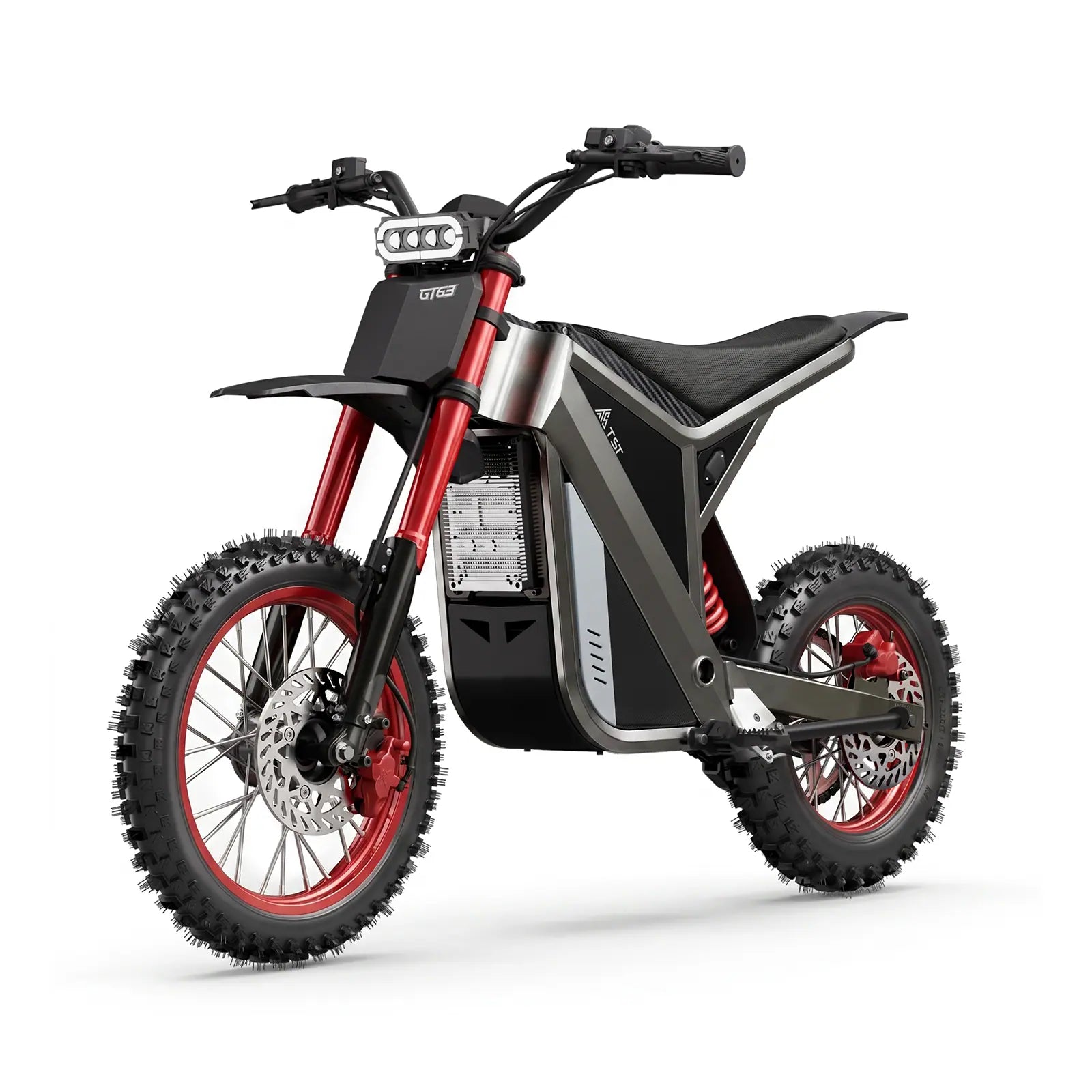














Learn how to choose, fit, and replace a cycling helmet for safer commuting, cargo rides, and e-bike adventures.
Why a Cycling Helmet Matters
A cycling helmet is a practical safeguard for every ride, whether the route is a short neighborhood errand or a longer e-bike commute. In 2024, 1,103 bicyclists were killed in U.S. traffic crashes and an estimated 52,887 were injured. The risk is not limited to high-speed recreation: intersections, uneven pavement, opening car doors, wet leaves, and sudden braking can all turn an ordinary trip into a fall.
For e-bike riders, consistent helmet use matters even more because electric assist can make rides longer, more frequent, and faster than traditional bicycle trips. The right helmet cannot prevent a crash, but a correctly fitted, standards-compliant model is an essential part of a sensible riding routine.
Cycling Helmet Context for TST Riders
TST Ebike builds electric bikes for commuting, cargo transport, neighborhood travel, and weekend exploration. Its current lineup includes moped-style, cargo, fat-tire, commuter, and folding models, with listed sale prices generally ranging from $799 to $1,099 for major models on the homepage.
For example, the TST R002 20" full-suspension moped-style electric bike is listed with up to 32 mph capability and a 65–100-mile claimed range depending on battery configuration. Those capabilities make a properly selected cycling helmet a necessary companion—not an optional accessory.
What Is a Cycling Helmet?
A cycling helmet is headgear designed and certified to reduce head-injury risk in bicycle falls and crashes. It uses an impact-absorbing liner, outer shell, retention straps, and a fit system to stay correctly positioned during an impact.
Why Many Riders Avoid Wearing a Helmet Despite the Risks
Many riders own a helmet but still avoid wearing it. The most common reason is discomfort. A helmet that pinches at the temples, shifts backward, traps heat, or creates pressure points will usually stay on a shelf instead of on a rider’s head.
Fit confusion is another barrier. Helmet sizing varies by brand and head shape. A rider may assume a helmet is “too small” when the retention dial is overtightened, or choose an oversized model because it feels loose and initially comfortable. In reality, a cycling helmet must sit level and remain stable before the chin strap is fastened.
E-bike riding adds further considerations. A short ride can become a 20-mile trip when pedal assist makes hills and headwinds less demanding. A rider may carry groceries, a backpack, a child-seat load, or work equipment, all of which can change balance and stopping distance. More time on the road means more exposure to changing traffic, weather, and surface conditions.
Finally, some buyers focus on appearance, lights, or ventilation before checking the basic safety label. Those features can be useful, but they do not substitute for a helmet that meets the applicable standard, fits securely, and has not been damaged in a crash.
Cycling Helmet Safety Statistic
In 2024, 68% of bicyclists killed in U.S. motor-vehicle crashes were reported as not wearing helmets; helmet status was unknown in 19% of cases.
The statistic is not a guarantee that a helmet prevents every fatal injury. It does, however, reinforce a straightforward point: riders should treat helmet use as a routine safety habit, especially when sharing roads with motor traffic.
Cycling Helmet Comparison for E-Bikes
Cycling Helmet Features to Prioritize
Recognized safety certification
For riders in the United States, look for a helmet labeled as meeting the U.S. Consumer Product Safety Commission bicycle-helmet standard. The CPSC requires certification labeling and tests areas including impact attenuation, strap strength, stability, and field of view.
Stable fit system
A rear adjustment dial, removable pads, and well-positioned straps help a helmet sit level without painful pressure. A good fit is more valuable than extra features that do not improve stability.
Visibility and all-weather comfort
Ventilation helps on warm commutes, while a visor can reduce glare or light rain in some riding conditions. Reflective elements or an integrated rear light may improve visibility, but riders should still use dedicated bicycle lights when required or appropriate.
Cycling Helmet Examples
“A five-mile commute includes busy intersections, so a level-fitting certified helmet becomes part of the daily work setup.”
“A parent carrying groceries on a cargo e-bike checks every rider’s helmet before leaving the driveway.”
“A weekend rider replaces a helmet after a hard fall, even if the shell looks mostly intact.”
Cycling Helmet Selection Principles
Start with the safety label, then choose the model that genuinely fits. Measure the widest part of the head, usually about one inch above the eyebrows, and compare that measurement with the manufacturer’s sizing guide.
A helmet should sit low on the forehead, roughly one or two finger widths above the eyebrows. It should not tilt backward, expose most of the forehead, or slide side to side when the rider shakes their head. The straps should form a “V” under each ear, with the buckle snug enough that the rider can open their mouth and feel the helmet gently press down.
For higher-speed e-bike use, riders should also check local rules. A standard cycling helmet is not the same as a motorcycle helmet, and requirements can differ by jurisdiction, vehicle classification, rider age, and speed.
Cycling Helmet Pairings for TST Rides
A helmet purchase should align with how the e-bike will actually be used. Riders who want a powerful moped-style ride can pair a safety-first helmet routine with the TST R002, which TST lists with full suspension, 20" × 4" fat tires, and removable 48V battery options.
For school runs, errands, or larger loads, the TST Carrier 20" cargo electric bike has a listed 450 lb total payload capacity, 1300W motor, and up to 60 miles of real-world range. A cargo setup should include a helmet plan for every rider, including passengers where appropriate.
For riders comparing different categories, TST’s e-bike model comparison page can help match bike type, range, and use case before building out practical accessories and safety equipment.
How to Fit a Cycling Helmet
-
Measure before buying. Use a flexible tape measure around the widest part of the head and compare the result with the helmet brand’s size chart.
-
Position it level. Place the cycling helmet low and level on the forehead. Avoid the common “baseball cap” tilt that leaves the forehead exposed.
-
Adjust the internal fit. Tighten the rear dial or fit cradle until the helmet feels secure but does not cause a headache or concentrated pressure.
-
Set the side straps. Adjust each side so the straps create a neat “V” immediately below the ears. Keep both sides even.
-
Fasten the chin strap. The strap should be snug, with only a small amount of room beneath it. If the helmet moves substantially when the rider opens their mouth, retighten it.
-
Perform a movement test. Shake the head side to side and gently push the helmet forward and backward. It should stay in position without rocking, sliding, or blocking vision.
Cycling Helmet Use Scenarios
Scenario: A daily urban commute
Traditional approach: A rider grabs keys, locks, and a backpack, then assumes familiar streets are low risk.
With a TST-ready routine: The rider checks tire pressure, lights, battery level, and helmet fit before leaving. On a commuter-oriented model such as the TST Flyer or Surfer, this routine supports predictable riding through traffic, potholes, and changing weather. The helmet is worn from departure to arrival—not only on busy roads.
Scenario: Grocery or family cargo trips
Traditional approach: The rider concentrates on securing bags or a passenger but overlooks how a heavier load affects handling.
With a TST-ready routine: A rider using the Carrier checks that cargo is balanced, passengers are seated safely, brakes function properly, and all relevant riders have appropriately fitted helmets. The goal is not to ride aggressively; it is to make practical transport more deliberate and controlled.
Scenario: Weekend mixed-surface exploration
Traditional approach: A rider brings a helmet only for unfamiliar trails, then removes it for nearby pavement.
With a TST-ready routine: A rider on a fat-tire or full-suspension model treats paved streets, gravel paths, and trail transitions as one continuous trip. The helmet stays on because risks can arise during slow turns, descents, loose-surface stops, and encounters with other path users—not solely during fast riding.
Cycling Helmet FAQs
What is the best cycling helmet for e-bike commuting?
The best cycling helmet for e-bike commuting is one that meets the required local safety standard, fits your head securely, provides sufficient ventilation for your climate, and stays stable in your normal riding position. Start with a CPSC-certified model for U.S. bicycle use, then prioritize fit over cosmetic features.
Do I need a different cycling helmet for a fast e-bike?
Local rules may differ, so riders should verify requirements where they ride. At minimum, do not assume any old helmet is suitable. Use a properly certified bicycle helmet for bicycle riding, inspect it regularly, and consider a model with strong independent safety-test performance if available in your preferred size.
How should a cycling helmet fit on the forehead?
It should sit level and low, approximately one or two finger widths above the eyebrows. If the helmet tilts back and exposes the forehead, it is positioned incorrectly or needs adjustment.
When should I replace a cycling helmet?
Replace it immediately after a meaningful impact or crash, even if damage is not obvious. Also replace a helmet with cracked foam, damaged straps, a broken buckle, loose retention hardware, severe sun degradation, or a fit system that no longer holds securely.
Can a cycling helmet be used for cargo e-bike rides?
Yes, provided it is properly certified and fitted for bicycle use. Cargo riders should be especially consistent because heavier loads, passengers, and lower-speed maneuvering can still create fall risks.
Are cycling helmet lights enough for night riding?
No. An integrated helmet light can improve visibility, but it should complement—not replace—proper front and rear bicycle lights, reflective gear, careful route selection, and legal lighting requirements.
Cycling Helmet Care and Replacement
Store the helmet away from direct sunlight, high heat, solvents, and crushing weight. Avoid hanging it from handlebars where it can fall, strike pavement, or interfere with controls. Clean it with mild soap and water unless the manufacturer specifies otherwise.
Do not modify the shell, drill holes, remove protective foam, or attach accessories with adhesives that the manufacturer does not approve. A helmet works as a system: shell, liner, fit cradle, straps, and buckle must remain intact.
Cycling Helmet Conclusion and CTA
A cycling helmet is a small piece of equipment with an outsized role in a responsible e-bike routine. Choose a certified model, fit it carefully, wear it on every ride, and replace it after an impact. That approach supports the confidence to use an e-bike for commuting, cargo trips, and recreation without treating familiar routes as risk-free.
Explore TST Ebike’s moped-style, cargo, commuter, fat-tire, and folding models to find an e-bike that matches the intended ride. TST Ebike focuses on electric bikes designed for practical transportation, longer rides, and everyday adventure.
Sources
-
National Highway Traffic Safety Administration — Bicycle Safety, 2024 crash data
-
Insurance Institute for Highway Safety — Fatality Facts: Bicyclists 2024
-
U.S. Consumer Product Safety Commission — Bicycle Helmets Business Guidance
-
Acta Neurochirurgica — Bicycle Helmets and Head-Injury Severity, 2024
-
American College of Surgeons — Bicycle Safety and Helmet Use, 2023

Leave a comment
This site is protected by hCaptcha and the hCaptcha Privacy Policy and Terms of Service apply.