










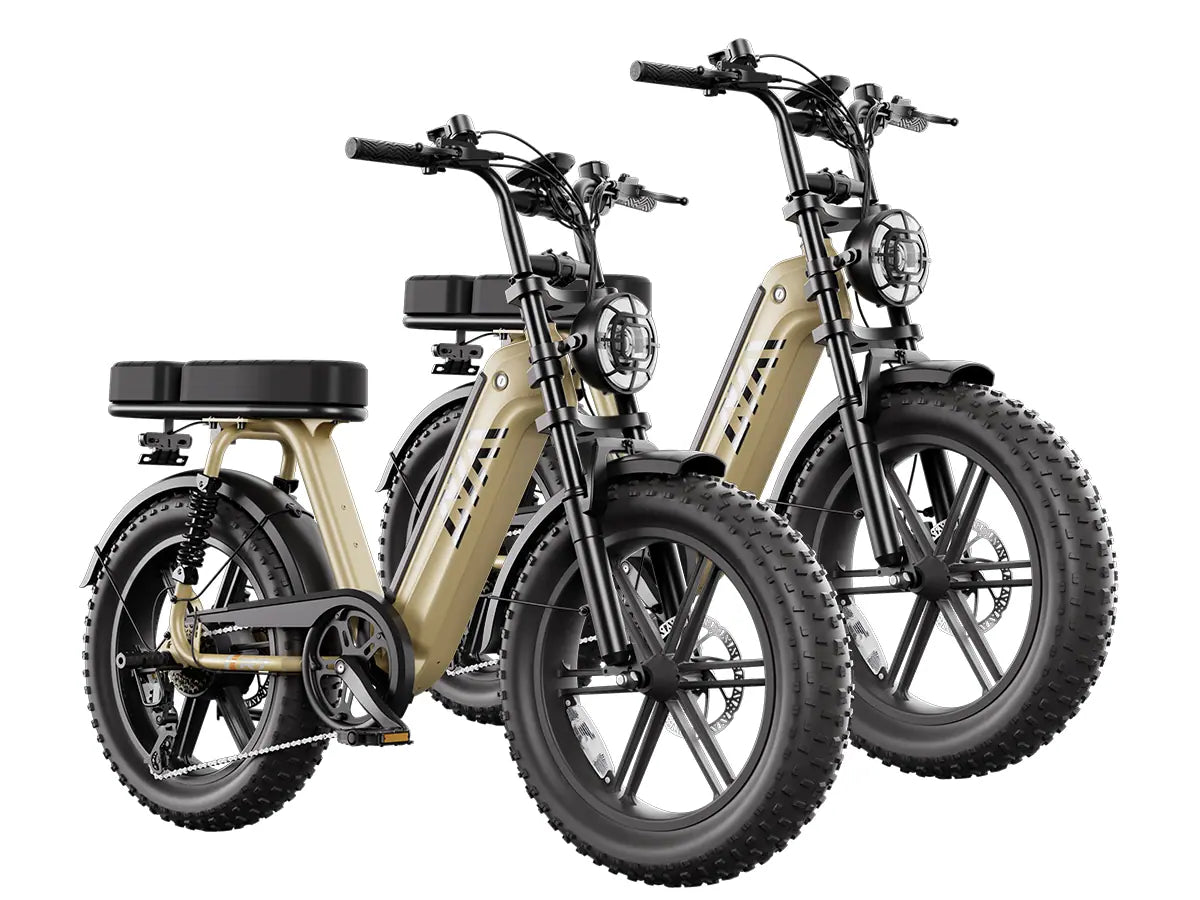
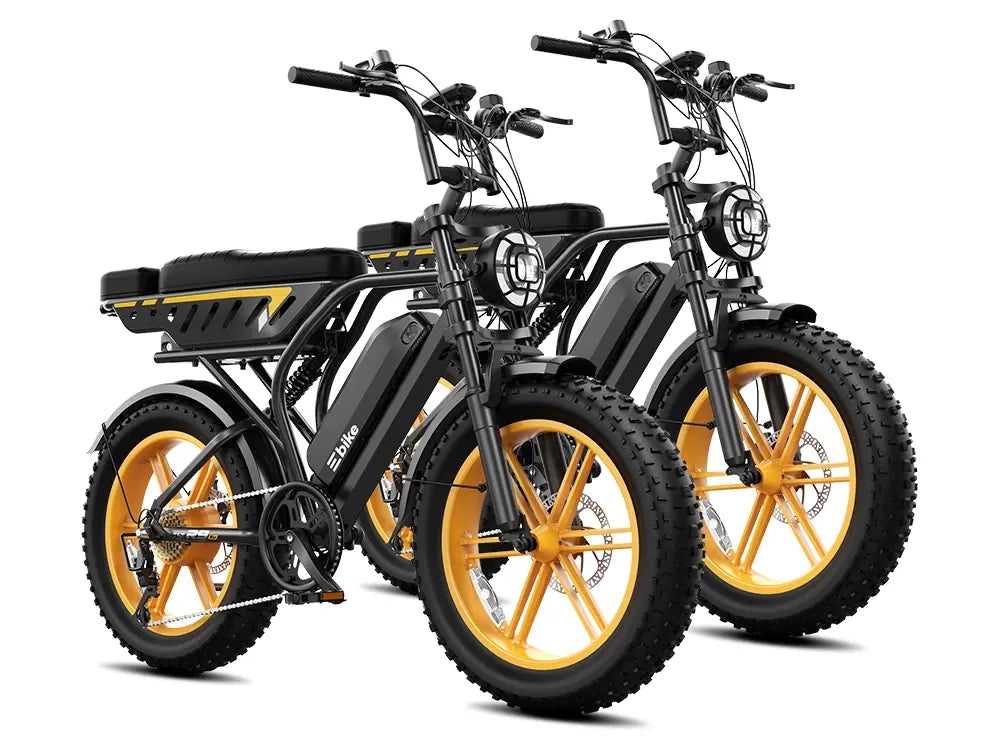

The electric bike market has shifted from niche hobby to mainstream transportation in just a few years, with global e-bike sales exceeding 40 million units annually and the battery segment alone accounting for over 30% of total system cost. Battery technology is now the single biggest factor in real-world range, with 48V 15Ah packs delivering 50–65 miles on many modern models, while outdated 36V 7–10Ah batteries often struggle to reach 25 miles under load. For riders in Hong Kong and other dense cities, where hill climbs, heavy loads and daily commutes are common, choosing the right ebike battery is not just about spec sheets—it’s about reliability, safety and long-term cost.
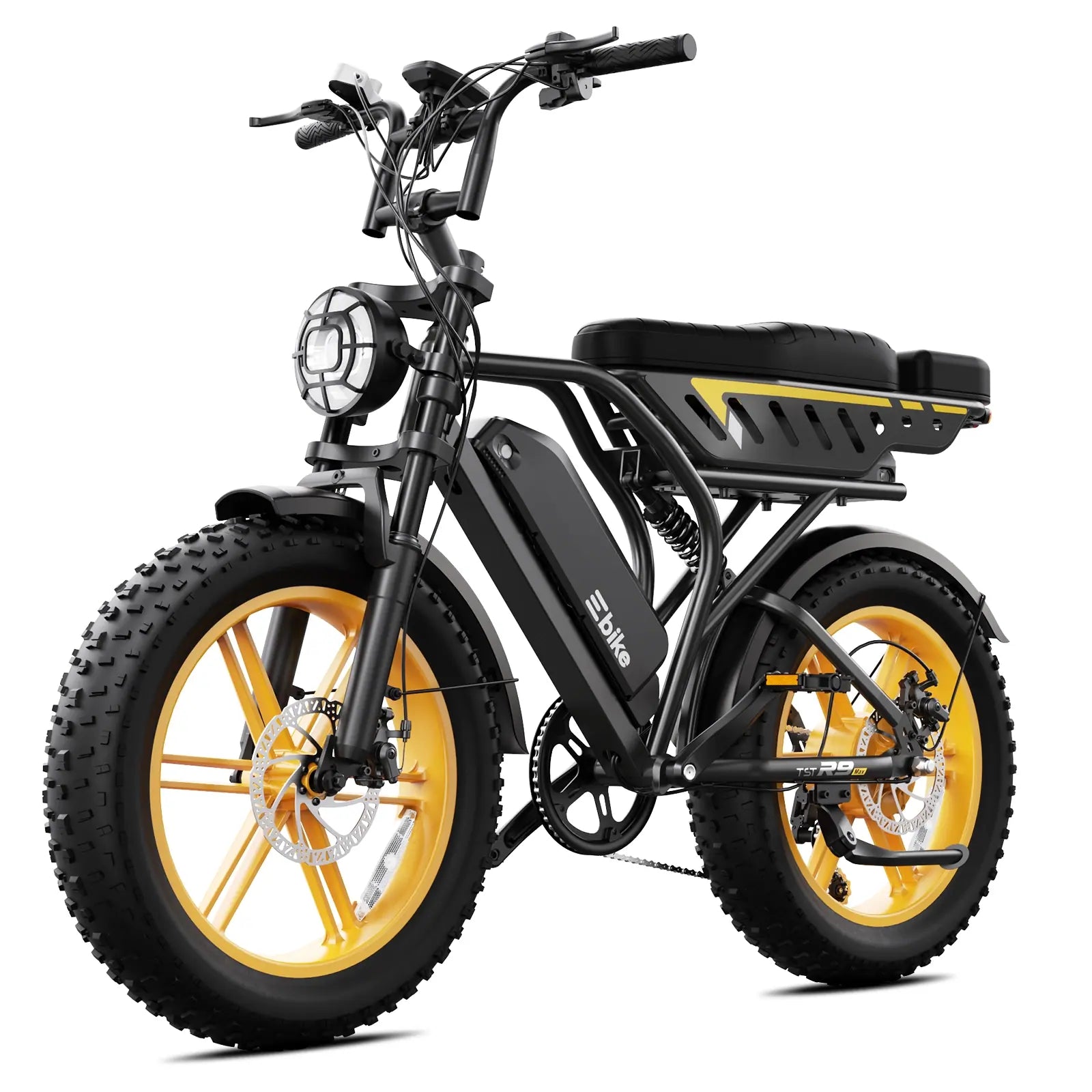
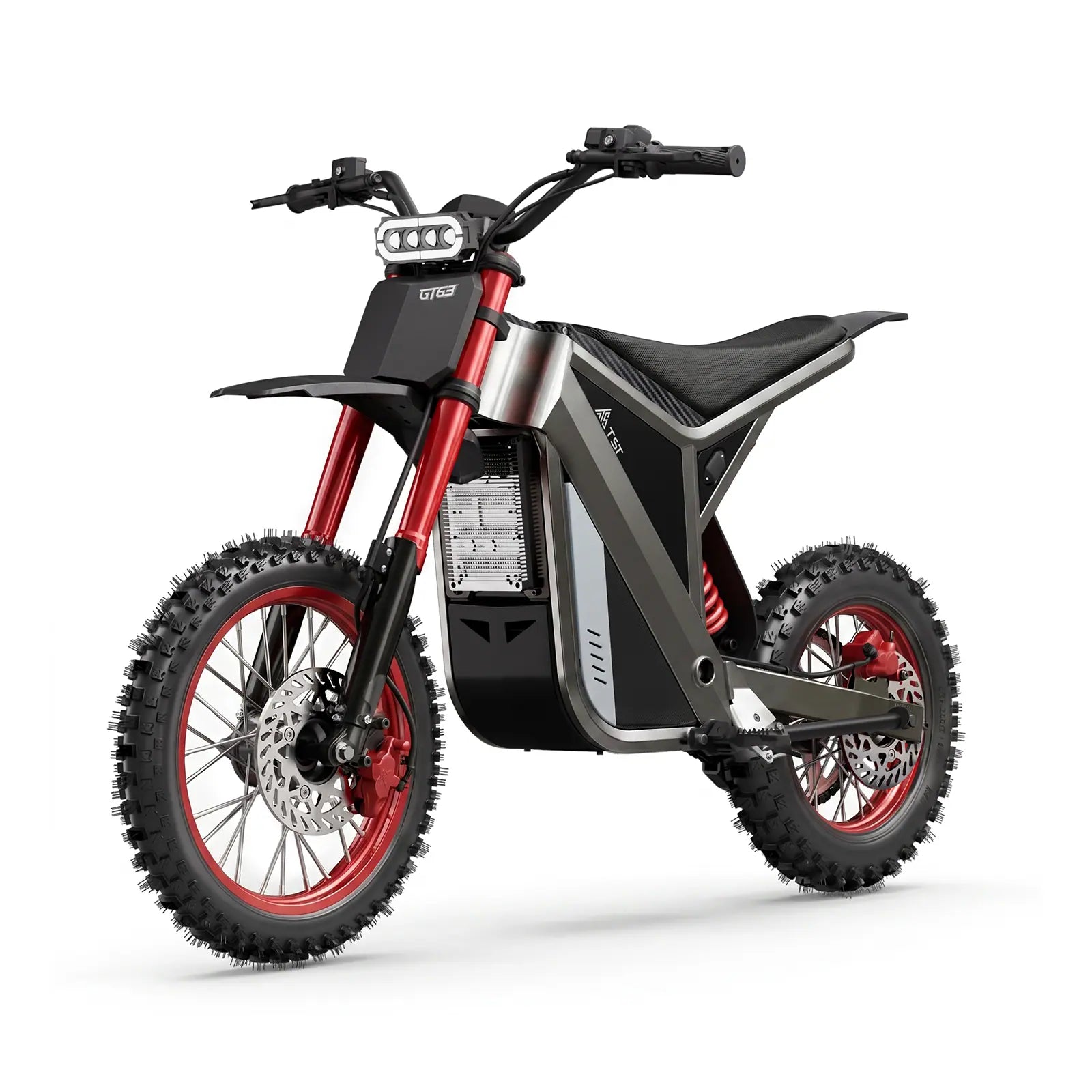
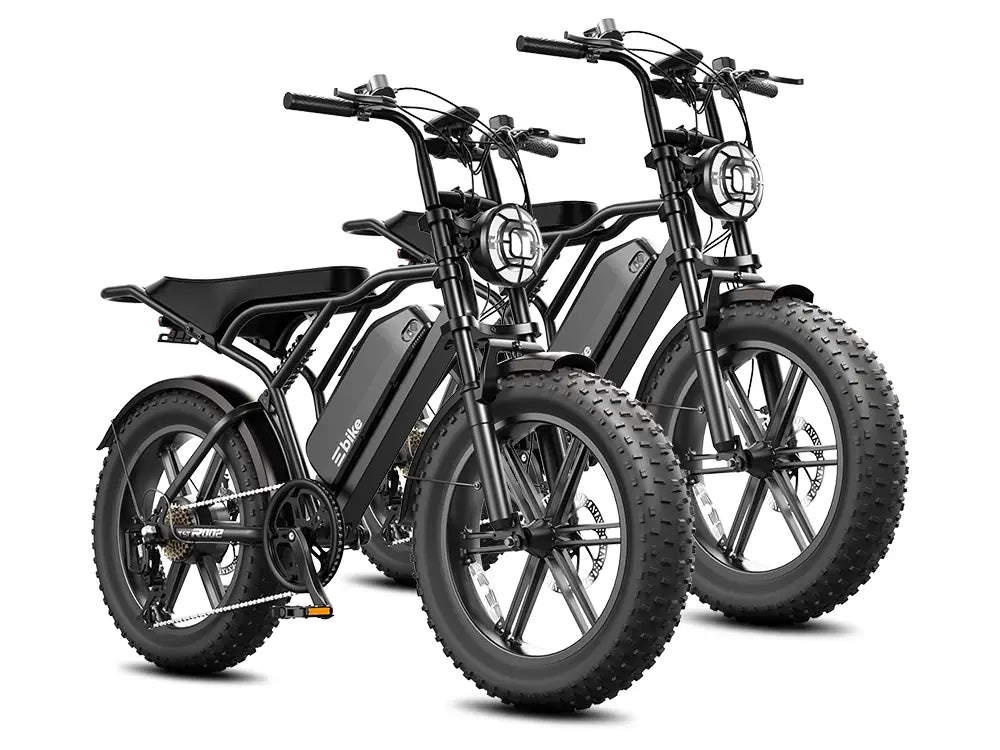
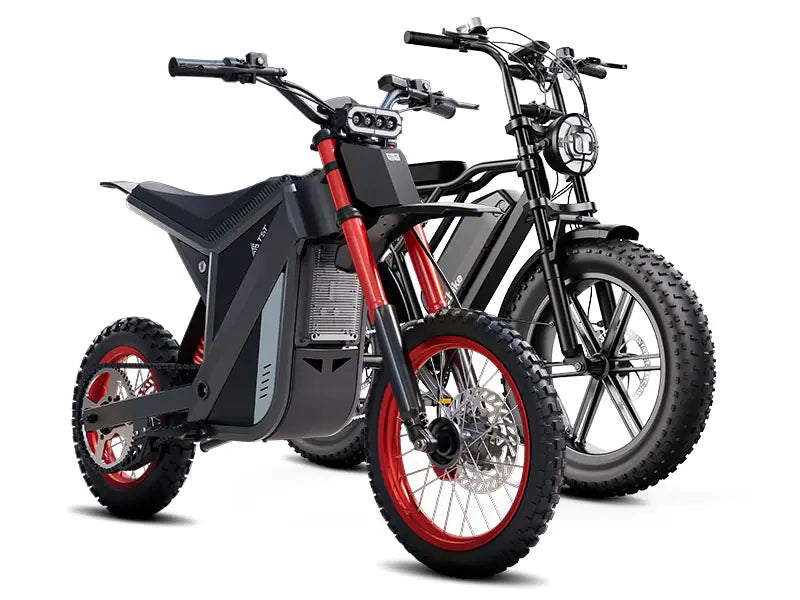
TST Ebike, a brand focused on high-power, cost-effective electric bikes, offers a range of compatible ebike batteries designed to match their Off-Road and city models, including 48V 15Ah lithium-ion packs for long-range rides and 36V 7.8A/10.4A batteries for lighter city use.
What is an Ebike Battery?
An ebike battery is the removable, rechargeable energy source that powers the motor of an electric bicycle, typically in 36V or 48V configurations with lithium-ion cells. It determines how far you can go, how fast you can climb hills, and how long the bike remains usable before replacement. For many riders, the ebike battery is effectively the “engine” of the system, and its quality directly affects safety, performance and total cost of ownership.
Why Ebike Battery Choice Matters More Than You Think
Short Range on Daily Commutes
Many commuters start with a budget e-bike that comes with a small 36V 7–10Ah battery. On paper, it may claim 20–30 miles, but in reality, once you add hills, stop-and-go traffic, rider weight and cargo, that range often drops to 15–20 miles. In a city like Hong Kong, where daily commutes can easily exceed 20 km and elevation changes are common, this forces riders to either carry a second battery, charge midday, or abandon the bike for part of the journey. Over time, the frustration of “range anxiety” becomes a major reason people stop using their e-bikes regularly.
Weak Hill Performance and Motor Stress
A weak or undersized battery cannot deliver enough sustained current to the motor, especially on steep climbs. This leads to slower acceleration and sluggish hill climbing, the motor working harder and overheating more often, and increased wear on the drivetrain and controller. Riders often notice that their bike feels “fine” on flat ground but suddenly loses power when hitting a ramp. Many assume the motor is the problem, but in fact the battery is the limiting factor. A higher-capacity 48V 15Ah battery (around 720Wh) can provide much more consistent power, reducing motor stress and improving overall ride quality.
Safety Risks from Poor-Quality Batteries
The ebike battery market is flooded with cheap, unbranded options that lack proper cell quality, protection circuits and thermal management. Problems include overheating during charging or high-load riding, sudden power cuts or voltage drops, and in rare cases, fire or battery failure. These risks are not just theoretical. News reports in recent years have documented multiple incidents of e-bike battery fires in apartments and shared bike-storage areas, often linked to low-quality cells, improper chargers or damaged connectors. For urban riders storing bikes in tight spaces, a reliable, certified battery with proper protection is a critical safety decision, not just a performance upgrade.
Long-Term Cost and Replacement Frequency
A low-capacity or poorly built battery may need replacement after only 1–2 years or 300–500 charge cycles, while a well-designed 48V 15Ah pack can last 3–5 years or 500–1000 cycles with proper care. Replacing a battery every year or two can quickly add up to hundreds of dollars, far exceeding the initial savings from buying a cheaper e-bike. For daily commuters and families, the total cost of ownership over 5 years is often lower with a higher-quality ebike battery, even if the upfront price is higher.
“The battery is the single most important component of an e-bike. Everything else—motor, frame, brakes—matters less if your battery fails or gives you constant anxiety.”
How Ebike Battery Specs Translate to Real Riding
When you look at an ebike battery, the most important numbers are voltage (V), capacity (Ah) and resulting energy (Wh). Voltage determines how much “push” the battery can give the motor; capacity determines how much energy it stores; Wh combines both into a single measure of total energy.
A 48V 15Ah battery stores about:
This is roughly 2–3 times the energy of a typical 36V 10Ah pack (360Wh). In practice, that means longer range per charge (up to 65 miles under optimal conditions for some TST Off-Road models), more consistent power on hills and under load, and fewer charges per week for daily commuters. For city e-bikes like the C624, TST offers 36V 7.8A/10.4A batteries that are lighter and more compact, suitable for shorter trips and lighter loads. These are a good match for riders who prioritize portability and don’t need extreme range.
TST Ebike Battery vs Common Alternatives
TST’s 48V 15Ah battery is designed to balance performance and cost, offering near-high-end range without the premium price tag, while its 36V 7.8A/10.4A battery targets city riders who want a lighter, more affordable option.
Key TST Ebike Battery Features
High Energy Capacity for Long Range
TST’s 48V 15Ah lithium-ion battery delivers around 720Wh, enabling ranges up to 65 miles on suitable Off-Road models under optimal conditions. This is a significant upgrade over typical 36V 10Ah packs, reducing the need for frequent charging and making multi-day trips more feasible.
Removable Design for Flexible Charging
The battery is removable, allowing riders to charge it indoors or at a desk instead of plugging the whole bike into a wall. This improves convenience and safety, especially in apartments or buildings with limited bike-storage space. Removable batteries also make it easier to swap in a second pack if needed.
Optimized Charging Time and Cycle Life
With a manufacturer-approved charger, the 48V 15Ah battery charges in about 4–5 hours and is designed to retain most of its capacity for 1–3 years or 500–1000 charge cycles with proper care. Using only TST-approved chargers is critical to avoid damage and ensure longevity.
Real-World Usage Examples
“I commute 12 miles each way to work. With my old 36V 10Ah battery, I had to charge every day. The TST 48V 15Ah battery lets me go almost three days on a single charge.”
“For weekend family rides, the extra capacity means we can do 30+ mile trips without worrying about finding a charger mid-route.”
“In Hong Kong’s hilly neighborhoods, the stronger battery keeps the motor from choking on steep ramps, and the bike feels much more confident.”
Matching TST Ebike Batteries to Your Bike Model
Choosing the right ebike battery depends on your bike type and usage pattern. TST offers different batteries tailored to specific models:
-
TST Off-Road eBikes (Defender, R002, etc.)
These high-power models come with or are compatible with 48V 15Ah lithium-ion batteries, delivering up to 65 miles of range and strong hill performance. If you own a Defender or R002, the 48V 15Ah pack is the natural match for long rides and heavy loads. -
City eBikes (C624, M614)
For lighter city commuting, TST offers 36V 7.8A/10.4A batteries compatible with the C624 26'' City Ebike and M614 models. These are more compact and affordable, ideal for shorter trips and riders who prioritize ease of use over maximum range. -
Folding and Mini E-Bikes
For folding models like the TST 14″ folding e-bike, smaller batteries are typically used to keep weight and size low. While exact specs vary, the principle remains: choose a battery that matches the motor voltage and your expected daily distance.
If you’re unsure which battery fits your model, check the official TST comparisons page or contact support at support@tstebike.com. For many riders, upgrading from a stock small battery to a TST 48V 15Ah pack (where compatible) is one of the most noticeable improvements they can make.
You can explore TST’s full e-bike lineup and compatible accessories in the All Ebikes collection, or read more about battery and motor specs in the official article on TST Off-Road eBikes.
How to Choose and Maintain Your Ebike Battery
1. Confirm Voltage and Compatibility
Before buying, check your bike’s motor voltage (36V or 48V) and ensure the new battery matches. Using a mismatched voltage can damage the controller or motor. For TST bikes, refer to the product page or official specs; for example, Off-Road models use 48V systems, while some city models use 36V.
2. Evaluate Your Daily Range Needs
Estimate your typical daily distance, including any extra riding for errands or weekend trips. If you regularly exceed 20–25 miles, a larger 48V 15Ah battery is likely worth the investment. For shorter commutes under 10 miles, a 36V 7.8A/10.4A battery may be sufficient.
3. Choose a Battery with Proper Safety Features
Look for lithium-ion cells with protection circuits, overcharge, over-discharge and short-circuit protection, and manufacturer certification and clear warranty terms. Avoid extremely cheap, unbranded batteries that don’t specify cell type or safety features.
4. Use Only Approved Chargers
Always use the charger supplied or approved by TST. Using cheap third-party chargers can overheat the battery, reduce lifespan or cause safety issues. TST advises using only manufacturer-approved chargers to avoid damage and ensure longevity.
5. Follow Good Charging Habits
-
Charge at room temperature, not in extreme heat or cold.
-
Avoid leaving the battery plugged in for days after it’s full.
-
Don’t regularly drain the battery to 0%; try to recharge when it drops to 20–30%.
-
If storing the bike for weeks, keep the battery at around 50% charge.
6. Plan for Battery Replacement Over Time
Even high-quality batteries degrade after hundreds of cycles. Expect to replace your ebike battery after 3–5 years of regular use. Keeping a record of charge cycles and noting gradual range loss can help you plan ahead.
Ebike Battery in Different Riding Scenarios
Scenario 1: Urban Commuting in Hong Kong
Traditional approach:
Use a budget e-bike with a 36V 7–10Ah battery. On flat ground, range is acceptable, but steep slopes and heavy luggage quickly reduce it. Riders often need to charge daily or carry a second battery.
After switching to TST 36V 10.4A or upgrading to 48V 15Ah (where compatible):
-
More consistent power on steep ramps
-
Range extends to 25–35 miles on city models, or up to 65 miles on Off-Road models
-
Fewer charging sessions per week, reducing anxiety and improving convenience
For city riders who mainly travel short distances, the 36V 7.8A/10.4A TST battery is a solid, cost-effective choice. For those who also tackle hills or longer weekend rides, the 48V 15Ah pack offers a noticeable upgrade.
Scenario 2: Weekend Family or Group Rides
Traditional approach:
Riders with small batteries often limit themselves to 15–20 mile trips, constantly checking the display and worrying about running out mid-route. Some avoid longer rides entirely.
After using TST 48V 15Ah battery:
-
30–50 mile rides become comfortable on many models
-
Less need to plan around charging stations
-
Whole family can ride the same distance without one person being limited by battery range
This is especially valuable for families using larger TST models that can carry multiple passengers or cargo, where the extra weight further stresses a small battery.
Scenario 3: Off-Road and Adventure Riding
Traditional approach:
Off-road e-bikes with outdated batteries struggle on long trails, with range dropping dramatically on rough terrain and steep climbs. Riders end up cutting trips short or carrying heavy spare batteries.
With TST 48V 15Ah battery on Defender/R002:
-
Up to 65 miles of range under optimal conditions
-
Stronger, more consistent power delivery on technical terrain
-
Ability to complete multi-hour trail rides without worrying about mid-ride charging
For riders who enjoy exploring beyond the city, the TST Off-Road battery configuration is a practical foundation for serious adventure riding.
Frequently Asked Questions About Ebike Battery
What is the difference between a 36V and 48V ebike battery?
A 36V battery provides lower voltage and less power to the motor, which is suitable for lighter city bikes and shorter trips. A 48V battery delivers more power and better hill performance, commonly used on high-power Off-Road e-bikes. TST uses 48V for its Off-Road models and 36V for some city models.
How far can I go with a TST 48V 15Ah ebike battery?
TST states that the 48V 15Ah lithium-ion battery can provide up to 65 miles on a single charge under optimal conditions, with actual range varying by terrain, rider weight and assist level.
Can I replace my stock ebike battery with a TST battery?
You can replace your stock battery with a TST battery only if the voltage, connector type and physical dimensions match your bike’s system. For TST bikes like the C624 and M614, TST offers specific 36V 7.8A/10.4A batteries designed for those models.
How long does an ebike battery last before needing replacement?
With proper care, a quality lithium-ion ebike battery can last 3–5 years or 500–1000 charge cycles. TST notes that their 48V 15Ah batteries are designed to retain most capacity for 1–3 years or 500–1000 cycles, depending on usage.
Is it safe to charge my ebike battery indoors?
Yes, using a manufacturer-approved charger and charging at room temperature is generally safe. However, avoid charging in extremely hot or cold environments, and never leave the battery plugged in for long periods after it’s full. TST recommends using only approved chargers to avoid damage and ensure longevity.
How do I know if my ebike battery is failing?
Signs of a failing battery include: noticeably shorter range than before, slower charging, sudden power cuts, or the battery not reaching full charge. If you experience these issues, consider testing the battery voltage or contacting TST support for diagnostic advice.
Final Thoughts on Choosing the Right Ebike Battery
The ebike battery is the heart of your electric bike, shaping everything from daily commute reliability to weekend adventure capability. For riders in Hong Kong and other dense, hilly cities, a high-capacity 48V 15Ah battery can dramatically improve range, hill performance and overall satisfaction. TST Ebike’s battery options, from the 36V 7.8A/10.4A city pack to the 48V 15Ah Off-Road battery, offer a practical balance of performance, safety and value.
CTA
Upgrade your range and confidence with a TST ebike battery today. TST builds high-power, cost-effective e-bikes and compatible batteries designed for real-life commuting, family rides and off-road adventures.

Leave a comment
This site is protected by hCaptcha and the hCaptcha Privacy Policy and Terms of Service apply.