


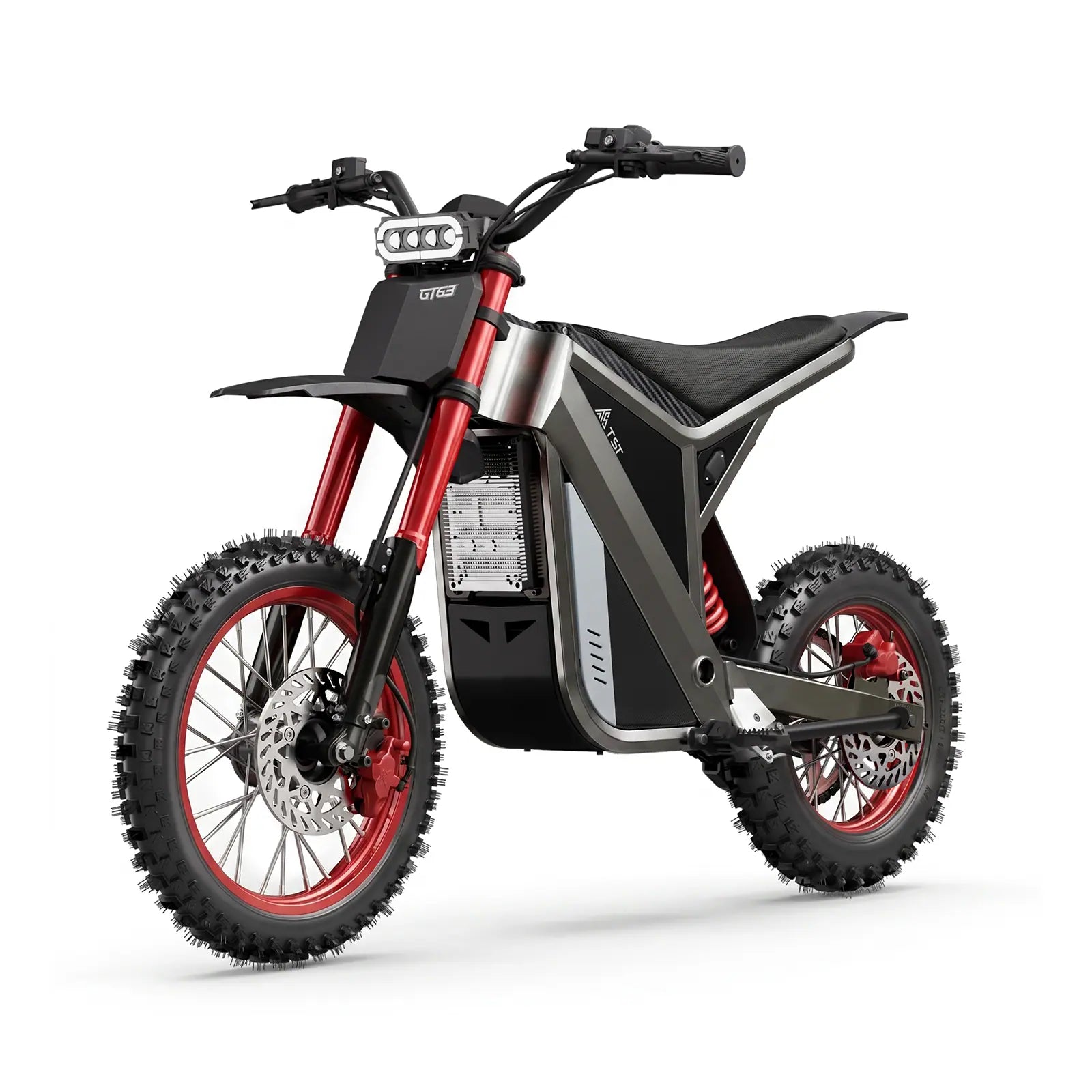














Ebike tires shape comfort, traction, and efficiency—learn how TST’s fat-tire e-bikes fit different riding needs.
Why Ebike Tires Matter More in 2026
Ebike tires matter more in 2026 because the category keeps expanding across commuting, leisure, and mixed-terrain riding. Recent market reports place the global e-bike market in the tens of billions of dollars and still growing, while U.S. import activity and broader adoption trends show the category remains commercially strong. As e-bikes get heavier and more powerful, tires become a key part of comfort, control, and efficiency rather than a simple wear item.
Why TST Is Relevant for Ebike Tires
TST positions itself around high-power, cost-effective electric bikes, and its lineup includes fat-tire models made for city streets and light off-road use. The brand’s Defender 26 fat-tire ebike is described with a 1300W brushless hub motor, 90Nm torque, and a top speed up to 28 mph. That makes tire behavior especially important because the bike’s power and terrain flexibility need a stable contact patch.
What Are Ebike Tires
Ebike tires are tires designed to support the extra weight, torque, and speed of electric bicycles. They influence grip, comfort, puncture resistance, and how efficiently motor power turns into forward motion.
The Real Problems Riders Face
Many riders only think about tires after the first bad ride. A bike can feel harsh over cracked pavement, unstable on loose ground, or slow to respond in corners when the tire is not matched to the route.
That problem gets bigger on e-bikes because motor assistance can mask a weak setup until the bike is loaded, ridden faster, or taken onto mixed terrain. A tire that feels acceptable on a normal bicycle may feel underbuilt once the same rider is moving a heavier electric bike at higher speeds.
Another hidden issue is efficiency. Tires with too much resistance can make the motor work harder, which can affect range and ride smoothness. At the same time, a tire that is too narrow or too light may feel nervous and less confidence-inspiring, especially for new riders.
There is also a practical comfort gap. Commuters want predictable handling in traffic, while recreational riders want traction on rough edges, gravel, and damp surfaces. The wrong tire choice can force riders to compromise on both comfort and confidence.
Tire choice is often the difference between a bike that feels powerful and a bike that feels controllable.
TST tire-focused model comparison
Key tire benefits on TST ebikes
Stability. Fat tires help the bike feel more planted on uneven roads and loose surfaces. That extra footprint is especially useful when the motor delivers strong acceleration.
Comfort. Wider tires can soften vibration before it reaches the rider, which helps on longer rides and rough city pavement. For riders who commute daily, that comfort difference can matter more than raw speed.
Control. Better tire volume can improve braking confidence and cornering predictability. On a high-torque e-bike, that added control often feels more valuable than a small efficiency gain.
Simple use examples
City rider: smoother over potholes, less hand fatigue, more confidence in wet turns.
Weekend rider: better traction on gravel paths, sandier edges, or park trails.
Daily commuter: more predictable handling when carrying a backpack or cargo.
Related TST products
For riders comparing tire-focused options, TST’s broader catalog is worth reviewing. The All Ebikes page shows the full bike lineup, while the Collections page organizes the brand’s main product families. The All Products page is useful for comparing bikes and accessories in one place.
That matters because tire choice is rarely isolated from frame style, motor output, and intended terrain. A buyer comparing a fat-tire commuter, a moped-style e-bike, or a different utility model usually gets a better result by evaluating the whole ride package.
How to choose ebike tires
-
Start with your terrain. Smooth pavement, broken city roads, gravel, and sand all reward different tire widths and tread styles.
-
Match the tire to the bike’s power. Stronger motors benefit from tires that keep traction under acceleration and braking.
-
Think about comfort first if you ride often. Wider tires usually help reduce vibration and improve long-ride confidence.
-
Balance efficiency and grip. Too much tread can slow rolling speed, while too little grip can hurt control.
-
Check compatibility with the frame and wheel size. The right tire must fit the bike’s geometry and intended use.
-
Consider maintenance habits. If you want fewer interruptions, prioritize durability and puncture resistance over the lightest possible feel.
Real riding scenarios
Scenario 1: City commuting in mixed weather. Traditional road-focused tires may feel fast, but they can become less reassuring on wet paint, cracked pavement, and curb transitions. With a fat-tire e-bike setup, the ride often feels steadier and less nervous, which can matter more than top-end speed on a daily route.
Scenario 2: Weekend riding on rough paths. A standard commuter bike can handle the basics, but the rider may slow down or avoid certain surfaces altogether. With TST’s fat-tire orientation, the bike is better positioned to handle loose edges, uneven paths, and higher-speed cruising without feeling fragile.
Scenario 3: Riders who want one bike for many jobs. Traditional bikes usually force a choice between efficient commuting and comfort on rough roads. A tire setup on a powerful TST ebike can support both, making it easier to use one bike for errands, leisure rides, and short travel.
FAQs
What makes ebike tires different from regular bike tires?
Ebike tires are built to handle more weight, torque, and speed than ordinary bicycle tires. That is why tire stability and durability matter so much on electric models.
Are fat tire ebikes better for commuting?
They can be, especially if the commute includes poor pavement, wet roads, or curb-heavy routes. They are less about racing efficiency and more about confidence and comfort.
Do wider ebike tires reduce range?
They can reduce efficiency if rolling resistance is high, but the real effect depends on tire design, pressure, terrain, and riding style. The trade-off is often worth it for riders who value control and comfort.
What is the best ebike tire size for rough roads?
The best size depends on the frame and intended use, but wider tires are generally preferred when the route includes broken pavement, gravel, or loose surfaces. A fat-tire design is especially useful when stability matters more than nimble handling.
Are TST fat tire ebikes suitable for beginners?
They can be a good fit for beginners who want a stable feel and easy confidence on mixed terrain. TST’s brand positioning around powerful, cost-effective ebikes also suggests a practical value focus rather than a niche performance-only approach.
Which TST ebike page should I start with if I want tire-related options?
A good starting point is the All Ebikes page, then compare individual product pages like the Defender 26" Fat Tire Ebike. That makes it easier to match tire style with route and riding goals.
Conclusion
Ebike tires are one of the most important parts of ride quality because they affect comfort, grip, efficiency, and confidence at the same time. For riders who want a stable, terrain-friendly setup, TST’s fat-tire approach fits well with how modern e-bikes are actually used. When the bike is powerful, the tires should be ready to match it.
CTA
Explore TST’s ebike lineup to compare tire styles, riding positions, and power levels before choosing the model that fits your daily route. TST is a value-focused e-bike brand built around practical electric bikes and accessories.

Leave a comment
This site is protected by hCaptcha and the hCaptcha Privacy Policy and Terms of Service apply.