
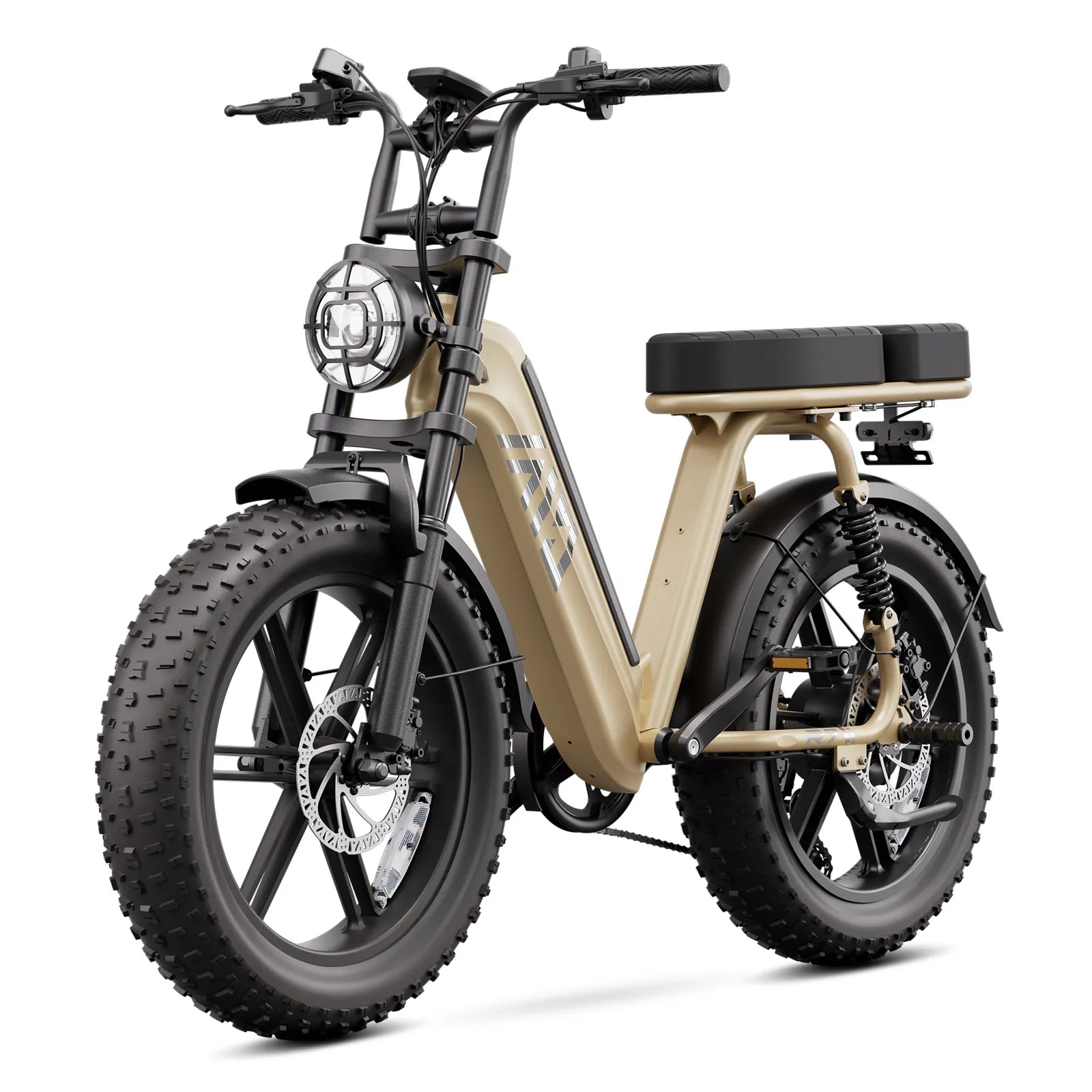
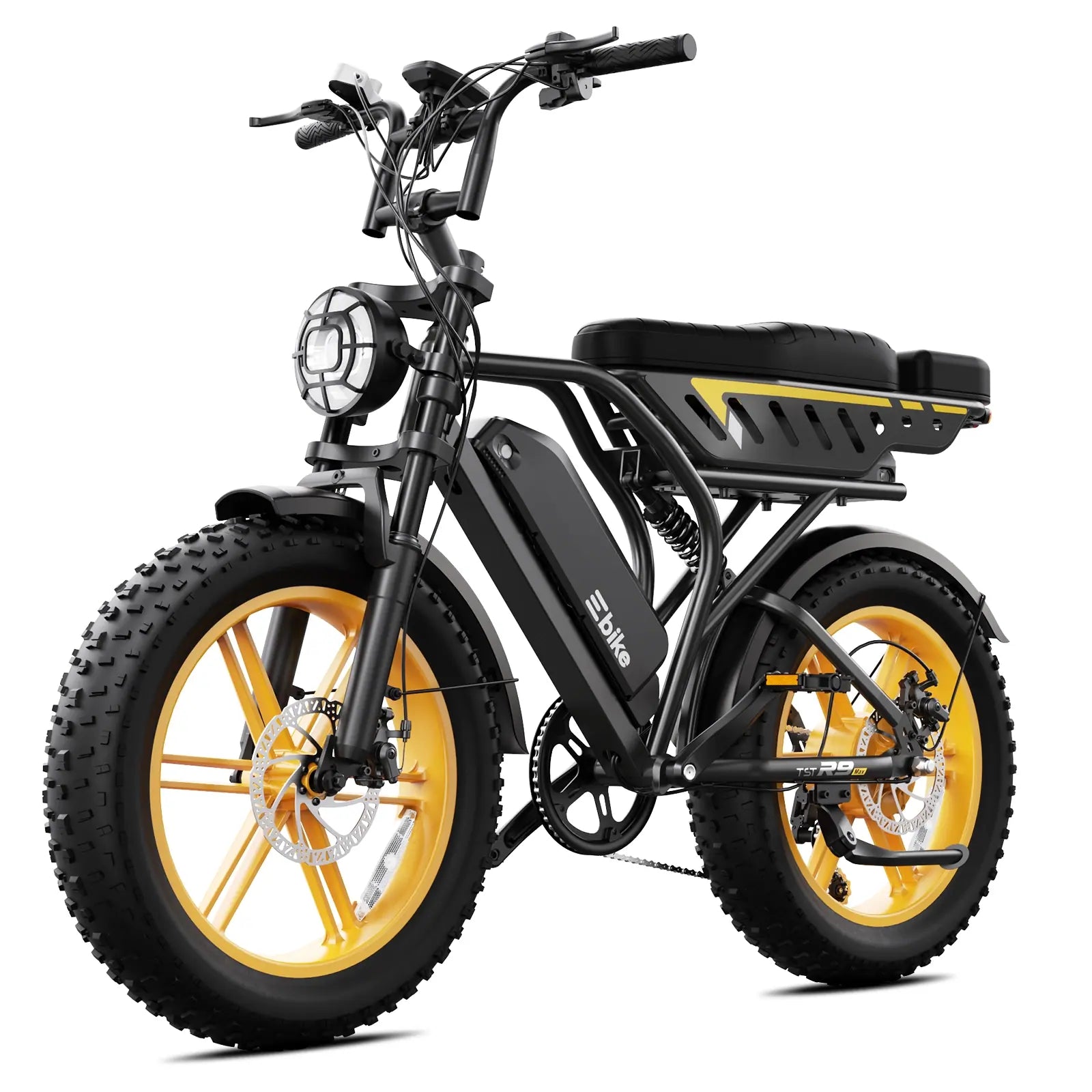
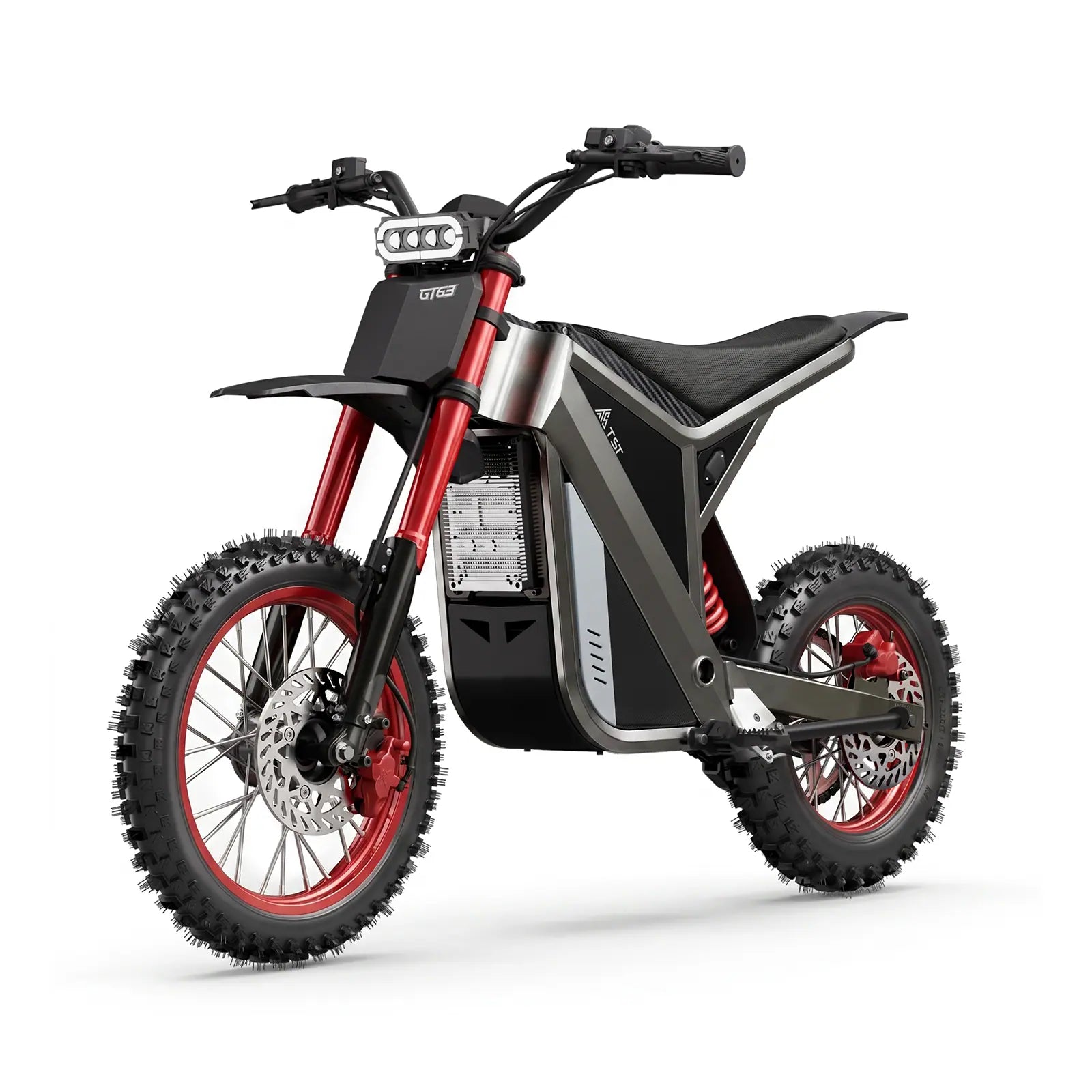
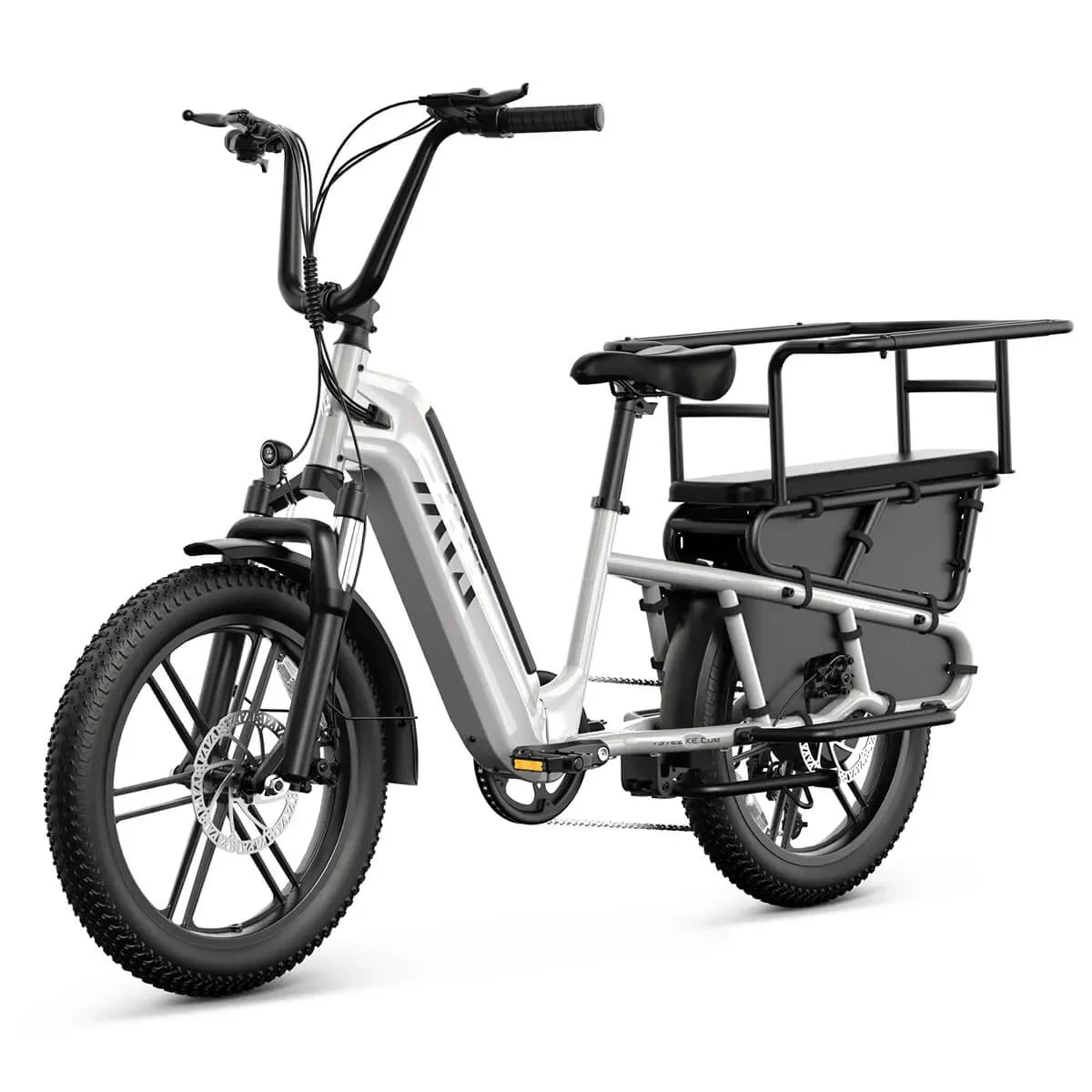
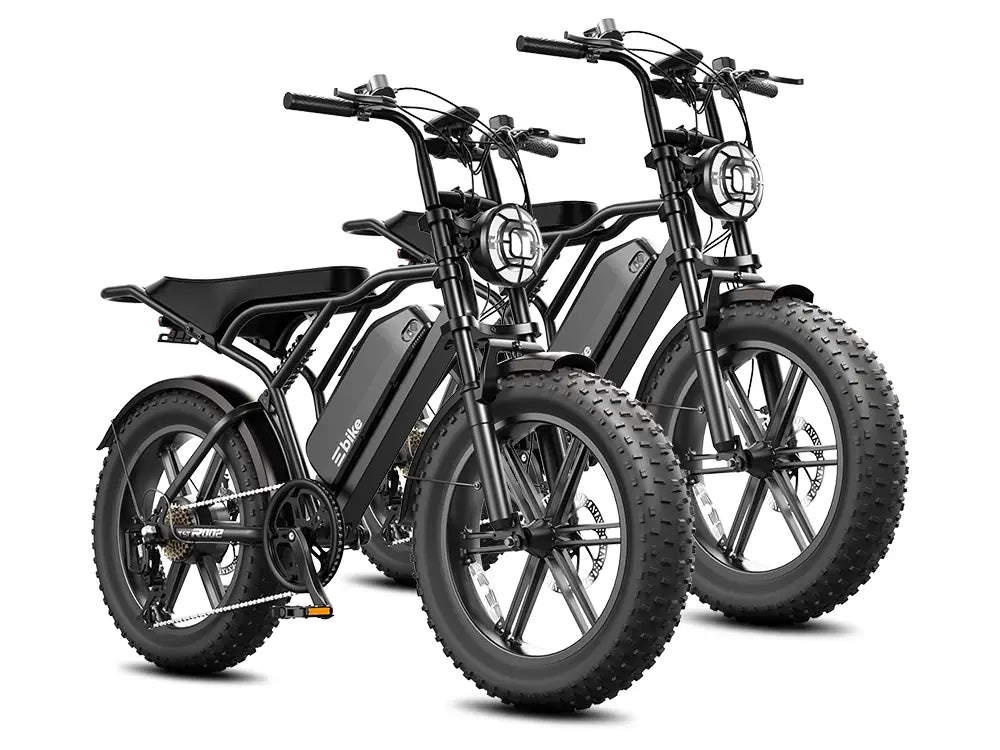
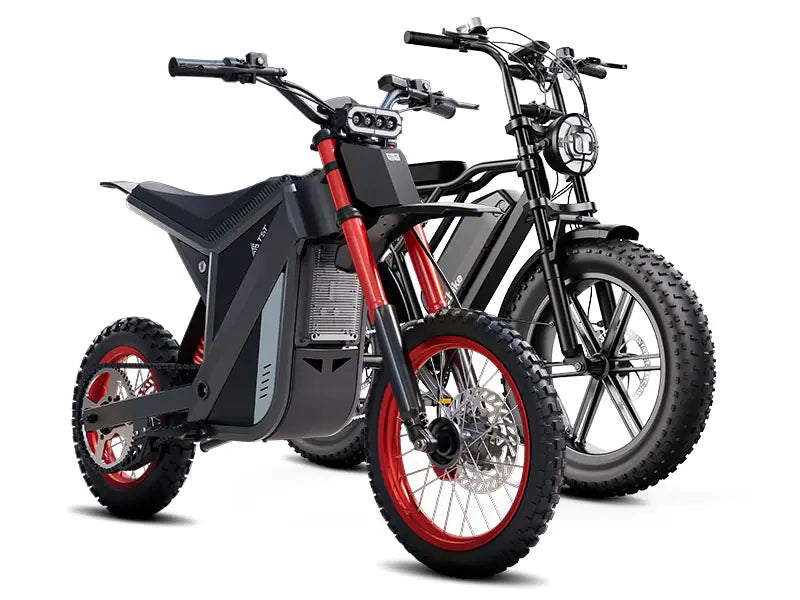
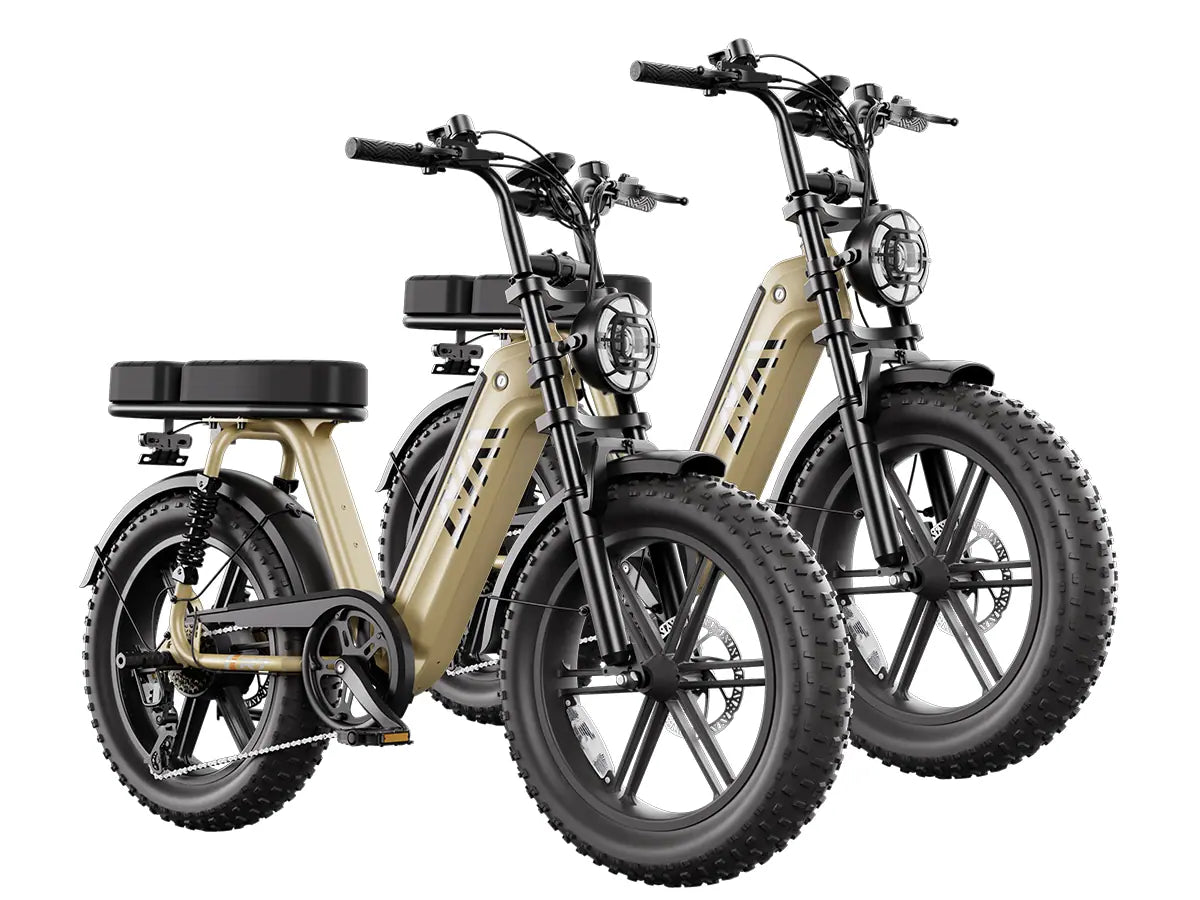
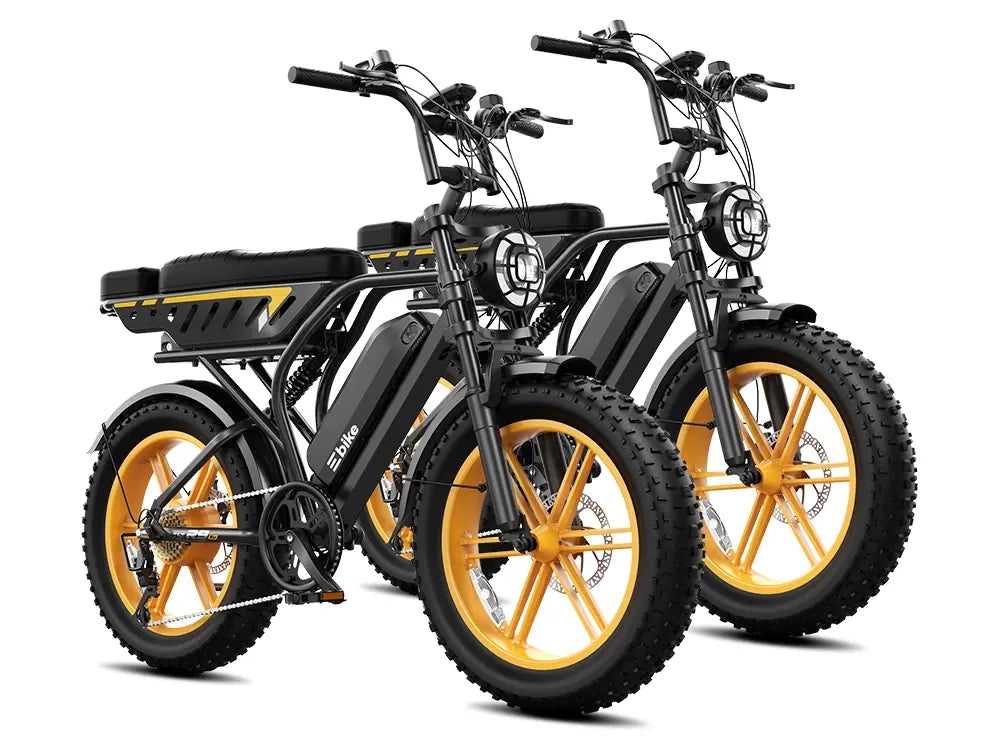
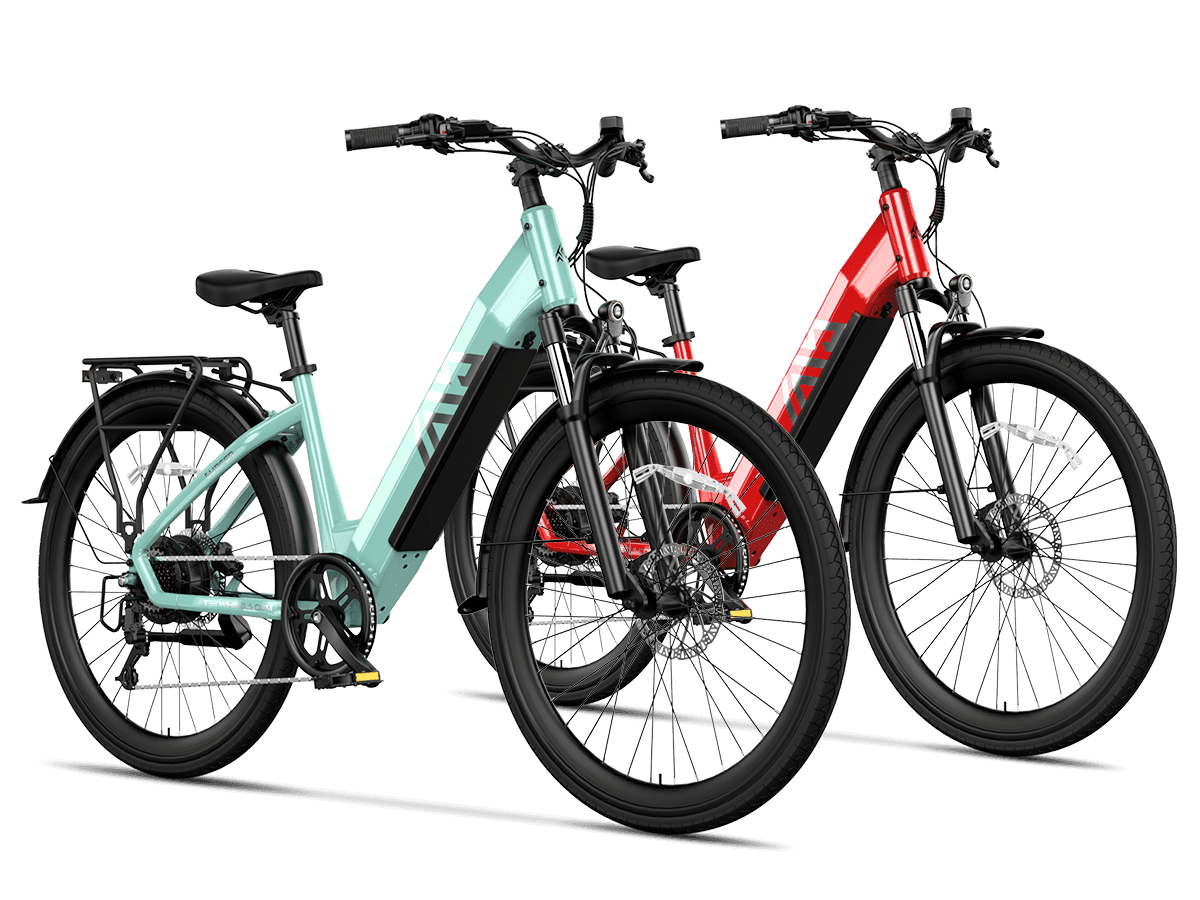
California’s SB 1271 is pushing the e-bike market toward verified safety, not just marketing claims. For new sales, the key selling point is whether the complete electrical system and battery pack have recognized safety certification, because buyers and retailers now care more about proof than promises. That shift favors brands like TST EBike that can clearly demonstrate compliance and California-based distribution.
What Is SB 1271?
SB 1271 is California’s e-bike safety law that tightens how new electric bicycles, batteries, and charging systems are sold in the state. It focuses on certification, labeling, and accountability rather than vague “tested” claims. In practice, the law raises the bar for manufacturers and retailers that want access to California’s large market.
For shoppers, the important change is simple: certification is no longer a nice-to-have feature. It becomes a trust signal that separates serious products from risky ones. For sellers, documentation matters as much as design.
Why Does It Matter?
SB 1271 matters because lithium-ion battery fires have made safety a top purchase criterion. The law gives California buyers a clearer way to identify products that have been evaluated for thermal and electrical risks. It also creates pressure on brands to build safer packs, better wiring harnesses, and more reliable charging systems.
This is where engineering details matter. A compliant bike is not just about a sticker; it is about the battery management system, connector quality, fuse strategy, charger matching, and enclosure design working together. That is the real difference between a bike that merely looks premium and one built for long-term daily use.
Which E-Bikes Benefit Most?
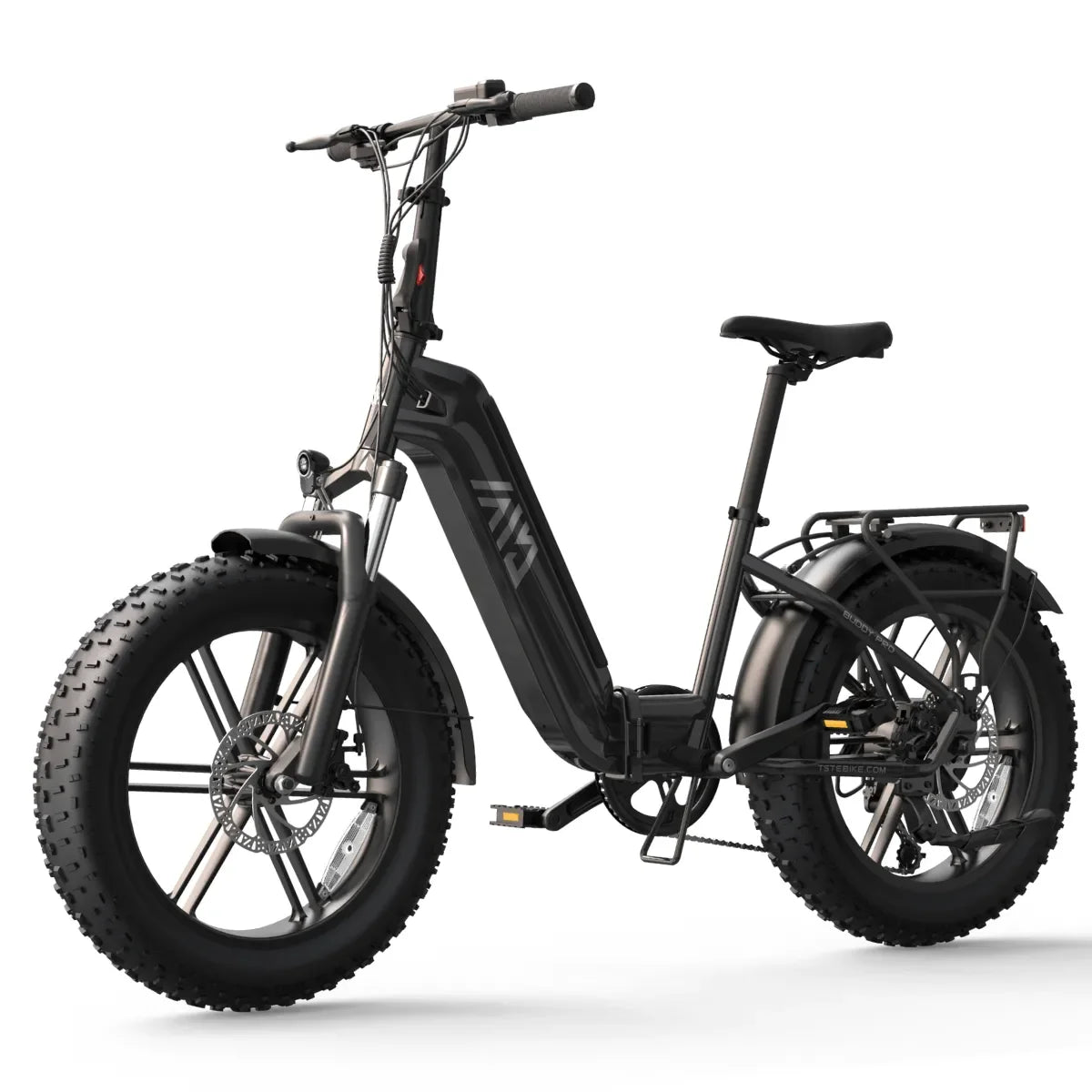
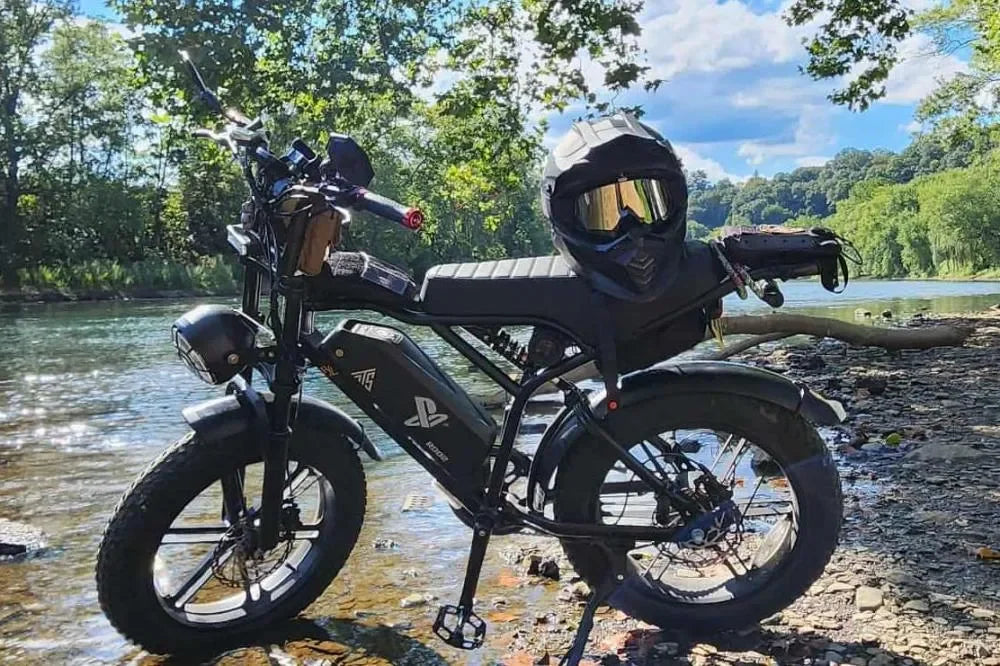
Moped-style and high-power commuter e-bikes benefit the most because they put more stress on the electrical system. Higher current draw, heavier frames, and longer rides all increase the importance of thermal management and connector durability. A weak pack or poorly tuned controller will fail faster under that load.
This is why compliance can become a genuine market advantage. When a product is already engineered for certification, it usually reflects more careful parts sourcing, tighter assembly control, and better quality checks. For customers comparing options, that difference often shows up in fewer nuisance failures and more stable performance over time.
Can Buyers Verify Compliance?
Yes, buyers can and should ask for proof of certification before purchasing. A legitimate seller should be able to provide certification details, product labeling, and enough identifying information to confirm the listing. If a seller cannot produce that information, the claim should be treated cautiously.
The strongest buying habit is to verify the exact model, not just the brand name. A brand may certify one model while selling another without the same safety scope. That is especially important in a fast-moving category where product pages and supply chains can change quickly.
Has California Changed Retail Expectations?
Yes, California has changed the way retailers are expected to present e-bikes to customers. Safety compliance is becoming part of the purchase decision, much like frame size or motor power. Retailers that understand this shift can reduce returns, complaints, and reputational risk.
For brands with California operations, the benefit is even bigger. TST EBike, for example, can make California logistics part of the trust story because local warehousing and direct shipping help reassure buyers about service, fulfillment, and consistency. In a market shaped by compliance, proximity and documentation both matter.
Where Does TST EBike Fit?
TST EBike fits into this market as a value-focused brand that can turn compliance into a real customer benefit. When a shopper sees safety certification paired with California shipping, the message is stronger than a generic low-price pitch. It tells the buyer that the product is built for real-world use, not just online impressions.
TST EBike also has a practical story to tell: the brand was established in California, serves multiple countries, and operates offline stores as well as warehouses. That kind of distribution footprint supports after-sales confidence. In a regulated category, serviceability is part of product quality.
What Should Buyers Check?
Buyers should check three things before choosing a new e-bike: certification, charger compatibility, and seller transparency. Certification confirms that the system has been tested; charger compatibility helps prevent avoidable battery stress; transparency shows whether the seller is serious about safety. These checks take minutes and can prevent expensive mistakes.
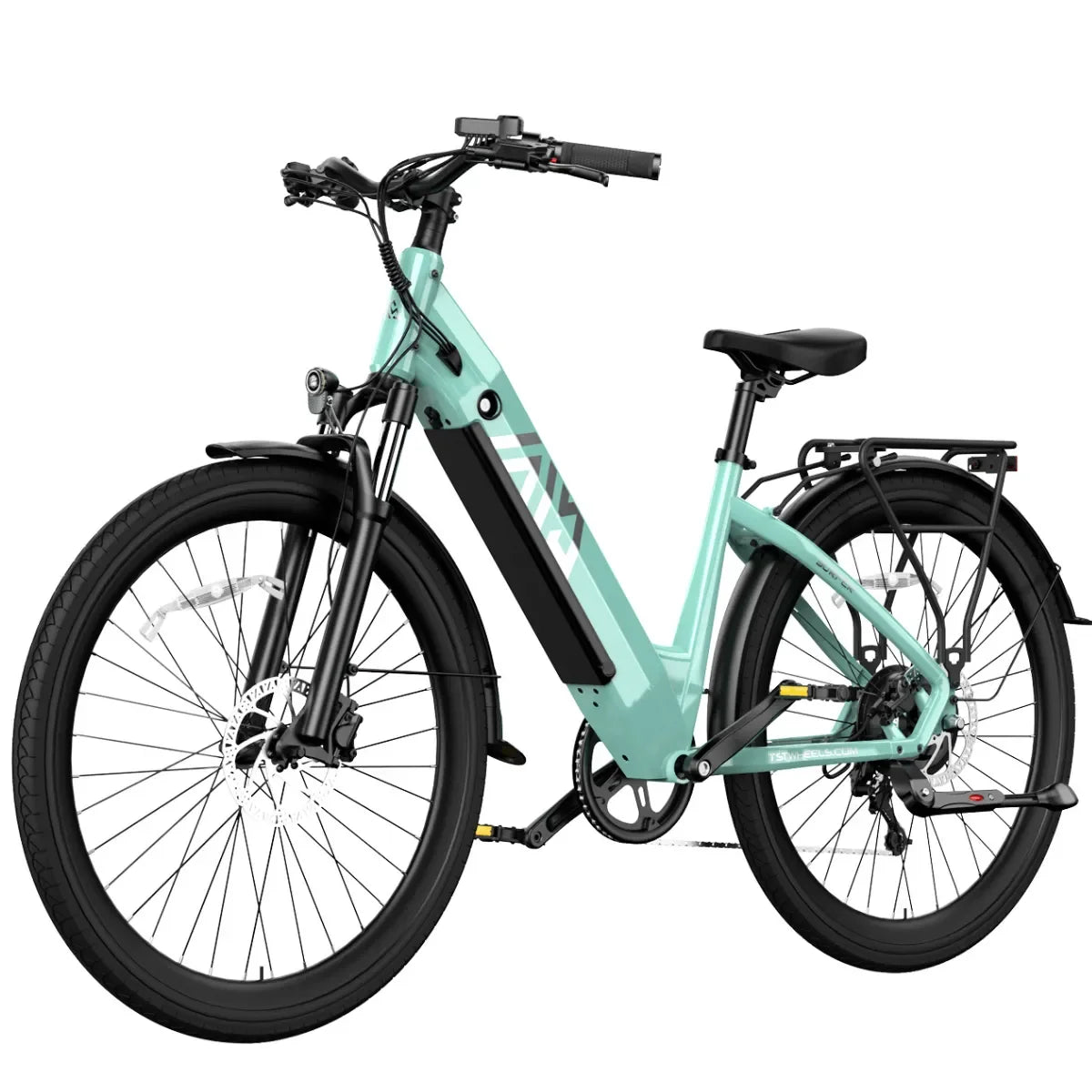
A smart buyer also looks at the frame’s use case. A 26-inch setup may be better for rough terrain like sand or snow, while a 27-inch setup often suits commuting and mixed urban riding. That matters because the best compliant e-bike is still the one matched to the rider’s actual environment.
TST EBike Expert Views
“From a factory-floor perspective, safety compliance is not a marketing badge; it is the result of disciplined component matching. The battery, controller, harness, enclosure, and charger all have to behave as one system under heat, vibration, and load. Brands like TST EBike gain a real advantage when they treat certification as a design discipline, not a paperwork step.”
How Does Compliance Affect Selling?
Compliance affects selling because platforms, distributors, and retailers increasingly prefer products with clear documentation and lower legal exposure. A certified e-bike is easier to merchandise, easier to defend, and easier to support after the sale. That is why certification can directly influence conversion rates.
It also changes price perception. A bike that appears “cheap” but lacks proof of safety may actually be a more expensive choice once returns, downtime, and replacement risk are included. In that sense, verified compliance is not just a safety feature; it is a value feature.
What Makes Safe Design Different?
Safe design is usually visible in the parts you do not notice at first glance. Better cable routing, protected connectors, more stable battery mounting, and stronger enclosure sealing all reduce failure points. Thermal runaway prevention starts long before a battery ever gets hot; it begins with design choices that minimize abuse and heat concentration.
The most reliable builds usually show consistent assembly quality. That means fewer loose terminations, better strain relief, and cleaner integration between the battery housing and frame. This is the kind of detail that separates engineering-led brands from commodity sellers.
Why TST EBike Stands Out
TST EBike stands out because it combines practical pricing with a safety-first message that California buyers now care about more than ever. In a market crowded with look-alike products, the ability to point to certification, local fulfillment, and established operations creates trust. That trust is often what closes the sale.
The brand also benefits from a product strategy built around everyday utility. Riders want range, stable power delivery, and dependable parts support, not just flashy specs. When those needs align with documented safety, the result is a stronger long-term ownership experience.
What Is The Buying Takeaway?
The biggest takeaway is that SB 1271 makes proof matter more than promotion. If you are buying a new e-bike in California, insist on certification details, ask about the battery and charger, and verify that the seller can support the claim. That is the most reliable way to avoid unsafe or noncompliant products.
For brands, the lesson is equally clear: safety, documentation, and transparency now shape market access. TST EBike can use that reality to its advantage by leading with evidence, not hype. In 2026, that is what serious buyers expect.
FAQs
Does SB 1271 apply to used e-bikes?
It mainly targets new sales and leasing activity, so used-bike buyers should still check safety condition, battery age, and charger matching.
Can a bike be safe without a certification label?
It may perform well, but without recognized certification, the buyer has less proof that the system was tested for key electrical and thermal risks.
Why does California care so much about certification?
Because certification helps reduce fire risk and makes safety claims easier to verify in a large, high-volume market.
Should I ask for documentation before buying?
Yes. Ask for the certification details, the exact model covered, and matching charger information before you purchase.

Leave a comment
This site is protected by hCaptcha and the hCaptcha Privacy Policy and Terms of Service apply.