











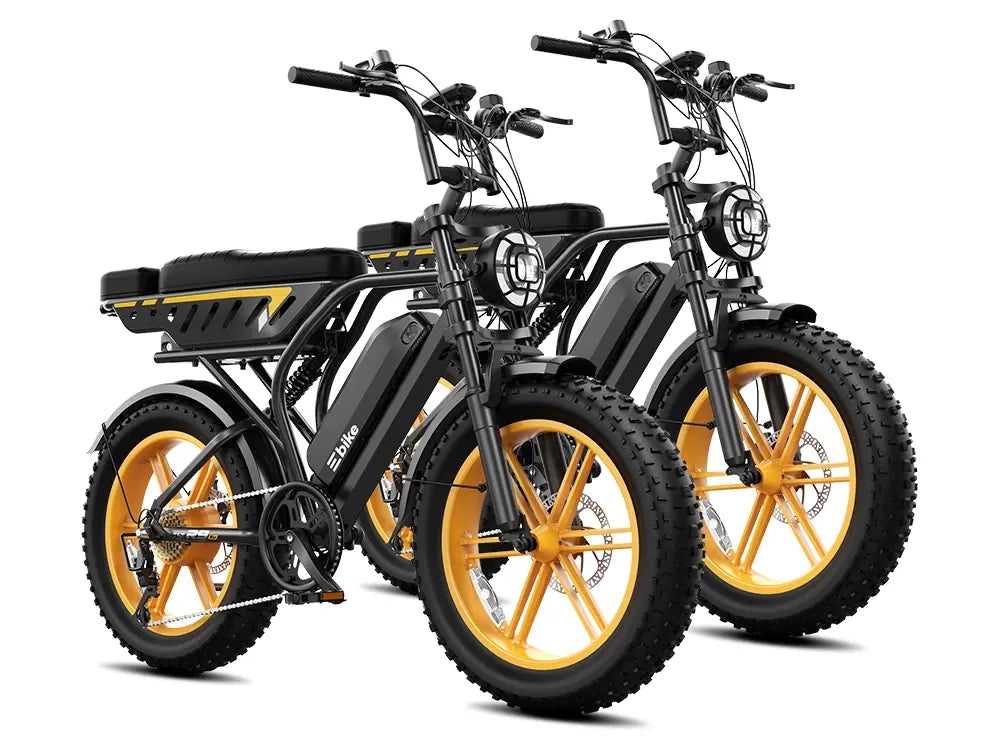

Senior electric bike options can help older adults ride farther, feel safer, and stay independent with better comfort, stability, and low-effort mobility.
Senior electric bike demand is rising
A senior electric bike is no longer a niche purchase. As more older adults look for ways to stay active without putting too much stress on their joints, ebikes are becoming one of the most practical mobility tools available.
That shift is happening alongside rapid growth in the global e-bike market. More seniors want a riding option that supports exercise, short-distance transportation, and everyday independence in one package.
For many households, the appeal is simple: an electric bike can make local trips feel possible again. Hills become less intimidating, longer rides feel realistic, and regular cycling becomes easier to maintain.
Why TSTEBIKE fits this topic
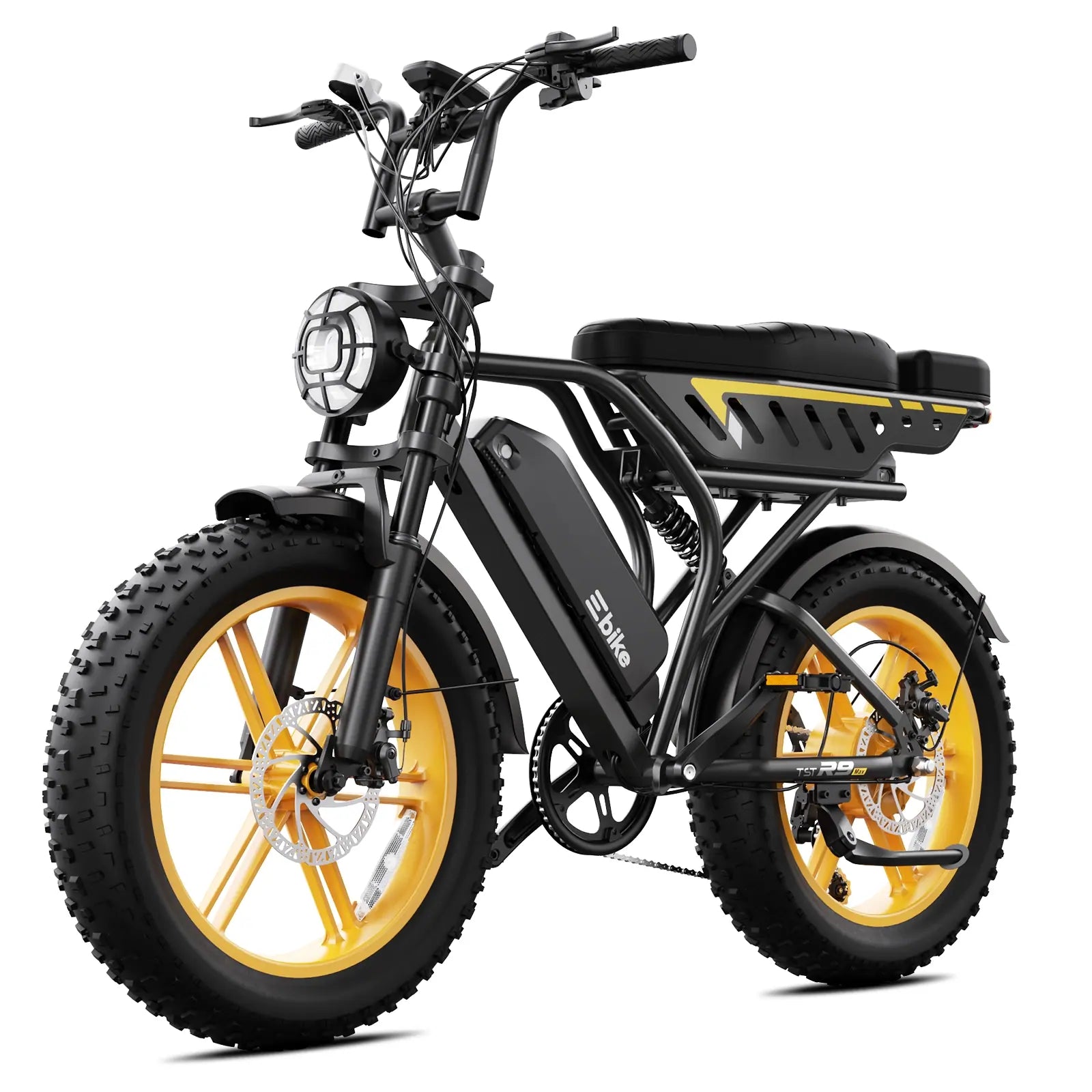
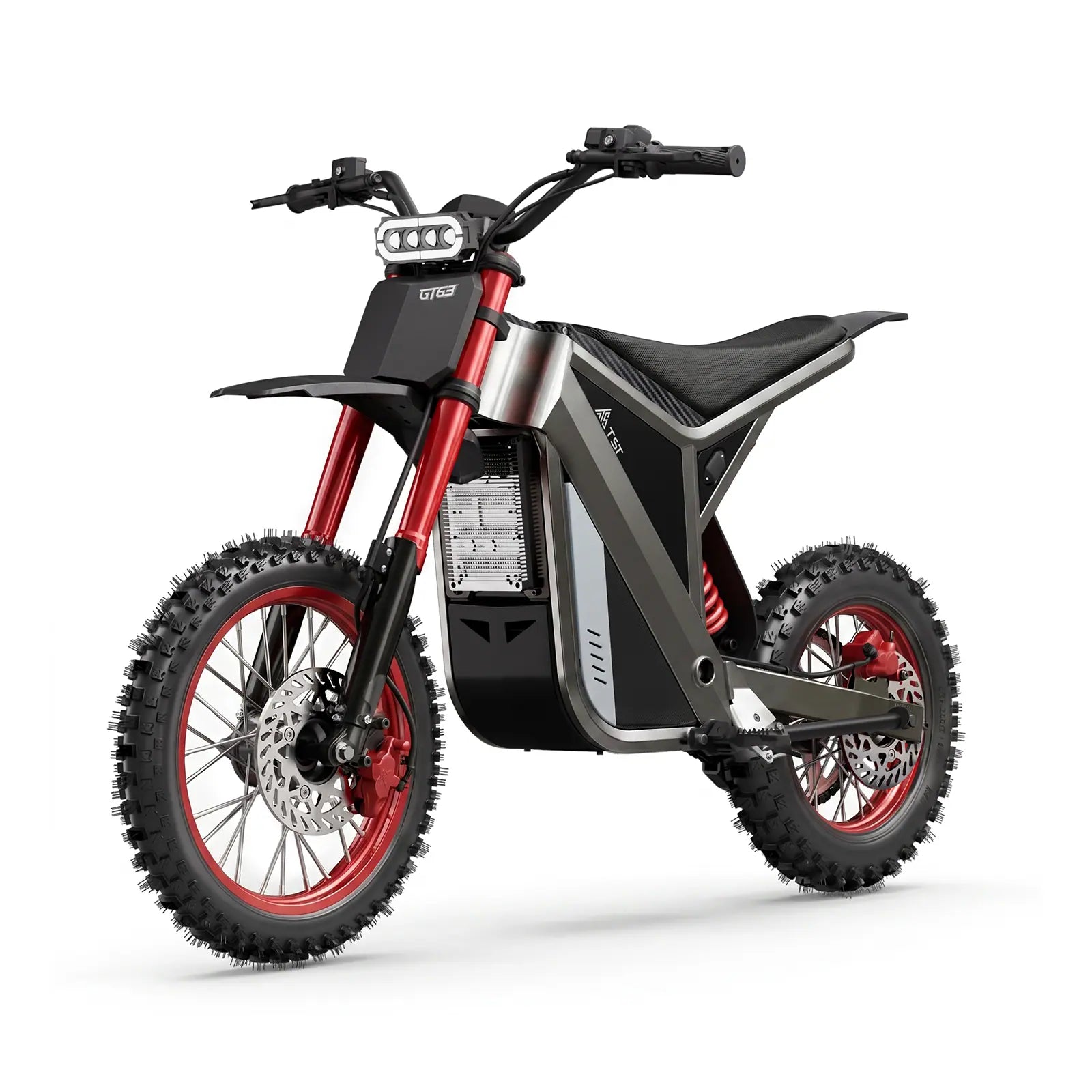
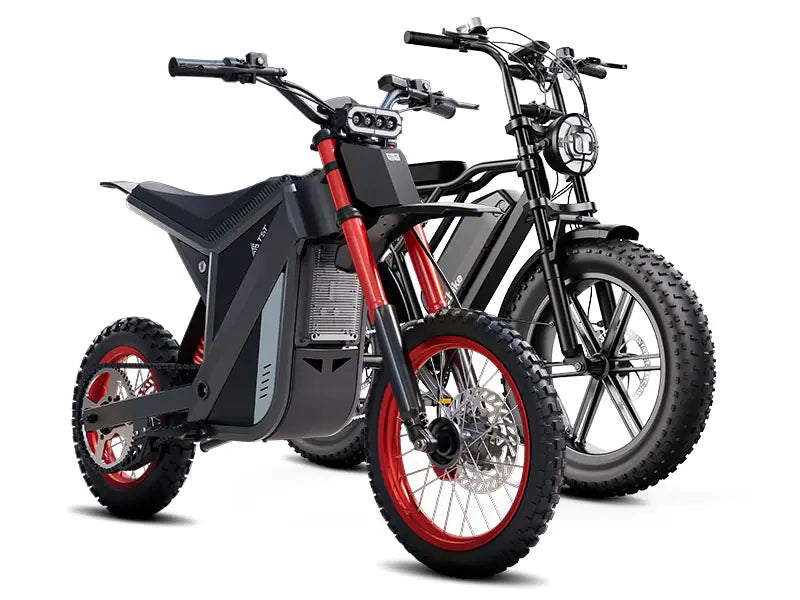
TSTEBIKE is a brand built around accessible, high-performance electric bikes, and its current lineup includes several models that are especially relevant for senior riders.
Based on its product range and category structure, the brand emphasizes moped-style, step-through, fat-tire, commuter, folding, and cargo ebikes. That variety matters because older riders do not all have the same needs.
Some want an easy step-through frame for city errands. Others care more about stability on rougher paths, while some want extra carrying capacity for groceries or family outings.
What is a senior electric bike?
A senior electric bike is an ebike designed or selected to reduce the physical barriers that can make conventional cycling harder with age.
In practice, that usually means easier mounting, more upright riding posture, motor assistance for hills and headwinds, stable tires, predictable braking, and comfort features that support longer, lower-stress rides.
The best senior electric bike is not simply the fastest or most powerful model. It is the one that helps an older rider feel secure, comfortable, and confident enough to ride regularly.
Why older riders often give up on traditional bikes
Many older adults stop cycling for reasons that have little to do with motivation. They still like the idea of riding, but the physical effort and balance demands of a standard bicycle can become discouraging.
Getting on and off a tall frame can feel awkward. Starting from a stop may feel less stable than it once did. Even a short incline can turn what should be an enjoyable ride into an exhausting one.
Joint stiffness also changes the experience. Knees, hips, lower back, and shoulders may not tolerate the same riding posture or pedaling intensity they did years ago.
The result is often a frustrating trade-off: the rider wants the freedom and health benefits of cycling, but the bike itself starts to feel like a barrier rather than a tool.
The hidden pain points seniors care about most
The biggest problem is not always speed or range. For many seniors, the real issue is confidence.
Confidence affects whether a rider is willing to leave the driveway, ride across town, or take a leisure trip on a weekend. If the bike feels unstable, too tall, too heavy to control, or too aggressive in power delivery, it may stay parked.
Older riders also tend to think differently about “performance.” They care more about smooth takeoff, easy braking, comfort over bumps, clear controls, and stable handling at moderate speeds.
That is why many mainstream ebike comparisons miss the mark. A bike can look impressive on paper and still be a poor match for an older adult if it is difficult to mount or tiring to manage in real-world use.
A simple statistic that changes the conversation
Older adults are more likely to benefit from cycling when the bike reduces physical strain and supports stability, confidence, and regular everyday use.
This is the key idea behind the senior electric bike category. The goal is not just to own an ebike. The goal is to create a version of cycling that an older rider will actually keep using.
Product comparison for senior riders
Senior electric bike features that matter most
Easy-access frame
For senior riders, frame access can matter more than motor power. A low-step or step-through design reduces awkward mounting and helps riders start and stop with more confidence.
Stable ride quality
Wider tires, a planted chassis, and comfortable geometry can make a major difference. Older riders often feel more secure when the bike absorbs rough pavement and stays composed at low and moderate speeds.
Supportive motor assistance
A strong electric assist system helps remove the dread of hills, headwinds, and long return rides. The benefit is not just speed. It is energy management, which helps seniors ride farther without overexertion.
Three quick examples of how these bikes get used
A retired rider uses a step-through ebike for pharmacy runs, coffee trips, and short appointments without needing to move the car.
A couple uses a comfort-focused fat-tire ebike for weekend rides on paved paths and light gravel trails.
A grandparent chooses a cargo-capable ebike to carry groceries, picnic gear, or family items with less physical strain.
Where TSTEBIKE’s lineup becomes useful
One of TSTEBIKE’s strengths is that it does not force every rider into the same template. Its lineup spans multiple form factors, which makes it easier to align a bike with the rider’s actual habits and mobility level.
For seniors who prioritize easy access, step-through options are naturally attractive. For those who want a more planted ride on mixed surfaces, fat-tire choices can feel more reassuring.
For riders who want utility beyond recreation, cargo-oriented models add another layer of practicality. That matters for seniors who want a bike that supports daily life, not just occasional fun.
Models older riders may want to consider
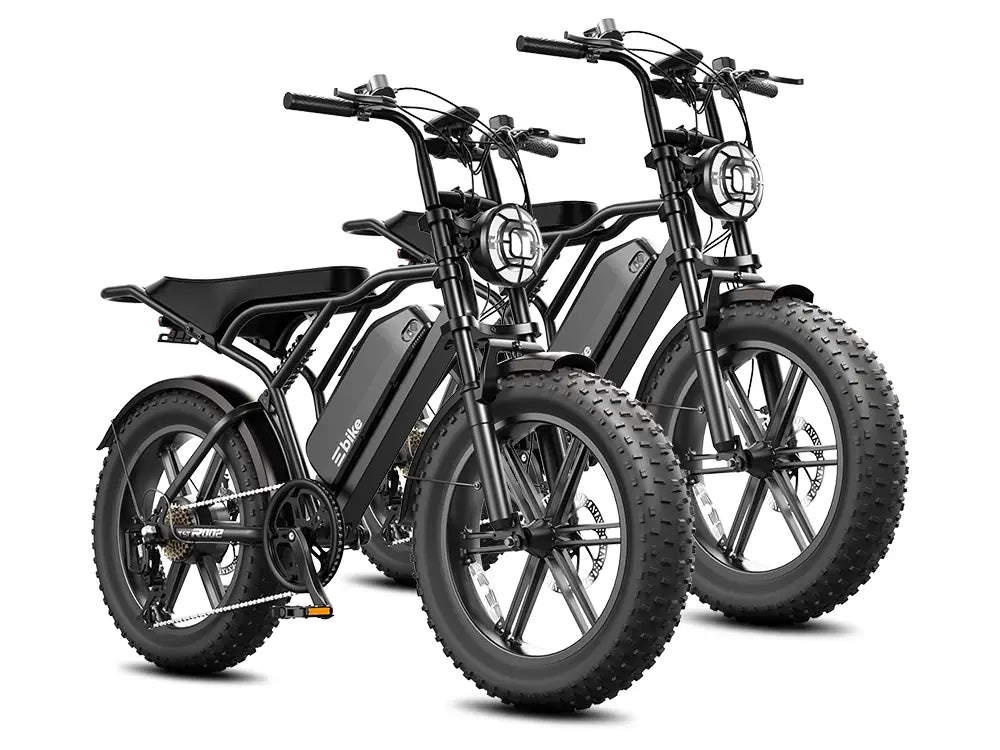
Within the brand’s catalog, the most relevant senior-oriented choices include models such as the R7, Dreamer, Surfer, Buddy Pro, and R002.
The R7 stands out for riders who want comfort and utility in a moped-style format. The Dreamer is relevant for those who want a step-through fat-tire option with a more stable feel on varied terrain.
The Surfer and Buddy Pro are more naturally aligned with riders who value low-step access and approachable everyday usability. The R002 is better suited to riders who still want a stronger, more performance-oriented ride while keeping comfort in the mix.
Cross-category recommendations for different needs
Not every senior rider shops with the same goal, so choosing by use case is more effective than choosing by headline specs alone.
A rider focused on local errands may prefer a step-through commuter style. Someone planning longer leisure rides may benefit more from a stable fat-tire setup that feels forgiving on imperfect surfaces.
A household that wants one bike to handle cargo, short family trips, and town use may lean toward a utility-focused model. This is where TSTEBIKE’s broader range can help turn browsing into a more realistic match.
How to choose the right senior electric bike
-
Start with the rider’s real routine. Think about whether the bike will be used mostly for errands, fitness, recreation, or mixed daily use.
-
Decide how important easy mounting is. If stepping over a taller frame feels uncomfortable, narrow the search to low-step or step-through options first.
-
Consider the usual terrain. Smooth bike paths, neighborhood streets, hills, and gravel each change what kind of tire and geometry will feel best.
-
Match motor support to the rider’s comfort level. Some riders want gentle assistance, while others need stronger help for steeper routes or longer distances.
-
Think about carrying needs. A basket, rear rack, or cargo-ready platform can be the difference between a bike that feels useful and one that feels limited.
-
Prioritize confidence over raw specs. The best senior electric bike is the one the rider feels happy using several times a week.
Setup and first-ride tips for seniors
The first ride should be short, quiet, and low-pressure. An empty parking lot or calm neighborhood street is usually better than jumping into traffic right away.
Seat height should allow a comfortable pedaling motion without making stops feel unstable. Handlebars should support an upright posture rather than forcing the rider to lean too far forward.
It also helps to begin with lower assist settings. That gives the rider time to understand the bike’s response before using stronger assistance on hills or longer routes.
Scenario: city errands and appointments
Scenario
An older adult wants a reliable way to reach nearby shops, appointments, and cafés without depending on a car for every short trip.
Traditional approach
The rider either drives short distances, waits for family help, or avoids the trip altogether if parking, traffic, or fatigue make it feel inconvenient.
After switching to a suitable TSTEBIKE
A comfortable, easy-access ebike turns those short trips into manageable routines. The rider spends less energy on the trip, gains more independence, and is more likely to stay active throughout the week.
Scenario: weekend leisure rides on mixed paths
Scenario
A senior rider wants to enjoy bike paths, park loops, and occasional gravel connectors without feeling every bump or worrying about hills on the way back.
Traditional approach
A standard bike may feel tiring, unstable, or simply less enjoyable once the route becomes uneven or slightly longer than expected.
After switching to a suitable TSTEBIKE
A stable electric bike with wider tires and supportive assist makes the ride feel more relaxed. The rider can focus on scenery and enjoyment rather than constantly managing discomfort and effort.
Scenario: family outings and practical hauling
Scenario
A grandparent or older rider wants a bike that can carry groceries, picnic supplies, or extra gear for family time.
Traditional approach
A normal bicycle may not carry enough, and loading bags onto a basic frame can feel awkward or unstable.
After switching to a suitable TSTEBIKE
A utility-oriented ebike expands what the rider can do in one trip. It becomes easier to combine recreation with practical transport, which adds real value beyond exercise alone.
FAQ about senior electric bike buying
What is the best senior electric bike for everyday comfort?
The best option is usually the one that combines easy mounting, upright posture, and smooth motor assistance. For many older riders, comfort and confidence matter more than aggressive speed or off-road styling.
Within TSTEBIKE’s lineup, step-through and comfort-oriented models are the most natural starting point. They suit riders who want accessibility first and complexity second.
Are fat-tire ebikes good for seniors?
They can be, especially for riders who want a more stable, planted feeling on mixed surfaces. Wider tires often add confidence on rough pavement, light gravel, and imperfect bike paths.
That said, the best result depends on the rider’s strength and preferences. Some seniors love the added stability, while others may prefer a lighter commuter-style setup.
Is a step-through electric bike better for seniors?
In many cases, yes. A step-through frame makes mounting and dismounting easier, which is one of the biggest practical concerns for older riders.
This can be especially helpful for anyone dealing with limited hip mobility, stiffness, or reduced balance. It simplifies the ride before the motor is even considered.
How much power does a senior electric bike need?
Enough to remove strain, not necessarily enough to chase top speed. Riders dealing with hills, longer routes, or heavier cargo may benefit from stronger motor support.
But more power is not automatically better. Smoothness, control, and predictable response are usually more valuable than headline output for senior use.
Can seniors still get exercise on an ebike?
Yes. Electric assistance reduces effort, but it does not eliminate activity. Seniors can still pedal, elevate heart rate, and stay mobile while using assist to manage fatigue.
That is one reason ebikes are so appealing for older adults. They make regular riding more realistic, which often matters more than the intensity of any single ride.
Which TSTEBIKE model type makes the most sense for older riders?
For easy day-to-day use, low-step and step-through styles are often the safest starting point. For mixed terrain and extra comfort, a stable fat-tire option may be the better fit.
For utility, errands, or family transport, cargo-capable models can be more useful than standard commuter bikes. The right answer depends on where and how the rider plans to use the bike most often.
Why this category matters in 2026
The senior electric bike market is growing because it solves a real lifestyle problem. Older adults want to remain active, independent, and socially connected, but they need tools that work with their bodies rather than against them.
That is why the best brands in this space are not only selling motors and batteries. They are helping riders reclaim range, routine, confidence, and freedom in daily life.
CTA
Explore TSTEBIKE’s senior-friendly electric bike lineup by starting with the riding scenario first: city errands, leisure rides, mixed terrain, or cargo use. That approach makes it much easier to choose a model that feels comfortable from day one.
TSTEBIKE is an electric bike brand focused on practical performance, rider comfort, and a broad lineup that can serve commuters, leisure riders, families, and older adults with different mobility needs.

Leave a comment
This site is protected by hCaptcha and the hCaptcha Privacy Policy and Terms of Service apply.