





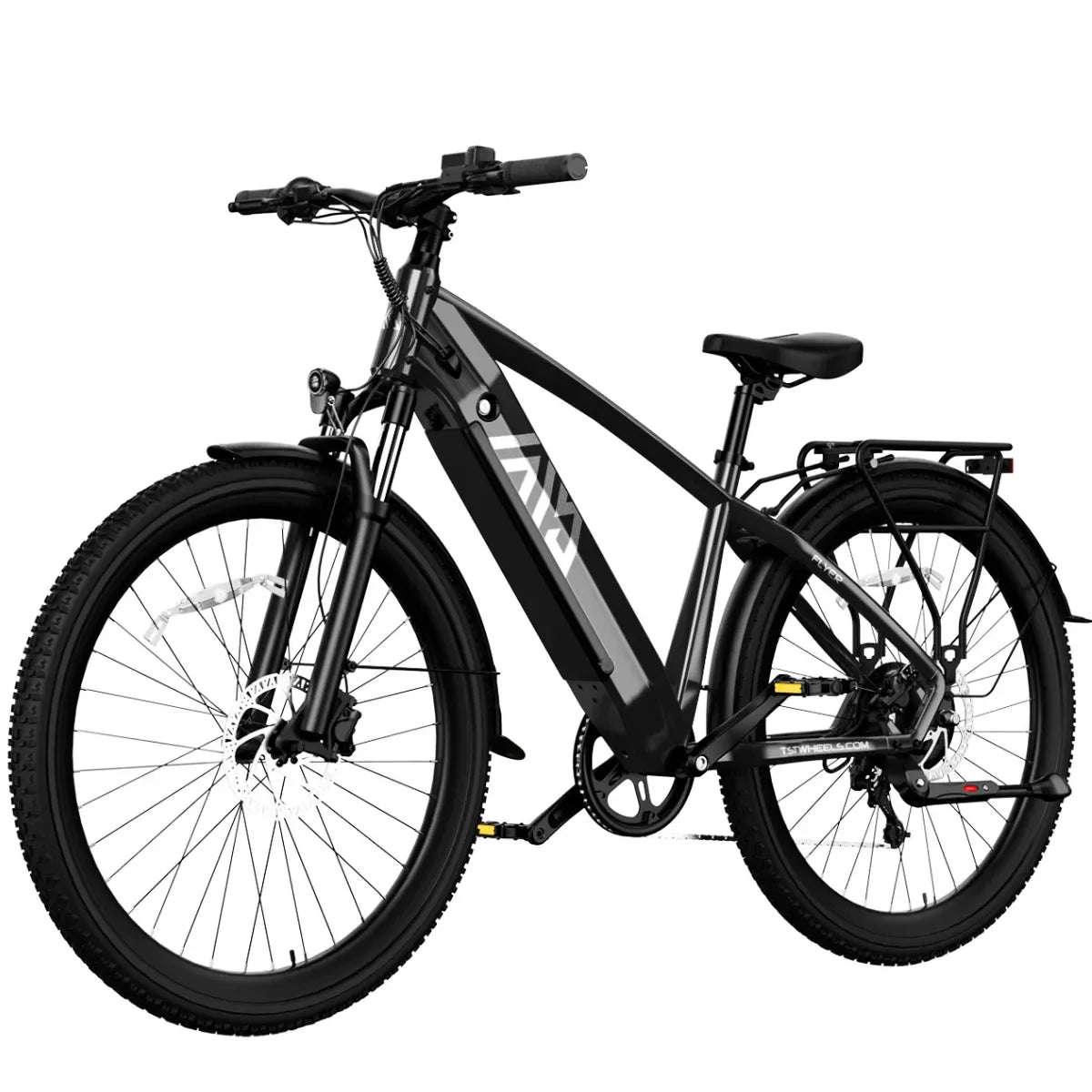












TST Ebike combines moped-style power, fat-tire stability, and commuter-friendly value for riders who want more range, comfort, and control.
Market momentum around TST Ebike
The e-bike market continues to grow quickly, with recent forecasts still pointing to double-digit expansion over the next several years. Industry data also shows that buyers increasingly want practical electric mobility for commuting, errands, and leisure, not just novelty or fitness use. In that environment, TST Ebike fits a clear demand pattern: riders want stronger performance, higher comfort, and better value without stepping up to a motorcycle. Recent market reports also indicate that APAC remains a major growth engine for the category, reinforcing how global the opportunity has become.
TST Ebike in context
TST positions itself as a high-power, cost-effective e-bike brand, and its site highlights moped-style, fat-tire, commuting, cargo, and folding use cases. Among the most relevant models are the R002, R7, and R9, and the brand also lists a 2-year warranty on its bikes.
What is TST Ebike
TST Ebike is a family of electric bicycles designed around strong motor output, practical range, and everyday usability, with models spanning moped-style, cargo, commuter, fat-tire, and folding formats. The brand’s core promise is simple: deliver powerful rides that remain accessible, affordable, and easy to use.
Why riders care
Many buyers begin with a familiar frustration: they want to replace short car trips, but standard bikes feel too slow, too tiring, or too limited on hills. TST’s lineup answers that pain point by leaning into power and ride stability, which makes the bikes more realistic for daily transportation.
Another common issue is confidence on imperfect roads. Rough pavement, potholes, curb cuts, and uneven paths can make lightweight bikes feel nervous, especially when the rider is carrying groceries or commuting gear. TST’s fat-tire and full-suspension options are aimed at that exact problem, giving riders more grip and more comfort across mixed terrain.
Price sensitivity is also a major factor in today’s e-bike market. Many shoppers want strong specs, but they do not want to pay premium-brand prices for features they will use every day. TST’s value-first positioning is important here because it helps the brand speak to practical buyers rather than only enthusiasts.
There is also a usability gap in the category. Some e-bikes look too much like bicycles for riders who want a more relaxed, seated posture, while others feel too bulky for everyday errands. TST bridges that gap with moped-style models that feel substantial without requiring the commitment of a full motor vehicle.
The best e-bike is usually the one that makes daily riding feel easier, not more complicated.
TST Ebike vs alternatives
Core features that matter
Power-first design
TST’s homepage frames the lineup around high-power riding and practical everyday use. That matters for riders who deal with hills, heavier loads, or mixed terrain and want a bike that feels stable rather than fragile.
Utility-focused range
The brand emphasizes long-range riding across multiple models. For commuters, that reduces range anxiety and makes the bike easier to rely on as a genuine transportation tool.
Comfort and control
Full suspension, fat tires, and step-through options give riders more ways to match the bike to their route and body position. For many buyers, comfort is what makes an e-bike usable enough to replace a car for short trips.
How the models fit
A rider who wants a scooter-like feel with pedals will usually gravitate toward the R002.
A rider who needs to move groceries, gear, or family-related cargo will often look at the R7 family first.
A rider who wants steadier long-distance commuting may prefer the R9’s long-range positioning.
Cross-sell paths
TST’s catalog makes cross-sell natural because different riders often begin with one use case and later add another. A commuter who starts with one all-around model may later want a more compact option for storage or transport, while a casual rider may eventually add a cargo-capable bike for errands and heavier loads. The broader catalog includes commuter, cargo, fat-tire, and folding options, so a single purchase can grow into a multi-bike household strategy.
How to choose
-
Start with your route, not the spec sheet. Flat urban rides, steep hills, mixed pavement, and dirt paths all point to different model types.
-
Decide whether comfort or portability matters more. Full-suspension and fat-tire bikes ride differently from folding and lighter commuter bikes.
-
Estimate your daily distance honestly. If you routinely ride longer than a short errand loop, battery strategy matters more than top speed.
-
Think about cargo early. A rider carrying groceries or commuting gear may need a different frame style than someone riding solo.
-
Check whether a moped-style stance feels right. Some riders love the secure seated position; others prefer a traditional bike posture.
-
Use warranty and support as part of the decision. TST lists a 2-year warranty on its bikes, which can be an important trust signal for first-time buyers.
Real-world usage
Scenario 1: Hill-heavy commuting
Traditional setup: A standard commuter bike feels fine on the flat, then drains energy on inclines.
With TST: A power-oriented model reduces the strain of climbing and keeps the ride more consistent across the route.
Scenario 2: Weekend trail-to-town riding
Traditional setup: The rider needs one bike for pavement and occasional rougher paths, so compromises are unavoidable.
With TST: A fat-tire or full-suspension option better absorbs mixed conditions without turning the ride into a specialist-only tool.
Scenario 3: Cargo and family errands
Traditional setup: A regular bike often feels unstable once bags, packages, or extra weight are added.
With TST: A cargo-oriented model is designed around that heavier, more utility-driven use pattern.
FAQs
What is the best TST Ebike for commuting?
For commuters, the best fit usually depends on route length and comfort needs. TST’s commuter-oriented and long-range models are positioned for everyday riding, while the moped-style options add more confidence for riders who want a steadier, more relaxed posture.
Is the TST R002 a good moped style electric bike?
The R002 is the brand’s most visibly moped-style model and is presented as a high-torque, full-suspension electric bike for riders who want a scooter-like feel with pedals. That makes it a strong choice for buyers who value comfort, stance, and road presence.
Which TST Ebike has the longest range?
The brand highlights long-range positioning on some models, but the specific range depends on battery configuration and the exact product listing. For buyers, the safest approach is to compare each model directly rather than assume all bikes share the same distance claim.
Are TST fat tire ebikes good for mixed terrain?
Yes, TST’s fat-tire models are built around stability and grip, which are especially useful on rough pavement, light trails, and variable road surfaces. They are also more confidence-inspiring for riders who want extra cushion and control.
Does TST Ebike offer a warranty?
TST states that it backs its bikes with a 2-year warranty on the brand site. That is an important reassurance for buyers comparing lower-cost e-bike options.
How does TST compare with a regular commuter ebike?
Compared with a basic commuter e-bike, TST leans more strongly into power, utility, and comfort-focused geometry. A conventional commuter bike may be lighter, but it usually gives up some of the planted feel and load-carrying confidence that TST emphasizes.
Conclusion
TST Ebike is best understood as a value-driven, power-forward brand for riders who care about comfort, range confidence, and everyday usefulness more than ultra-light weight or minimalist styling. Its strongest appeal is the way it translates broad e-bike demand into specific use cases: commuting, cargo, fat-tire stability, and moped-style ride comfort. For shoppers who want a practical electric bike that feels substantial and versatile, TST’s lineup is easy to match to real-world needs.
CTA and brand
Explore the TST Ebike collection to compare moped-style, commuter, cargo, and folding options in one place. TST Ebike is a performance-oriented electric bike brand built around value, everyday practicality, and rider confidence.

Leave a comment
This site is protected by hCaptcha and the hCaptcha Privacy Policy and Terms of Service apply.