


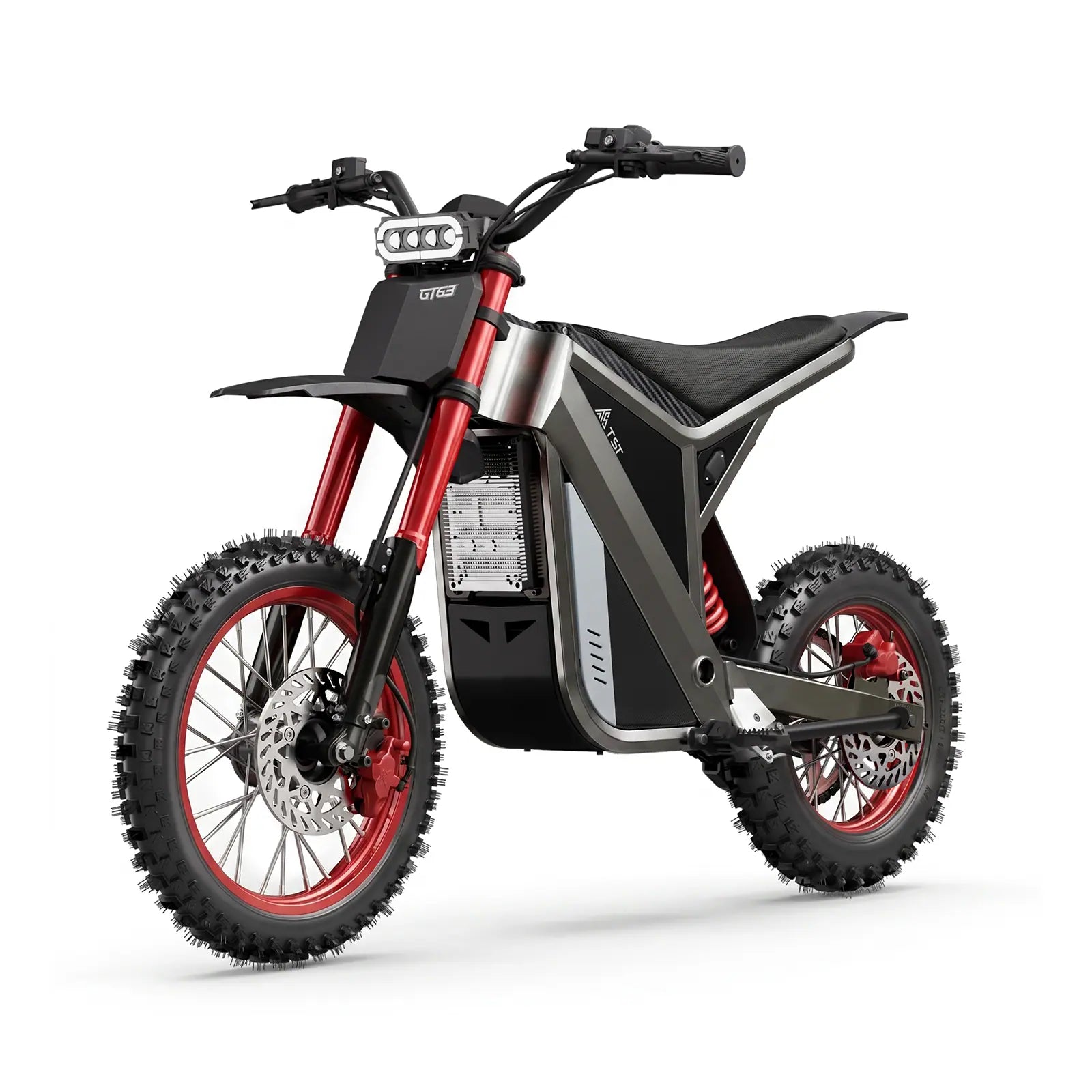














An electric bike, also known as an e‑bike or electric bicycle, is a standard bicycle fitted with a battery‑powered motor that assists your pedaling effort. The motor can be integrated into the rear or front wheel or mounted in the middle of the frame, often paired with a lithium‑ion battery pack and an electronic controller. This combination lets you ride farther, faster, and with less fatigue than on a traditional bike, making it attractive for commuters, fitness riders, and casual cyclists alike.
How an electric bike works
An electric bike enhances your ride by using sensors that detect when you are pedaling and then delivering a proportional boost from the motor. Many models feature multiple assist levels, so you can choose how much extra power you want, from a gentle push to a strong accelerator‑like effect. Some e‑bikes also include a throttle that lets you move without pedaling at all, while others require you to pedal to activate the electric assistance.
The battery typically mounts on the frame, in the downtube, or on a rear rack, and connects to the motor and the handlebar display that shows speed, battery level, and mode. As you ride, the system dynamically adjusts power so you maintain a steady pace uphill, into headwinds, or over longer distances without feeling completely drained at the end of your trip.
Types of electric bikes and where they fit
Electric bikes come in several styles, each tailored to different kinds of riding. Commuter e‑bikes are designed for city streets and bike lanes, often with lights, racks, fenders, and comfortable geometry for daily trips to work or errands. Mountain e‑bikes add more suspension travel, stronger brakes, and rugged frames to handle trails, while still relying on the electric motor to smooth out steep climbs and long ascents.
Cruiser and comfort e‑bikes emphasize upright riding positions and relaxed components, making them ideal for casual rides in parks or neighborhoods. Cargo e‑bikes, another popular segment, use powerful motors and larger batteries to haul heavy loads, kids, or groceries, often in urban delivery and family‑use scenarios. Recreational and fitness e‑bikes sit between commuter and sport models, supporting everything from weekend trail rides to longer exercise sessions.
How an electric bike enhances a ride
An electric bike enhances your ride by making hills, wind, and distance feel much easier without removing the joy of cycling. The assist system lets you keep a consistent speed even when the terrain gets challenging, so you arrive at your destination feeling less sweaty and strained. This reduction in physical effort means more people can ride regularly, including older adults, those recovering from injuries, or anyone who finds traditional cycling too tiring.
Electric bikes also extend your range; instead of limiting yourself to a few miles, you might comfortably ride 20–40 miles or more on a single charge, depending on the battery size and how much assist you use. Combined with the ability to maintain a steady pace, this makes e‑bikes compelling for longer commutes, bike tours, and exploration of new routes that would feel too daunting on a regular bicycle.
Health, fitness, and overall wellbeing benefits
Riding an electric bike still gets your heart pumping, your legs moving, and your lungs working, even though the motor helps. The customizable assist levels mean you can choose how much of your own effort you want, so you can turn a high‑assist ride into a moderate cardiovascular workout or dial it back for a gentler, low‑impact session. Many fitness experts and health organizations note that regular e‑biking can improve heart health, build muscle endurance, and support weight management.
Because e‑bikes make riding easier, people often ride more frequently and for longer durations than they would on a traditional bike. This increased activity can help reduce stress, improve mood, and support joint mobility, especially when compared with sedentary travel by car. Studies and surveys of cycling behavior have found that e‑bike owners tend to ride more often and travel farther, getting more overall exercise than they did before they switched to an electric bike.
Electric bikes in daily commuting and city life
An electric bike enhances your ride most noticeably in everyday commuting, where it cuts through traffic while staying emission‑free and low‑cost. Instead of sitting in gridlock, you can use bike lanes, shared paths, and side streets to reach your destination faster and more predictably. Many cities report that e‑bike use is rising as people look for alternatives to car‑based commuting, especially in places with limited or expensive public transit.
Electric bikes can bridge first‑mile and last‑mile gaps, helping riders reach bus stops, train stations, and workplaces without relying on a full‑car trip. This shift supports reduced congestion, lower parking demand, and cleaner air, which several urban‑planning and environmental groups have highlighted as key benefits of wider e‑bike adoption. For many commuters, the ability to ride to work without arriving completely soaked in sweat has become a major reason to switch from driving or traditional biking.
Technology inside an electric bike
Modern electric bikes use advanced lithium‑ion battery packs, efficient brushless motors, and smart controllers that manage power delivery and safety. The battery capacity, often measured in watt‑hours, determines how far you can ride before recharging, while the motor’s power rating in watts affects acceleration and hill‑climbing ability. Many mid‑range models fall in the 36–52 volt range with 10–15 amp‑hour batteries, striking a balance between range, weight, and cost.
The motor can be a hub motor at the rear or front wheel or a mid‑drive motor that turns the crankset, each with its own handling and performance characteristics. Mid‑drive systems often feel more natural because they work directly with your gears, whereas hub motors can be simpler and quieter. Electronic displays and wireless sensors let you monitor speed, distance, battery level, and assist mode in real time, giving you full control over how the electric bike enhances your ride.
Market trends and growth of e‑bikes
Industry data from major mobility and cycling analysts show that electric‑bike sales have climbed steadily over the past decade, with particularly strong growth in North America and Europe. Many national and regional reports highlight that e‑bikes now represent a growing share of total bicycle sales, driven by urbanization, rising fuel costs, and changing attitudes toward sustainable transport.
Several cities and national governments have introduced incentives such as e‑bike purchase subsidies, tax credits, and infrastructure investments to encourage adoption. These policy moves have helped e‑bikes become a mainstream option rather than a niche product, with retailers and manufacturers expanding their electric‑bike portfolios year after year. In particular, affordable, high‑performance models are gaining traction as more people see the value of an electric bike for commuting, recreation, and fitness.
TST EBike and consumer‑driven electric bikes
TST EBike was founded with a vision to transform the way we think about transportation, addressing issues like traffic congestion and air pollution with practical, fun alternatives. TST GRP LLC offers a wide range of travel tools, including high‑power, cost‑effective electric bikes designed around direct consumer feedback. The brand focuses on delivering reliable performance and strong value, with both 26‑inch and 27‑inch models that suit different terrains and riding styles.
TST EBike’s 26‑inch models are well suited for rough conditions like snow, sand, and loose trails, while 27‑inch versions excel in daily commuting and light mountain biking. By building electric bikes that respond to rider needs, TST EBike aims to enhance the riding experience for a broad audience, from urban commuters to recreational explorers.
Real‑world user stories and cost‑savings
Many riders report that once they switch to an electric bike, they use it far more often than a car or even a traditional bicycle. Commuters cut fuel and parking costs significantly, especially in cities where gas and downtown parking are expensive. Some delivery riders and gig workers have replaced short‑range car trips with cargo e‑bikes, saving on maintenance and fuel while still being able to handle heavy loads.
Recreational riders also share that electric bikes let them join group rides or keep up with fitter friends, even if their fitness level is lower. Families increasingly use e‑bikes for school runs, grocery trips, and weekend outings, seeing the investment pay off through reduced transport bills and more quality time spent outdoors. These everyday success stories show how an electric bike can enhance your ride in both practical and emotional ways.
How an electric bike compares to cars and traditional bikes
Compared with a car, an electric bike offers similar or even better point‑to‑point travel times in dense urban areas, with the added benefits of lower operating costs, no parking fees, and zero tailpipe emissions. It also avoids the stress of traffic jams and the mental fatigue that often comes with long drives. Compared with a traditional bicycle, an e‑bike reduces the physical strain of hills, headwinds, and long distances, encouraging more consistent and enjoyable rides.
However, e‑bikes do have limitations: they require charging, may need more maintenance than a basic bike, and sometimes face infrastructure or regulatory challenges in certain regions. Riders still need to follow local rules, wear appropriate safety gear, and lock their bikes securely, especially since an electric bike can be more valuable than a standard model.
Future trends in electric biking
Looking ahead, electric‑bike technology is expected to continue improving in efficiency, integration, and connectivity. Battery energy density is likely to rise, allowing longer ranges without adding weight, while motor systems may become quieter and more responsive. Some manufacturers are also exploring more integrated designs, such as frame‑embedded batteries, smart displays, and app‑linked ride tracking that deepen how an electric bike enhances your ride.
Urban‑planning organizations and transport agencies predict that e‑bikes will play a larger role in sustainable mobility strategies, especially as cities expand dedicated bike lanes and support e‑bike ownership through incentives. As more people discover the convenience, fitness benefits, and environmental advantages of electric bikes, adoption is expected to grow across age groups and lifestyles.
Frequently asked questions about electric bikes
What is an electric bike and how does it work?
An electric bike is a standard bicycle outfitted with a battery‑powered motor that assists your pedaling effort. Sensors detect when you are pedaling and then deliver a boost from the motor, which can be adjusted in intensity and sometimes supplemented with a throttle for extra power.
Does riding an electric bike count as real exercise?
Yes, riding an electric bike still provides meaningful exercise, especially when you use lower assist levels to keep your effort higher. The adjustable power lets you tailor each ride so you can choose between a light workout and a more strenuous session.
Who should consider getting an electric bike?
Electric bikes are suitable for commuters, casual riders, fitness enthusiasts, older adults, and people with physical limitations who want to ride more often and farther. They are also popular among delivery riders, families, and anyone looking to reduce car use and save on fuel and parking.
How fast can an electric bike go?
Most e‑bikes are limited to around 20–28 mph, depending on class and local regulations. The exact speed depends on the motor power, battery output, and whether the model is a Class 1, 2, or 3 e‑bike under regional rules.
How far can you ride on a single charge?
Range varies widely by battery size, motor, and how much assist you use, but many riders can expect 20–50 miles or more on a typical urban or mixed‑terrain ride. Higher‑capacity batteries and conservative assist settings push the range toward the upper end of that spectrum.
How long does it take to charge an electric bike battery?
Most lithium‑ion e‑bike batteries take about 3–6 hours to fully charge from empty, depending on the charger and battery size. Some faster chargers can reduce that time, which is useful if you ride frequently or need to recharge during the day.
Take the next step toward a better, more enjoyable ride
If you are curious about how an electric bike can enhance your ride, start by exploring the different types of e‑bikes and mapping out how you would actually use one in your daily routine. Once you understand whether you need a commuter, cargo, mountain, or comfort model, focus on batteries, motors, and overall build quality that match your routes and expectations. When you feel ready, test‑ride a few options and compare how the electric assistance feels under real‑world conditions, then make a decision that aligns with your lifestyle, budget, and long‑term goals for healthier, more sustainable transportation.

Leave a comment
This site is protected by hCaptcha and the hCaptcha Privacy Policy and Terms of Service apply.