
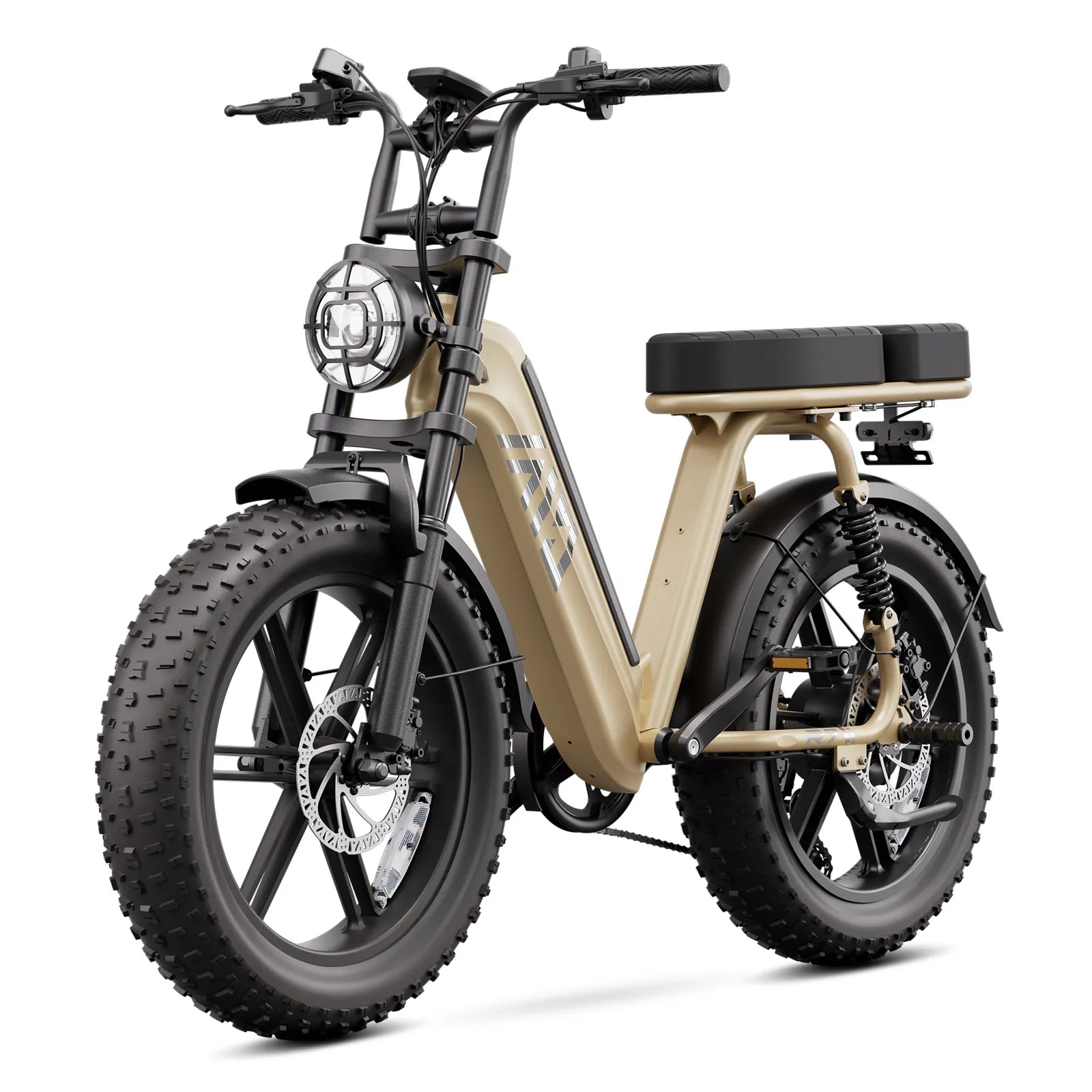
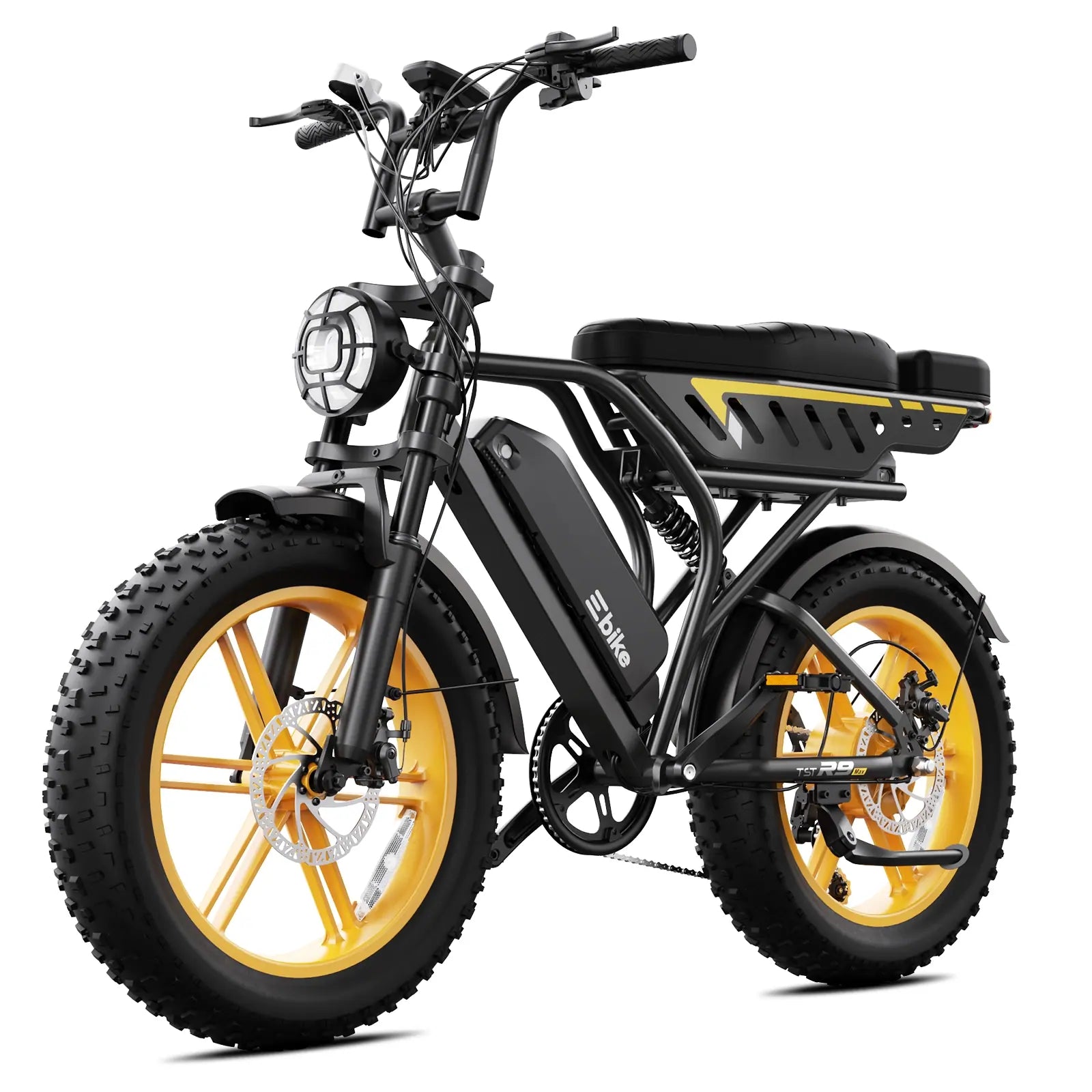
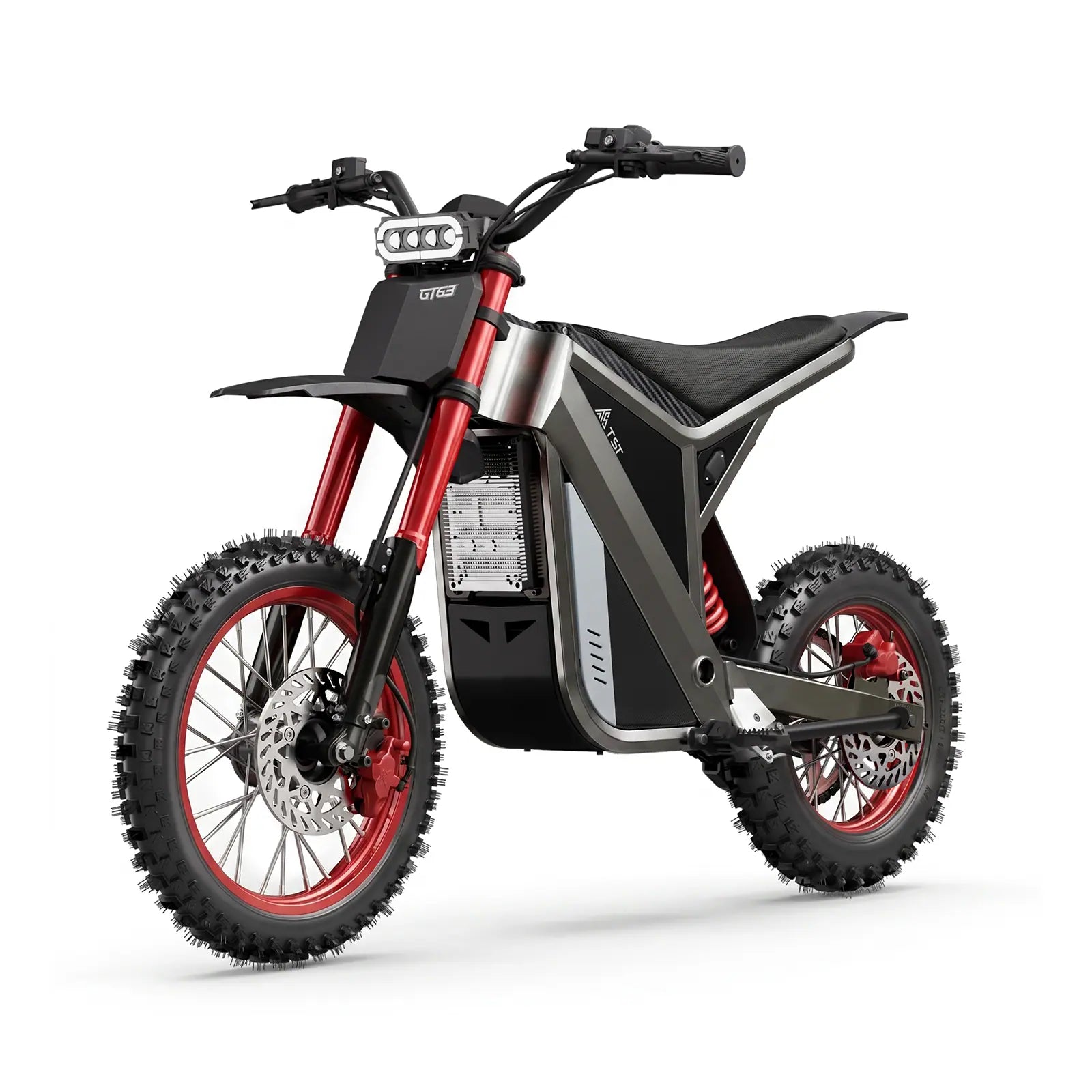
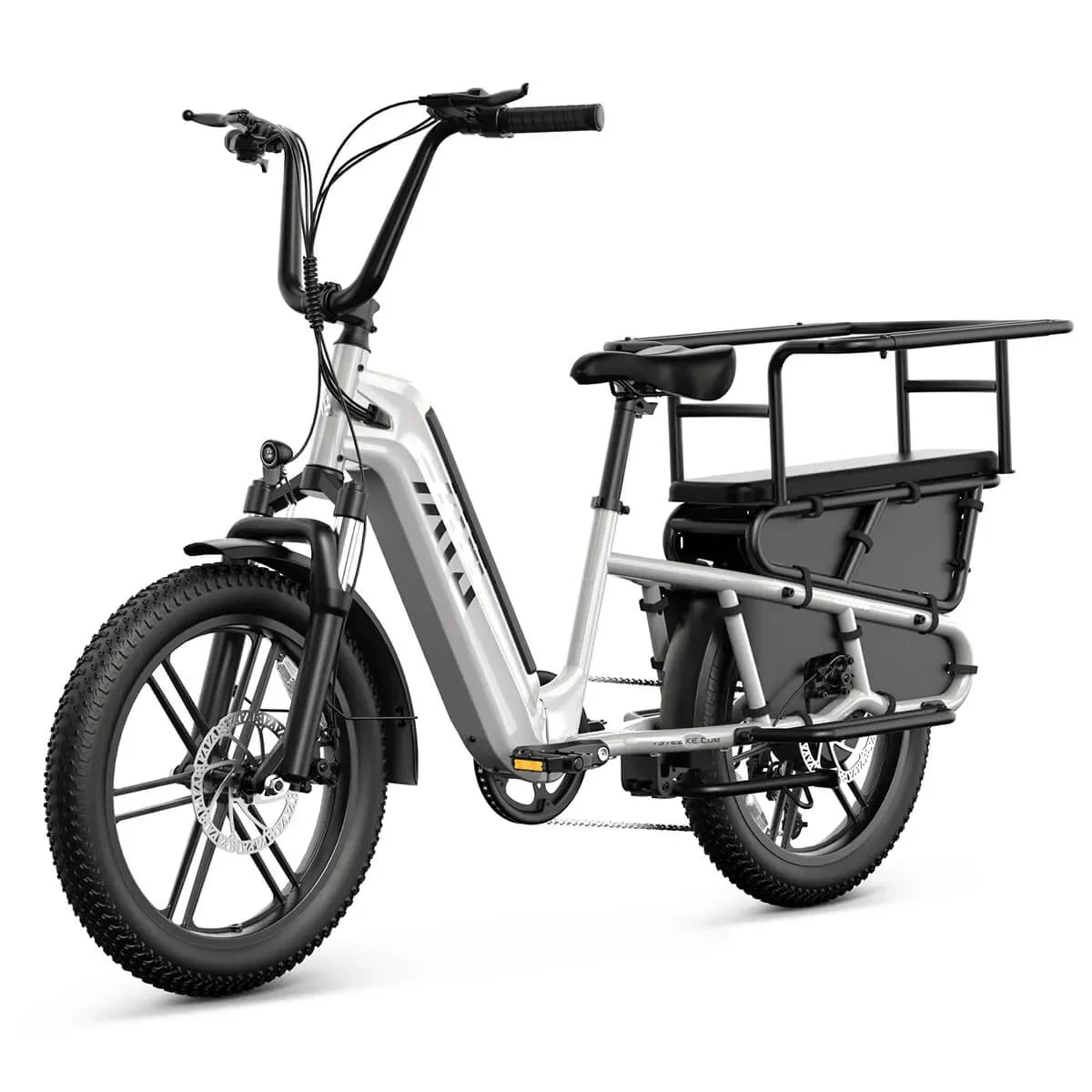
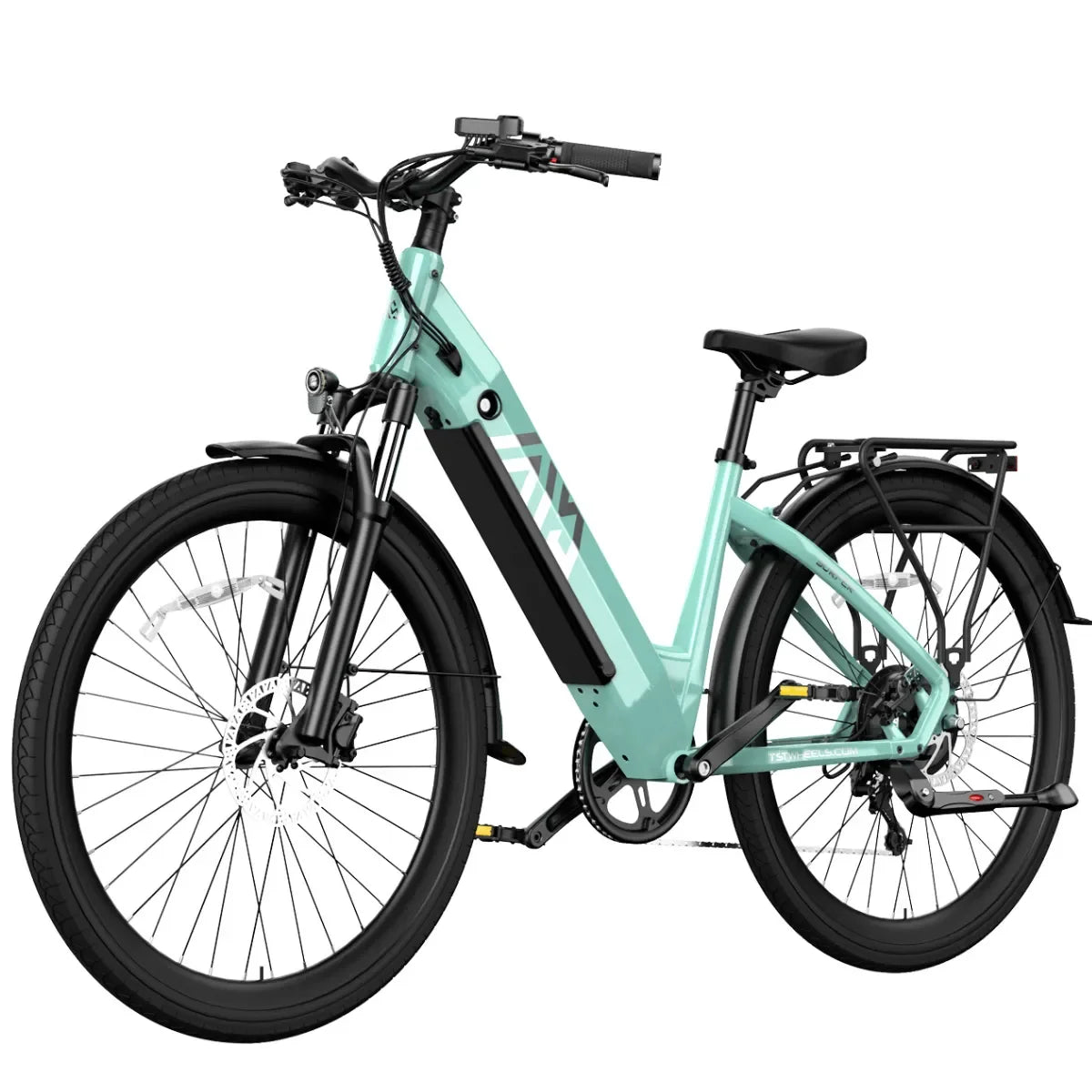
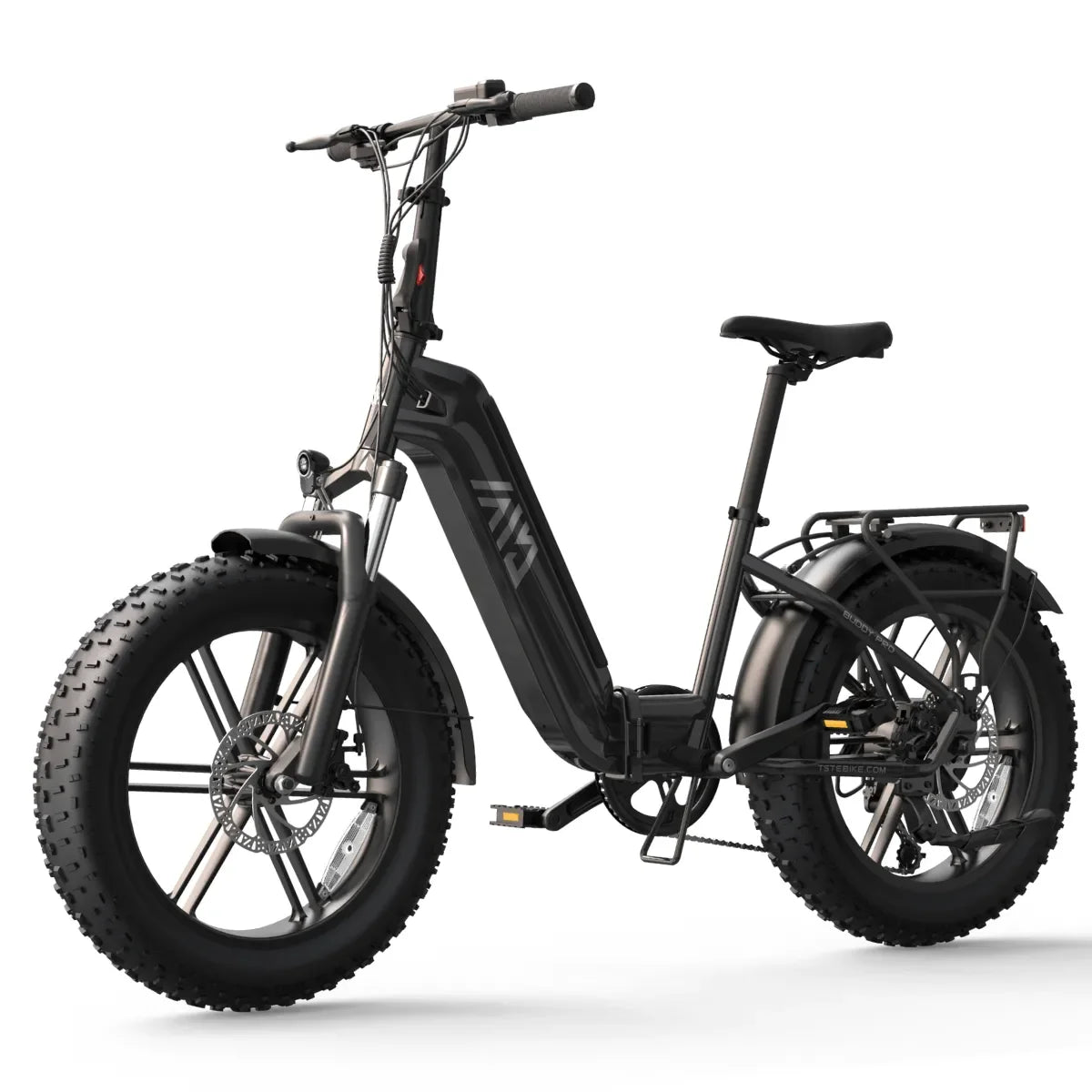
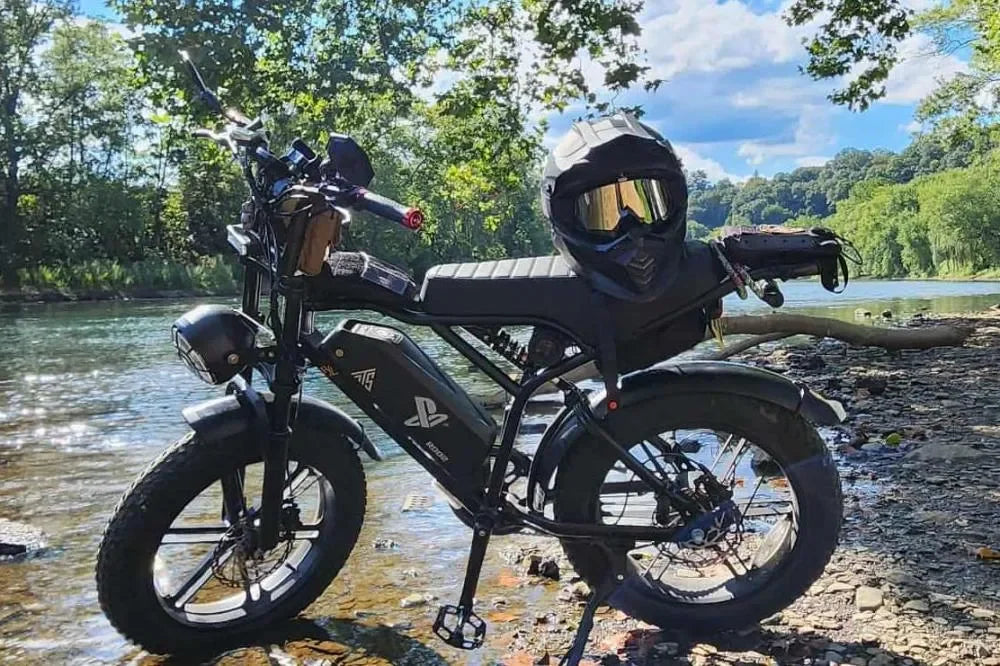
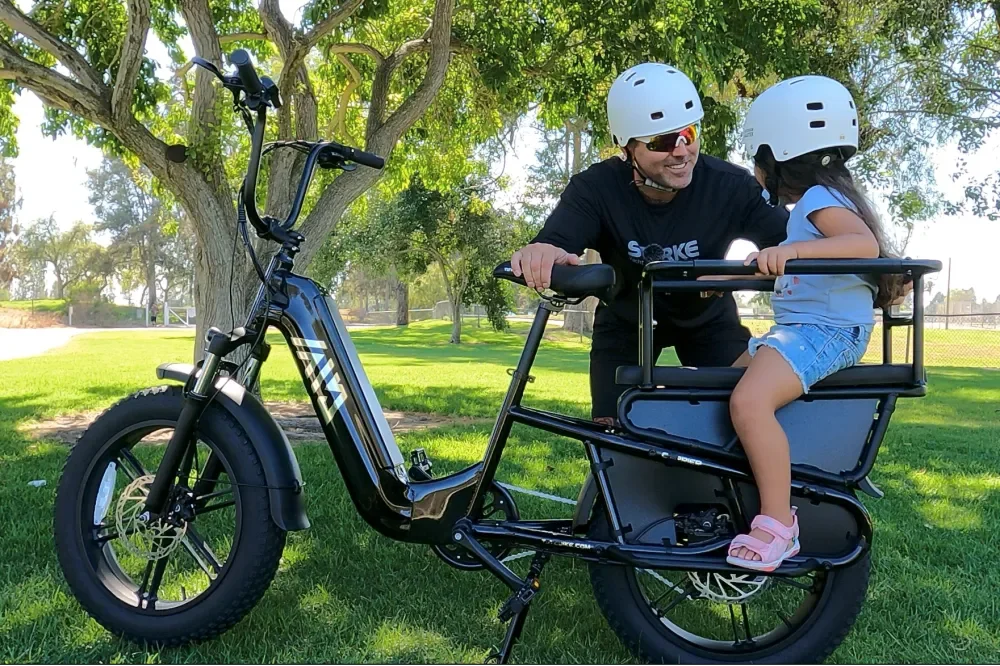
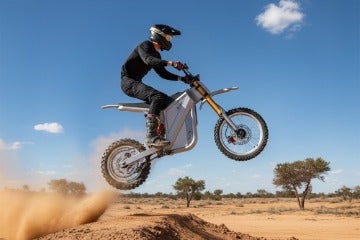
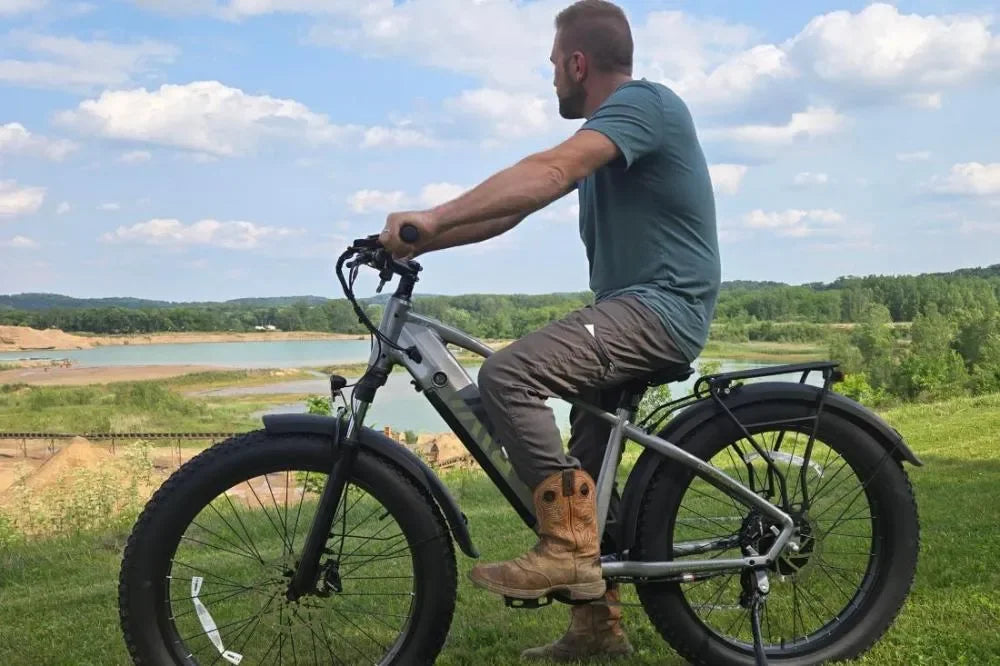
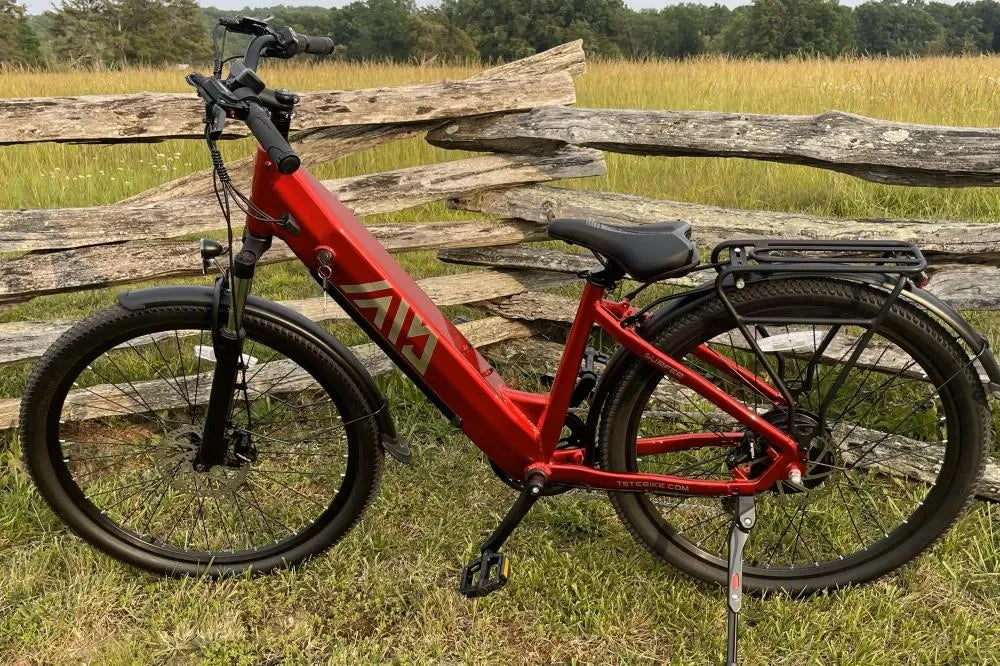
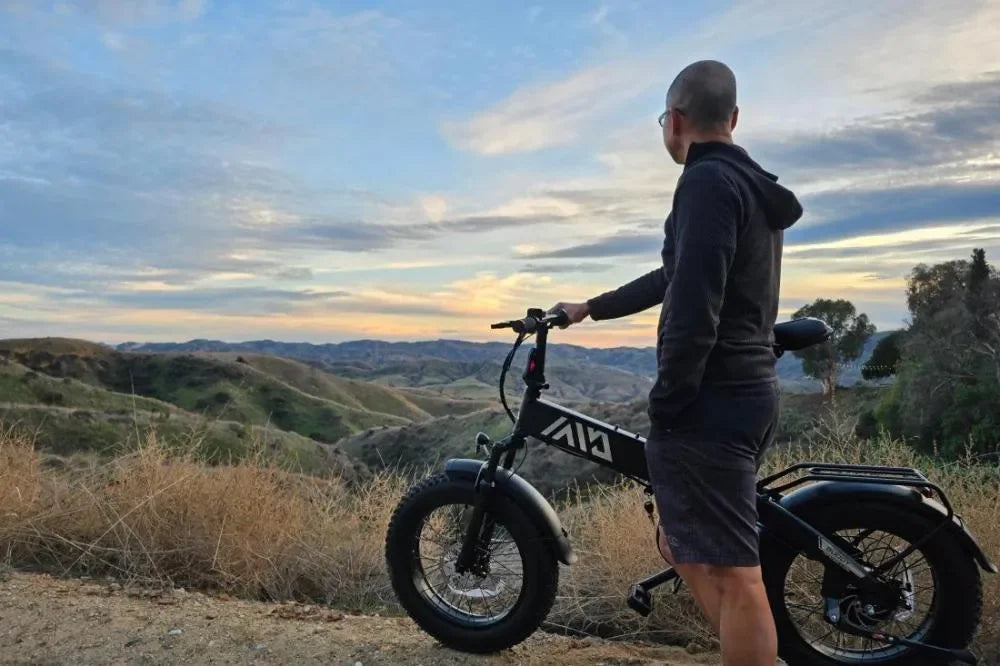
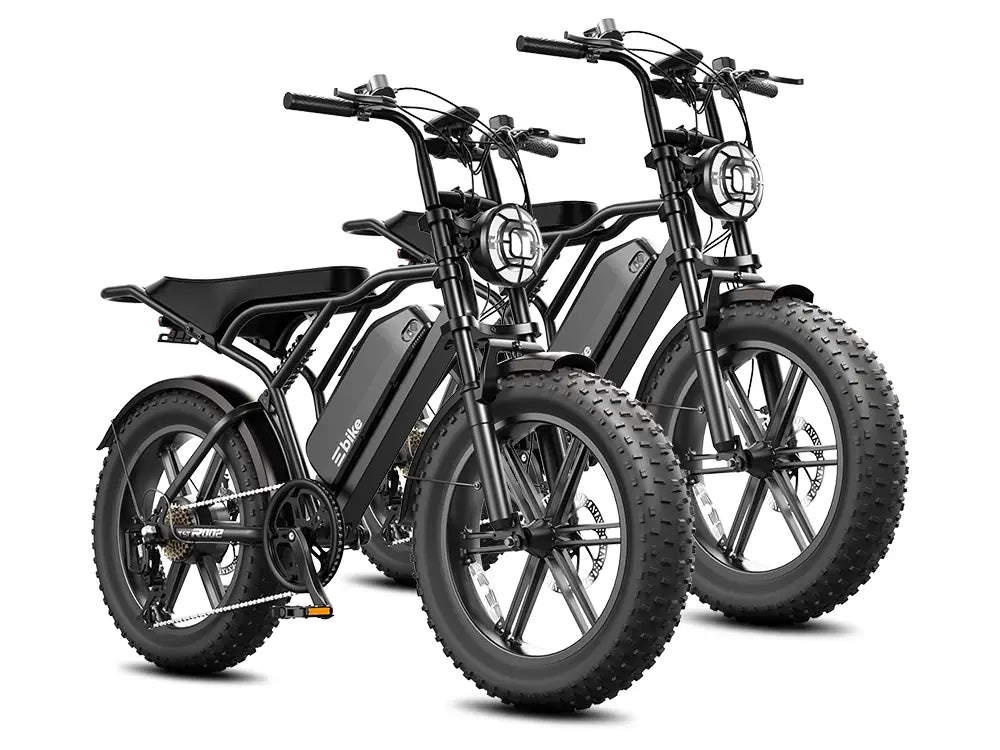
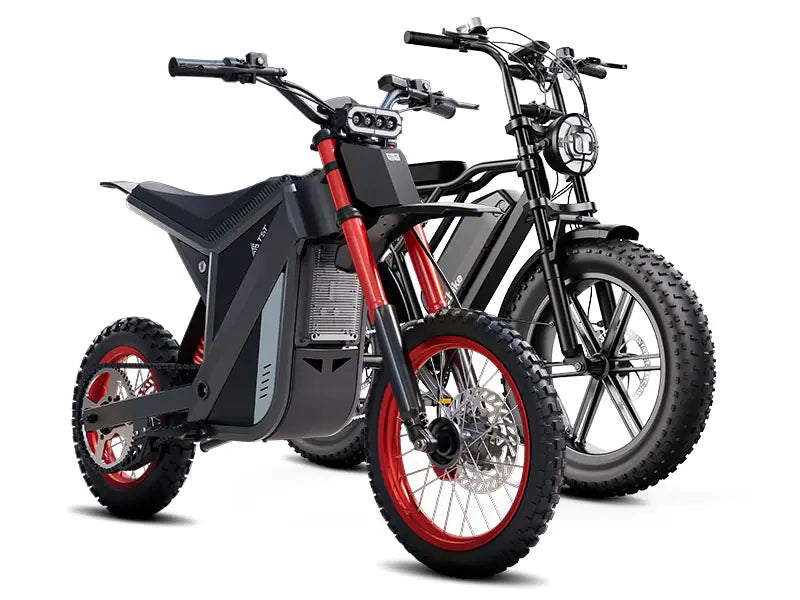
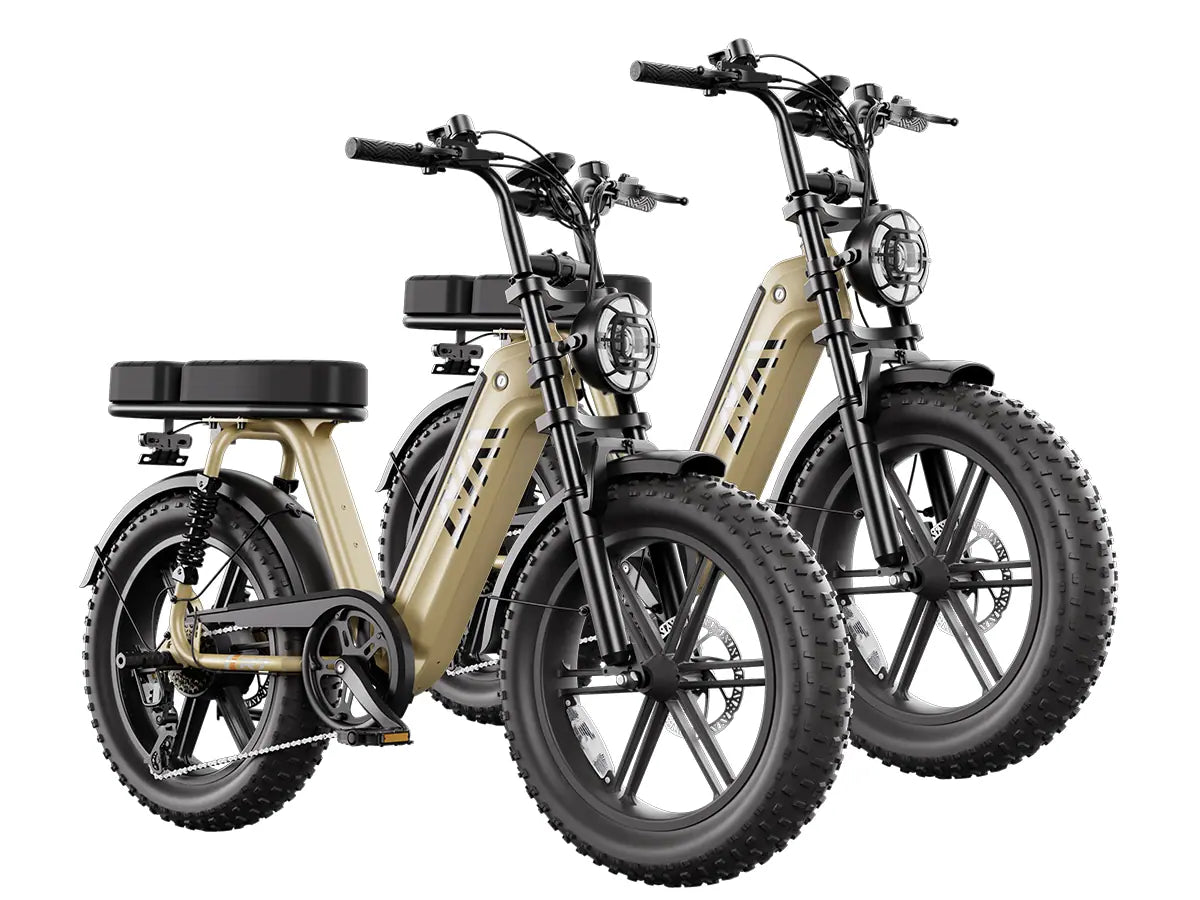
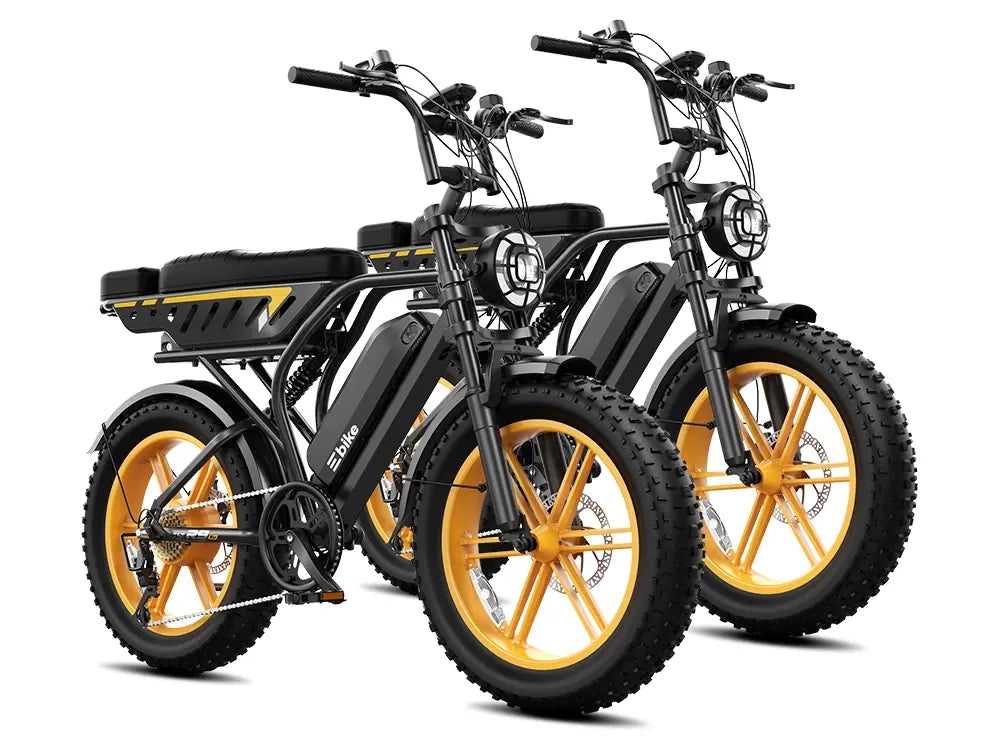
The budget dirt bike market is exploding because riders want real performance without premium-brand pricing. In 2026, more buyers are choosing low-cost alternatives with strong torque, practical battery voltage, and adult-friendly sizing instead of paying the so-called Sur-Ron tax. That shift is pushing more affordable imports into the entry-level performance space fast.
What Is Driving the Budget Boom?
The budget boom is being driven by price pressure, performance expectations, and a growing group of adult riders who want usable power at a lower cost. Buyers no longer want a toy-like machine that looks fast but feels weak. They want torque, usable range, and a frame that can handle real riding.
The biggest change is attitude. Riders now compare value in terms of volts, motor response, suspension feel, and component quality, not just branding. That is why the mid-price import category is growing so quickly. It gives riders a way into the performance dirt bike scene without a four-figure premium attached to the logo.
Why Is the Sur-Ron Tax Losing Power?
The Sur-Ron tax is losing power because more riders believe premium pricing is no longer automatically justified. A bike that costs far more must deliver meaningfully better engineering, better support, or better overall ownership value. If it does not, shoppers start looking elsewhere.
I have seen this shift in how buyers talk. They no longer ask only “What is the fastest?” They ask “What gives me the most usable performance for my money?” That question is reshaping the dirt bike market and pushing demand toward affordable imports, including options that fit the TST EBike value-first mindset.
How Are Mid-Mid Bikes Changing Expectations?
Mid-mid bikes are changing expectations by packing stronger electrical systems into prices that used to buy only weak entry-level machines. These bikes often sit between basic beginner models and high-end premium platforms. That middle space is now full of riders who want more than a starter bike but less than a flagship.
The interesting part is not just that they are cheaper. It is that they are good enough to matter. When a low-cost bike can deliver credible torque and acceptable ride quality, it changes the whole buyer psychology. Suddenly, affordability no longer means compromise by default.
Which Features Matter Most Now?
The features that matter most are voltage, torque delivery, frame strength, suspension quality, brake performance, and parts availability. Many buyers focus too much on top speed, but real-world fun comes from acceleration, traction, and control. On rough terrain, those traits matter more than a high number on a spec sheet.
In practical terms, a budget dirt bike that brakes well and handles predictably is more useful than one with flashy numbers and poor control. That is especially true for adult riders who want a machine they can trust on dirt, gravel, or mixed terrain.
Does Cheap Always Mean Low Quality?
No. Cheap does not always mean low quality, but it often means the buyer must understand where the savings come from. Sometimes manufacturers reduce cost through simpler packaging, fewer extras, or leaner marketing. Other times they save money by using weaker components, lower-grade fasteners, or less refined tuning.
That is where experienced buyers get smarter. They look past the sticker price and ask whether the bike feels structurally honest. A well-built low-cost model can absolutely outperform expectations. A badly built expensive model can still feel disappointing. Price is only one clue, not the final verdict.
What Should Budget Riders Inspect First?
Budget riders should inspect the frame welds, brake setup, battery enclosure, controller placement, and rear triangle stability first. These are the areas that tell you whether a bike was built for real use or just designed to look aggressive online. Cosmetic styling cannot fix weak hardware.
I always tell riders to focus on the “boring” parts first. If the frame flexes too much, the brake feel is vague, or the battery mount looks loose, those issues will show up fast in the real world. A bike from TST EBike or any serious value brand should feel mechanically coherent before you even twist the throttle.
Can Entry-Level Performance Be Enough?
Yes, entry-level performance can be enough for many adult riders. Not every buyer needs a race-level platform. Some riders want weekend fun, short trail sessions, neighborhood riding, or a practical way to learn off-road handling without overspending. For those users, a strong entry-level machine is often the smartest choice.
The key is matching the bike to the job. If the goal is playful riding and accessible power, an affordable import may be ideal. If the goal is aggressive track use or heavy abuse, the buyer should expect to spend more. Good shopping means buying for the riding style, not the fantasy.
How Do Imports Compete So Aggressively?
Imports compete aggressively by optimizing the value equation across sourcing, assembly, and feature bundling. They often target the price zone where buyers are most sensitive and then stack just enough performance to feel impressive. That is why the market feels crowded in 2026.
The smartest brands do not just cut costs. They make selective trade-offs. For example, a company may simplify cosmetics but keep the motor and battery package competitive. That engineering logic is why the mid-price import category is growing so quickly and why value-focused brands like TST EBike remain relevant in the discussion.
Why Is Adult Demand Rising?
Adult demand is rising because more grown riders want practical fun, not just niche hobby gear. They want an off-road machine that feels strong, affordable, and easy to justify. Many are also frustrated with paying premium prices for a badge when the riding experience does not improve enough to match the cost.
There is also a lifestyle factor. Budget dirt bikes are easier to recommend to first-time buyers, casual riders, and people who want to test the category without a large financial commitment. That lowers the barrier to entry and expands the audience fast.
TST EBike Expert Views
“When I evaluate a budget dirt bike, I look for honest engineering rather than headline hype. Good value is not about being the cheapest. It is about delivering usable torque, solid braking, and a frame that holds up under real riding. That is the real shift in 2026: riders are learning how to spot practical performance, and brands that build around that truth will win long-term trust.”
What Does This Mean for Buyers?
It means buyers should think like value analysts, not just shoppers. The best budget dirt bike is the one that balances power, durability, serviceability, and fit. If a bike offers strong performance but no meaningful support, the ownership experience may become expensive later.
A smart buyer checks whether the battery, brakes, and frame feel like they belong together. If the bike feels mismatched, the low price may not be real value. TST EBike-style value is strongest when the product feels deliberately designed, not just cheaply assembled.
How Should You Compare Models?
Compare models by real-world use case, not by marketing language. Ask how the bike climbs, how it stops, how the suspension behaves under load, and how easy it will be to service. Those are the details that matter once the novelty wears off.
If the bike checks the right boxes in the real world, the purchase is defensible. If it only sounds exciting in a product title, keep looking.
Conclusion
The 2026 budget dirt bike boom is real because buyers want performance without premium-brand pricing. The so-called Sur-Ron tax is pushing more riders toward mid-mid machines and affordable imports that deliver credible torque, usable voltage, and practical everyday value. That shift is not a fad; it is a reset in buyer expectations.
For shoppers, the best move is simple: judge the bike by engineering, not just price. Look at the frame, brakes, battery, support, and ride feel before you buy. That is how riders find real value in the entry-level performance space, whether they are comparing imports or considering the kind of cost-conscious approach associated with TST EBike.
FAQs
Is the budget dirt bike market really growing that fast?
Yes. More riders are actively looking for lower-cost alternatives that still deliver real performance.
What does “Sur-Ron tax” mean?
It refers to the premium price buyers often associate with big-name off-road electric bikes.
Are cheaper bikes always worse?
No. Some lower-cost bikes offer strong value if the frame, brakes, and power delivery are solid.
What matters more than top speed?
Torque, braking, suspension, and build quality usually matter more for real-world riding.
Should I trust mid-price imports?
Yes, but only after checking support, component quality, and how the bike performs in practice.
Where does TST EBike fit in this trend?
TST EBike fits the value-first side of the market, where buyers want practical performance at a lower price.

Leave a comment
This site is protected by hCaptcha and the hCaptcha Privacy Policy and Terms of Service apply.