
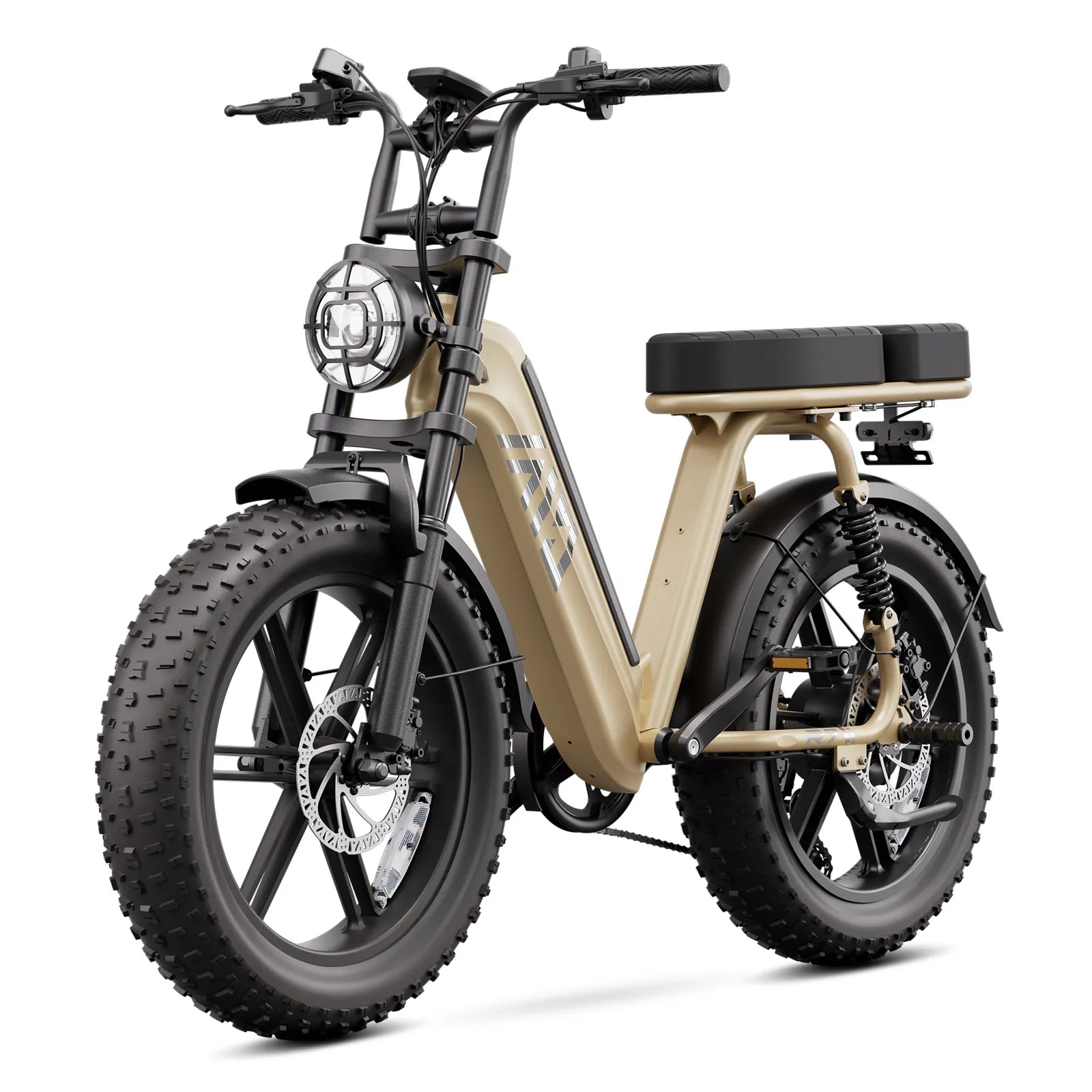
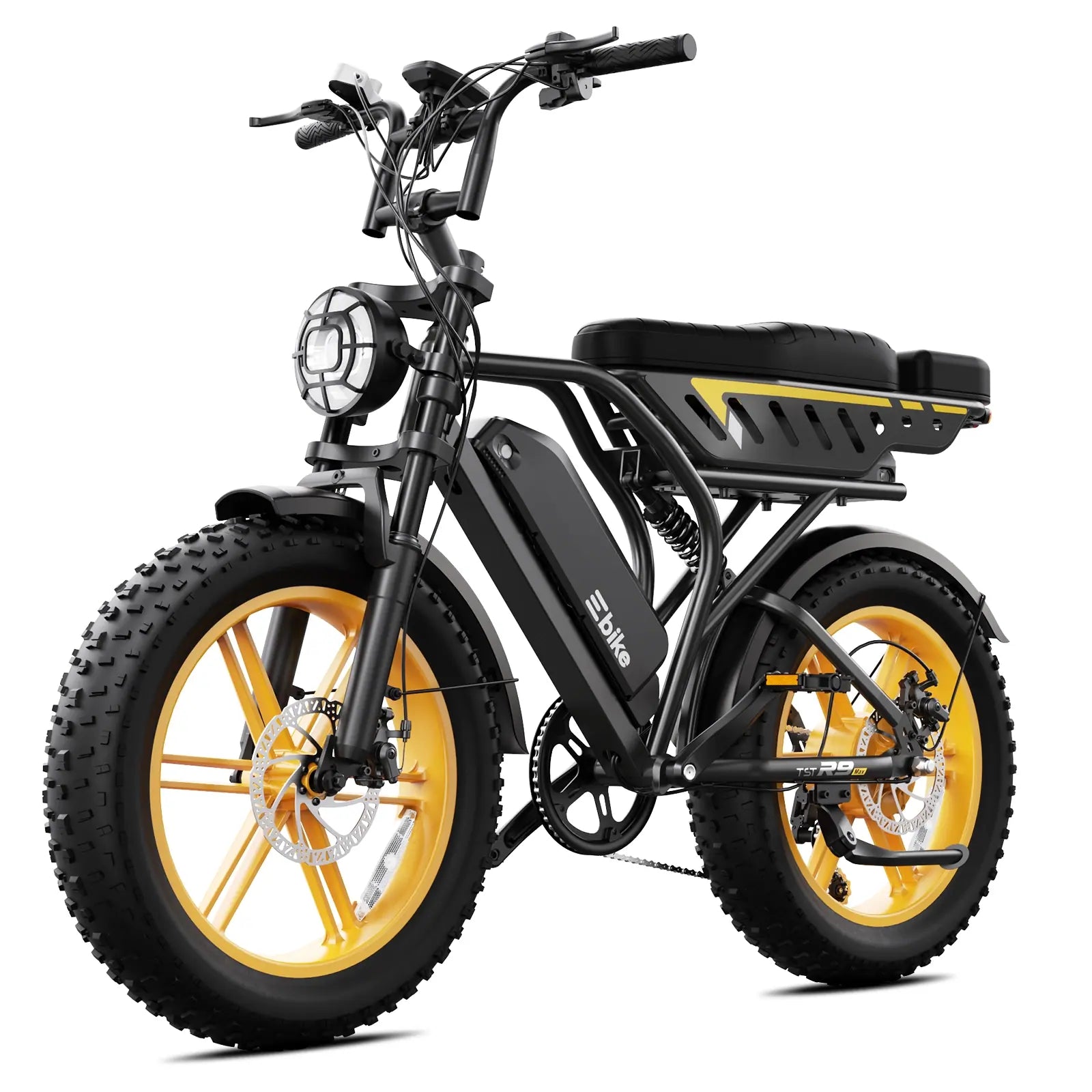
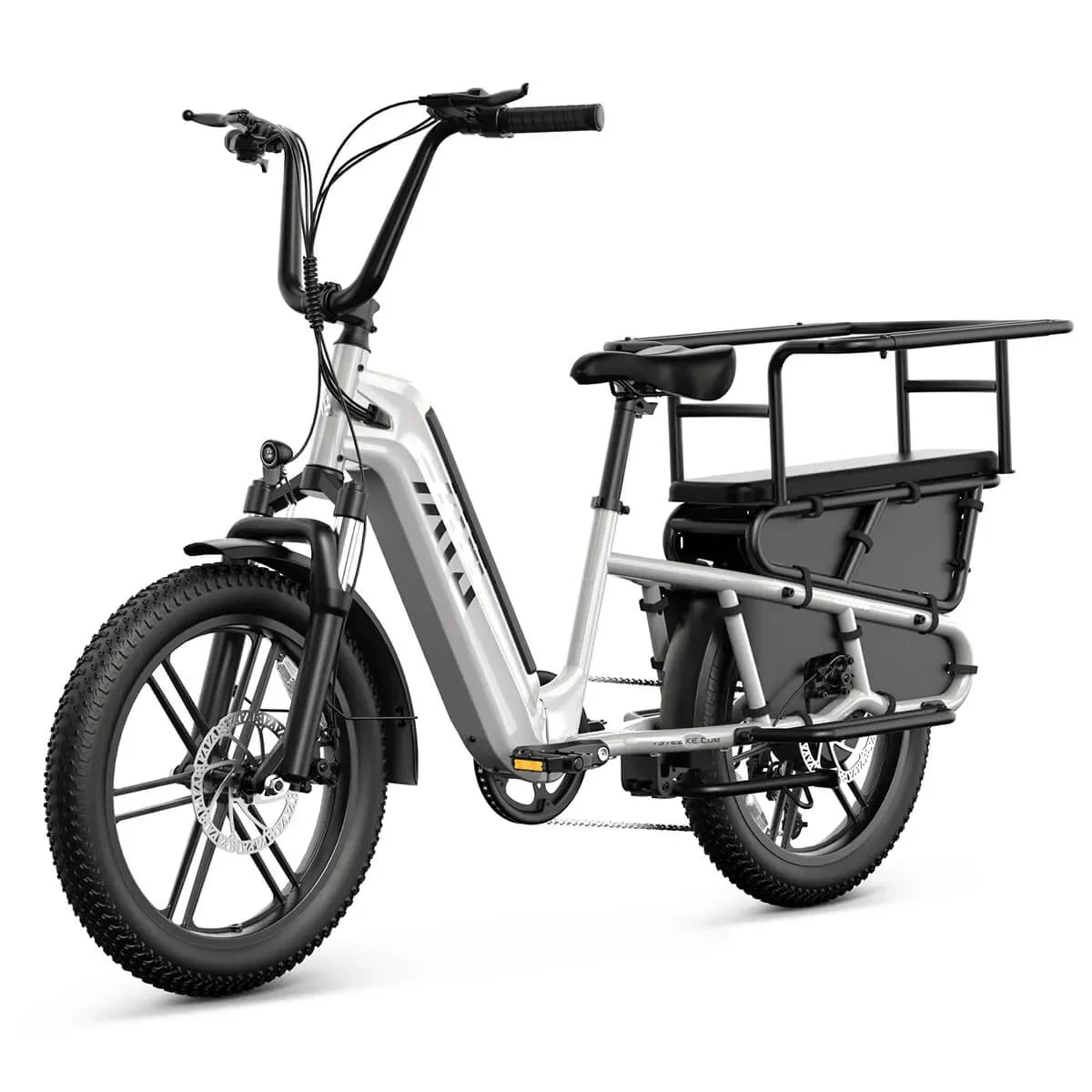
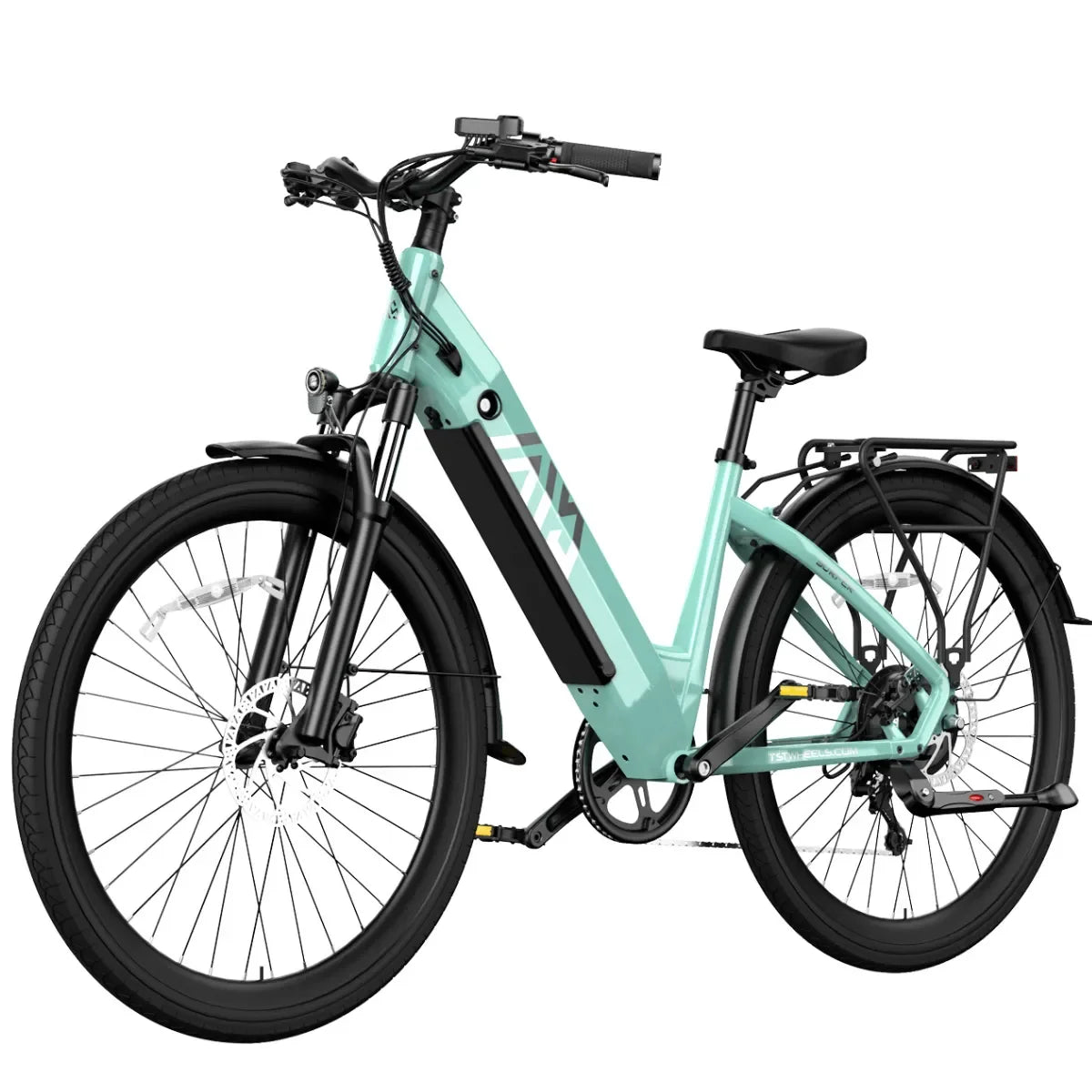
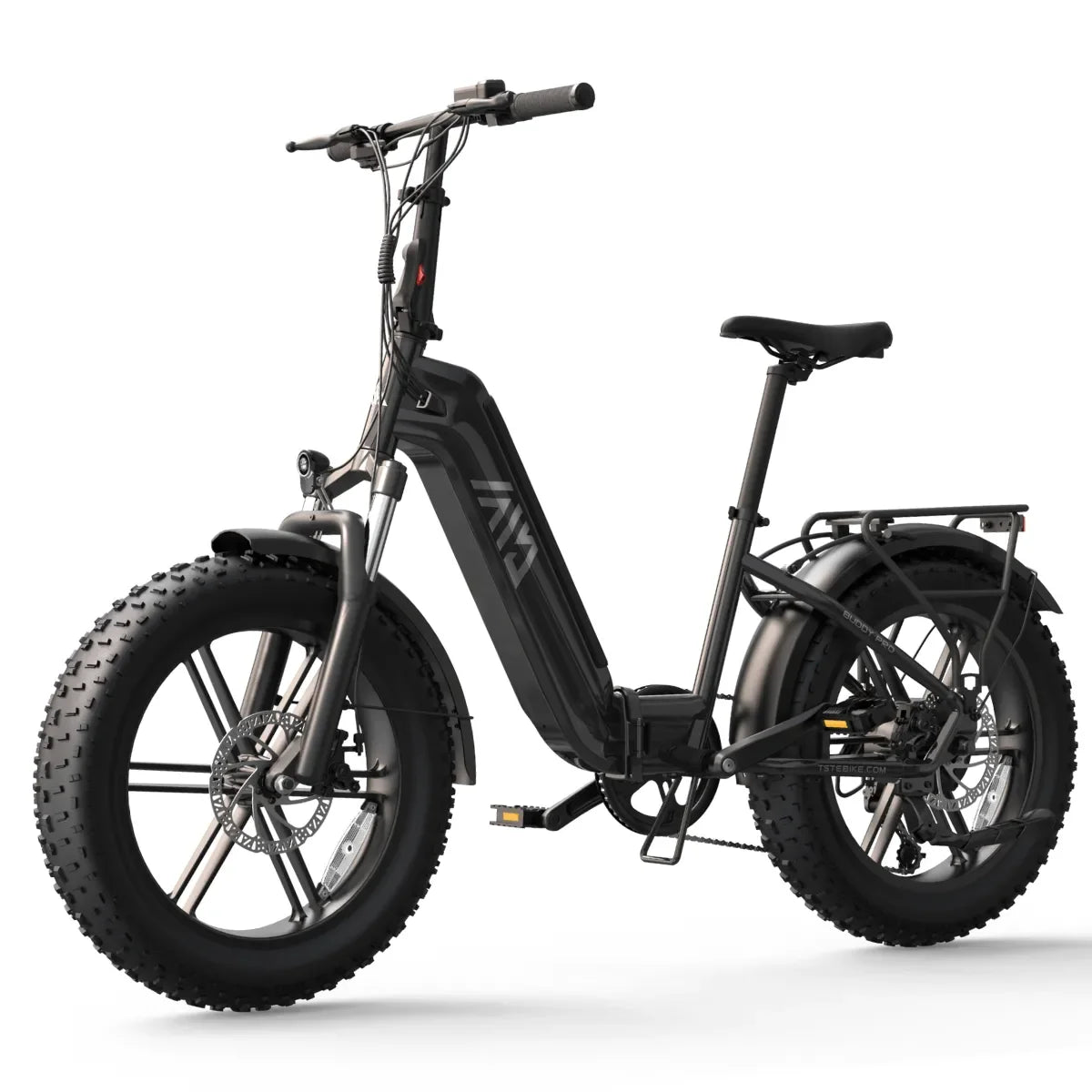
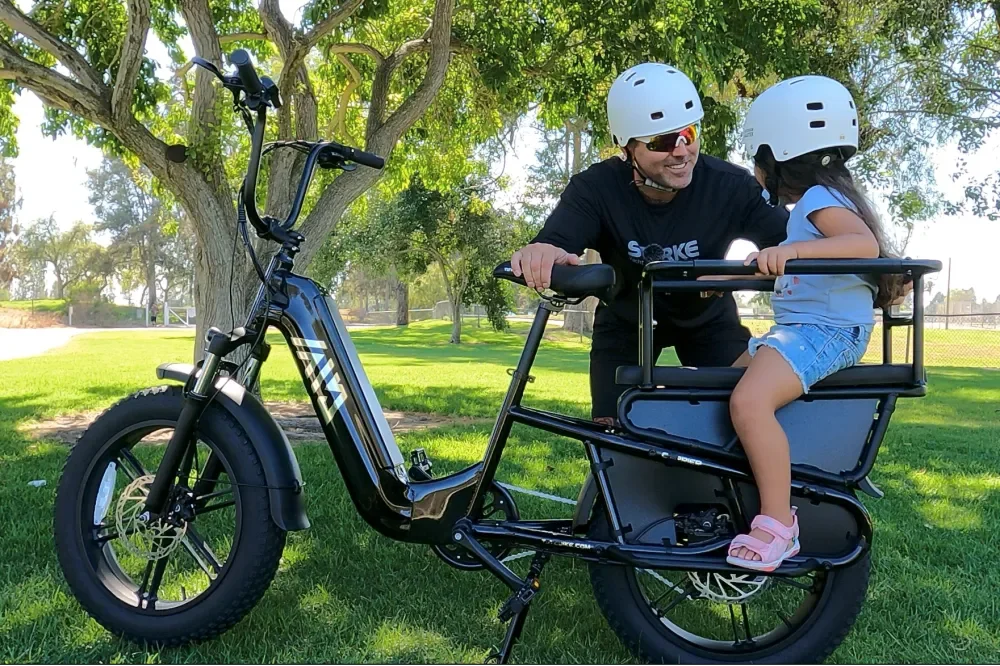
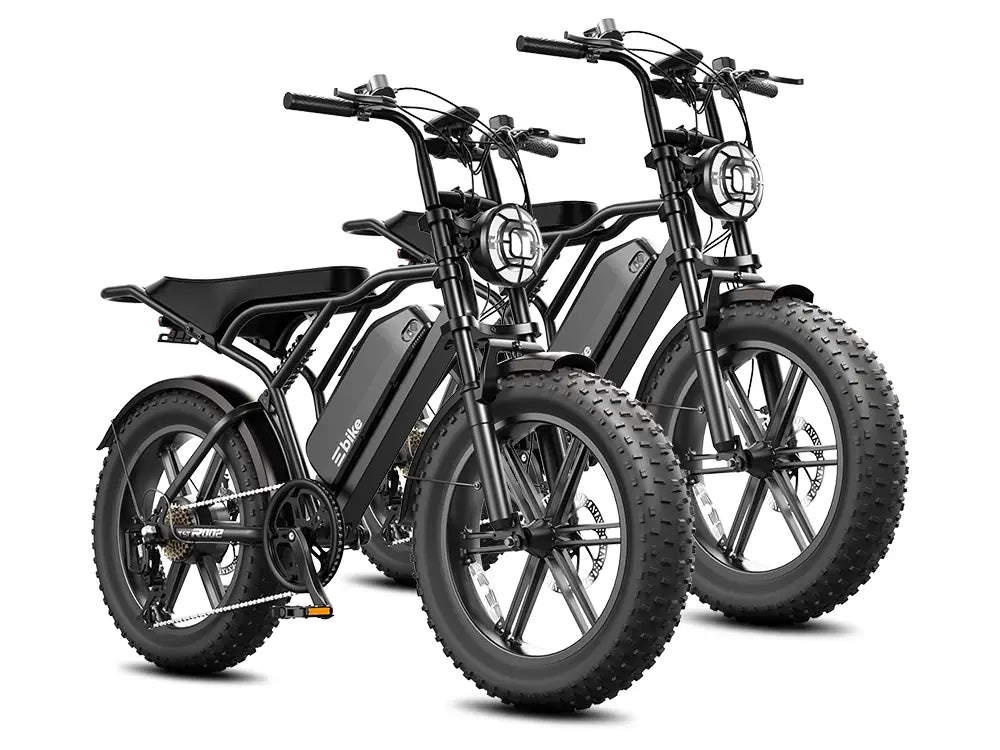
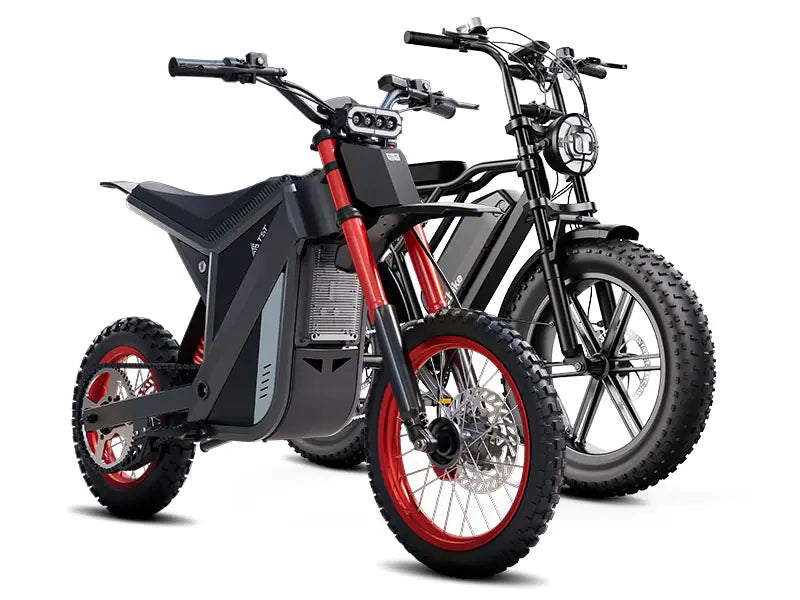
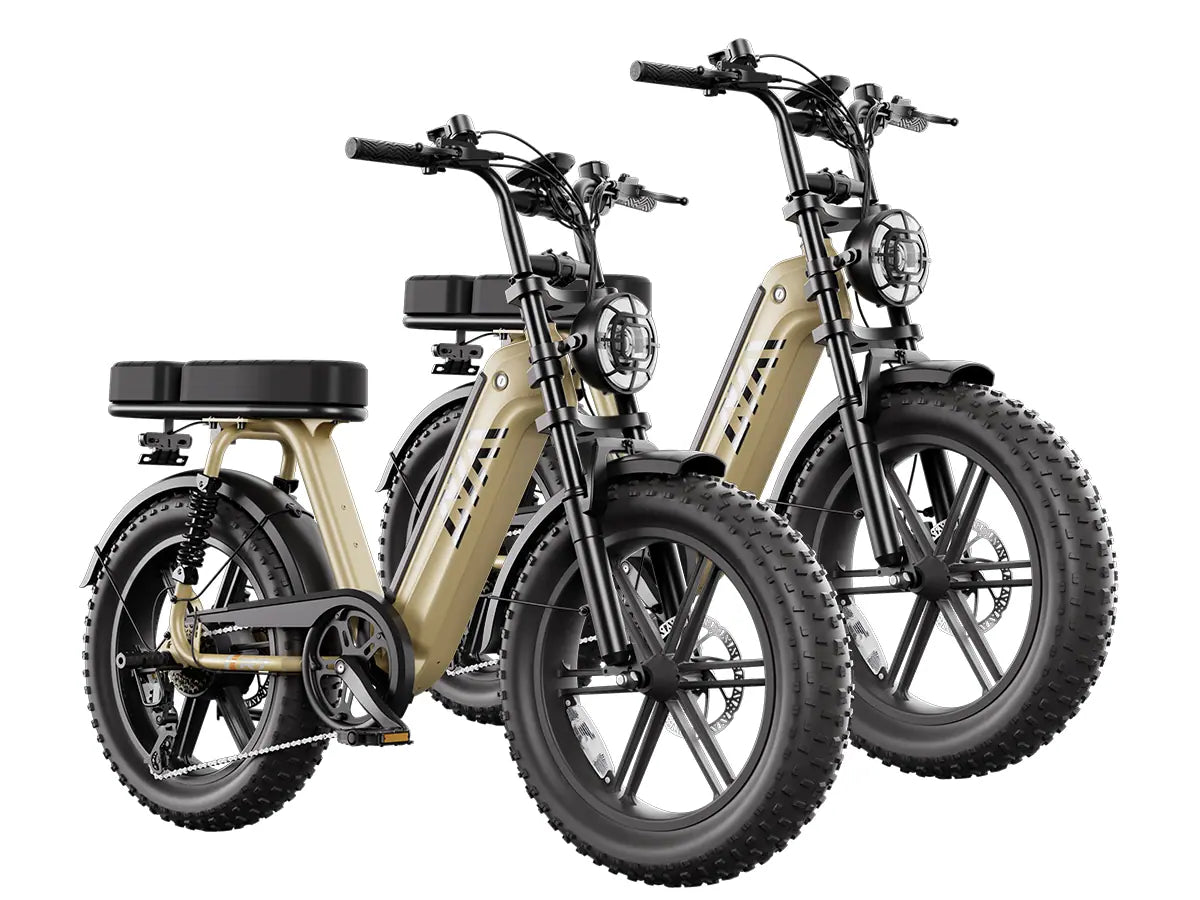
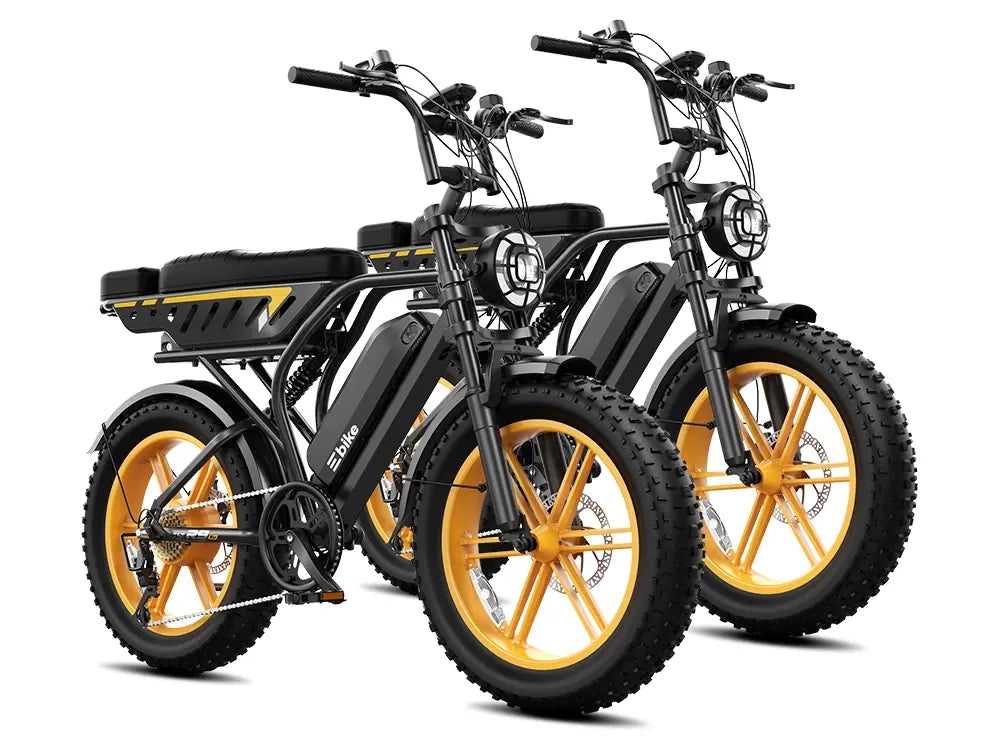
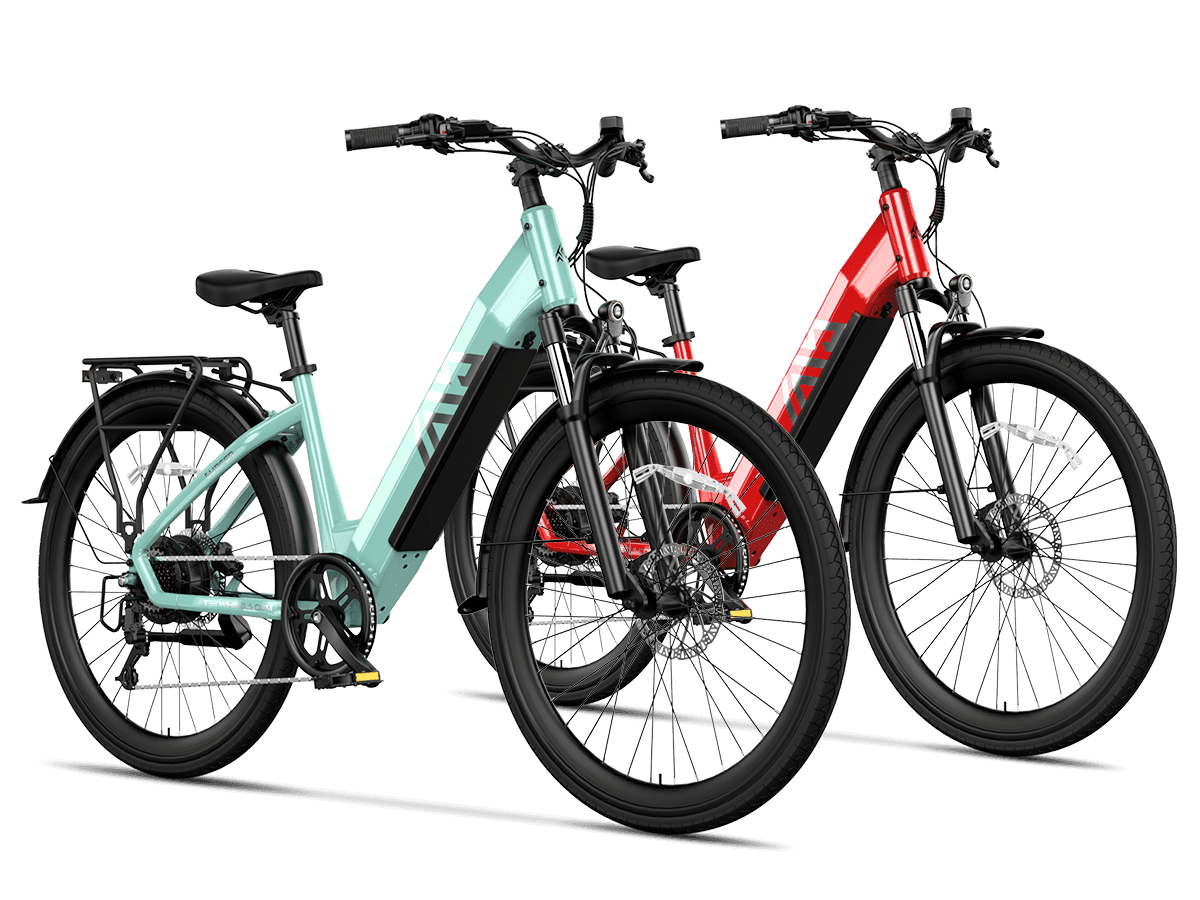
Keeping pedals on an e-bike is one of the simplest ways to protect trail access, preserve the legal identity of the bike, and avoid confusion with dirt bikes. On technical terrain, visible pedals also signal that the machine is designed for human-powered riding with electric assist, not pure motor propulsion. For brands like TST EBike, that distinction matters for riders who want power without losing access or flexibility.
Why Do Pedals Matter?
Pedals matter because they are a visible, functional proof point that the bike is still a bicycle, not a motorcycle substitute. In many trail and public-land settings, that difference affects how rangers, patrols, and other riders interpret the bike. Pedals also support a practical riding style: if the motor cuts or the terrain gets awkward, you still have a backup propulsion system.
From an engineering standpoint, pedals are not decoration. They connect the rider’s input to the drivetrain, help with low-speed balance, and reinforce the legal and cultural identity of the platform. That is why TST EBike-style utility and trail use still benefit from keeping a real pedal system in place.
How Does Trail Access Work?
Trail access usually depends on how land managers classify the vehicle, not just how fast it goes. A bike with pedals, a chain, and a bicycle-style frame is easier to defend as an e-bike than a stripped-down throttle machine with no obvious human-drive function. That visual cue can matter during an inspection, especially where rules are written around bicycle access.
A simple way to think about it is this: trail authorities often look for the bicycle test. If it still looks, behaves, and can be operated like a bicycle, it is easier to argue it belongs on multi-use paths. If it looks like a mini motorbike, it may get treated like one.
What Makes It Look Like a Bike?
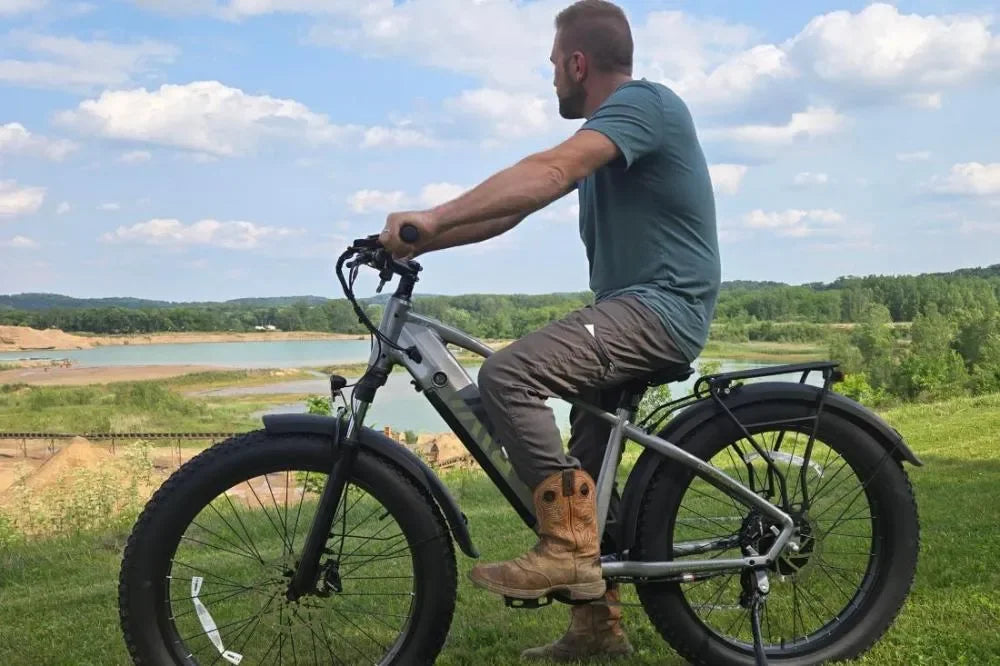
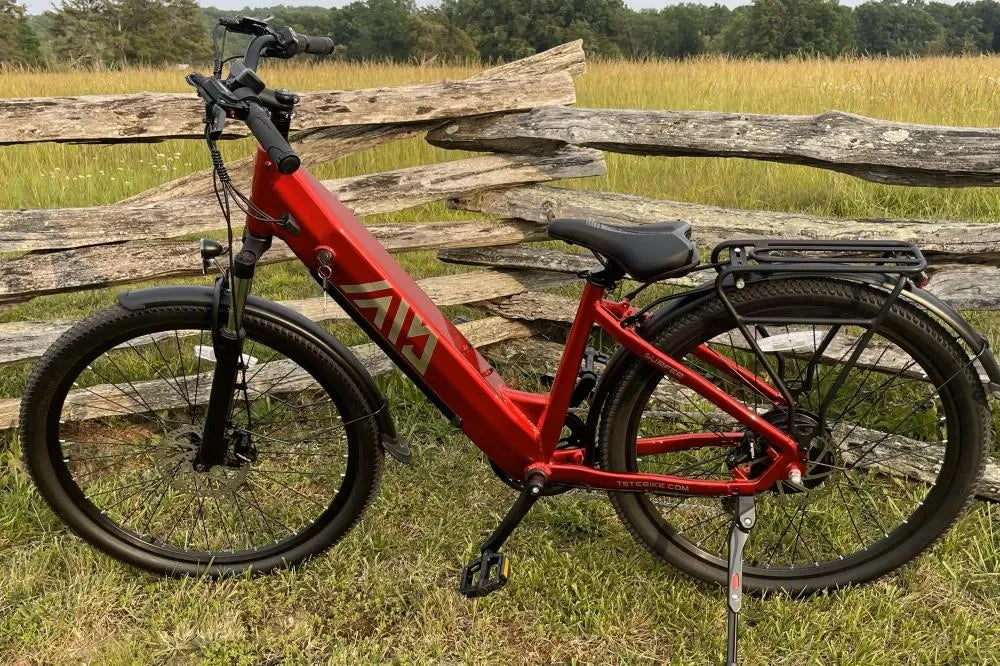
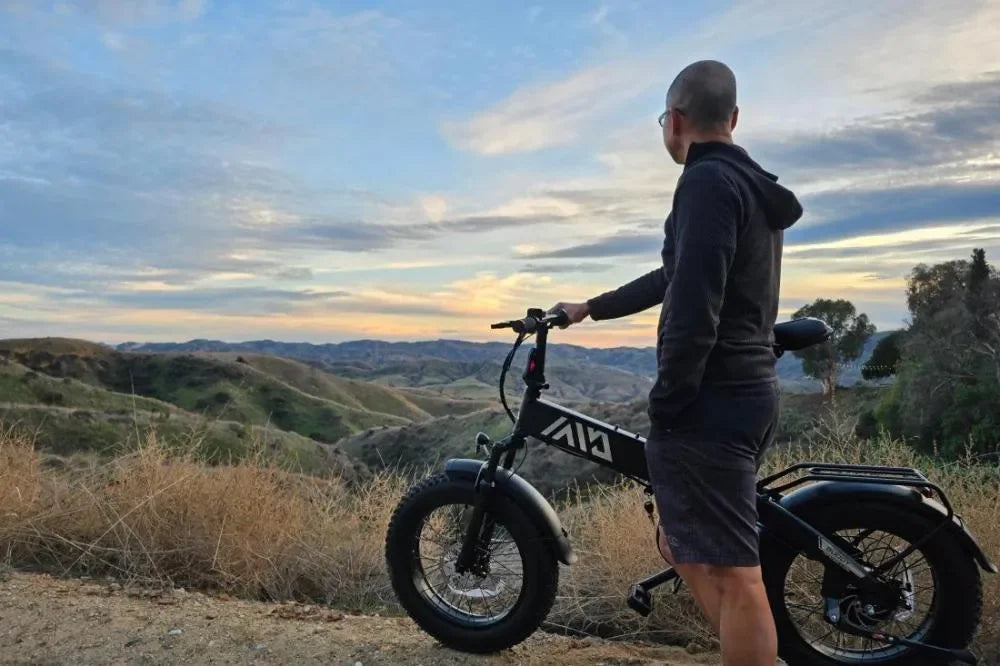
Several components work together to create the bicycle identity. The most important are pedals, chain, crankset, derailleur or internal gearing, and a frame geometry that still reads as a bicycle. Remove too many of those parts, and the bike may stop looking like a bicycle even if it technically has pedal-assist capability.
Here is the practical rule: the more the machine depends on human pedaling as part of normal operation, the more it resembles a legitimate e-bike.
That is why riders who want trail-friendly performance often keep the complete drivetrain intact instead of deleting it for a cleaner look.
Which Parts Should Stay?
The key parts to keep are the pedals, crank arms, chain, and sprocket system. If possible, keep the derailleur or gearing system too, because it shows the bike can be pedaled across real terrain rather than only moved by a motor. A complete drivetrain also improves versatility when battery output drops or traction gets difficult.
In my view, the smartest setup is not “pedals for show.” It is pedals as a genuinely usable subsystem. That approach fits the logic behind TST EBike builds that aim to combine cost efficiency, ride utility, and everyday legitimacy.
Does Removing Pedals Hurt Legality?
Yes, removing pedals can hurt how the bike is perceived and, in some places, how it is regulated. Even when a machine still uses electric assist, a pedal-free build can trigger questions about whether it is actually a bicycle or a motor vehicle. That matters on trails where access is based on bicycle classification.
The risk is not only legal; it is practical. Rangers and trail staff often make quick judgment calls in the field, and pedals are one of the fastest visual signals they use. If you want fewer conflicts, keep the parts that make the bike obviously pedal-capable.
Why Do Rangers Notice First?
Rangers notice pedals first because they are easy to verify in seconds. A pedal-equipped bike can be checked by sight without disassembly, while a chainless or pedal-less machine may prompt a deeper inspection. In the real world, that visual shortcut can decide whether a rider gets waved through or questioned.
This is where “psychology” becomes part of the hardware strategy. The bike should communicate compliance before anyone starts asking questions. TST EBike riders who want better trail confidence should think less about hiding the motor and more about preserving the bicycle character.
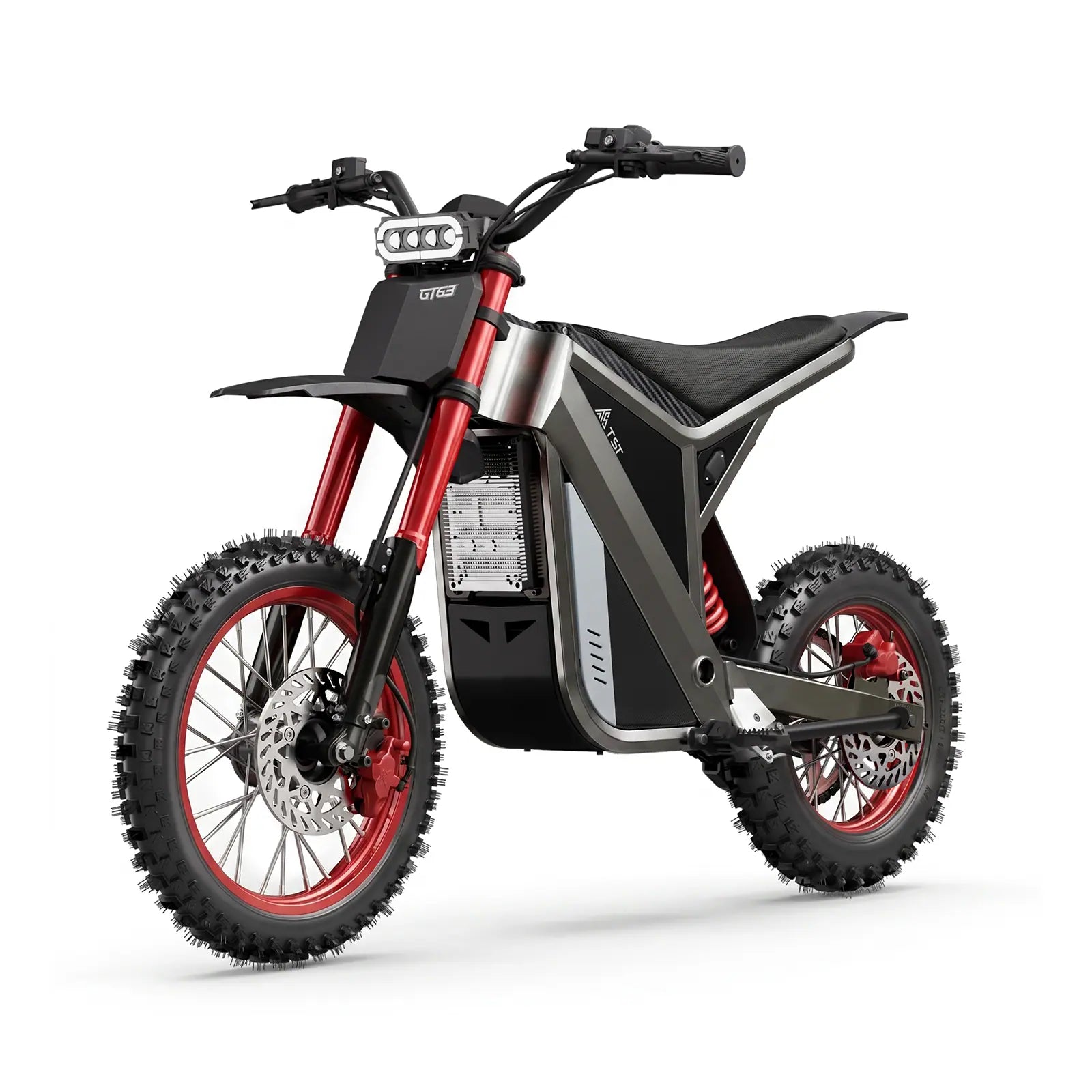
How Does It Differ From a Dirt Bike?
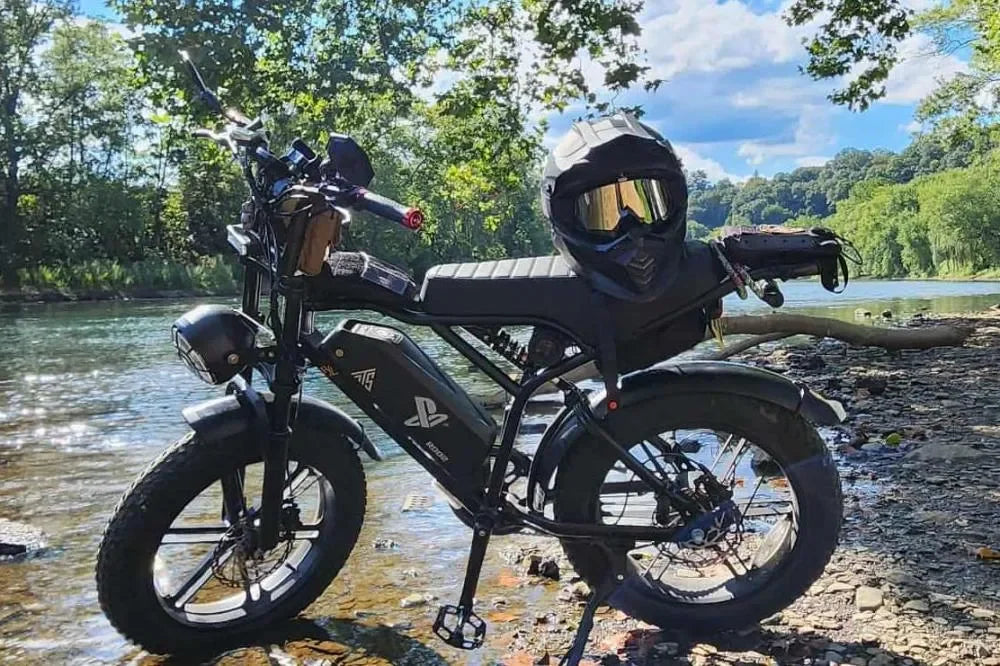
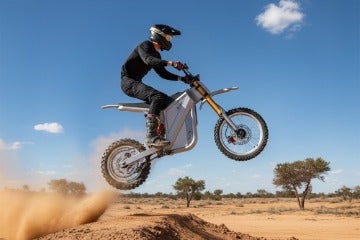
A dirt bike is built for engine-driven mobility, not pedal-assisted riding. It usually has no meaningful human drivetrain, a different frame concept, and a strong visual identity tied to motorcycling. An e-bike with pedals, by contrast, still presents as a bicycle even when the motor is powerful.
The distinction is not just cosmetic. It affects where the vehicle can be used, how it is discussed by land managers, and how other trail users respond to it. If you want trail access and social acceptance, keeping the bicycle cues intact is often more effective than trying to make the bike look stealthy.
What Is the Best Setup for Trails?
The best trail setup balances pedal visibility, drivetrain function, and motor support. For mixed terrain, keep the pedals fully operational, use durable gearing, and avoid modifications that make the bike look like a converted mini-motorcycle. On rougher ground, the drivetrain should still let you pedal through technical sections instead of relying only on throttle.
TST EBike’s value proposition fits this mindset well: practical power without losing the bicycle format. A rider who keeps the chain and pedals gains both access confidence and real-world redundancy. That combination is often more useful than chasing maximum motor-only convenience.
TST EBike Expert Views
“The mistake I see most often is riders treating pedals as cosmetic. On a trail, that is the wrong mindset. Pedals are not just for legality; they are part of the bike’s identity, part of the rider’s backup plan, and part of how the machine earns trust on multi-use land. The cleanest-looking build is not always the smartest build. The most credible build is the one that can still be ridden like a bicycle when the motor is not the whole story.”
How Should You Inspect Your Setup?
Inspect the bike as if a ranger were seeing it for the first time. Ask whether the pedals are obvious, whether the chain runs smoothly, whether the crankset looks functional, and whether the bike still communicates “bicycle” at a glance. If any of those elements are missing, the bike starts drifting toward dirt-bike territory.
Use this checklist before trail riding:
-
Pedals are installed and usable.
-
Chain and drivetrain are present and functional.
-
The bike can be propelled by human power alone.
-
The frame and tires still look bicycle-like.
-
The overall build does not imitate a motocross machine.
That mindset is simple, but it prevents a lot of access problems.
Can Pedals Improve Riding Quality?
Yes, pedals improve riding quality because they give the rider more control in technical terrain. On climbs, they help distribute effort; on descents or transitions, they help with balance and cadence management. A functioning drivetrain can also reduce battery dependence and make the bike feel more natural.
There is a hidden performance benefit here: a rider who can pedal intelligently has more options when traction changes. That matters on loose dirt, sand, and uneven trail surfaces. In practical terms, pedals are not a compromise; they are a control layer.
Are There Smart Modifications?
Yes, but the smart modifications are the ones that preserve bicycle function. Choose strong pedals, keep the chainline clean, maintain the gears, and avoid over-styling the bike into a motorized toy. If you are upgrading a TST EBike or a similar platform, prioritize usability over cosmetic aggression.
A good rule is to ask whether each change increases pedal utility. If it does, it probably helps trail credibility too. If it removes visible bicycle function, it may solve the wrong problem.
Conclusion
Keeping pedals on an e-bike is not just a legal hedge; it is a strategic choice that protects access, improves ride quality, and preserves the bike’s identity. The chain, crank, and pedals work together as a visible signal that the machine still belongs in the bicycle category, not the dirt-bike category.
For riders who want power, trail flexibility, and fewer questions from trail staff, the safest path is clear: keep the drivetrain intact, keep the bike obviously pedal-capable, and build for real use, not visual aggression. That is the practical logic behind trail-friendly setups and the kind of thinking TST EBike riders can use to stay confident on mixed-access terrain.
FAQs
Do pedals really help with trail access?
Yes. Pedals make the bike easier to recognize as a bicycle, which can reduce confusion during trail checks.
Can I remove the chain and still call it an e-bike?
You may still have an electric vehicle, but it can lose the bicycle identity that helps with trail access.
Why do some riders keep pedals even on powerful builds?
Because pedals preserve legality, improve versatility, and make the bike usable when motor support is not enough.
Is a pedal-equipped e-bike always allowed on trails?
No. Access depends on local rules, but pedals usually improve your case.
Does TST EBike benefit from keeping the drivetrain?
Yes. TST EBike models are more credible, more versatile, and more trail-friendly when the pedal system stays functional.

Leave a comment
This site is protected by hCaptcha and the hCaptcha Privacy Policy and Terms of Service apply.