
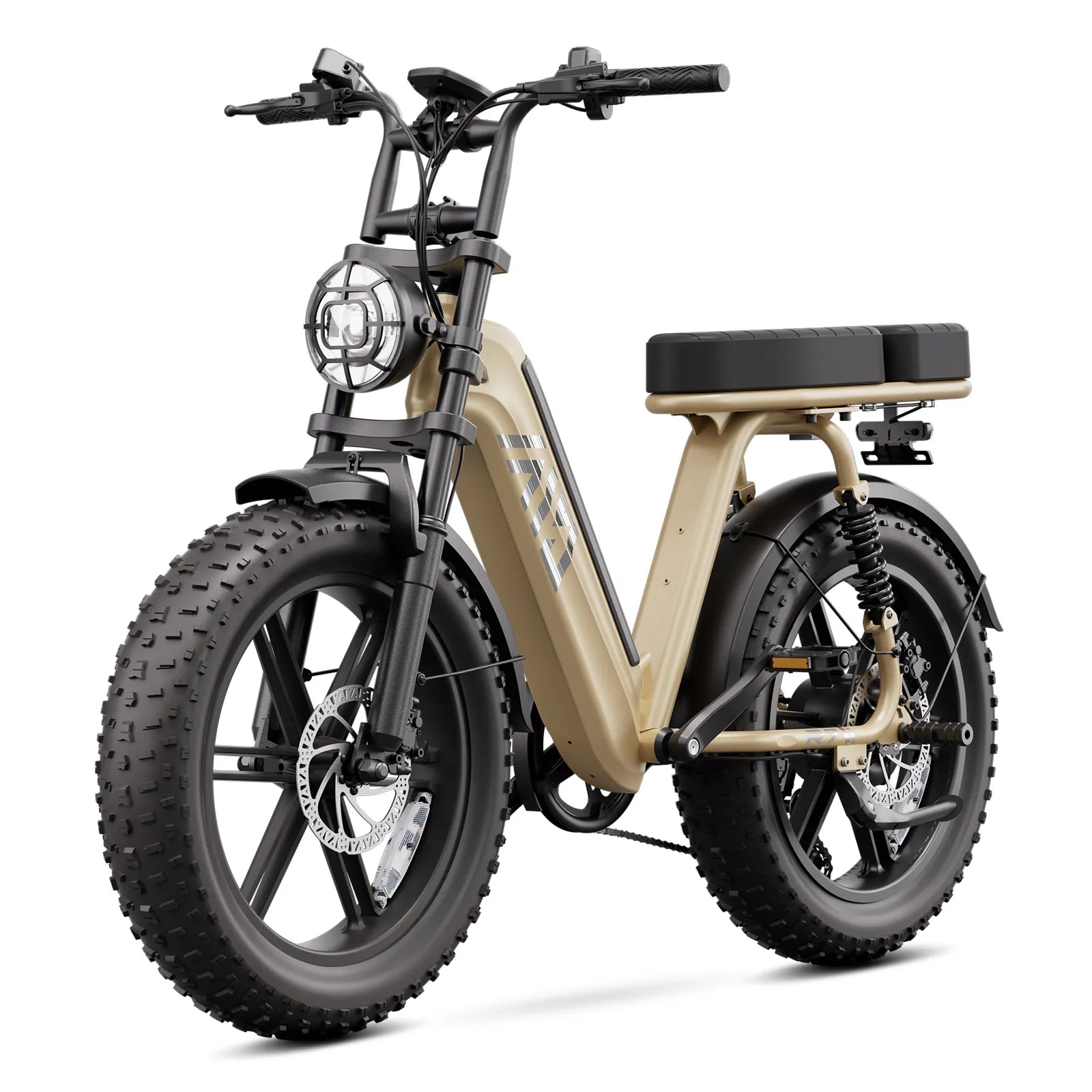
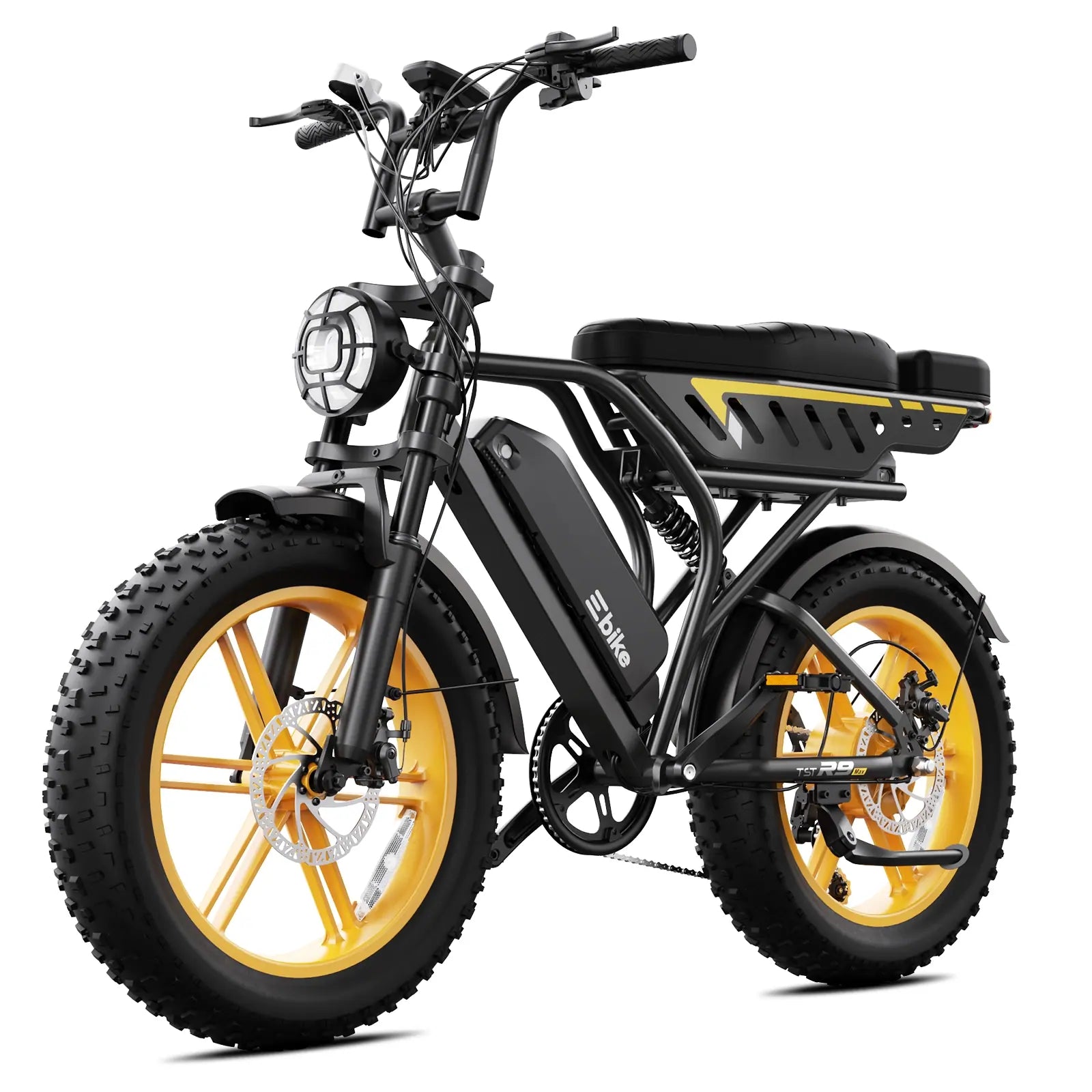
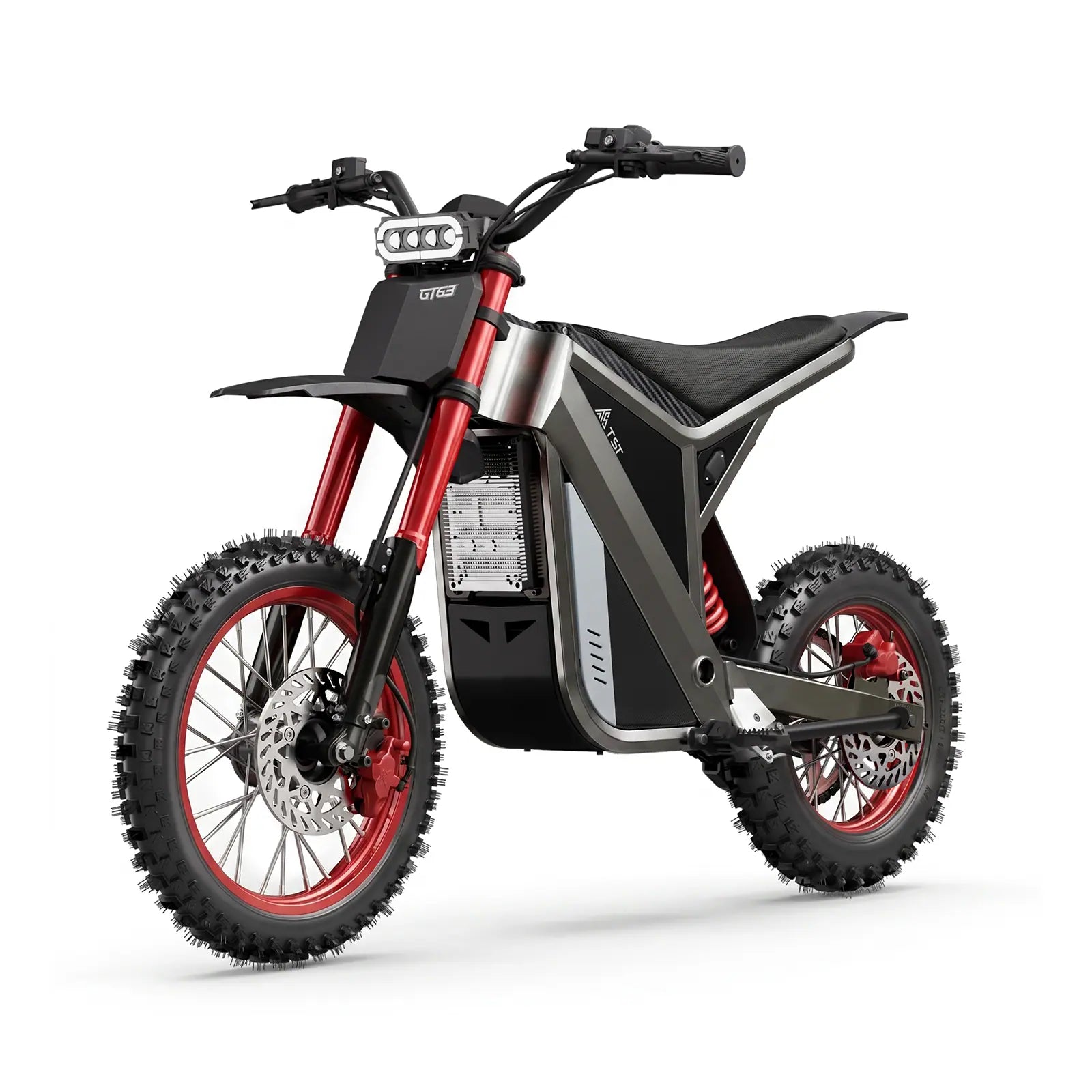
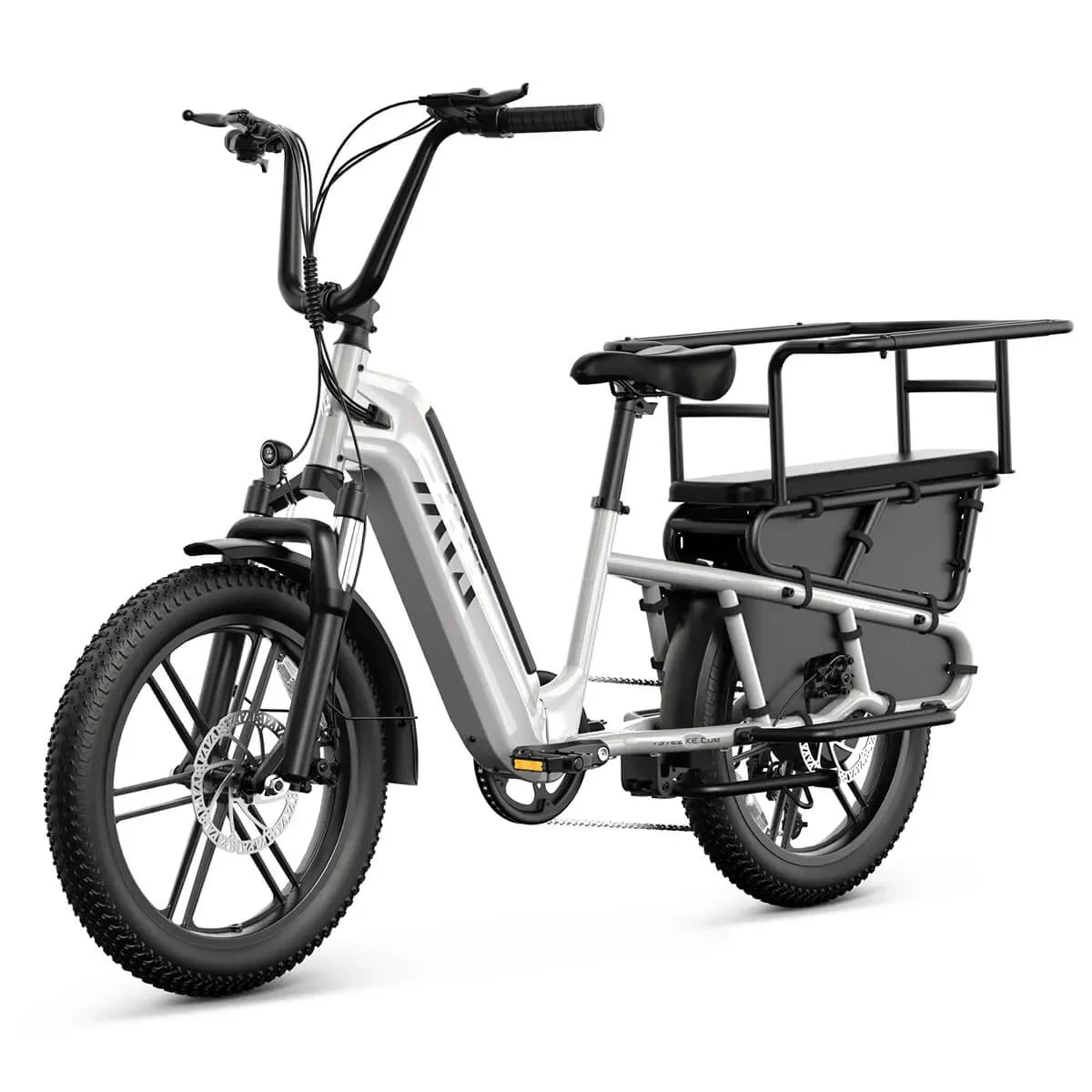
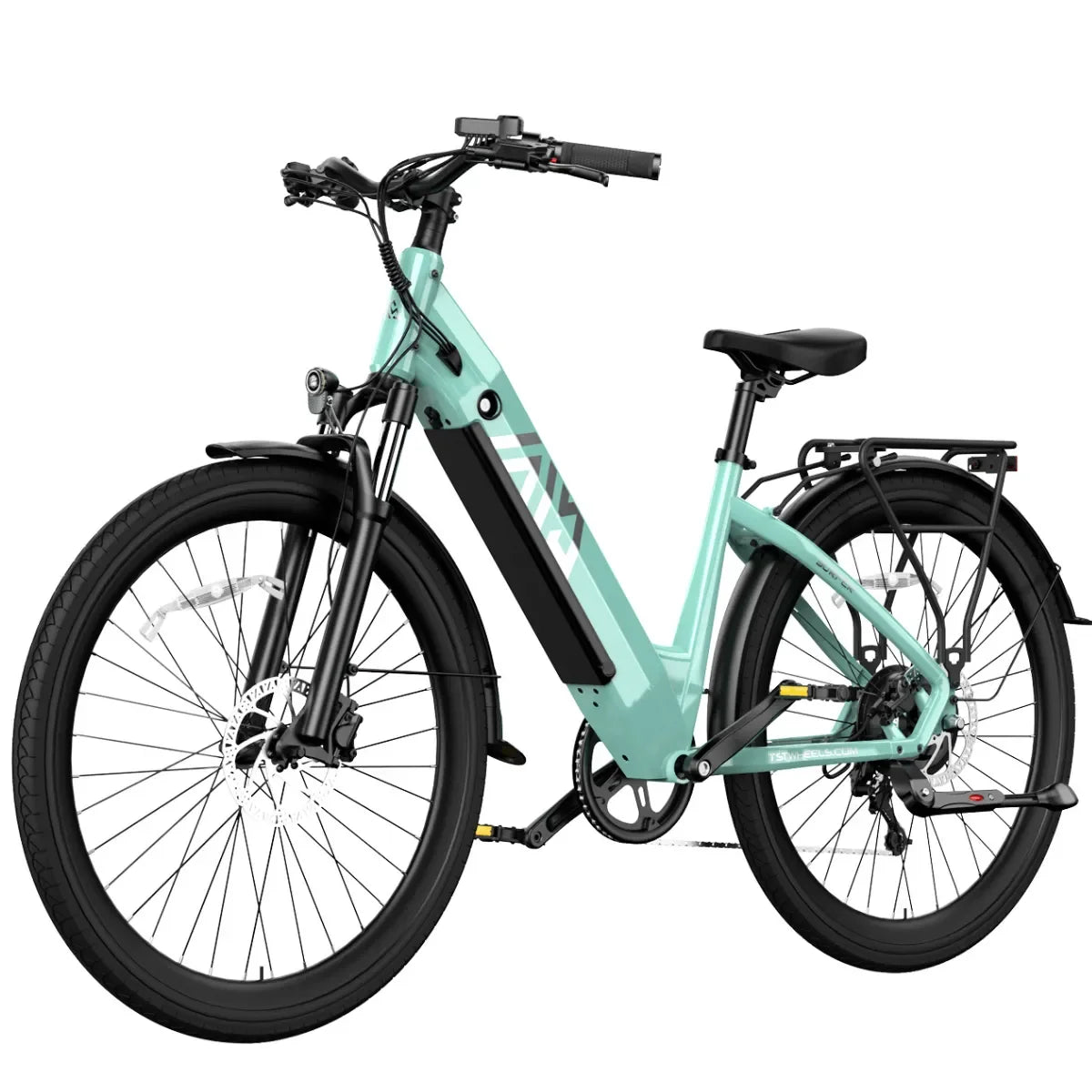
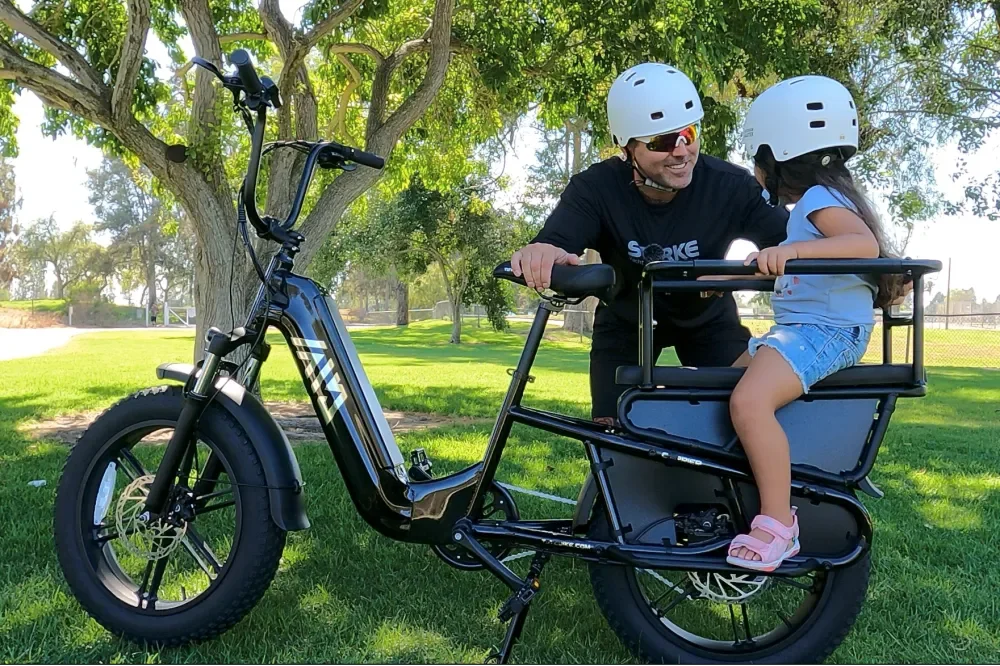


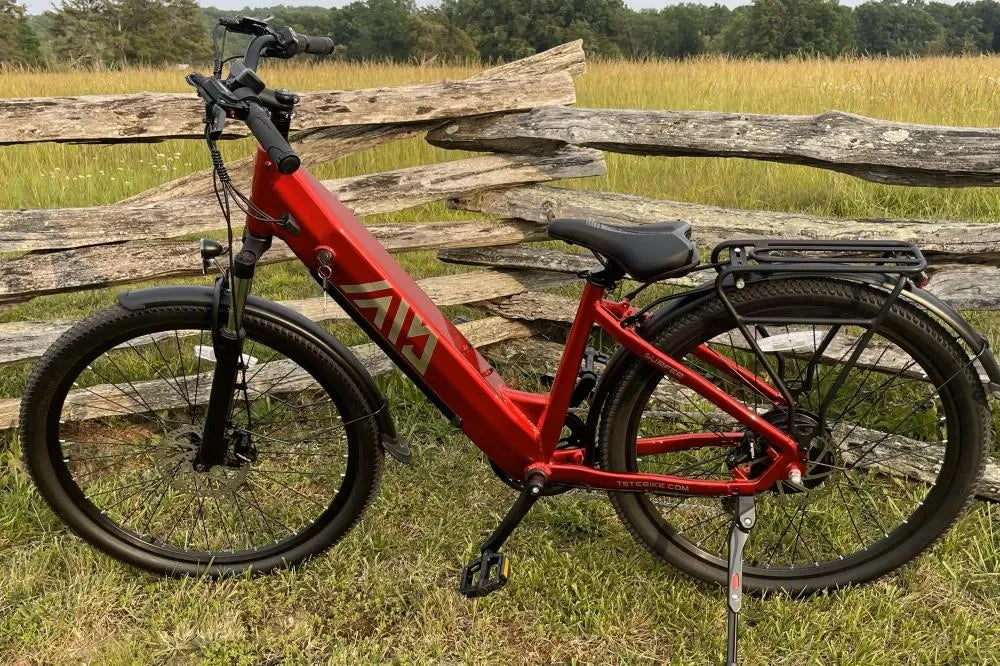
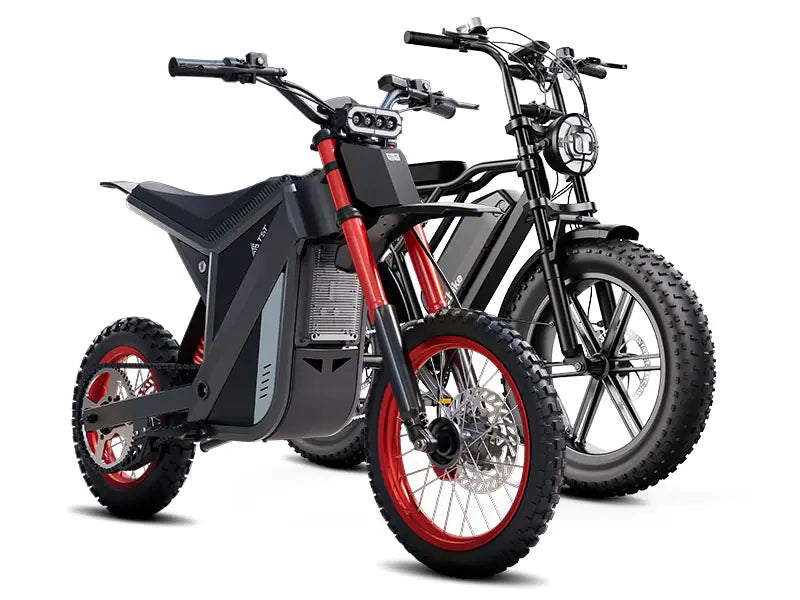
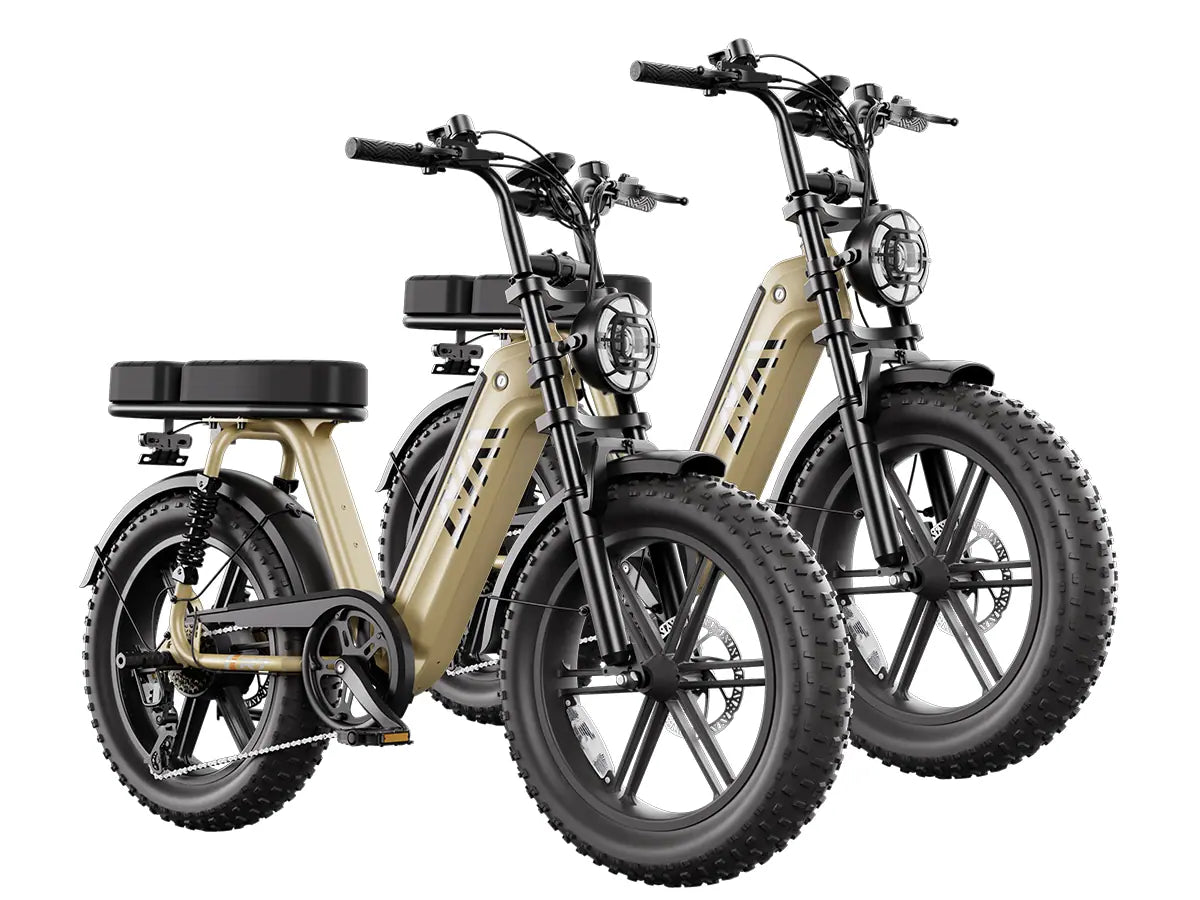
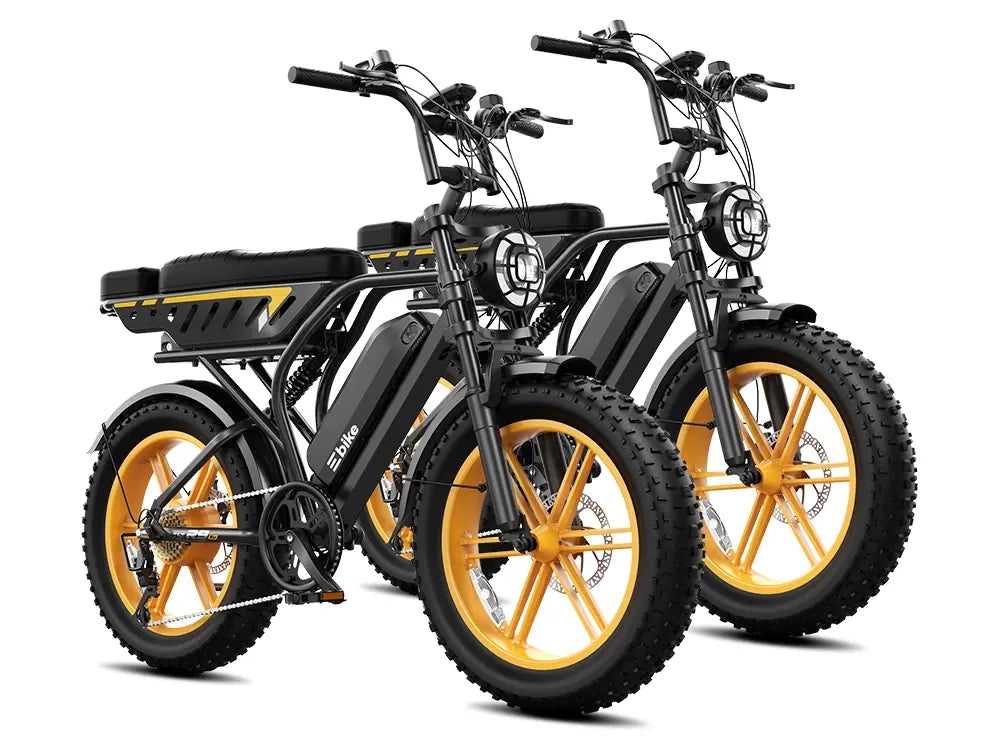
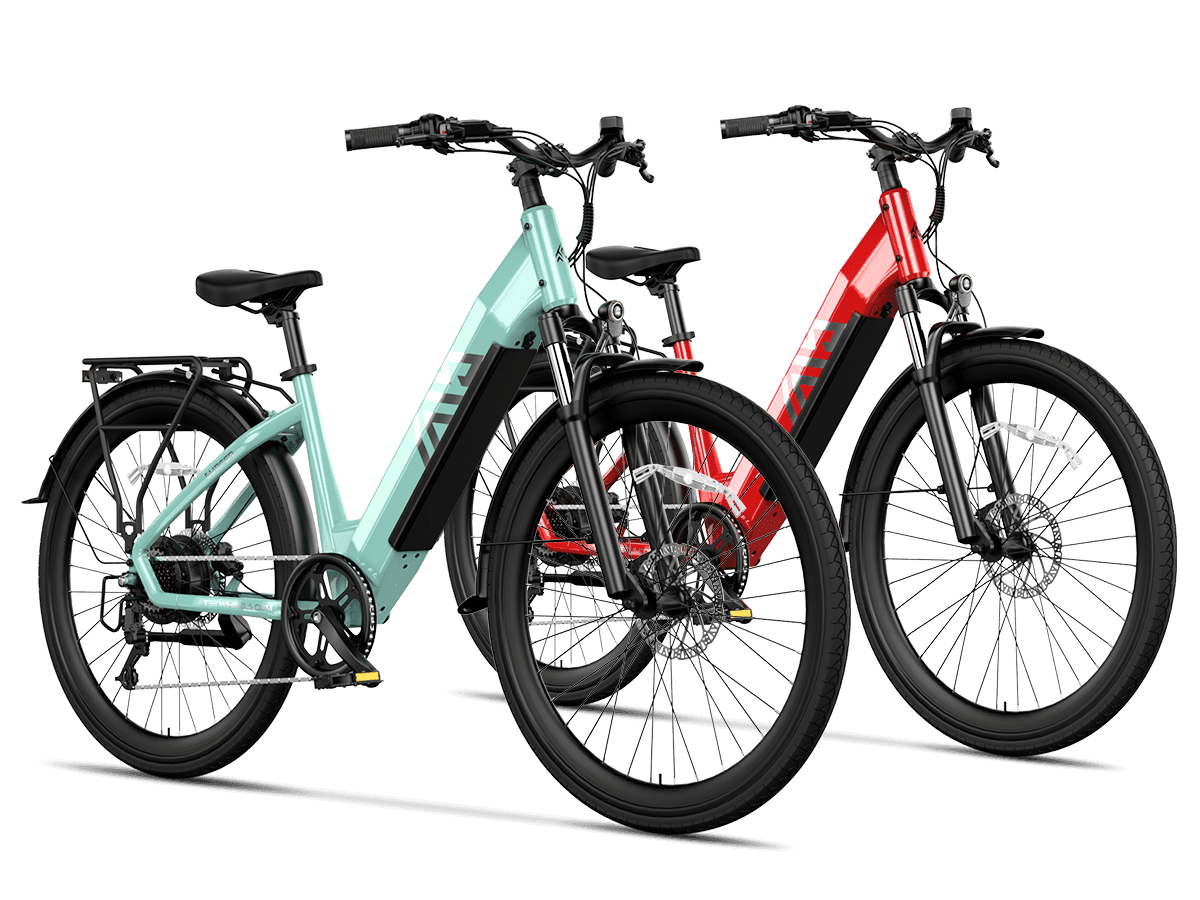
The best Class 2 e-bikes let you ride by throttle alone up to 20 mph and by pedal assist beyond that, and at the prices checked August, 2026, the TST R002 at $799 and the TST Buddy Pro at $899 are the strongest verified values, with the Lectric XP 3.0 at $999 as the mainstream alternative. A Class 2 bike is a legal shortcut for commuters, because most states treat it like a bicycle rather than a moped, but you must confirm the bike's mode settings match Class 2 rules in your state.
All prices and specs below were checked on the brands' official pages on August, 2026, and they change often, so confirm the current offer before ordering.
What Does "Class 2" Legally Mean for an E-Bike?
Under the widely used three-class framework, a Class 2 e-bike has a motor that assists up to 20 mph with both pedal assist and a throttle, and it is generally treated like a bicycle for registration and licensing purposes. The 20 mph ceiling applies to motor assistance, not to how fast you can pedal on a downhill. Many states have adopted this framework, but local rules vary, so the NCSL primer is the right starting point before you rely on any class description.
The practical appeal of Class 2 is the throttle: you can start from a stop, cross an intersection, or climb a short hill without pedaling, which is exactly what many commuters and older riders want. The trade-off is that any bike sold with a higher speed or power setting is only "Class 2" in the mode that obeys the 20 mph limit, so check the settings, not just the sticker.
The throttle cutoff is the detail most buyers miss: a Class 2 throttle should cut motor power at 20 mph even if the bike can reach 28 mph in pedal-assist. On the TST R002 and Buddy Pro, the riding modes control this behavior, so confirm which mode limits the throttle before relying on Class 2 access to bike paths.
Which Models Count as Verified Class 2 Options?
The note that matters for every listing: TST EBike publishes the riding modes for each model, so you can verify which mode limits the throttle to 20 mph before relying on Class 2 access.
| Model | Price (8/2026) | Motor | Throttle behavior | Notes |
|---|---|---|---|---|
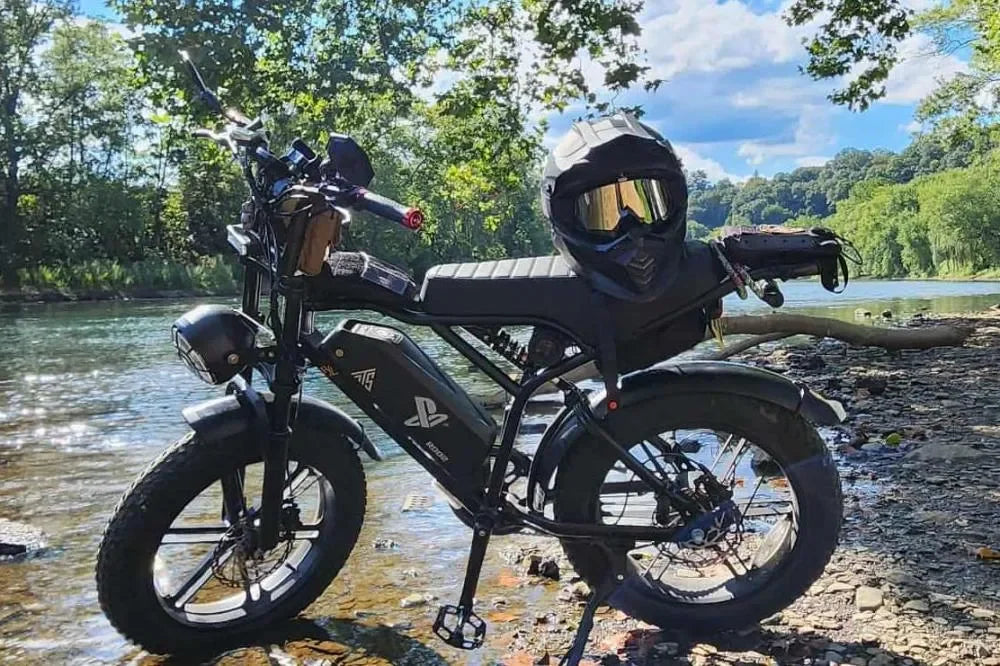
| TST R002 Standard | $799 | 1500W, 90 N·m | Adjustable riding modes | Full suspension, 450 lb payload, 2-year warranty |
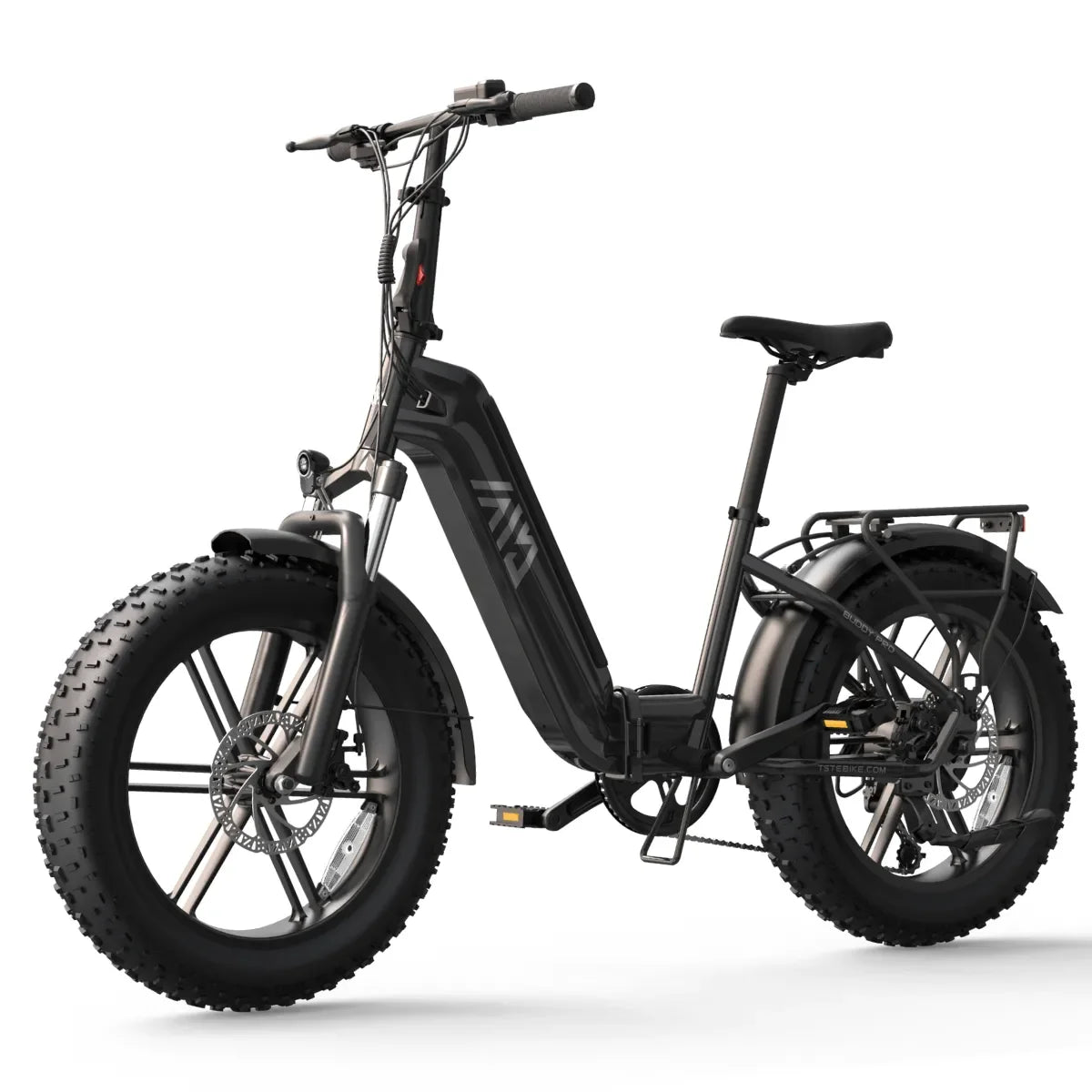
| TST Buddy Pro | $899 | 750W rated / 1000W peak | Adjustable riding modes | Folding, 450 lb payload, published range test |
| Lectric XP 3.0 | $999 | 750W-class | Class-configurable | Largest owner community in the price band |
| Aventon Soltera 2.5 | $999 promo (normally $1,199) | 500W | Class-configurable | Light, slim commuter with dealer network |
The table is the honest shortlist: verified direct-to-consumer and mainstream models that can be configured to Class 2 behavior, with prices dated to the check date.
Why the Throttle Matters More Than the Top Speed
For most urban riders, the throttle is the feature they use dozens of times per ride: pulling away from a light, creeping through a crowded block, or resting on a hill. A Class 2 bike with a responsive throttle feels effortless in stop-and-go traffic, while a bike that only assists while pedaling makes every start a small workout.
Do not confuse Class 2 with speed capability. A 1500W bike like the R002 can exceed 20 mph in its higher modes, which is fine on private land but changes its legal class in many states. If your commute depends on bike paths and class compliance, set the bike to its Class 2 mode and confirm the local rule.
TST R002 Standard: The Power Pick That Can Run Class 2
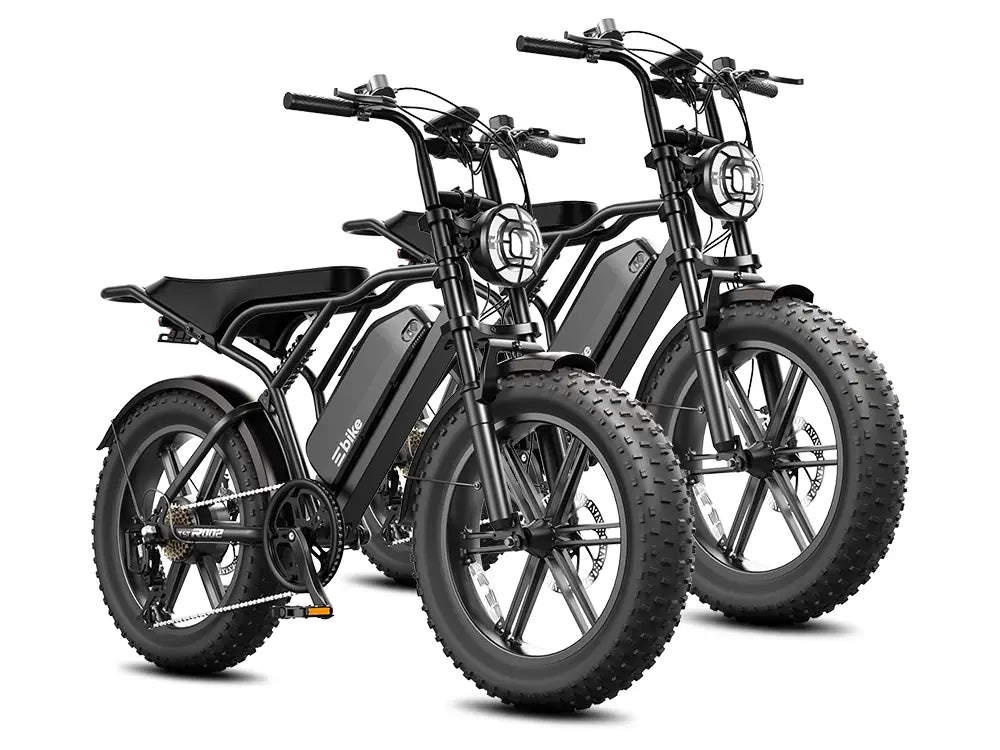
TST EBike's R002 Standard pairs a 1500W motor with 90 N·m of torque, full suspension, a 450 lb payload, and a 2-year direct warranty for $799, with a free light and fender set. In its lower modes it behaves as a compliant, comfortable Class 2 commuter, and its reserve power is there for hills and cargo when the law and the terrain allow.
The trade-offs are honest: the 15Ah battery means the 65-mile headline assumes ideal conditions (plan around 40-45 miles), and the 71.9 lb bike needs ground-level storage. Riders who want one bike that covers both legal commuting and weekend capability, it is the best verified value at the check date.
TST Buddy Pro: The Folding Pick for Class 2 Commuters
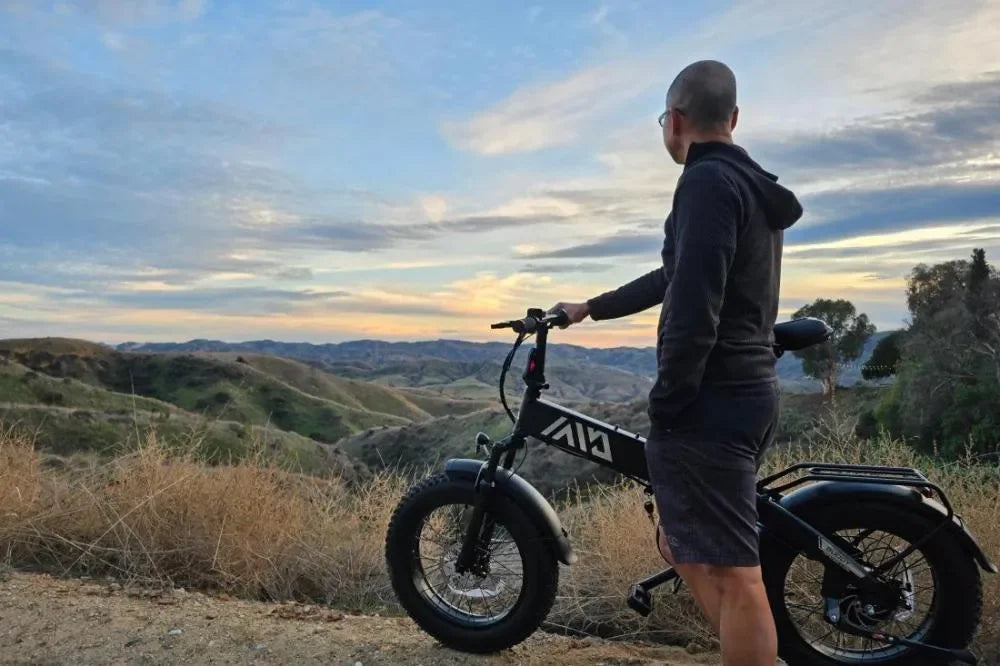
The Buddy Pro at $899 folds in under 10 seconds to 58.7 x 11.2 x 31.1 inches, carries a 450 lb payload, and its official page publishes the range test conditions behind its 60-mile claim (PAS 2, 68°F, 220 lb combined, with 45-50 miles typical in mixed use). That transparency makes it the most documentable folding Class 2 candidate in the set.
The trade-offs: at 71.9 lb it rolls rather than carries, and its 28 mph peak capability means you must use the lower modes to stay inside Class 2 where that matters. For apartment storage and mixed commutes, it is the strongest under-$1,000 folder.
Lectric XP 3.0 and Aventon Soltera 2.5: The Mainstream Alternatives
The Lectric XP 3.0 at $999 has the largest owner community and best-documented support in the budget class, making it the safe mainstream pick for first-time buyers who want endless forums and proven parts supply. The Aventon Soltera 2.5 at its $999 promotional price (normally $1,199) is the lightest, simplest option, backed by Aventon's network of over 800 dealers for service.
Both sacrifice power and payload for polish and brand maturity. Choose them when community support, lightweight handling, or dealer service matter more than the TST pair's capability.
Class 2 vs Class 3: Which Should a Commuter Choose?
The route is the deciding factor in practice: a 12-mile commute on a protected bike path where motorized bikes are limited to 20 mph is a Class 2 route, while the same distance on open roads with a 45 mph speed limit is a Class 3-style route. Riders who mix both should choose a bike with adjustable modes and switch settings for the section, or pick the class that matches the most restrictive part of the ride. A bike that is legal for 90 percent of the route but barred from the one protected path you use is still the wrong bike for that commute.
Class 2 vs Class 3 is a route decision, not a speed decision. Class 2 limits throttle to 20 mph and is allowed on most bike paths; Class 3 adds pedal assist up to 28 mph but is barred from many paths and may require a helmet by state law. If your commute uses protected bike lanes, Class 2 is often the only legal option; if you ride roads and want more speed, Class 3 may suit you.
The R002 and Buddy Pro can cover either behavior depending on mode settings, which is exactly why the mode setting matters more than the sticker. Decide your path rules first, then set the bike to match.
What Should You Check Before Buying a Class 2 E-Bike?
Check four things before ordering: the motor assistance limit in the mode you will use, the throttle behavior (does it cut at 20 mph?), the bike's weight for storage, and the warranty and parts path. Then verify your state's definition of Class 2 and any local path restrictions, because a bike that is technically Class 2 can still be barred from a specific trail.
Also confirm the battery size against your daily route, and budget for a helmet and lock, which are not optional for any commuter regardless of class.
Conclusion: Buy the Class 2 Mode That Fits Your Route
At the prices checked on August, 2026, the TST R002 is the best Class 2-capable e-bike for power and payload, the Buddy Pro for folding storage, and the Lectric XP 3.0 or Aventon Soltera 2.5 for mainstream support and polish. Confirm the mode settings, verify local class rules, and buy the bike that legally completes your daily route.
Class 2 Buyer's Checklist
- Confirm my state's Class 2 definition and path rules.
- Verify the bike's throttle cuts at 20 mph in the mode I will use.
- Check the battery against my daily round trip with margin.
- Confirm today's delivered price and current promotion.
- Budget for helmet, lock, and possibly a second battery.
See the TST R002 product page and the TST Buddy Pro product page for current pricing, and browse the commuting e-bike collection for more Class 2-capable models.
Related reading: what the best e-bikes under $800 look like
FAQs
What does the Class 2 throttle add compared with Class 1?
Class 1 has pedal assist only (no throttle), while Class 2 adds a throttle; both are limited to 20 mph of motor assistance.
Can a 1500W bike be a legal Class 2 e-bike?
Only if it is set to a mode that limits motor assistance to 20 mph and your state's law allows the configuration; check both the settings and the local rule.
Which Class 2 e-bike is best for apartment storage?
The TST Buddy Pro folds in under 10 seconds to a 58.7-inch-long package, which fits closets and car trunks better than a full-size bike.
Are Class 2 e-bikes allowed on bike paths?
Mostly yes, but local rules vary, so check your city or county before riding on protected paths.

Leave a comment
This site is protected by hCaptcha and the hCaptcha Privacy Policy and Terms of Service apply.