

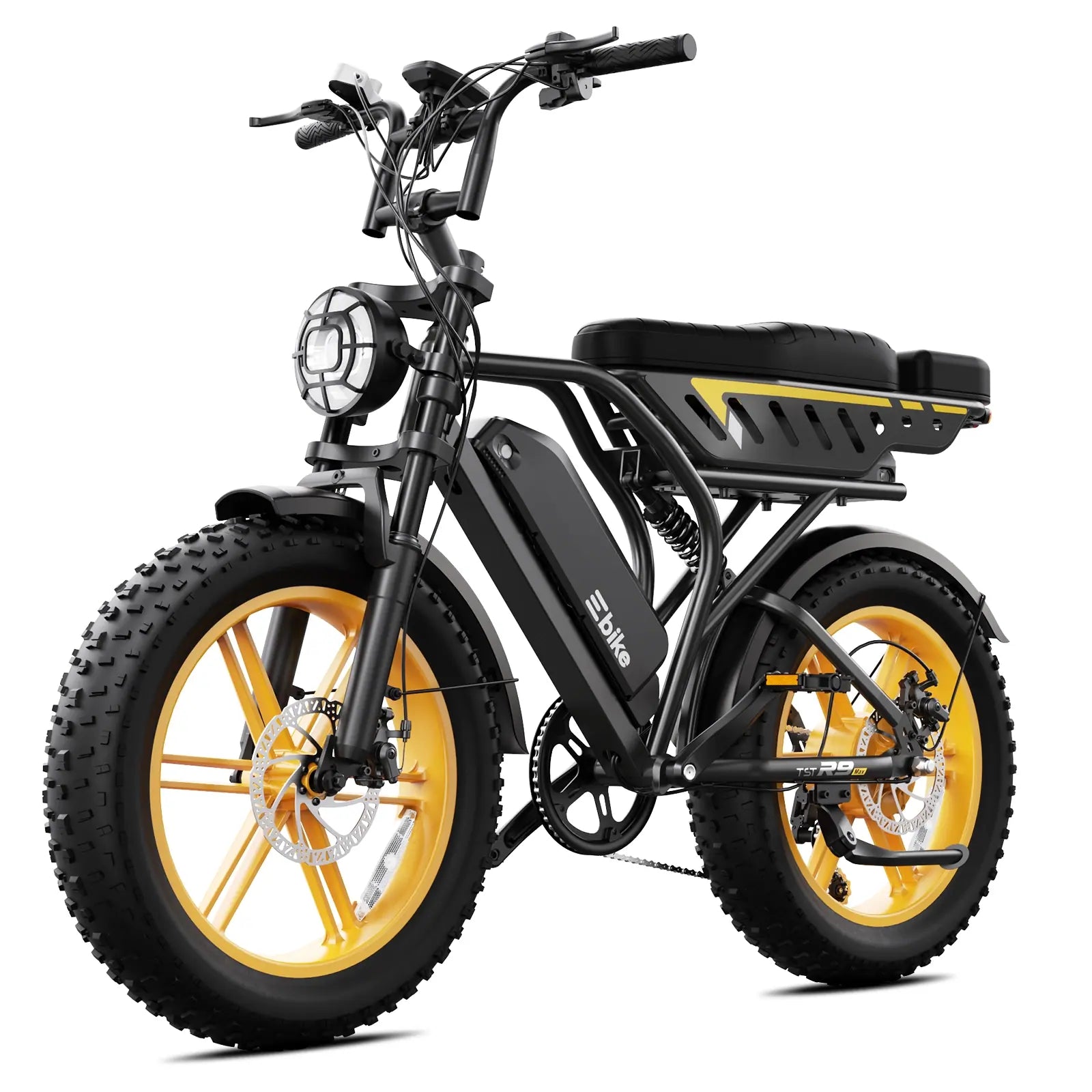
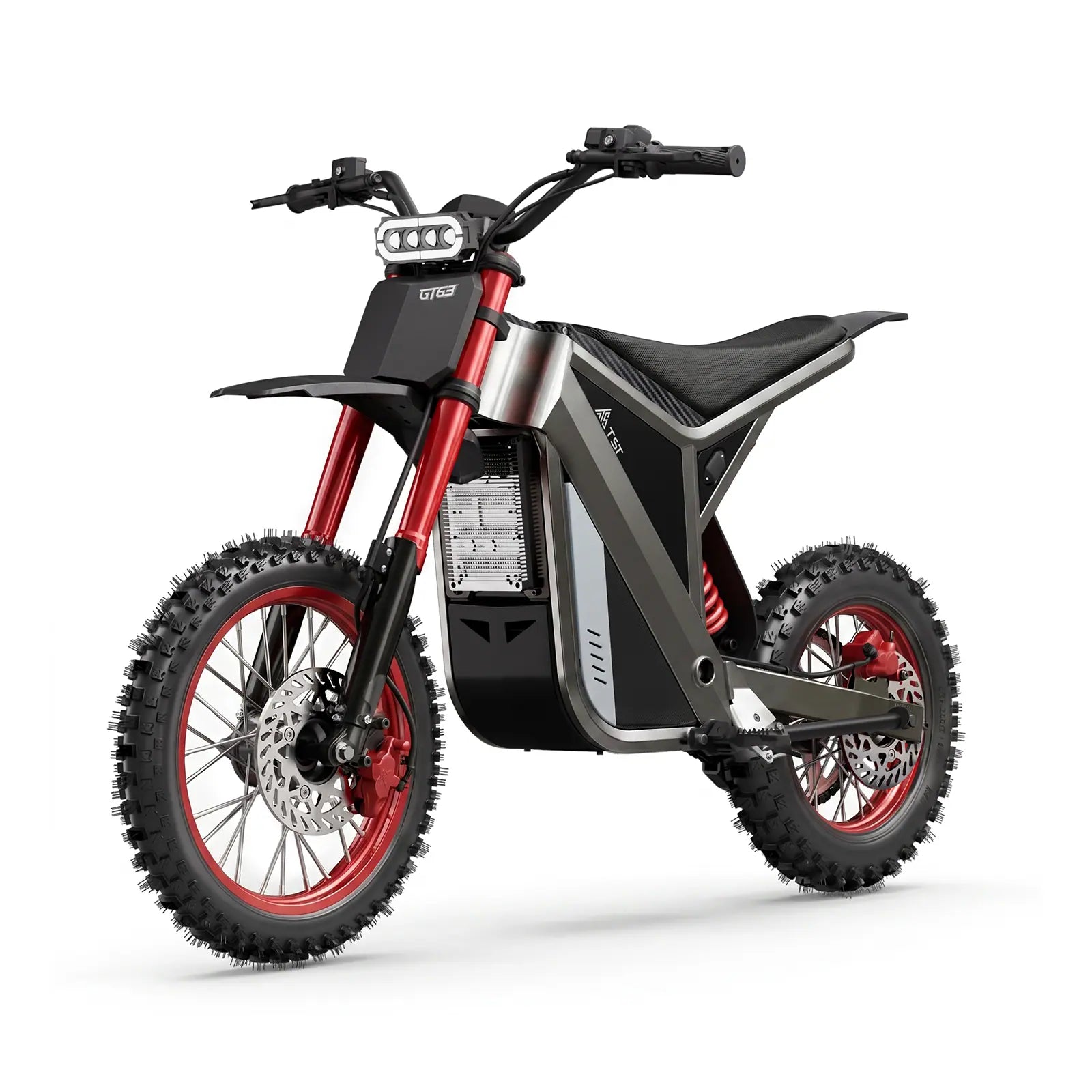









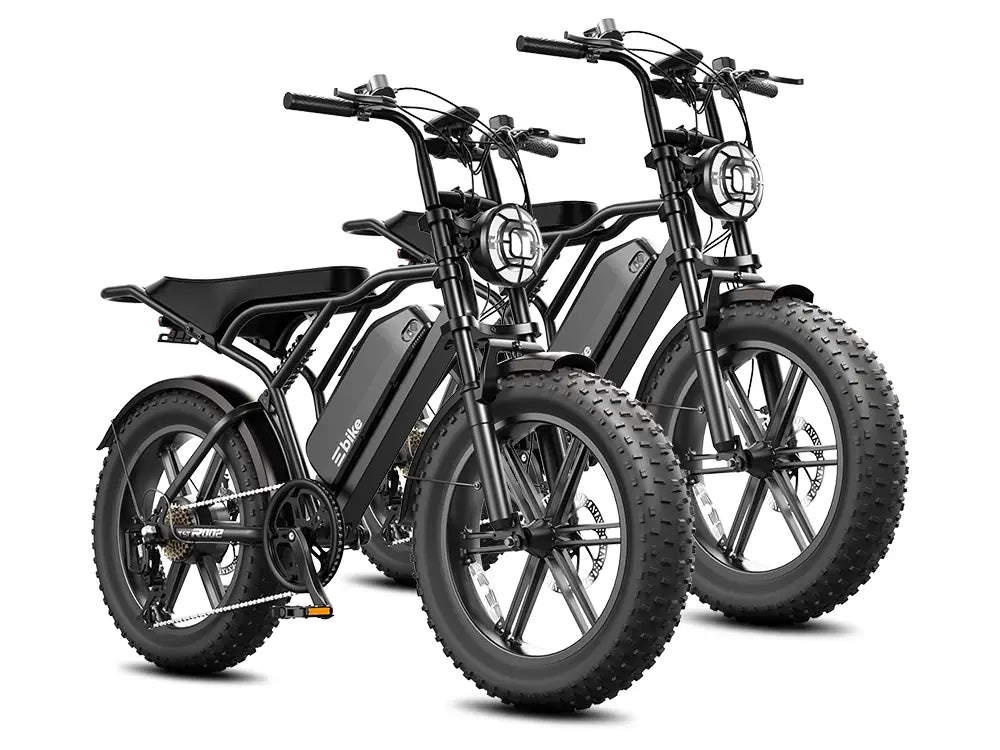
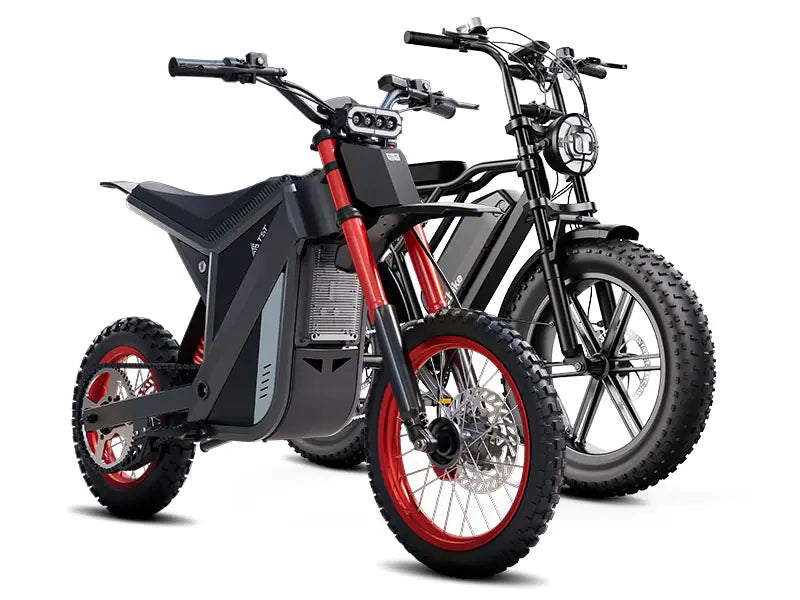

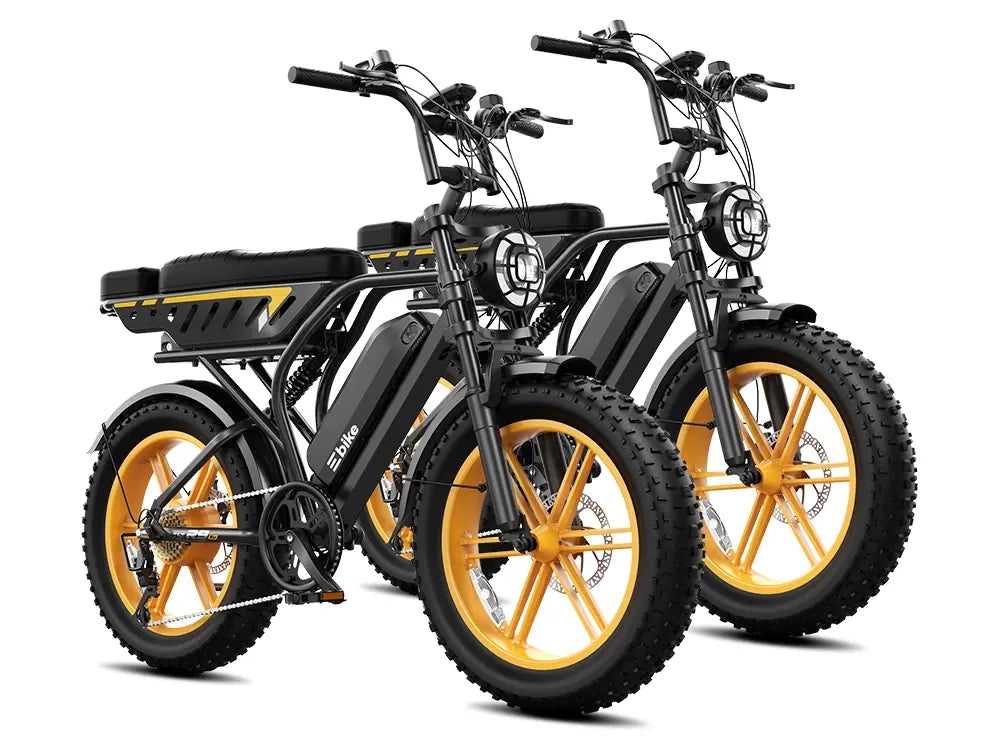

Yes, for most heavy-rider scenarios TST EBike matches or beats Himiway on payload-to-price, torque, and direct support: models like the R002, R7, and Carrier are rated for 450 lb with 90 N·m of torque at roughly half the price of Himiway's cargo flagship. Himiway still leads on brand history, long-range claims, and a proven cargo ecosystem, so the better choice depends on budget and whether you trust the newer brand.
What Heavy Riders Actually Need: More Than a Bigger Motor
A heavy rider needs four things: payload rating, torque, braking, and tire stability. Payload rating is the legal and engineering limit for the frame, rider, and cargo combined; torque determines whether the bike pulls a heavier load uphill; brakes determine whether it stops safely; and wide tires keep the load stable at speed and on loose surfaces.
Ignore any bike that does not publish a payload figure. A "500W motor" means nothing if the frame, wheels, and spokes are rated for a 250 lb total. The published number is the starting point for every heavy-rider decision.
Payload and Torque: The Numbers That Decide the Bike
| Model | Payload rating | Torque | Price context (8/21/2026) |
|---|---|---|---|
| TST R002 | 450 lb | 90 N·m | $799 - $1,099 |
| TST R7 | 450 lb | 90 N·m | $799 (official sale) |
| TST Carrier | 450 lb | 90 N·m | About $1,000 promo |
| Himiway Big Dog | Large cargo rating | Gear-hub, less torque | About $2,099+ at US retailers |
TST's 450 lb ratings with 90 N·m of torque appear at $799-$1,100, while the Himiway Big Dog sits near $2,100 at US retailers as of the same check date. That is the headline: comparable cargo capability at roughly half the price, on paper. The rest of this article is about what the spec sheet does not tell you.
How Does Each Frame Hold a Heavy Load?
TST's heavy-duty models use full-suspension moped-style frames with 20x4-inch fat tires (R002 and R7) or 20x3-inch tires on the Carrier, all rated for 450 lb. The wide tire footprint and long wheelbase keep the bike planted at speed and when carrying cargo, which is exactly what a heavy rider feels in corners and crosswinds.
Himiway's Big Dog is a purpose-built cargo machine with a proven, stable platform and a large rear rack, and its long wheelbase handles heavy loads confidently. On paper both platforms are suited to heavy duty; in practice, ride both if you can, because frame geometry and standover feel different even at identical payload numbers.
Pay attention to the wheels as well as the frame. A 450 lb-rated platform only delivers that capacity if the rims, spokes, and tires are matched to it, so check the wheel spec and plan to have spokes retensioned after the first few hundred miles if you ride fully loaded. Fat tires on the R002 and R7 add a useful cushion, but they are not a substitute for a properly tensioned wheel.
Brakes and Stopping: The Safety Feature Heavy Riders Cannot Skip
Stopping distance scales with total weight, so brakes are the safety-critical spec for heavy riders. The R7 and Carrier use hydraulic disc brakes with 180mm rotors, and the R002 uses front and rear disc brakes, all of which provide consistent stopping power under load. Budget for brake pads as regular consumables; a 450 lb load wears pads faster than a 180 lb load.
Himiway's cargo models are also equipped with capable brakes for their class. The point is not that one brand brakes better; it is that any heavy-rider bike must have hydraulic or high-quality mechanical discs, and you should test the braking feel with your normal load before buying.
Do the brake test the way you will ride: load the bike to your normal total weight, find a quiet downhill or flat stretch, and check that a firm pull stops the bike smoothly without fade, both from 10 mph and from cruising speed. If the lever pulls to the bar or the bike shudders under load, that bike is not ready for your weight regardless of the brand badge.
Where Does Himiway Perform Better Than TST EBike?
Himiway has years of history in the heavy-rider and cargo segment, which shows up in three ways. First, its models have a large base of owner reviews and forum knowledge, so you can research real experiences before buying. Second, its long-range claims and large batteries (the Big Dog pairs a 750W motor with a 20Ah pack) suit riders who want maximum range per charge. Third, its cargo ecosystem includes racks, bags, and accessories that have matured over multiple product generations.
If research depth, brand history, and a proven accessory catalog matter more to you than price, Himiway is the safer, more established choice.
Put the total cost of ownership on paper before you decide. A TST R7 at $799 leaves roughly $1,300 versus a $2,099 Big Dog for a second battery, a heavier-duty lock, and two years of brake pads and service, while the Big Dog's larger battery and cargo heritage may reduce range anxiety and accessory costs over the same period. The gap narrows for riders who need the Big Dog's specific rack system or who would buy multiple TST accessories anyway; it widens for riders who keep loads moderate and prefer the lower entry price. Neither arithmetic is wrong; the point is to run the numbers for your load and your accessory list rather than comparing stickers.
Where Does TST EBike Perform Better Than Himiway?
TST EBike's heavy-rider advantage is straightforward: 450 lb payload and 90 N·m of torque at $799-$1,100, with a 2-year direct warranty and parts sold directly from California warehouses. That combination has no direct Himiway equivalent at the price. The R7's step-through cargo platform, the R002's moped-style power, and the Carrier's $534 accessory bundle (including a child seat) cover the main heavy-rider use cases at roughly half the Big Dog's price.
The trade-off is age: TST is a younger brand with fewer years of independent review history. If you are comfortable with a newer brand that publishes its specs and backs them with a direct warranty, the value is substantial.
Himiway Big Dog vs TST EBike: Matching the Model to the Rider
The right comparison is model-to-model, not brand-to-brand. A heavy rider on a budget who wants power, payload, and a step-through frame should compare the TST R7 against the Big Dog directly; a rider who wants a moped-style machine with 450 lb capacity should compare the R002; a family hauling kids and cargo should compare the Carrier's bundle against the Big Dog's accessory ecosystem.
Use this rule: list your total weight (rider plus cargo), your hill factor, your budget, and your need for brand research depth, then score each model against those four items. The bike that wins your personal list is the right purchase, regardless of which brand it carries.
Ownership: Warranty, Parts, and Service for the Long Term
Heavy riding stresses every component, so ownership support matters more than for a casual rider. TST EBike covers manufacturing defects for 2 years, sells batteries, chargers, brakes, and suspension parts directly, and offers pickup in Ontario and Diamond Bar, California. Himiway provides its own warranty and support, with the added comfort of a longer brand history and broader owner community.
Whichever you choose, plan for regular maintenance: spoke tension, tire pressure, brake pads, and suspension service. A heavy load multiplies wear, and a bike that is serviced on schedule is a bike that stays safe in year three.
Conclusion: Match the Load, Budget, and Brand Confidence
TST EBike matches Himiway for heavy riders on the specs that matter most: 450 lb payload, 90 N·m of torque, and capable brakes, at roughly half the price of the Big Dog as of August 21, 2026. Himiway remains the safer pick for riders who value brand history, research depth, and a mature cargo ecosystem. Decide on your total weight, budget, and comfort with a newer brand, and the right model becomes clear.
The final filter is support confidence: if you want a company you can call with a US-facing parts system, TST's 2-year direct warranty covers that; if you want a decade of forum threads and third-party parts, Himiway covers that. Both are defensible, but they are different risk profiles, and a heavy-rider bike is too expensive a purchase to guess on either side.
Heavy-Rider Decision Guide
Match the total weight, the torque, and the support channel together, because each one changes the final choice.
The decision comes down to two questions: does your total weight fit the rated payload with margin, and do you trust the support channel enough to keep a hard-working bike running for years? Answer both honestly, and the right brand appears by itself. Test the brakes under load, verify the parts path, and the choice stops being about logos.
- Budget under $1,200 and need 450 lb payload: TST R002, R7, or Carrier.
- Maximum brand research and accessory depth: Himiway Big Dog.
- Step-through comfort under load: TST R7.
- Long-range cargo with a larger battery: Himiway Big Dog.
See the TST R7 product page and the cargo e-bike collection for heavy-duty options.
Related reading: the best e-bikes for heavy riders, with real payload numbers

Leave a comment
This site is protected by hCaptcha and the hCaptcha Privacy Policy and Terms of Service apply.