


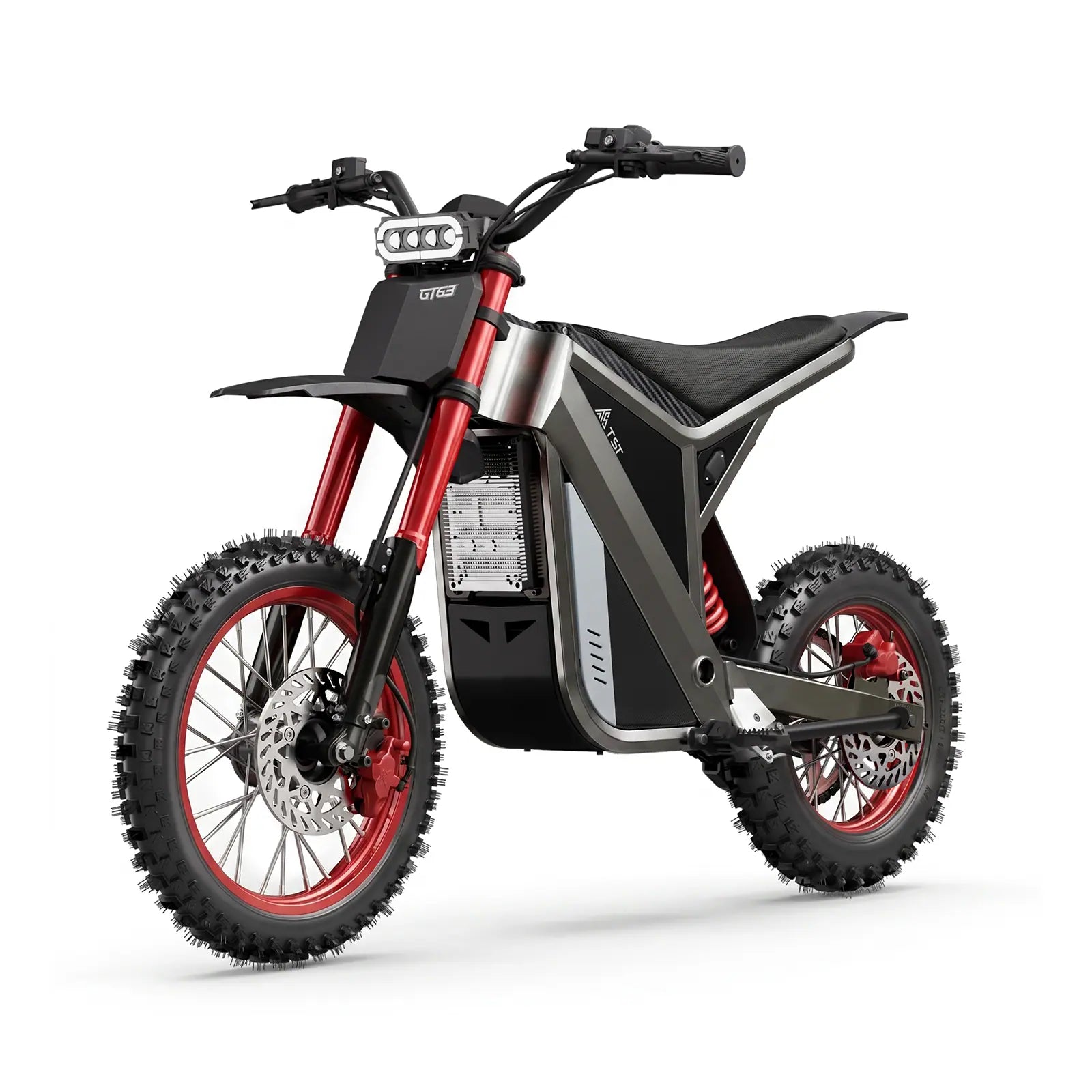

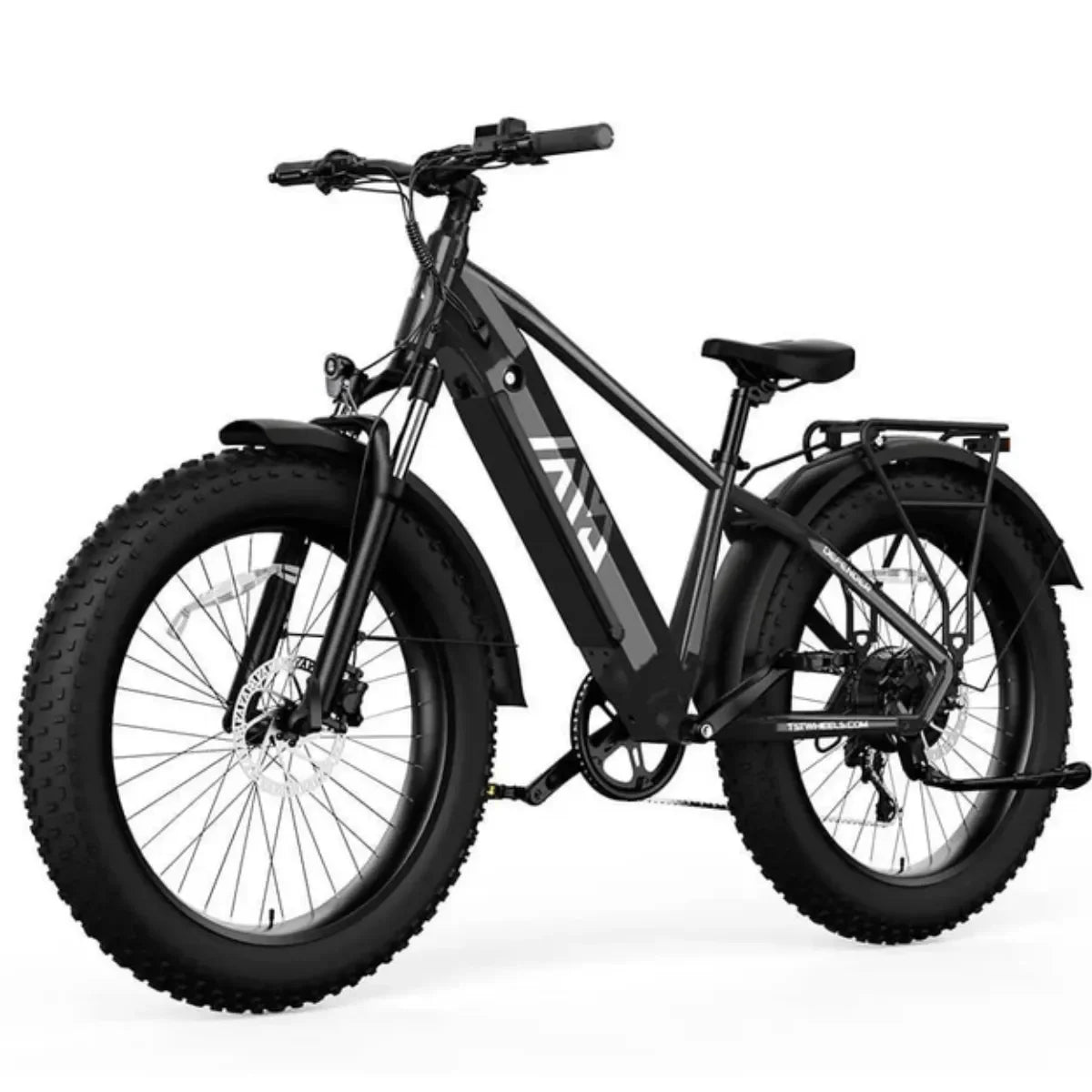
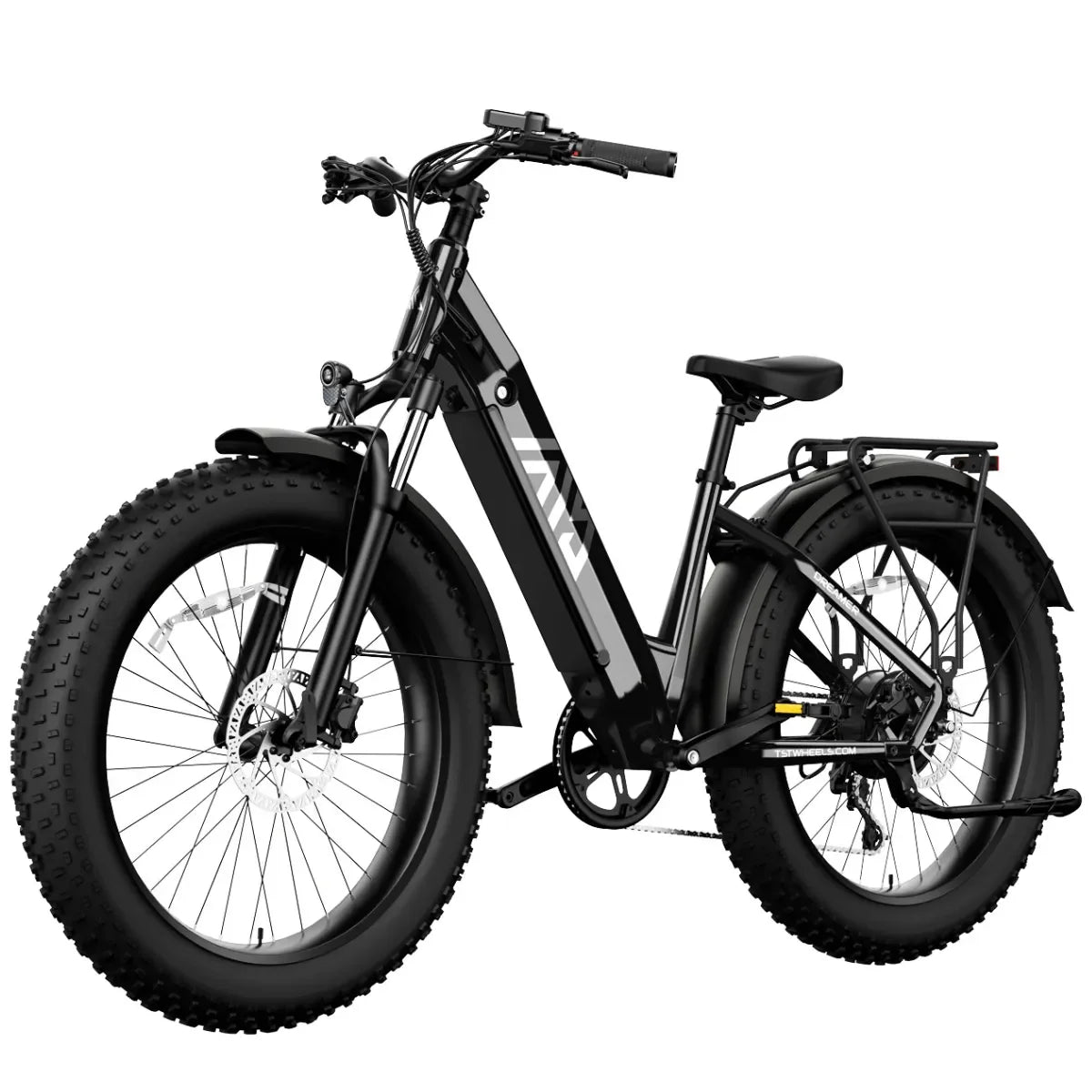

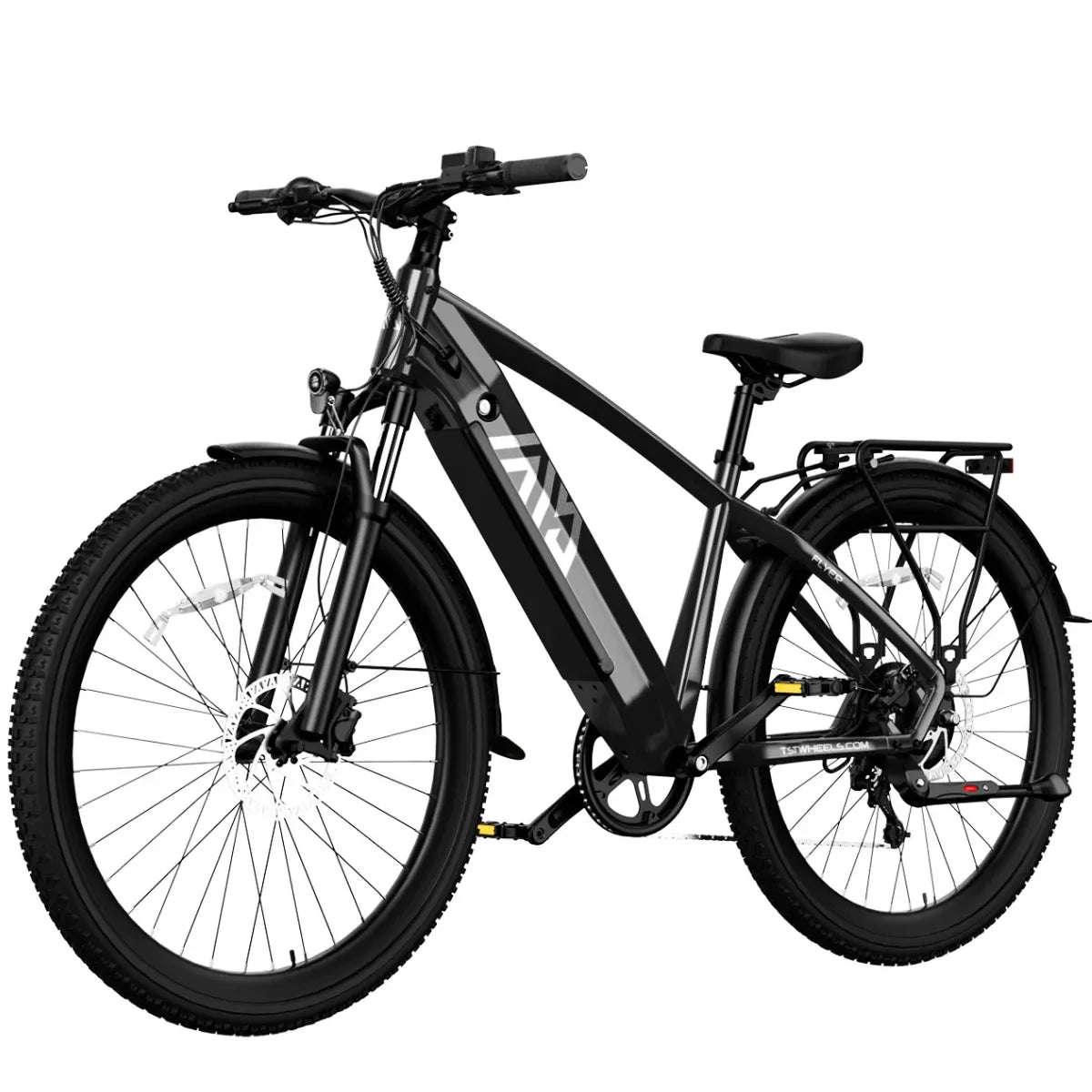











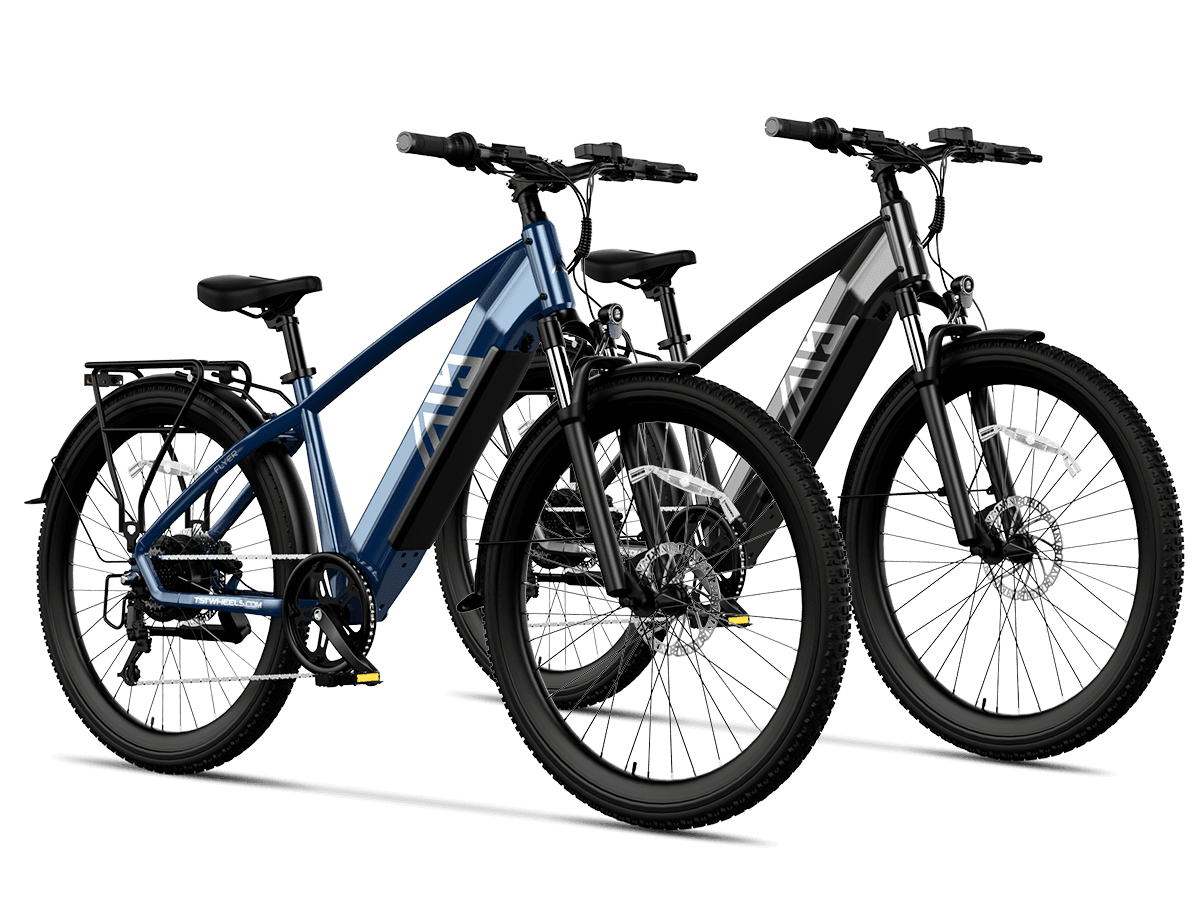

E-bikes have legal motor-assisted speed limits: Class 1 and 2 e-bikes assist up to 20 mph, while Class 3 e-bikes assist up to 28 mph. Actual speeds depend on bike class, terrain, rider effort, weight, and local regulations. Riders can pedal or coast beyond motor limits, but motor assistance cuts off at the class-specific maximum.
What Are the Speed Limits for Class 1, Class 2, and Class 3 E-Bikes?
Class 1 e-bikes provide pedal-assist only, with motor support ceasing at 20 mph, making them legal on most bike paths and trails. Class 2 e-bikes combine throttle and pedal assist, also capped at 20 mph motor assistance but allowing easier start via throttle. Class 3 e-bikes are pedal-assist only but provide assistance up to 28 mph, favored for faster urban commuting but subject to stricter regulations.
How Do Rider Effort and Terrain Affect E-Bike Speeds?
Rider pedaling power significantly affects speeds — more effort results in higher velocity when within motor limits. Terrain also plays a pivotal role; uphill climbs can reduce speeds drastically to 4–7 mph despite motor assistance, while downhill stretches can boost speeds well beyond legal assistance caps because the motor cuts out but momentum continues.
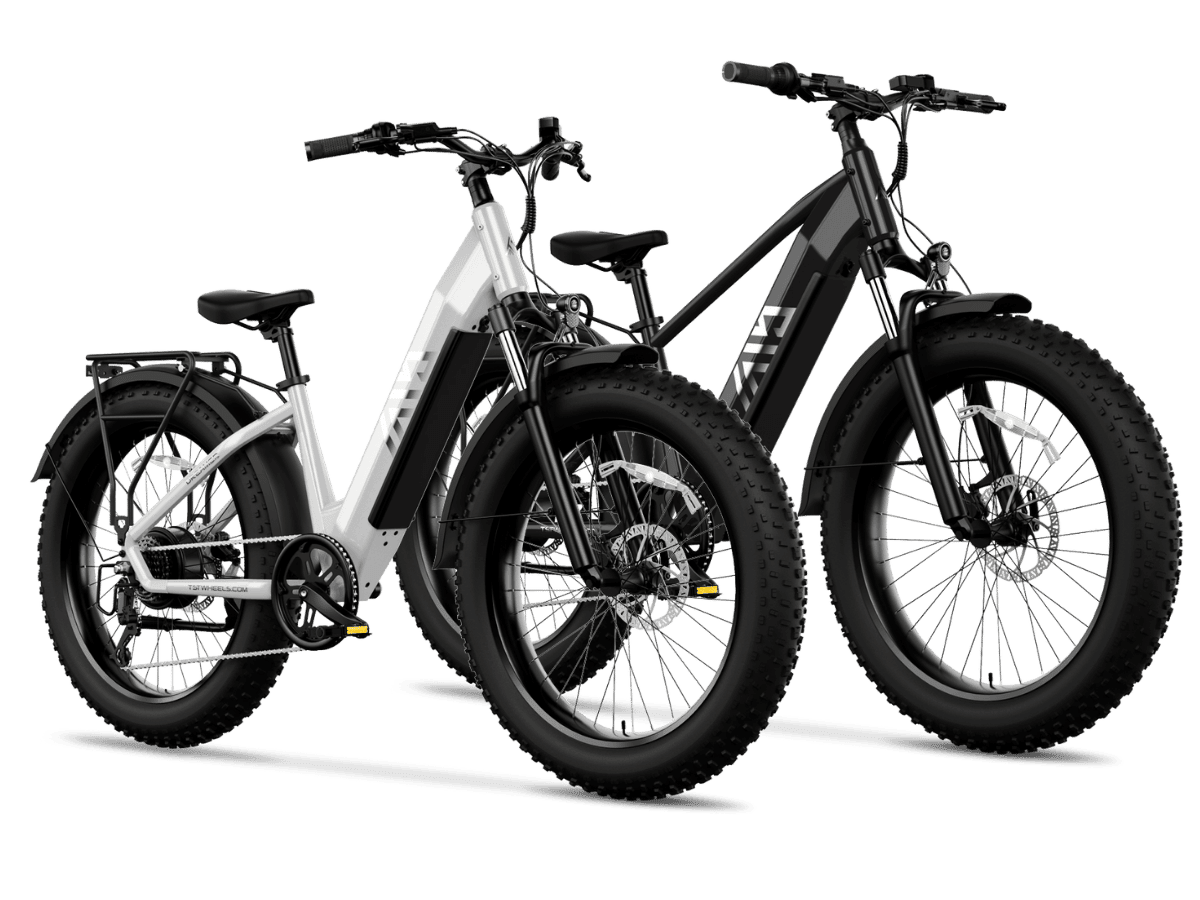
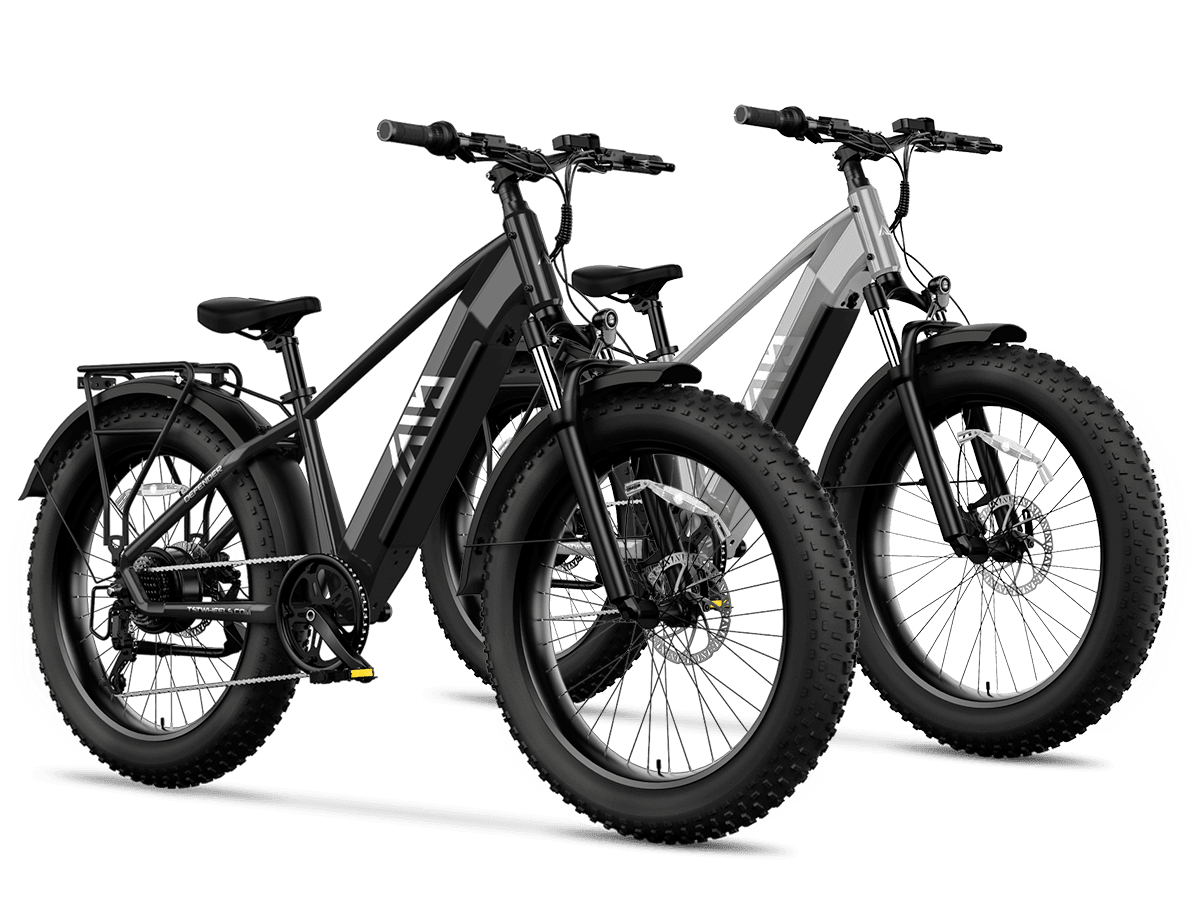
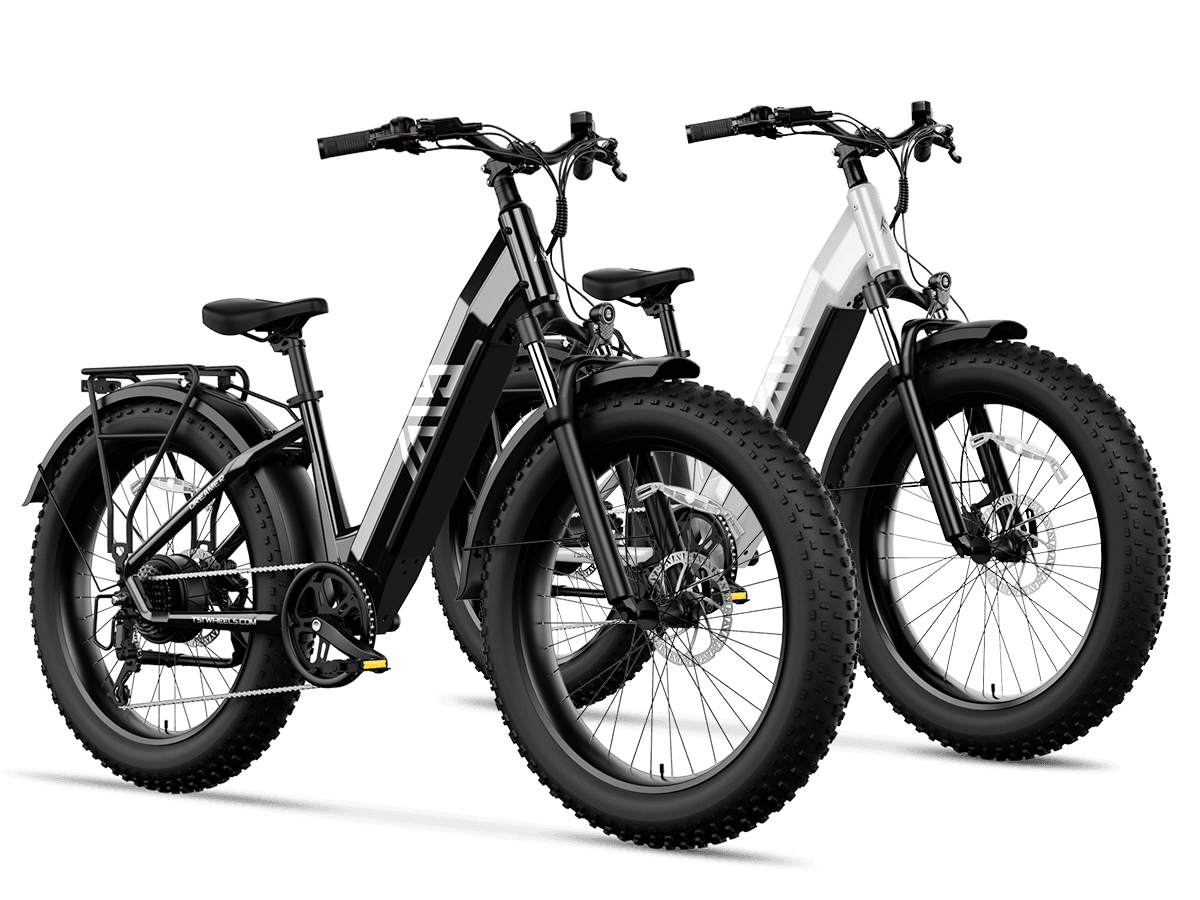
Electric bikes work best when riders understand how their own actions and the landscape change the ride. If you pedal harder, the bike can go faster because your extra push teams up with the motor's help, as long as it doesn't hit its top limit. On flat ground, this makes travel quick and easy. But going uphill slows everything down a lot, often to just a few miles per hour, even with motor support, because gravity fights against you. Brands like TST EBike design strong motors to handle these challenges on their 26-inch rough-terrain models.
Downhill rides tell a different story—speeds can climb high from the bike's roll alone, since the motor stops assisting past legal speeds to keep things safe. Key factors here are rider effort, terrain, and speed limits. With TST EBike's adjustable assist levels, beginners learn to balance pedaling with the bike's power for smoother trips everywhere, from city streets to trails. This setup promotes fun, efficient riding without surprises.
Why Are Local Laws Important When Considering E-Bike Speed?
E-bike speed limits and classifications vary by jurisdiction, impacting where and how fast you can legally ride. Some regions restrict Class 3 e-bike access to bike lanes, require helmets, or impose speed caps below federal limits. Understanding your local laws ensures compliance and safety, preventing fines or liability issues.
Chart: Summary of E-Bike Class Speeds and Legal Restrictions
| Class | Motor-Assisted Speed Limit | Throttle Available? | Typical Legal Access |
|---|---|---|---|
| Class 1 | 20 mph (32 km/h) | No | Bike paths, trails, low-speed roads |
| Class 2 | 20 mph (32 km/h) | Yes | Roads, bike lanes |
| Class 3 | 28 mph (45 km/h) | No | Roads only, helmet often required |
Which Factors Influence the Motor Power and Battery’s Effect on Speed?
Motor wattage, typically between 250W and 750W, affects acceleration and ability to maintain max assisted speed, especially on inclines or heavier loads. Battery condition and capacity also impact how quickly the motor can deliver power; degraded or low-charge batteries diminish achievable speeds. The total weight—including rider and cargo—influences how hard the motor must work, affecting sustained speed performance.
Can You Exceed the Motor-Assisted Speed Limits on an E-Bike?
Yes, riders can surpass motor-assisted speed by pedaling harder or coasting downhill. However, once the e-bike hits the class-defined limit, the motor ceases to assist, and further speed depends entirely on rider effort and environmental factors. Exceeding motor limits may be illegal in certain areas, so caution and awareness of local restrictions are vital.
What Safety Considerations Should Riders Know for High-Speed E-Biking?
Higher speed classes like Class 3 require better handling skills and protective gear such as helmets, gloves, and possibly reflective clothing. Braking performance should be regularly checked and suited for higher speeds. Riders should be aware of traffic laws, obey speed limits, and stay visible to motorists to avoid accidents. Proper maintenance of tires, brakes, and battery systems is also crucial for safe operation.
Buying Tips for Selecting 26-inch and 27-inch E-Bikes Based on Speed Needs
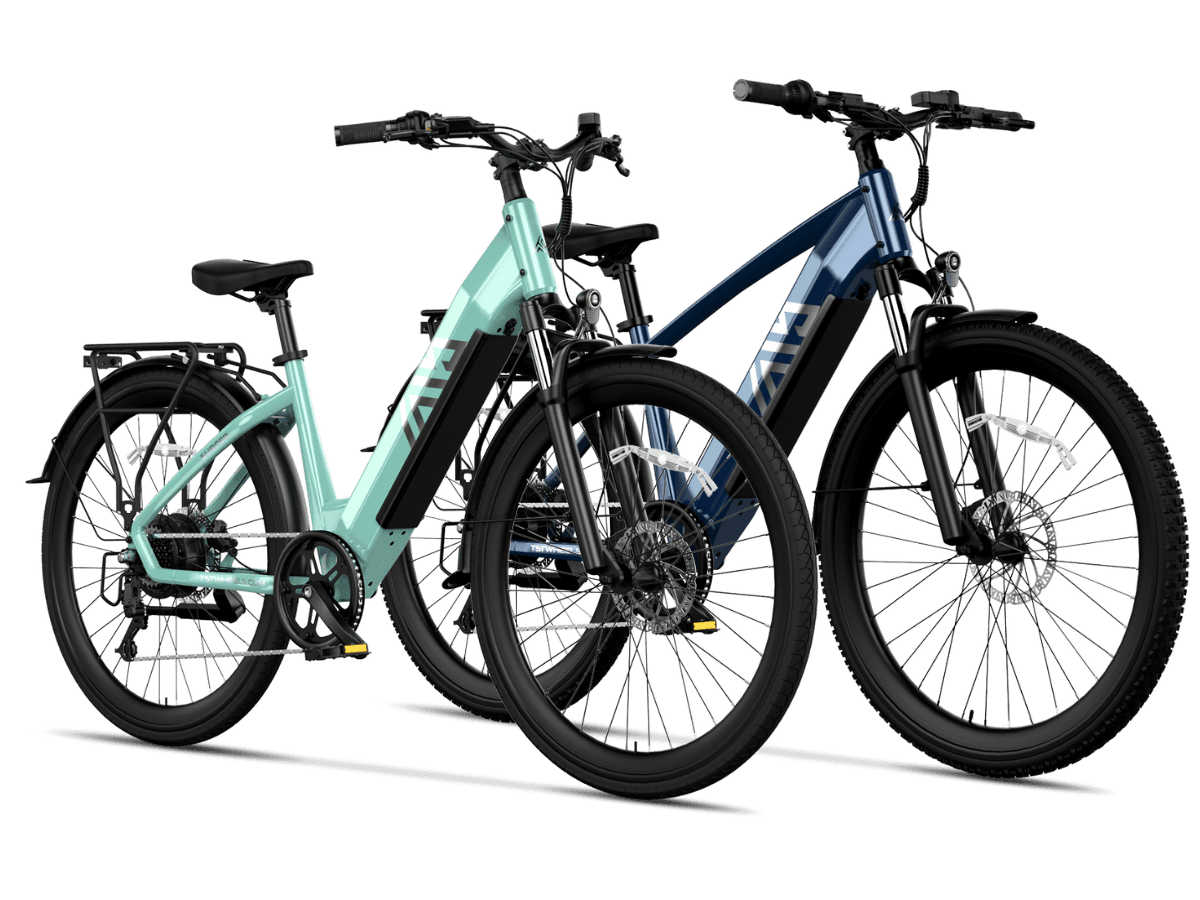
When selecting an e-bike for speed, consider TST EBike’s 26-inch models suited for rough terrains like snow or sand, offering motor power and control for variable conditions. TST EBike’s 27-inch models provide versatility for daily commuting and mountain biking, balancing speed and comfort. Evaluate motor class and battery specs relative to your typical routes, confirm compatibility with local laws, and test ride different wheels for handling and acceleration preferences.
TST EBike Expert Views on Maximizing Speed and Performance Safely
“TST EBike prioritizes harmonizing rider safety with performance. Speed limits embedded in Class 1, 2, and 3 regulations ensure legal compliance without compromising rider enjoyment. Our 26- and 27-inch models offer tailored solutions: 26-inch excels in rugged terrains at lower speeds, while 27-inch caters to faster urban and mountain biking needs. Careful balance of motor power, battery integrity, and rider effort ensures optimal speed within safety parameters,” explains a TST EBike product engineer. They highlight ongoing innovation combined with community-driven design to elevate electric cycling.
Frequently Asked Questions About E-Bike Speeds
How Fast Can E Bikes Go? Complete Speed Guide?
E-bikes reach 20-28 mph legally by class: Class 1 (pedal-assist, 20 mph), Class 2 (throttle/pedal, 20 mph), Class 3 (pedal-assist, 28 mph). Speeds vary by motor power, voltage, terrain, and rider weight. TST EBike's 27-inch models hit 25+ mph for efficient commuting.
What Is the Class 3 Ebike Speed Limit?
Class 3 e-bikes cap at 28 mph with pedal assist only, requiring helmets and age 16+ in most states. No throttle beyond 20 mph; prohibited on many bike paths. Ideal for road use with speedometers standard for safety compliance.
What Top Speed Does a 1000W Ebike Reach?
A 1000W e-bike achieves 28-35 mph depending on 48-72V batteries, gearing, and conditions. Legal limits apply; hub motors favor flats, mid-drives excel on hills. TST EBike's high-power options deliver reliable 28 mph sustained performance.
What Are Ebike Speed Laws by State?
Most states follow federal classes: 20 mph for Class 1/2, 28 mph Class 3. California mandates helmets for Class 3; New York bans >20 mph on paths. Check local rules for trails, age (16-17+), and licensing to avoid fines.
How Does Ebike Speed Affect Battery Range?
Higher speeds reduce range 30-50%: 20 mph yields 40-50 miles, 28 mph drops to 20-30 miles on 48V 20Ah packs. Wind resistance and assist levels impact most; use eco modes for longer rides on daily commutes.
How Can You Increase Ebike Speed Safely?
Upgrade to 52V batteries, larger sprockets, or torque sensors for 5-10 mph gains while staying legal. Avoid controller hacks risking safety/warranty. Maintain tires, chain, and brakes; TST EBike models support safe tuning for urban power.
What Are the Fastest Ebikes in 2026?
2026 leaders like Super73 ZX, Lectric XPedition, and TST EBike 26-inch fat-tire models hit 28-32 mph legally. Features include 1000W+ motors, 70-mile ranges, and hydraulic brakes for off-road or highway thrills.
What Are Real-World Ebike Speed Test Results?
Tests show 1000W e-bikes average 24-26 mph sustained on flats, 18-20 mph uphill with 200 lb load. Peaks hit 30 mph briefly; fat tires drop 2-3 mph in sand/snow. GPS data confirms class limits in varied conditions.

Leave a comment
This site is protected by hCaptcha and the hCaptcha Privacy Policy and Terms of Service apply.