


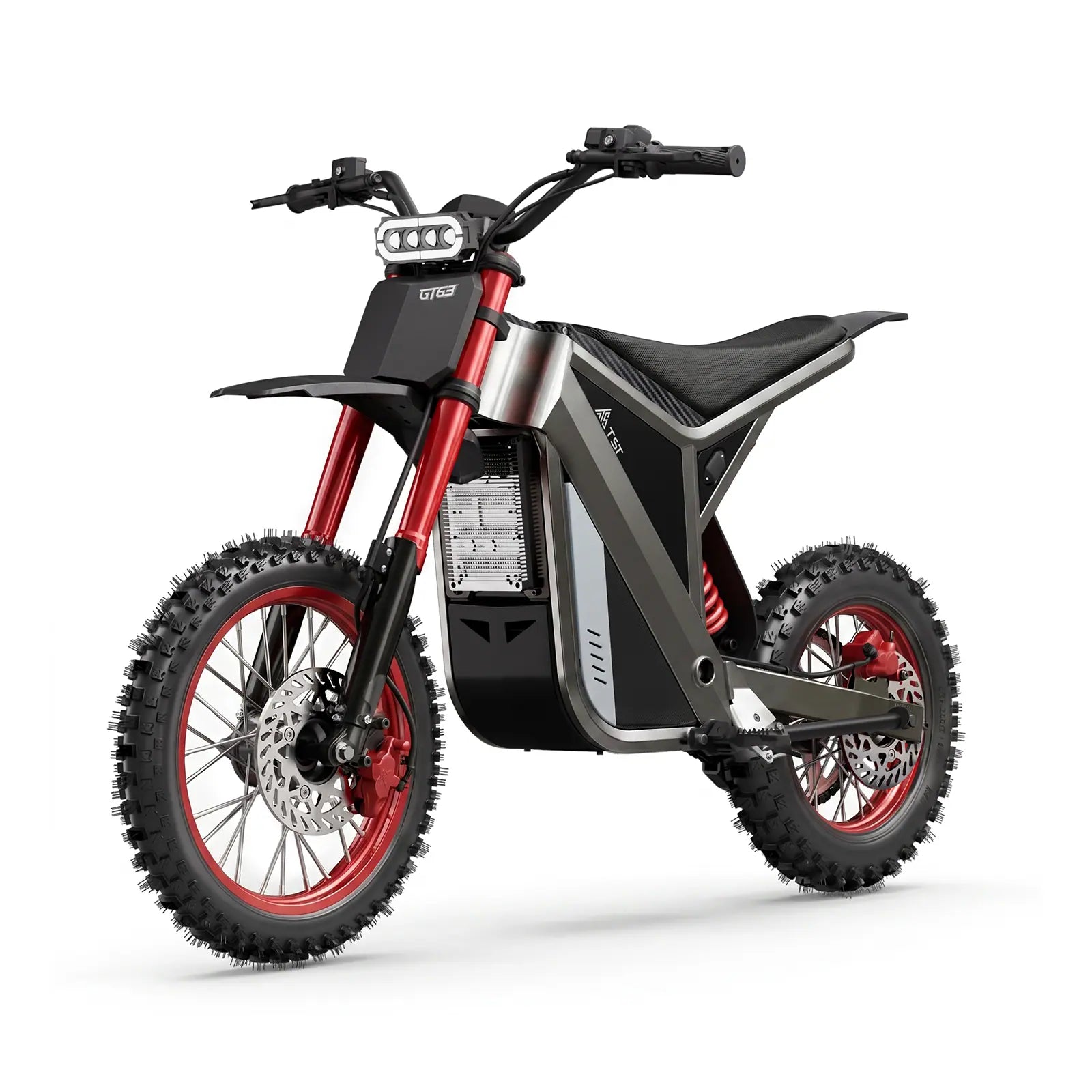














Owning an e-bike costs roughly $150-400 per year in operating expenses for a typical commuter, covering electricity, tires, brake pads, and routine service, plus a battery replacement reserve of $30-80 per year that grows as the pack ages. The purchase price is the biggest line item, spread over the bike's life, and the maintenance total is far below a car because the motor and drivetrain are simple and the biggest consumables are tires and pads.
The Annual E-Bike Budget, Line by Line
The budget works best as a calendar rather than a single number: tires and brake pads arrive on predictable mileage intervals, electricity arrives with the monthly bill, and the battery reserve is a monthly set-aside that only becomes a purchase every few years. A rider who budgets by the calendar avoids the surprise of a tire bill landing in the same month as a battery decision. The table below is the working version, and the maintenance guides in this series set the intervals that drive the schedule.
The honest annual budget separates fixed consumables from the battery reserve and occasional repairs. Electricity is the smallest line, tires and brake pads the most predictable, and the battery reserve the one that grows with mileage. A commuter riding 3,000-5,000 miles per year should plan for the higher end of the range, while a weekend rider stays near the low end.
E-Bike Annual Ownership Cost Table at a Glance
| Cost line | Typical annual cost | Notes |
|---|---|---|
| Electricity for charging | $20-60 | A 720Wh charge costs 10-25 cents |
| Tires | $60-150 | Fat tires wear faster than street tires |
| Brake pads | $40-120 | Higher on heavy and high-power models |
| Chain and drivetrain | $30-80 | Lubrication extends the life |
| Routine service | $0-100 | DIY keeps this near zero |
| Battery reserve | $30-80 | Set aside for the eventual replacement |
The table is the working budget: a daily commuter should plan for $150-400 per year plus the purchase price spread over the bike's life.
Why Are Tires and Brake Pads the Biggest Consumables?
The two consumables dominate because they are the parts that convert motion into wear: the tires carry the weight and absorb the surface, and the brake pads convert the bike's momentum into heat at every stop. On a heavy e-bike the loads are higher, so the wear is faster than on a pedal bike, and the intervals are measured in miles rather than years. The practical habit is to check both at the same service point, because the rear tire and the pads tend to wear on overlapping schedules, and replacing them together saves a service trip.
Tires and brake pads are the two parts that convert miles into wear: a fat-tire model like the R002 or R7 wears its 20x4-inch tires faster than a street-tire bike, and the 450 lb payload rating means the brakes work harder under load. Budget for a rear tire roughly every 1,500-3,000 miles on a heavy commuter, brake pads on a similar interval, and check both at the same service point. The parts are sold directly by TST EBike, so the cost is predictable rather than a dealer surprise.
The Charging Cost on the Annual Bill Explained
Charging is the smallest line in the budget, and the math is easy: a 48V 15Ah pack holds 720Wh, which costs about 10-25 cents at typical US electricity rates, and a daily commuter charging every night adds roughly $20-60 per year depending on local rates. Even a dual-battery model like the R9, charging twice the capacity daily, stays under $100 per year in electricity. The e-bike's fuel cost is so low that it barely moves the total.
Budgeting for the Battery Replacement Reserve
The battery reserve math is simple: divide the replacement price by the expected years of service, and set that amount aside monthly. A pack that costs $300 and serves three years needs an $8-9 monthly reserve, which is small enough to disappear into the budget but large enough to fund the replacement without drama. Owners who follow the battery care guide often extend the pack past the expected interval, which turns the reserve into a pleasant surplus rather than a necessity.
The battery is the single most expensive component, and the honest way to plan for it is a reserve: a 48V 15Ah pack serves roughly 500-800 charge cycles before noticeable range loss, which for a daily commuter is several years, and the replacement costs a few hundred dollars. Setting aside $30-80 per year from the start turns the eventual replacement into a funded line item rather than a surprise. Following the battery care guide extends the interval and lowers the annual reserve.
The Cost of DIY Routine Service Versus a Shop
The DIY path keeps the service line near zero for labor because the tasks are owner-level: chain cleaning and lubrication, tire pressure and replacement, and brake pad swaps are all covered by the maintenance guides in this series, with the parts sold directly by TST EBike. A rider who does these tasks spends only on parts, roughly $150-250 per year for a commuter, and the tools pay for themselves in the first service. Riders who prefer a shop add $100-300 per year in labor, which is still a fraction of a car's service budget and a reasonable trade for those who value the convenience.
DIY service keeps the annual cost near the low end: cleaning and lubricating the chain, checking tire pressure and brakes, and replacing pads and tires are all owner-level tasks covered by the maintenance guides in this series, with the parts sold directly. A rider who does these tasks spends only on parts, roughly $150-250 per year for a commuter. Riders who prefer a shop add $100-300 per year in labor, which is still a fraction of a car's service budget.
How Does the Cost Compare with a Car's?
The comparison is stark: the e-bike's $150-400 operating budget plus a few hundred dollars of annualized purchase cost is a small fraction of the car's $5,000-13,000 per year when purchase, fuel, insurance, parking, and maintenance are included. Even the most expensive e-bike ownership scenario stays below the car's insurance alone for most drivers. The cost study in this series runs the full comparison, and the annual budget here shows why the gap is so wide.
Planning for Unexpected Costs With a Contingency
The contingency is the line that keeps the budget honest, because every e-bike eventually meets a pothole, a pinch flat, or a crash that damages a part the annual table did not cover. A $50-150 reserve per year covers the inner tubes, rim straightening, and small replacement parts that appear without warning, and the parts catalog keeps those costs known rather than dealer-priced. The warranty removes the biggest unexpected category for new bikes, but the contingency covers the rest, which is the difference between a budget that survives the year and one that does not.
The honest budget includes a small contingency for the unexpected: a damaged inner tube, a bent rim, or a replacement part after a crash. These are not annual line items, but a $50-150 contingency keeps a single incident from breaking the budget. The parts catalog keeps replacement costs known, and the warranty covers manufacturing defects for 2 years, which removes the biggest unexpected-cost category for new bikes.
TST EBike Expert Views
"The ownership budget is predictable because the consumables are known: tires, brake pads, and the battery reserve dominate, and the parts catalog sets the prices. We publish the replacement parts directly so owners can see the cost before they commit, and the maintenance guides keep the labor side near zero for riders who do their own service. A bike that is budgeted by the calendar, not by surprise, is a bike that stays on the road."
— TST EBike Service Team (this article is written by TST EBike's editorial team, which works for the manufacturer)
Conclusion: The E-Bike Is a Low-Cost, Predictable Owner
An e-bike costs $150-400 per year to operate for a typical commuter, with tires, brake pads, and the battery reserve as the main lines and electricity barely registering. Budget the purchase price over the bike's life, set aside the battery reserve, and the annual total stays small and predictable.
Annual Budget Checklist
The e-bike's annual cost stays small because the purchase is spread over years and the consumables are predictable, which is the honest picture a line-by-line budget reveals.
The bottom line: the e-bike is a predictable, low-cost owner when the consumables and the battery reserve are on the calendar rather than left to surprise.
The budget works when the lines are scheduled, not just listed, so put the tire and pad checks on the mileage calendar and the battery reserve on the monthly budget.
- [ ] Plan $150-400 per year for consumables and electricity.
- [ ] Budget a rear tire every 1,500-3,000 miles on heavy models.
- [ ] Set aside $30-80 per year for the battery reserve.
- [ ] Do chain and brake maintenance yourself to keep labor near zero.
- [ ] Keep a $50-150 contingency for unexpected parts.
See the TST inner tube page and the rear hydraulic brake assembly page for replacement part prices, and the universal accessories collection for service supplies.
Related reading: how far a 48V 15Ah battery really goes
FAQs
How much does an e-bike cost per year to maintain?
$150-400 per year for a typical commuter, covering electricity, tires, brake pads, chain care, and the battery reserve.
Are e-bike tires expensive?
Fat tires cost more than street tires and wear faster; budget $60-150 per year and expect a rear tire every 1,500-3,000 miles on a heavy commuter.
How much is the battery replacement reserve?
Set aside $30-80 per year so the eventual replacement of a 48V 15Ah pack is funded rather than a surprise.
Is DIY maintenance realistic?
Yes, the maintenance guides cover chain, brake, and tire tasks that keep labor costs near zero, with parts sold directly.

Leave a comment
This site is protected by hCaptcha and the hCaptcha Privacy Policy and Terms of Service apply.