




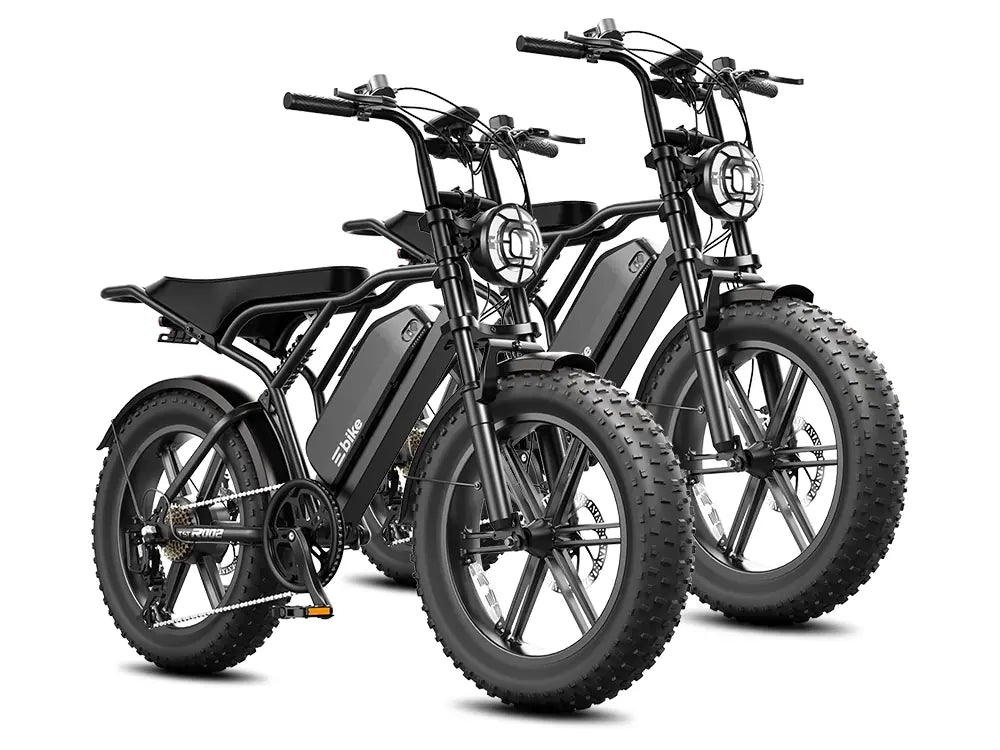
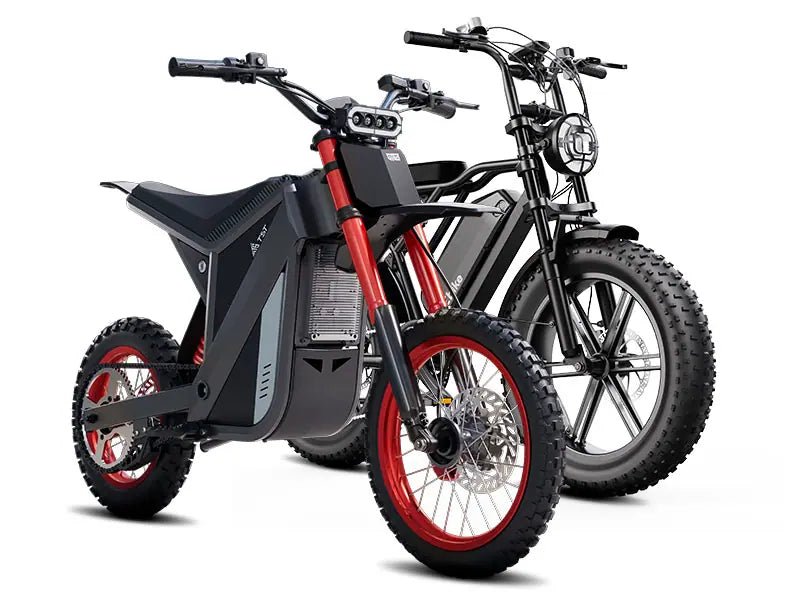
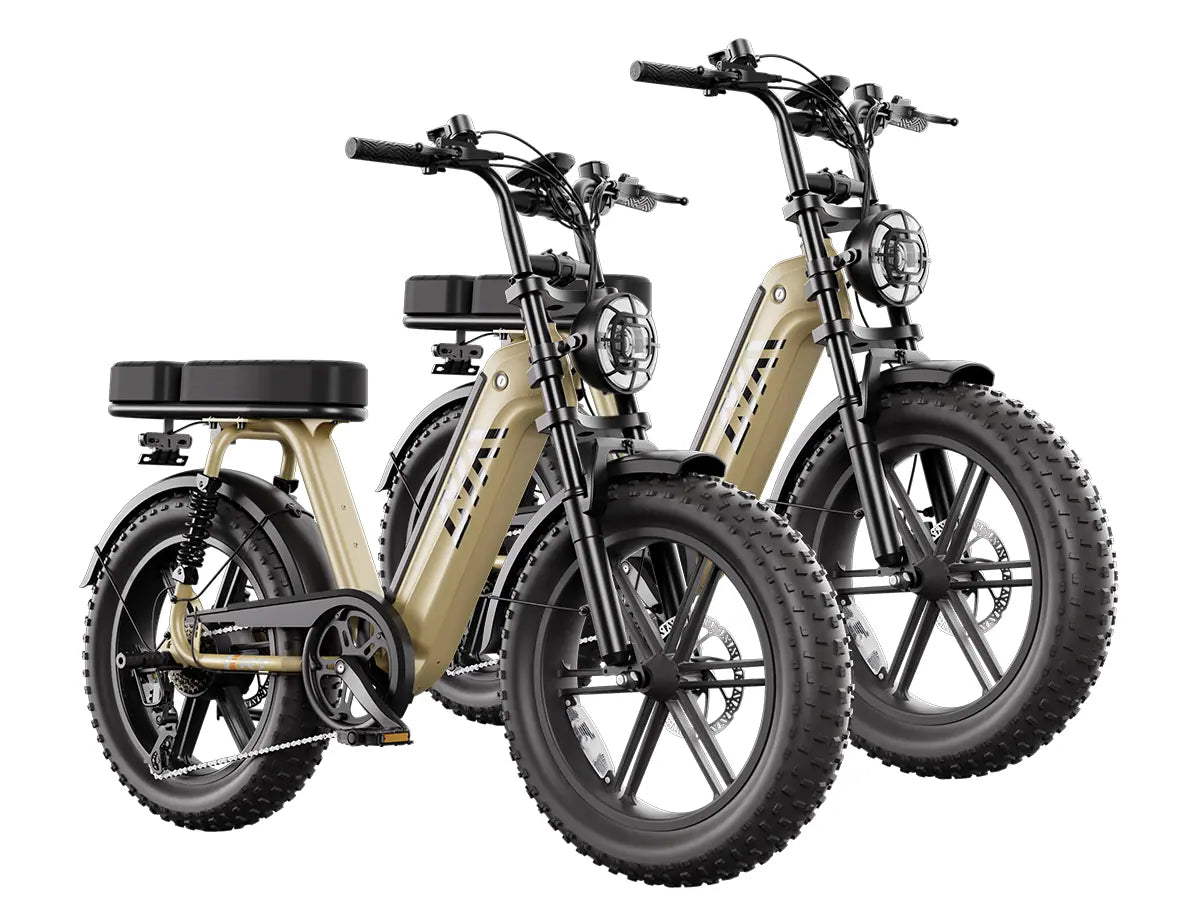
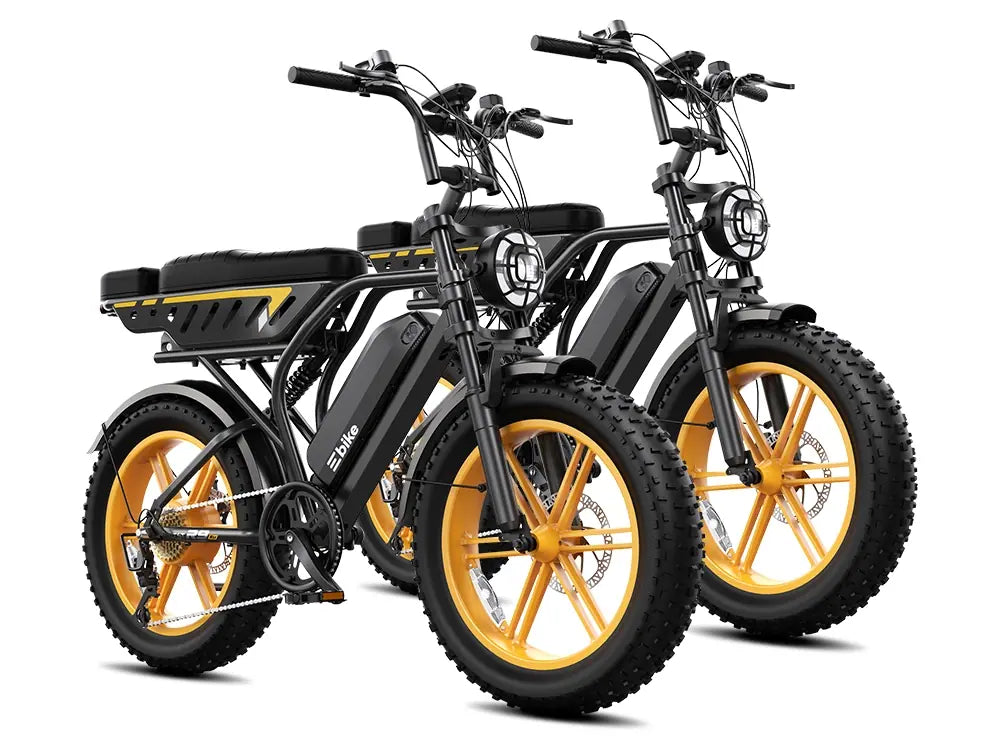
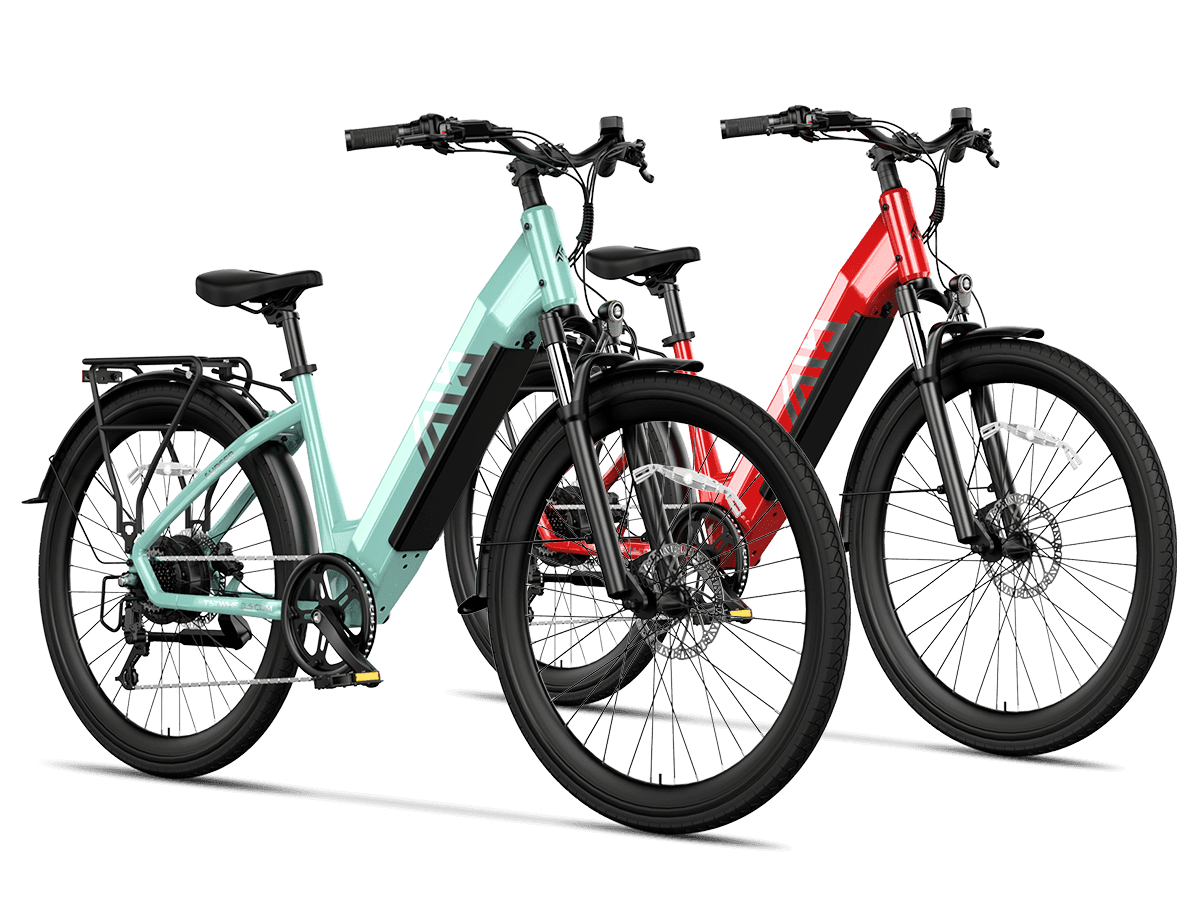
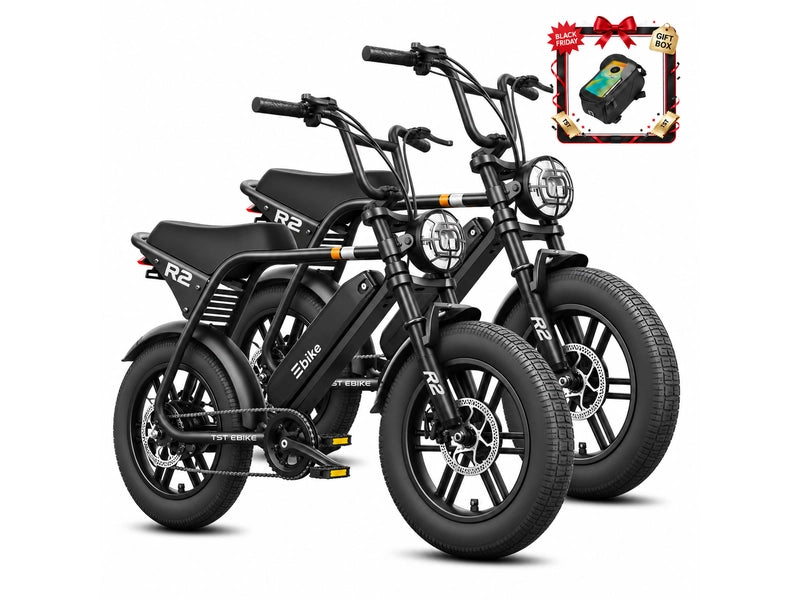
A battery key lock keeps the pack from sliding out of its mount, but it does not stop a determined thief with basic tools, and it was never designed to. Whether you should leave the battery locked in place or remove it and carry it with you depends on how long you're parking, how exposed the location is, what your destination allows, and whether the battery can even be removed and reinstalled without risk to its contacts.
What the battery lock actually does
The lock built into most removable e-bike batteries is a mechanical latch: turn the key, and a pin or bolt engages with the frame or rack mount so the pack can't be pulled or slid free by hand. That's retention, not theft prevention. UK police guidance on e-bike theft is direct about this distinction — while some models let you lock the battery to the bike, officers advise taking the battery with you for any length-of-time public parking, because a thief can defeat these locks fairly easily. Independent security guides echo the same point: a factory battery lock is worth using when you can't remove the pack, but it functions best as a deterrent to casual theft, not as a barrier to someone who arrives prepared to pry, drill, or force the latch.
That doesn't make the lock pointless. Engaging it is still the right move whenever you're stepping away briefly — grabbing coffee, a quick errand — because it closes the gap for an opportunistic grab. The decision changes once the bike is going to sit unattended for longer, in a less controlled location, or overnight.
Deciding whether to remove the battery
Use the actual conditions of the stop to make this call rather than a fixed rule, since the same bike can warrant different handling depending on where and how long it's parked.
Take the battery with you when the bike will be out of sight for more than a few minutes, when you're parking somewhere with limited foot traffic or lighting, when you're leaving it overnight, or when your destination — an apartment building's outdoor rack, a train platform, a shared bike room — has had reported theft or offers no supervision. Removing the battery also protects it from the specific risks of being left in the open: exposure to rain or snow at the charging port and contacts, freezing temperatures that reduce capacity and can stress the cell chemistry, and direct sun or heat buildup against a dark battery casing in summer.
Leaving the battery locked in place, engaged, may be reasonable for short, visible stops in a well-trafficked area where you can see the bike, or on a bike whose battery removal procedure is awkward, heavy, or not something you want to do repeatedly through the day. If you do leave it, treat the factory lock as your first layer only — add a separate physical lock, such as a cable or folding lock routed through the battery's carry handle or housing and anchored to the frame, so a thief has to defeat two independent mechanisms rather than one.
Where your building, transit stop, or workplace has specific rules — no e-bike batteries in certain storage areas, required fire-safe charging cabinets, or a ban on removed batteries being left in common hallways — follow that policy over general advice, since local fire and building rules on lithium battery storage take priority over any theft-prevention preference.
Handling the battery correctly during removal
If you do remove the battery, follow your bike's exact procedure rather than a generic one, since mounting hardware, latch direction, and connector design vary by model. Power down the display and motor before removing or reseating the battery, insert and turn the key only as far as the lock mechanism requires, and avoid forcing a battery that doesn't seat or release smoothly — a stuck latch or misaligned connector is worth checking against the manual before applying more force. Once removed, cover the exposed terminals or the empty mounting bay if your bike's design leaves contacts open to the frame, since moisture or debris on an exposed connector can cause a fault at reinstallation. Store the removed battery indoors at room temperature rather than in a hot car, a cold garage, or direct sun, and don't rest it somewhere it could be knocked, dropped, or have something stacked on top of it.
What actually deters theft: locking the frame and wheels
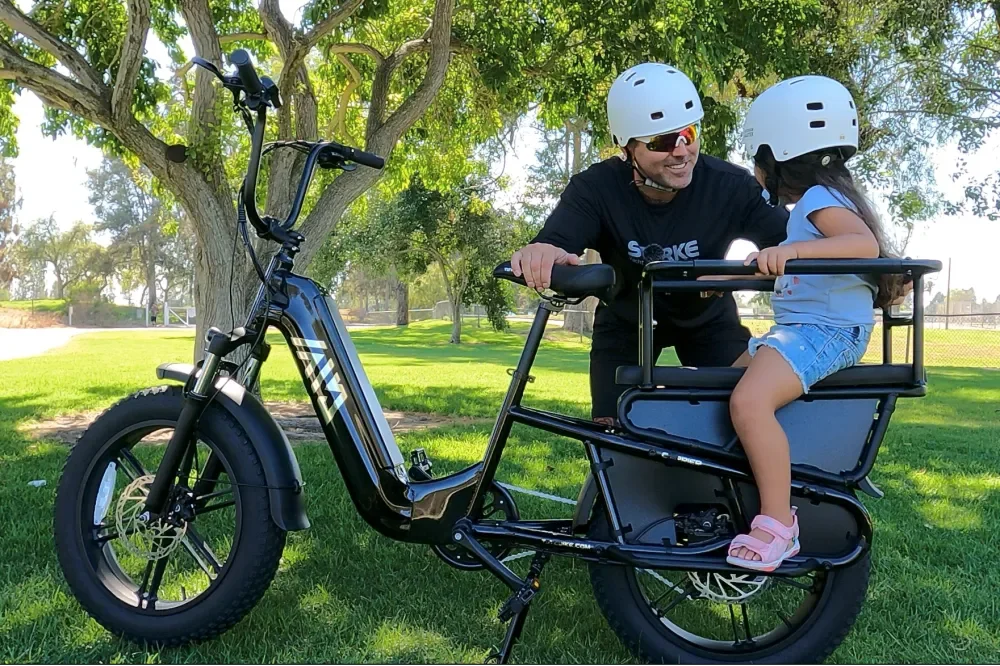
A locked-in battery does nothing to protect the rest of the bike, and cargo, step-through, and moped-style e-bikes are heavy, valuable targets on their own. Security guidance from lock manufacturers consistently recommends locking the frame and at least one wheel to a fixed object that can't be cut, lifted over, or easily unbolted — a proper bike rack, not a thin sign post or a fence — and getting the tightest possible fit inside the lock so there's minimal room for tools. A chain offers flexibility to loop through frame and wheel simultaneously, while a folding lock is easier to carry and mount on the bike itself; either is a reasonable primary choice depending on the bike's geometry, with a second lock recommended for higher-value setups.
Detachable accessories — lights, a phone mount, a rear seat pad, a GPS unit not hardwired into the bike — are typically easy grabs and worth bringing with you rather than leaving on an otherwise well-locked bike, for the same reason the battery deserves separate consideration.
What to have on record before anything goes missing
If a battery or the bike itself is stolen, recovery and any police report depend on documentation you should gather before parking, not after. Record the bike's exact model and frame or serial number, and the battery's model number if it's printed separately from the bike's main identifier, then photograph both. Keep this information somewhere other than on the bike itself — a note on your phone or an email to yourself works — and avoid posting serial numbers or other unique identifiers publicly, since that information can help someone falsify ownership. Registering the bike with a recognized bike registry gives police a way to trace ownership quickly if a stolen bike or battery turns up in someone else's possession, and a visible registration mark or sticker is itself a mild deterrent, since it signals to a thief that the bike is traceable.
If a theft does happen, report it to local police with the serial number and photos on hand, and separately report it to any registry you used, since these are different systems that don't automatically share data.
Matching security effort to your specific bike
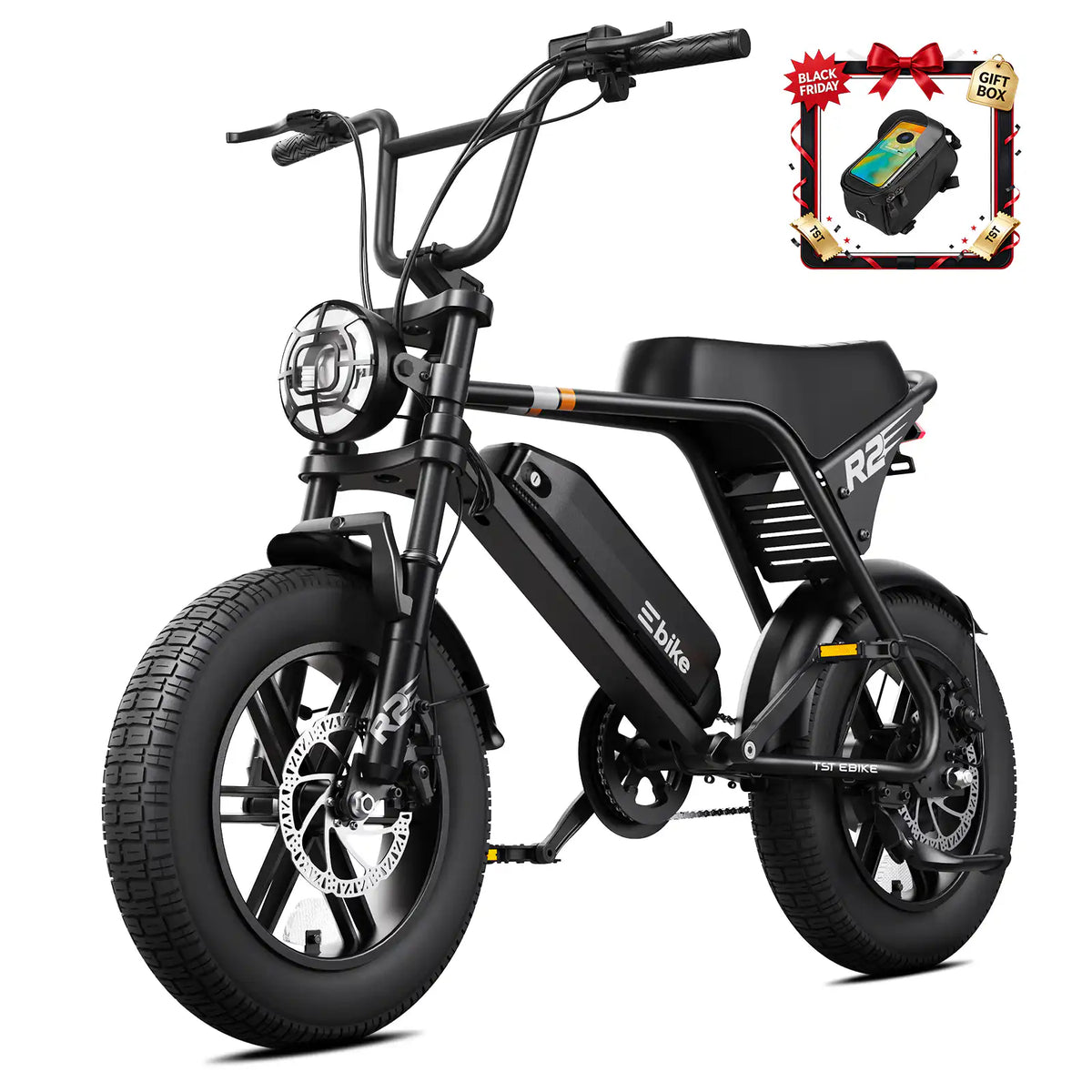
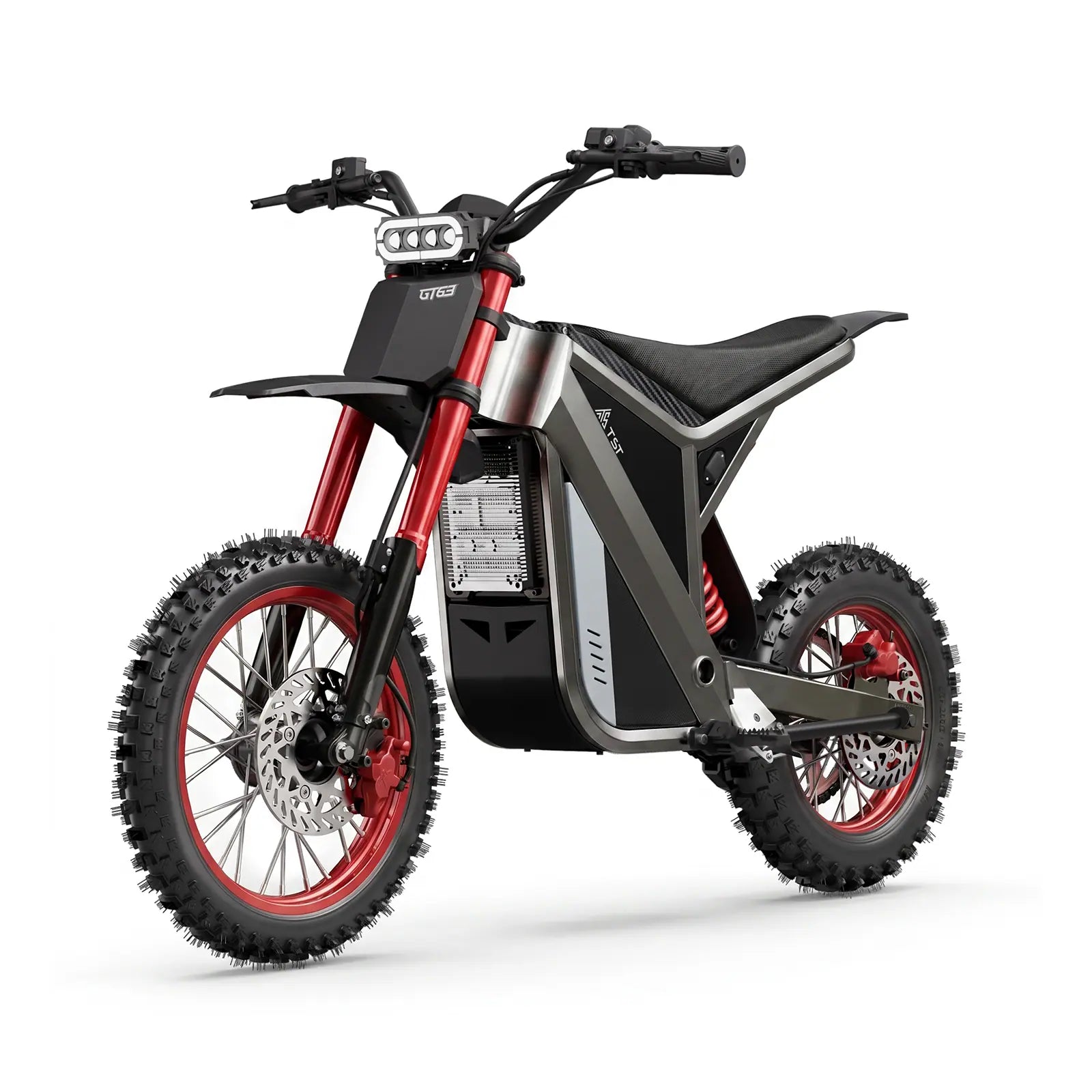
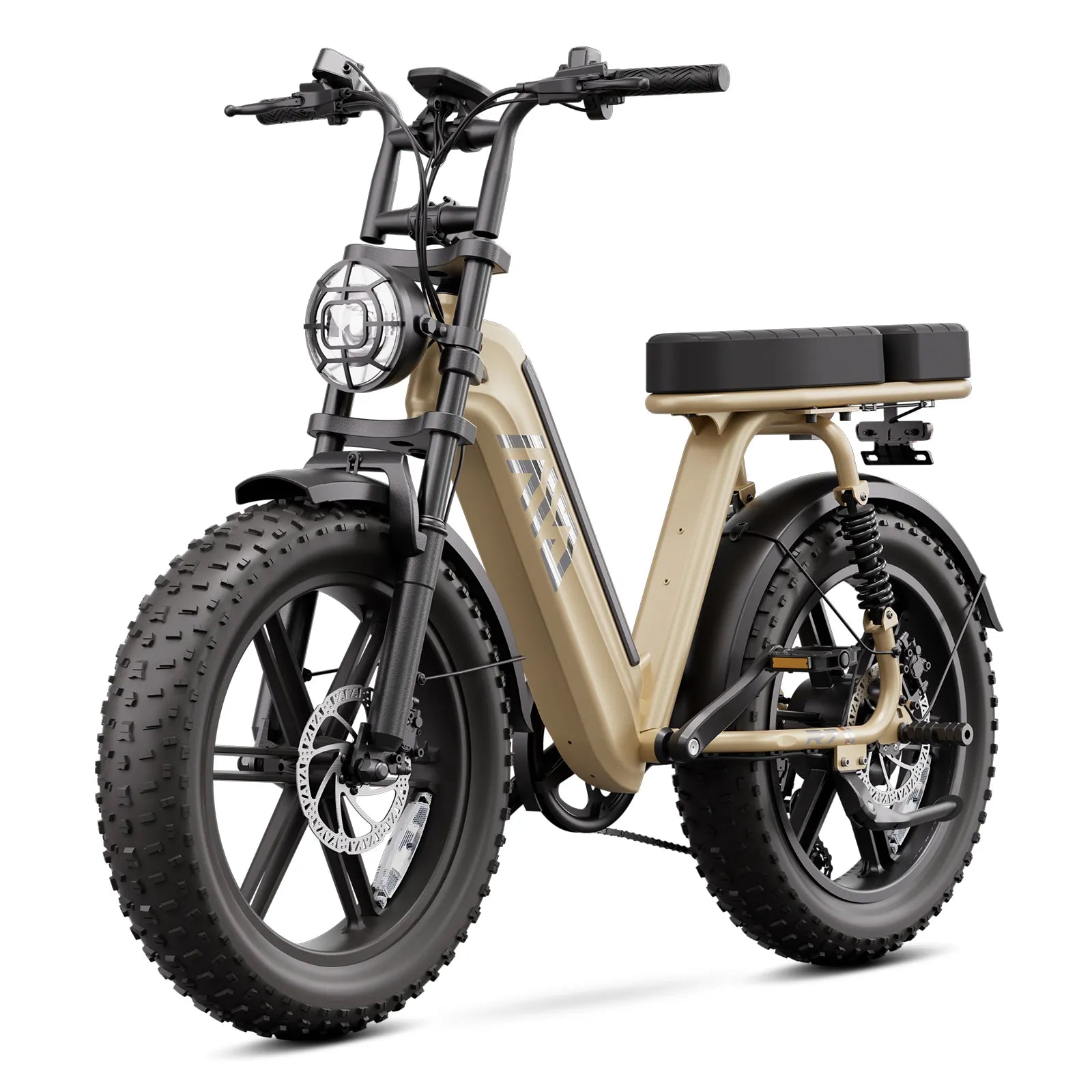
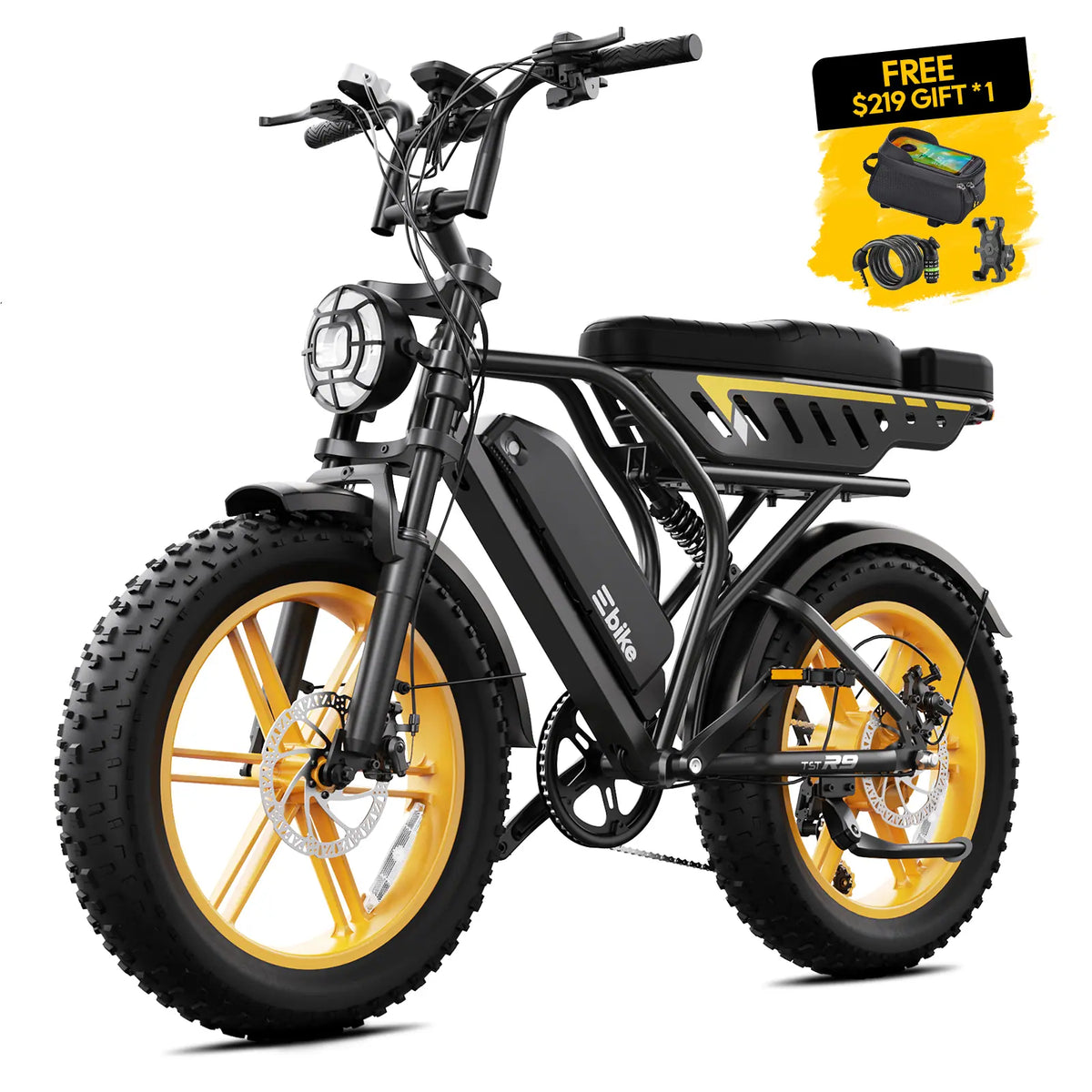
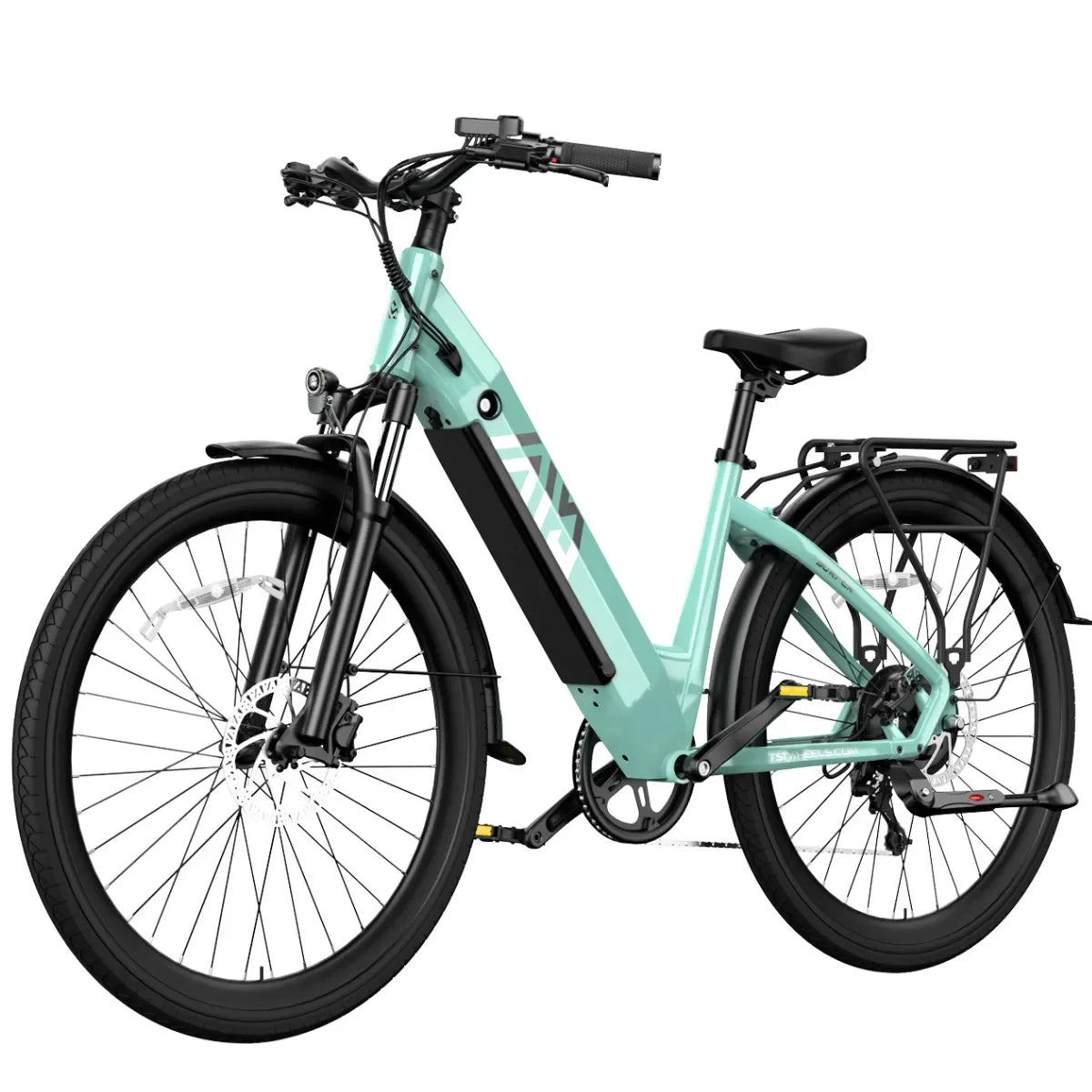
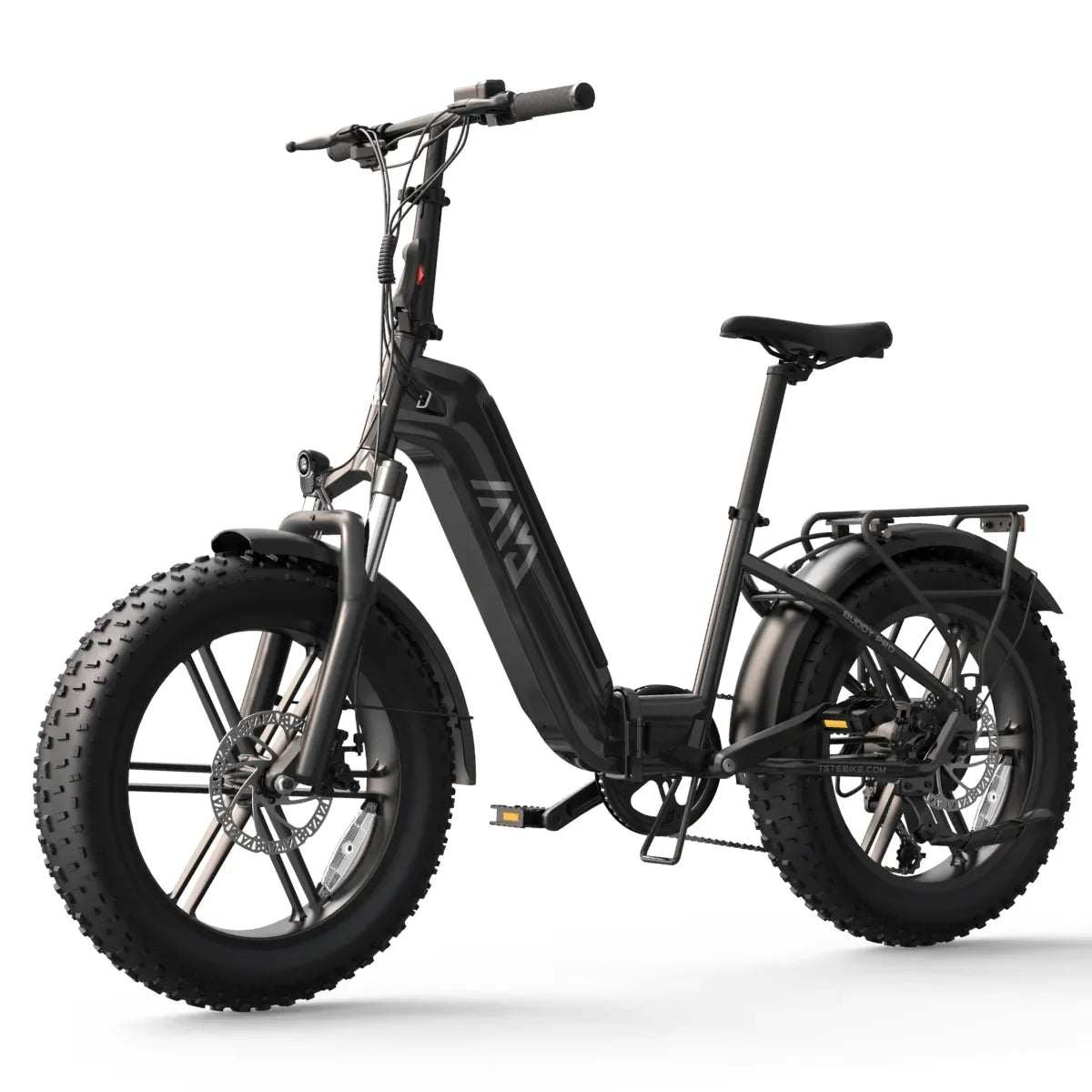
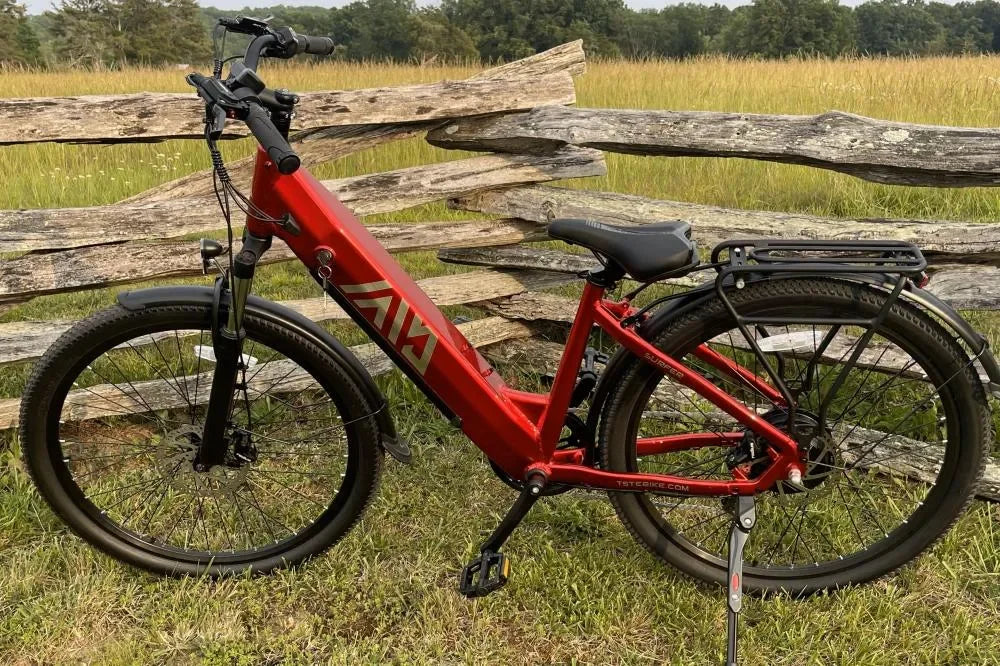
How much this matters in practice depends on the bike you're securing. TST's current lineup spans lighter step-through and commuter models around 57 to 72 pounds up to heavier cargo and dual-battery models in the 82- to 97-pound range, and battery capacity scales similarly, from single 10Ah packs up to dual-battery setups exceeding 30Ah combined. A heavier cargo bike with a larger, more expensive battery pack is a higher-value target and a harder bike to carry away quickly, which shifts the calculation toward removing the battery whenever the stop isn't brief and supervised. Confirm your exact model's battery removal procedure, mounting location, and any lock hardware included with the bike on its current product page or owner's manual before relying on it as your only layer of protection.
For current specifications on battery capacity, weight, and mounting across TST's lineup, the model comparison page is the reference point for matching your bike's exact configuration to the security approach that fits it.

Leave a comment
This site is protected by hCaptcha and the hCaptcha Privacy Policy and Terms of Service apply.