

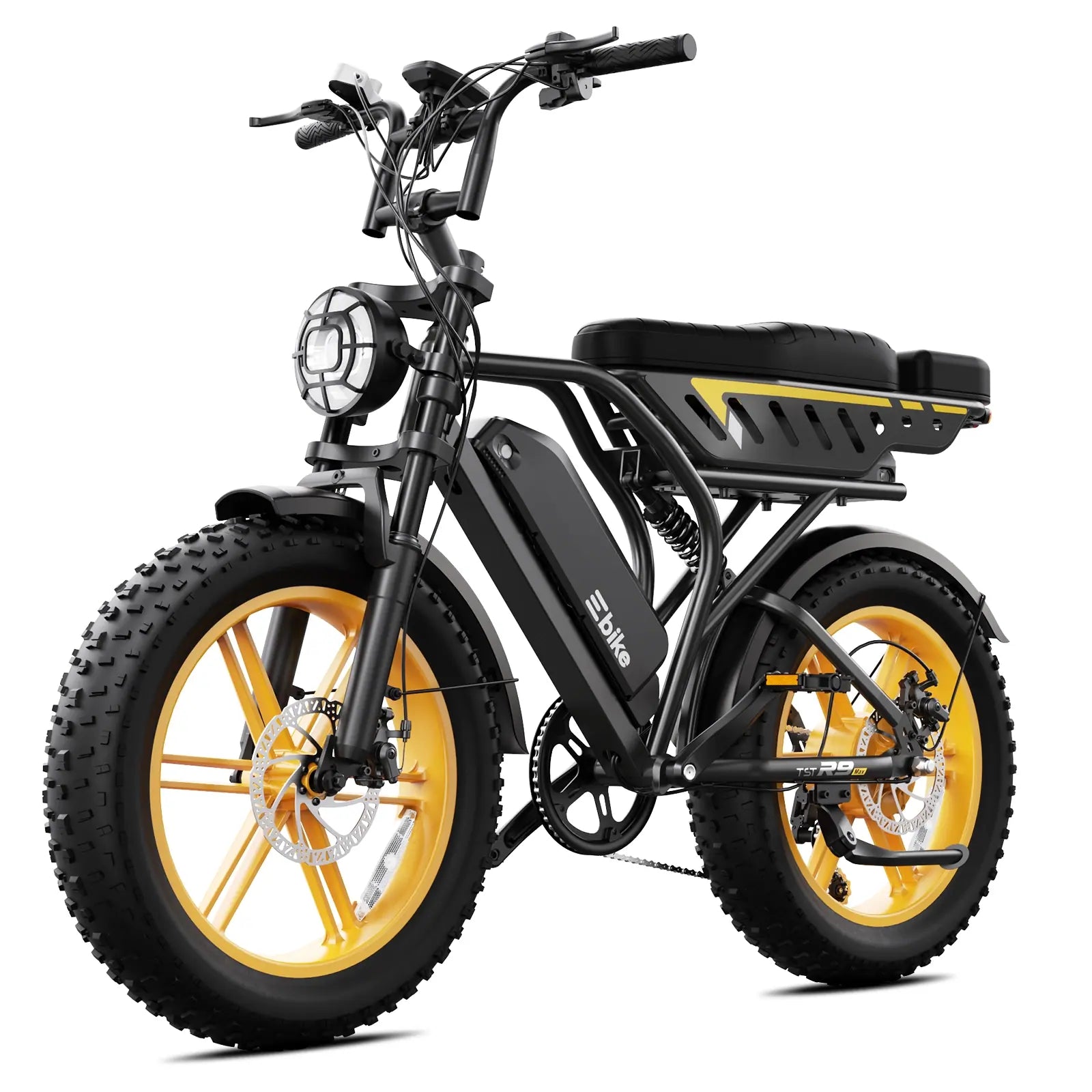
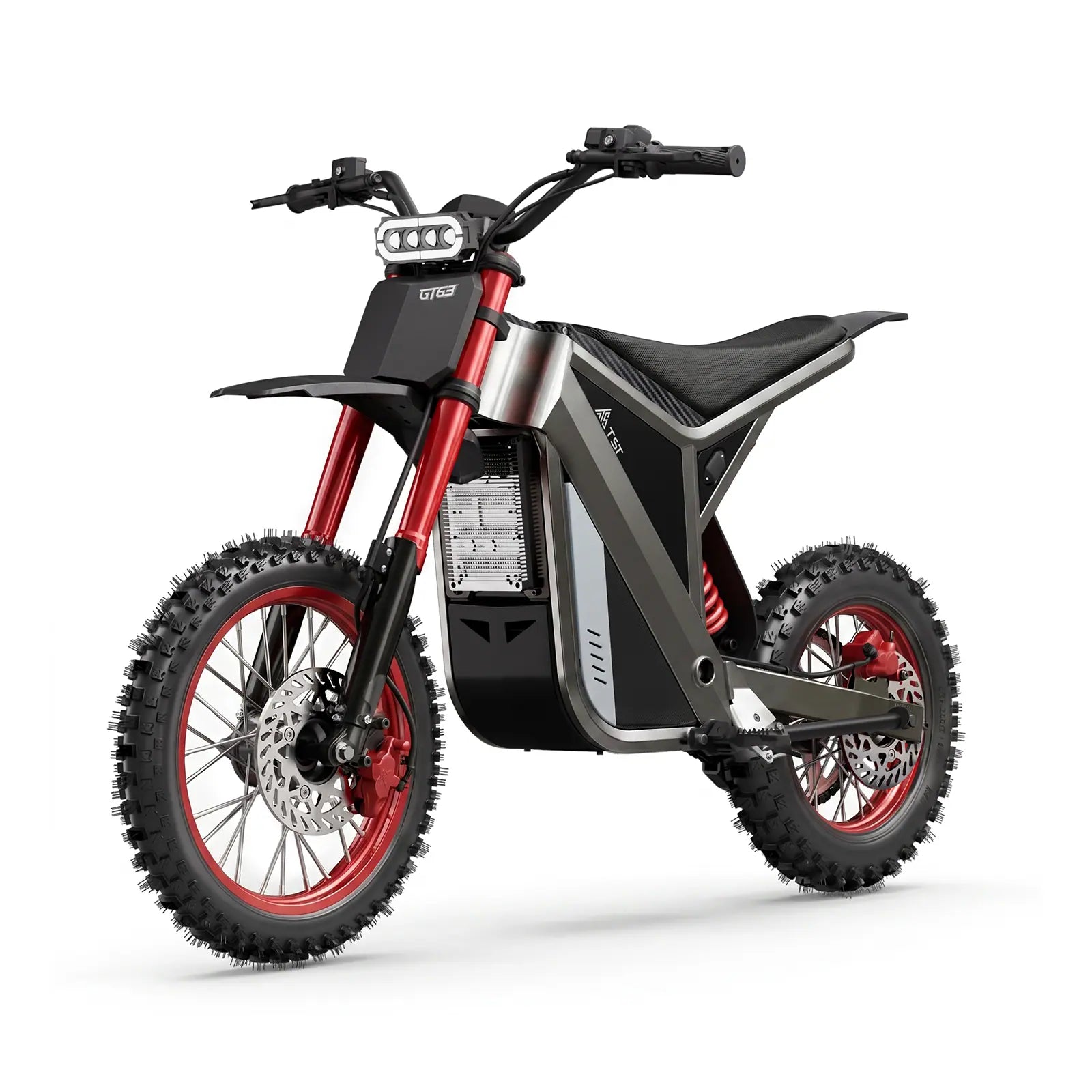









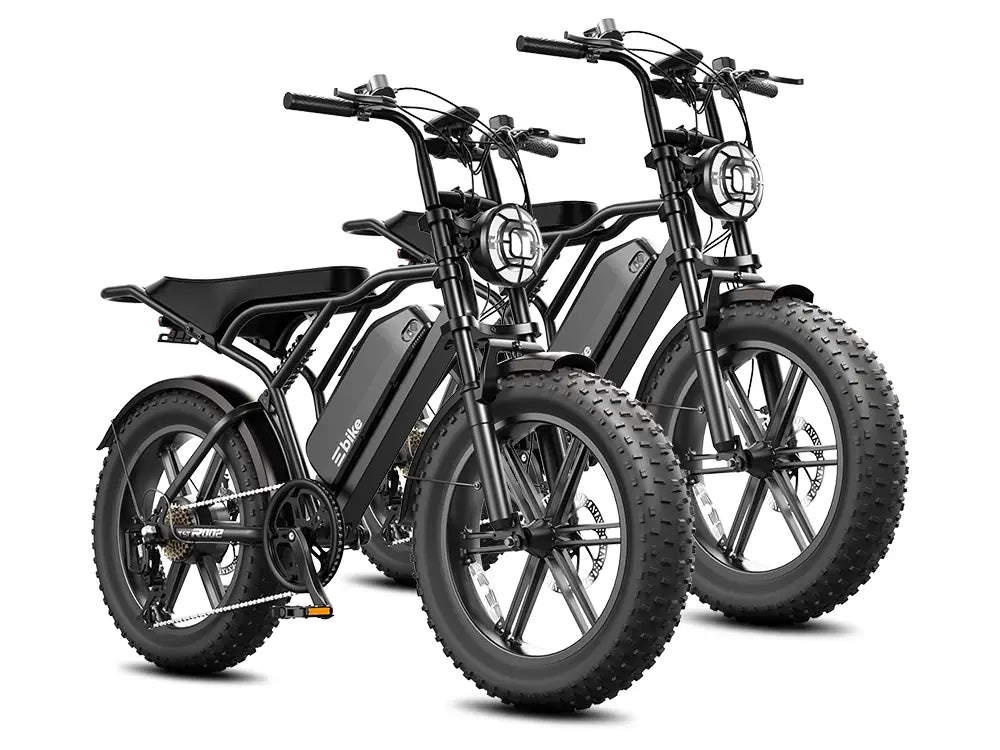
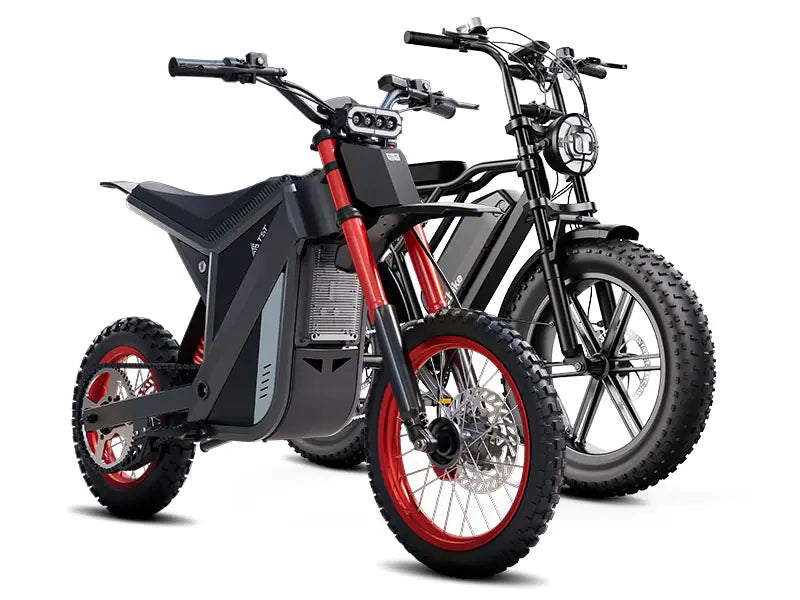

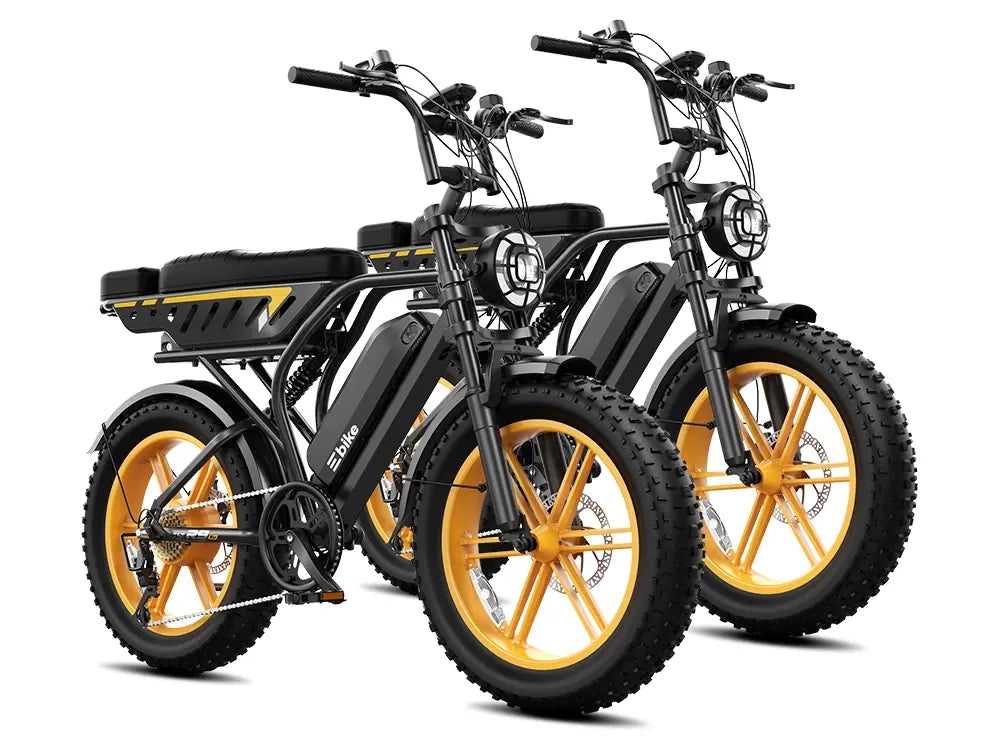

The best phone mount for rough e-bike rides is a vibration-dampening handlebar mount with a secure four-point grip, weather resistance, and a clamp that fits the handlebar diameter without blocking the controls; the vibration damping matters most, because the motor and rough roads shake a phone hard enough to damage the camera's image stabilization. Tested on the R002's full-suspension platform, the mount needs to hold through potholes without moving.
Why Does Vibration Damping Matter So Much?
The damage mechanism is specific and well documented: modern phone cameras use image stabilization that relies on small moving elements, and the constant vibration of an e-bike motor at riding speed can shake those elements against their limits, causing the autofocus to fail or the stabilization to stop working. The same vibration shortens the phone's internal connectors over time. A damped mount absorbs the high-frequency shake before it reaches the phone, which protects a device that costs more than most e-bike accessories, making the damping the single most important mount feature.
E-bike vibration is different from a car's: the motor adds constant high-frequency vibration on top of the road bumps, and the phone's camera image stabilization systems are sensitive to exactly that frequency. Riders who mount phones without damping often find the camera stops focusing or the stabilization fails within months. The damping mount is not a luxury; it is the difference between a phone that survives and one that is damaged by the ride.
The Mount Types Compared for E-Bikes at a Glance
| Mount type | Vibration damping | Grip | Best for |
|---|---|---|---|
| Damped quad-lock style | Yes | Very secure | Rough rides, cameras |
| Friction clamp | No | Moderate | Smooth commutes |
| Magnetic | No | Moderate | Quick access, smooth roads |
| Bar-end mount | Varies | Secure | Alternative position |
The table shows why the damped mount wins for rough rides: the damping protects the phone, and the secure grip keeps it in place when the bike shakes.
The Handlebar Fit Check for a Busy Cockpit
The handlebar fit is the compatibility step that decides whether the mount works on an e-bike at all: the clamp must match the bar diameter, the position must leave the display, throttle, and brake levers clear, and the mount must not block the LCD readout the rider relies on for speed and battery. On the R002 the cockpit is already busy, so the mount sits in the center or the open section and the dry-fit happens before the ride. Measuring the bar and testing the position takes five minutes and prevents the most common reason mounts get returned.
The handlebar check covers diameter, space, and controls: the clamp must fit the bar diameter (typically 31.8mm or 25.4mm on e-bikes), leave room for the display and brake levers, and not block the LCD readout. On the R002, the handlebar space is occupied by the display, throttle, and brakes, so the mount should sit in the center or the open section. Measure the bar and dry-fit the mount before the ride.
Testing the Mount on Your Worst Surfaces
The test ride should reproduce the worst of the commute, not the best: potholes, gravel, and a hard braking stop, with the phone mounted and the camera recording to check for vibration damage. The mount should hold the phone without sliding or rotating, and the phone should stay level through the bumps, because a mount that shifts on the test will fail on the commute. Riders who skip the test discover the failure at the moment they need the phone most, which is the moment the test exists to prevent.
The test ride should include the worst surfaces you ride, not the smoothest: potholes, gravel, and a hard braking stop, with the phone mounted and the camera recording to check for vibration damage. The mount should hold the phone without sliding or rotating, and the phone should stay level through the bumps. A mount that shifts on the test will fail on the commute, so the test is the purchase decision.
What Weather Resistance Do You Need in a Mount?
The weather resistance requirement comes from the commute itself, because a phone mount sees spray even on dry days and rain on wet ones, and a mount whose grip fails when wet is a mount that drops a phone at speed. Look for a mount with a weather cover or water-resistant construction, and confirm the phone stays accessible for maps and controls, because a mount that protects the phone but hides the screen defeats the purpose. The mount that works in the rain is the mount that works every day, which is the standard a commuter should set.
The mount should protect the phone from rain and spray, because a commuting phone mount sees weather even on dry days, and the mount's grip should not fail when wet. Look for a mount with a weather cover or water-resistant construction, and confirm the phone stays accessible for maps and controls. The mount that works in the rain is the mount that works every day.
Phone Size and Case Compatibility With the Mount
The mount must fit the phone with its case, because most riders do not remove the case for the commute, and the grip should hold a cased phone securely without pressing the side buttons. Check the mount's width range against the phone plus case, and test that the buttons and screen remain usable. The size fit is the second most common reason mounts fail after vibration.
Charging the Phone on Long E-Bike Rides
For long rides, the mount should support a charging cable routed to the phone, with a port opening that fits the cable and a routing path that does not catch on the controls. Some mounts include wireless charging, which removes the cable entirely, at the cost of mount size. The R002's phone app and display cover most ride data, so the phone mount is primarily for navigation, which affects the charging choice.
The TST Phone Mounting Option and Its Limits
The TST handlebar bag and phone holder set is the practical starting point for commuters who want navigation and storage in one piece of kit, and it pairs with the brand's accessory catalog for the rest of the setup. For riders who want camera protection on rough surfaces, the dedicated damped mount is the stronger choice, and the two are not competitors: the bag carries the essentials and the damped mount protects the phone. Matching the mount to how the phone is used, navigation screen or camera, is the decision that matters.
TST EBike sells a handlebar bag and phone holder set that covers the essentials for commuters, with a secure holder for navigation and storage for the small items. For rough rides with camera protection, a dedicated damped mount is the stronger choice, and the TST accessory catalog includes the compatible options. The choice depends on whether the phone is a navigation screen or a camera you want to protect.
Conclusion: Damping, Grip, and Fit Decide the Mount
The best phone mount for rough e-bike rides combines vibration damping for the camera, a secure grip for the bumps, weather resistance, and a handlebar fit that leaves the controls clear. Test it on your worst surfaces, fit it to the phone with its case, and the mount becomes a reliable part of the ride.
Mount Buying Checklist
Test the mount on the surfaces you actually ride, and the damping, grip, and fit decisions settle themselves on the road.
Test the mount on the surfaces you actually ride, and the decision settles itself.
The bottom line: the damped mount protects a device worth more than the accessory, so choose the damping, test the grip on the worst surfaces, and fit it to the phone with the case on.
The mount protects a device worth more than most e-bike accessories, so the damping, the grip, and the fit are the three features that justify the purchase on rough rides.
- [ ] Choose a mount with vibration damping.
- [ ] Check the clamp against your handlebar diameter.
- [ ] Test the grip on potholes and gravel.
- [ ] Fit the phone with its case, buttons clear.
- [ ] Confirm weather resistance and charging access.
See the TST handlebar bag and phone holder set for a commuter option and the universal accessories collection for the full kit.
Related reading: your first week of e-bike commuting, day by day
FAQs
Does a phone mount really protect against vibration damage?
Yes, damped mounts absorb the motor and road vibration that can damage a phone camera's image stabilization, which is a real risk on e-bikes.
What mount type is best for rough rides?
A damped mount with a secure four-point grip, because the damping protects the camera and the grip holds the phone through the bumps.
Will the mount fit my e-bike handlebar?
Check the clamp range against your bar diameter (typically 31.8mm or 25.4mm) and leave room for the display, throttle, and brake levers.
Should I mount my phone on an e-bike at all?
For navigation, yes, with a damped mount; for long rides where you want the phone as a camera, protect it with the damping.

Leave a comment
This site is protected by hCaptcha and the hCaptcha Privacy Policy and Terms of Service apply.