

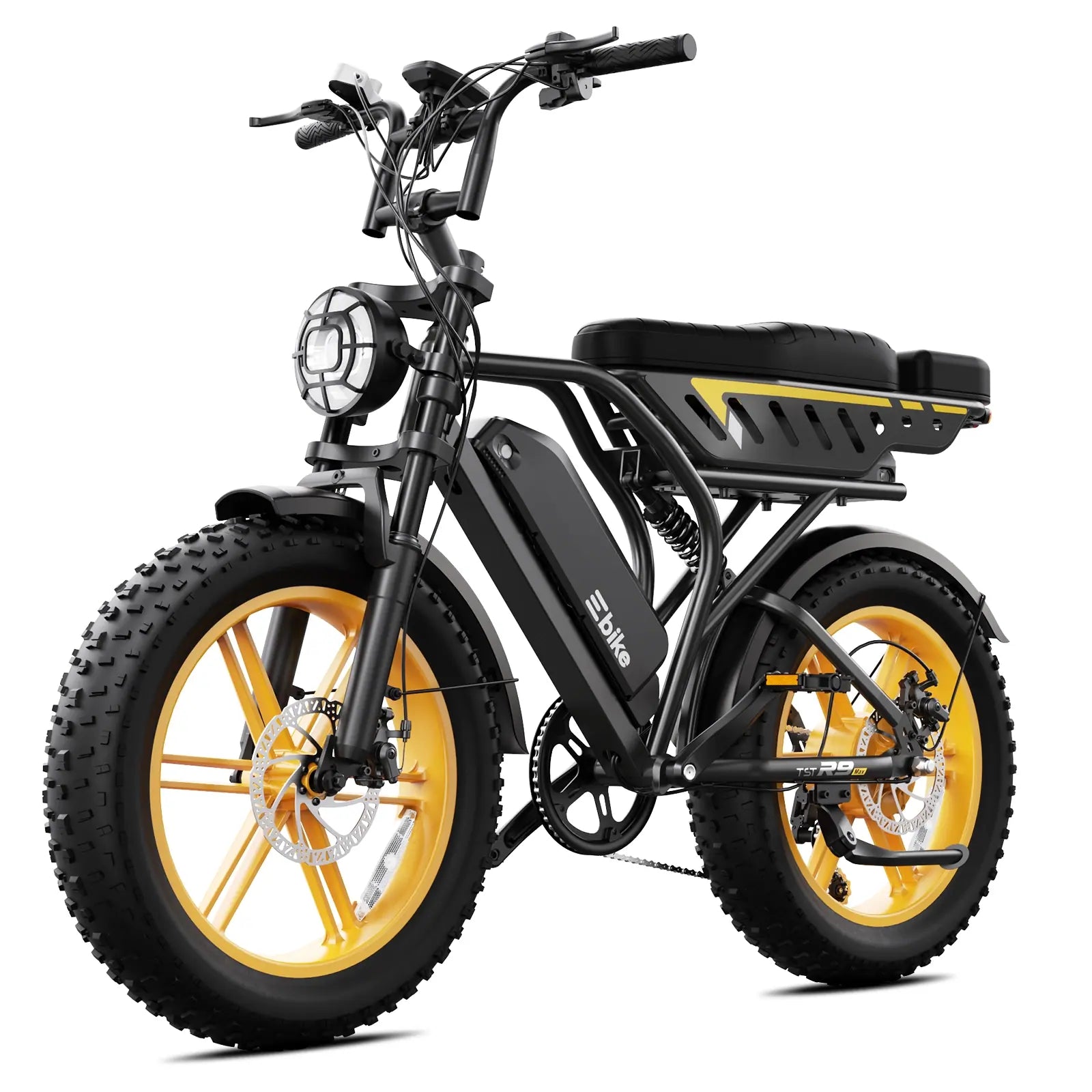
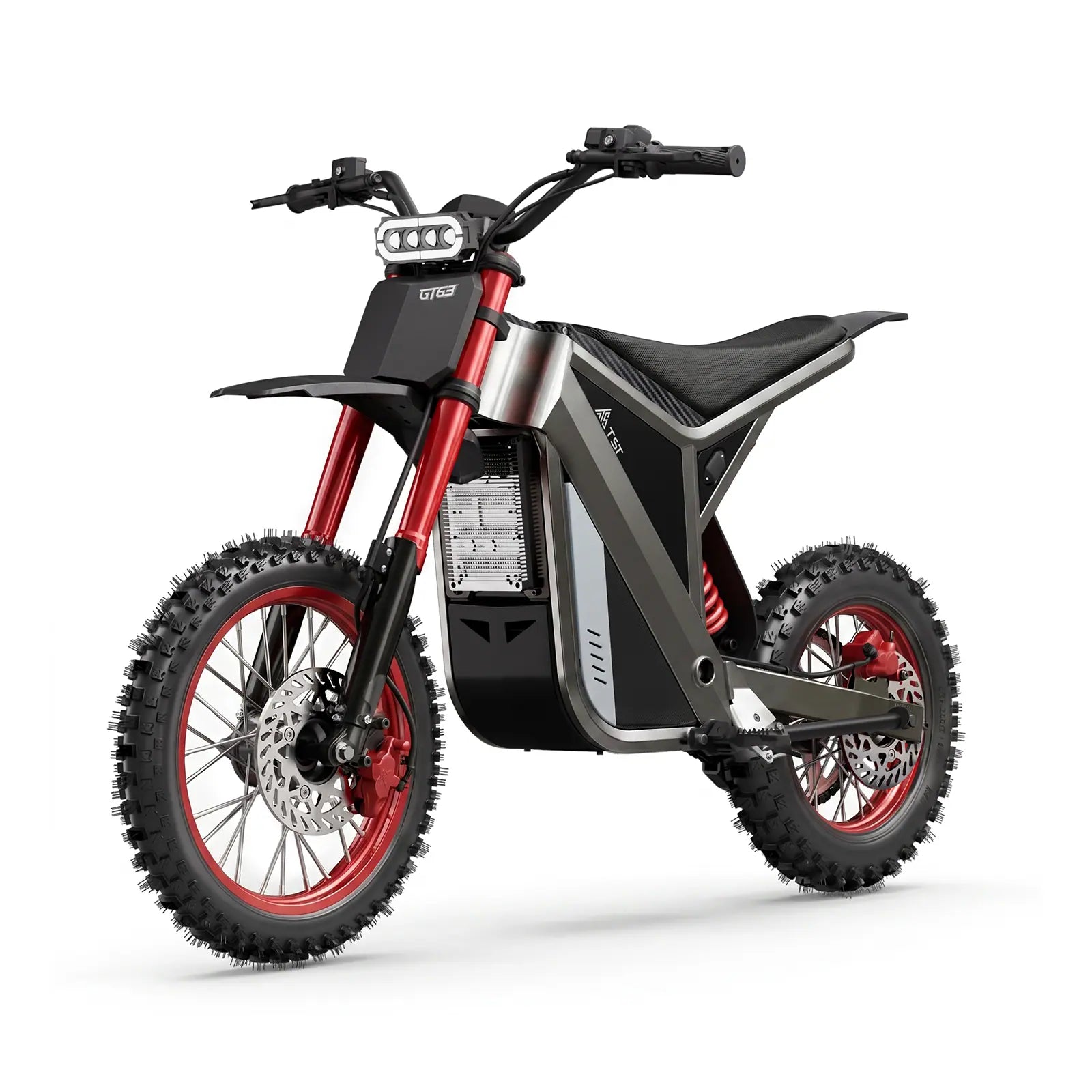









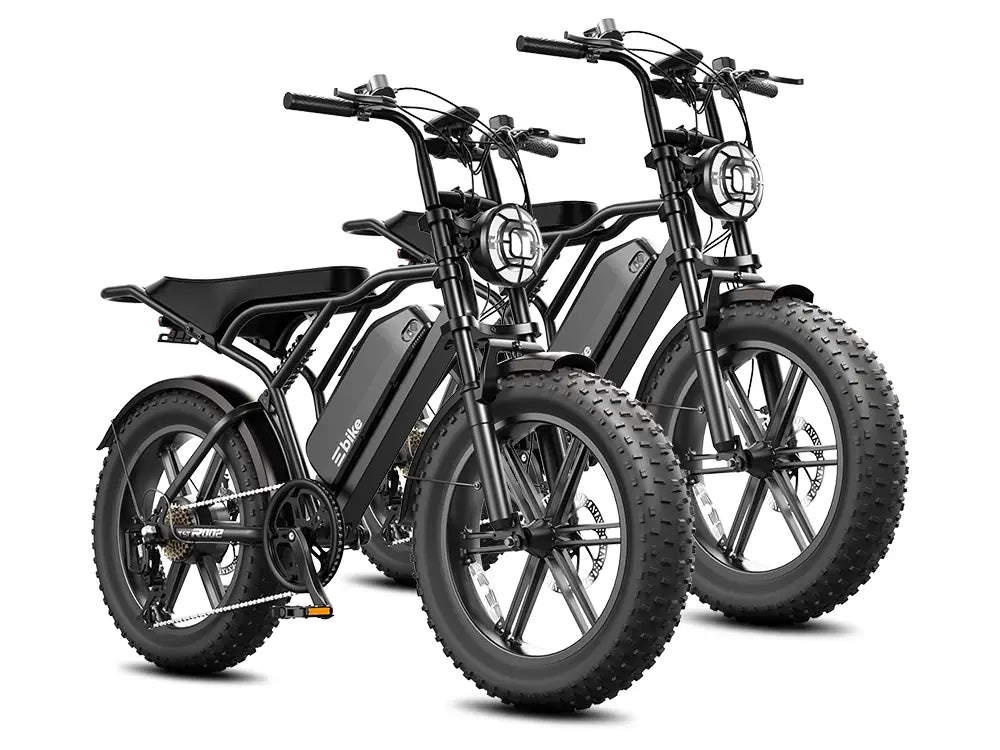
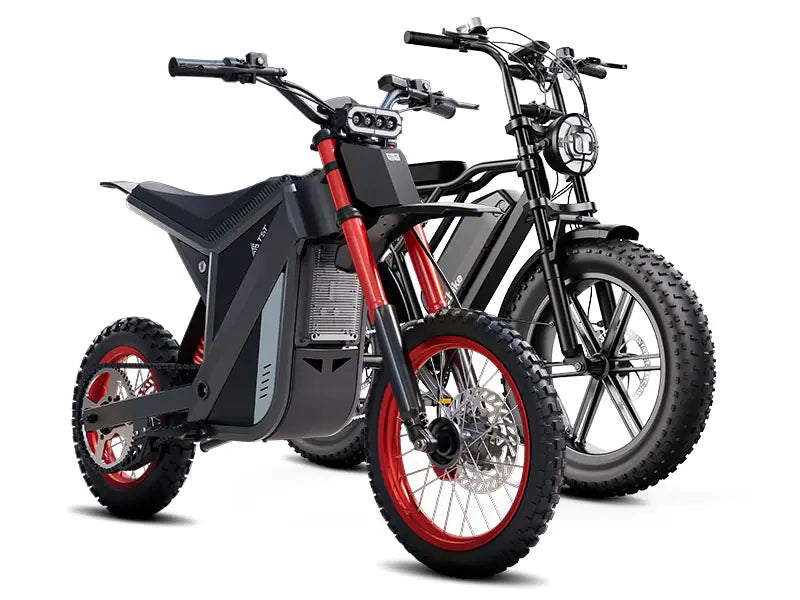
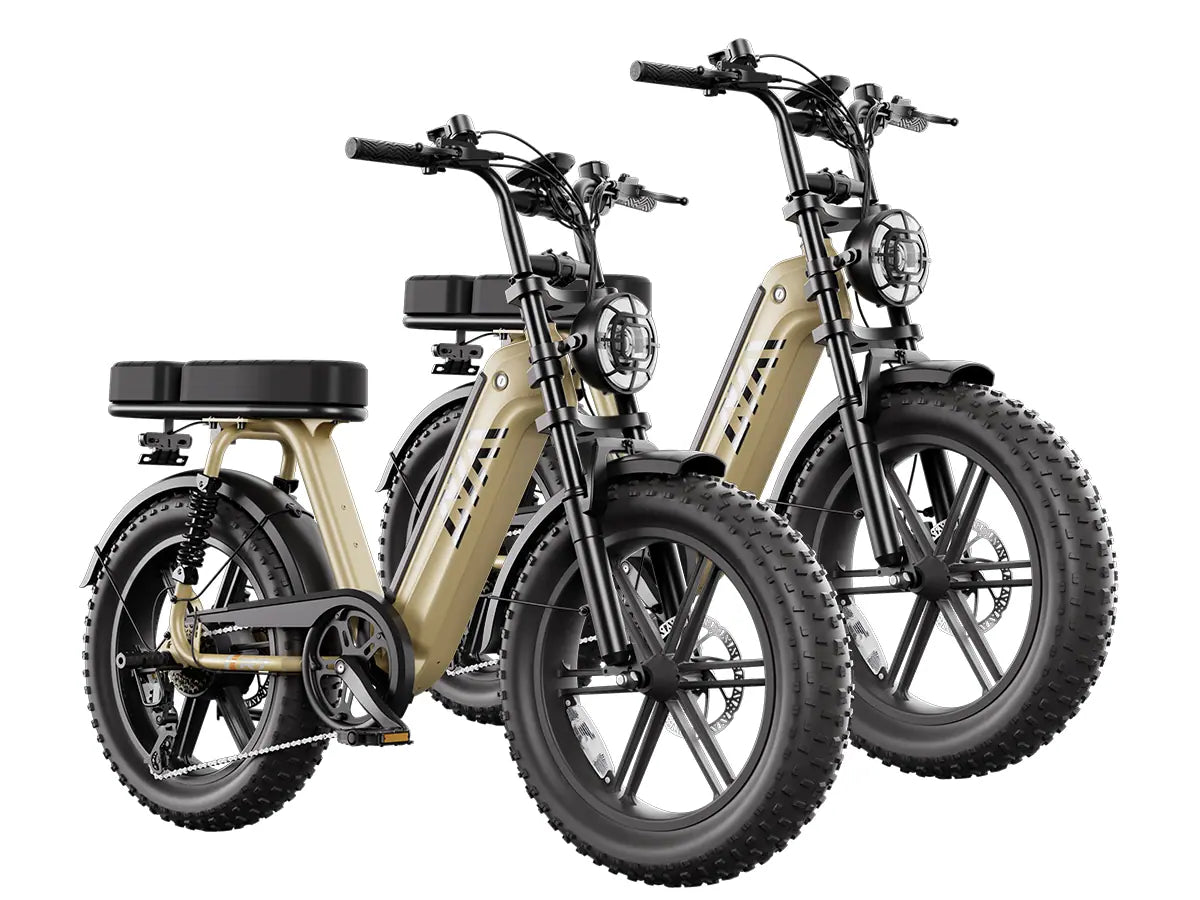

A step-through frame lowers the height you have to clear with your leg, but it does not change how heavy the bike is, how it balances at a standstill, or how easily you can plant both feet at a stop. For a rider with limited hip mobility, those three things — bike mass, standover height, and stop-and-balance behavior — usually matter more together than any single spec does alone.
This is a task question, not a diagnosis. Nothing here determines whether cycling is medically appropriate for a specific hip condition; that judgment belongs to the rider and, when there's uncertainty, a physical therapist, physician, or bike-fit professional who can watch the actual movement. What this article can do is break the interaction with the bike into its component motions and show what a lower frame does and does not solve.
Where a Lower Step Actually Helps
The mechanical benefit of a step-through frame is narrow but real: it removes or lowers the top tube, so the rider doesn't have to swing a leg up and over a bar that typically sits 24 inches or higher on a step-over frame. Clinical guidance on cycling with hip pain confirms that deep or forced hip flexion — the kind required to clear a high top tube — tends to produce compensatory movements and joint strain before the true limit of a rider's range is even reached. Lowering the obstacle reduces the flexion and lift demanded during that single motion.
That's the entire mechanical story, though. A step-through frame doesn't reduce the bike's weight, widen the handlebar reach, soften the brake lever pull, or change how far the rider has to lean to reach the ground with both feet once they're already seated. Industry comparisons of the two frame styles are consistent on this point: the step-through design changes mounting and dismounting ease, not the bike's overall handling, stability, or control demands once underway.
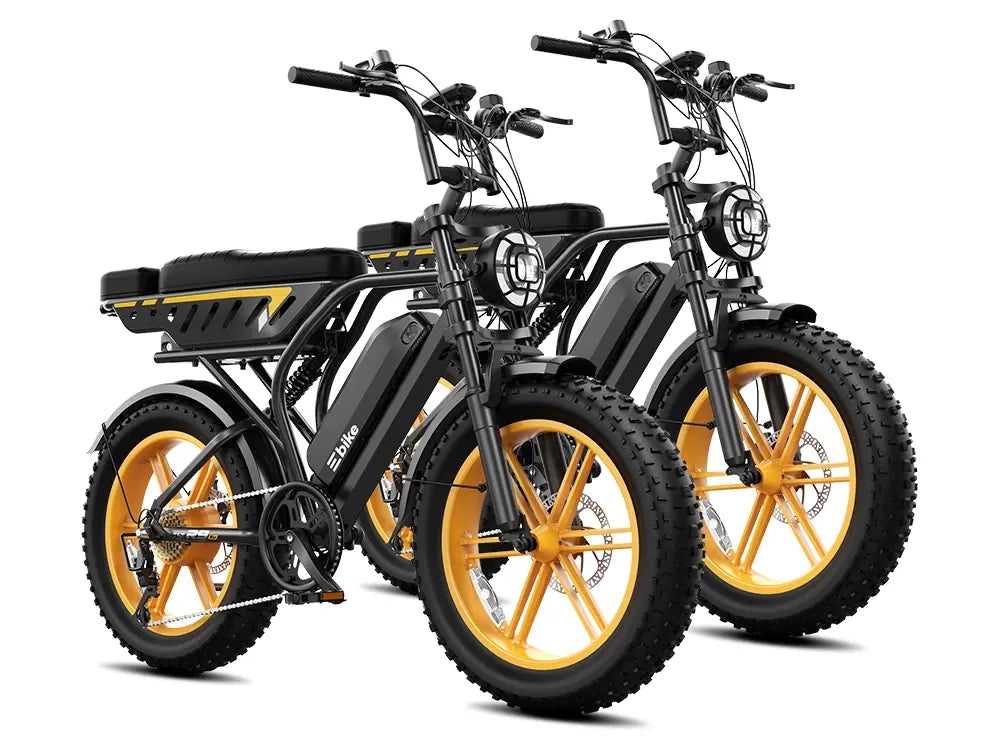
On TST's model comparison page, the Step-Thru model and a step-over comparator such as the All-Terrain share the same 1300 W peak motor, 90 N·m torque, 450 lb max load, 48V 15Ah battery, and 180 mm hydraulic disc brakes. Bike weight is also listed as effectively the same, at roughly 71.6 lbs for both frame styles. The only differences the specification table itself supports are frame geometry and the recommended rider height range — 5'1"–6'4" for the Step-Thru versus 5'3"–6'4" for the step-over All-Terrain. Everything else about how the bike accelerates, stops, and carries weight is unaffected by the frame choice, which is why mounting height cannot be treated as a stand-in for overall manageability.
The Motions a Frame Choice Doesn't Touch
Getting on and off is one task in a longer sequence, and the other steps carry their own hip, balance, and strength demands regardless of frame shape.
Approach and stabilize. Before mounting, the rider has to bring the bike to a stop, hold it upright with both hands on the grips, and keep it from rolling — typically by covering the brake lever, not just resting a hand nearby. A step-through frame doesn't make the bike lighter or easier to steady; a heavier e-bike, loaded with a battery and hub motor, requires more forearm and core control to hold stationary than a comparable non-electric bicycle.
Mount. This is the step where frame geometry matters most. On a step-through design, the rider steps one foot through the open frame and onto a pedal or the ground on the far side, rather than lifting a leg over a raised tube. Reviewers who evaluate mobility-focused e-bikes describe this as removing a genuine obstacle, and sometimes a hazard, that a high top tube represents for someone with reduced hip flexion, recent surgery, or balance concerns.
Start. Once seated, the rider needs enough hip and knee range to reach the pedals or comfortably rest feet on the ground while building forward momentum, and enough hand strength to modulate the throttle or first pedal strokes without an unintended surge. A bike's saddle height and reach affect this step independent of whether the frame is step-through or step-over.
Stop and remain balanced. At a red light or an unplanned stop, the rider must get one or both feet flat on the ground while keeping the bike upright — a task governed by saddle height relative to inseam and by total bike weight, not by standover clearance. A step-through frame that still sits high off the ground, or is paired with an oversized saddle height, does not automatically solve this.
Dismount. The reverse of mounting: stepping back through the frame or lifting a leg clear while the bike is fully stopped and braked. Bike-advice sources that focus on mounting ease for older or less flexible riders recommend a deliberate sequence — stop completely, hold the brake, plant both feet, and only then step through or swing off — rather than attempting to dismount while the bike is still rolling.
Each of these motions can be a limiting factor on its own. A rider who mounts a step-through frame easily but cannot comfortably plant both feet at a stop, or who struggles to hold roughly 70 pounds of stationary e-bike upright while swinging a leg, has not solved the control problem just because the standover height is low.
Bike Mass and Control Placement Change the Task, Too
E-bikes weigh meaningfully more than analogous pedal bikes because of the motor, battery, and reinforced frame, and that added mass shows up exactly at the moments requiring the most control: holding the bike still, catching balance at a stop, and walking it into a parking position. Transportation-safety guidance aimed at e-bike buyers specifically calls out practicing safe mounting and dismounting because of the weight of e-bikes, treating it as a distinct skill rather than an assumption riders will handle automatically. A broader review of e-bikes and inclusive mobility similarly notes that two-wheeled e-bikes carry an increased risk of falls during mounting and dismounting for riders with physical vulnerabilities, independent of frame style.
Control placement matters alongside mass. Brake lever reach, throttle location, and handlebar height determine whether a rider can comfortably cover the brakes while stationary and react quickly if the bike starts to tip. A step-through frame with a low standover but a stretched-out reach to the levers doesn't necessarily improve control at a stop; it only improves the single motion of getting a leg through the frame.
Saddle height, adjusted for inseam rather than assumed from a "recommended height" range, has a bigger effect on foot-down stability at stops than the frame style does. TST's compare-models page lists recommended height ranges per model, but height overlaps that appear compatible on paper don't guarantee saddle height, reach, and standover work together for one specific rider's proportions and mobility.
How to Test Without Risking a Fall
Static comparison and spec sheets can narrow the choice, but the only way to know whether a specific bike is manageable is to try the actual motions under controlled conditions.
-
Test on a soft, flat, obstacle-free surface — grass or an empty lot, not a driveway with a curb or a sidewalk with foot traffic.
-
Have another person stand beside the bike, ready to steady it, during the first several mount and dismount attempts.
-
Practice the full sequence — approach, stabilize, mount, one full stop-and-restart, and dismount — before assuming the bike works for daily use; a single successful mount doesn't confirm control at a stop later in a ride.
-
Keep the motor off or in its lowest assist setting during this test so an unexpected throttle response doesn't complicate an already unfamiliar movement.
-
Stop the test and reassess if the rider cannot keep both feet in control range at a stop, needs more than light assistance to steady the bike while stationary, or feels the leg-through motion is straining rather than merely unfamiliar.
If any of those conditions can't be met even with a lower frame, that is a legitimate wrong-fit conclusion for this bike, this rider, and this day — not a personal failing, and not something a lower step tube by itself can override. A different saddle height, a lighter model, a supervised session with a bike shop, or professional input from a physical therapist familiar with the rider's hip mobility are reasonable next steps rather than persisting with an unstable setup.
Matching Frame and Fit to the Task
Once the physical test confirms a rider can approach, mount, start, stop, and dismount with acceptable control, the remaining decision is which specific geometry and size fits their measurements. TST's model comparison page lists standover geometry, recommended height range, bike weight, and max load for each current step-through and step-over model side by side, which is the right place to check exact numbers for a specific rider rather than relying on frame category alone. A rider should verify current stock, price, and the specific model's full geometry table directly on that page before deciding, since specifications and availability can change between models and over time.
Buyers whose test reveals persistent difficulty even on a low-standover frame should treat that as information about the fit, not the shopping process. A narrower saddle-height adjustment, a smaller or lighter model, or a supervised trial with support at home are more productive next steps than defaulting to the lowest-standover option on the assumption that it solves every part of the task.

Leave a comment
This site is protected by hCaptcha and the hCaptcha Privacy Policy and Terms of Service apply.