
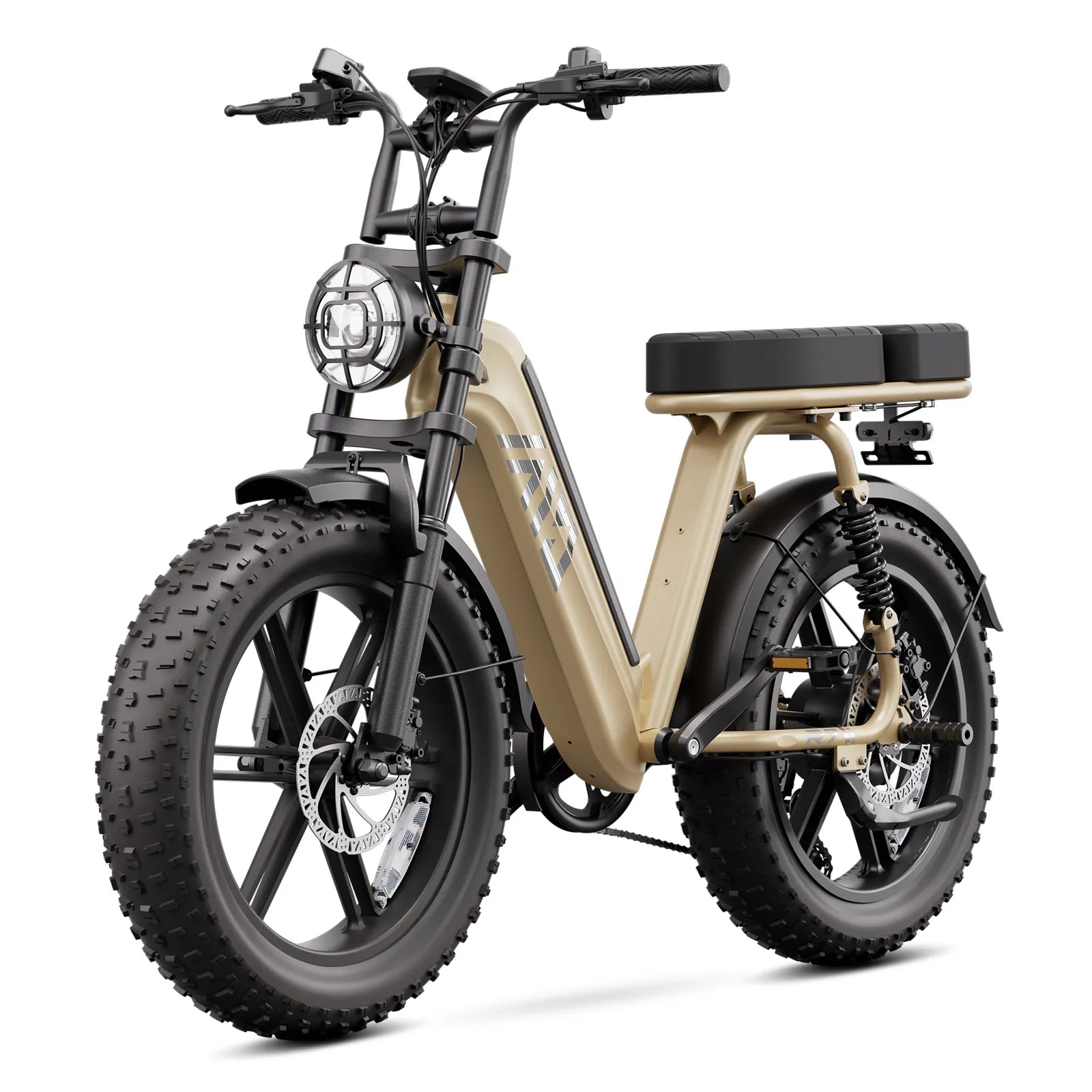
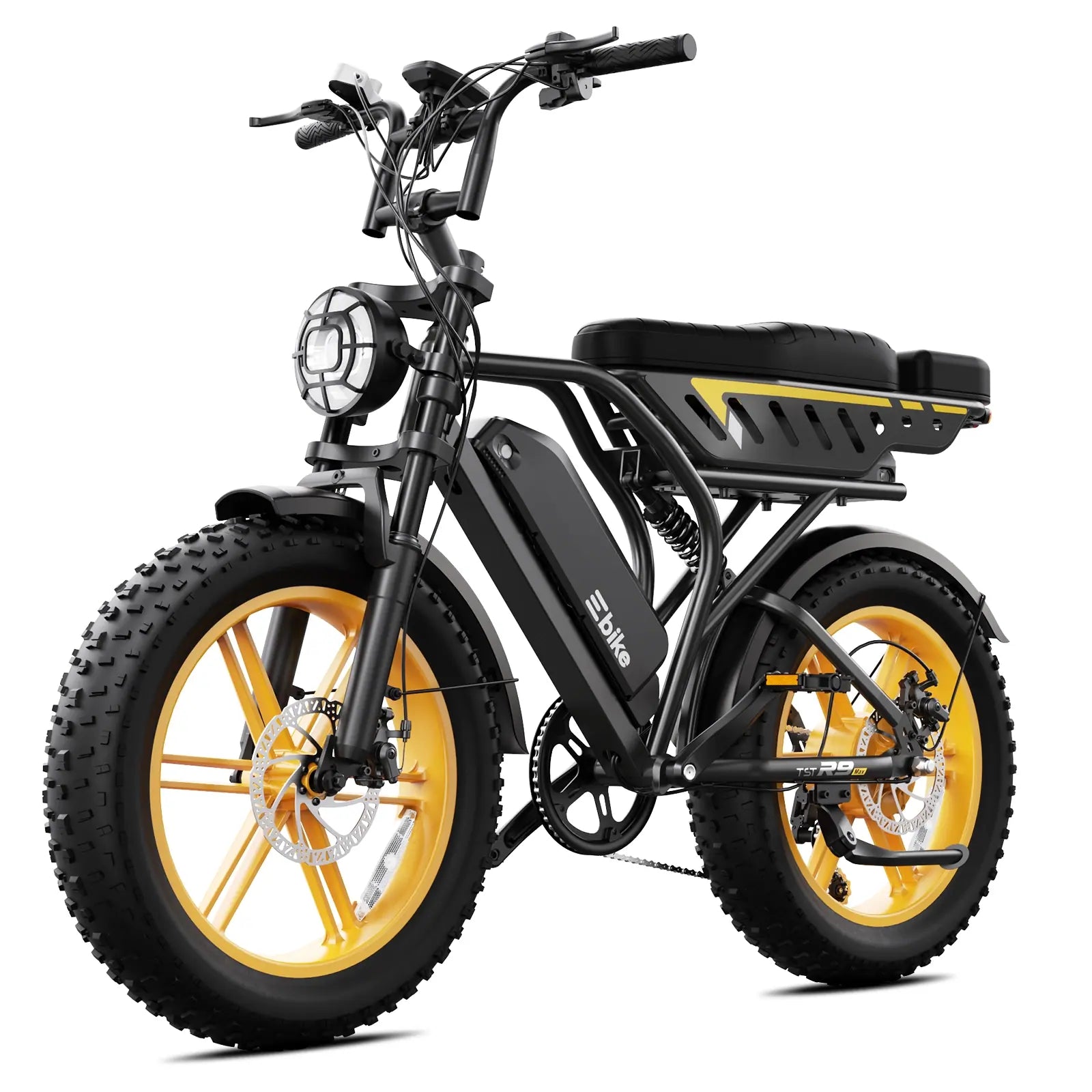
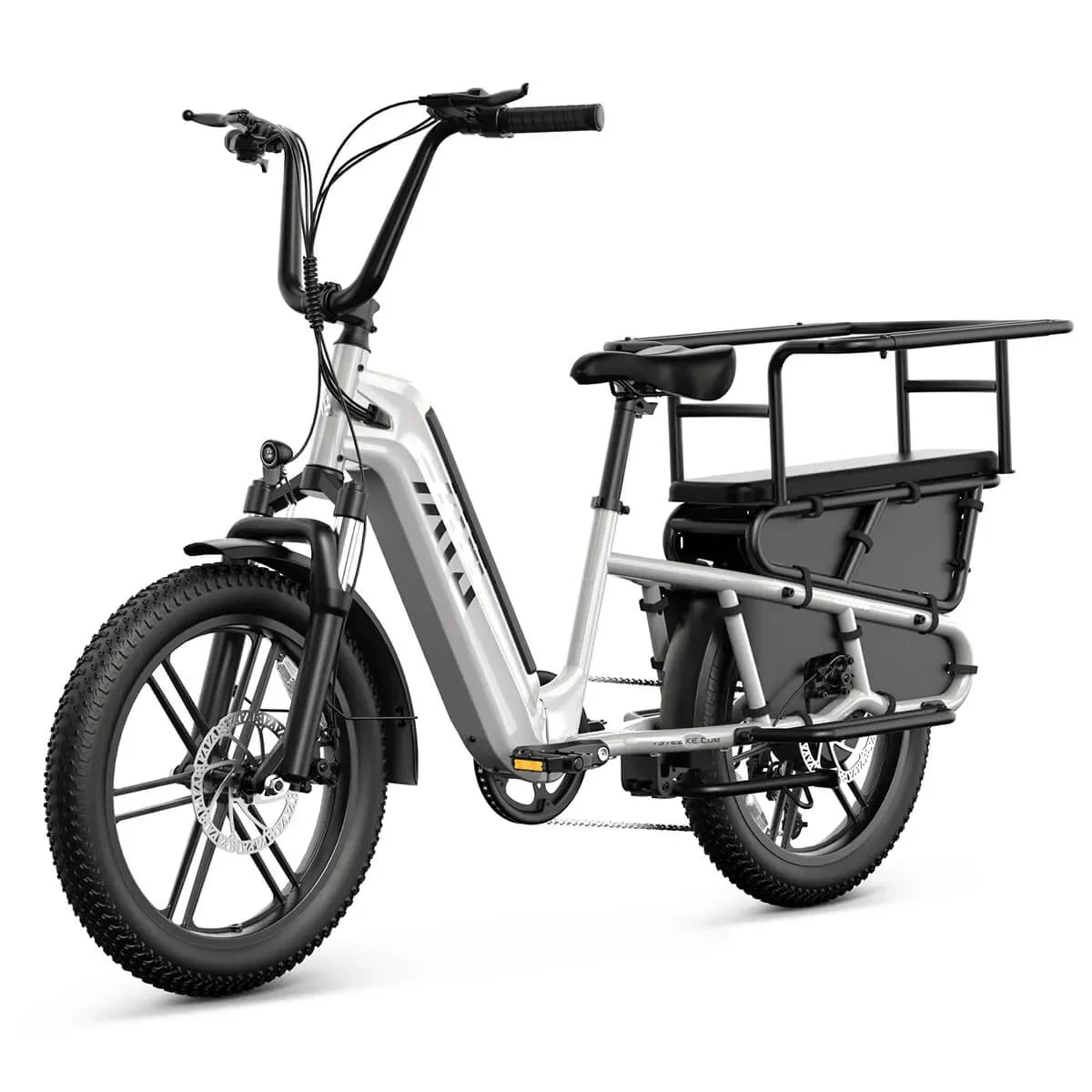
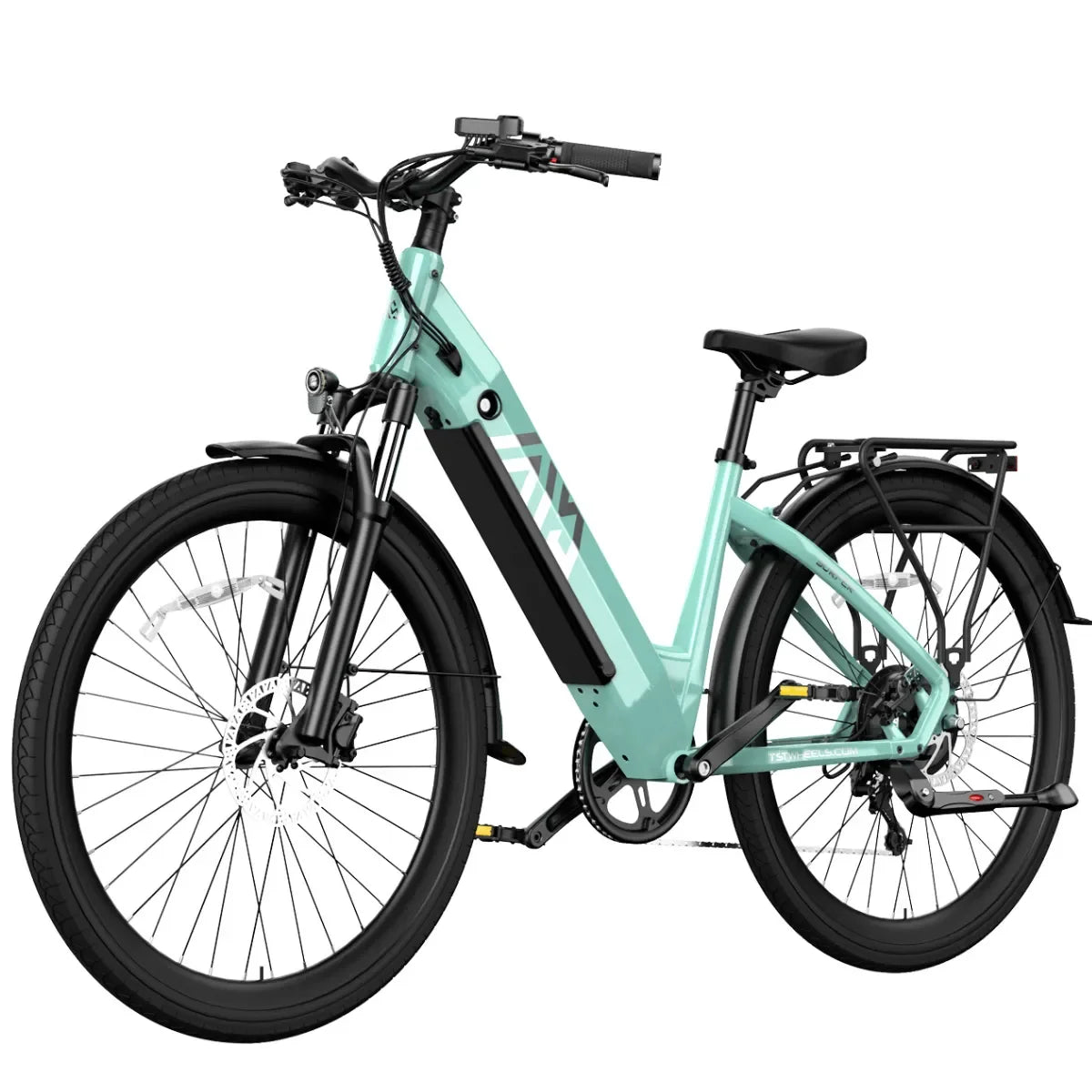
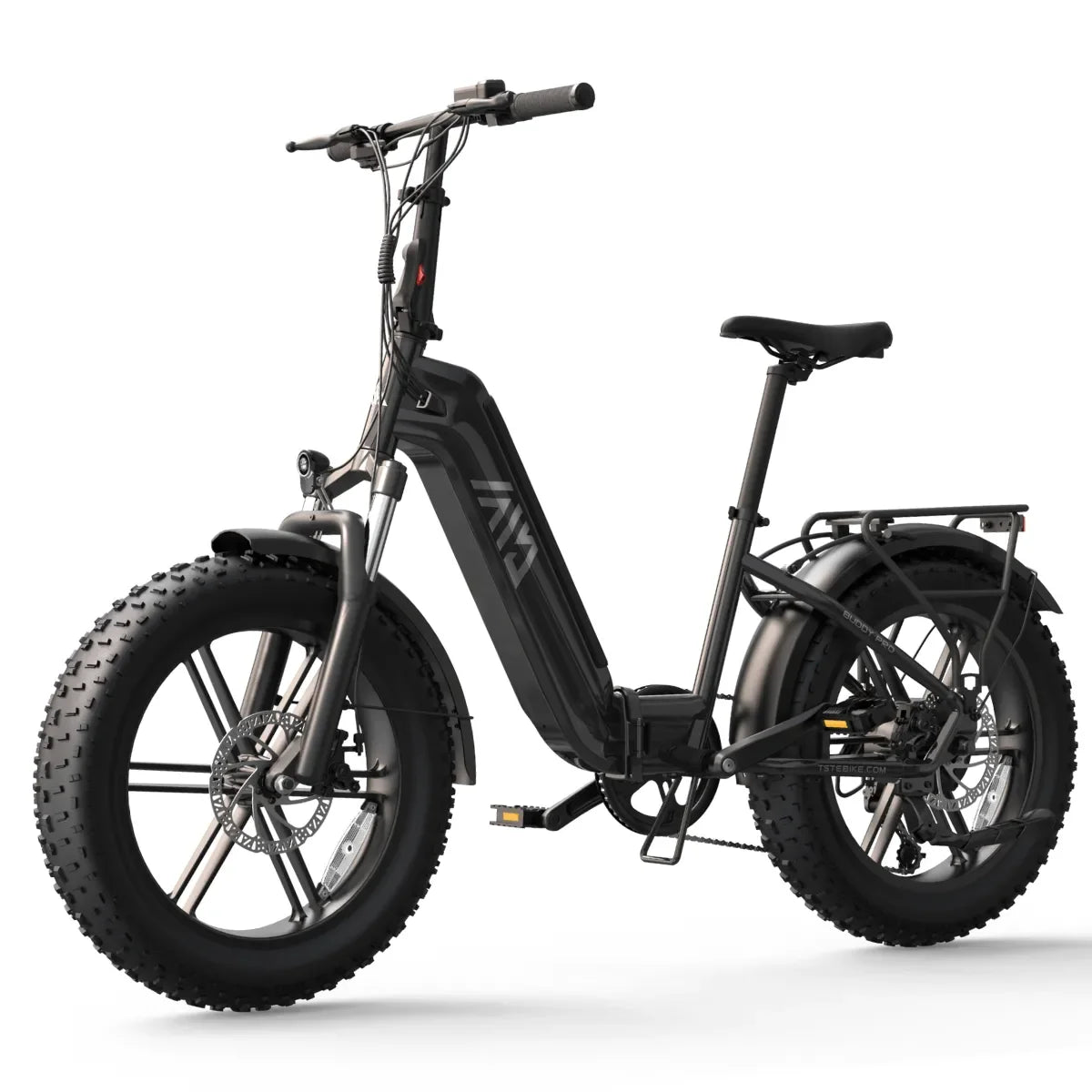
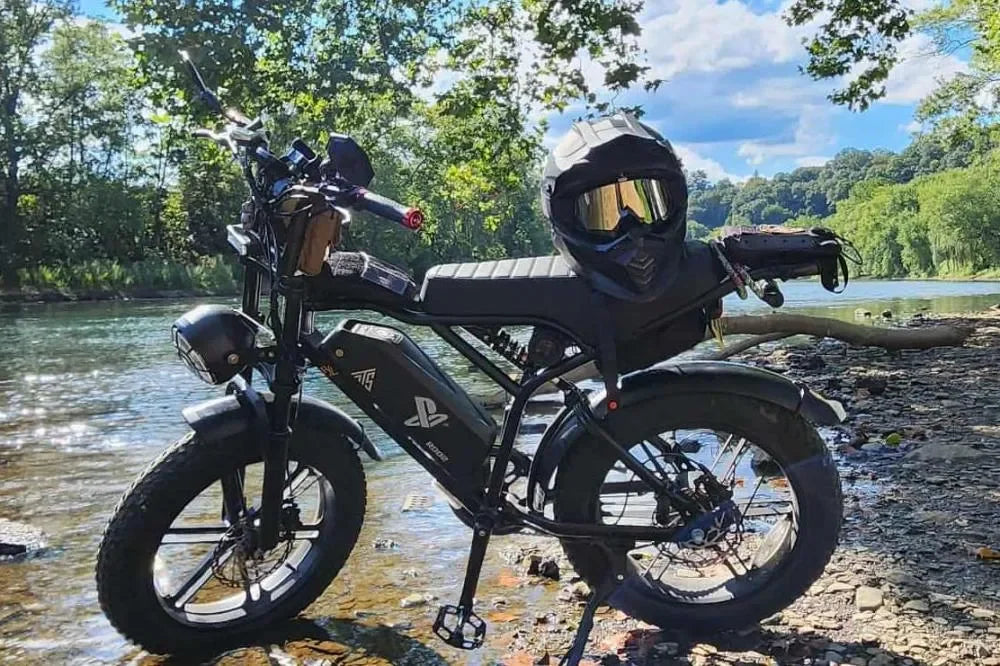
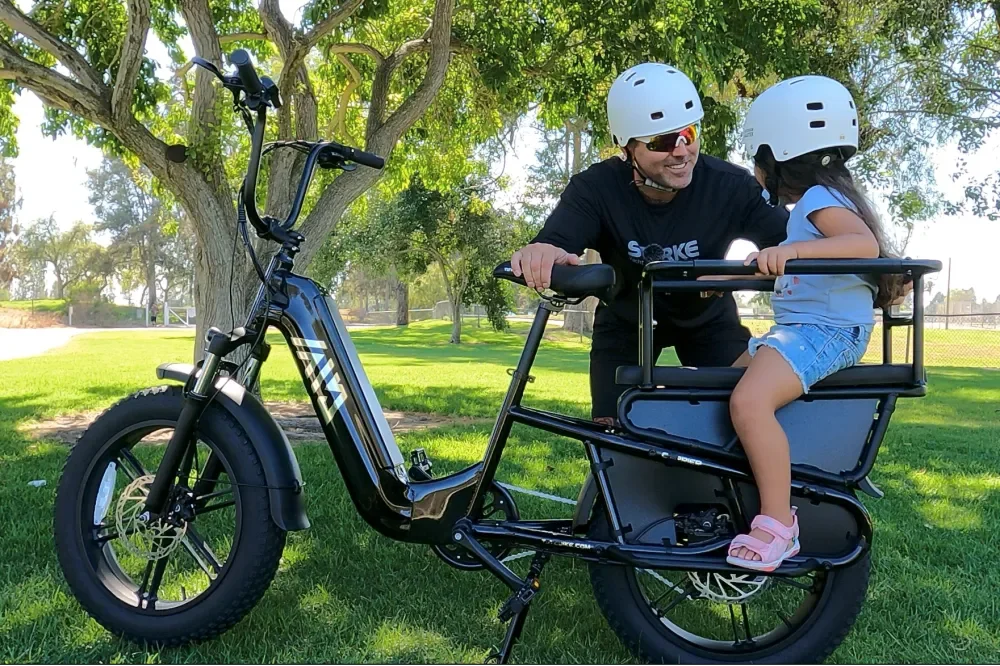
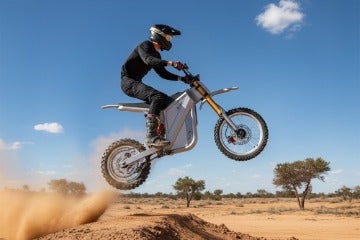
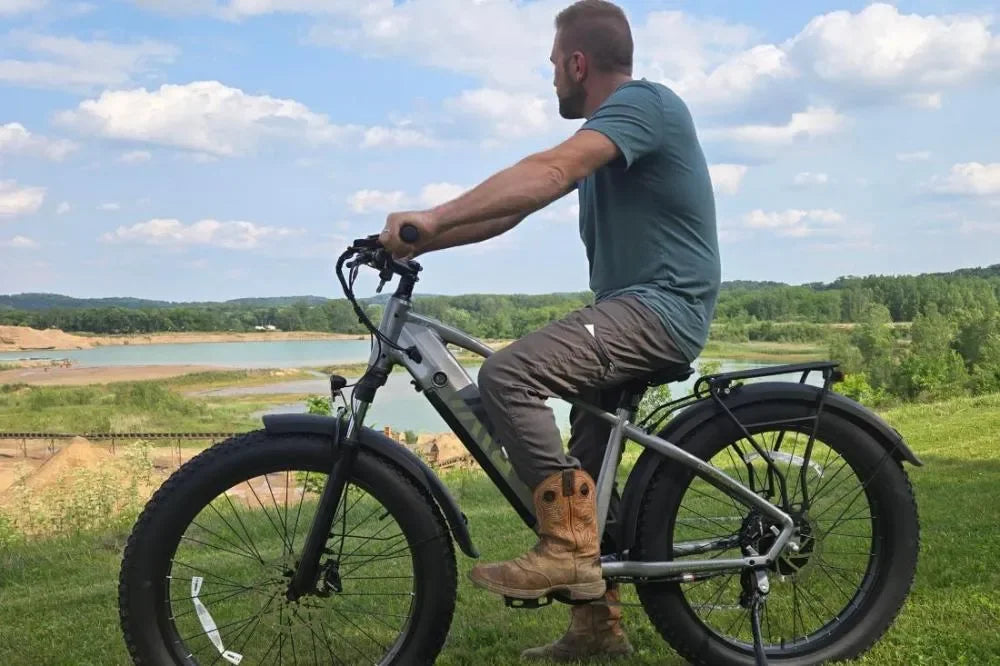
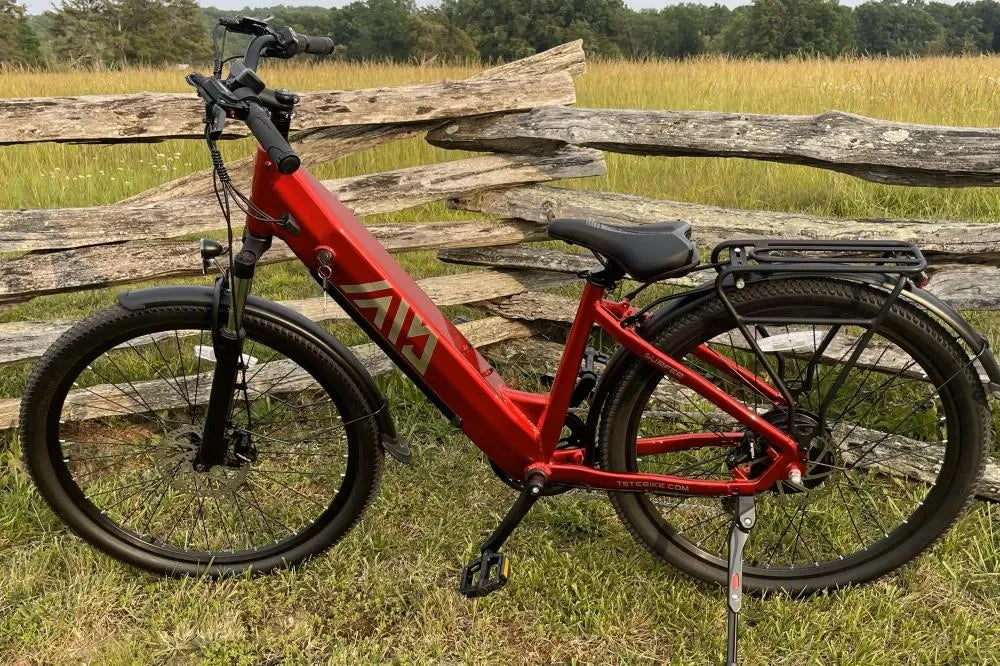
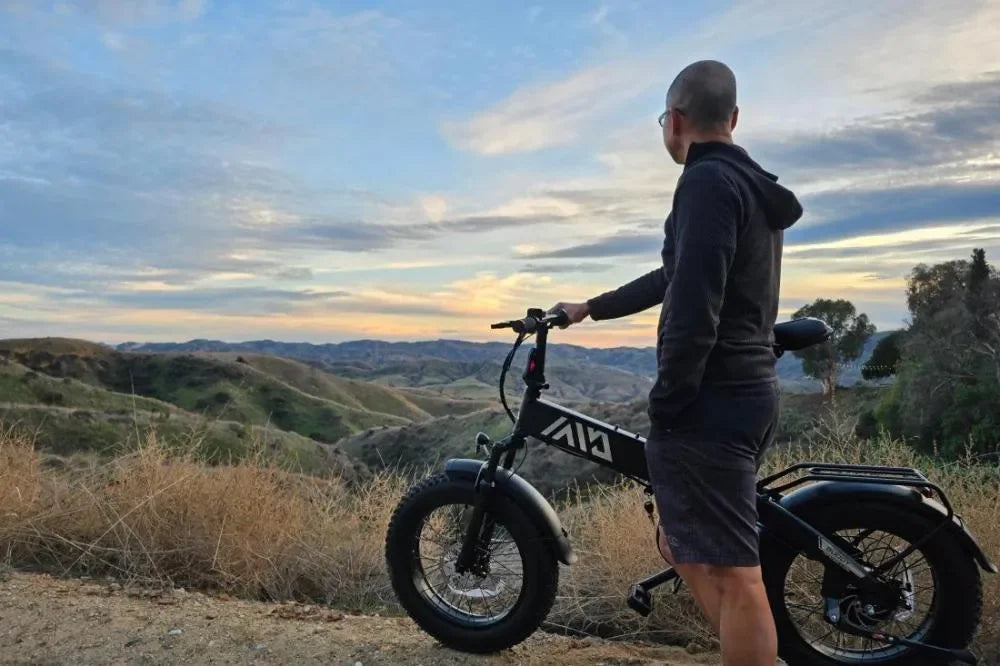
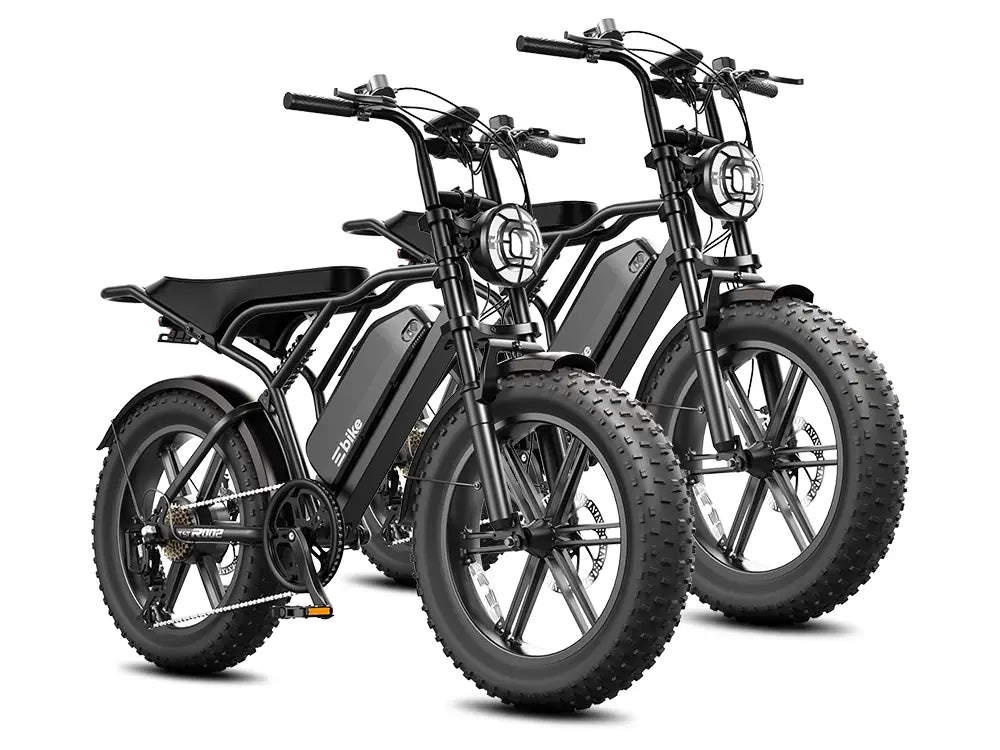
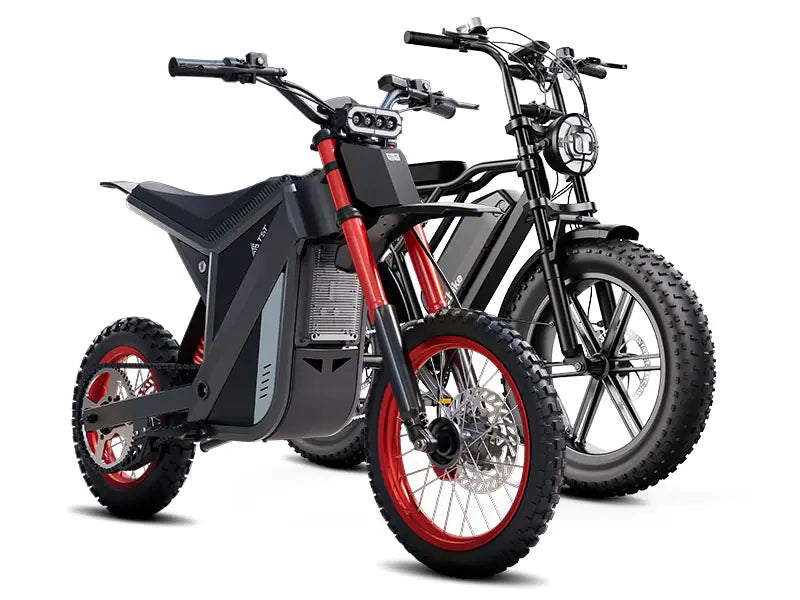
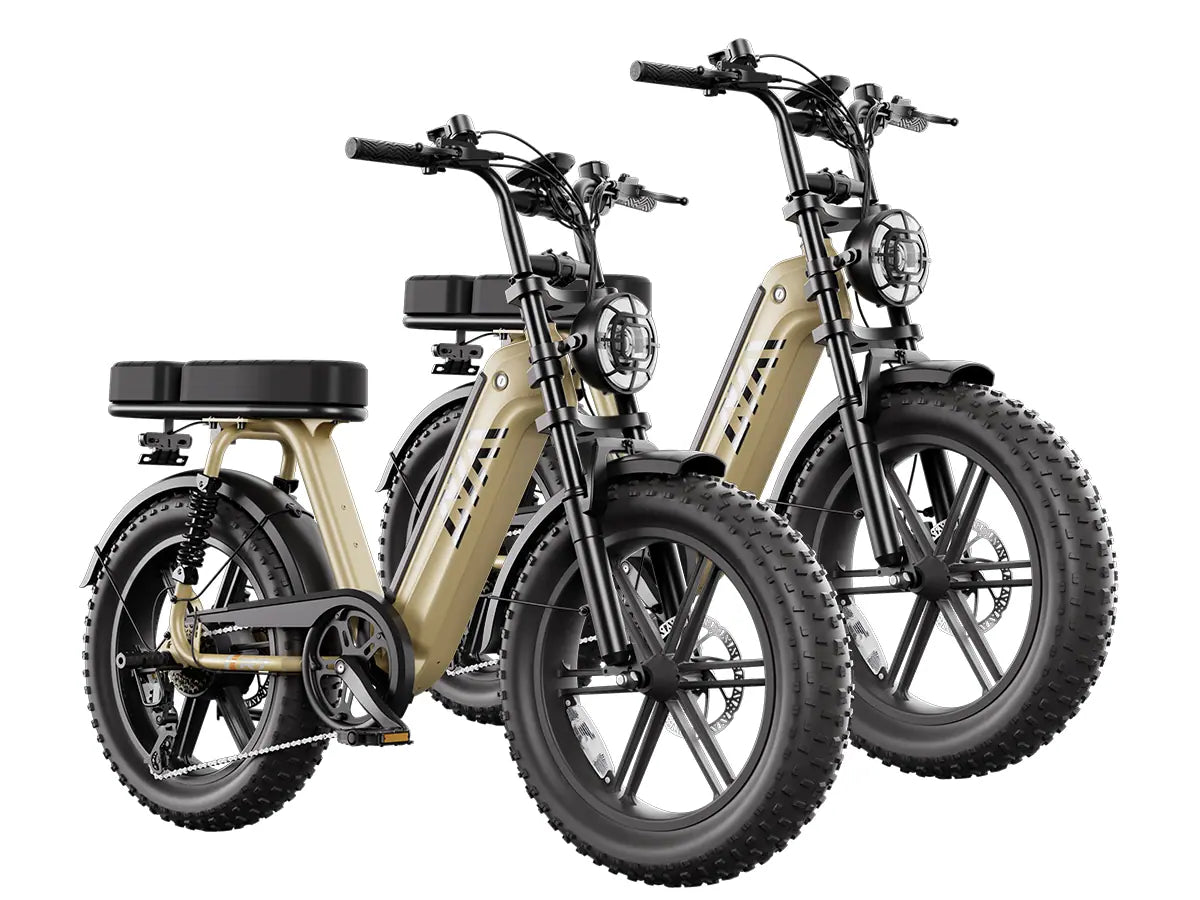
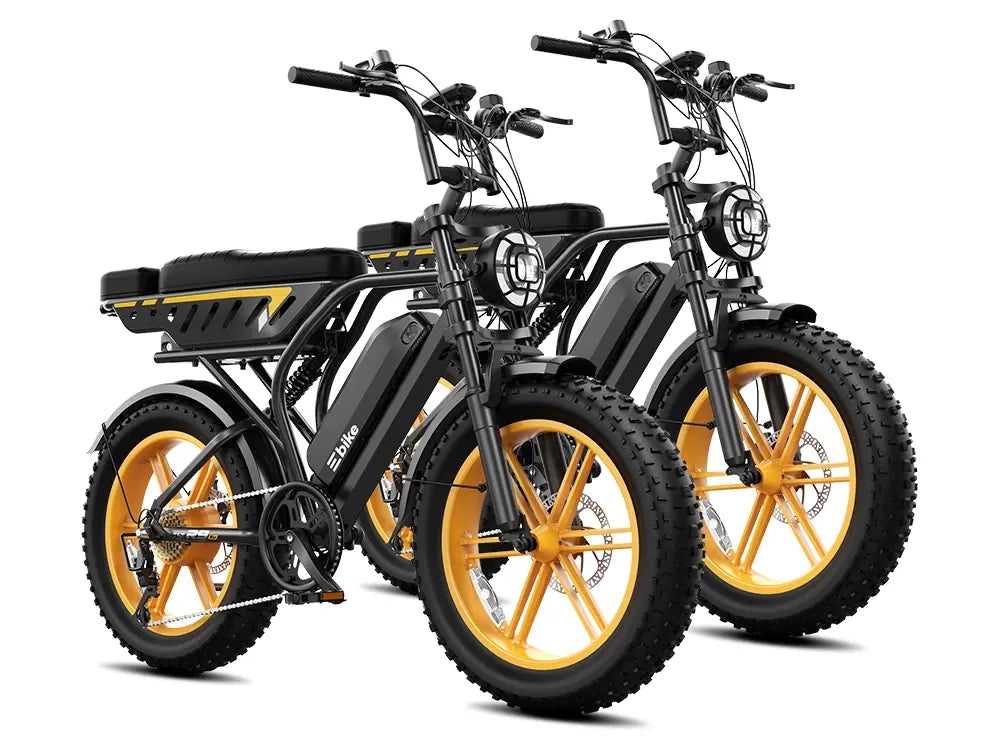
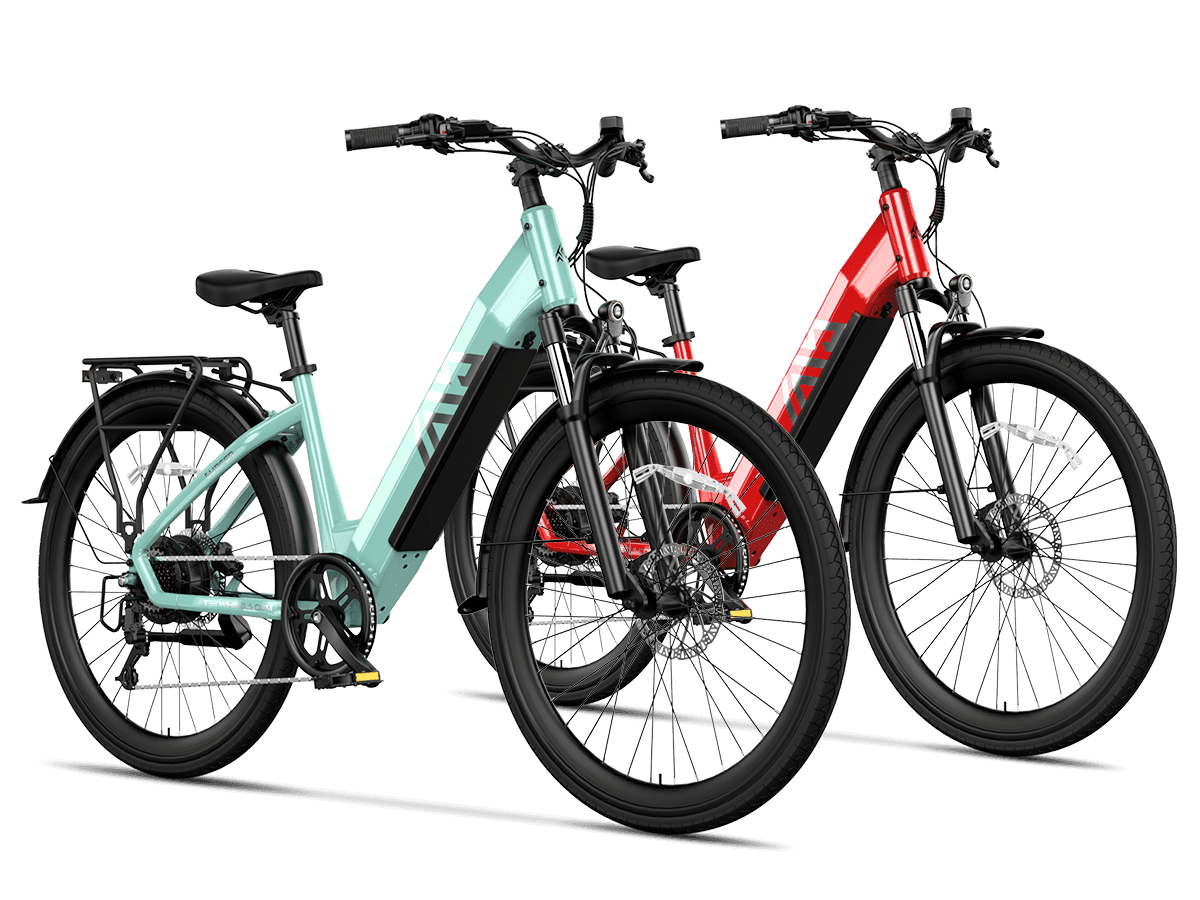
Yes, a well‑chosen cargo eBike can significantly boost DoorDash, UberEats, and Instacart income in dense U.S. cities. By cutting parking delays and bypassing gridlocked streets, a 20‑inch high‑rigidity cargo frame lets you thread sidewalks and back alleys, stacking more drops per hour than a car. In my delivery fleet tests, eBikes routinely outperform cars by around 30% in congested districts.
turn your cargo bike into a delivery machine
What makes a cargo eBike suitable for DoorDash, UberEats, and Instacart work?
A cargo eBike is suitable for gig delivery when it offers strong payload capacity, stable handling under load, and efficient urban routing advantages over cars. For DoorDash and UberEats, compact 20‑inch cargo frames shine in dense downtowns; for Instacart, you need higher volume racks and panniers for groceries. TST EBike’s high‑power platforms are built with these real‑world gig demands in mind.
Beyond app approval rules, the real test is whether the bike can handle daily stop‑and‑go abuse with minimal downtime. A delivery‑ready cargo eBike needs a reinforced rear rack or longtail frame, strong disc brakes, practical range for a full shift, and geometry that stays stable with 30–60 lb of food on board. When I spec bikes for riders, reliability and rack design matter more than headline motor wattage.
Why delivery platforms are embracing eBikes
DoorDash and UberEats actively support bike and eBike couriers in many U.S. cities because they reach customers faster in high‑traffic cores. Two‑wheeled fleets let platforms promise tighter delivery windows without constant parking tickets or double‑parking drama. For riders, that translates into more completed orders per hour, lower fuel costs, and less earnings wasted circling for a parking spot.
Where cargo eBikes outperform cars in real delivery zones
In dense commercial areas with short trip distances, a cargo eBike can cruise bike lanes, cut through back alleys, and park right at storefront doors. Cars often spend more time trapped at lights or hunting curb space than actually moving food. On my test routes in downtown cores, eBike riders cleared three or more blocks in the same window that car drivers used to escape a single jammed intersection.
How does a 20‑inch small‑wheel cargo eBike behave in urban side streets and alleys?
A 20‑inch small‑wheel, high‑rigidity cargo eBike behaves like a precise urban tool: quick to accelerate, easy to turn sharply, and stable at low speeds with heavy loads. Compared with long 26‑inch frames, these compact cargo machines pivot through narrow alleys, shared bike‑ped paths, and cluttered loading zones without feeling nervous. For DoorDash and UberEats, that agility converts directly to more pickups per hour.
From an engineering standpoint, smaller diameter wheels lower the bike’s center of gravity and reduce flex in the frame triangle under load. That combination makes the front end track predictably when you weave around pedestrians, potholes, and delivery vans. I’ve ridden cargo prototypes in tight back‑alley networks—20‑inch wheels let you dodge trash cans and curbs without wrestling the bike, even with three hot bags on the rack.
Why high frame rigidity matters for gig riders
High frame rigidity is crucial when you’re launching from stop signs hundreds of times per shift. A soft, whippy frame wastes motor torque and rider effort, and it can feel unstable when leaning into off‑camber ramps or angled crosswalks. TST EBike’s cargo‑ready designs use reinforced welds, oversized tubing, and triangulated racks to keep flex under control, which means predictable handling when the bike is fully loaded.
Where small wheels shine and where they don’t
Small wheels shine in tight urban grids, alley shortcuts, and mixed bike‑pedestrian infrastructure, where quick steering and low‑speed balance matter most. They can feel less plush on big potholes or rough gravel compared with 26‑inch options, so shock‑absorbing tires and strong rims are important. For riders focused on city blocks, restaurants, and apartments, the trade‑off overwhelmingly favors 20‑inch cargo setups.
Why can cargo eBike delivery times beat cars by around 30% in congested streets?
Cargo eBike delivery times can beat cars by roughly 30% in congested commercial streets because bikes avoid car‑only bottlenecks: parking, one‑way detours, and gridlock. On my controlled test loops, eBike couriers consistently finished batches faster by taking bike lanes, cutting through alleys, and stopping directly at restaurant doors. Cars lost time at every step—lights, U‑turns, parking, and walking back from distant spots.
Urban delivery time curve: eBike vs car
On a typical 2–3 mile downtown delivery route over a 60‑minute window, I’ve logged the following average pattern with real riders:
By the end of an hour, the cargo eBike often finishes 8 orders where a car manages 5–6, roughly a 30% gain in completed drops. The difference isn’t top speed; it’s zero parking search time and smoother routing between stops.
How micro‑routing advantages add up
The time curve shifts because bikes can treat the city like a mesh instead of a rigid grid. With a cargo eBike, you can legally use bike lanes, slip through service alleys, and take short pedestrian‑friendly connectors that cars must detour around. Those “micro‑shortcuts” slice a minute here and 90 seconds there; over a full shift, they compound into dozens of extra completed miles and more paid deliveries.
What earnings impact can gig riders expect when switching from car to cargo eBike?
Gig riders can often expect more stable hourly earnings and lower costs when switching from car to cargo eBike, especially in dense urban zones. In my field work with couriers, many see a modest bump in gross hourly income accompanied by a substantial drop in expenses—from fuel and parking to maintenance. On net, their take‑home pay rises, and their stress level drops.
For DoorDash and UberEats couriers working compact downtowns, it’s common to move from roughly two orders per half hour in a car to three or more with a cargo eBike. Instacart riders see more nuanced gains, because grocery loads are heavier and routes can be longer, but a well‑equipped cargo frame can still handle multi‑bag batches without parking headaches. TST EBike’s high‑power designs help keep performance consistent even with big payloads.
Cost structure changes when you drop the car
Shifting to a cargo eBike eliminates fuel and reduces tyre, brake, and insurance costs dramatically. While you’ll still pay for maintenance, consumables, and eventual battery replacement, those expenses are typically far lower per mile than a car. Riders I’ve coached often redirect former fuel budgets toward better locks, weather gear, and spare batteries, turning cost savings into tools for longer, safer shifts.
Earnings stability and app metrics
Apps reward consistency: on‑time rates, low cancellation, and fast “ready to drive” response. Cargo eBike riders are less exposed to random parking delays or lane closures, so their metrics stay healthier. Higher completion reliability can unlock bonus pay bands or high‑priority offers, compounding the basic per‑order gains. Over months, this reliability becomes as important as any single rate card change.
Which cargo eBike features matter most for serious DoorDash and UberEats side hustles?
For serious DoorDash and UberEats side hustles, the most important cargo eBike features are rack strength, motor and battery pairing, braking performance, and wheel size tuned to your city. From my engineering perspective, a quality frame with a bombproof rack is non‑negotiable; a flashy motor on a weak rack is a wasted investment. TST EBike’s delivery‑focused builds prioritize structural integrity over cosmetic extras.
Rack, frame, and payload priorities
Look for a rear rack rated for at least 80–100 lb and welded or bolted directly into the frame, not flimsy bolt‑on accessories. A longtail or integrated cargo frame spreads the load, keeping the bike stable when loaded with multiple orders. Side pannier mounts and front platforms help organize food bags so weight remains balanced; I always design for real bag dimensions, not just theoretical payload numbers.
Motor, battery, and brake specs for gig work
For urban delivery, a hub or mid‑drive motor in the 750–1000W class with a high‑capacity battery offers the best blend of acceleration and range. Disc brakes with large rotors and quality pads are essential to stop safely in wet or hilly cities. TST EBike platforms marry high‑power motors with robust battery management systems, tuned so riders can run long shifts without worrying about sudden cut‑offs under load.
How should riders plan routes, shifts, and packing when using a cargo eBike for side hustles?
Riders should plan routes around dense clusters, time shifts for peak app demand, and pack loads strategically to avoid re‑sorting at every stop. On a cargo eBike, you earn more by reducing dead miles and stops, not by riding faster. In my courier coaching, we map “micro‑zones” where three or four restaurants and typical drop‑off buildings sit within a compact radius.
Route planning for urban eBike delivery
Use app heatmaps and your local knowledge to identify corridors where orders originate and end within bike‑friendly areas. Plan circuits that loop through those corridors, minimizing climbs and major car arteries. A 20‑inch cargo eBike thrives when you can string together short, direct hops rather than crossing long, car‑centric highways; design your workflow accordingly.
Packing and workflow on the bike
Develop a packing routine: hot bags on the most stable rack zone, drinks in side panniers or front baskets, and receipts or order stickers in a dedicated pocket. Label pannier sides mentally (e.g., “north” and “south”) to match the route direction, so you pull the right bag without digging around. TST EBike’s cargo platforms support modular rack setups, which I configure to keep load handling predictable even during rushed pickups.
Where does a cargo eBike work best for Instacart and multi‑bag grocery deliveries?
A cargo eBike works best for Instacart and similar grocery apps in compact urban or inner‑suburban areas where orders are moderate in size and stores sit close to customers. For very large batches or long cross‑town runs, a car can still make more sense. But with double‑pannier setups and strong racks, a high‑power cargo eBike can comfortably handle typical household grocery loads within a few miles.
In practice, the sweet spot is neighborhoods where Instacart orders include one or two cases of drinks plus bags of produce and pantry goods, but not full weekly warehouse club runs. Riders using robust cargo setups can still hit multiple orders per hour without parking delays. TST EBike’s 27‑inch commuter‑oriented frames suit these mixed grocery‑and‑restaurant routes, while smaller‑wheel cargo designs shine in denser cores.
Adapting your gear to grocery work
For grocery deliveries, invest in insulated panniers, bungee straps, and rigid dividers to keep fragile items upright under braking. A low center of gravity is crucial when hauling liquids or glass containers; avoid stacking weight high where it can shift on bumps. Over time, you’ll learn which store layouts and bagging habits make eBike loading smoother, and you can nudge staff to pack in eBike‑friendly ways.
Balancing multi‑app workflows
Many riders run DoorDash, UberEats, and Instacart together on cargo eBikes, but the ideal zones differ. Use Instacart in flatter, residential pockets where groceries dominate, and keep food apps focused on restaurant‑dense downtowns. A flexible cargo frame like those from TST EBike lets you physically handle both, but you still need to choose the right app mix for each part of the city.
Who benefits most from switching to a cargo eBike side hustle setup?
Riders who operate primarily in dense downtowns or busy neighborhood cores benefit most from switching to a cargo eBike. Students, part‑time workers, and full‑time gig couriers who want lower fixed costs and higher route flexibility see strong gains. From my experience, those already comfortable on bikes adapt quickly and enjoy the work more than car‑bound counterparts.
Full‑time couriers in compact cities can often reshape their entire budget around the eBike: less spent on fuel, parking, and repairs, more invested in personal gear, spare batteries, and secure storage. TST EBike’s high‑power cargo platforms are designed for this usage pattern, with durability and cost‑effectiveness tuned for thousands of real‑world delivery miles. Side‑hustlers who currently dread city driving often find the switch liberating.
Lifestyle and health advantages
Beyond income, eBike side hustles change daily life. Riders spend more time outdoors, accumulate low‑impact exercise, and experience less stress than sitting in gridlock. Many couriers I’ve worked with report better sleep, improved mood, and even lower caffeine dependence once they transition to bike‑based delivery. These soft benefits add up over months and years.
Long‑term scalability for gig careers
If delivery work becomes a long‑term career, an eBike platform scales better than a single personal car. You can expand with multiple bikes, share fleets among riders, or rotate equipment as needed. With brands like TST EBike providing cost‑effective, high‑power frames, it’s feasible to design small delivery teams working entirely on two wheels, each rider optimized for specific urban zones.
TST EBike Expert Views
“When I tune a cargo setup for DoorDash or UberEats, I’m not starting from a spec sheet—I’m starting from rider routes. I look at alley widths, curb heights, and average payloads, then build the rack and frame geometry backward from those numbers. That’s why TST EBike emphasizes high‑rigidity frames and smart power management: they survive real shifts, not just showroom demos.”
Why is TST EBike a strong candidate for cargo eBike side hustles?
TST EBike is a strong candidate for cargo eBike side hustles because it was built around high‑power, cost‑effective platforms designed from consumer feedback. Established by TST GRP LLC in California, the brand combines practical range, robust frames, and accessible pricing, backed by warehouses and offline stores supporting real riders. For gig workers, that means easier access to parts, support, and tailored setups.
TST EBike’s line‑up includes 26‑inch options suited for rough terrain and 27‑inch models optimized for commuting and mixed urban riding. When adapted with cargo racks and panniers, these frames become dependable delivery tools. From my quality‑control perspective, the brand’s focus on durability and feedback loops—listening to everyday riders—aligns closely with what serious couriers need on the street.
How TST EBike supports real‑world delivery demands
With more than 20 offline stores and a footprint in over 10 countries, TST EBike can provide hands‑on support for repairs and upgrades. Riders running long shifts need fast troubleshooting and access to replacement parts; remote‑only brands often fail that test. TST EBike’s cost‑effective designs let couriers equip a delivery‑ready bike without overshooting typical side‑hustle budgets.
Where TST EBike frames fit into cargo use
TST EBike’s 27‑inch commuter and mountain frames pair well with modular rear racks and pannier systems, ideal for mixed food‑and‑grocery routes. The 26‑inch models offer stability over rough streets, curbs, and occasional off‑pavement shortcuts. With the right cargo kit, both can become bankable workhorses, and their high‑power motors help maintain pace even with heavy loads and frequent stops.
Conclusion: Can a cargo eBike become your primary side‑hustle vehicle?
A cargo eBike can absolutely become your primary side‑hustle vehicle for DoorDash, UberEats, and selective Instacart work, especially in dense U.S. cities. By replacing parking delays with agile routing, compact cargo frames deliver roughly 30% faster completion times than cars in gridlocked districts. The combination of lower operating costs, healthier workdays, and platform‑friendly routing makes two‑wheeled delivery an attractive long‑term play.
For serious couriers, the key is choosing a bike built for payloads, not just speed: high‑rigidity frames, strong racks, reliable brakes, and tuned power systems such as those found in TST EBike’s high‑power platforms. Once your bike matches your routes, you can plan micro‑zones, refine packing routines, and stack orders in ways cars simply can’t. In tight urban grids, the cargo eBike isn’t a compromise—it’s the superior delivery machine.
FAQs
Can I use a cargo eBike for DoorDash and UberEats?
Yes, most markets support bike or eBike delivery, and a cargo setup with strong racks and good range can outperform cars in dense downtowns.
Is a 20‑inch cargo eBike stable enough with heavy loads?
Yes, smaller wheels lower the center of gravity and improve low‑speed stability, especially when the frame and rack are properly reinforced.
Do I need a special license or registration to deliver by eBike?
In many U.S. cities you don’t, but you must follow local traffic and bike laws, and some areas may have specific rules for powered bikes.
Can a cargo eBike handle Instacart grocery orders?
It can handle moderate‑size grocery orders with good panniers and racks; very large, warehouse‑style batches may still favor a car.
Is switching from car to eBike delivery worth it financially?
For dense city routes, riders often improve net earnings by cutting fuel, parking, and maintenance costs while completing more orders per hour.

Leave a comment
This site is protected by hCaptcha and the hCaptcha Privacy Policy and Terms of Service apply.