
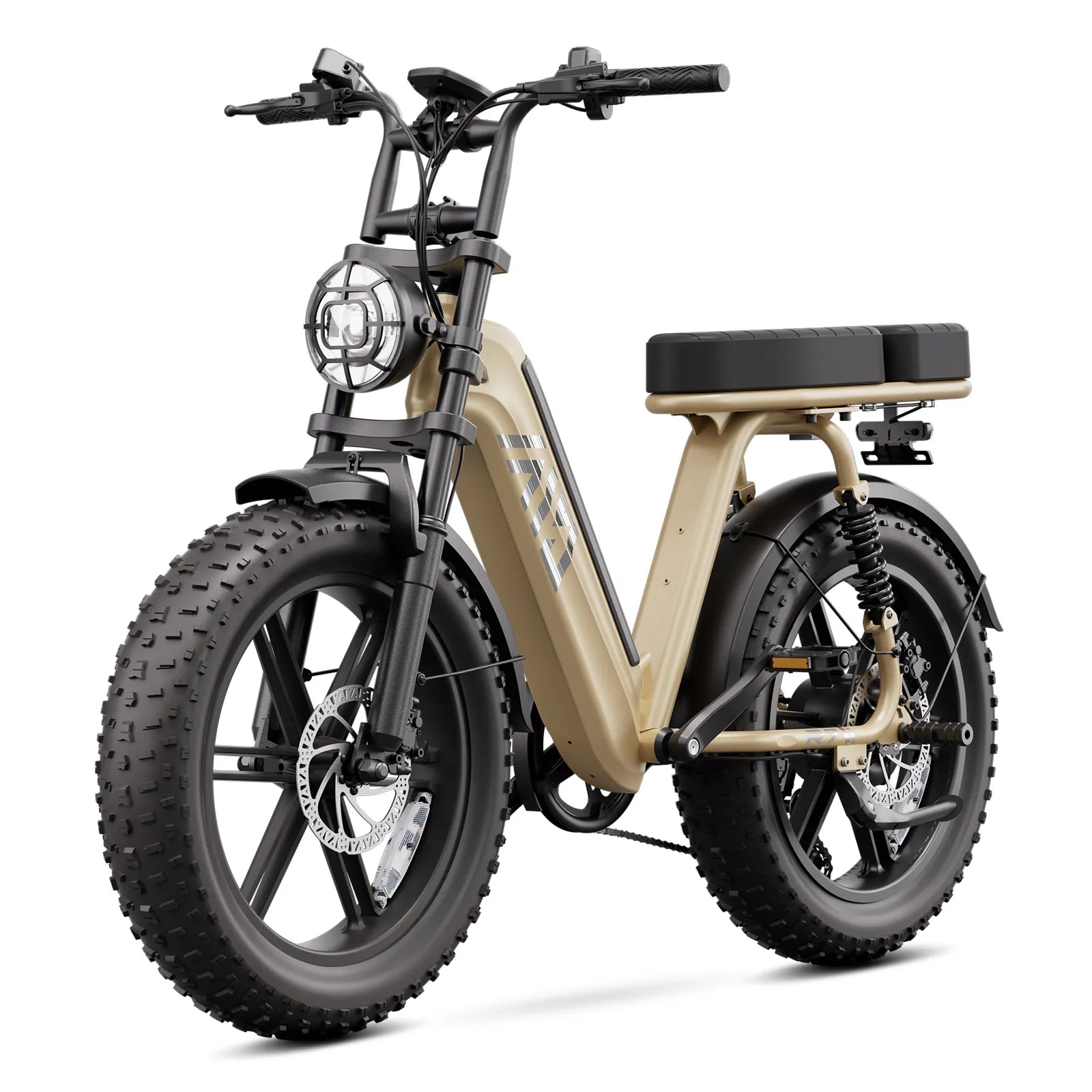
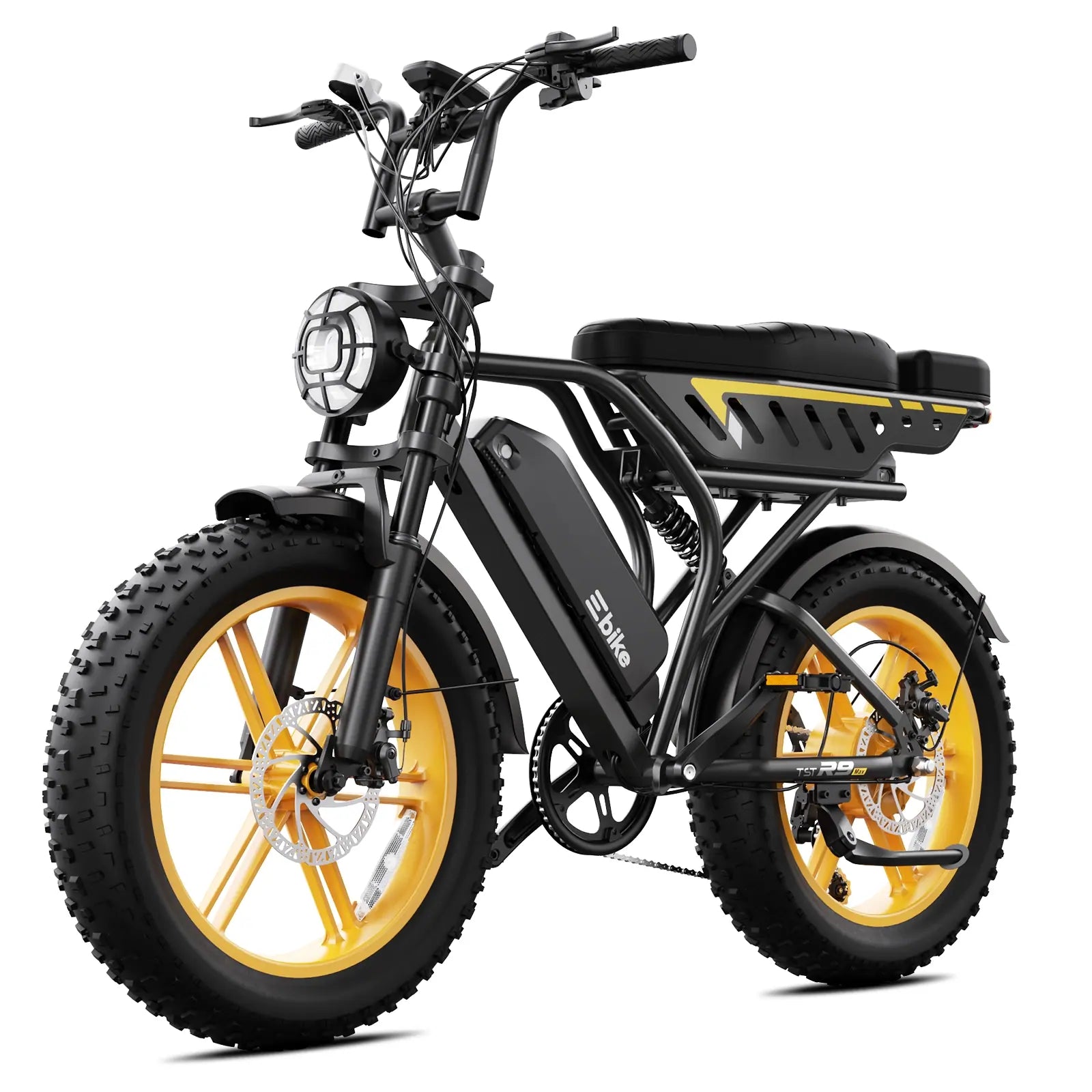
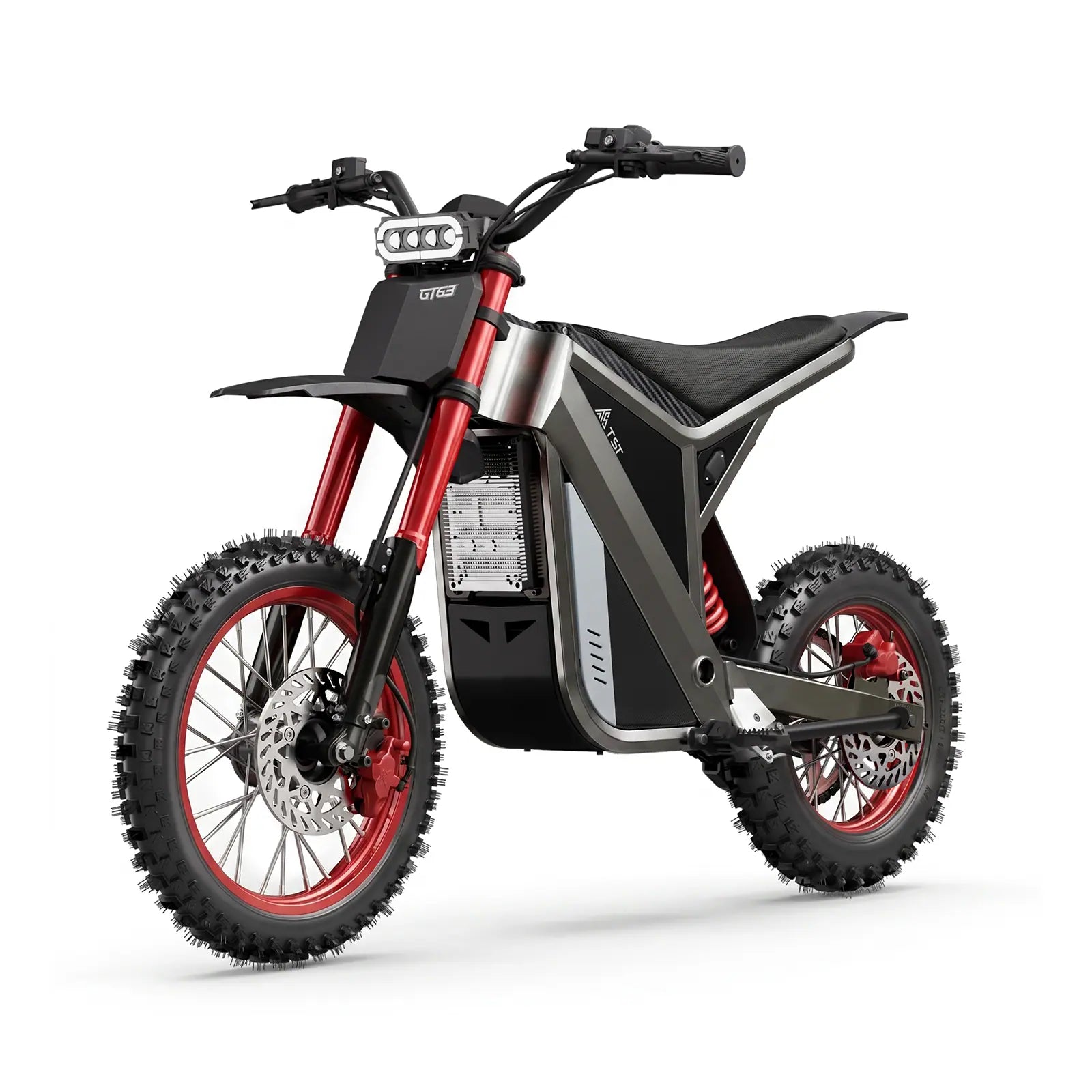
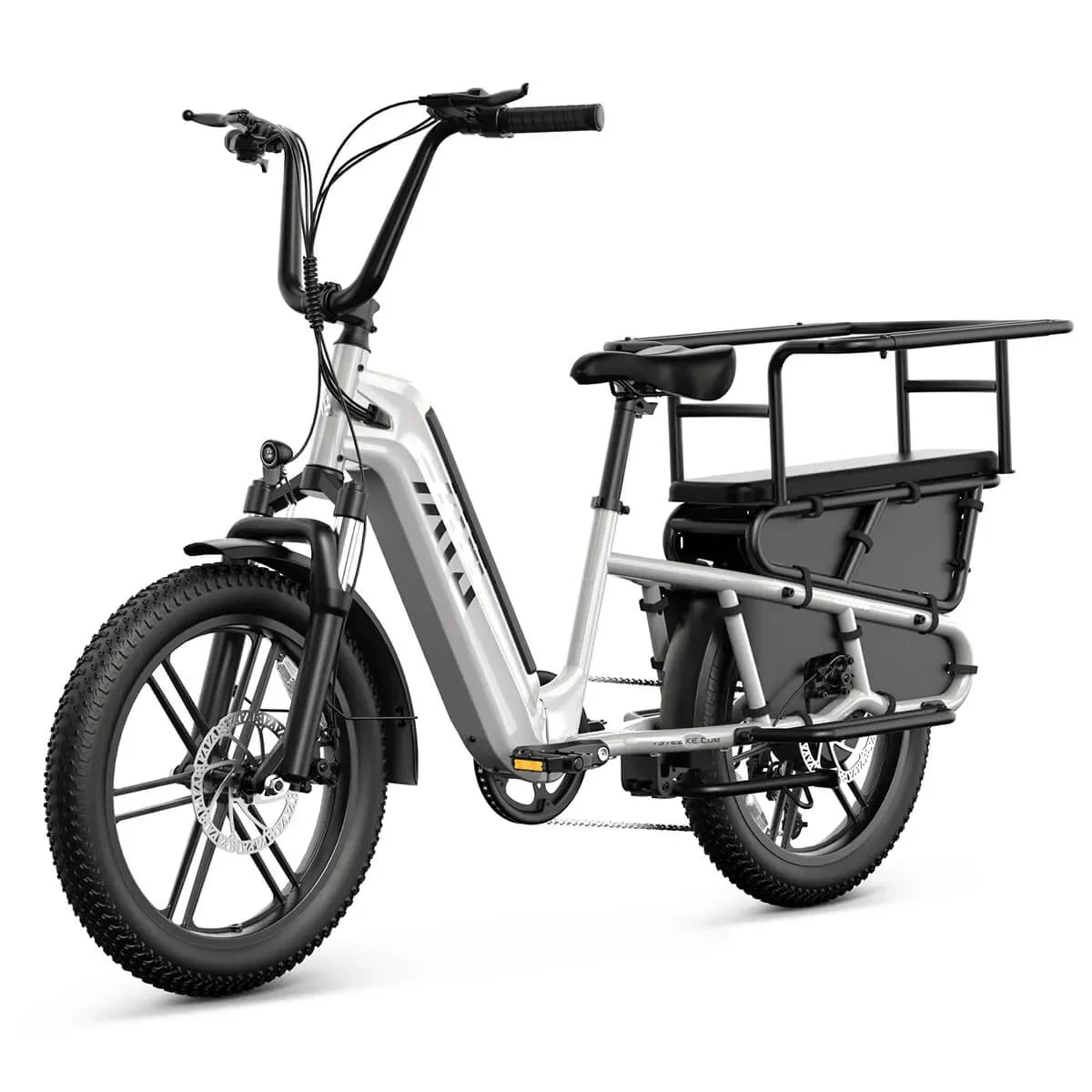
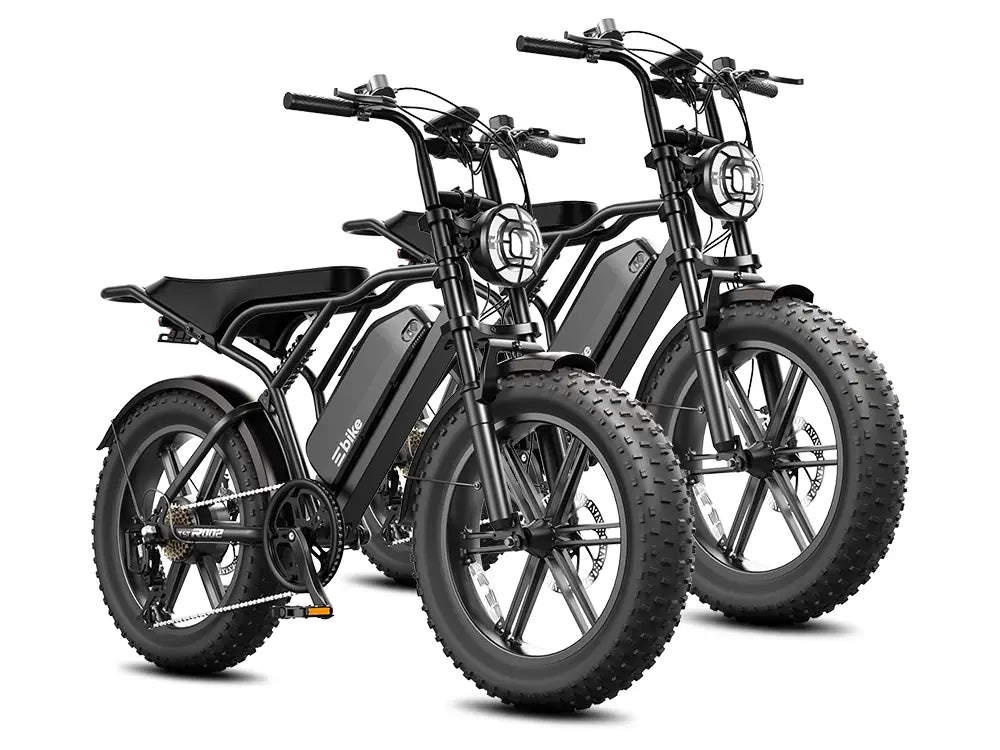
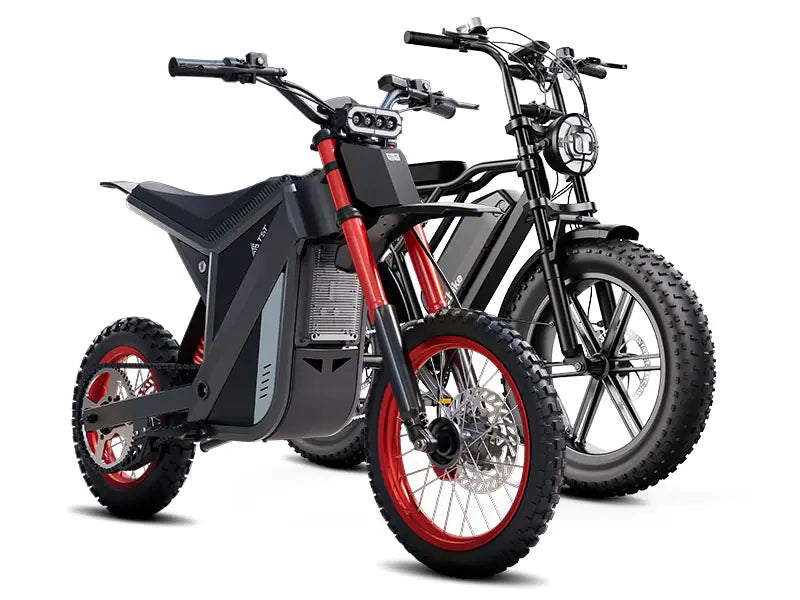
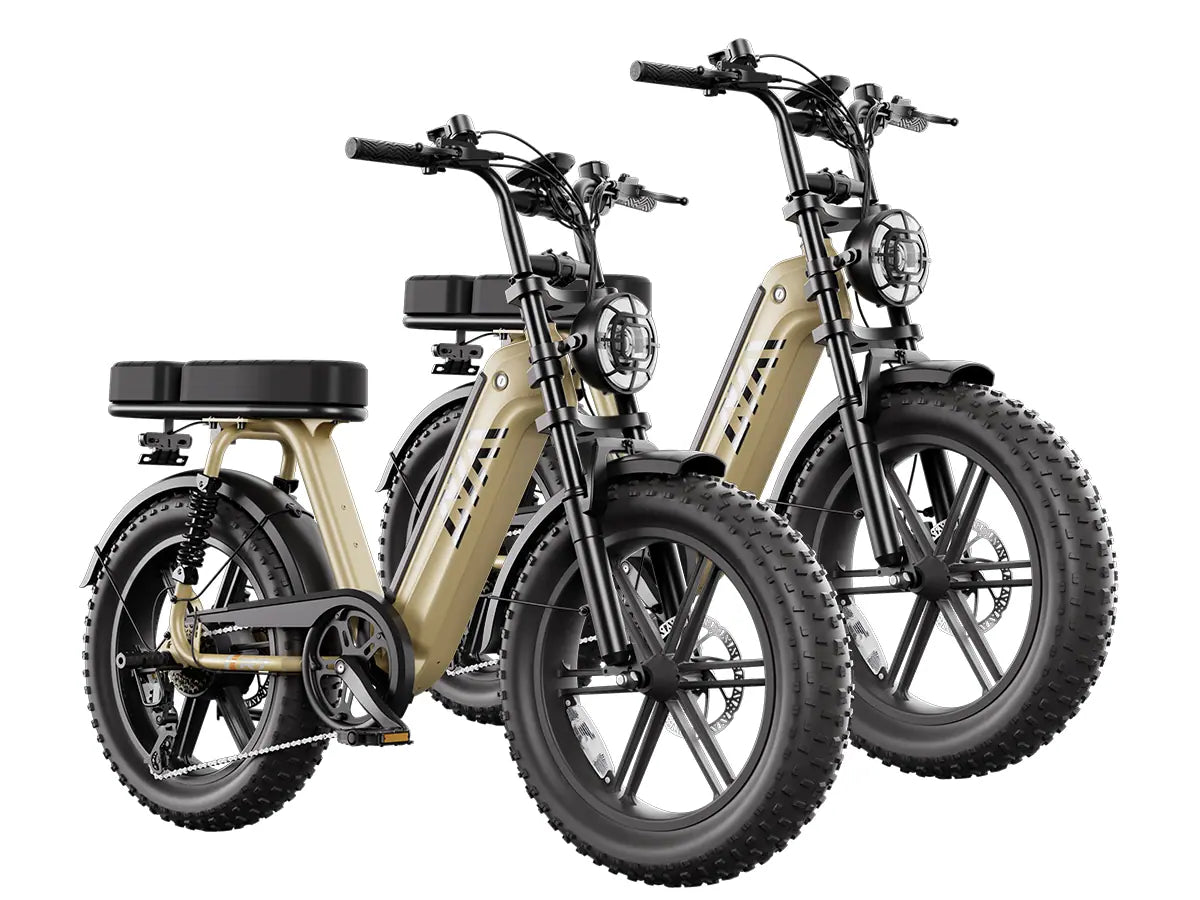
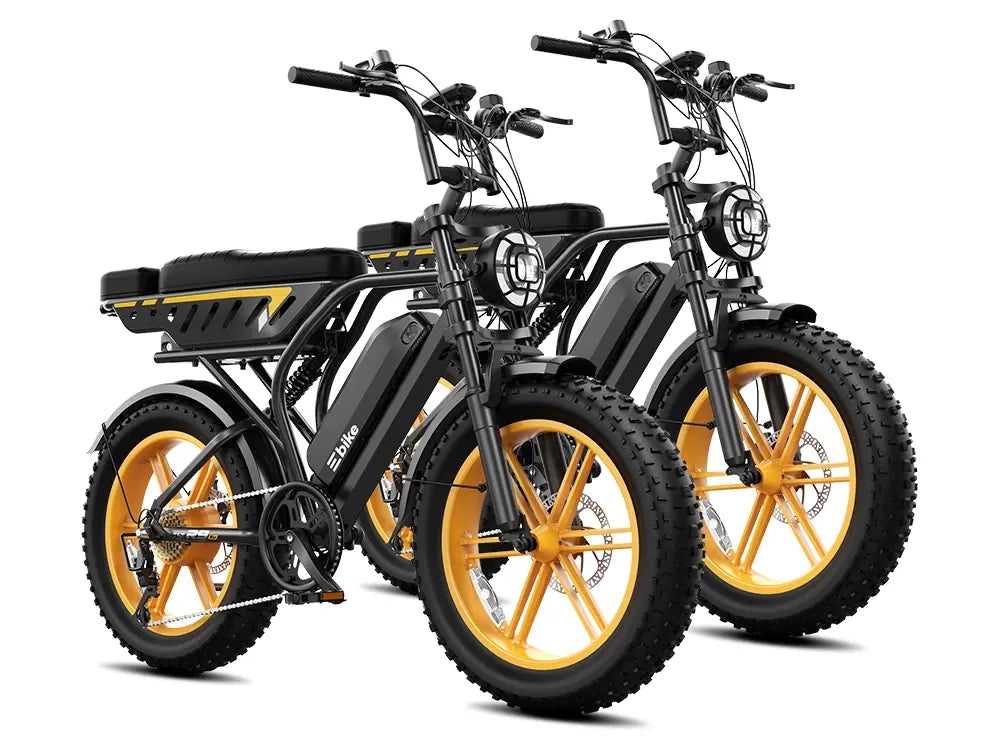
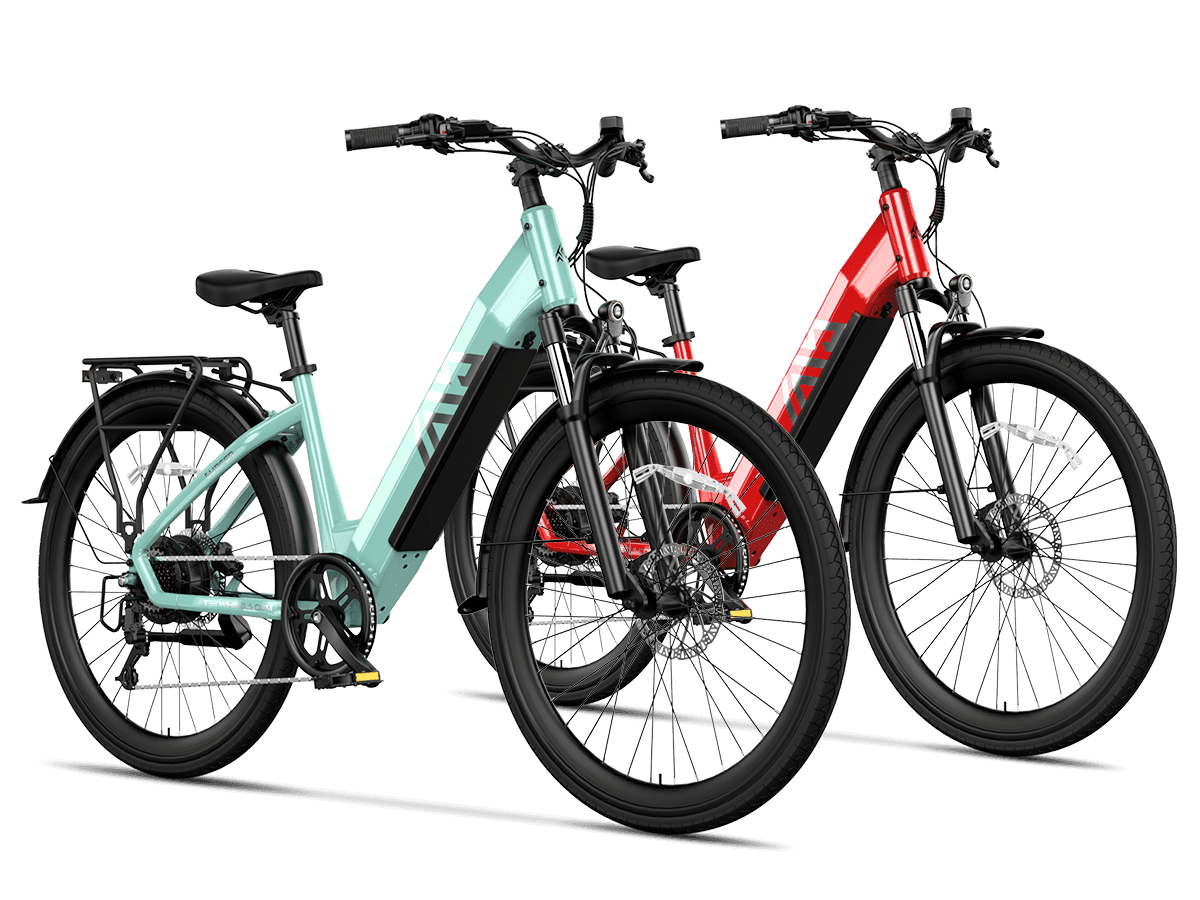
A heavy‑duty cargo ebike needs a strict maintenance checklist because chains, spokes, and brakes wear up to three times faster under daily heavy loads. Inspect the drivetrain weekly, tension and true wheels monthly, and service braking systems regularly. By treating the bike like a light commercial vehicle instead of a toy, you prevent sudden chain failures, broken spokes, and costly downtime.
What makes heavy‑duty cargo ebike maintenance different from regular ebikes?
Heavy‑duty cargo ebike maintenance differs because the frame, wheels, chain, and brakes work near their design limits every day under high torque and heavy loads. Each component sees more stress cycles and higher peak forces than a typical commuter bike. As a result, inspection intervals must be shorter, lubrication more consistent, and replacement decisions more conservative.
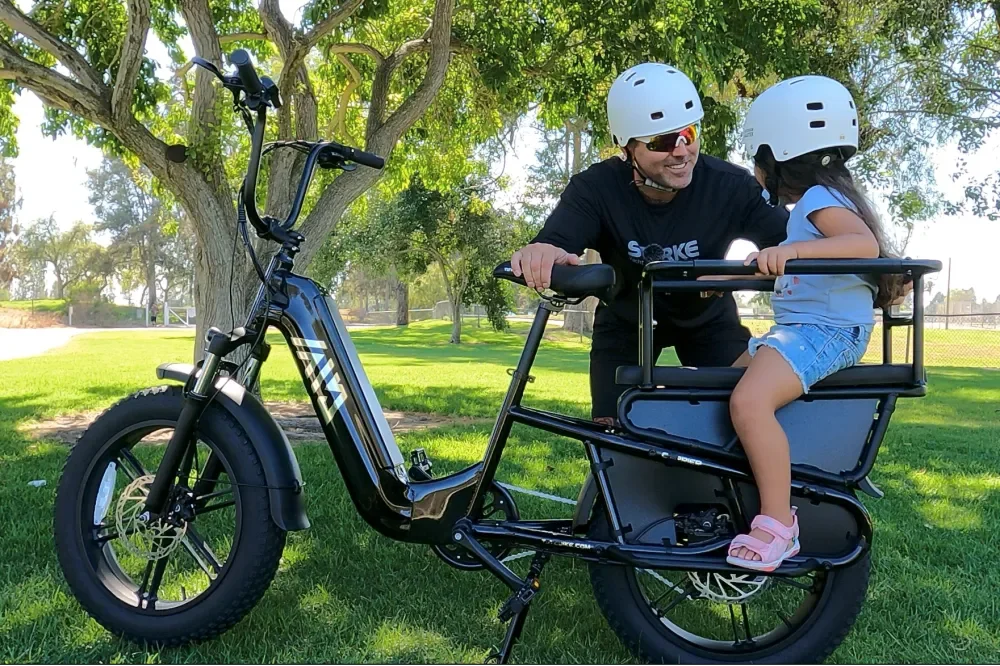
From my workshop experience, cargo ebikes behave more like delivery scooters than leisure bicycles. Axle loads increase when racks are fully packed, and prolonged motor assistance in high power modes accelerates chain and cassette wear. If you apply a “weekend bike” mindset to a cargo ebike, the first sign of trouble is usually a snapped chain or a wheel that suddenly goes out of true under braking—both preventable with systematic checks.
How often should chains, spokes, and brakes be inspected on heavy cargo ebikes?
Chains, spokes, and brakes on heavy cargo ebikes should be inspected at least weekly for commercial use and every two weeks for intensive personal use. Quick visual checks before every ride help catch obvious damage, while more detailed inspections focus on chain stretch, spoke tension, rim condition, and pad thickness. Short, frequent inspections are more effective than occasional deep overhauls.
In practice, I set up a simple calendar for fleet operators: daily pre‑ride walk‑around, weekly chain stretch and lubrication checks, and monthly spoke tension and wheel truing. For brakes, pad wear and rotor condition are reviewed weekly, with full hydraulic or cable system servicing every few months depending on mileage. This rhythm keeps minor issues from progressing into catastrophic driveline or wheel failures under heavy loads.
How can you structure a heavy‑duty cargo ebike maintenance checklist?
Here is a practical checklist that cargo ebike owners and fleet managers can use:
This simple table can be printed and kept near storage racks to ensure maintenance becomes a habit, not a guess.
Why do cargo ebike chains wear up to three times faster than regular bike chains?
Cargo ebike chains wear faster because they transmit higher torque for longer periods, often at low cadence and high assistance levels. Heavy loads and steep starts stress every link and pin, forcing lubricant out and increasing metal‑to‑metal contact. Over time, this stretch leads to poor shifting, noisy drivetrains, and accelerated wear on cassettes and chainrings.
On the bench, I see cargo chains showing measurable stretch in half the mileage of a typical commuter ebike if they are used for daily delivery work. The hidden culprit is long periods in high gears during loaded starts: the motor and rider together overshoot the chain’s design load, causing microscopic elongation at each pin. Once stretch passes manufacturer limits, fresh chains no longer mesh cleanly with worn teeth, raising the risk of skipping and sudden failure under peak load.
How should you measure and manage chain wear on a heavy‑duty cargo ebike?
Chain wear is measured using a chain checker that indicates elongation percentage over a set length. For heavy cargo use, chains should be replaced earlier than on standard bikes, typically at 0.5–0.75% stretch instead of waiting until they reach 1%. Regular measurement and proactive replacement protect the cassette and chainring teeth from premature wear and chipped profiles.
I recommend selecting industrial‑grade ebike chains with hardened pins and consistent plating, then tracking mileage between replacements for each route pattern. In wet or dusty environments, cleaning and re‑lubrication intervals must be shorter. When chains are replaced on schedule, drivetrain life extends dramatically, and riders notice smoother shifting and quieter operation even under full motor assistance.
Which hidden habits destroy cargo ebike drivetrains over five years?
The most destructive habit is repeatedly starting from a stop in a high gear while carrying heavy loads and using strong assistance. This forces the chain and cassette to absorb high torque at low speed, increasing stress on teeth and pins. Other harmful habits include skipping regular lubrication, riding with misaligned derailleurs, and ignoring early signs of jumping or grinding under load.
Over about five years, these behaviors form a “wear funnel” for drivetrains. At the wide top of the funnel are small choices—gear selection, cadence, and cleaning frequency—that gradually accelerate wear. At the narrow bottom are visible failures: chipped teeth, snapped chains, and sudden loss of drive. Understanding this funnel helps riders change daily habits before damage concentrates at critical points.
How does the five‑year drivetrain wear funnel look for heavy cargo ebikes?
The drivetrain wear funnel can be described as a progression from subtle causes to obvious failures:
By identifying where you are in this funnel, you can adjust habits and maintenance before reaching the failure stage.
How should you maintain spokes and wheels on a heavy‑duty cargo ebike?
Spokes and wheels must be treated as structural components, not just round parts that hold tires. Heavy cargo loads impose high radial and lateral forces, especially when turning or braking hard. Regular spoke tension checks, wheel truing, and rim inspections prevent stress concentrations that lead to broken spokes and cracked rims under commercial workloads.
In my experience, cargo ebikes should use properly tensioned, double‑butted or thick‑gauge spokes with reinforced rims and quality hub flanges. Riders or technicians can use a spoke tension meter for precise assessment, but even a trained finger and ear can detect looseness. Addressing one or two loose spokes early avoids domino failures where multiple spokes break in sequence, forcing full wheel rebuilds and unexpected downtime.
What brake maintenance principles are essential for heavy cargo ebikes?
Cargo ebike brakes handle more mass, faster speeds, and longer descents than typical bikes, so they require vigilant care. Key principles include monitoring pad wear regularly, keeping rotors clean and flat, and maintaining cable or hydraulic systems to ensure consistent bite. Any change in lever feel, noise, or stopping distance should trigger an immediate check.
For disc systems, I advise using ebike‑rated pads and rotors with sufficient thickness and heat capacity. Fleet bikes should have documented pad replacement intervals based on mileage and load patterns. When riders report fading brakes or pulsing at the lever, the cause is often glazed pads or warped rotors from overheating—a sign that either the hardware is underspecified or the route demands more frequent service.
Why is TST EBike’s cargo maintenance approach different?
TST EBike designs and supports its ebikes with the expectation of real‑world heavy use, not just showroom display. Customer feedback from multiple countries and more than 20 offline stores feeds into maintenance recommendations and component choices. This loop leads to practical checklists and robust parts that align with what riders actually experience on busy streets.
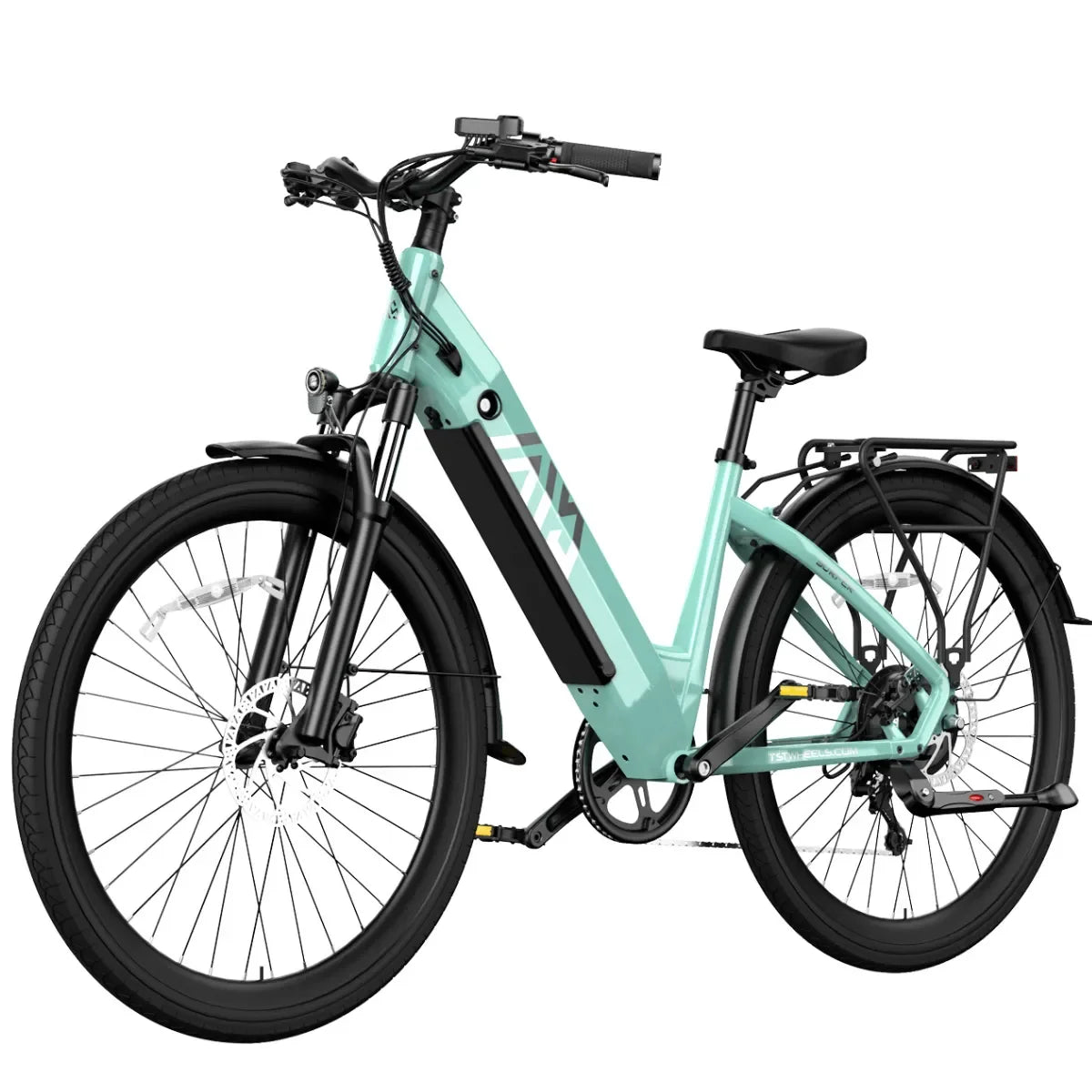
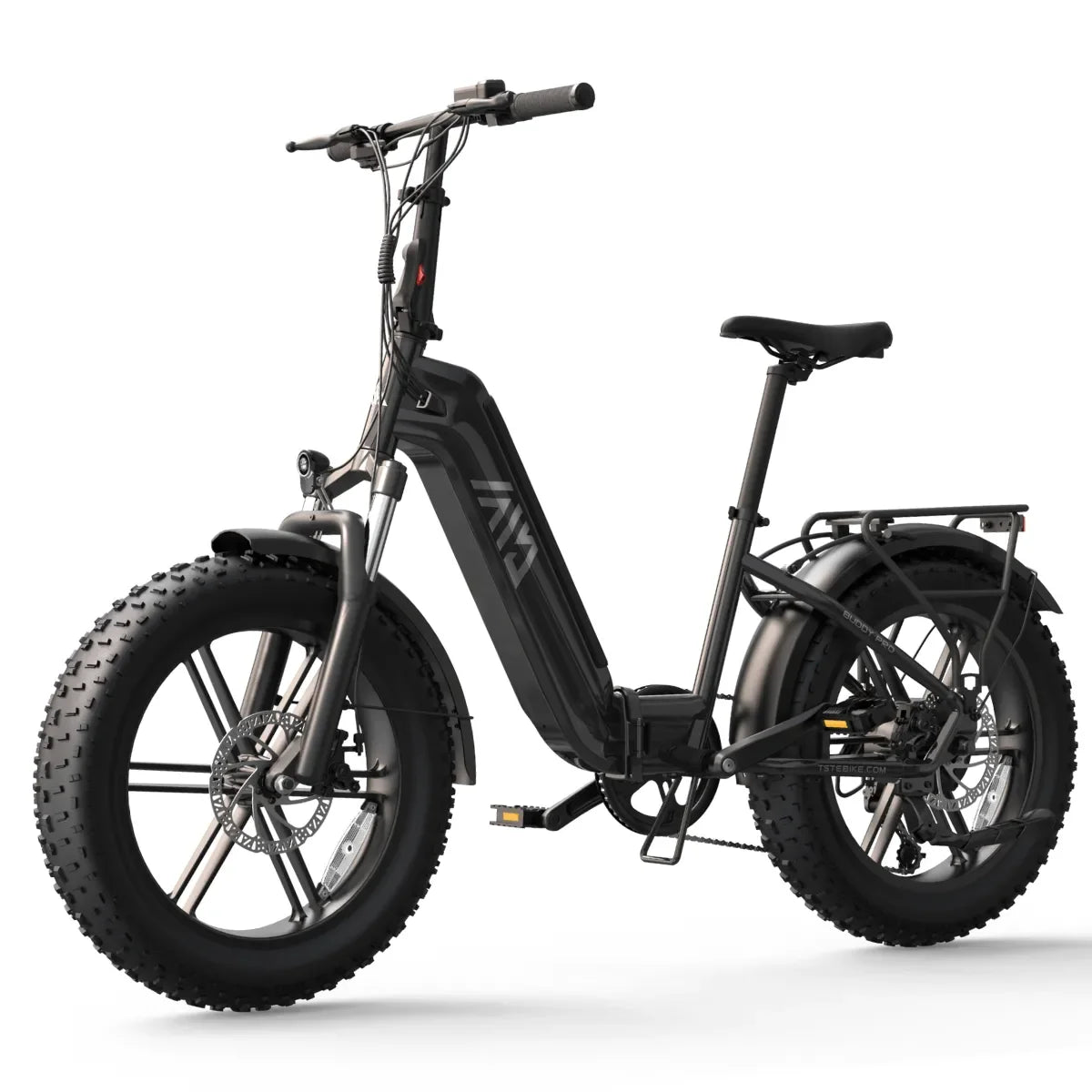
Because TST GRP LLC built TST EBike around high‑power, cost‑effective platforms, maintenance advice focuses on protecting value: keeping chains, spokes, and brakes working reliably without forcing riders into overly complex service routines. Whether on 26‑inch models for rough terrains or 27‑inch platforms for commuting and mountain biking, the brand’s maintenance philosophy recognizes that cargo duty amplifies every minor issue, making early intervention and clear SOPs essential.
Are 26‑inch and 27‑inch TST EBike cargo setups maintained differently?
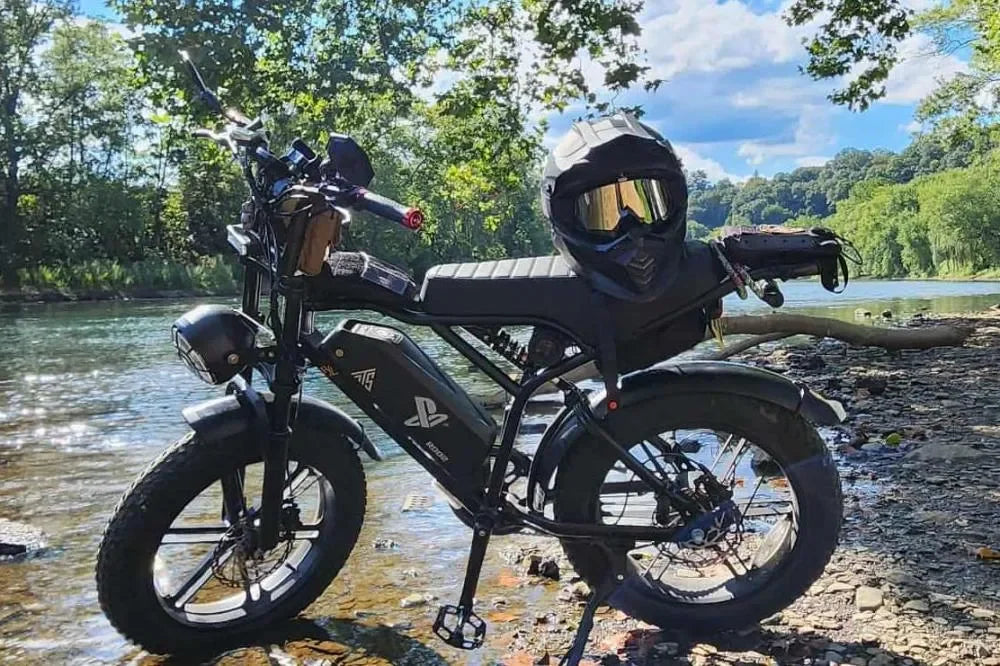
Yes, wheel diameter and use case change maintenance emphasis. On 26‑inch cargo setups optimized for rough terrains like snow and sand, wheel inspections focus on rim integrity and spoke tension under repeated soft‑surface impacts. Tires often run lower pressures, so rims and spokes see more flex cycles and require closer monitoring.
For 27‑inch commuter and mountain‑focused cargo configurations, brake heat management and drivetrain cleanliness take center stage. Higher sustained speeds on pavement and longer descents mean rotors and pads are more likely to overheat, and chains accumulate more road grit. In both cases, TST EBike encourages riders to treat their bikes like light commercial assets, not recreational toys, adjusting inspection intervals to route difficulty and payload rather than generic mileage.
TST EBike Expert Views
In our workshop, we treat every loaded cargo ebike like a small delivery van: chains and spokes are structural components, not consumables you can ignore. When we audit a TST EBike after a busy season, we look at chain stretch, spoke tension maps, and brake rotor discoloration before anything else. Those three readings tell us how the bike has really been used—and what maintenance discipline the rider or fleet manager actually follows.
What are the key takeaways and actionable steps for heavy‑duty cargo ebike maintenance?
The key takeaway is that heavy‑duty cargo ebikes need systematic, scheduled maintenance. Chains, spokes, and brakes wear faster than on regular bikes, so waiting for obvious problems is too late. Instead, owners should adopt a structured checklist, track chain stretch, monitor wheel integrity, and keep braking systems in top condition.
Actionably, start by printing a simple maintenance table and placing it where the bike is stored. Commit to weekly drivetrain and brake checks and monthly wheel inspections. Learn to measure chain wear and recognize loose spokes or rim cracks. If you manage multiple cargo ebikes, create a logbook for each unit, noting mileage, loads, and service events. This disciplined approach keeps your cargo ebike safe, efficient, and profitable over years of demanding use.
FAQs
Do I really need to check my cargo ebike chain every week?
For heavy loads and frequent use, weekly checks are wise. Chains wear faster under cargo duty, and catching stretch early prevents costly cassette and chainring damage.
Can loose spokes be ridden on a heavy‑duty cargo ebike?
They shouldn’t be. Loose spokes redistribute stress to neighbors, increasing the risk of multiple breaks and rim damage, especially under heavy braking or cornering.
Are hydraulic brakes mandatory for cargo ebikes?
Hydraulic brakes are strongly recommended for heavy loads and frequent stops, but well‑maintained mechanical discs can work on lighter routes. The key is consistent stopping power.
Can I use standard bike chains on a heavy cargo ebike?
You can, but ebike‑specific chains with reinforced pins and plates last longer under high torque. They reduce the likelihood of snaps and poor shifting under heavy assistance.
Does riding in winter change cargo ebike maintenance needs?
Yes. Salt, moisture, and grit accelerate corrosion and wear. Chains need more frequent cleaning and lubrication, and spokes and rims should be checked often for rust and pitting.

Leave a comment
This site is protected by hCaptcha and the hCaptcha Privacy Policy and Terms of Service apply.