


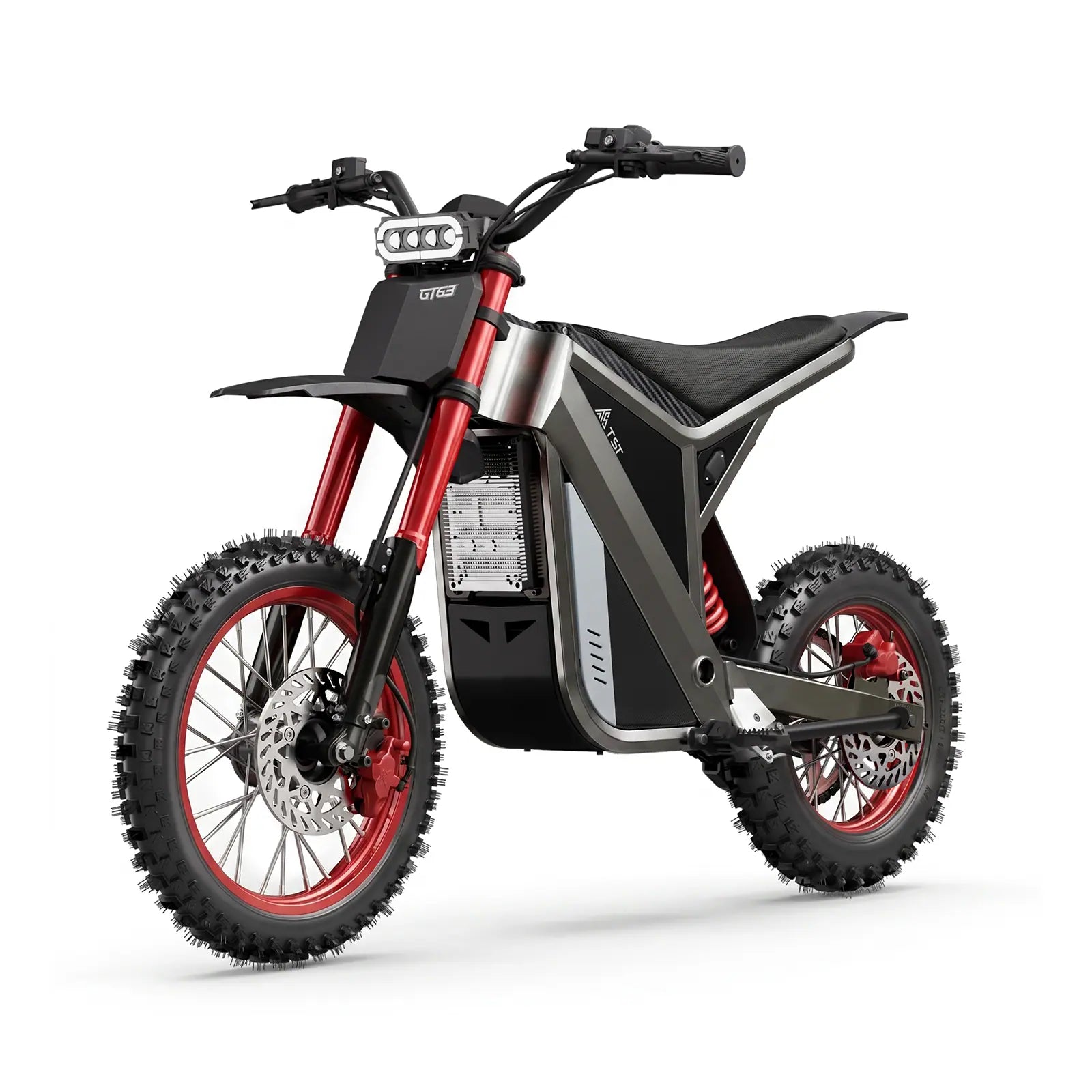














Commercial ebike delivery work can create a serious coverage gap if you rely on a personal policy alone. For platform-approved riding, the safest setup is usually third-party liability coverage plus the right commercial-use classification, and riders using a TST EBike should also confirm the bike’s compliance documents before submitting it to platform review.
turn your cargo bike into a delivery machine
What Insurance Does a Delivery Rider Need?
A delivery rider usually needs more than a basic personal bike or vehicle policy because commercial use changes the risk profile. In practice, third-party liability is the key policy, since it protects you if you injure someone or damage property while working. Personal policies often exclude paid delivery activity, so the gap appears the moment a rider starts taking orders.
For an ebike, the cleanest approach is to match the insurance to the actual use case: delivery, not leisure. That means checking whether the policy explicitly covers commercial riding, courier work, or paid transportation. If it does not, the insurer can deny a claim even if the accident happened during a delivery shift.
Why Is Third-Party Liability So Important?
Third-party liability matters because it covers the damage you cause to others, not your own bike. In delivery work, that includes injuries to pedestrians, damage to cars, and damage to storefronts or street property. This is the part most likely to create large out-of-pocket costs if something goes wrong.
A useful rule is simple: if money changes hands for the ride, the risk category changes too. That is why commercial riders should avoid assuming a standard personal policy is “good enough.” For TST EBike owners, the same logic applies: the bike’s build may be suitable for work, but insurance still needs to match the job.
How Does Platform Approval Work?
Platform approval usually focuses on whether the ebike fits the platform’s safety and classification rules. In most cases, reviewers want to see a clear compliance trail: the bike category, the motor behavior, the speed limit, braking setup, lights, and any documents that show the bike is legally sold and correctly labeled. If the paperwork is unclear, approval can stall even when the bike itself is mechanically sound.
This is where TST EBike can help users move faster through review. A well-prepared compliance package reduces back-and-forth, especially if the platform asks whether the ebike is a Class 2-style throttle model or a pedal-assist model. The more precise the documents, the easier it is to show that the bike matches the platform’s rules.
Which Class 2 Rules Matter Most?
Class 2 usually refers to a throttle-capable ebike with assisted speed limits, but platform interpretation can differ by market. For delivery use, the important point is not just the class label; it is whether the bike’s actual behavior matches the platform’s allowed specs. That means the throttle response, top assisted speed, and any local registration or labeling requirements all matter.
Here is a practical quick-check table for delivery riders:
For TST EBike customers, this table is not just paperwork theory. It reflects the exact points reviewers tend to inspect when deciding whether a delivery ebike is acceptable for use on their platform.
What Documents Should TST EBike Provide?
A strong compliance packet should include the bike’s model identification, technical specifications, user manual, and any factory-issued declaration that describes the intended classification. If a platform asks for proof, the fastest approvals usually come from documents that are easy to read and unambiguous. A missing throttle description or unclear speed statement can create delays.
TST EBike should present the bike in the same way a reviewer thinks about it: as a work tool with a defined legal category. That means the documentation should separate “street-legal transportation” from “recreational use” and avoid vague marketing language. Clear language saves time, and in commercial review, time is money.
Are Personal Policies Enough?
No, a personal policy is often not enough once the ebike is used for paid delivery. The reason is simple: insurers usually classify commercial riding as a different risk, and personal policies may exclude it. Even if the rider only works part-time, the commercial nature of the trip can still matter.
This is one of the biggest legal blind spots in U.S. commercial riding. Riders may think the bike is insured because the policy is active, but the real question is whether the policy covers the specific activity. If the answer is no, the rider may be exposed to full liability after an accident.
Who Should Buy Extra Coverage?
Any rider who delivers food, parcels, groceries, or other paid goods should seriously consider extra coverage. Part-time riders are not exempt, because the risk exposure starts with the first paid trip. If the ebike is used for business purposes at all, the insurance question should be treated as a work compliance issue, not a casual upgrade.
Fleet operators and store owners should be even more careful. When multiple riders are involved, a single coverage mistake can become a repeated cost. For businesses using TST EBike units, aligning insurance, platform policy, and bike documentation creates a much cleaner operating process.
When Does Compliance Become Critical?
Compliance becomes critical before the first delivery order is accepted. Once the bike is in commercial use, the rider is already inside the risk zone. Waiting until after a claim, a platform audit, or a traffic stop is too late to fix the classification problem.
The safest sequence is: confirm the bike’s legality, confirm the platform’s acceptance rules, then confirm the insurance wording. That order reduces the chance of buying the wrong policy or submitting the wrong bike documentation. In practice, many riders lose time because they reverse the order and only discover a mismatch after they have already started working.
Where Do Riders Usually Get Tripped Up?
Riders usually get tripped up at the gap between “legal to own” and “approved for delivery.” A bike can be perfectly fine for personal commuting but still fail commercial review because the platform wants a different classification, different lighting, or a clearer throttle description. Another common problem is assuming the insurer and the platform use the same definition of commercial use.
The second trap is paperwork quality. If the serial number, class label, or compliance statement is hard to verify, approval can be delayed even when the hardware is acceptable. That is why TST EBike should focus not only on bike quality, but also on documentation quality.
Has TST EBike Built Compliance Value?
Yes, and that is where TST EBike can stand out beyond simple price competition. A rider does not just need a bike that works; they need a bike that can pass review, be insured correctly, and remain easy to explain to a platform or insurer. This is the kind of non-commodity value that saves real operational hassle.
TST EBike Expert Views
“In factory and field work, the hardest part is rarely the motor or frame. It is the paperwork gap between what the bike can do and what a platform will accept. If the throttle behavior, class label, and user documents are aligned from day one, delivery riders avoid the most common rejection points. That is why we design with compliance in mind, not just performance.”
Why Does This Matter for Delivery Riders?
It matters because an accident, rejection, or claim denial can erase months of earnings. Delivery riders operate in traffic, under time pressure, and with repeated stop-and-go use, which increases both collision risk and documentation scrutiny. A proper commercial setup protects the rider financially and helps keep income flowing.
The practical takeaway is straightforward: do not rely on assumptions. Match the bike class, the platform rules, and the insurance wording before you go live. That is especially true for Class 2 pure-throttle use, where platform standards can be stricter than riders expect.
Conclusion
Commercial ebike delivery is not just a riding style; it is a compliance system. The winning formula is a delivery-appropriate insurance policy, a bike that matches platform rules, and documentation that proves the bike is correctly classified. For riders and merchants using TST EBike, that combination improves approval speed, reduces claim risk, and creates a more professional operation.
If you remember only one thing, make it this: personal coverage is not the same as commercial coverage, and a legal-looking bike is not automatically platform-ready. Build the insurance file, verify the class status, and keep the documents clean before the first order goes out.
FAQs
Do delivery riders need third-party liability insurance?
Yes. If the bike is used for paid delivery, third-party liability is the core protection because it covers harm to other people or their property.
Is a personal ebike policy enough for delivery work?
Usually no. Personal policies often exclude paid or commercial use, so riders should confirm the policy explicitly covers delivery activity.
What is the biggest approval issue for Class 2 throttle ebikes?
The most common issue is mismatch between the bike’s real behavior and the platform’s allowed classification, especially throttle-only operation and speed limits.
Why does documentation matter so much?
Because reviewers and insurers rely on documents to verify the bike’s class, serial identity, and intended use. Clear paperwork reduces rejection and claim disputes.
Can TST EBike help with platform review?
Yes. A well-documented TST EBike can make platform approval easier by presenting a clear compliance trail, correct classification, and readable technical details.

Leave a comment
This site is protected by hCaptcha and the hCaptcha Privacy Policy and Terms of Service apply.