


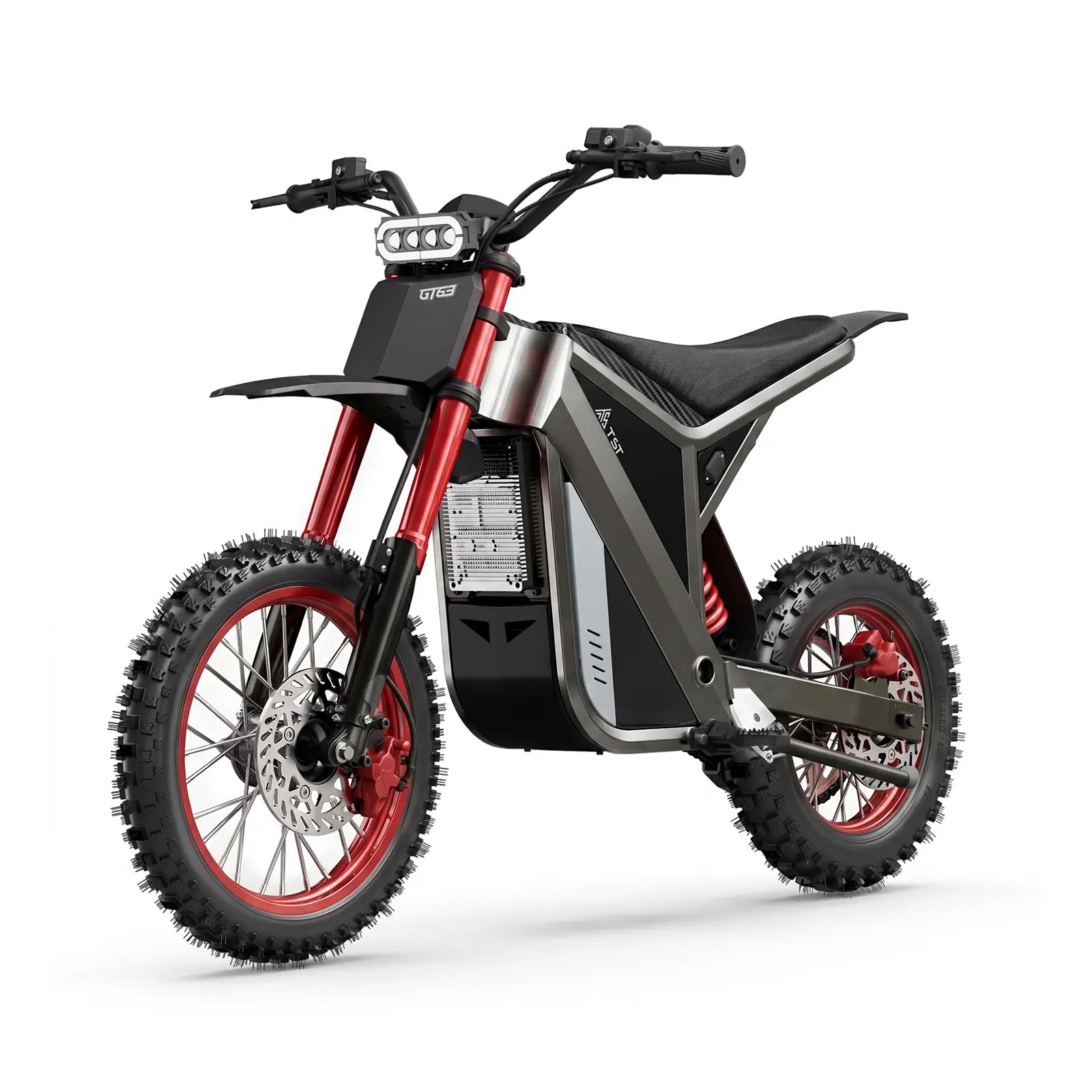
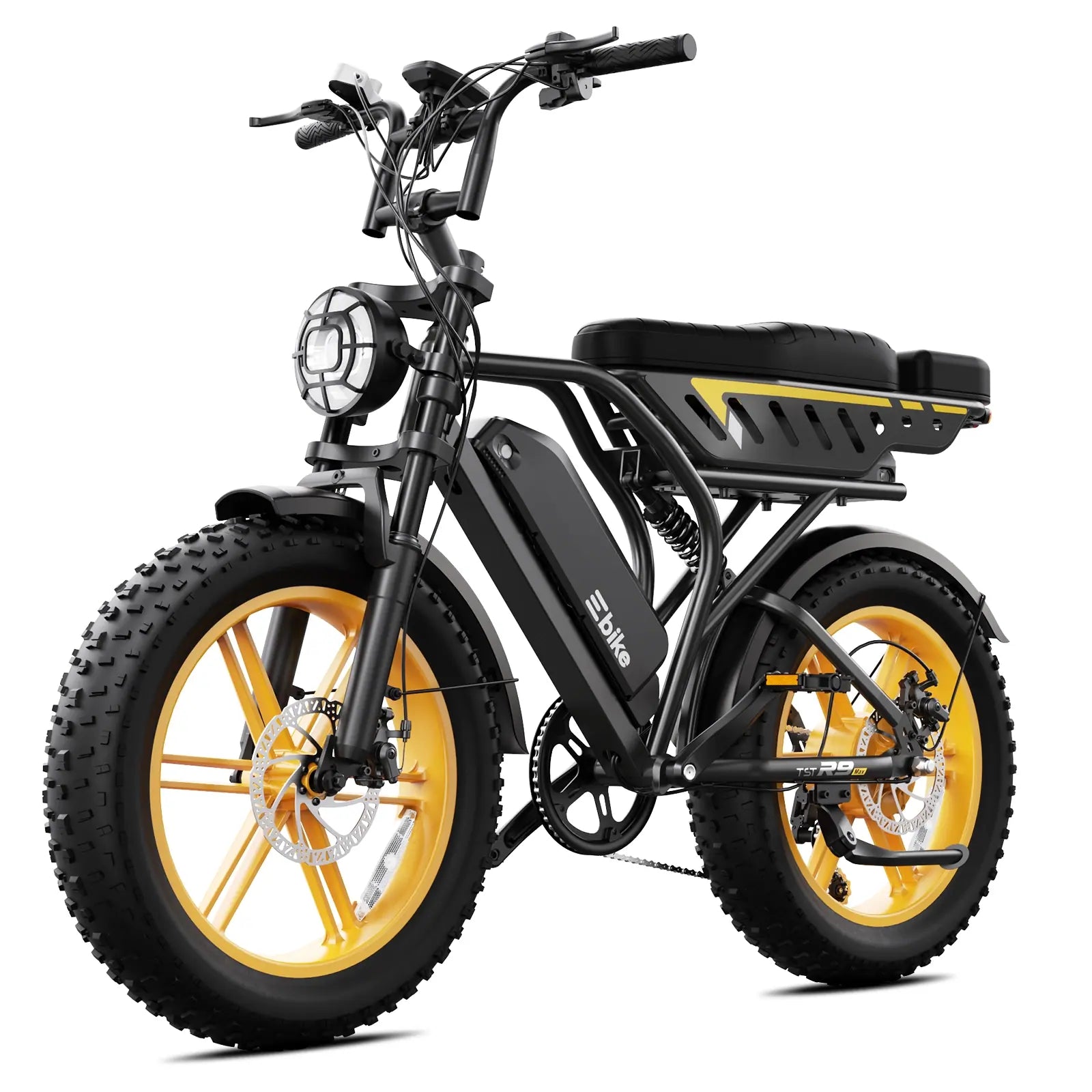
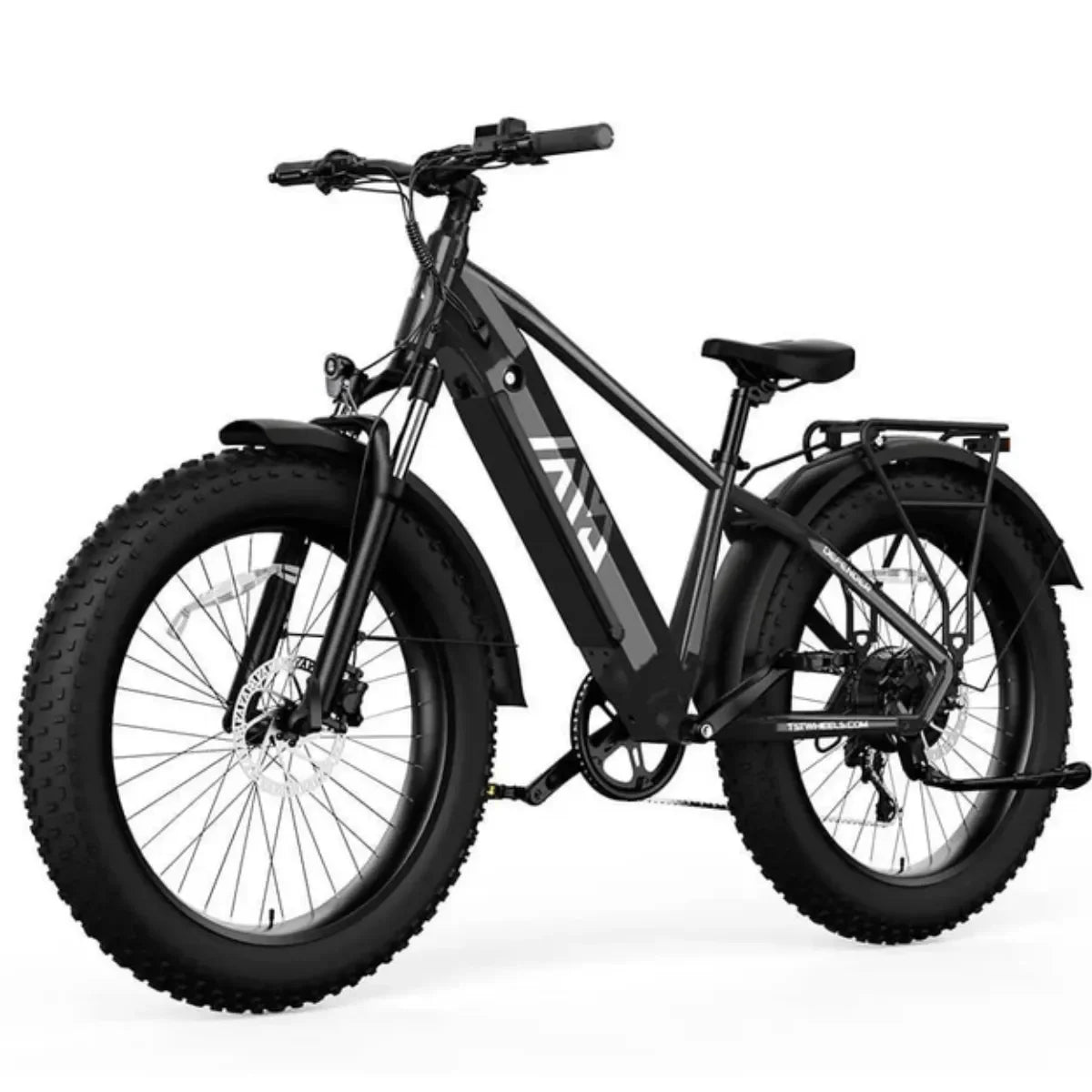
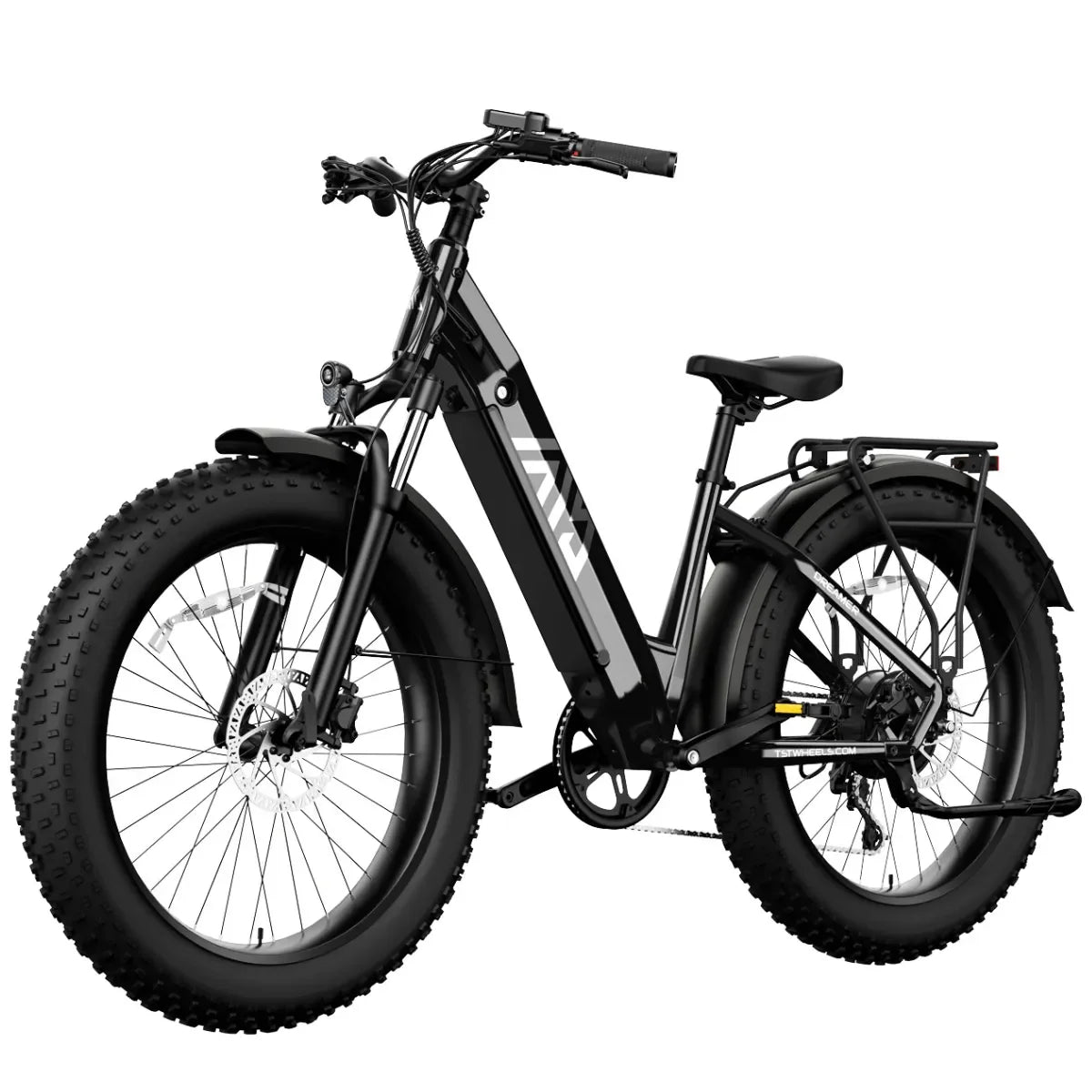

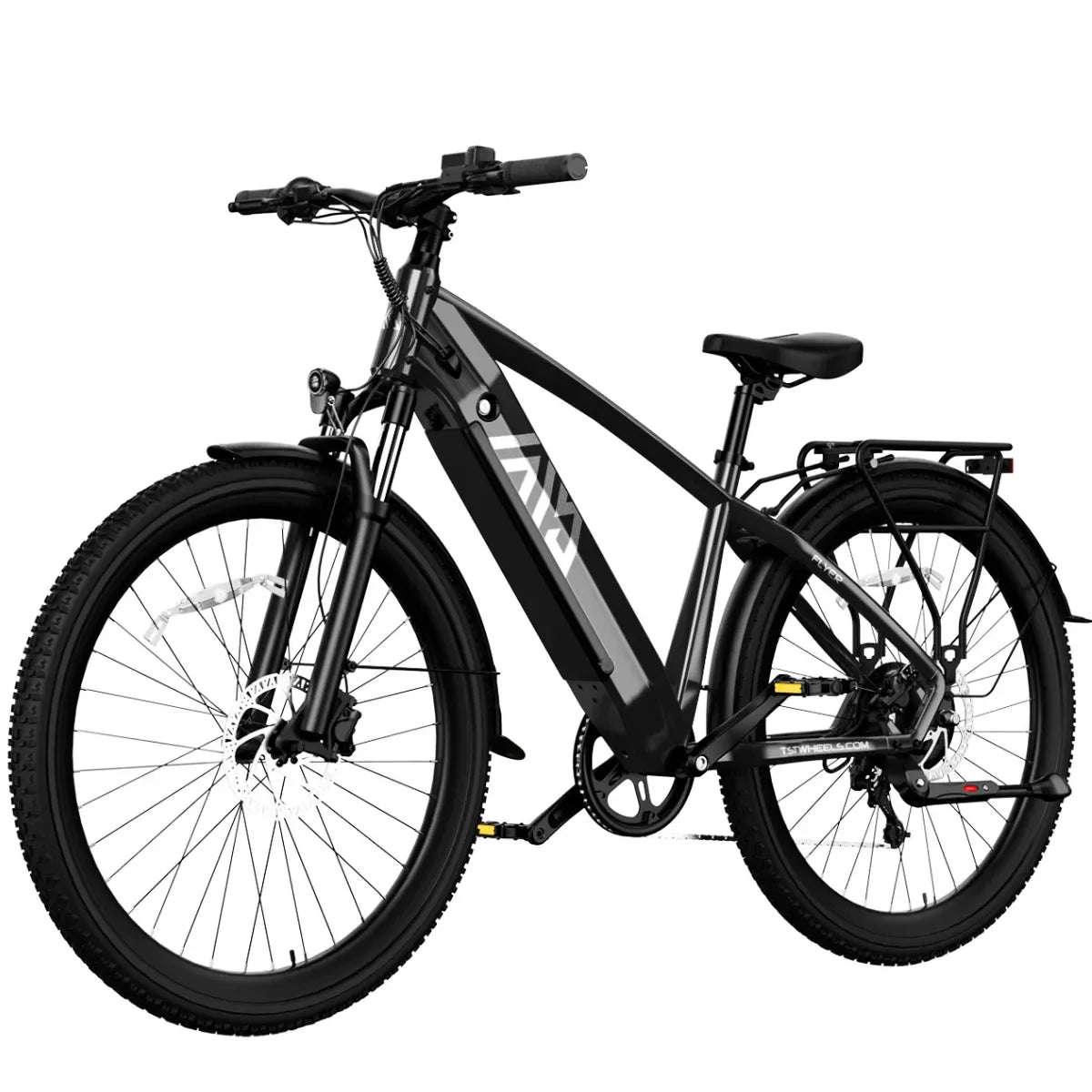







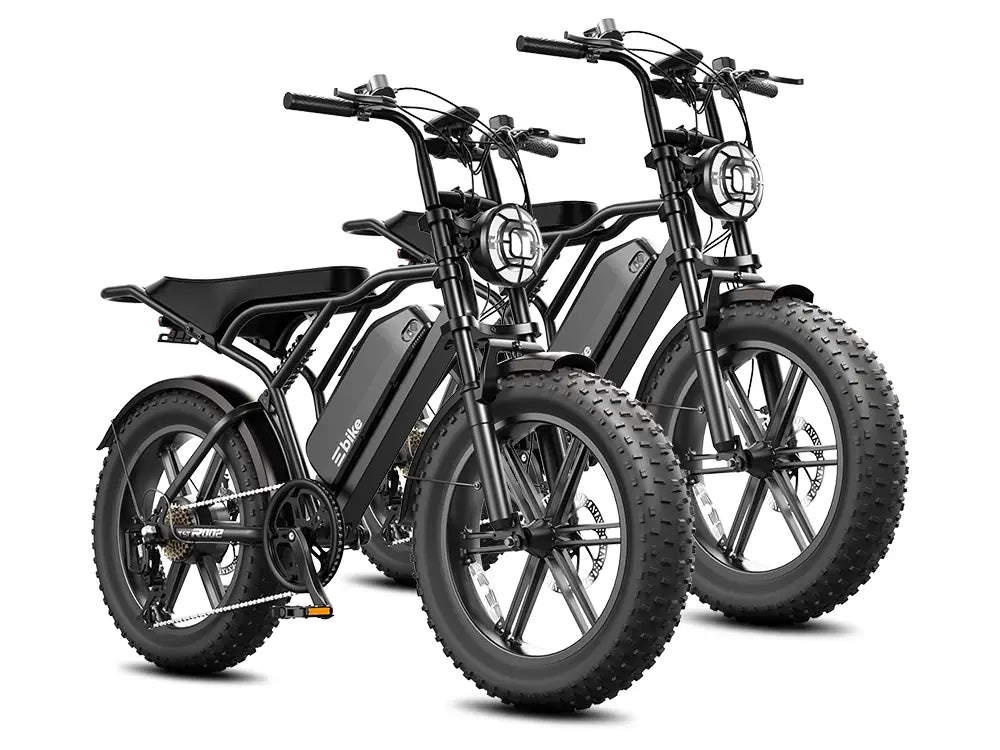
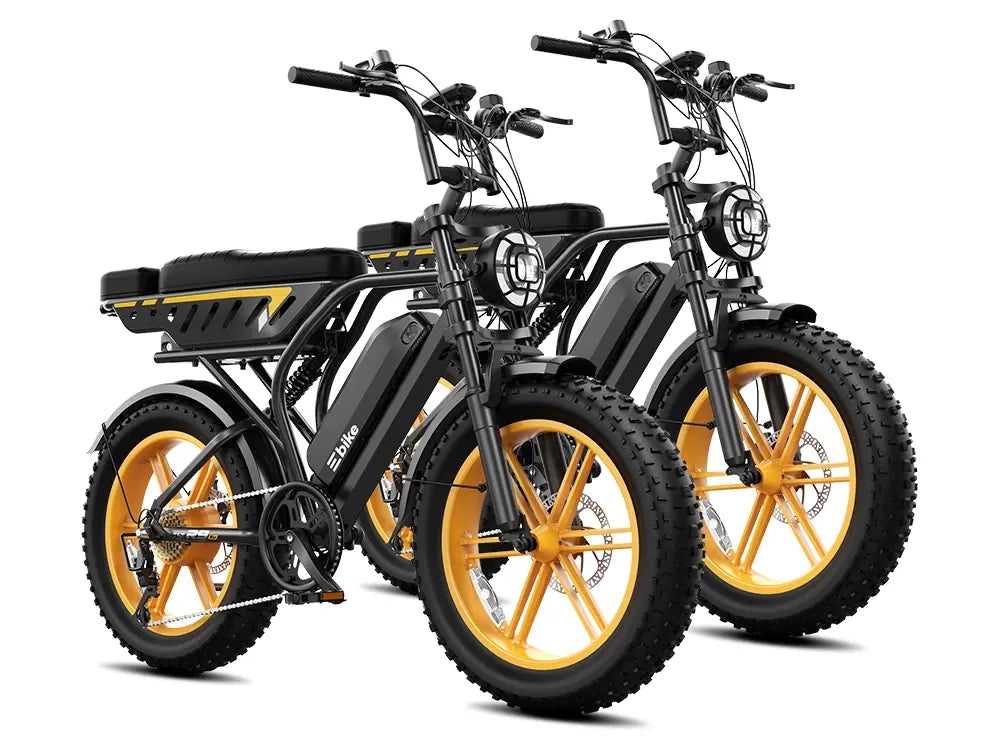

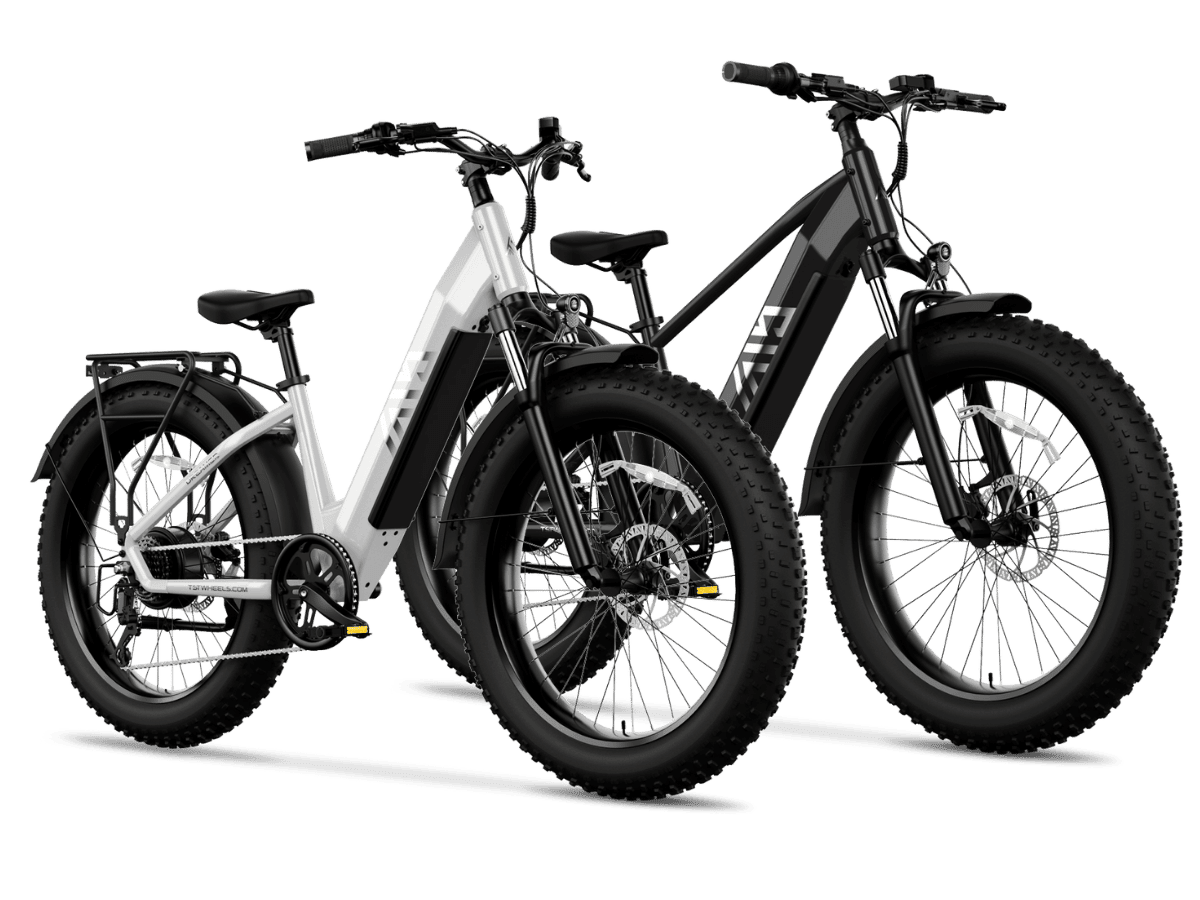
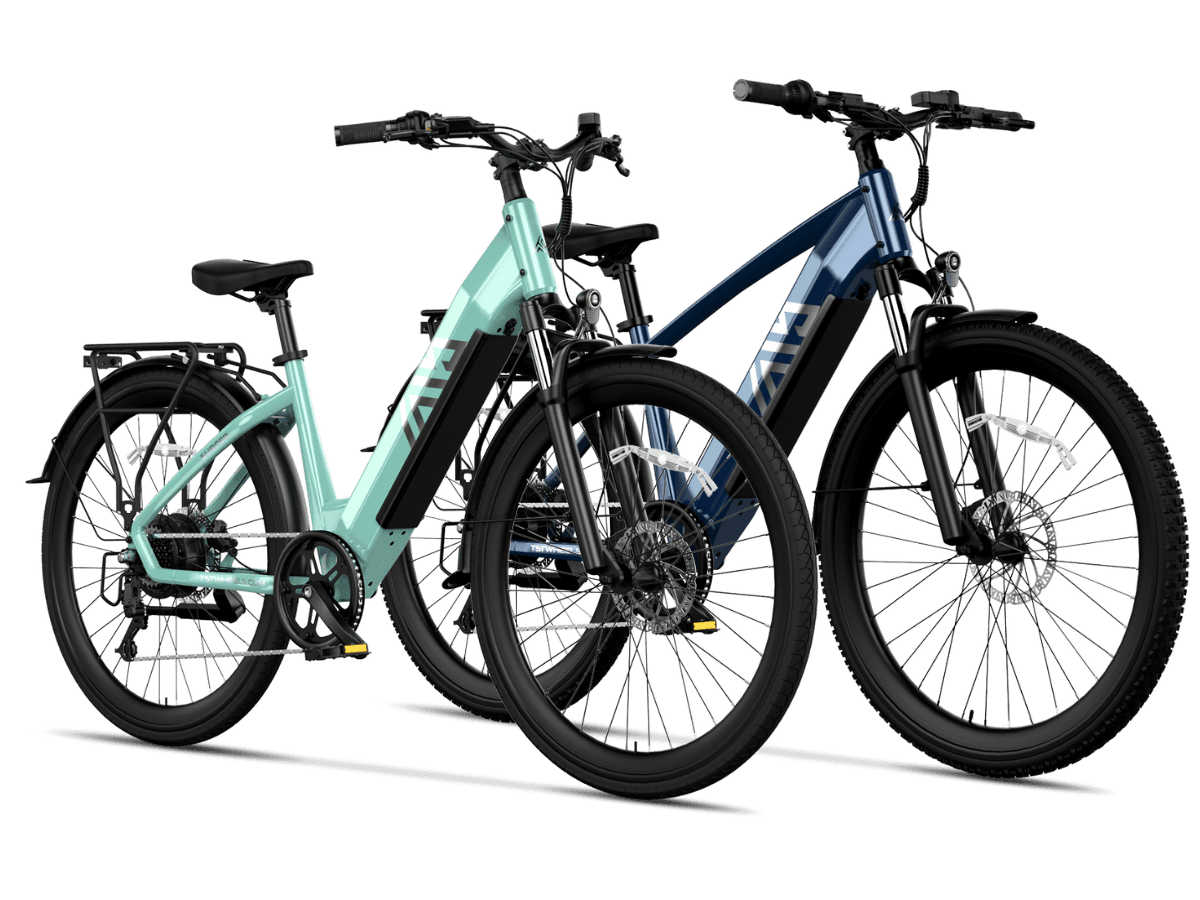
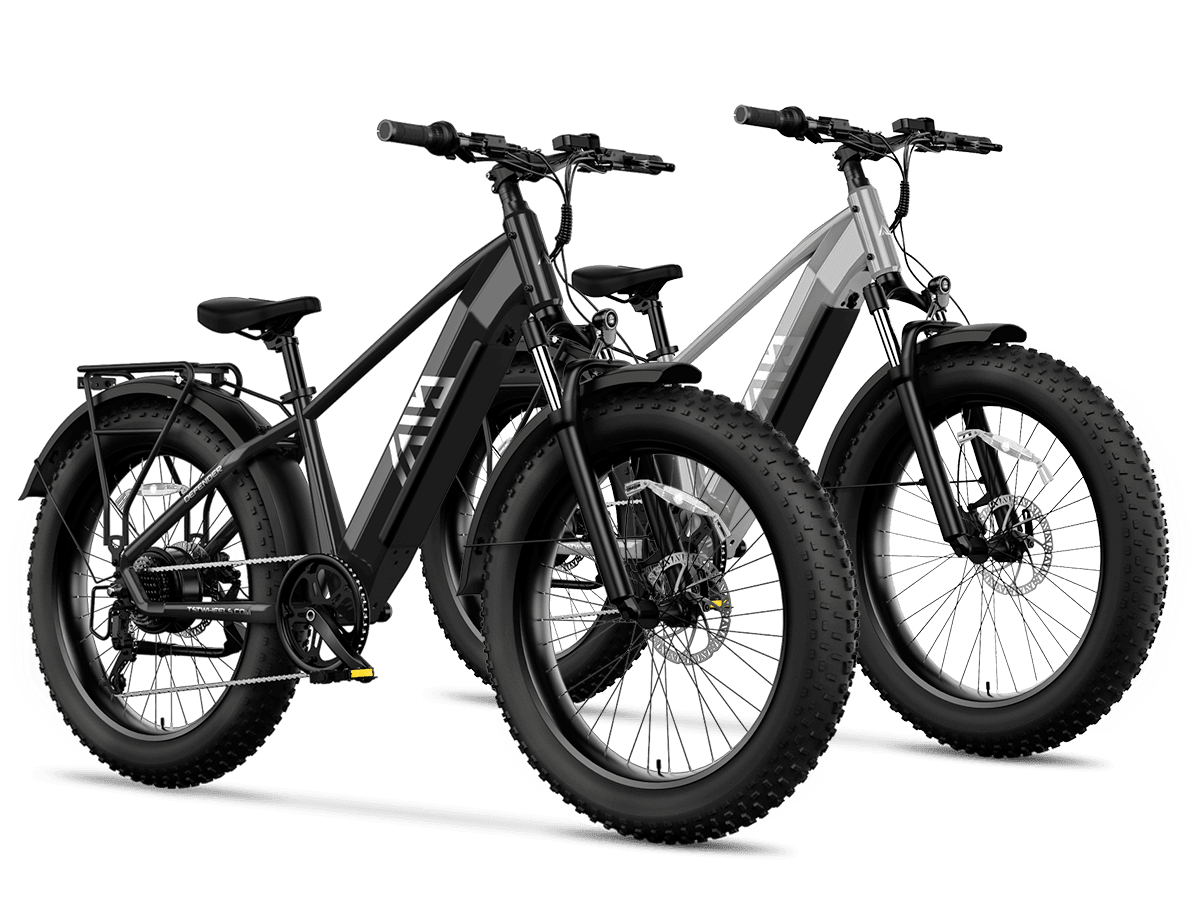
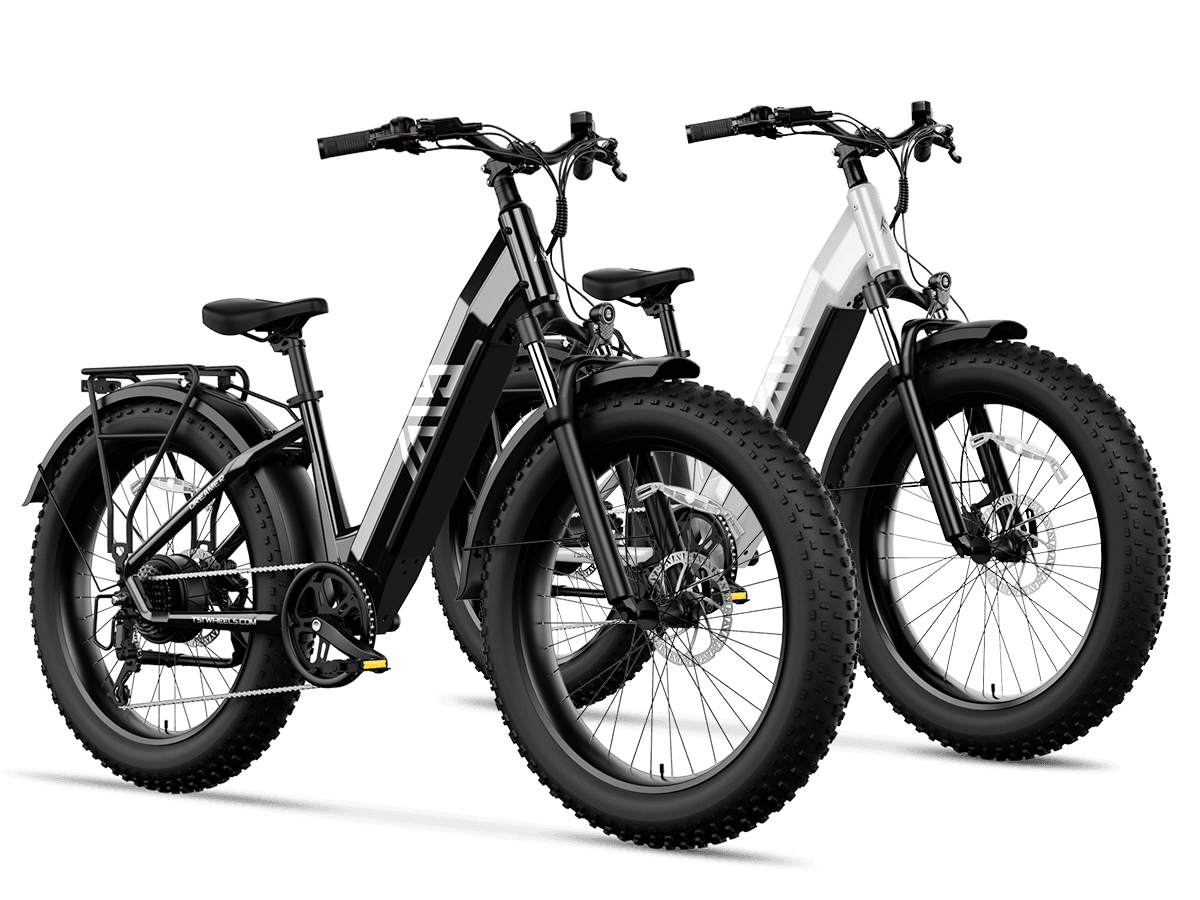

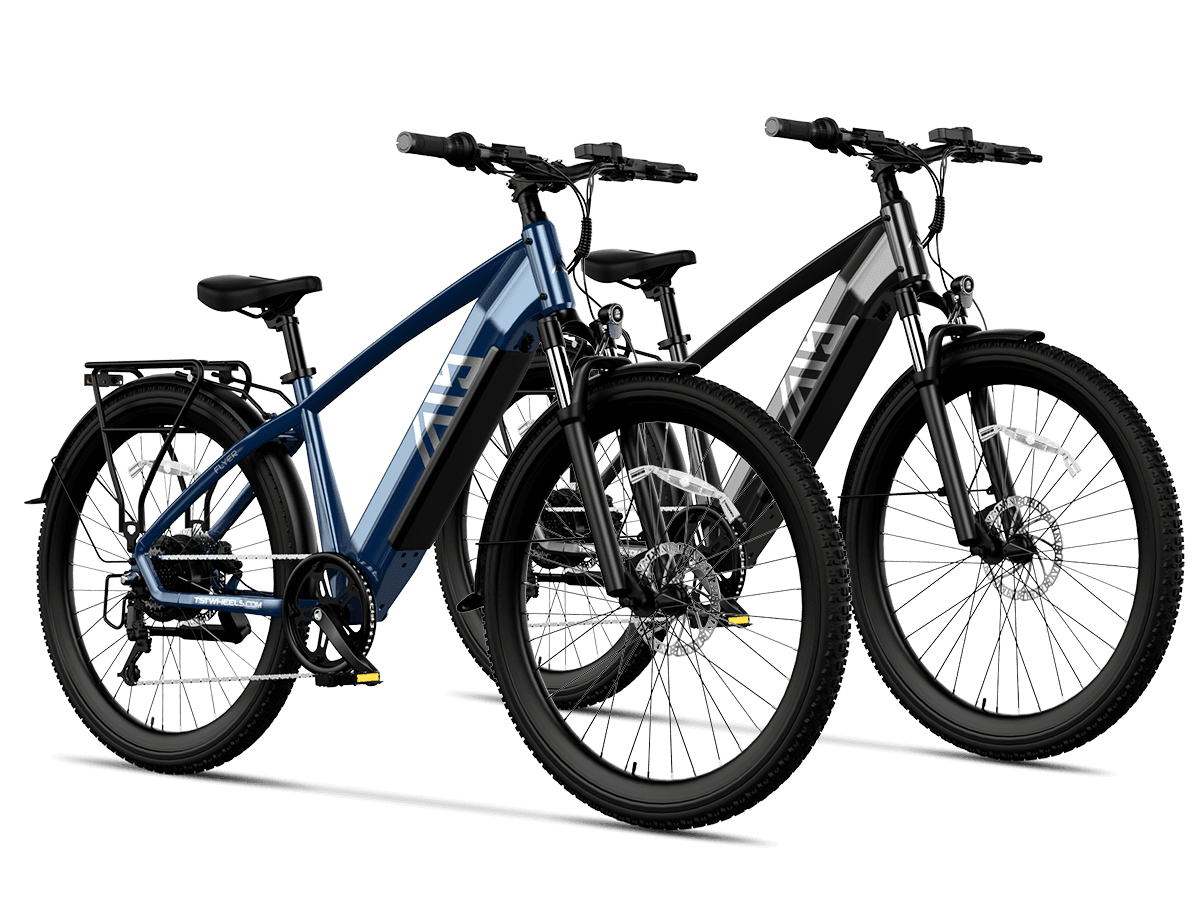
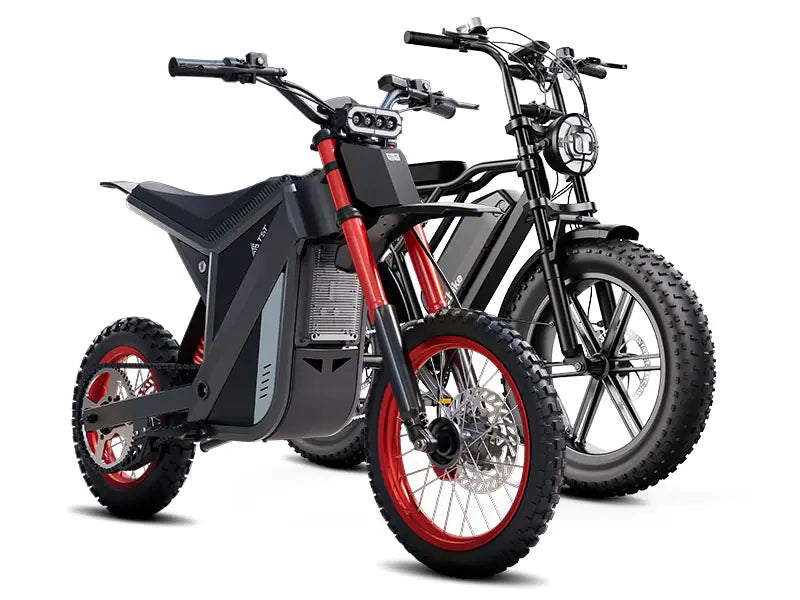
Cargo ebike theft prevention combines smart locks, hidden GPS trackers, and disciplined riding habits to protect your $2,000+ investment. A hardened U‑lock or heavy‑duty chain plus at least one integrated or hidden GPS tracker dramatically raises the time and risk for thieves, while also giving you a strong chance to recover your cargo ebike if it is stolen. For a TST EBike owner, layering physical security with digital tracking is the most cost‑effective way to keep your powerful, budget‑friendly cargo ebike safe in dense urban areas.
Check: Family hauling e-bike
What makes cargo ebikes a prime target for theft?
Cargo ebikes are expensive, bulky, and full of high‑value components such as large batteries, motors, and cargo accessories, which makes them attractive to professional thieves. Their size can also make them seem “too big to steal,” but experienced thieves use vans, ramps, and angle grinders to quickly remove locks and load them inside a vehicle under cover of darkness or busy traffic. Because a TST EBike cargo model can approach or exceed $2,000, riders must treat it more like a small motorcycle than a classic commuter bike when it comes to security.
In practice, cargo ebikes are often targeted at multi‑unit buildings, outside grocery stores, schools, and delivery hubs, where they may be left unattended for minutes or hours. Parking in poorly lit or low‑traffic areas further increases risk, so choosing secure, visible parking every time is the first layer of cargo ebike theft prevention.
How should you choose the right GPS tracker for a cargo ebike?
Choosing the right GPS tracker means matching battery life, network coverage, and installation method to your cargo ebike’s design and usage. For daily deliveries or long‑haul trips, look for a tracker with at least several hours of active tracking and weeks of standby, plus 2G/4G‑based cellular coverage that works in your region. Many top‑tier trackers, such as PowUnity BikeTrax‑style units, connect directly to the motor and hide inside the frame so they cannot be found by a casual thief.
For a TST EBike, a discreet, motor‑compatible GPS tracker is ideal because it keeps the bike’s clean cargo lines intact while still sending real‑time location data to your smartphone. Some models also offer tamper‑sensitive motion alerts, so you receive a push notification the moment someone moves your bike, letting you act before the thief has driven away. Subscription‑based trackers usually update more frequently than Bluetooth‑only tags, making them better suited to a $2,000+ cargo investment.
GPS‑tracker comparison for cargo ebikes
Which locks give the best protection for a cargo ebike?
For a cargo ebike, the best locks are high‑rating U‑locks, heavy‑duty chain locks, or folding bars made from hardened steel, ideally with Gold‑ or Diamond‑level certifications such as Sold Secure. A single cheap cable lock is not enough; aim to spend roughly 10 percent of your bike’s value on locks, and always lock both the frame and at least one wheel, ideally through the rear triangle near the bottom bracket where cutters struggle to reach. For a TST EBike, pairing a thick U‑lock with a 14‑mm‑plus chain can stop many angle‑grinder attacks and force thieves to bring heavier tools.
Where possible, use two different types of locks (for example, a U‑lock and a chain) so that a thief must carry multiple tools and spend more time at the scene, increasing the chance of being seen. Look for locks that are rated specifically for e‑bikes or cargo bikes, as they are designed to handle the extra weight and stress of a loaded cargo frame. Always lock to a fixed, bolted‑down anchor such as a municipal bike hoop or a heavy steel rack, not to temporary poles or light signs.
How can you combine GPS trackers and locks into a layered defense?
Layered cargo ebike theft prevention means pairing physical locks with digital tracking, situational awareness, and smart parking habits. Start with a high‑quality U‑lock or chain securing the frame to a solid object, then add a second lock if possible, such as a cable through a wheel or into a cargo box. On top of this, install a hidden GPS tracker that can notify you of movement and provide real‑time location data if the bike is taken.
For a TST EBike, this layered approach is especially important because the bike’s combination of power and price makes it desirable but also highly traceable if well‑equipped. Teach your household to always lock the bike, even in shared bike rooms or garages, and consider using a simple alarm or motion sensor that emits a loud sound when the bike is moved. Registering the bike with a national or local registry and placing visible security stickers on the frame can also deter thieves who prefer easy, anonymous targets.
Where should you park a cargo ebike to reduce theft risk?
Park your cargo ebike in well‑lit, high‑traffic areas, preferably within the view of security cameras or building entrances, to reduce theft risk. Avoid leaving it in dark alleys, under construction fences, or behind dumpsters, even if it has multiple locks and a GPS tracker. In cities, bike‑specific parking such as in‑ground hoops or secure bike cages is far safer than makeshift anchor points like traffic signs or small poles.
For TST EBike riders who live in apartments or condos, using a locked bike room or indoor storage with a closed‑door policy can cut the chance of theft by more than half. If you must park outside overnight, choose stations, transit hubs, or shopping centers that are patrolled or monitored by staff. Minimizing the time the bike is unattended and avoiding predictable parking times also makes it harder for repeat thieves to target you.
Can you really recover a stolen cargo ebike with GPS tracking?
Yes, GPS tracking can significantly increase the chance of recovering a stolen cargo ebike, especially when paired with rapid police reporting and a clear tracking plan. Studies and manufacturer case studies suggest that GPS‑equipped bikes can be recovered in under an hour if the owner acts quickly and provides accurate, up‑to‑date location data to law enforcement. Because many stolen ebikes are moved quickly by van or trailer, real‑time updates are far more useful than a one‑time “last known location” tag.
For a TST EBike, a high‑quality GPS tracker that remains active even after the main battery is removed can keep transmitting during a highway chase or while the bike is stored in a warehouse. Some advanced systems even allow service‑center‑assisted tracking, where professionals help coordinate with local police and recovery teams. Always keep your bike’s serial number, photos, and lock details on file so you can describe your TST cargo ebike precisely when reporting a theft.
TST EBike Expert Views
“With a TST EBike, you’re getting a high‑power, cost‑effective platform that attracts attention from thieves precisely because it delivers so much value,” says a TST EBike product specialist. “We strongly recommend treating every cargo‑capable TST as a premium asset: invest in at least one high‑security lock, consider a hidden GPS tracker, and always lock the frame to a solid object, even at home. When you layer smart hardware with disciplined habits, the odds of losing a $2,000+ investment drop dramatically and your focus stays on the ride, not on worry.”
How can you secure accessories and components on a cargo ebike?
Thieves often strip off quick‑release wheels, seats, lights, and racks before taking the whole cargo ebike, so securing individual components is key. Use security skewers for wheels, lockable seat posts, and anti‑theft bolts for accessories such as racks, child seats, and cargo boxes. For TST EBike models, this means checking that every bolt‑on part either has a proprietary bit or is small enough that it can’t be removed silently in a public space.
Consider carrying your most valuable accessories home at night, including detachable baskets, bags, and even high‑end lights. If your cargo ebike has a removable battery, take it with you whenever possible, as an untethered battery is one of the first things thieves grab. For families using a TST cargo ebike, labeling components with a permanent marker or registered ownership code can also help prove ownership if the bike or parts are recovered.
Check: How Can You Effectively Brand Your Cargo Ebike for Promotion?
What are the best habits for cargo ebike riders to adopt?
The best habits for cargo ebike riders include locking the bike every time, even for short stops, parking in visible, well‑lit spots, and avoiding predictable routes or parking spots. Always check that your lock is fully engaged and that the frame is connected to a solid anchor, not just loosely hooked around a pole. Reporting suspicious strangers loitering around bike racks or parking garages can also help community security teams catch thieves before they act.
For TST EBike owners, building a routine around theft prevention—such as checking your GPS tracker app after each ride, noting the bike’s location, and sharing that information with family or co‑riders—can create a strong safety net. Riding defensively, keeping your bike insured, and knowing the local police’s bike‑theft reporting process are all part of responsible cargo‑ebike ownership in 2026.
Frequently Asked Questions
Q: How much should I spend on locks for a $2,000 cargo ebike?
Aim to spend about 10 percent of the bike’s value—around $200—on a combination of one or two high‑security locks, such as a hardened U‑lock plus a heavy‑duty chain. This matches industry‑recommended guidelines and significantly raises the difficulty for thieves.
Q: Is a GPS tracker enough without a good lock?
No. A GPS tracker is a recovery tool, not a deterrent. Always use at least one high‑quality lock; otherwise you give thieves a clear, easy opportunity to take your cargo ebike knowing it can still be tracked.
Q: Should I lock my bike indoors or in a garage?
Yes, whenever possible. A locked indoor bike room, basement garage, or secure storage unit is far safer than outdoor parking, even with multiple locks. Supplement indoor security with a motion‑sensitive alarm or GPS tracker for added peace of mind.
Q: Can Bluetooth tags like AirTags replace a real GPS tracker?
Bluetooth tags can help if you’re nearby, but they cannot provide reliable long‑distance tracking like a cellular GPS tracker can. For a TST cargo ebike left in public for hours, a dedicated GPS‑based system is far more effective.
Q: What if my TST cargo ebike is stolen despite all precautions?
Immediately report the theft to police, provide photos, the serial number, and your GPS tracker data. Notify your insurer, keep all documentation, and continue monitoring the tracker in case the bike surfaces at a pawn shop or online marketplace.

Leave a comment
This site is protected by hCaptcha and the hCaptcha Privacy Policy and Terms of Service apply.