











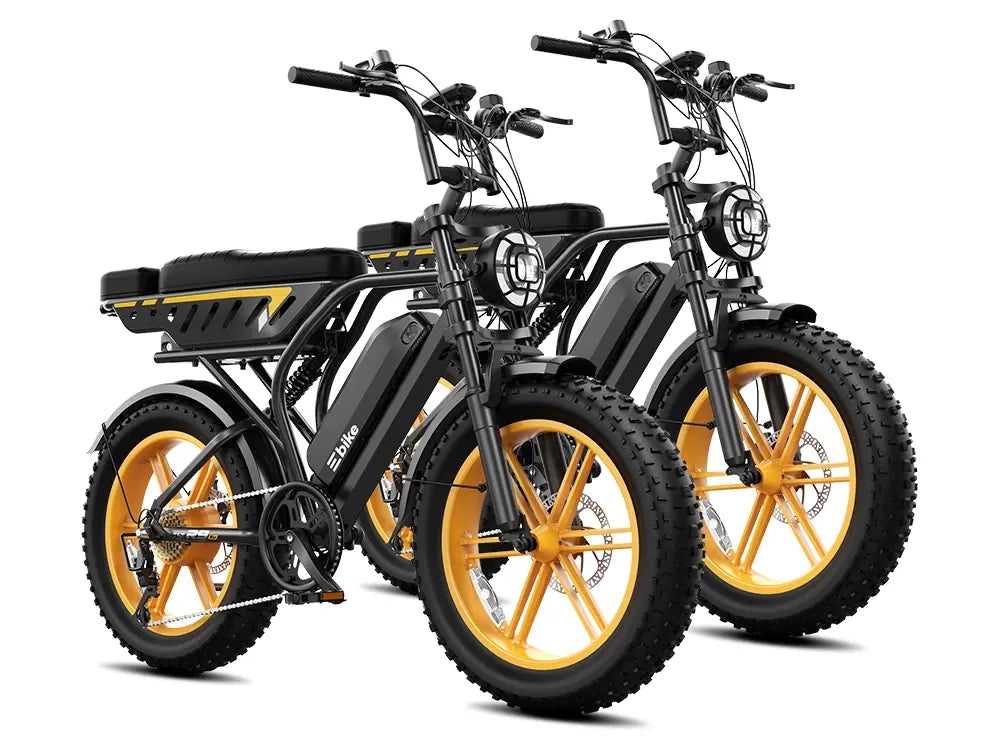

National Bike Month is the perfect on-ramp because May offers mild weather and a built-in reason to start: commit to a four-week plan that begins with a low-assist first ride on a quiet route, builds to three commutes a week, and ends with the bike as your default short-trip transport. The plan below is designed for a complete beginner, with the route, gear, and maintenance steps spelled out week by week.
May as the Right Month to Start Riding
May also works because it is a natural deadline month: National Bike Month gives the start a calendar anchor, and the community events that come with it give new riders a reason to show up and a group to ride with. The seasonal timing matters for the habit too, because a rider who starts in May has the whole summer to build the routine before the shorter days and colder mornings of fall. The month is long enough to form the habit and short enough to feel like a goal.
May sits in the sweet spot of the riding season: temperatures are moderate, daylight is long, and National Bike Month provides the motivation and community that make a new habit stick. Starting in spring also means the bike is broken in before summer heat and winter weather test it. The month-long structure turns "I should ride more" into a dated plan with a finish line.
The Four-Week Beginner Plan at a Glance
| Week | Focus | Goal |
|---|---|---|
| Week 1 | First rides | 2-3 short rides at low assist on quiet routes |
| Week 2 | Routes and fit | Learn a safe 3-5 mile route and dial in the seat |
| Week 3 | Commute days | Ride to work or errands 2-3 times |
| Week 4 | Make it the default | Replace short car trips with the bike |
The plan works because each week has one job: build confidence, learn the route, practice the commute, and change the habit.
The First Ride, Planned on Paper Before the Wheels Turn
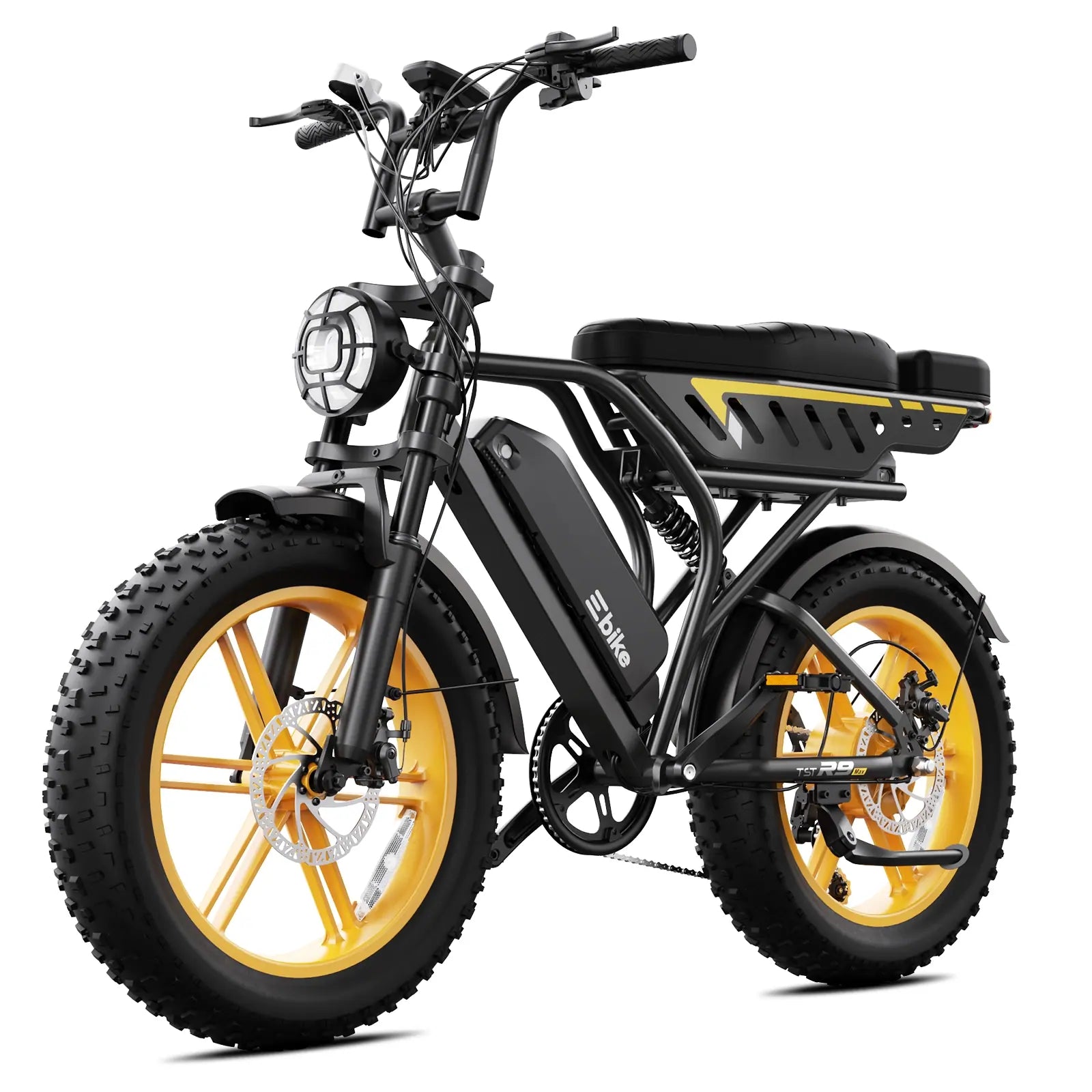
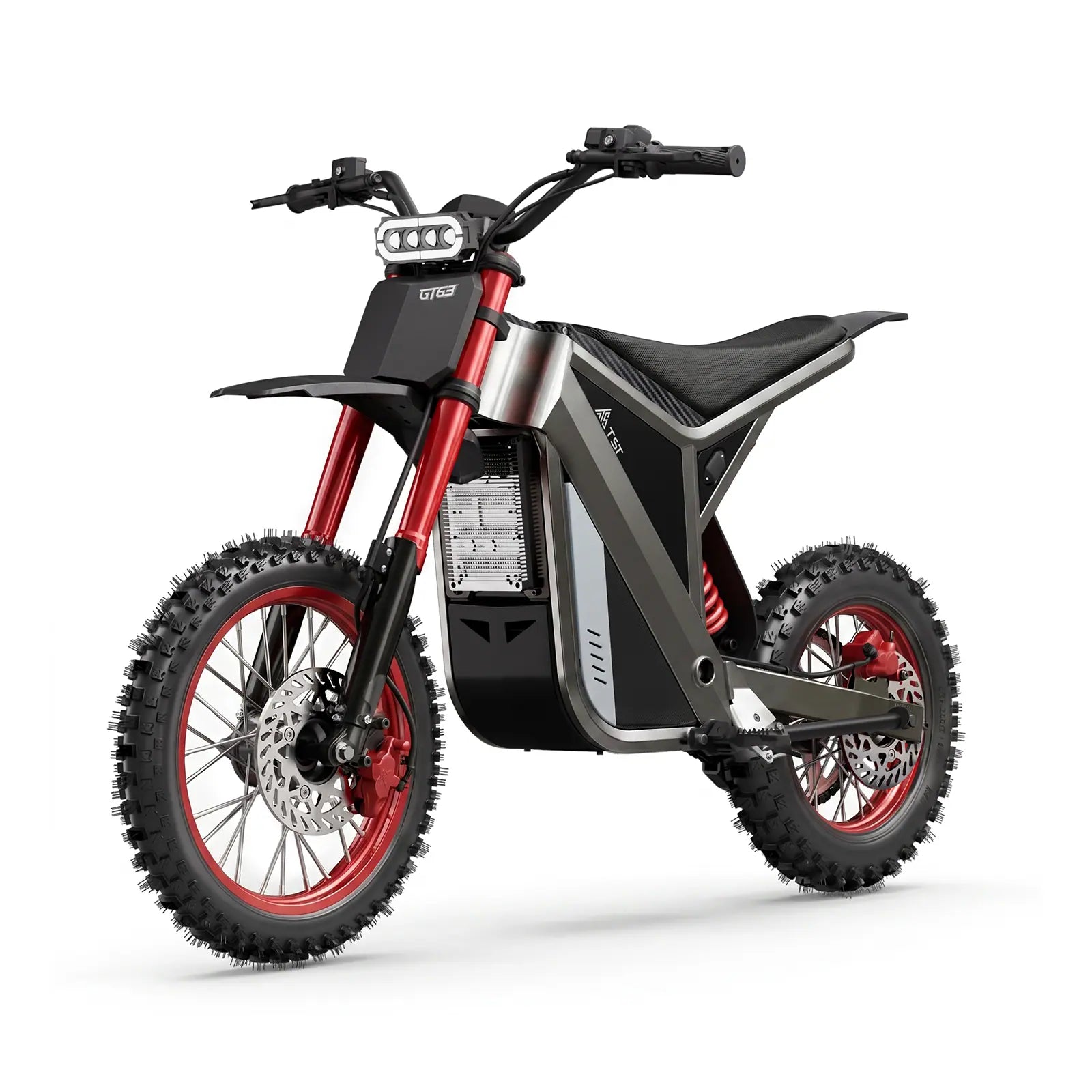
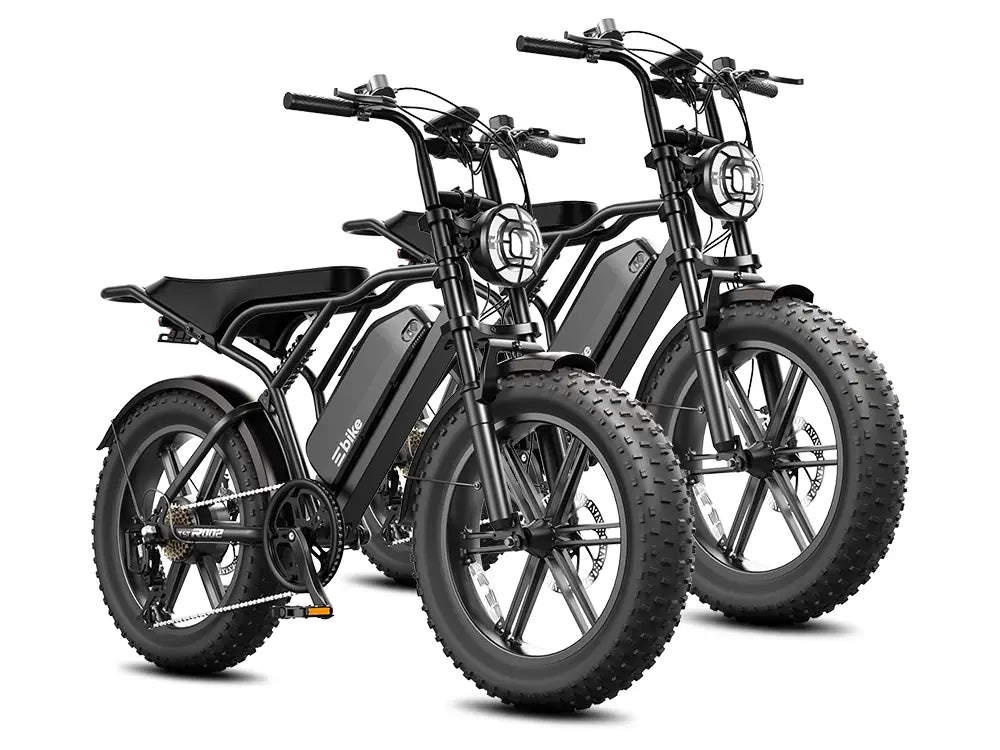
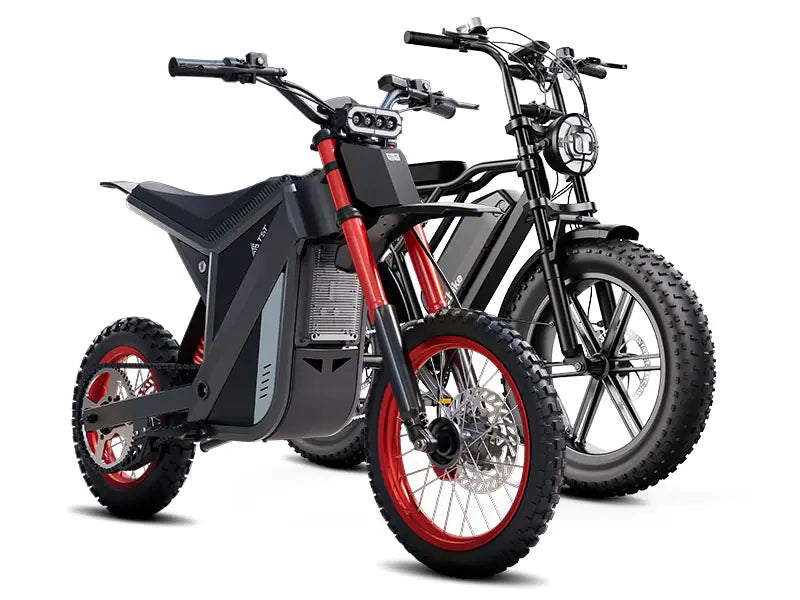
TST EBike's commuter models are built for exactly this on-ramp, and the brand's range guidance supports the plan-small, charge-often habit a new rider should start with.
The first ride should be short, flat, and quiet: pick a 15-20 minute loop in a park or low-traffic neighborhood, start in the lowest assist level, and practice starting, stopping, and turning before any distance. Keep the battery charged, check the tire pressure and brakes first, and finish while the ride still feels easy. The goal of ride one is confidence, not mileage.
How Do You Choose Your First Commute Route?
The route choice is the single most important decision in the beginner month, because it determines whether riding feels safe enough to repeat: bike lanes and quiet streets beat the shortest line through heavy traffic, and a route that feels comfortable will be ridden more often than a faster one that feels risky. The weekend dry run reveals the actual ride time, the hills, and the parking, which are the three unknowns that decide the commute. A route that is tested and adjusted before the workday is a route that becomes routine.
The route choice matters more than the bike: look for bike lanes, quiet streets, and low-traffic hours, and do a dry run on a weekend before the first workday commute. Note where you will park and lock the bike, and where you can charge the battery at work if the round trip is long. A route that feels safe is the difference between riding twice a week and riding every day.
The Starter Kit for a New E-Bike Rider
The starter kit is intentionally small, because a new rider does not need a garage full of gear to start: the helmet is the only non-negotiable, the lock protects the investment, the pump prevents the most common roadside stop, and the lights cover the commute's edges. Each item earns its place by preventing a specific failure of the first month. Riders can add fenders, a phone mount, and a second battery as the riding pattern becomes clear, which is cheaper than buying the full catalog on day one.
The starter kit is short: a properly fitted helmet, a lock, a pump, and lights if you ride at dusk. Fenders are worth adding if you commute in weather, and a phone mount helps with navigation on the first routes. The ride essentials kit bundles several practical items for a new rider, and the accessory guides in this series cover the rest as needs appear.
First-Week Maintenance Made Simple for Beginners
The beginner maintenance routine is deliberately minimal because the goal is the habit, not the skill: two checks before every ride in the first weeks, tire pressure and brakes, plus a weekly chain look. Each check takes seconds and catches the failures that strand riders, and the maintenance guides in this series add the deeper tasks as the rider gains confidence. A new rider who learns the pre-ride check in month one owns the most important maintenance skill on the bike, because most roadside problems trace back to a pressure or brake issue that the check would have caught.
The beginner maintenance routine is two checks before every ride in the first weeks: tire pressure and brake feel, plus a chain check weekly. The 15-second pre-ride check catches most of the issues that would strand a new rider, and the maintenance guides in this series walk through the chain, brake, and tire care in detail. A new rider who learns the pre-ride check in month one avoids most of the repair surprises in month six.
Battery Range Planning for New Riders on a Budget
The beginner's range rule is to plan small and charge often: a new rider does not need to test the battery's limits in the first month, so the routes stay well below the realistic range and the habit of charging after every ride removes the risk entirely. The range calculator in this series helps match the first routes to the battery, and the numbers settle into a rhythm quickly once the same route is ridden a few times. New riders who plan small build confidence without ever learning the anxiety of a nearly empty battery.
New riders should plan around the realistic range, not the headline: a 48V 15Ah bike delivers about 20-40 miles depending on weight, terrain, and assist, so a beginner should size the first routes well below that and charge after every ride. The range calculator in this series helps match routes to the battery, and the habit of charging after each ride removes range anxiety entirely.
How Do You Make the Habit Stick After May?
The habit sticks when the friction is low: keep the bike ready to ride with charged battery and inflated tires, park it where you see it, and set a standing ride day rather than a vague goal. Joining a local ride or a National Bike Month event adds the community layer that keeps new riders coming back. By the end of the month, the bike should be the default for short trips, not a special event.
Conclusion: Four Weeks to a New Default
National Bike Month is a four-week on-ramp: first rides at low assist, a safe route, a few commute days, and then the bike as the default short-trip tool. Start simple, check the bike before each ride, and let the month build the habit that carries into the rest of the year.
Beginner Month Checklist
The plan works because each week has one job, and the rider who finishes the month has replaced short car trips with rides.
The bottom line: National Bike Month is a four-week on-ramp, and the rider who completes the checklist ends the month with a habit, not just a bike. Start with the first short ride, and let each week add one layer of the routine until the bike is the default for short trips.
The month is a plan, not a test: start small, check the bike before every ride, and let the four weeks build the habit that carries into the rest of the riding year.
- [ ] Schedule the first short, quiet ride at low assist.
- [ ] Choose and dry-run a safe commute route.
- [ ] Buy the starter kit: helmet, lock, pump, lights.
- [ ] Check tires and brakes before every ride.
- [ ] Charge after every ride and track realistic range.
- [ ] Set a standing ride day for after May.
See the commuting e-bike collection for route-matched models and the ride essentials kit for starter gear.
Related reading: your first week of e-bike commuting, day by day
FAQs
What is the best first e-bike ride for a beginner?
A short, flat, quiet loop at the lowest assist level, with practice on starting, stopping, and turning before any distance.
How much range should a new rider plan for?
Plan around 20-40 realistic miles for a 48V 15Ah bike, size routes well below that, and charge after every ride.
What gear is essential to start?
A fitted helmet, a lock, a pump, and lights; add fenders for weather and a phone mount for navigation as needed.
How do I keep the habit after May?
Keep the bike charged and ready, park it where you see it, set a standing ride day, and join a local ride for the community layer.

Leave a comment
This site is protected by hCaptcha and the hCaptcha Privacy Policy and Terms of Service apply.