

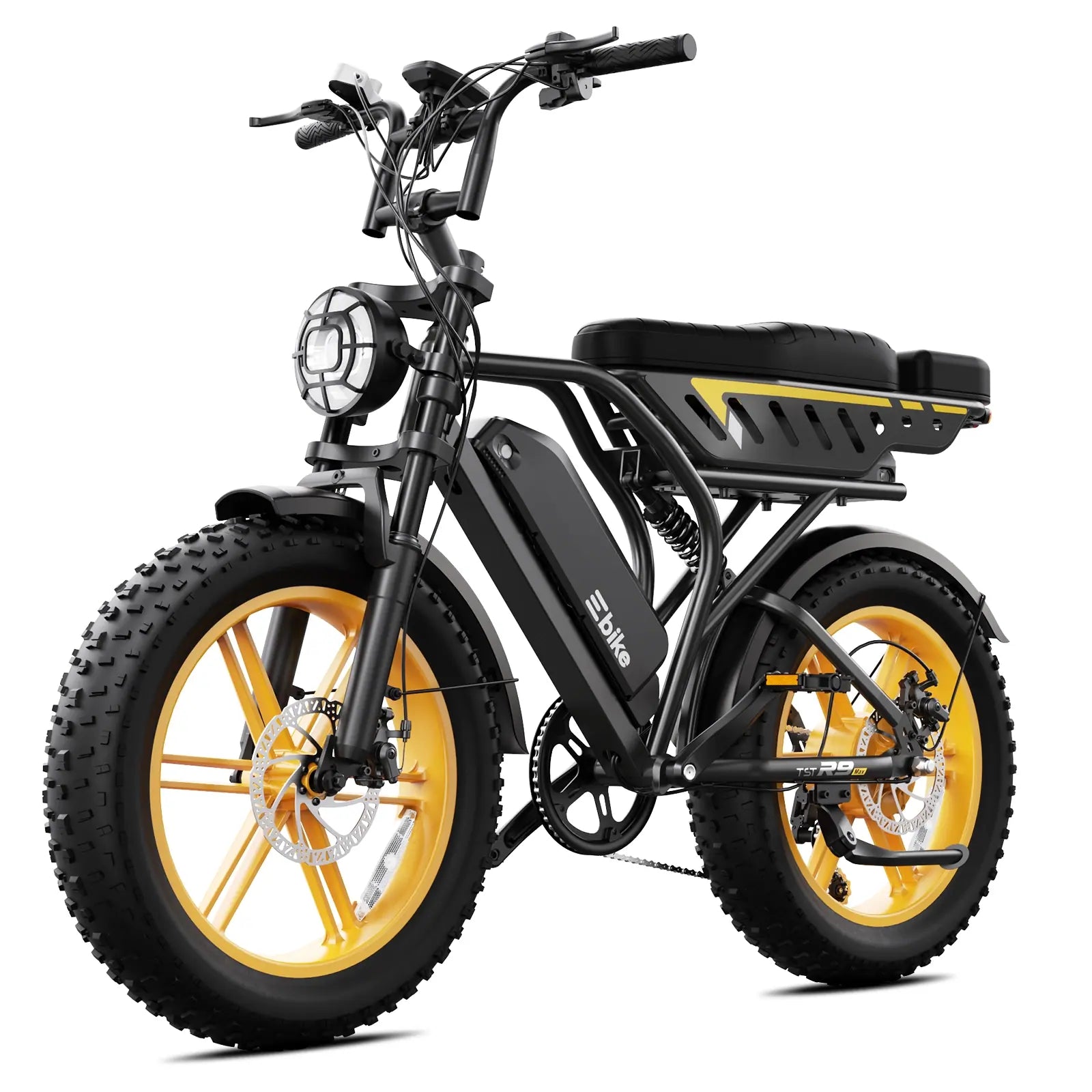
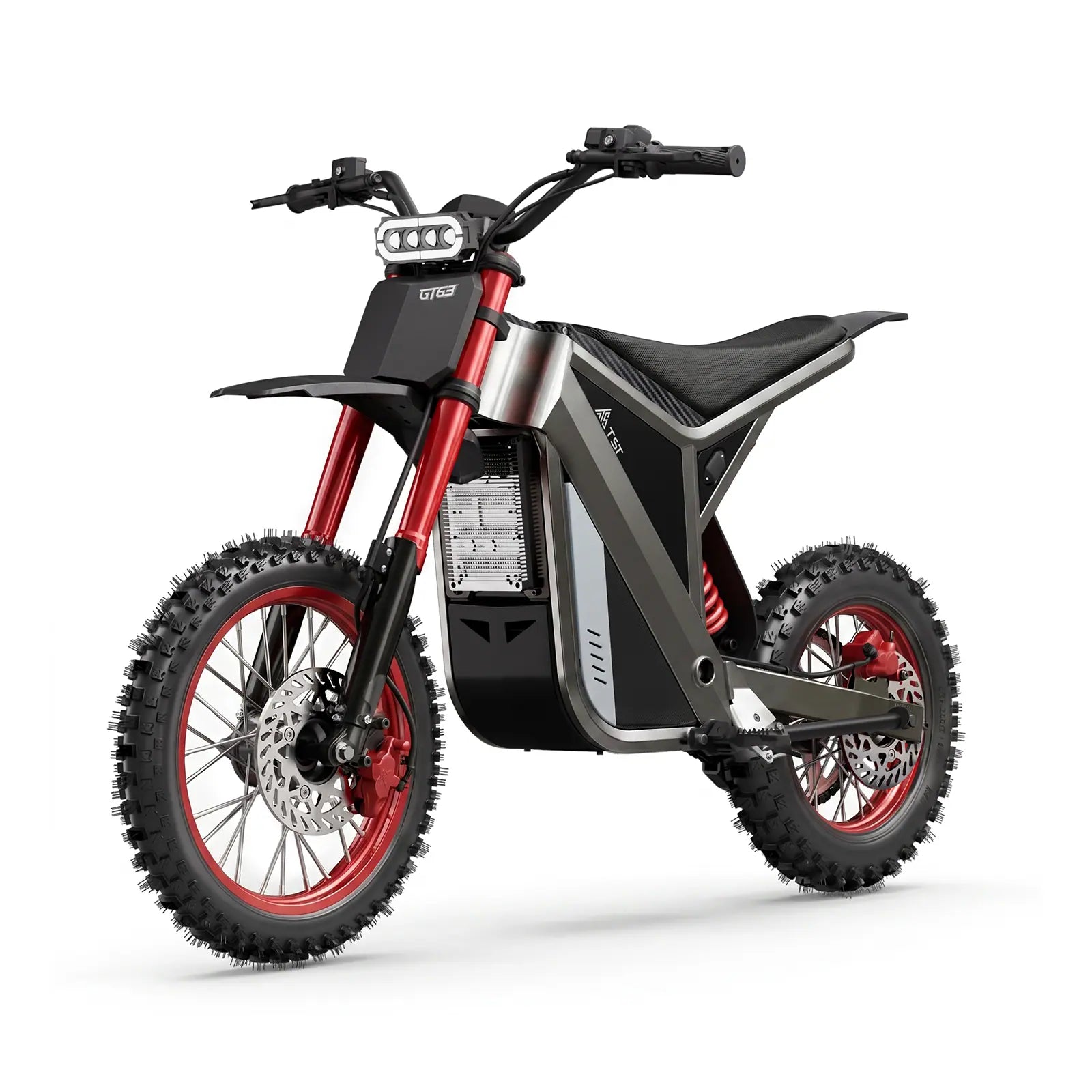









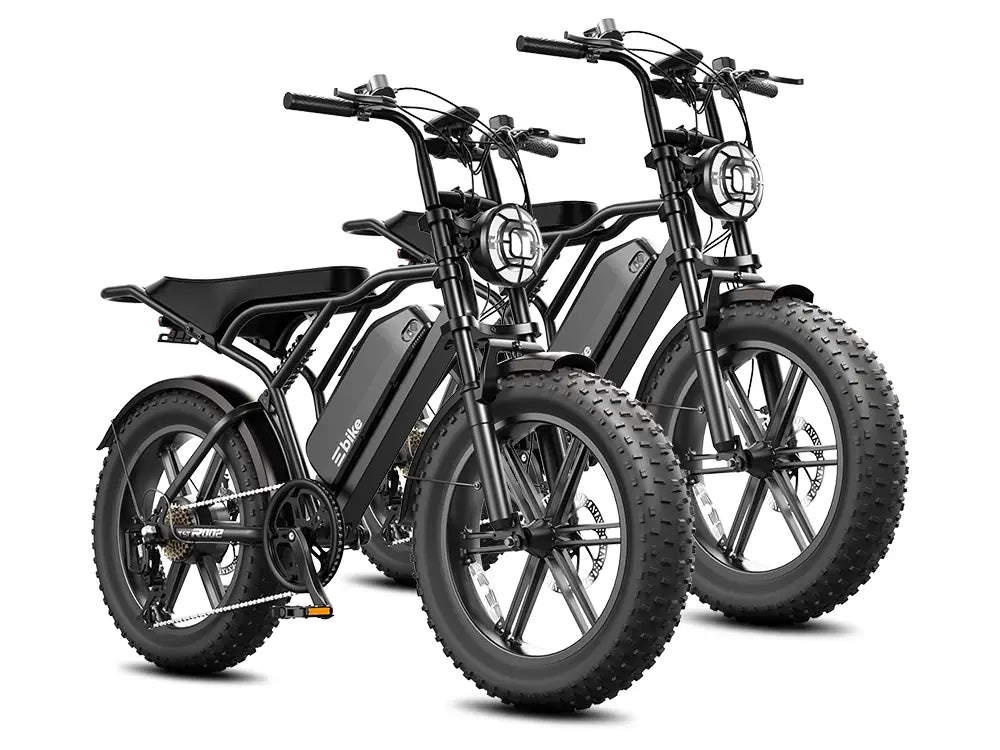
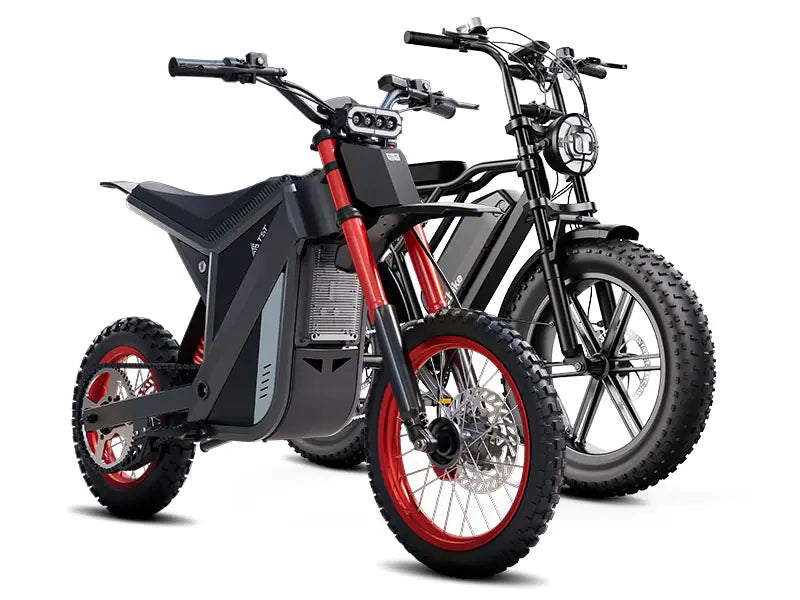

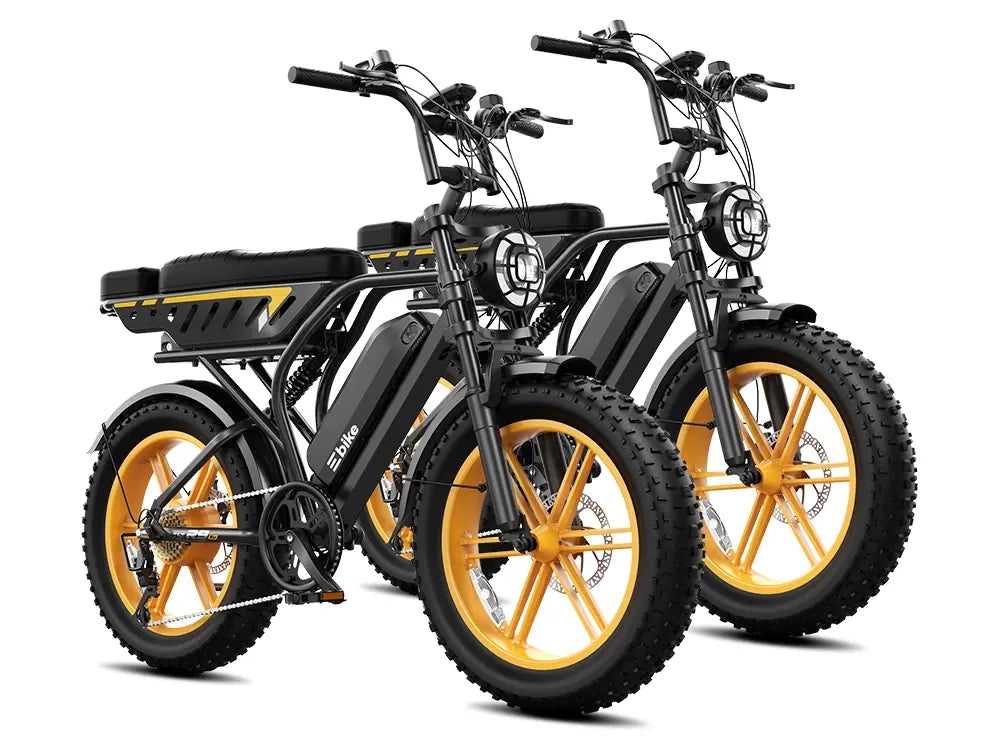

A well-designed cargo ebike for moms feels stable and easy to handle because of its low step‑thru frame, centered weight distribution, and confidence‑inspiring geometry. You can flat‑foot at stops, step through instead of swinging a leg over, and manage kid seats or groceries without fighting the bike’s weight, especially on models like the TST R7 from TST EBike.
ultimate family cargo ebike guide
How does frame geometry affect a mom’s confidence on a cargo ebike?
Frame geometry affects a mom’s confidence by controlling how stable, predictable, and easy to balance the cargo ebike feels at low speeds and stops. A longer wheelbase, low step‑thru frame, and upright riding position make heavy bikes feel calm, reducing the fear of tipping when carrying kids or groceries.
From an engineering standpoint, I look at three things first: wheelbase length, head tube angle, and bottom bracket height. A slightly longer wheelbase and more relaxed head angle make the bike track straight and resist wobble, which is critical when a toddler wiggles on the rear seat. A modest bottom bracket height keeps your center of gravity lower, helping the bike feel planted even when fully loaded.
On a cargo‑oriented step‑thru like the TST R7, the frame is tuned to keep the rider’s mass between the wheels, not perched on top of the rear rack. That’s why many moms report feeling “surprisingly secure” at low speed: the geometry is doing a lot of invisible work to stabilize the bike so they can focus on their kids, not fighting the handlebars.
Why does a low step-thru frame matter so much for moms and skirts?
A low step‑thru frame matters because it lets moms mount and dismount without swinging a leg high over the bike, which is safer with kids onboard and more comfortable in skirts or dresses. You simply step through the frame, keeping your hips level and your balance centered over both feet.
On a traditional high‑top‑tube cargo frame, getting on with a rear child seat often means tilting the bike while you swing your leg over. With a loaded rear rack, that tilt can feel sketchy—especially if your child shifts their weight mid‑move. A low step‑thru eliminates that circus act: you stand over the bike, step through the frame opening, then sit down once the bike is upright and stable.
From a factory‑floor perspective, designing a strong step‑thru cargo frame is harder than a classic diamond frame, because you must reinforce the down‑tube, seat‑tube junction, and rack interface. On TST EBike step‑thru designs like the TST R7, we deliberately overspec welds and tube profiles in this zone so moms get convenience without flex or frame twist when carrying real‑world loads.
How can a heavy cargo ebike still feel easy to control for smaller riders?
A heavy cargo ebike can feel easy to control if the center of gravity is low and centered, the steering is stable, and contact points are sized for smaller riders. When weight sits between the wheels rather than high and to the rear, the bike pivots smoothly beneath you instead of feeling top‑heavy or tippy.
Weight itself isn’t the enemy; where that weight lives is what matters. As an engineer, I focus on placing the battery low in the main triangle, using sturdy yet not oversized racks, and keeping child seats as close to the frame as possible. This reduces the “lever arm” effect that makes a rear‑heavy bike feel like it’s trying to tip sideways at every stop.
Handlebar width, grip shape, and stem height also play a big role for moms and smaller riders. Slightly narrower handlebars and an upright position mean you can keep your shoulders relaxed and make small, precise corrections. On TST EBike cargo‑friendly frames, test riders repeatedly tell us, “It looks big, but it rides small”—that’s the geometry and weight placement doing their job.
What makes the TST R7 step-thru frame especially friendly for moms?
The TST R7 step‑thru frame is especially mom‑friendly because its low standover height, upright position, and reinforced cargo structure are designed so you can plant both feet flat at stops and step through the frame even with a child seat or skirt. It balances cargo utility with approachable, confidence‑building handling.
In testing, we focus on “parking‑lot drills”: quick start‑stop cycles, tight U‑turns, and simulated school‑drop‑off maneuvers. The TST R7’s low step‑thru lets riders step forward off the saddle and put both feet down without the top tube pressing against their legs. That’s exactly the situation you want when a kid suddenly decides they’re done riding and need attention right now.
Because TST EBike builds around consumer feedback, details like rear rack height, frame reinforcement around the step‑thru area, and cable routing are tuned so nothing gets in the way of a quick, clean mount and dismount. For moms who ride in everyday clothes, being able to step through gracefully—even in a dress—turns daily use from “maybe” into “of course.”
How does frame stability change when you add kids and cargo?
Frame stability depends on how the bike handles torsional loads and side‑to‑side movement when fully loaded. A purpose‑built cargo frame uses thicker tubing, gussets, and triangulation around the rear rack and down‑tube so the bike stays solid instead of flexy when you add child seats, panniers, or front baskets.
When we test frame stability, we intentionally overload racks and then ride slow slaloms and sudden stops. On a well‑designed cargo frame, even when you rock the handlebars left‑right, the center of the bike feels like a solid plank—there’s no delay or shimmy between your steering input and the rear of the bike. That solid feel is what gives moms confidence with a child strapped in behind them.
The TST R7’s cargo‑capable frame uses a stiff rear triangle and robust rack mounts so the bike tracks straight under load. That means when your child leans to look at something, the bike gently resists the movement instead of snapping sideways. Proper frame stiffness also keeps braking predictable, which is crucial when stopping a heavy family bike at intersections.
What riding position is most comfortable and safe for moms on cargo ebikes?
The safest and most comfortable position for moms is a relaxed, upright stance with slightly bent elbows, a neutral wrist angle, and a saddle height that allows near‑full leg extension while still letting you touch down quickly. This posture maximizes visibility, control, and comfort, especially in stop‑and‑go urban traffic.
An overly aggressive, forward‑leaning position might feel “sporty” but can compromise low‑speed control when you have kids onboard. With an upright stance, you can look over parked cars, make eye contact with drivers, and react quickly to hazards without fighting your own body posture. For many riders, especially moms, the psychological sense of control is as important as the physics.
On TST EBike step‑thru models, I recommend starting with the bar slightly higher than the saddle and adjusting until your shoulders feel relaxed in a natural “conversation” posture. Paired with the TST R7’s low step‑thru, this position lets you slide slightly off the saddle and flat‑foot at lights, which makes heavy bikes feel much less intimidating.
Which frame and component features help moms manage the fear of bike weight?
Key features include a low step‑thru frame, strong yet low‑mounted racks, wide and grippy tires, stable steering geometry, and brakes sized for cargo loads. Together, these features make the bike feel predictable at slow speeds, easy to start from a stop, and secure when turning or braking with kids onboard.
Here is a quick comparison of features that directly influence how “heavy” a cargo bike feels in real life:
When we prototype cargo‑oriented TST EBike frames, we adjust these parameters iteratively until our smallest test riders can execute tight U‑turns and emergency stops without feeling the bike “fight back.”
How does wheel size and tire choice influence stability for moms?
Wheel size and tire choice influence how quickly the bike responds to steering input and how stable it feels over bumps. Slightly larger wheels and wider tires roll more smoothly and resist small obstacles, while appropriate tread and casing stiffness keep the bike from feeling twitchy or sluggish when loaded.
From a handling perspective, larger diameter wheels smooth out potholes and curbs, which matters when you’re protecting a rear child seat. Wider tires with moderate pressure increase the contact patch, giving you more grip when cornering or braking. However, over‑inflated tires can feel skittish; under‑inflated tires can feel heavy and vague. I always advise moms to run pressures within the recommended range for their weight plus cargo, not just the bare minimum.
TST EBike offers both 26‑inch and 27‑inch wheel options, with the 27‑inch size particularly well suited to everyday commuting and family rides. Paired with the TST R7’s step‑thru frame, these wheels give a stable, predictable ride that feels closer to a comfortable city bike than a heavy freight hauler.
Where do moms feel the handling difference most—starts, stops, or turns?
Moms feel the biggest difference at starts and stops, when the bike is moving slowly and balance depends more on body position than on gyroscopic stability. A friendly cargo ebike makes it easy to push off smoothly, put both feet down quickly, and perform tight, low‑speed turns without feeling like the bike will tip.
At starts, the ability to keep one foot firmly on the ground while gently rolling forward is huge for confidence. A low step‑thru and upright posture allow that half‑step launch without a big wobble. At stops, being able to slide off the saddle and flat‑foot the bike matters more than shaving half a second off your commute time.
In turns—especially slow, tight turns into driveways or around obstacles—a well‑balanced cargo frame lets you steer with your hips while keeping your upper body relaxed. When we coach test riders on TST EBike cargo‑capable models, we focus on slow‑speed drills first, because mastering those is what makes the bike feel “light” in everyday use, even though the scale says otherwise.
TST EBike Expert Views
“When we tuned the TST R7 step‑thru frame, our goal wasn’t just to carry weight—it was to make that weight disappear for the rider. We invited real moms into our test sessions and watched where they hesitated: getting on in a skirt, starting with a child seat, and stopping on a slope. That’s why the R7’s step‑thru is extra low, the wheelbase slightly longer, and the front end calm rather than twitchy. If a rider can flat‑foot, step through gently, and steer with relaxed shoulders, the fear of ‘the bike is too heavy’ basically fades after the first few rides.”
Conclusion: How can moms choose a cargo ebike that feels stable, not scary?
For moms, the right cargo ebike is one that disappears under you: low step‑thru, calm steering, low and centered weight, and controls that feel intuitive from the first ride. Instead of chasing only motor watts or battery size, prioritize frame stability, standover height, and real‑world handling with kids onboard. A thoughtfully engineered step‑thru cargo design—like the TST R7 from TST EBike—turns school runs, grocery trips, and park rides into confident, everyday routines. When your feet reach the ground easily and you can step through in a skirt without drama, “this ebike is too heavy” turns into “this is the easiest way to move my family.”
FAQs
Is a cargo ebike too heavy for a petite mom to handle?
Not if the frame is designed well. A low step‑thru, centered weight, and stable geometry make a 70–80 lb cargo ebike feel surprisingly manageable, even for smaller moms.
Can I safely carry two kids on a step-thru cargo ebike?
Yes, on frames and racks rated for that load. Look for certified child seats, a reinforced rear rack, and strong brakes. Practice low‑speed handling before riding in traffic with both kids.
Does a step-thru frame compromise strength compared to a normal frame?
A well‑engineered step‑thru can be just as strong, using thicker tubing and gussets in critical areas. On quality cargo bikes, the low step does not mean a weak frame—it just means easier mounting.
What if I wear skirts or dresses most days—will a cargo ebike work for me?
Step‑thru cargo ebikes are ideal for skirts and dresses. You step through the frame instead of swinging your leg over, so you stay modest and stable while getting on and off the bike.
How can I test if a cargo ebike’s handling suits me before buying?
During a test ride, focus on starts, stops, and tight turns in a parking lot. Make sure you can flat‑foot at lights, step through easily, and control the bike confidently at walking speeds.

Leave a comment
This site is protected by hCaptcha and the hCaptcha Privacy Policy and Terms of Service apply.