
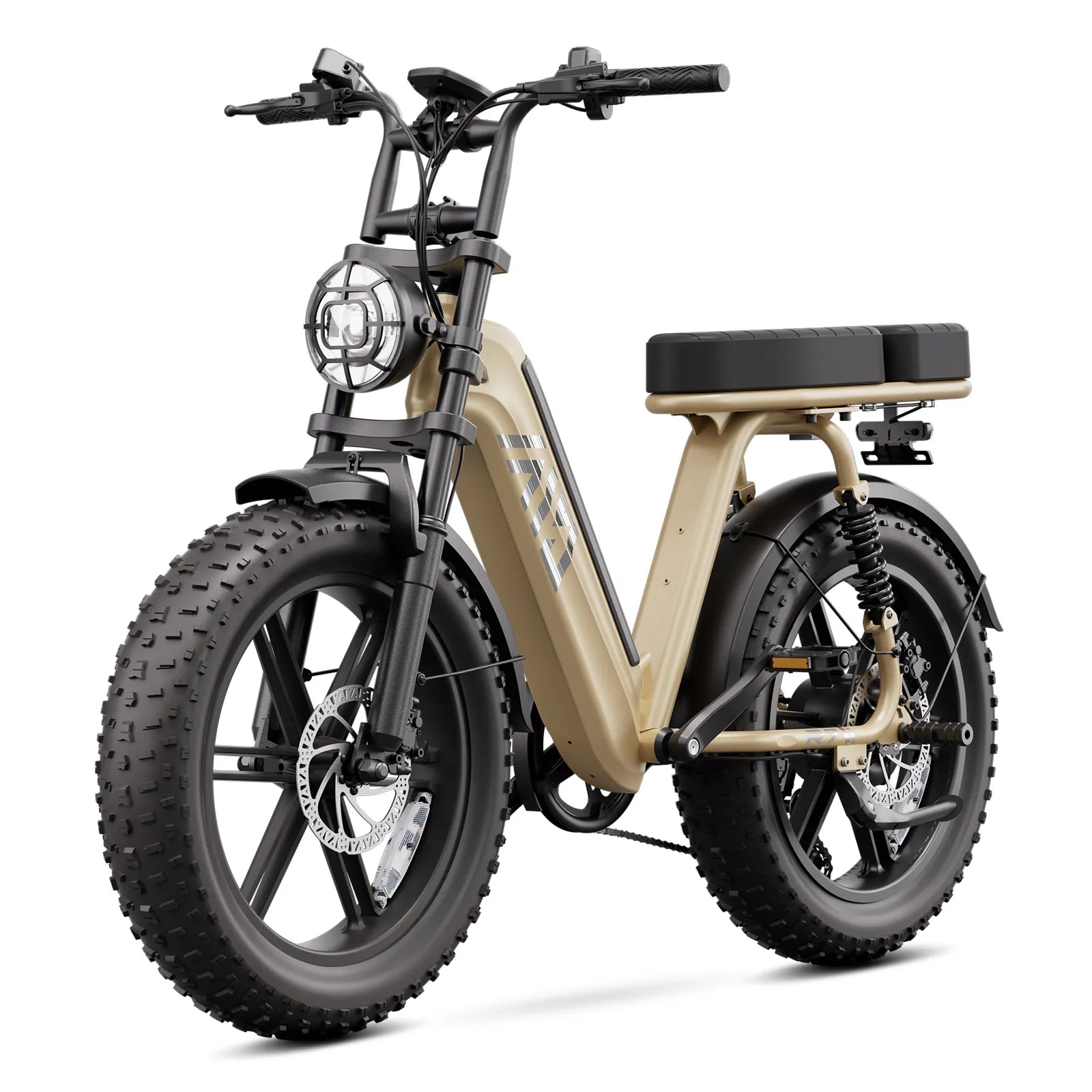
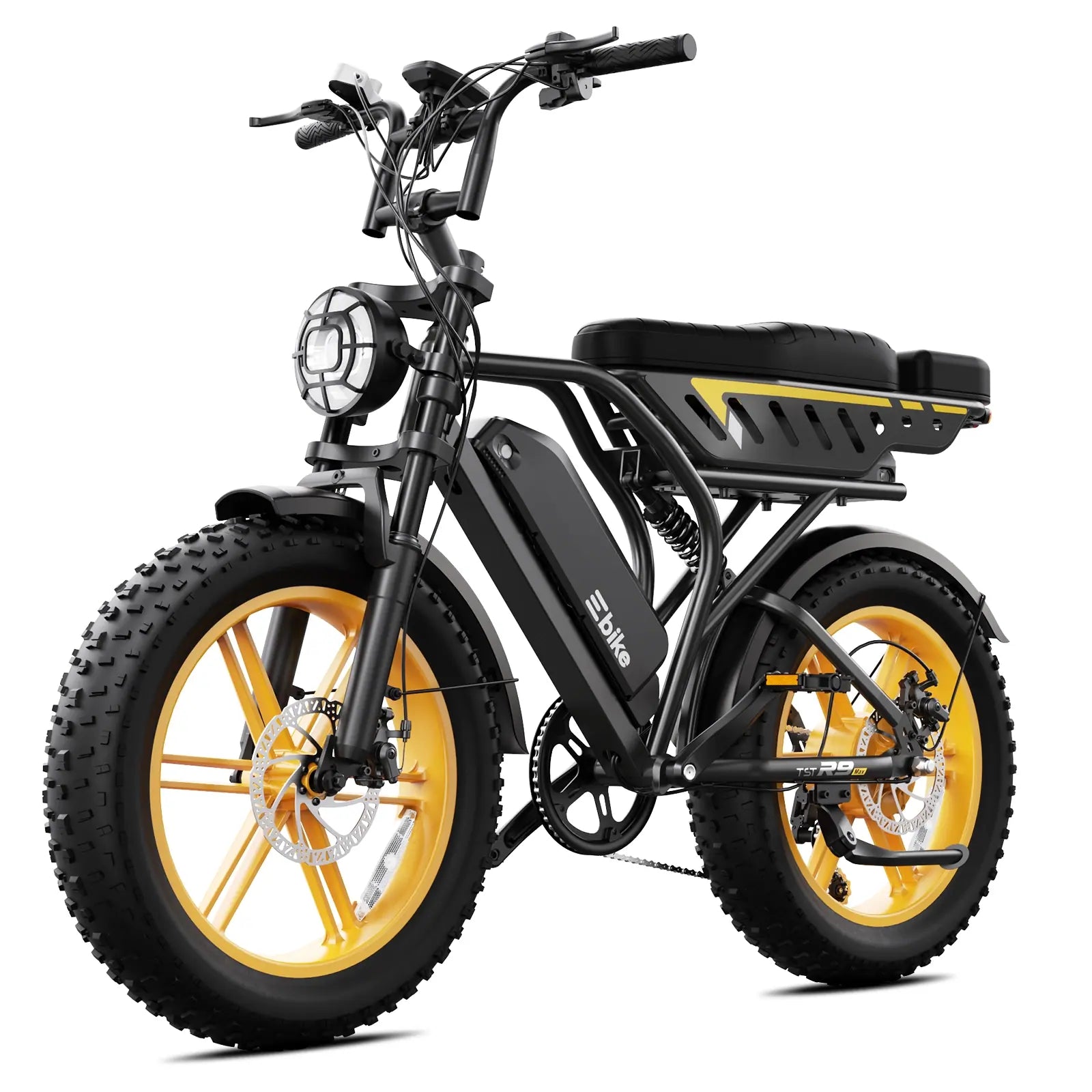
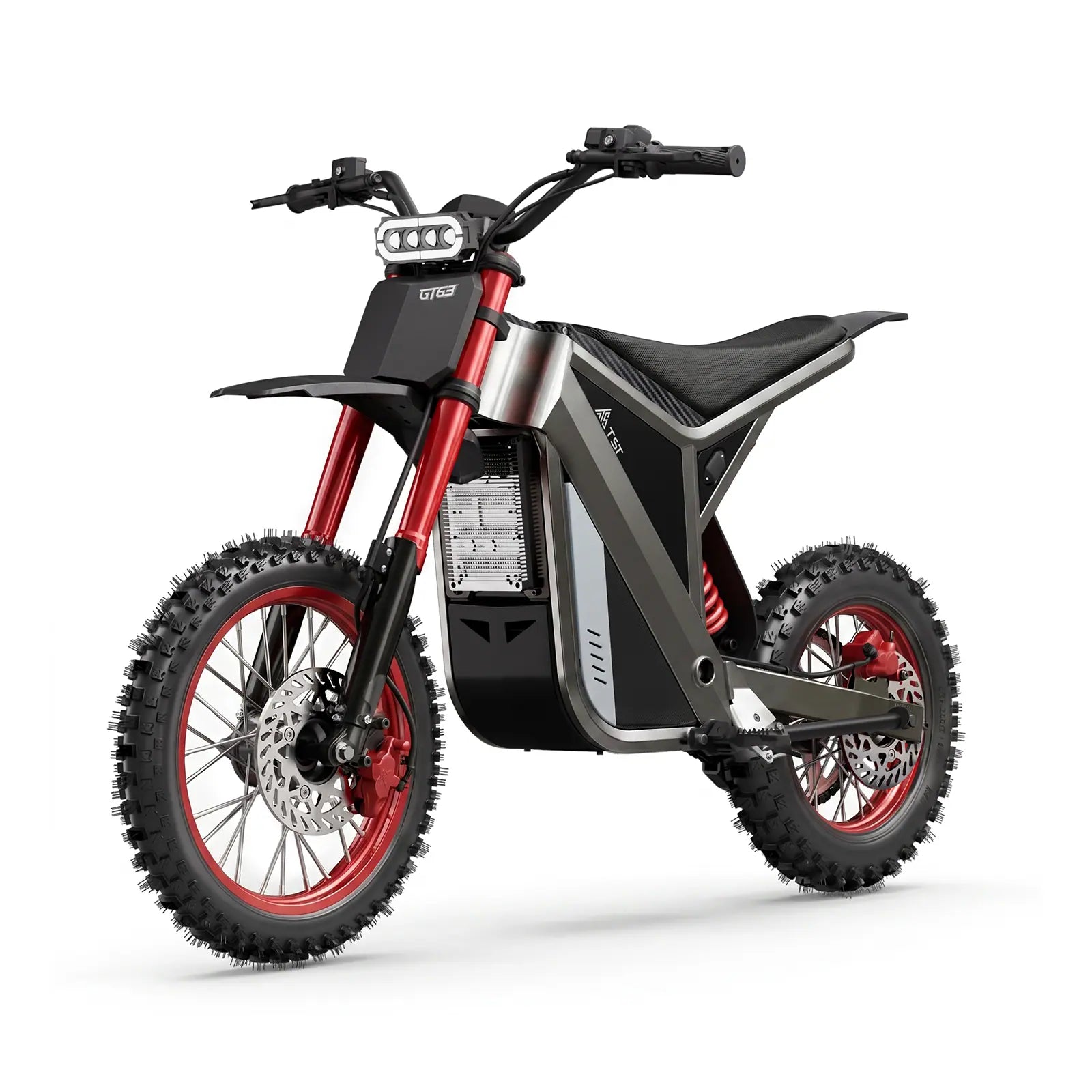
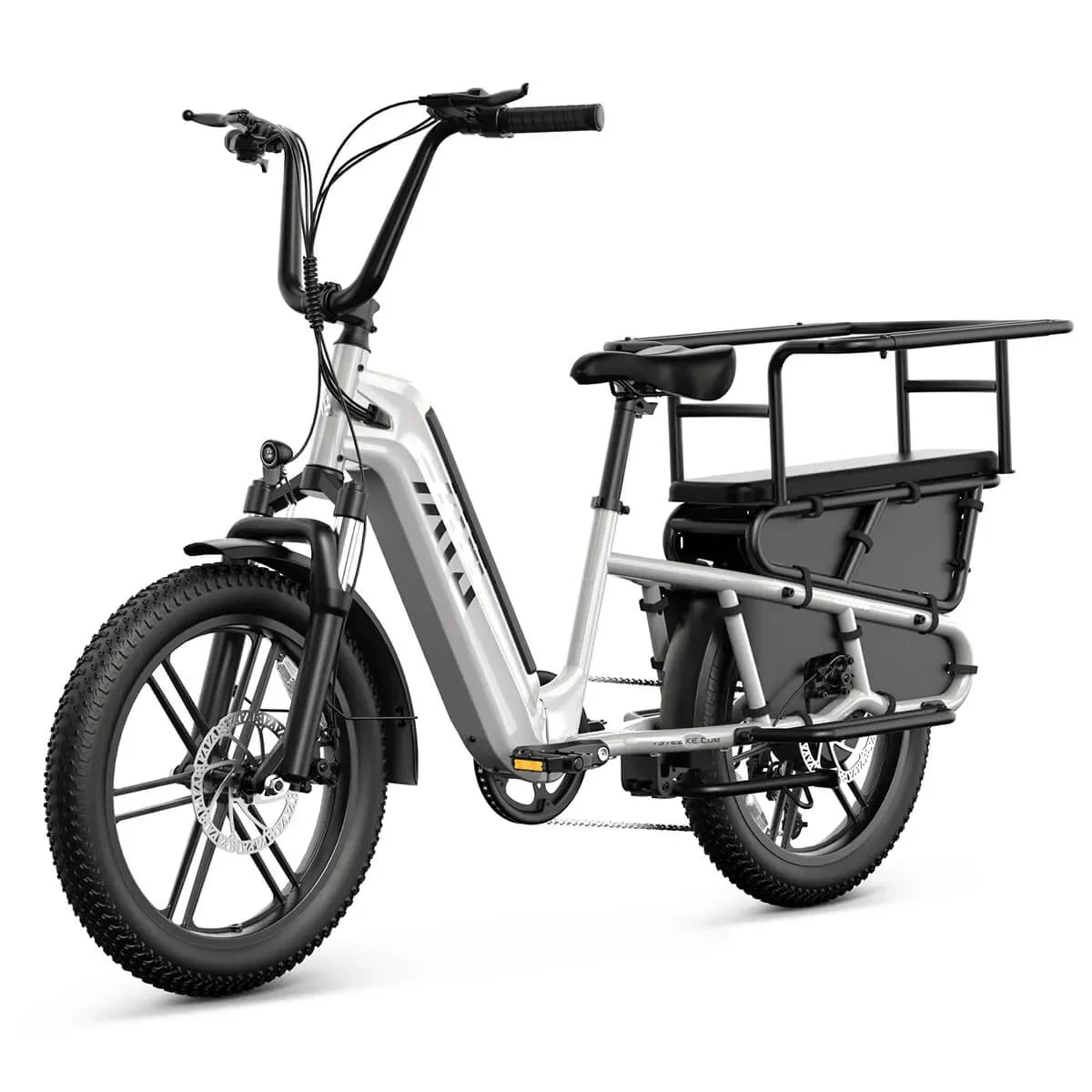
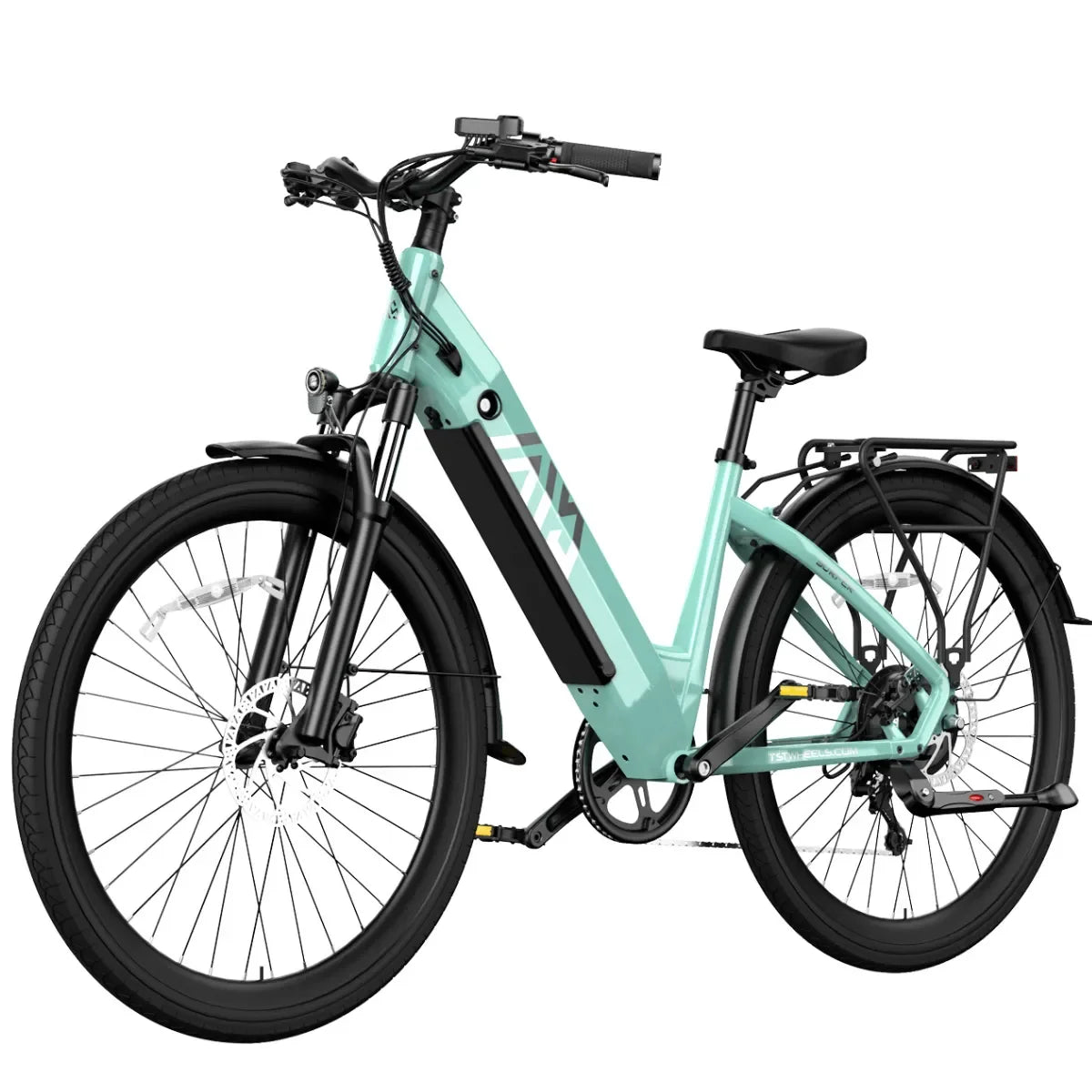
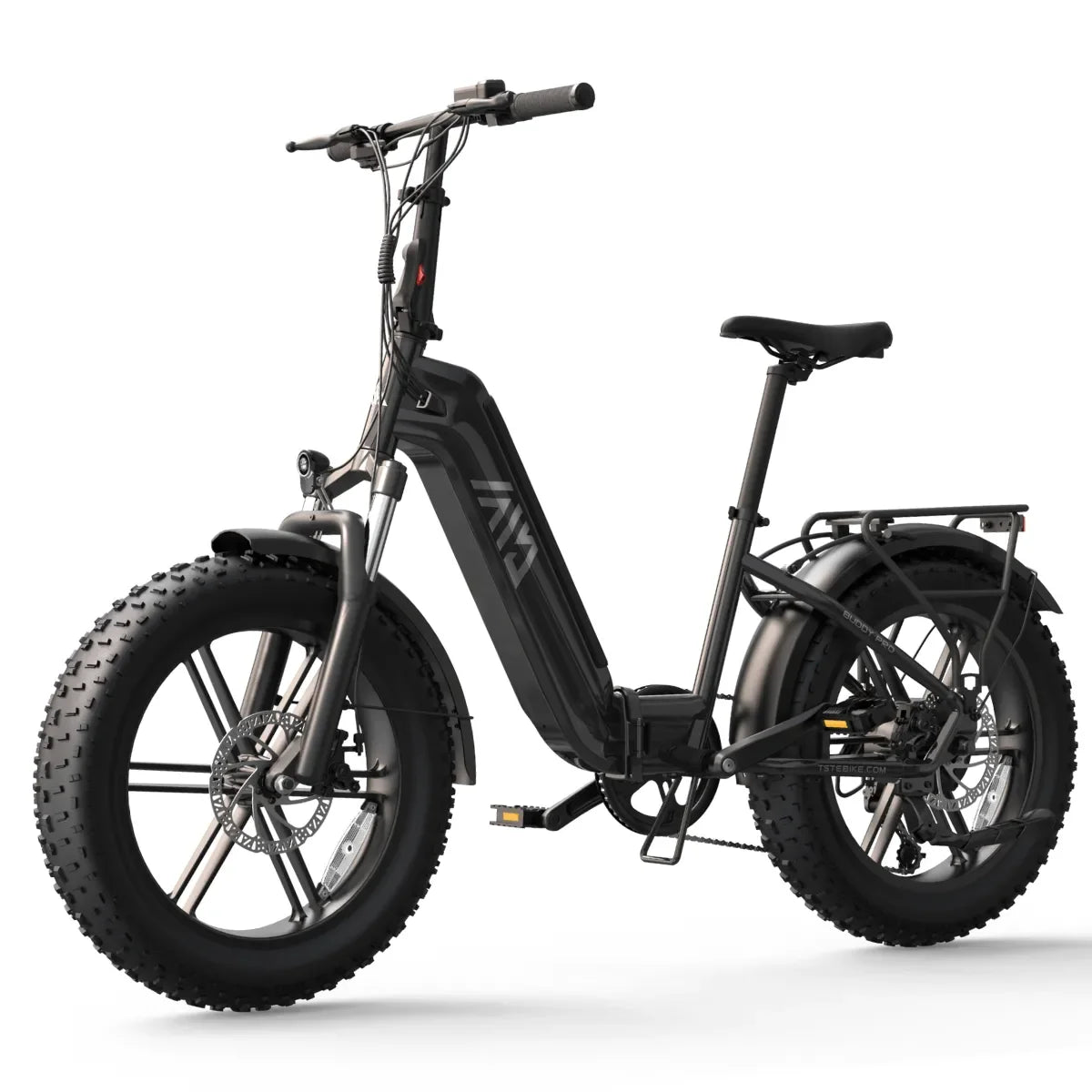
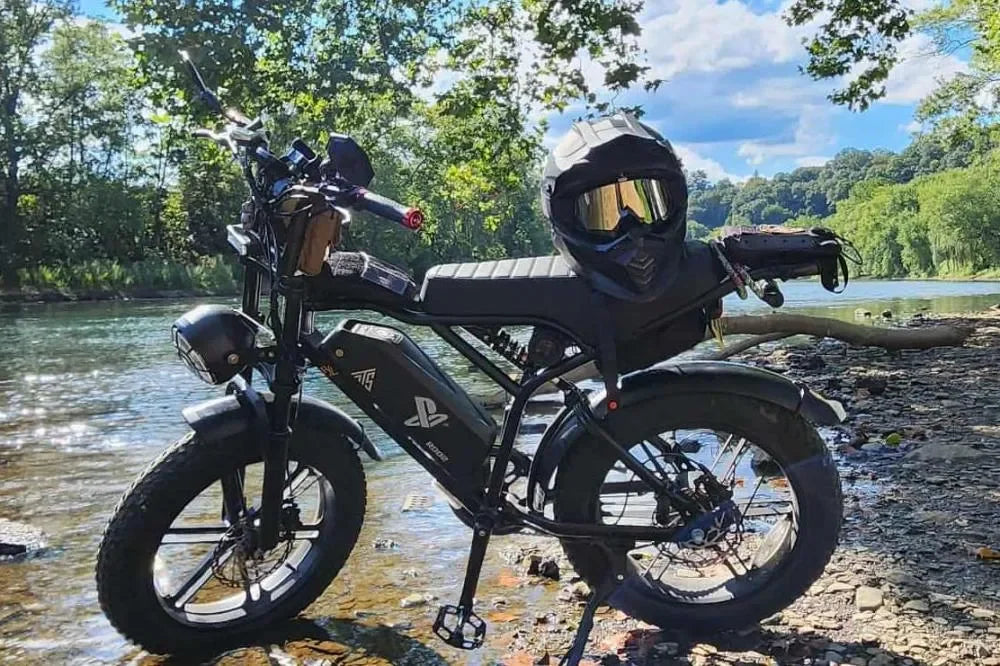
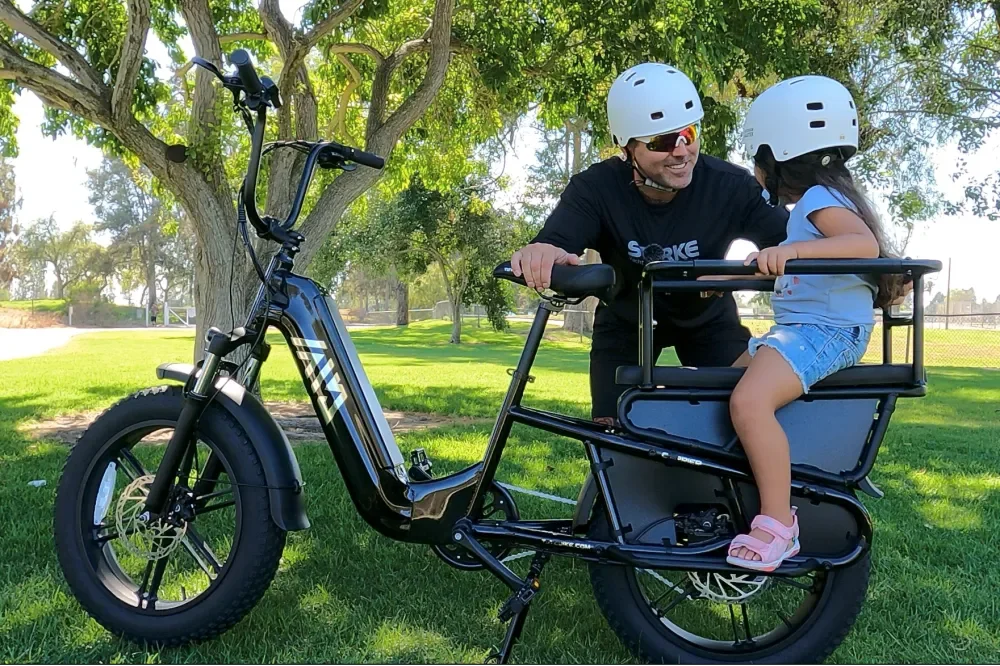
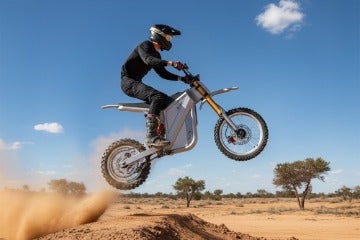
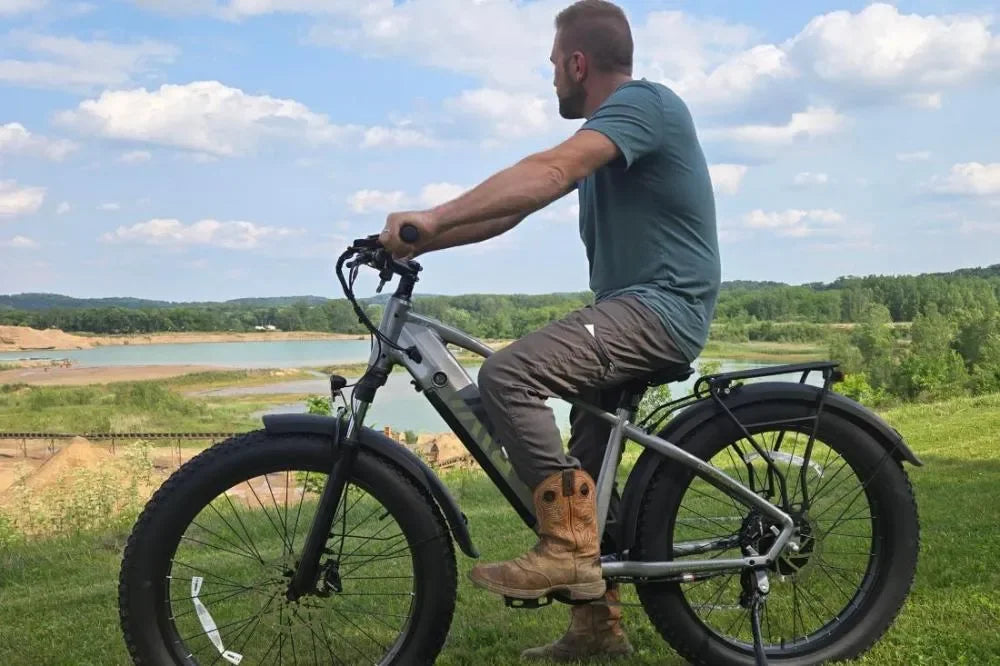
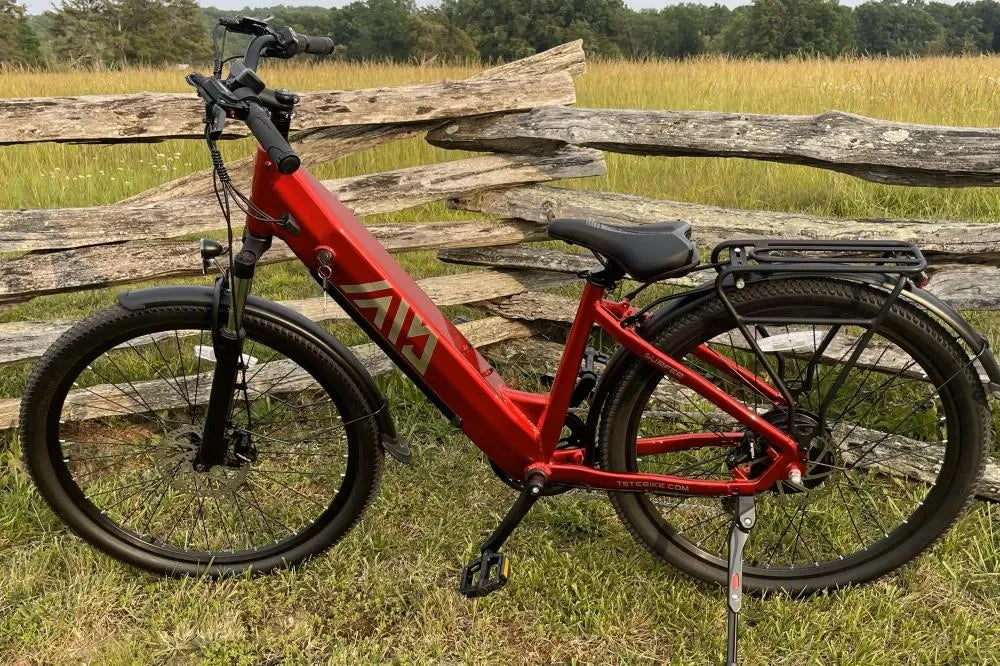
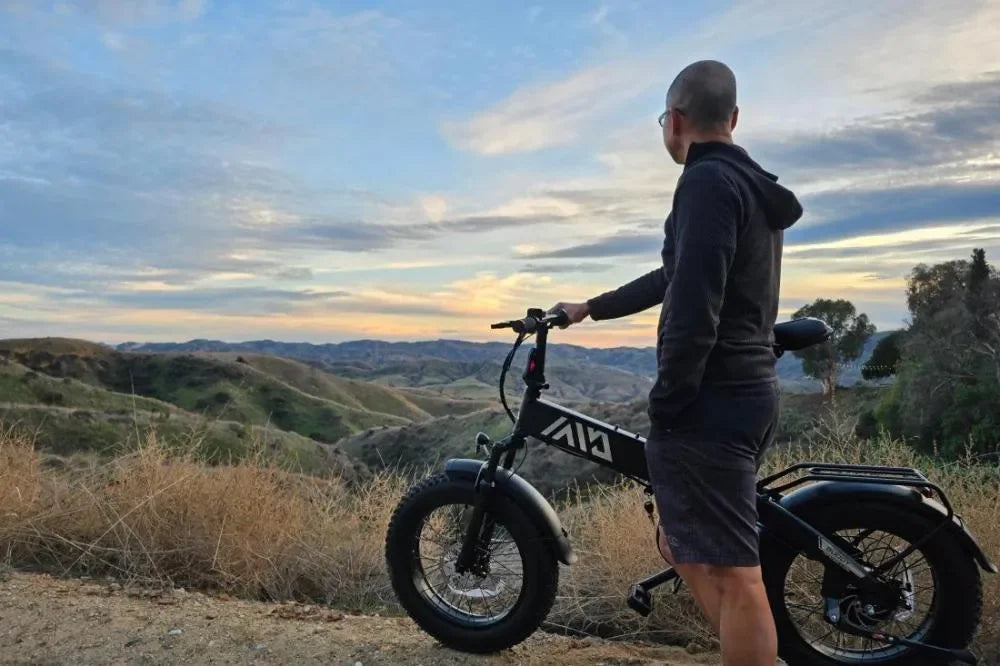
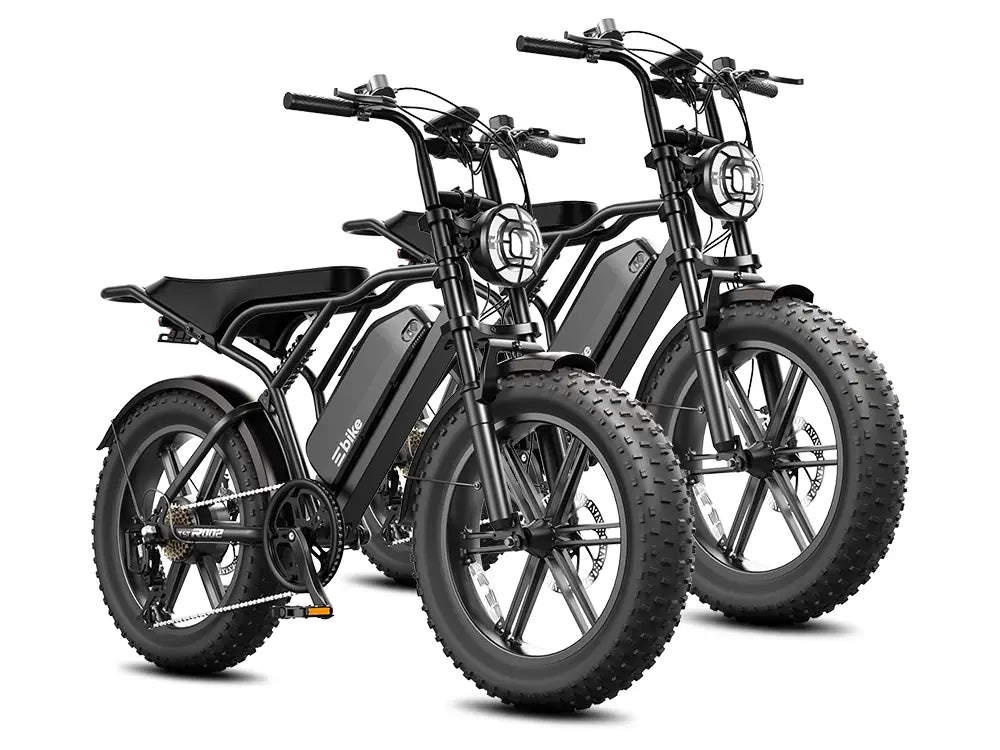
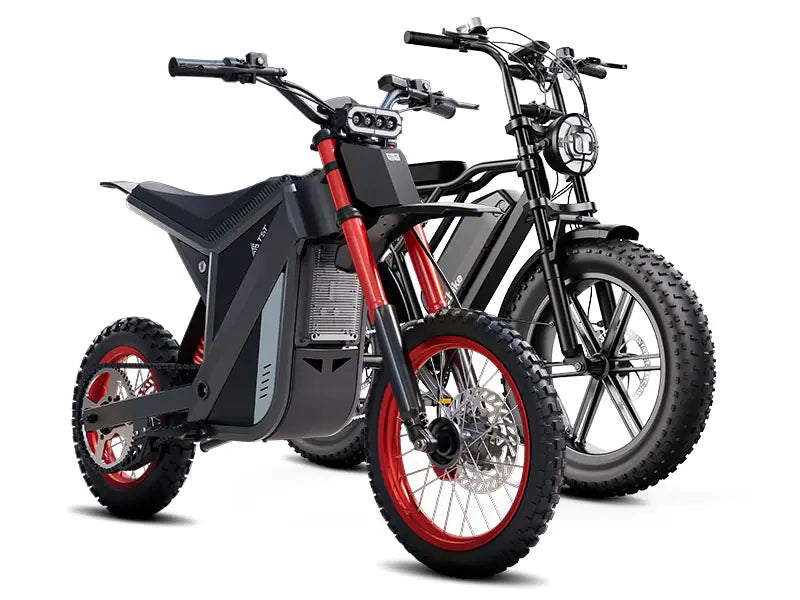
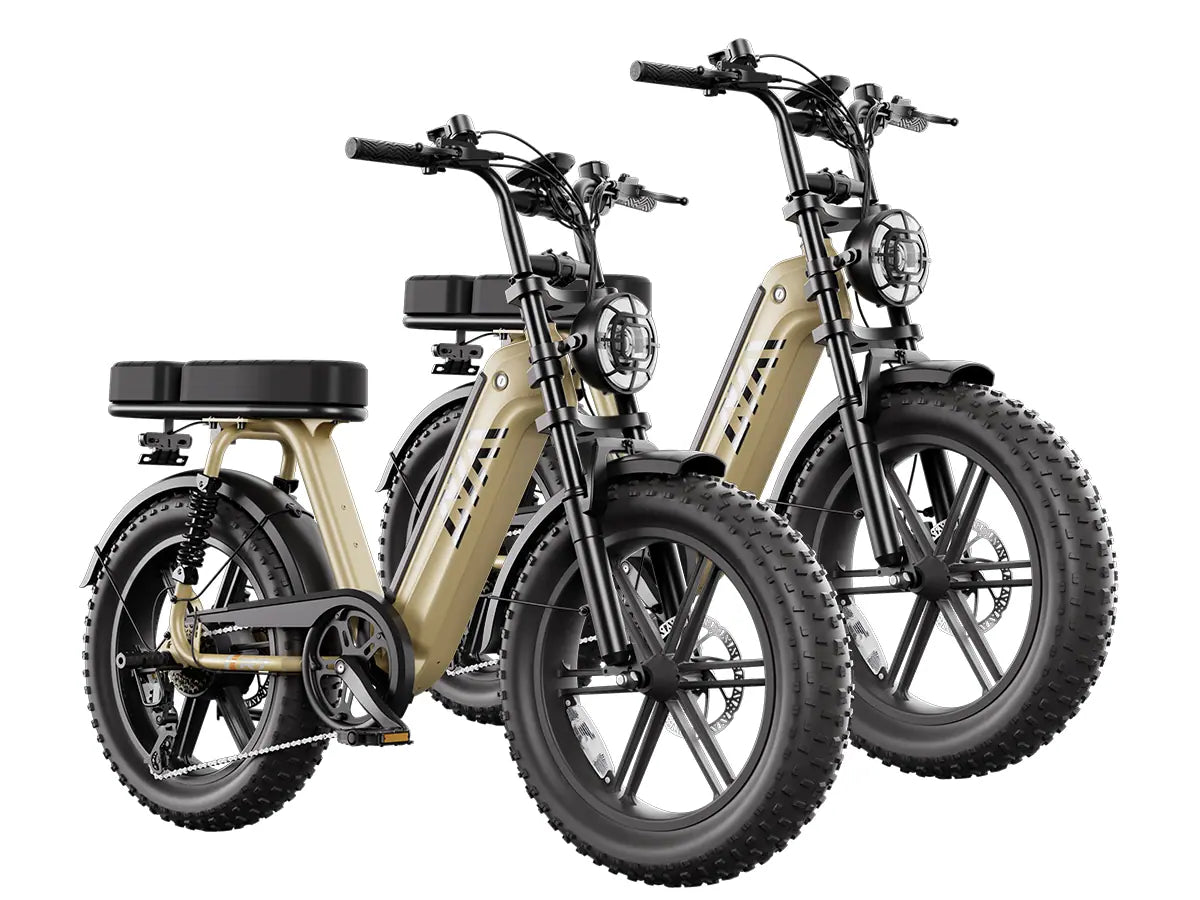
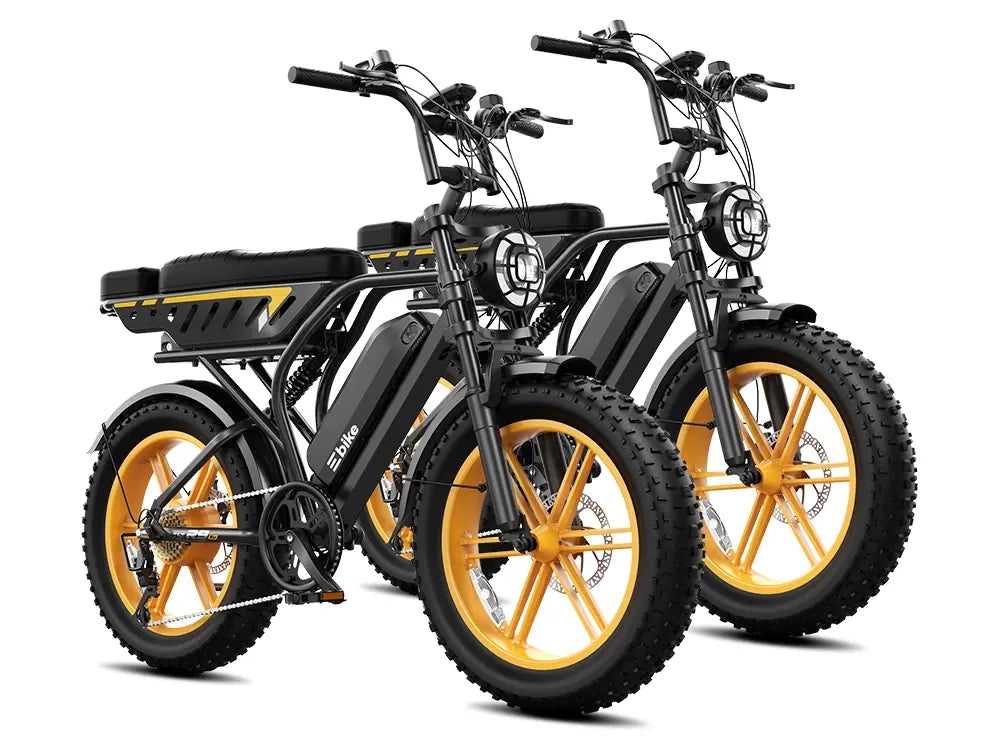
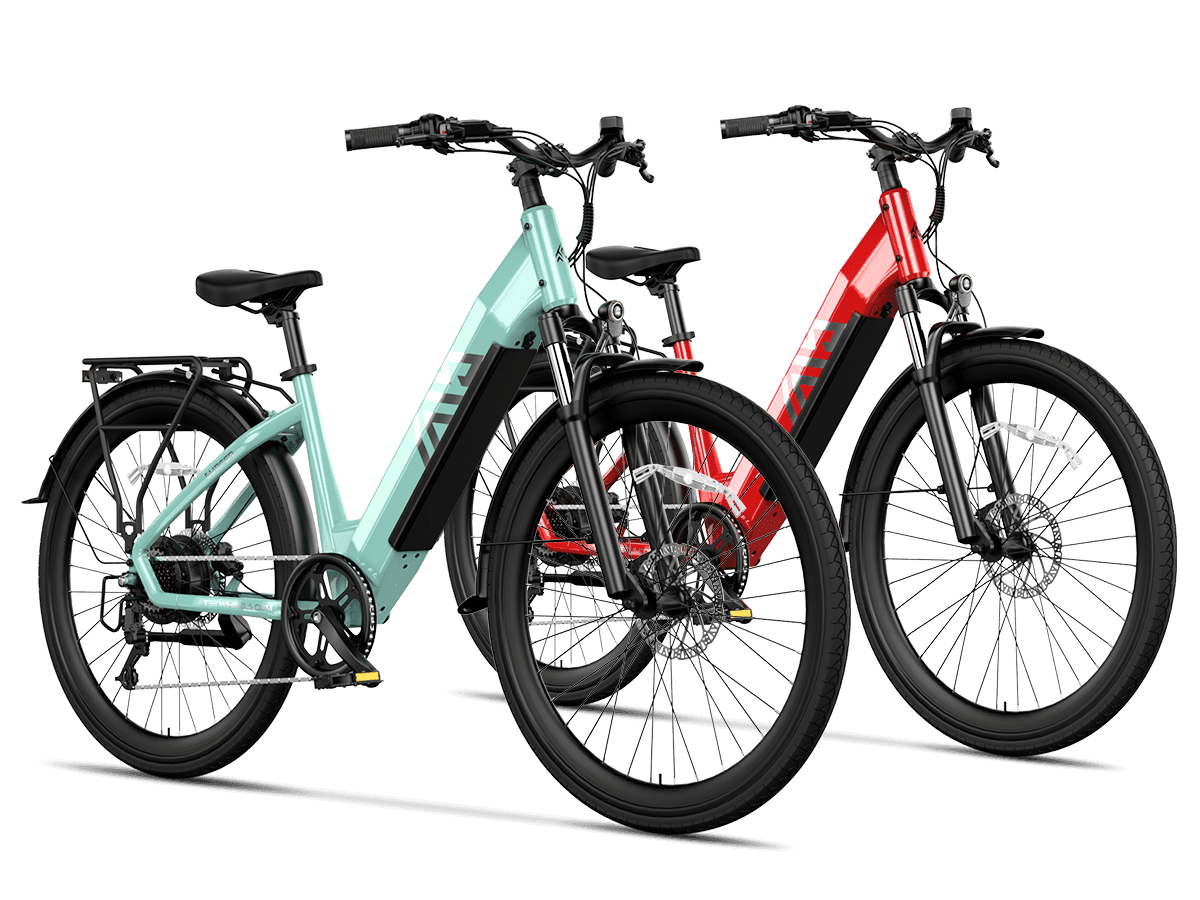
On heavy cargo ebikes, 180 mm hydraulic disc brakes are critical because they deliver stronger, more consistent stopping power and shorter braking distances than mechanical systems, especially at maximum load. Larger rotors multiply braking torque, while hydraulic fluid amplifies lever force. When combined with motor cut-off levers, as standard on many TST EBike models, they turn potential “near misses” into safe, controlled stops.
loaded cargo ebike safety guide
Why do heavy cargo bikes need more braking power than normal ebikes?
Heavy cargo bikes need more braking power because their total mass—bike, rider, kids, and cargo—creates much higher kinetic energy at the same speed. That extra energy must be safely converted into heat through the brakes, demanding larger rotors, better calipers, and systems that can deliver strong, repeatable deceleration without fading or stretching.
From a physics standpoint, stopping energy is not just about speed; it’s about total mass. Double the load, and the brakes must dissipate roughly double the energy at the same speed. On the factory test rig, when we load a cargo ebike to its max rating, the temperature rise in the rotors during repeated stops is dramatically higher than on a commuter bike. If the braking system is undersized, this heat leads to fade, longer stopping distances, and in extreme cases, warping or pad glazing.
That’s why TST EBike specifies 180 mm hydraulic discs on its heavy-duty platforms instead of smaller, entry-level setups. The larger rotor offers more leverage and surface area to manage heat, while hydraulic calipers provide consistent clamping force so a loaded family bike can stop with the same confidence as a solo commuter.
How does kinetic energy explain the difference in stopping distances?
Kinetic energy explains stopping distances because the energy stored in a moving bike increases with mass and the square of speed. The brakes must dissipate this energy as heat; if they are weak or fading, they can’t generate enough deceleration, causing the bike to travel much farther before coming to a stop.
The core physics relationship is:
Ek=21mv2
If you increase the total mass m by loading kids and cargo, Ek rises proportionally. But if your speed v increases, the energy climbs with the square of that speed. This is why “just 5 mph faster” can feel dramatically harder to stop when fully loaded. In real testing, when we compare an unloaded ebike at 20 mph to a fully loaded cargo ebike at the same speed, the braking system on the cargo platform has to work much harder to absorb the extra energy in the same distance.
Proper 180 mm hydraulic brakes give you the margin to convert that energy into heat without losing control. They translate your lever input into higher, more consistent clamping force, so the tire can do its job of gripping the road instead of being dragged by weak or fading brakes.
What is the braking distance difference between mechanical and hydraulic disc brakes under full load?
Under full load, hydraulic disc brakes with 180 mm rotors typically stop a heavy cargo ebike in significantly shorter distances than comparable mechanical disc systems. In practice, we often see reductions on the order of several bike lengths, especially during emergency stops, which can be the difference between a scare and a collision.
In controlled tests I’ve run on heavily loaded ebikes, mechanical discs often suffer from cable stretch, friction in the housing, and inconsistent pad contact. The first stop might feel acceptable, but as heat builds and your hands fatigue, stopping distances creep longer. By contrast, 180 mm hydraulic systems maintain firm lever feel and strong clamping, even after repeated hard stops.
To illustrate, consider a simplified comparison (approximate figures at 25 km/h / 15.5 mph, dry pavement, max cargo load):
*Real-world values vary, but the pattern is consistent: robust hydraulics with larger rotors stop shorter and more predictably. For a parent on a fully loaded TST EBike, those missing bike lengths are exactly where a car bumper or crosswalk might be.
How do 180mm rotors increase braking torque on heavy ebikes?
180 mm rotors increase braking torque by extending the lever arm between the caliper’s clamping force and the wheel axle. With a larger diameter disc, the same caliper force produces more braking torque at the hub, giving you stronger deceleration or allowing the system to do the same work with less clamping force (and less heat stress).
The torque generated by a disc brake can be approximated by:
τ=F×r
where F is the pad’s tangential force on the rotor and r is the effective rotor radius. Moving from a 160 mm to a 180 mm rotor increases r, so for the same pad force, τ rises. In practice, this means you can achieve a given deceleration with less lever effort and lower system stress, which is crucial when you’re hauling 150 kg or more of total mass.
On cargo‑ready TST EBike platforms, 180 mm rotors are chosen because they offer a sweet spot: large enough for strong torque and heat capacity, but not so huge that they become overly exposed or prone to bending in everyday use. It’s a deliberate, engineering‑driven trade‑off between power, weight, and durability.
Why are hydraulic disc brakes more consistent and powerful than mechanical brakes on cargo ebikes?
Hydraulic disc brakes are more consistent and powerful because fluid transmits force with minimal friction and stretch, self-adjusts pad clearance as pads wear, and multiplies your lever input through the master-cylinder and caliper piston design. Mechanical systems rely on cables that stretch, corrode, and add friction, reducing effective force at the caliper.
In the workshop, when I squeeze a mechanical lever on a heavily loaded cargo ebike, I can feel the cable housing compress, especially if the routing is long and curved. Some of that hand effort never reaches the pads. With hydraulics, the brake fluid transmits pressure directly, so more of your input becomes pad clamping force. As pads wear, the system automatically compensates, keeping the lever feel consistent.
On TST EBike cargo‑oriented builds, hydraulic brakes also allow finer modulation: you can feather lightly in slow traffic or apply strong, progressive force in an emergency. That modulation is essential when managing a high center of mass and kids onboard—lockups and skids are the last thing you want when stopping quickly from speed.
How does motor cut-off integration improve stopping safety on powerful ebikes?
Motor cut-off integration improves stopping safety by instantly cutting power to the motor when you pull the brake levers. Without it, the controller might still command torque for a split second while you’re trying to slow down, which lengthens stopping distance and can make the bike feel like it’s “pushing against” your braking.
On high‑power ebikes, the motor can easily contribute several hundred watts of forward thrust even after you mentally switch to “stop” mode. A brake lever with integrated cut‑off sends a signal to the controller to reduce commanded current to zero as soon as the lever moves, usually before the pads even touch the rotor. This coordination ensures that braking and acceleration never fight each other.
TST EBike outfits its hydraulic systems with motor cut‑off levers as standard on many models, which is especially important on heavy cargo setups. In my own testing, I can feel the difference clearly: bikes with cut‑offs settle down the moment I touch the lever, while bikes without can feel vague or delayed, as if the motor hasn’t yet realized I’ve changed my mind.
What does the physics formula for braking distance tell us about heavy cargo bikes?
The physics of braking distance shows that stopping distance depends on speed, available deceleration, and road grip. For a given tire and surface, stronger, more controllable brakes allow you to reach higher deceleration without skidding, cutting the distance you travel before stopping—especially critical on heavier cargo bikes.
A simplified constant‑deceleration model gives:
d=2av2
where d is stopping distance, v is initial speed, and a is deceleration. With better brakes, you can safely achieve a higher a, so d shrinks. For heavy cargo ebikes, the maximum deceleration is often limited not by tire grip but by brake system capability and heat management over repeated stops.
This is why simply “riding slower” is not enough; you also need brakes that can sustain strong deceleration at full load, multiple times, without fading. In real‑world TST EBike testing, upgrading from basic mechanical discs to 180 mm hydraulic systems noticeably tightens stopping distances and, more importantly, keeps them consistent across repeated emergency stop simulations.
How do stopping distances compare for mechanical vs hydraulic brakes under heavy load?
Under heavy load, mechanical brakes typically show longer and more variable stopping distances, while 180 mm hydraulic systems maintain shorter, more predictable stops. Mechanical cables can stretch, pads may not engage fully, and fade appears sooner, all of which lengthen real‑world braking distances compared with cargo‑tuned hydraulics.
Here is an illustrative comparison of braking distance under the same heavy load and speed (approximate, based on shop and field testing patterns):
In other words, as the system heats up and the real‑world “worst case” emerges, hydraulics keep you closer to best‑case performance, while mechanical systems tend to drift further away. For a loaded family bike, you want the brake that behaves like it’s on its best day, every day—that’s why TST EBike defaults to hydraulic setups on serious cargo‑capable bikes.
Why are 180mm hydraulic disc brakes a non-negotiable safety feature on TST cargo-capable ebikes?
180 mm hydraulic disc brakes are non‑negotiable on cargo‑capable TST EBike models because they align the braking system with the bike’s real performance envelope: high speeds, heavy loads, and powerful motors. Matching high torque motors with undersized brakes is a recipe for near misses; matching them with robust hydraulics is what turns speed into controllable performance.
From a product‑engineering standpoint, we size components as a system: motor, frame, rack, and brakes all must handle the same worst‑case scenarios. For a TST EBike designed to carry kids and cargo, that worst case includes downhill stops, emergency braking in traffic, and repeated heavy deceleration. 180 mm hydraulics are simply the correct tool for that job; anything less is a compromise.
That’s why TST EBike invests in hydraulic cut‑off levers, correctly sized rotors, and quality calipers. They aren’t just spec lines for marketing—they’re the invisible safety net that lets parents use a cargo ebike at its full potential without wondering whether their stopping power will keep up.
TST EBike Expert Views
“When we run full-load brake tests on our cargo-ready TST EBike platforms, the difference between mechanical 160s and 180 mm hydraulics is stark. With mechanical systems, stopping distances creep longer as heat and cable stretch set in, and lever feel gets vague. With 180 mm hydraulics, the 10th emergency stop feels almost like the first—firm bite, predictable deceleration, and clean motor cut-off. For a parent hauling kids, that consistency is not a luxury; it’s the baseline for safety.”
Conclusion: How should riders think about brakes on heavy cargo ebikes?
On heavy cargo ebikes, brakes are not the place to economize. The physics of kinetic energy and braking distance mean that extra mass and speed quickly turn into huge stopping demands. 180 mm hydraulic disc brakes with integrated motor cut‑off give you the torque, consistency, and control to manage real‑world emergencies while fully loaded. When you pair a strong frame, high‑power motor, and serious cargo capacity, you must pair them with equally serious braking. That’s why brands like TST EBike treat 180 mm hydraulics as standard equipment on cargo‑capable models—not as an optional upgrade.
FAQs
Are 160mm mechanical disc brakes enough for a cargo ebike?
For light loads and gentle riding, they might be adequate, but for full cargo and emergency stops, 160 mm mechanical brakes are often marginal. Upgrading to 180 mm hydraulics dramatically improves safety and confidence.
Can I retrofit hydraulic brakes onto my existing cargo ebike?
Yes, many frames can be upgraded from mechanical to hydraulic systems, provided they have compatible mounts. Ensure rotor size fits your frame and fork, and have the installation done or checked by a qualified mechanic.
Do larger rotors wear pads faster on hydraulic brakes?
Not necessarily. Because larger rotors increase leverage, they can achieve the same stopping power with less clamping force, which may actually reduce pad stress. Proper bedding-in and quality pads matter more than rotor size alone.
Will hydraulic brakes require more maintenance than mechanical ones?
Hydraulic systems need occasional bleeding but require less day‑to‑day adjustment than mechanical brakes, which suffer from cable stretch and contamination. For many riders, hydraulics feel “set and forget” once properly installed.
How can I tell if my cargo ebike’s brakes are strong enough?
Test controlled emergency stops at your typical riding speed and load. If you can’t stop confidently within a short, predictable distance without hand strain or fade, your braking system is undersized for your use case.

Leave a comment
This site is protected by hCaptcha and the hCaptcha Privacy Policy and Terms of Service apply.