

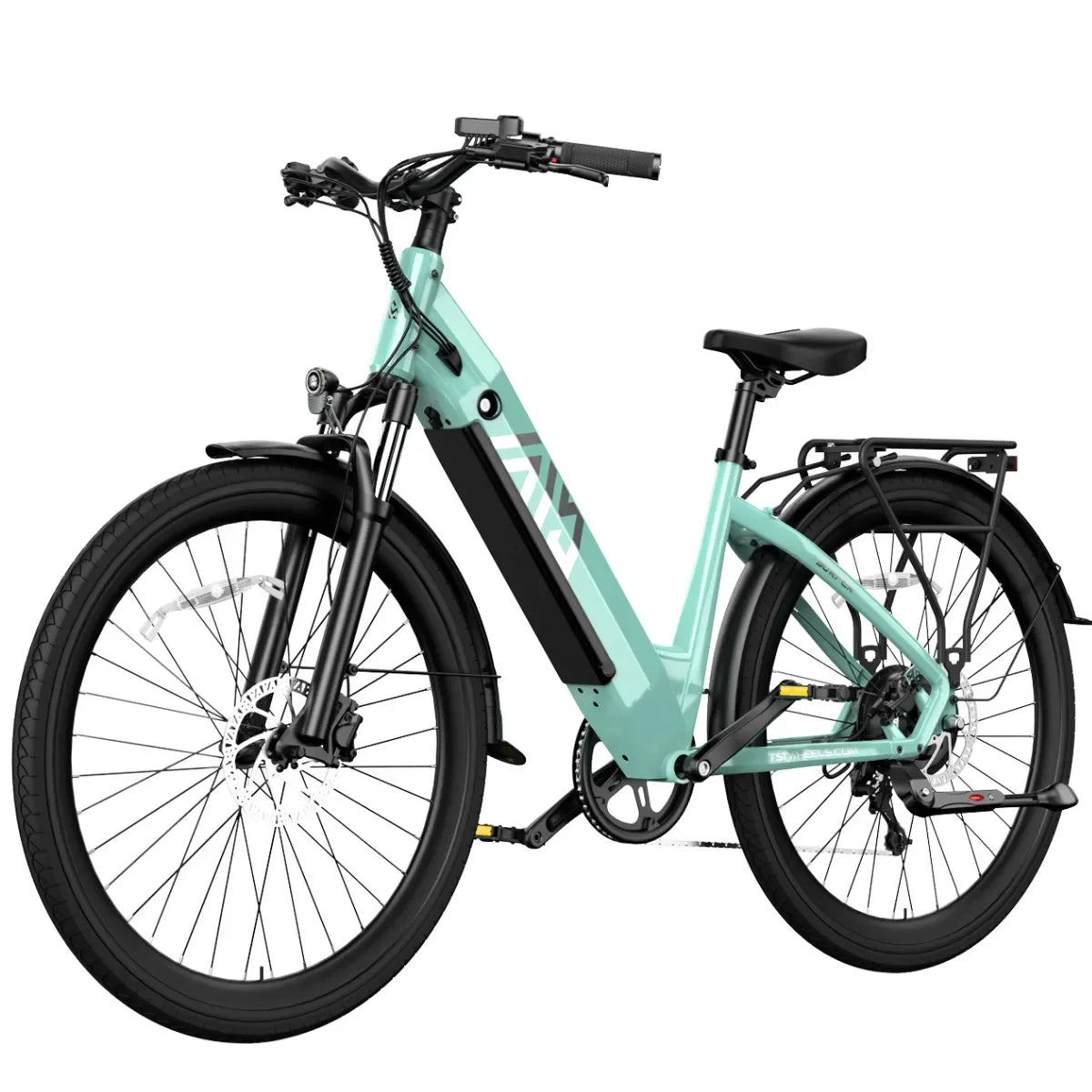
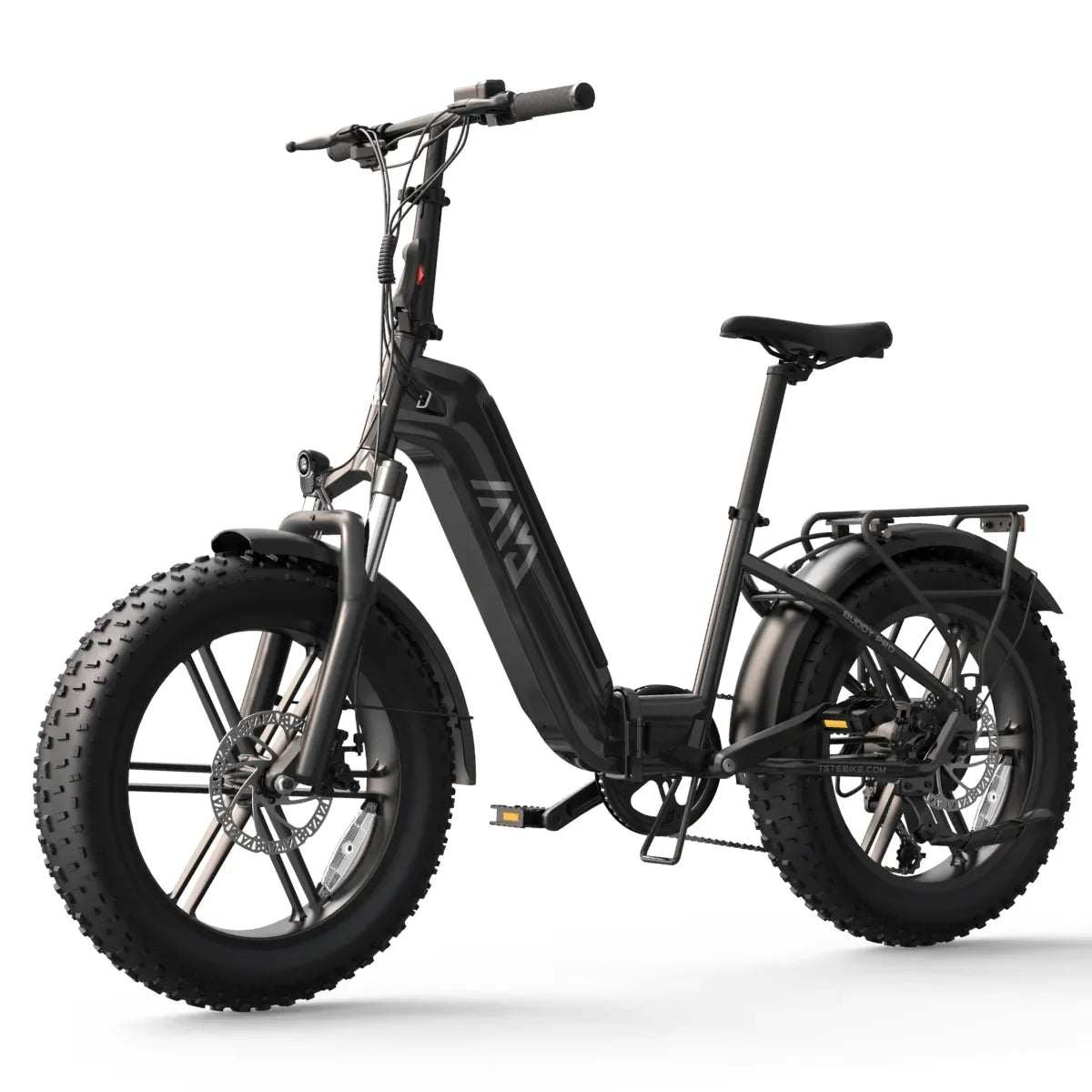




Subtracting your body weight from a manufacturer's total payload number only works if that number is actually defined as "everything including the rider." Many cargo e-bikes publish that combined figure, but the same bike can carry a second, lower limit on the rack, the cargo deck, or a child seat — and that smaller number, not the leftover math, is what actually controls how much you can load.
Start with the exact language your bike's spec sheet or manual uses. If it says "total payload" or "max load" without separating rider from cargo, the rider's weight is already inside that ceiling, and subtraction is the right calculation. If it lists a rider limit and a cargo or passenger limit separately, those are two different budgets, and you cannot combine or subtract between them.
Building the worksheet: which numbers actually exist on your bike
Before doing any subtraction, list every weight-related rating that applies to your specific model and write down where each one came from — spec sheet, printed manual, or a component's own stamped rating. A cargo e-bike can carry several independent limits at once, and the load you're planning has to clear every one of them, not just the largest.
The categories to check are: bike weight (the unloaded machine, including battery), total payload or gross vehicle weight (what the maker defines as everything the system can carry), rider weight alone (some manuals cap this separately from cargo), cargo or rack capacity (frequently a fraction of total payload), passenger or child-seat limits (tied to a specific accessory, not the general payload figure), and any trailer or hitch rating (usually independent of the bike's own payload). Not every model publishes all of these. When one is missing, that is a real data gap, not a zero.
The U.S. Consumer Product Safety Commission's micromobility guidance tells riders to identify the weight and age limits specific to their device before riding, rather than assuming a single number applies across categories. That instruction matters here because the industry does not use "payload," "max load," and "rack limit" interchangeably — a bike can meet one rating and still exceed another.
A worked example using a published cargo bike's numbers
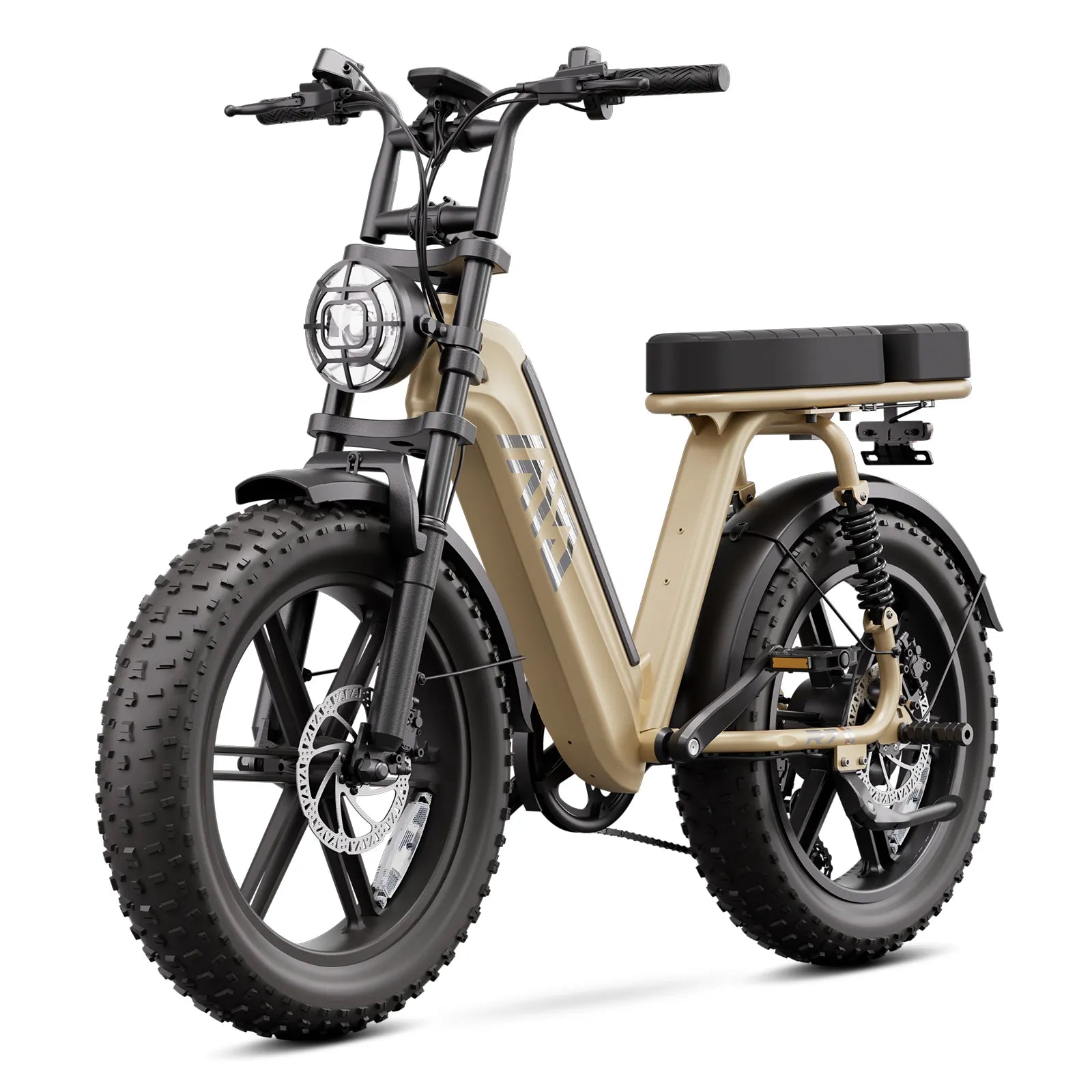
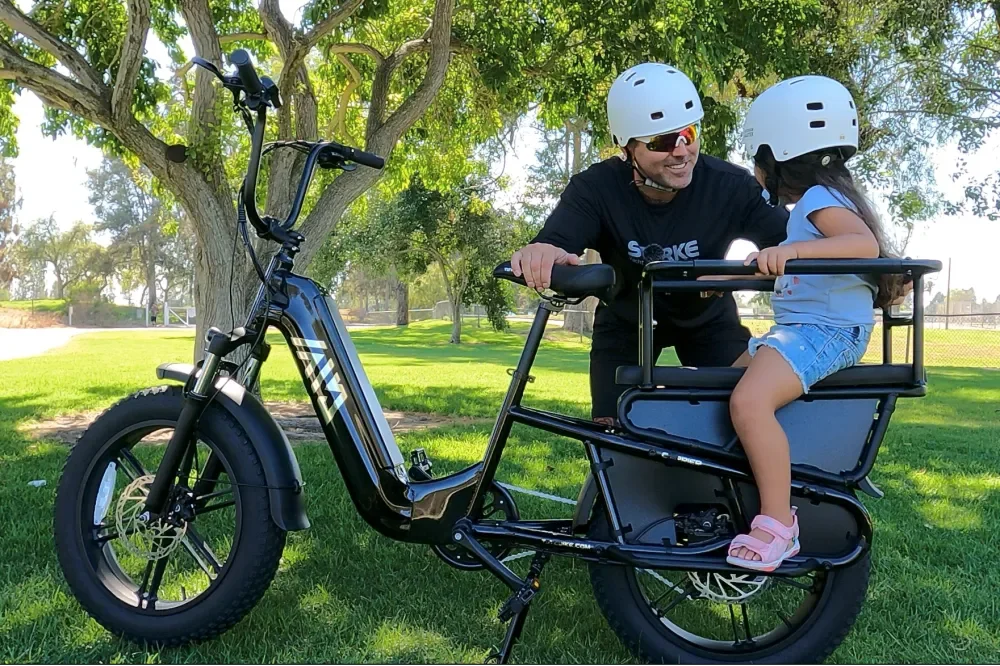
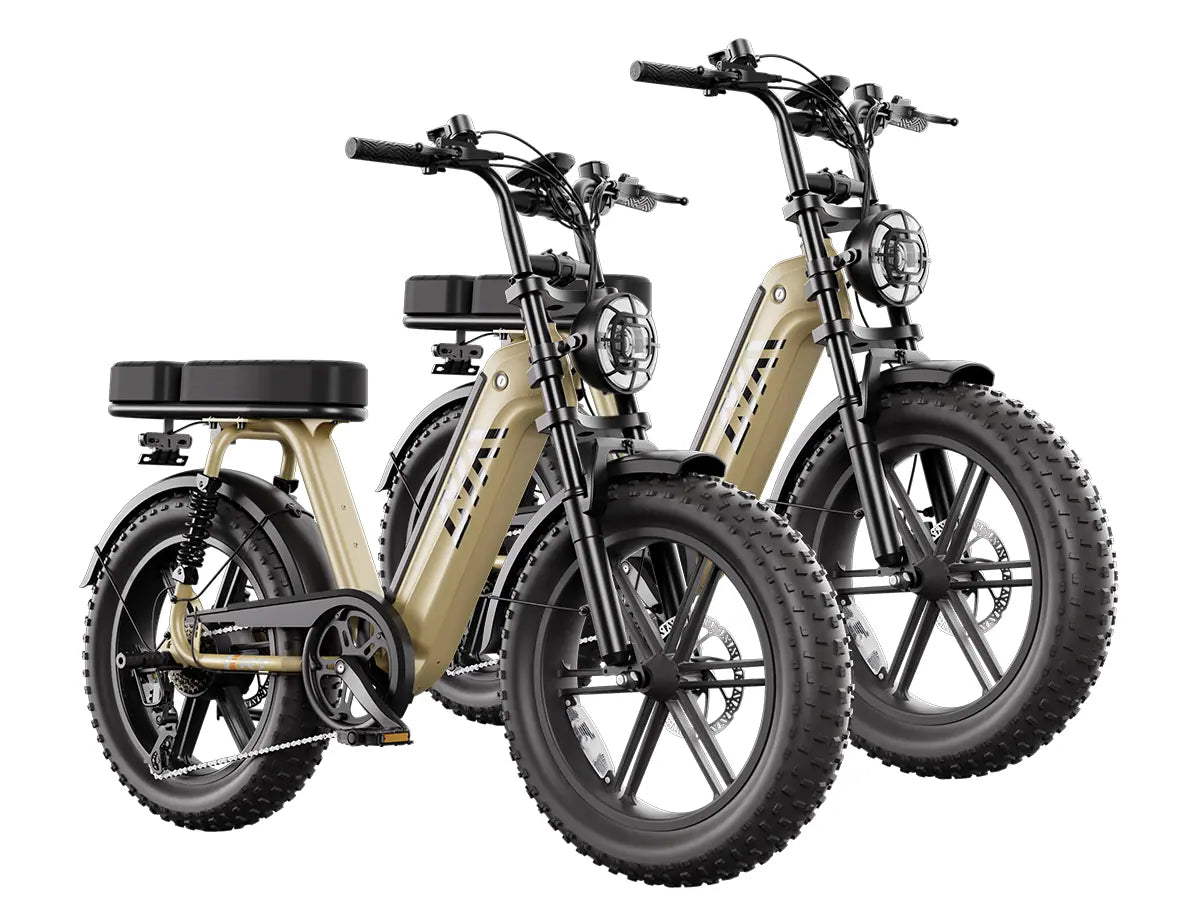
The TST Carrier 20'' Cargo Electric Bike is a useful illustration because its current listing states two different figures rather than one. The bike's product page lists a 450 lb total payload capacity and, separately, a bike weight of 90.39 lb. TST's own explainer for this model states that the rear carrier itself supports "up to 150 lbs of cargo or passengers," distinct from the 450 lb total figure.
That means the 450 lb number is not a green light to load 450 lb onto the rack. If a 200 lb rider gets on this bike, simple subtraction against the total payload would suggest 250 lb remains for cargo and passengers. But the rack's own 150 lb rating is lower, so it becomes the controlling limit for anything mounted there — groceries, a child seat, running-board passengers, or a rear cargo box. The lowest verified number that actually applies to where the weight sits is the one that governs, not the largest published figure.
This is exactly the gap that shows up across cargo e-bike marketing broadly: total payload gets advertised prominently, while a lower rack or accessory limit sits in a separate spec line or FAQ that's easy to miss.
The calculation, step by step
Once you have the actual defined limits for your model, the math itself is simple — the discipline is in not skipping a step.
First, confirm what the manufacturer's headline number includes. If a bike states "450 lb max load" with no further breakdown, treat that as the combined rider-plus-cargo-plus-accessories ceiling, and rider weight comes out of it. Second, subtract your riding weight — body weight plus what you'll actually wear and carry on your person, like a loaded backpack or winter clothing, since that weight rides with you regardless of what's strapped to the bike. Third, compare what remains against every narrower limit that applies to where the load will sit: the rack rating, the cargo-deck rating, a specific child-seat weight limit, or a passenger limit tied to an installed seat. Whichever of these is lowest is your real ceiling for that load location, even if the total payload subtraction leaves more headroom on paper.
If any of those narrower numbers is not published for your exact model or accessory combination, do not assume it matches the total payload or a similar model's rating. Contact the manufacturer or check the accessory's own printed rating before loading it, and treat the load as unverified until you have that number.
Where this breaks down: things you cannot assume
A few assumptions repeatedly cause riders to overload a bike that "should" have room according to the total payload math.
Rated accessory capacity does not raise the bike or rack's own limit. If a child seat is rated for 50 lb, that does not mean the rack it's mounted to can absorb 50 lb on top of whatever else is already loaded there — the rack's own rating still applies to the combined weight resting on it. Passenger limits and cargo limits are also not interchangeable just because they attach to the same rear deck; a manufacturer may permit a seated child passenger up to a stated weight while rating loose cargo differently for balance and mounting reasons, so check whether your model's documentation actually separates the two or treats them as one pool. Finally, a component switching from a cargo deck to a passenger seat, as some cargo bikes are designed to do, does not automatically preserve the same weight rating in both configurations unless the manual states so explicitly.
Where your spec sheet, manual, and any printed label disagree, or where a rack, passenger, or accessory limit simply is not published for your configuration, the honest outcome is that the load is not verifiable yet. Don't average the numbers or default to the larger one. Get the missing figure from the manufacturer or the component's own documentation before loading it.
Applying this to your own bike
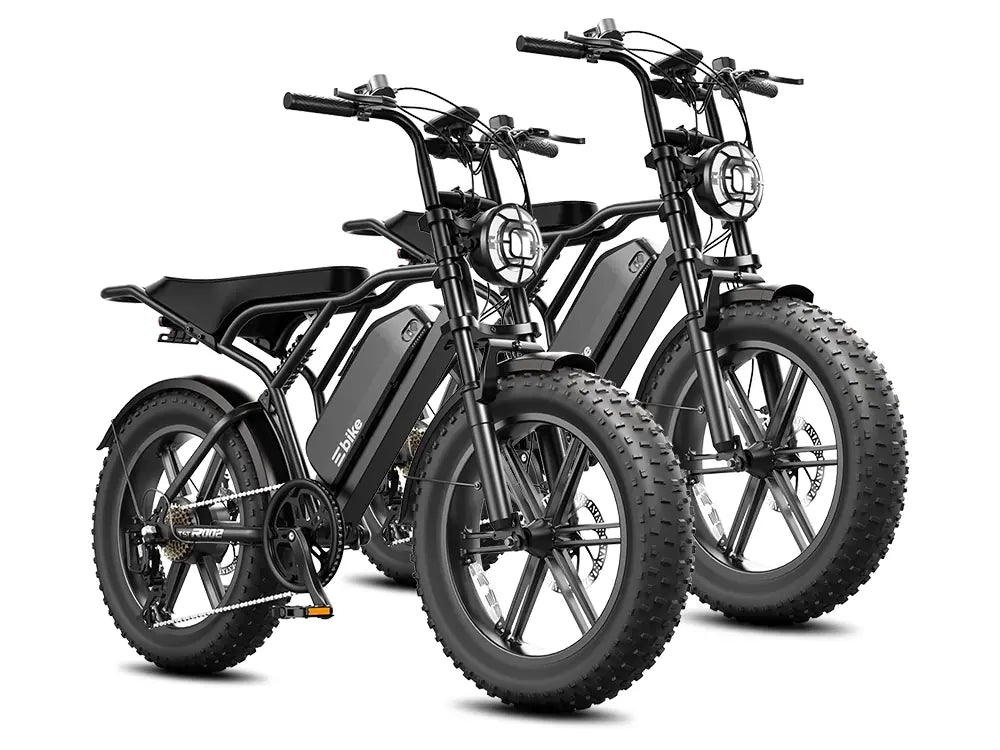
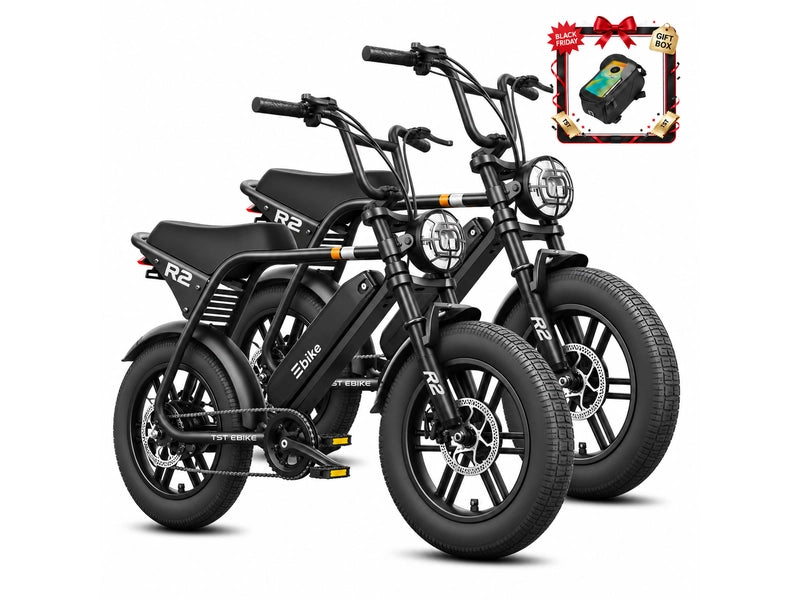
Every cargo e-bike model sets its own combination of these limits, so a worksheet built for one bike does not transfer to another, even within the same lineup. TST's current cargo and moped-style models list combined "Max Load" ratings up to 450 lbs on the model comparison page, but that figure is a starting point, not a substitute for checking whether your specific model separates out a rack, passenger, or child-seat rating the way the Carrier does. Confirm the total payload definition, the rider limit if one is stated separately, and every rack, cargo, or passenger sub-limit on your exact model's current product page or owner's manual before finalizing how you'll load it. For a side-by-side look at current cargo and moped-style specifications across models, TST's model comparison page lists the published total load ratings you'll need as your starting inputs.

Leave a comment
This site is protected by hCaptcha and the hCaptcha Privacy Policy and Terms of Service apply.