
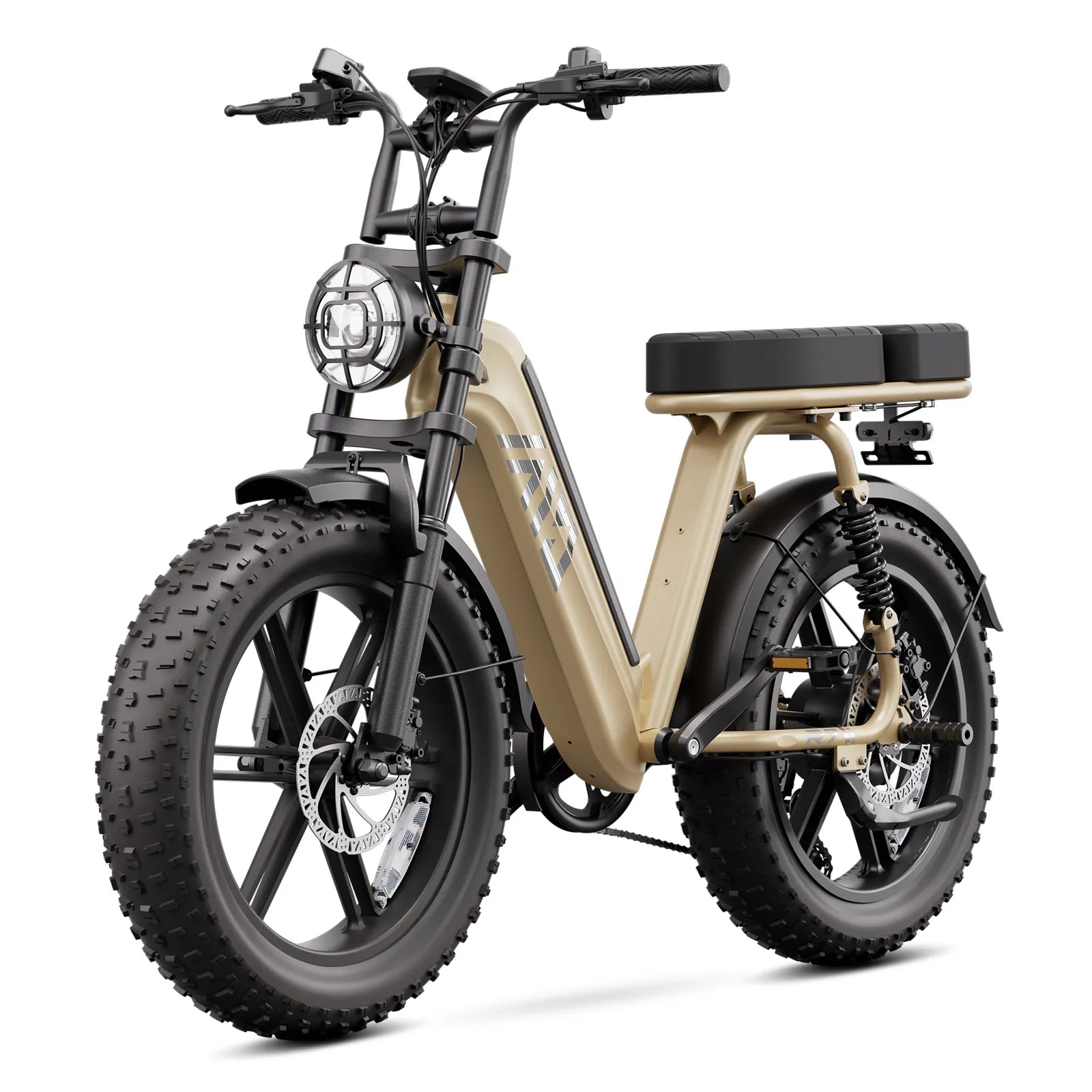
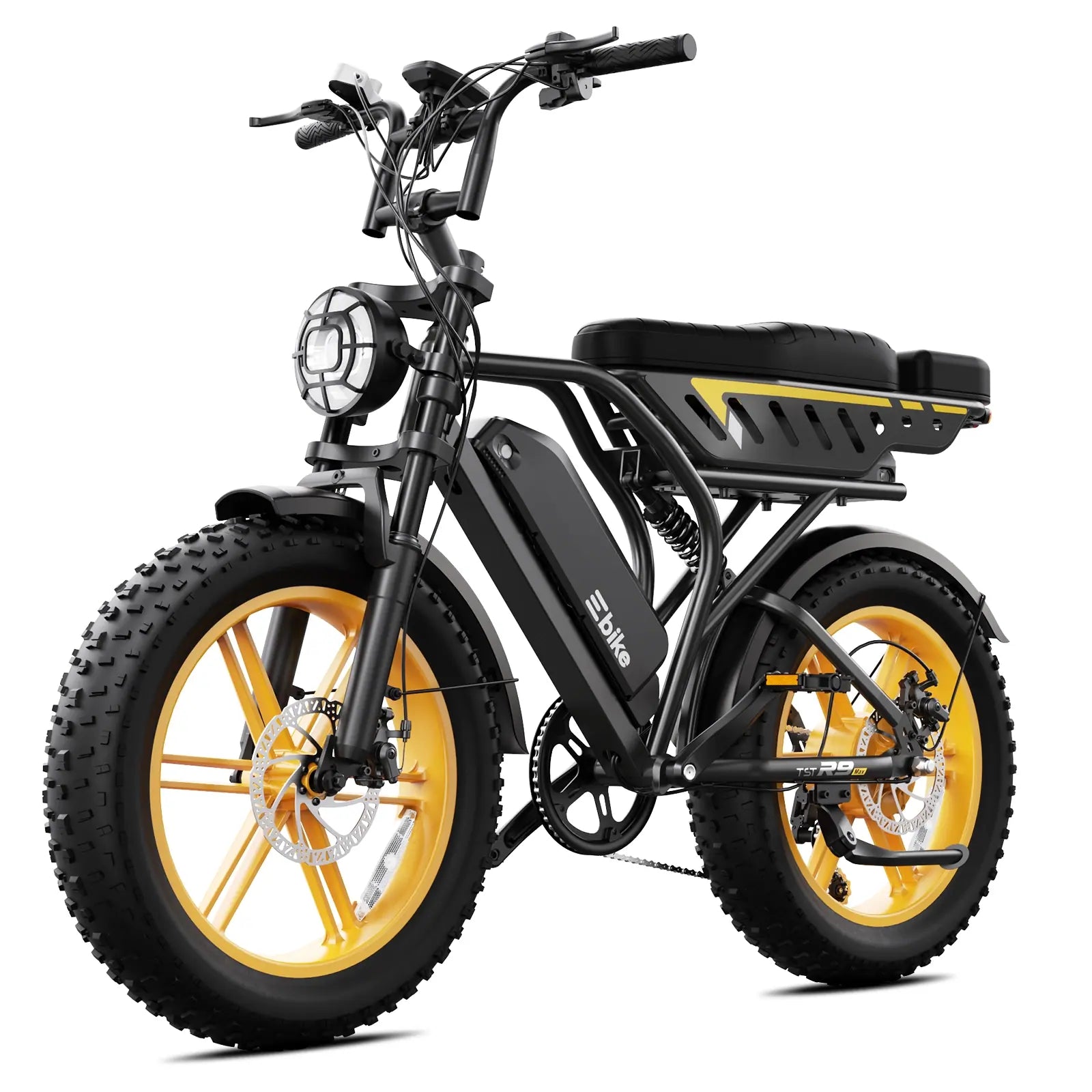
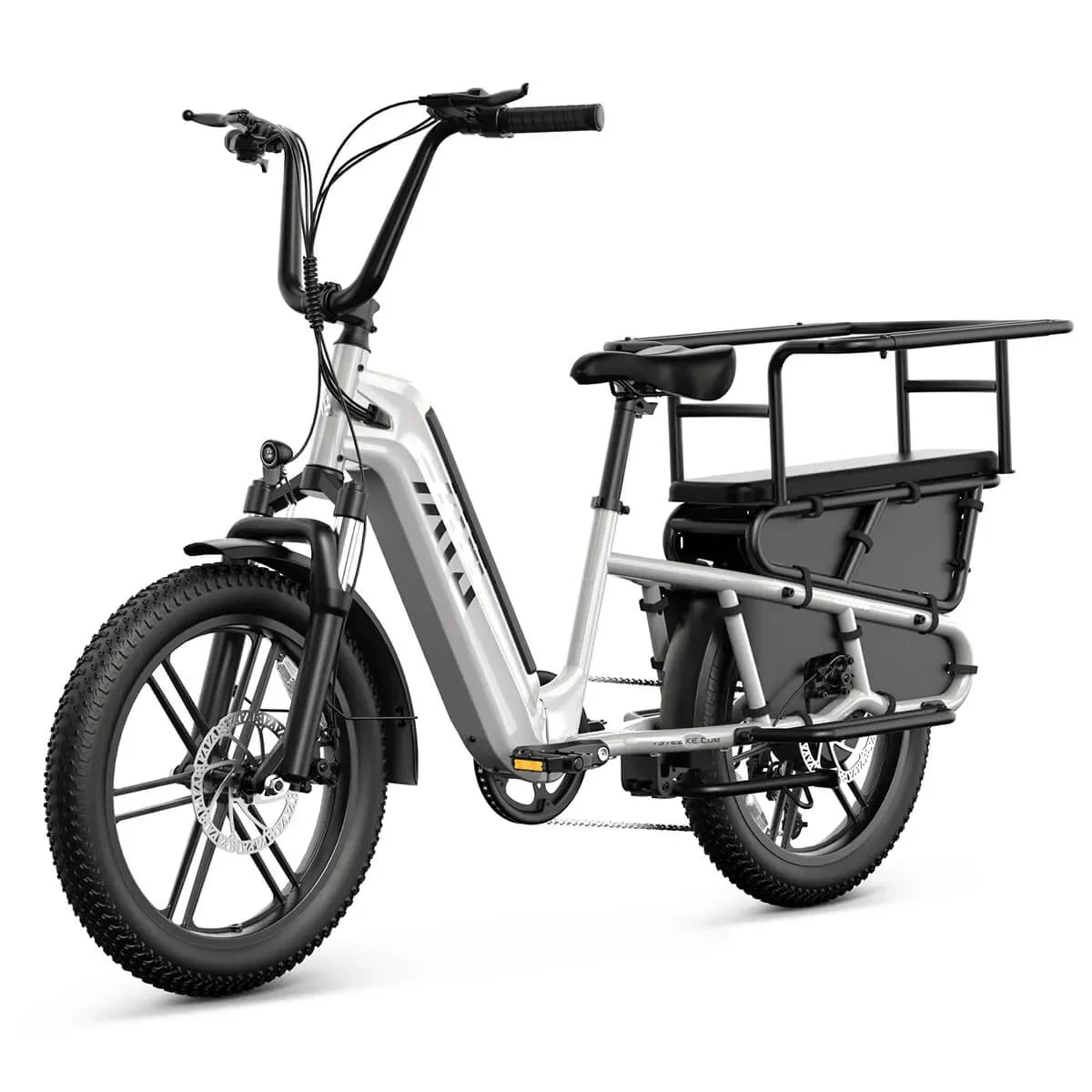
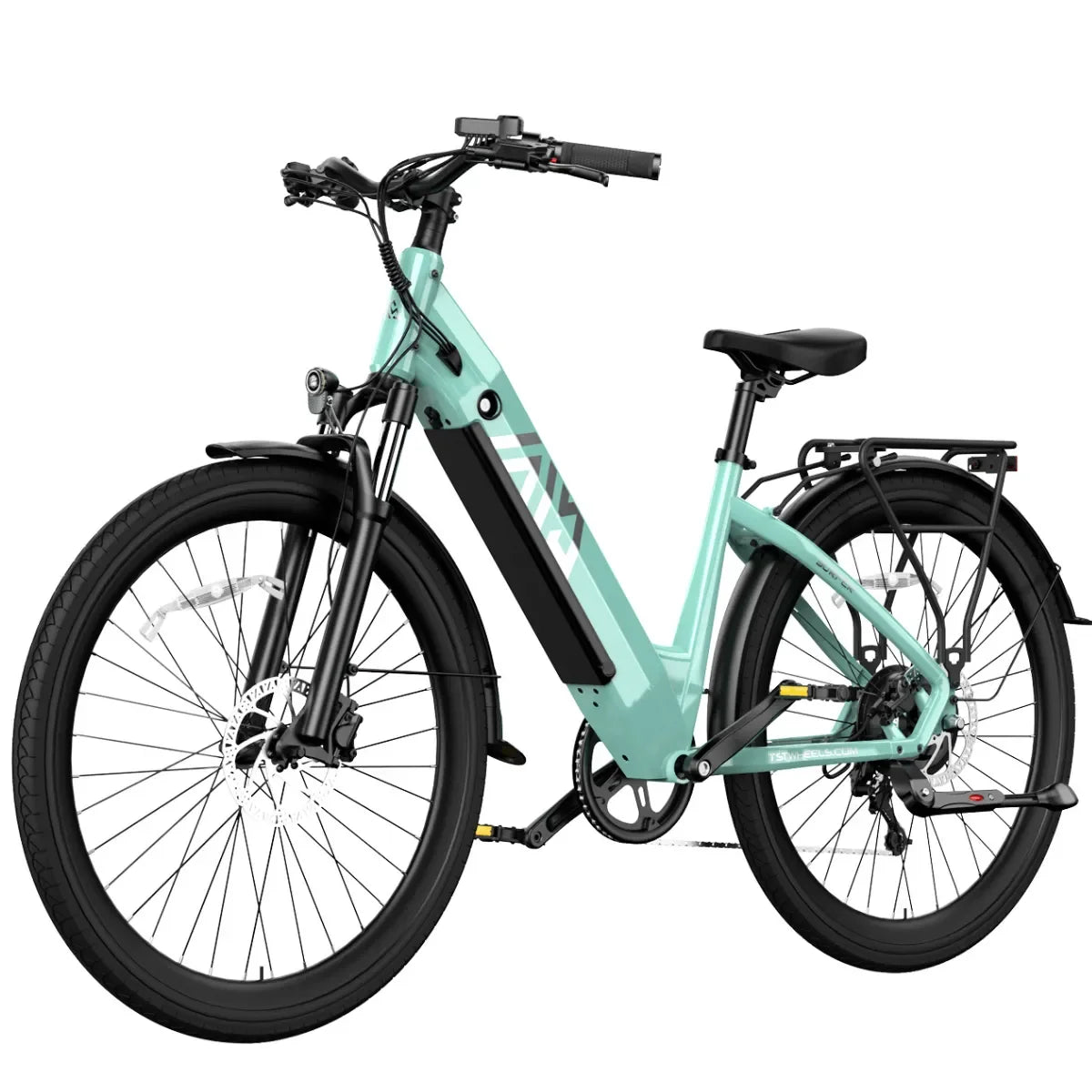
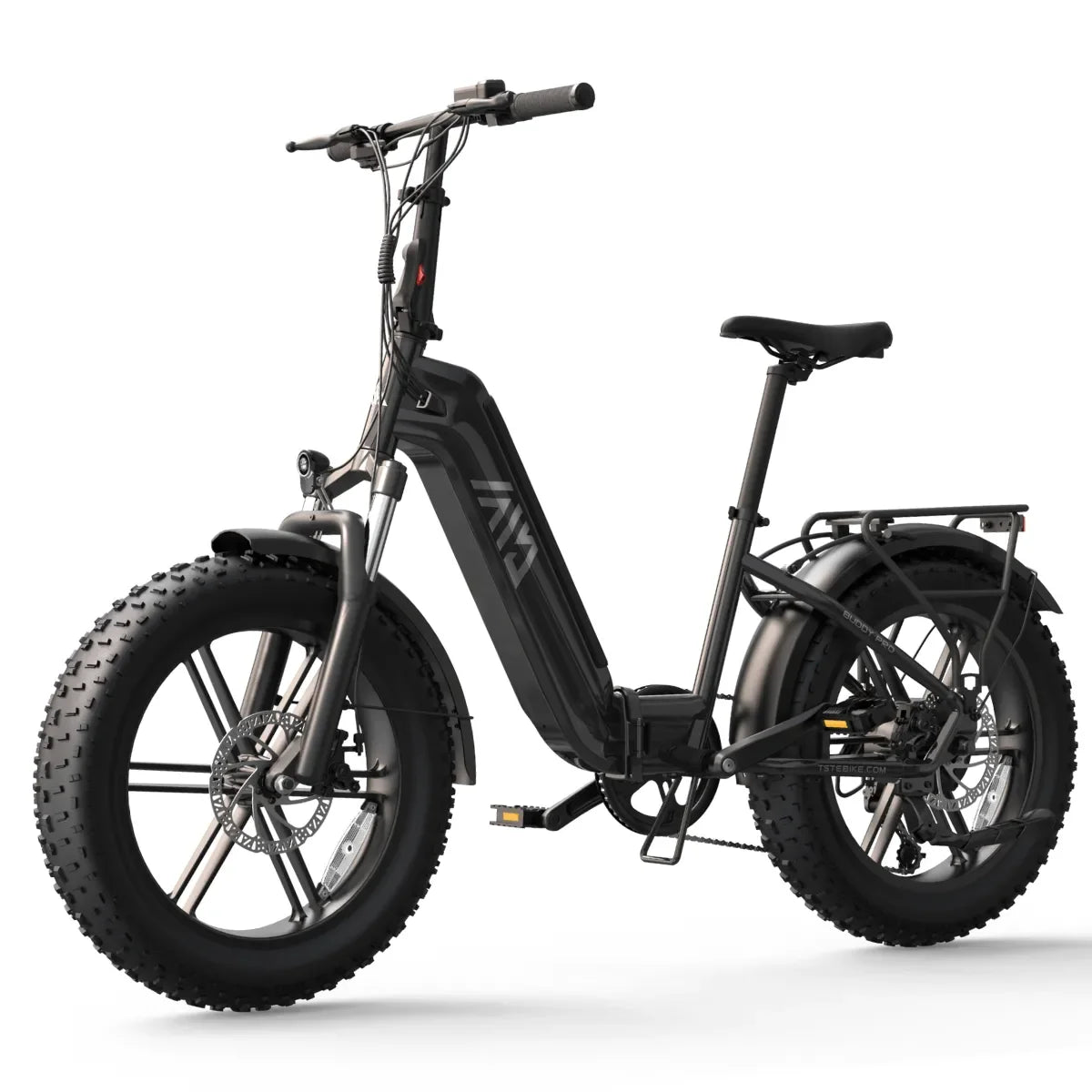
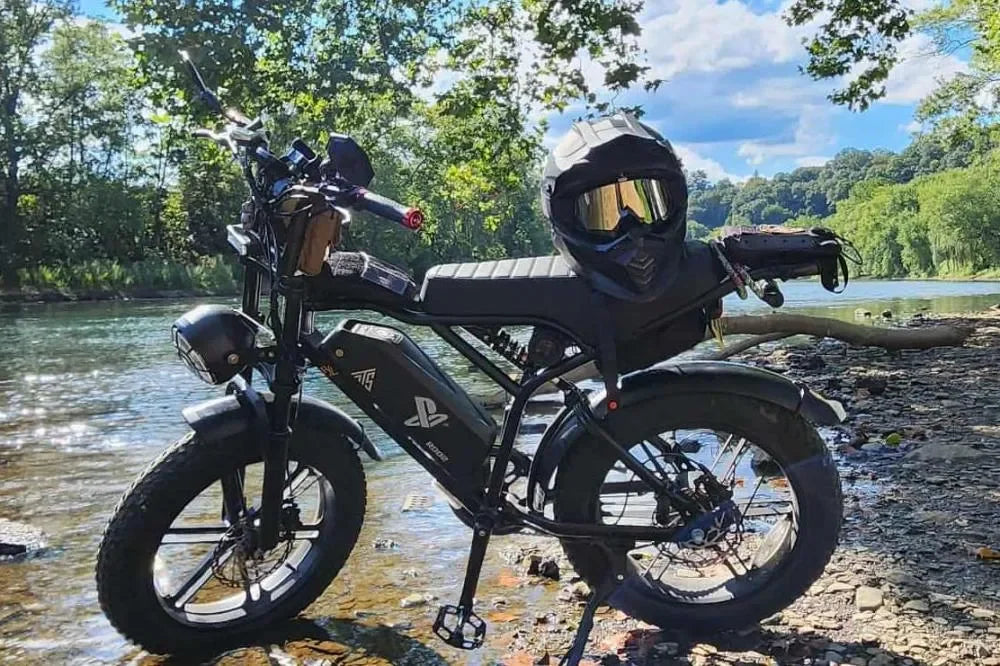
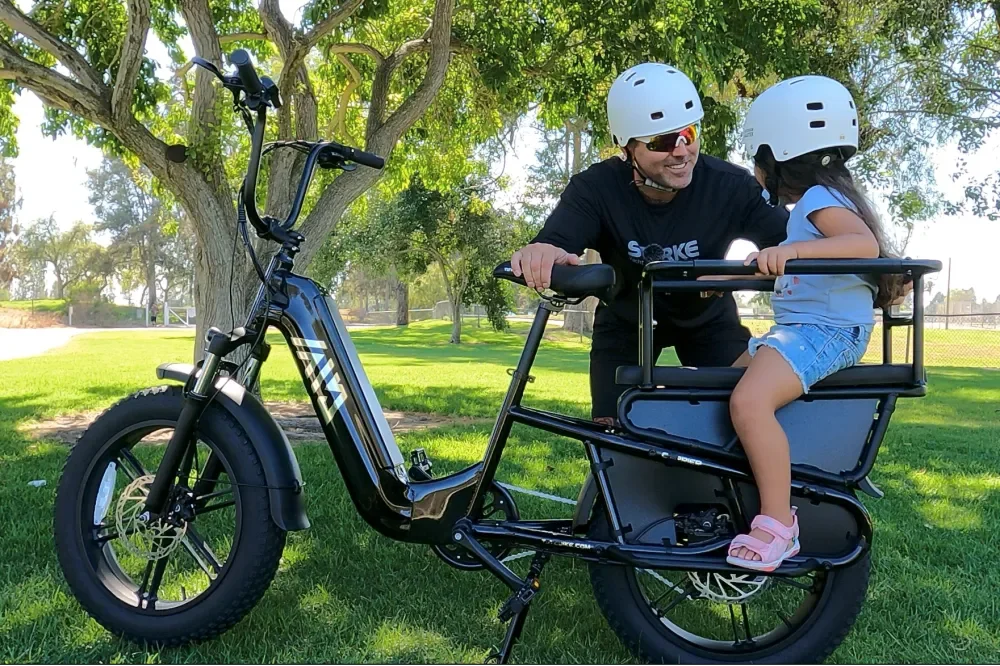
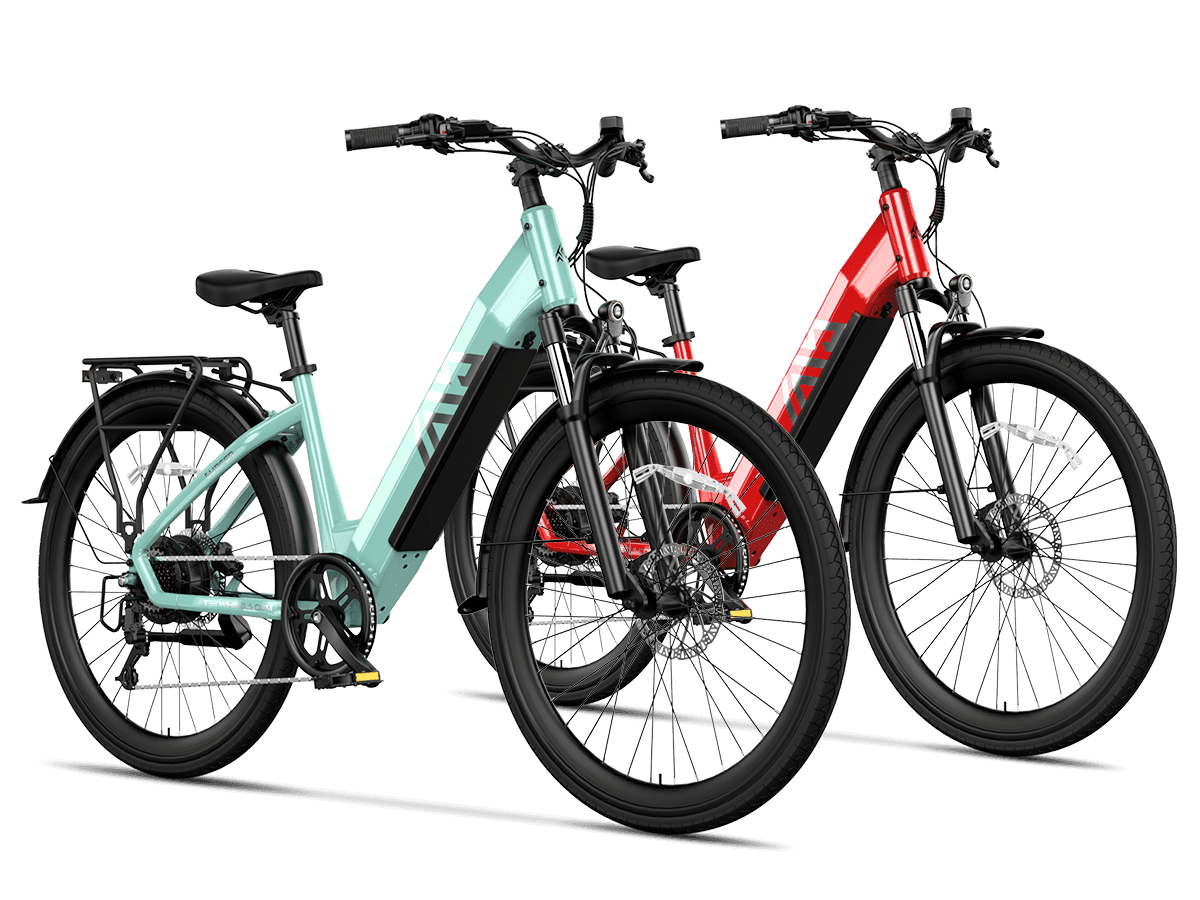
Rear wheel spoke ping testing is a fast, low-cost way for cargo ebike owners to detect dangerously loose spokes before they break and cause wheel collapse under heavy loads. By comparing clear high tones with dull low tones on each spoke and re-tensioning early, riders can stabilize load paths, reduce fatigue cracks, and extend wheel life—especially on working bikes and TST EBike cargo setups.
heavy duty cargo ebike maintenance checklist
How does rear spoke failure turn a heavy-load ebike into a hidden safety risk?
Loose or uneven rear spoke tension turns your wheel into a time bomb under cargo loads, because the few tight spokes must absorb every impact until they fatigue and snap, shifting more stress to the remaining spokes and accelerating cascade failure. Under racks, child seats, or delivery loads, one unnoticed broken spoke can quickly deform the rim, overload the hub flange, and lead to sudden wheel collapse.
From a factory-floor perspective, I see the damage pattern repeat: non-drive-side spokes loosen first, then cluster breaks appear near the same hole pattern on the rim, especially on wide 26–27-inch cargo wheels. On high-torque ebikes like those from TST EBike, the combination of motor power, disc braking, and heavy payload makes rear spoke health a structural safety issue, not a minor maintenance detail.
What is the Tension Ping Test and how does it reveal loose spokes on a cargo ebike?
The Tension Ping Test is a simple acoustic method where you lightly tap each spoke with a wrench or your fingernail and compare the pitch of the sound across the wheel. Tight spokes produce a clear, musical, higher-pitched “ping,” while loose spokes sound dull, lower-pitched, and slightly buzzy as they vibrate less efficiently.
In practice, I work methodically around the wheel, listening for “off-key” spokes that ring noticeably lower than their neighbors, then marking them for adjustment before they fail under load. On rear cargo wheels, this method is especially effective because heavy use quickly reveals tension inequality in sound long before you see visible rim wobble. For fleet operators running TST EBike cargo units, training staff on this ping test is the fastest way to protect wheels between formal services.
Why do rear wheel spokes on heavy-load ebikes break even when the wheel still looks “true”?
Spokes often break on cargo ebikes long before you see obvious side-to-side rim wobble, because visual trueness hides tension imbalance: a wheel can spin straight while some spokes are quietly carrying far more load than others. These overstressed spokes experience repeated micro-yields at every pothole or curb hit until tiny cracks form at the elbow or nipple, eventually snapping without warning.
From my teardown experience, many broken spokes come from wheels that were repeatedly “eyeball trued” without checking tension, so mechanics increased tension on a few spokes to straighten the rim but never equalized the rest of the pattern. The wheel looks fine, but a radar chart of spoke tension—or simply an expert listening pass with a ping test—would show a distorted stress map. On powerful ebikes from brands like TST EBike, that hidden imbalance is magnified by motor torque and regenerative braking.
How can cargo ebike owners perform a proper Tension Ping Test on rear spokes at home?
You don’t need a truing stand to perform a useful Tension Ping Test; you just need the bike, a quiet space, and a minute per wheel. Put the ebike upside down or in a stand, spin the rear wheel, stop it, then tap each spoke halfway along its length with a small metal tool or fingernail, listening for consistent pitch.
I always tell cargo riders to treat the wheel like a musical instrument: if one spoke sounds noticeably lower or “dead” compared to its neighbors, especially near the hub or at crossing points, mark it with a piece of tape. After you complete the circle, count how many low-pitch spokes you’ve marked; if more than three in the same zone, that wheel needs tension balancing. For TST EBike rear cargo wheels, making this part of your weekly load-check routine catches problems early.
Example spoke sound comparison table
Which rear spokes and wheel areas are most vulnerable under heavy cargo loads?
On rear cargo ebikes, the highest-risk spokes are usually those on the non-drive side of the rear wheel, because they often carry less baseline tension yet absorb large lateral loads from cornering and side hits. These spokes tend to loosen faster, then fail at the elbow or nipple, especially on wide rims supporting rear racks or passenger seats.
I focus my inspections on three zones: the non-drive side near the brake rotor, the spoke cluster around any visible rim dent, and the spokes in line with rack mounting points. In fleet scenarios using TST EBike models for last-mile delivery, I’ve seen repeated failures occur in the same rim segment because the load path from the rack concentrates stress into that area, making early ping detection critical.
Rear cargo wheel risk zones table
What specific maintenance habits can prevent rear wheel spoke collapse on loaded ebikes?
Preventing rear wheel collapse on loaded ebikes is about building a maintenance loop that combines regular acoustic checks, tension adjustments, and load discipline. I recommend a quick Tension Ping Test every week for daily cargo riders, plus a more thorough spoke wrench check every 300–500 km or after any major impact.
When I service working ebikes, I always pair tension balancing with three non-negotiable habits: keeping rear tire pressure within the upper recommended range for the load, avoiding side-loaded hits like diagonal curb approaches, and respecting the manufacturer’s rated cargo limit. On TST EBike heavy-use setups, I advise owners to log wheel incidents—broken spokes, rim dings, unusual noises—so recurring patterns reveal whether they need a stronger 36-spoke wheel or different load placement.
Why is sound-based spoke inspection superior to just “wiggling” spokes by hand on cargo wheels?
Hand-wiggling spokes gives a crude feel for looseness, but it only tests a few points and your fingers quickly adapt, masking subtle differences that matter under heavy loads. Sound-based inspection using the ping test provides a more sensitive, repeatable way to detect tension variation, because pitch shifts correlate strongly with changes in spoke length and tension.
In practice, I can walk around a busy workshop and still pick out problem spokes by ear on a spinning wheel, even when my fingers might misjudge stiffness due to rim flex or tire deformation. On cargo ebikes, where wheels see asymmetric loads and complex stress, the acoustic signature exposes clusters of low-tension spokes long before they feel “obviously loose” to casual hand checks. For TST EBike customers, training your ear is one of the best free upgrades you can give your maintenance routine.
Which tension levels and spoke patterns work best for heavy-load ebike rear wheels?
For heavy-load ebike rears, the goal is not “maximum tightness” but consistent, adequate tension across all spokes, tuned to the rim’s specifications and the usage profile. Over-tightening a few spokes to chase a perfectly true rim is a fast path to fatigue fractures, while under-tensioning leaves the wheel prone to elastic deformation and repeated loosening.
In my builds for cargo and utility ebikes, I favor robust spoke counts (32–36), two- or three-cross lacing patterns, and slightly higher average tension on the drive side to handle motor torque, balanced by carefully matched non-drive-side tension to control lateral stiffness. When I consult for brands like TST EBike, we always treat tension charts as critical engineering documents, not optional add-ons, because the right pattern plus good ping-test maintenance turns a normal wheel into a load-capable structure.
How can riders translate spoke sound differences into real-world risk levels for heavy cargo?
Spoke sound differences are not just “interesting noises”; they map directly to risk categories riders can use when deciding whether to proceed with a loaded trip. A single mildly low-pitched spoke on an otherwise healthy wheel is a monitoring issue, but a cluster of dull, low tones in one segment means the structure is already compromised and heavy loads should be avoided until tension is corrected.
I encourage riders to build a simple mental model: if the wheel “plays a clean scale” around the rim, it’s likely safe for rated cargo; if multiple spokes sound like flat notes or dead strings in one arc, treat that as a red zone. For working ebikes and TST EBike cargo fleets, turning these sound cues into clear go/no-go decisions greatly reduces the chances of mid-route wheel failures that risk both rider safety and delivery schedules.
TST EBike Expert Views
As an engineer working with cargo and high-power ebike wheels, I’ve learned that most catastrophic rear-wheel failures start weeks earlier as small acoustic warnings riders never learned to hear. Once you teach a TST EBike owner the Tension Ping Test and pair it with disciplined load limits, trueing becomes preventative rather than reactive, and wheels stop being mysterious “black boxes” and start behaving like predictable, inspectable structures.
Conclusion: How can cargo ebike riders reliably prevent broken rear spokes under heavy loads?
Cargo ebike riders can reliably prevent broken rear spokes by combining regular Tension Ping Tests, disciplined load management, and periodic professional tension balancing to keep every spoke sharing the work. Listening for dull, low-pitched spokes and correcting them early stops stress from concentrating on a few overstretched spokes that would otherwise snap under heavy payloads.
For riders using high-power platforms like TST EBike, the rear wheel should be treated as a critical structural component, checked as routinely as brakes or tires. By respecting spoke count, rim limits, and tension patterns—and by responding immediately to off-key spoke sounds—you turn an invisible mechanical risk into a managed variable, protecting both your cargo and your long-term wheel investment.
FAQS
Do I need special tools to perform a Tension Ping Test at home?
No. You only need a quiet space and a small metal object or your fingernail to tap each spoke and compare pitch around the wheel.
Can a single broken rear spoke cause a wheel collapse on a loaded ebike?
Yes, especially on cargo wheels; one broken spoke increases stress on neighbors, and ignoring it can lead to cluster failures and rim deformation.
Are thicker spokes always better for heavy-load ebikes?
Not always. Thicker spokes help, but uniform tension, correct lacing pattern, and rim strength matter more than pure diameter alone.
When should I stop riding and get a professional spoke tension check?
Stop riding loaded if you hear multiple dull ping tones in one area, see a broken spoke, or notice sudden rim wobble after an impact.
Can I rely only on visual trueness to judge rear wheel safety under heavy loads?
No. A wheel can look true yet have dangerously uneven spoke tension; sound-based checks and tension tools provide deeper safety insight.

Leave a comment
This site is protected by hCaptcha and the hCaptcha Privacy Policy and Terms of Service apply.